Why a Lifetime Warranty Matters for Auto Glass Repair
Your windshield and other vehicle glass are safety-critical parts. When you choose a shop, you want clear protection if defects or installation errors show up after service. A written promise that repair work is covered gives you practical peace of mind.
Understand what coverage really means: most lifetime warranty policies covered materials and workmanship for as long as you owned the vehicle and were often non-transferable. Coverage usually focused on repair or replacement, not indirect losses.
Choosing Miracle Auto Glass means you get documented coverage and a service record to keep. That helps when you compare long-term value versus initial cost, especially if ADAS calibration or fitment issues appear later.
Key Takeaways
You should get a written promise that backs materials and workmanship.
“Lifetime” often meant while you owned the vehicle and may not transfer.
Coverage usually limits liability to repair or replacement, not indirect damages.
Pick a shop with clear documentation—Miracle Auto Glass is an option for warranty-backed work.
Consider ADAS calibration, fit, and long-term service costs when you compare providers.
What a Lifetime Warranty Can Mean for Your Auto Glass Repair and Replacement
Knowing exactly which defects and timeframes are covered helped you compare providers. A clear written policy spelled out whether parts, materials, and workmanship were included. It also defined limits for repairs and replacements.
Defects in materials, workmanship faults, and installation errors that affect safety or fit.
Leak protection tied to the original installation; some policies covered leaks for as long as you owned the vehicle (non-transferable).
Windshield chip repairs warranted against further cracking; a failed chip repair was sometimes credited toward a replacement.
Real-world examples made comparisons easier: stress cracks might be warranted for 3 months; manufacturer defects for 1 year; workmanship for 1 year; and leak coverage for the length of vehicle ownership.
Ask Miracle Auto Glass for written terms and keep your invoice. Confirm which parts and materials are covered and how claims are handled so you’re not billed twice for the same issue.
Lifetime Warranty Auto Glass: How It Protects Your Safety, Vehicle Value, and Long-Term Cost
A strong post-service promise matters most when safety systems and structural bonds are on the line.
Correct installation affects more than looks. Your windshield helps support airbag deployment and roof strength. Proper urethane bonding and adhesives that meet or exceed FMVSS standards reduce the chance of later failures.
Why correct installation matters
Technicians who follow industry standards use FMVSS-grade adhesives and tested processes. That quality work ties directly to how robust a covered warranty is, since poor installation often causes repeat repairs.
Post-installation safety basics
Expect a safe drive-away time—commonly around 60 minutes depending on conditions and adhesive. Protect the bonded area by avoiding high-pressure car washes and rough roads for the first day.
ADAS calibration and guarantees
Many vehicles have cameras and sensors mounted to the windshield. Replacement can require calibration so systems work as intended. Some shops will re-calibrate free if their initial work causes issues within a set window (example: 30 days).
Reduced long-term cost when installation is done right the first time.
Fewer leaks, wind noise, and fitment problems after proper work.
Ask Miracle Auto Glass for standards, safe drive-away guidance, and ADAS calibration details—then confirm any covered warranty or calibration window when you schedule service.
For a clear summary of what may be included, review what a warranty covers before you book.
Warranty Limitations, Exclusions, and Claim Process You Should Know Before You Schedule Service
Understanding exclusions and limits helps you avoid surprises when you file a claim. Read written terms so you know what events and conditions are excluded and what remedies the policy provides.
Common exclusions and why they exist
Most policies do not cover new damage from collision, theft, vandalism, impacts, owner negligence, or natural disasters. Those exclusions exist because the promise is meant to fix defects or workmanship problems, not unpredictable events after service.
Pre-existing conditions that can void coverage
Corrosion, rust, or a compromised mounting area can prevent a proper bond. Shops often document these conditions when they remove old glass and will note any exclusions on your work order.
Ownership, paperwork, and typical remedies
Keep your invoice and work order — they matter. Coverage is commonly non-transferable and tied to the original customer listed on the work order. Remedies usually include repair, replacement, or ADAS recalibration, not cash for indirect damages like towing or lost time.
How to file a claim
Contact customer service, describe the issue (leak, wind noise, stress crack, sensor warning), and provide your invoice/work order number. The provider will schedule an inspection or warranty appointment and explain next steps.
Confirm ADAS specifics: providers may require systems to be operable before calibration and may limit repeated recalibrations.
Ask Miracle Auto Glass for written terms, confirm exclusions, and keep your documentation for a smooth claims process.
Conclusion
Knowing your coverage terms saves time and stress if a chip spreads or a seal leaks later.
Coverage should protect defects in materials, workmanship, and installation errors that appear after service. That protection matters when a repair fails or a chip grows into a crack.
You are buying more than new glass; you are buying confidence that a repair or replacement will be supported if fitment, leaks, or noise occur. Keep your invoice and work order and confirm whether coverage is tied to you as the owner and which exclusions apply.
Ask about ADAS calibration if your windshield has cameras or sensors. Then hire Miracle Auto Glass to fix your windshield or other glass damage and get warranty-backed service you can rely on.
FAQ
Why does a lifetime warranty matter for windshield repair and replacement?
You want assurance that materials and workmanship won’t fail after service. A long-term warranty protects you from defects in glass, adhesive failures, and installation errors that can cause leaks, noise, or unsafe fitment. It also helps preserve your vehicle’s resale value and reduces out-of-pocket costs if problems arise.
What types of coverage should you expect from a “lifetime” policy?
Look for coverage that includes defects in materials, faulty workmanship, and installation errors. Good policies typically cover full repair or replacement of defective parts and the labor to reinstall them. Some shops also include leak protection and recalibration for driver-assist systems when applicable.
How does leak protection usually work and what does “for as long as you own your vehicle” mean?
Leak protection typically means the shop will repair or replace seals and re-bond the glass at no additional labor cost if a failure is traced to their work. “For as long as you own your vehicle” usually requires you to keep the original invoice and return the vehicle to the shop for warranty service; it commonly applies only while you remain the registered owner.
When will a chip repair be credited toward a full replacement?
Many providers will credit the cost of an initial chip repair toward a replacement if the chip grows into a crack or the repair fails due to covered defects. You must usually report the issue promptly and present the original work order to receive credit.
What are common real-world warranty scenarios, like stress cracks or manufacturer defects?
Typical scenarios include stress cracks that appear after installation, delamination from defective glass, or adhesive failures that cause leaks or wind noise. Warranties often specify timeframes for workmanship issues and may treat manufacturer defects differently, sometimes requiring the shop to coordinate with the glass manufacturer.
Why does correct installation matter for your safety and vehicle integrity?
Proper installation ensures the windshield contributes to structural integrity, airbag deployment, and roof crush protection. Technicians should use FMVSS-grade adhesives and correct urethane bonding methods to meet industry standards and maintain crash safety performance.
What are safe post-installation practices you should follow?
Follow the shop’s recommended drive-away time to allow adhesive curing, usually a few hours. Avoid high-pressure car washes and bumpy roads for the first 24–48 hours, and keep windows closed. These steps help the bond set and reduce the chance of leaks or misalignment.
How can proper service reduce the need for repeat repairs?
Correct fitment, surface preparation, and proper adhesive application prevent recurring leaks, wind noise, and trim fit issues. A reputable provider will address root causes during warranty work rather than performing temporary fixes.
How do ADAS systems affect windshield replacement and warranty coverage?
Many vehicles have cameras and sensors mounted to the windshield that require recalibration after replacement. Failure to recalibrate can impair features like lane-keep assist or automatic emergency braking. Check whether the shop includes calibration and any limits on covering related defects.
What ADAS calibration guarantees should you look for?
Ask whether calibration is included, the method used (static or dynamic), and any time limits for reporting issues. Some shops guarantee calibration for a set period and will re-calibrate at no charge if a covered problem emerges within that window.
What common exclusions can void coverage under a long-term warranty?
Most warranties exclude damage from collisions, vandalism, theft, misuse, negligence, and natural disasters. Impacts from road debris or subsequent incidents are often excluded unless expressly covered by the provider’s terms.
What pre-existing vehicle conditions might void a claim?
Corrosion, rust, or compromised mounting areas can prevent a proper bond and often void coverage. Prior repairs, structural damage, or altered frame components that affect the windshield perimeter may also negate warranty protection.
What ownership and paperwork rules should you follow to keep coverage valid?
Keep the original invoice and work order, and ensure the vehicle remains registered to you if the warranty is non-transferable. Follow any maintenance or reporting requirements stated in the agreement and return to the original service provider for warranty work when requested.
What will the warranty typically provide if a covered issue occurs?
Warranties usually offer repair, replacement, or recalibration rather than cash compensation. The provider will correct covered defects with parts and labor, according to the terms, rather than reimburse for unrelated damages.
How do you file a claim and what information should you provide?
Contact the service provider with your invoice number, vehicle details (make, model, VIN), date of service, and a description of the issue. Provide photos if possible. The shop may schedule an inspection and either perform repairs on-site or authorize parts replacement per the warranty terms.
Related posts
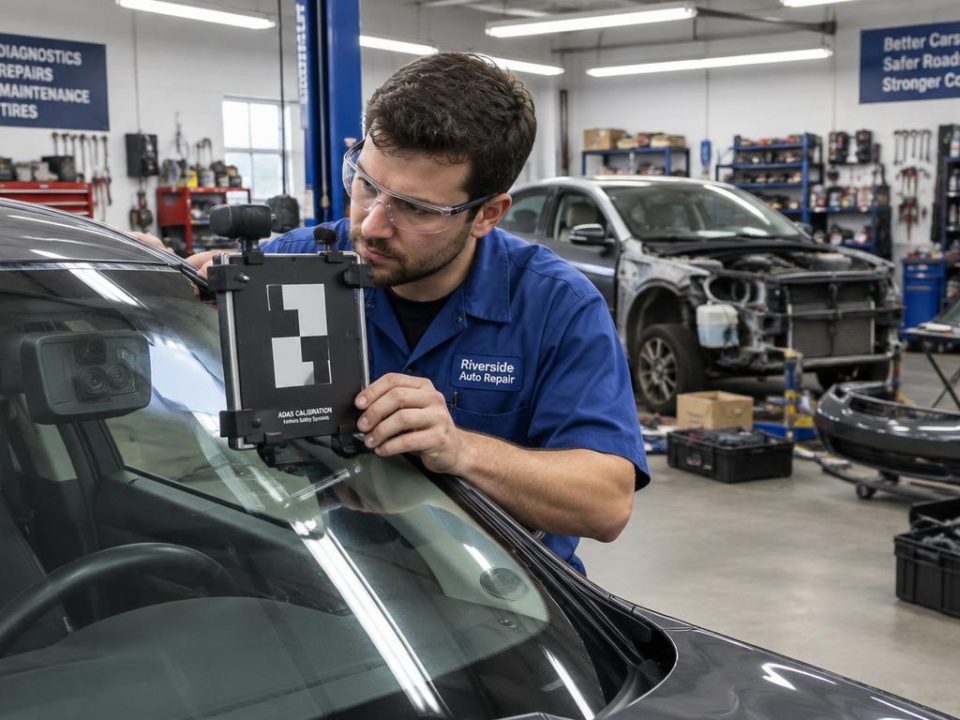
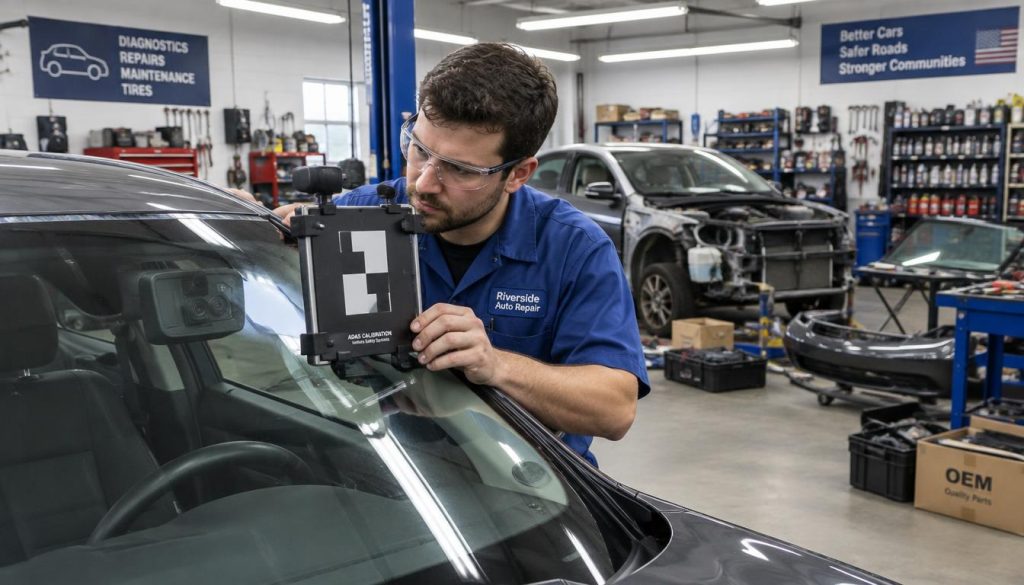
A windshield replacement can shift a safety camera’s alignment, so a technician uses a calibration tool to check it before the car returns to the road.
We use cookies to ensure that we give you the best experience on our website. If you continue to use this site we will assume that you are happy with it.AcceptPrivacy Policy
WordPress database error: [Incorrect key file for table './mirpnt_wrdp1/wp_5d67eb268367f_options.MYI'; try to repair it] INSERT INTO `wp_5d67eb268367f_options` (`option_name`, `option_value`, `autoload`) VALUES ('_transient_doing_cron', '1795352189.8982150554656982421875', 'on') ON DUPLICATE KEY UPDATE `option_name` = VALUES(`option_name`), `option_value` = VALUES(`option_value`), `autoload` = VALUES(`autoload`)