
What Determines the Cost of ADAS Calibration?
What to Do When Your Power Window Gets Stuck Down
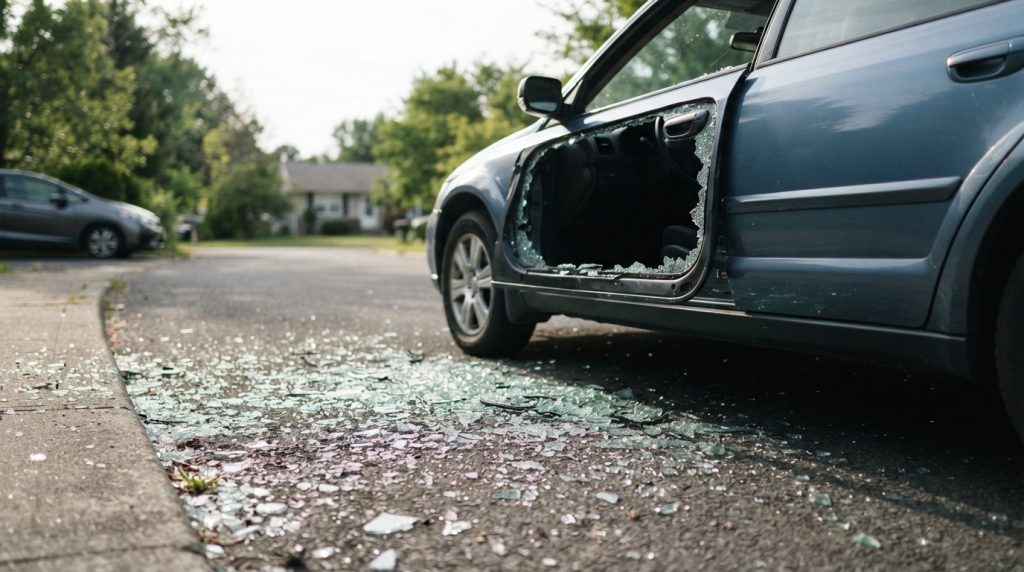
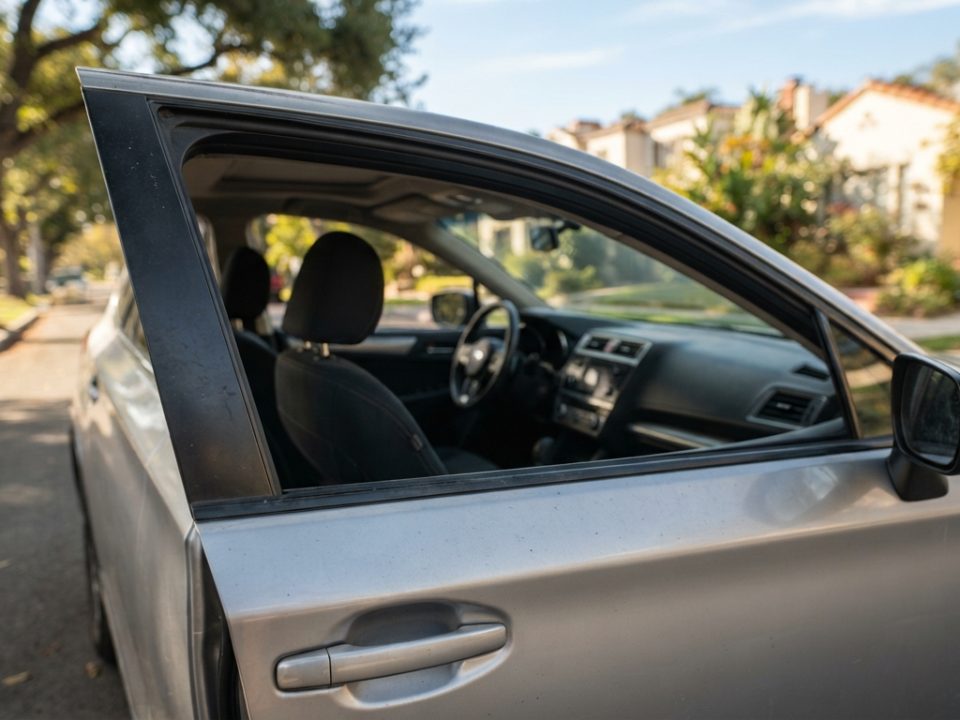
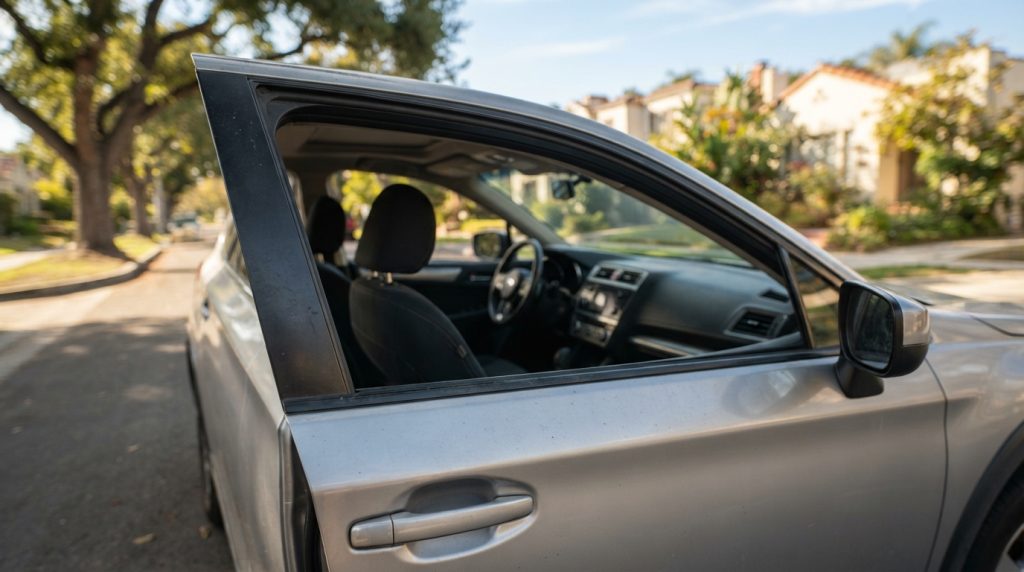
A broken door window can make side window replacement cost a concern before you know what the damage needs. The first estimate depends on your vehicle, the glass, and the work required. A broad estimate can help you plan, but it is not a quote for your specific car.
The driver or passenger door, your vehicle details, and the damage all matter. The window regulator is the mechanism inside a door that guides the glass as it moves up and down. If broken glass affects that part, the service may involve more than a new pane.
Your location and the exact job can change the final price. Insurance may also affect what you pay, depending on your policy and the cause of the damage. The next section gives a practical starting range before the guide breaks down what can move the price.
Key Takeaways
- Side door glass replacement commonly falls within a broad planning range.
- Your exact vehicle and the damaged pane shape the estimate.
- Damage to the door mechanism can add parts and labor.
- Insurance may help with certain covered events, subject to your policy.
- Keep loose glass away from people and arrange prompt service.
What Is the Side Window Replacement Cost for Your Car?
For a standard side door window, use $150-$450 as a broad budgeting range, not a promise of what your vehicle will cost. The national average is near $275, but the exact car window replacement price depends on the vehicle and damage.
Use these replacement costs to plan, not as a vehicle-specific quote. A quote for passenger side window replacement cost or driver side window replacement cost still depends on the exact vehicle and options.
| Glass location | Typical replacement estimate | Why the amount can vary |
|---|---|---|
| Side door glass | $150-$450, average near $275 | Vehicle fit, glass type, and door work |
| Quarter glass | $200-$700+ | Pane shape and part availability |
| Rear window | $200-$600+ | Glass size and electrical features |
| Windshield | $300-$1,200+ | Vehicle features and calibration needs |
The windshield range is a comparison, not a side-window estimate. A windshield has a different shape and may connect with vehicle safety systems. Those differences make its cost to replace a car glass pane unlike a side door pane.
For a car side window replacement cost estimate, tell the shop which side broke and whether the glass sits in a moving door. A fixed pane beside a door is a different part. Its shape, access, and supply can change the price.
The phrase cost to replace a car window covers several jobs, not one set amount. Even two cars with damage on the same side may need different parts or labor. The pane’s location and construction help explain why estimates for different windows are not interchangeable.
Which Side Window Needs Replacing?
A broken pane beside the driver is not necessarily the same replacement job as a small fixed pane behind the door. Start by naming the pane’s location, because a side window can mean more than one type of glass.
Front side window replacement cost refers to a door pane on the driver or passenger side. That glass usually moves up and down, while a fixed pane does not.
Driver and passenger door glass
Door glass fits inside the door and connects to the window regulator. The driver side and passenger side may look alike, but they are not always the same part. Tell the shop which door is damaged and whether the window still moves.
A car window in a front door may also have a different tint or shape from glass in another model year. Share the vehicle details when you ask for an estimate. A photo can help describe the damage, but it does not replace an inspection.
Quarter glass and other fixed side panes
Quarter glass is the small, often triangular fixed pane beside a door. It is separate from door glass and can need different access and sourcing. A small pane can still take time to replace if trim or nearby parts must come out.
Some vehicles have other fixed side panes behind the rear doors. Rear glass is not a side door window, and it may include electrical features such as a defroster. A rear window therefore has its own part and work needs.
Once you have identified the pane, consider whether the vehicle’s exact year and model make the replacement part harder to source.
Can the Glass Be Repaired Instead?
A small mark does not automatically mean you need a whole new pane, but side glass should be assessed before you rely on a repair. Repair depends on the glass and the damage, so appearance alone cannot tell you whether the pane is safe to keep.
Shattered, loose, unstable, spreading, or visibility-blocking damage generally calls for a replacement assessment. A technician can check the glass type, where the damage sits, and whether the pane remains secure.
When an assessment may find repair possible
A small chip or crack may look minor, but side windows do not all respond to damage the same way. Some are tempered safety glass, while some vehicles use laminated side glass. The location and depth of the mark also matter.
Ask a technician to assess the pane before choosing repair. A crack near an edge may weaken the glass, while a mark in your line of sight can affect safe driving. Do not assume a repair is suitable because the damage looks small.
Signs that point to replacement
If the pane has broken into pieces, no repair can restore it as one intact window. Loose pieces can fall into the door or cabin. A technician may need to replace the glass and check nearby parts.
Use this checklist to describe the damage when you call:
- Is the glass shattered?
- Does a crack reach an edge or keep spreading?
- Is the pane loose or unstable?
- Does the damage affect your visibility?
This checklist helps you explain the situation to a technician; it does not guarantee repair eligibility. A professional assessment decides whether repair or replacement is suitable. If replacement is necessary, the vehicle’s year, make, and model help determine which part can fit.
How Do Your Car’s Make and Model Change the Price?
A common older model may be easier to price than a rare or luxury vehicle because its replacement parts are more readily available. Part supply and the exact vehicle configuration can affect the estimate.
The make and model alone do not set a fixed price. A shop also needs the year and the specific window to find a compatible part.
| Vehicle group | Part availability | Likely cost pressure |
|---|---|---|
| Common older models | Generally more readily available | Lower pressure |
| Current mainstream models | Varies by exact configuration | Availability and cost vary |
| Luxury or rare models | May be less widely stocked | Higher part costs or specialized labor |
Options can make a difference even within one model line. Glass may vary by door, trim, tint, or other factory features. The correct part number helps a shop avoid ordering a pane that does not fit.
If you search for side window replacement cost for a Toyota, the name alone is not enough to predict the bill. The year, model, and specific window still matter. A Toyota sedan’s front door pane may differ from another Toyota’s quarter glass.
Share your vehicle identification number, or VIN, if the shop requests it. The VIN can help identify the correct build and part. After checking vehicle fit and availability, compare the glass options offered for that exact pane.
Does OEM or Aftermarket Glass Change the Cost?
The lowest-priced pane is not automatically the best match for your vehicle’s fit, tint, and glass specification. Compare the details before choosing between OEM glass and aftermarket glass.
OEM replacement glass may add about 20%-30% to the overall cost compared with a less expensive alternative. OEM glass is made to the vehicle manufacturer’s specifications.
OEM glass and manufacturer specifications
OEM means original equipment manufacturer. OEM glass is made to the vehicle manufacturer’s specifications, which can make it a close match for the original pane. It usually costs more than a lower-priced replacement option.
Ask whether the quoted glass matches the part number and features for your vehicle. If the original pane had a special tint or marking, confirm what the replacement includes. The name OEM does not remove the need to check the part details.
Aftermarket glass, fit and tint
Aftermarket glass comes from a supplier other than the vehicle manufacturer. It may cost less, but aftermarket quality and fit can vary. Tint may not match the factory glass exactly, so ask about the shade and visible differences.
Side and rear windows are often tempered safety glass. Windshields are typically laminated glass, which has a plastic layer between glass sheets. Some vehicles may use laminated side glass, so confirm the correct specification instead of assuming every side pane is the same.
Ask the shop to name the glass type and explain any difference from the pane being removed. You can then compare the part and labor in each estimate. Once you know which pane is being installed, ask whether anything beyond the glass itself needs repair.
What Damage or Features Add Work?
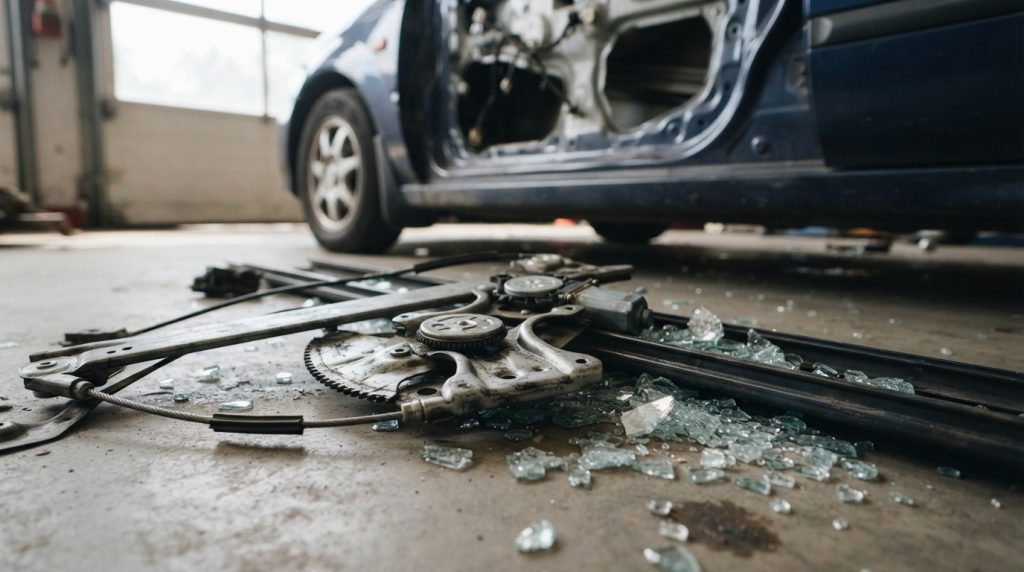
The glass may be only one part of the job if broken pieces have jammed the door mechanism. Extra door work can add parts and labor beyond fitting a new pane.
A damaged window regulator, motor, or track can raise the estimate. Ask the shop to explain any added repair and identify the part that needs attention.
Power-window parts and door damage
The window regulator guides and moves the glass. Shards can jam its track or damage the regulator or motor. If a technician finds a broken part, the estimate may include the replacement component and added labor.
Power windows also have wiring and switches that may make access more involved than a simple manual mechanism. A door can hide broken glass after the visible pieces are removed. Ask whether cleanup and a check of the moving parts are included.
Not every broken window damages the door mechanism. A shop should explain what it found before adding work. If the glass moves unevenly or makes a new sound, mention that when you describe the problem.
When ADAS calibration is relevant
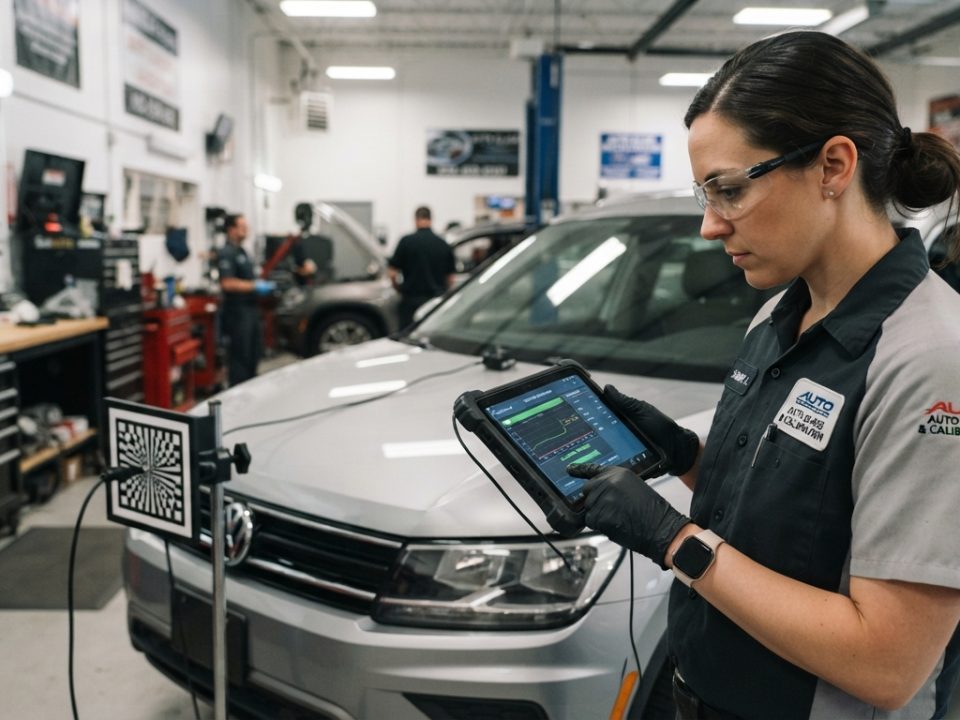
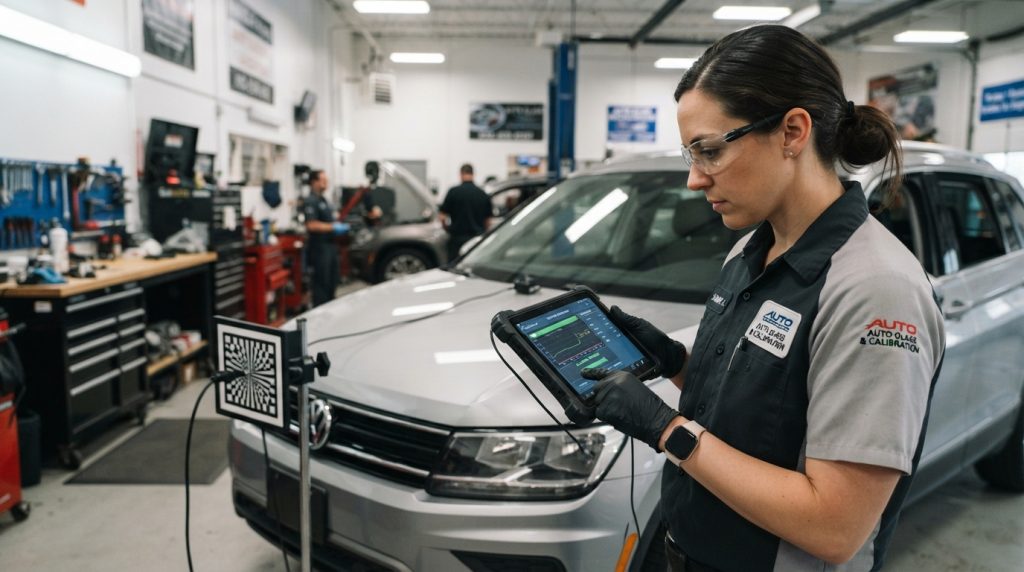
ADAS means advanced driver-assistance systems, such as features that help with lane position or braking. ADAS calibration is linked to windshield replacement when a vehicle’s safety features require it. It is not an automatic charge for an ordinary side-window replacement.
Static calibration uses a fixed target in a controlled setting. Dynamic calibration takes place while driving with specialized equipment. The required method depends on the vehicle and the system involved.
Check whether a sensor or other system was actually affected before approving extra work. A shop should connect the proposed task to a specific feature or repair. With the likely parts identified, the estimate should also make clear how much labor and time the job involves.
How Is a Side Window Replaced, and How Long Does It Take?
A technician usually has to open the door trim to reach the glass track and regulator. Many side-window jobs take about one hour, though damage and power-window work can extend that time.
Power-window work may take two to three hours or more. The door design and condition of the mechanism affect the total time.
What the replacement process involves
A professional first protects the work area and removes the interior door panel. The technician releases and removes the damaged pane, then clears broken glass from the door and cabin.
Next, the technician fits compatible glass and secures it to the track or regulator. The door panel goes back on after the glass sits correctly. The technician then tests the window’s movement and checks its operation.
In practical terms, you replace a side window by removing the door trim and damaged glass, clearing fragments, fitting and securing compatible glass, then testing the mechanism. A proper fit matters because the pane must move and seal as intended.
Timing and the limits of DIY work
Many side and rear window replacements take about an hour. Power-window repairs may take two to three hours or more, especially if parts are damaged or access takes longer.
DIY glass alone has been estimated at $50-$300, before tools or other expenses. That figure does not include all the work or materials you may need. Broken glass can cause cuts, and a poor fit can lead to leaks or weaken safety.
A DIY attempt may also damage the door trim, track, or regulator. If you do not have the right tools and experience, a professional service can reduce those risks. After learning what the job involves, check how your policy treats the cause of the break and your deductible.
- Protect your hands and eyes from sharp fragments.
- Keep pieces from falling deeper into the door.
- Use compatible glass and secure it to the correct track.
- Test movement and fit before driving.
Will Insurance Pay for a Broken Side Window?
If you have comprehensive coverage, your insurer may pay for a broken side window after a covered event, subject to your policy and deductible. The cause matters, and your policy sets the rules for your claim.
Liability-only coverage does not cover damage to your own vehicle’s glass. Comprehensive coverage often applies to vandalism, break-ins, weather damage, and some flying debris.
Comprehensive coverage and covered events
Coverage for a specific event depends on your policy. Use this table as a starting point, then ask your insurer how the event applies to your claim.
| Cause of damage | How coverage may apply | What to verify |
|---|---|---|
| Break-in or vandalism | Often covered under comprehensive | Policy terms and deductible |
| Weather or falling branch | Often covered under comprehensive | Cause and coverage terms |
| Collision or flying debris | Depends on the policy and circumstances | How the damage occurred |
Deductibles, exclusions and claims
Compare your deductible with the repair estimate before filing a claim. If your deductible is close to the expected bill, a claim may not lower your out-of-pocket cost much.
Check these three details with your insurer:
- Your deductible for glass damage.
- Any separate glass provision or exclusion.
- Whether a claim changes your out-of-pocket amount.
Comprehensive glass claims generally do not automatically raise premiums. Repeated claims or insurer-specific rules can still matter. Your insurer can explain the actual terms and how they apply to your policy.
If coverage leaves you paying some or all of the bill, keep the vehicle protected while arranging a quote.
What Should You Do While the Window Is Broken?
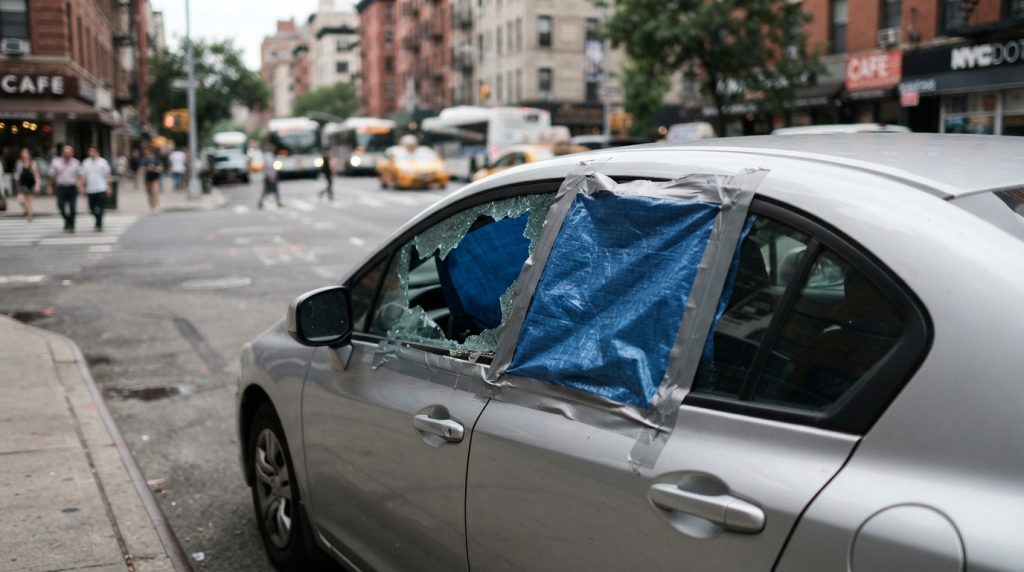
A temporary cover can help keep weather out, but it does not restore the protection of an installed window. Arrange service soon to limit exposure and keep loose fragments away from people.
A missing side window can expose your interior, invite entry, and remove protection the glass provides in a crash. Rain or snow can also damage items inside the vehicle.
Keep people away from loose glass, and secure belongings elsewhere. If you use a temporary cover, make sure it does not block your view or interfere with driving. Do not treat the cover as a permanent repair.
A cover that shifts, flaps, or blocks visibility can create another hazard. Avoid driving if the damage makes it unsafe to see or control the vehicle. Arrange prompt service instead of waiting for the cover to fail.
Mobile service may help if the damage makes driving unsafe, though availability depends on your location and the job. When the car is ready for service, compare quotes on the same glass and work rather than price alone.
How Can You Get a Useful Local Quote?
A useful estimate starts with your vehicle details and a clear description of which pane broke. Local labor and part availability also affect the cost of replacing a car side window near me.
The estimate depends on your vehicle, exact pane, damage, available parts, and local labor. No Miracle Auto Glass-specific price is supplied here.
Prepare these details before calling so the shop can discuss the right part and work:
- Provide the vehicle year, make, and model.
- Identify the exact pane and whether it is fixed or in a door.
- Describe broken glass or suspected regulator damage.
- Ask whether glass, labor, cleanup, applicable calibration, and warranty are included.
Ask the shop to separate glass and labor if you want to understand what drives the estimate. Confirm whether it includes cleanup inside the door, since broken fragments can remain there. If the shop expects extra work, ask what it found and why that work is needed.
You can contact Miracle Auto Glass at (210) 680-2551, located at Bandera Rd & Grissom, for a vehicle-specific discussion. Have your vehicle details and pane location ready when you call.
A written estimate can help you compare the same scope of work across shops. Check that each quote names the pane and includes any added labor or parts. Call with those details rather than relying on a general range.
Conclusion
Your exact price depends on the vehicle and the work the damaged glass needs. A broad range can help you budget, but only details about your vehicle and pane can shape a useful quote.
Tell the shop which window broke, how the damage happened, and whether the door still works. That information can help the team identify the part and discuss service without guesswork.
For help with broken glass, contact Miracle Auto Glass. Hire Miracle Auto Glass to fix your windshield or other glass damage.