
How UV Rays Can Damage Your Vehicle Glass and Interior

What to Do Immediately After Your Windshield Cracks

What Happens If You Ignore a Windshield Chip: Risks, Costs, and Repair Solutions
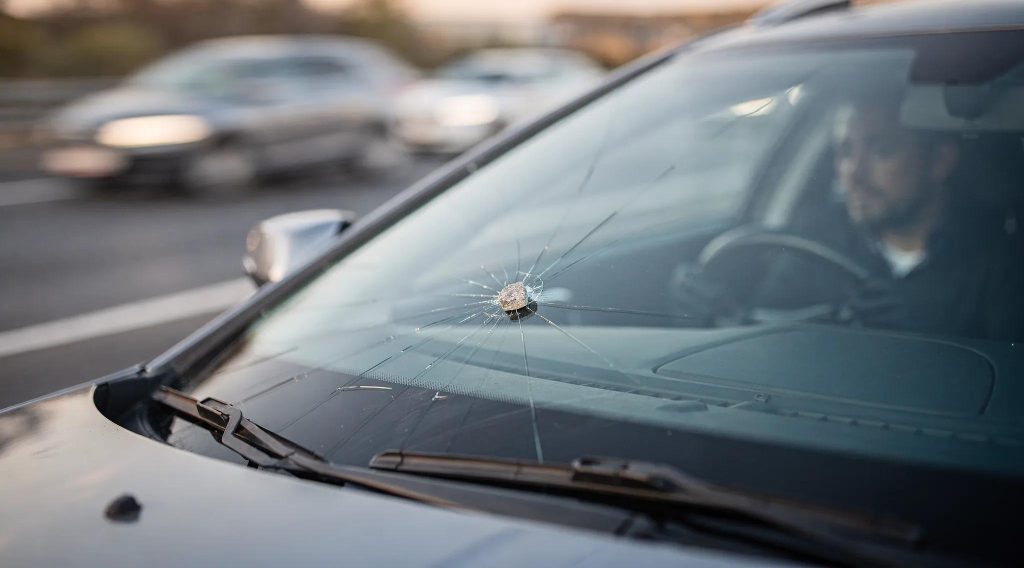
Ignoring a windshield chip may seem like a minor issue, but it can lead to significant safety hazards and financial consequences. Windshield chips can progress into larger cracks, compromising the structural integrity of your vehicle and increasing repair costs. This article will explore the causes of windshield chips, the risks associated with neglecting them, and the financial implications of repair versus replacement. Additionally, we will discuss how insurance and warranties can affect your repair options and provide insight into the repair process at Miracle Auto Glass Center, a specialized auto glass service provider in San Antonio.
What Causes Windshield Chips and How Do They Progress?
Windshield chips are typically caused by flying debris, such as rocks or gravel, that strike the glass at high speeds. Environmental factors, such as temperature fluctuations and moisture, can exacerbate these chips, leading to further damage. Over time, a small chip can develop into a larger crack due to stress from temperature changes or pressure from the vehicle’s movement. Understanding these causes is crucial for vehicle owners to take timely action and prevent further damage.
What Are the Risks of Ignoring a Windshield Chip?
Neglecting a windshield chip can pose several risks, including:
- Safety Hazards: A compromised windshield can obstruct the driver’s view, increasing the likelihood of accidents.
- Cost Implications: What starts as a minor repair can escalate into a more expensive replacement if left unaddressed.
- Impact on Vehicle Integrity: A damaged windshield may not provide adequate support during a collision, putting passengers at risk.
Addressing windshield chips promptly is essential to maintain safety and avoid higher costs down the line.
Research further emphasizes the critical role of laminated glass in protecting occupants and maintaining structural integrity during collisions.
Windshield Structural Integrity & Occupant Safety
Laminated glass is important in human protection and structural integrity due to its excellent performance in protecting occupants in windshield-damaged accidents. Given that head–windshield impact contact is a common injury mechanism in vehicle collisions, the impact behavior of laminated windshields is crucial for occupant safety.
Impact Behavior and Pedestrian Protection of Automotive Laminated Windshield, J Xu, 2018
How Can a Small Chip Develop Into a Larger Crack?
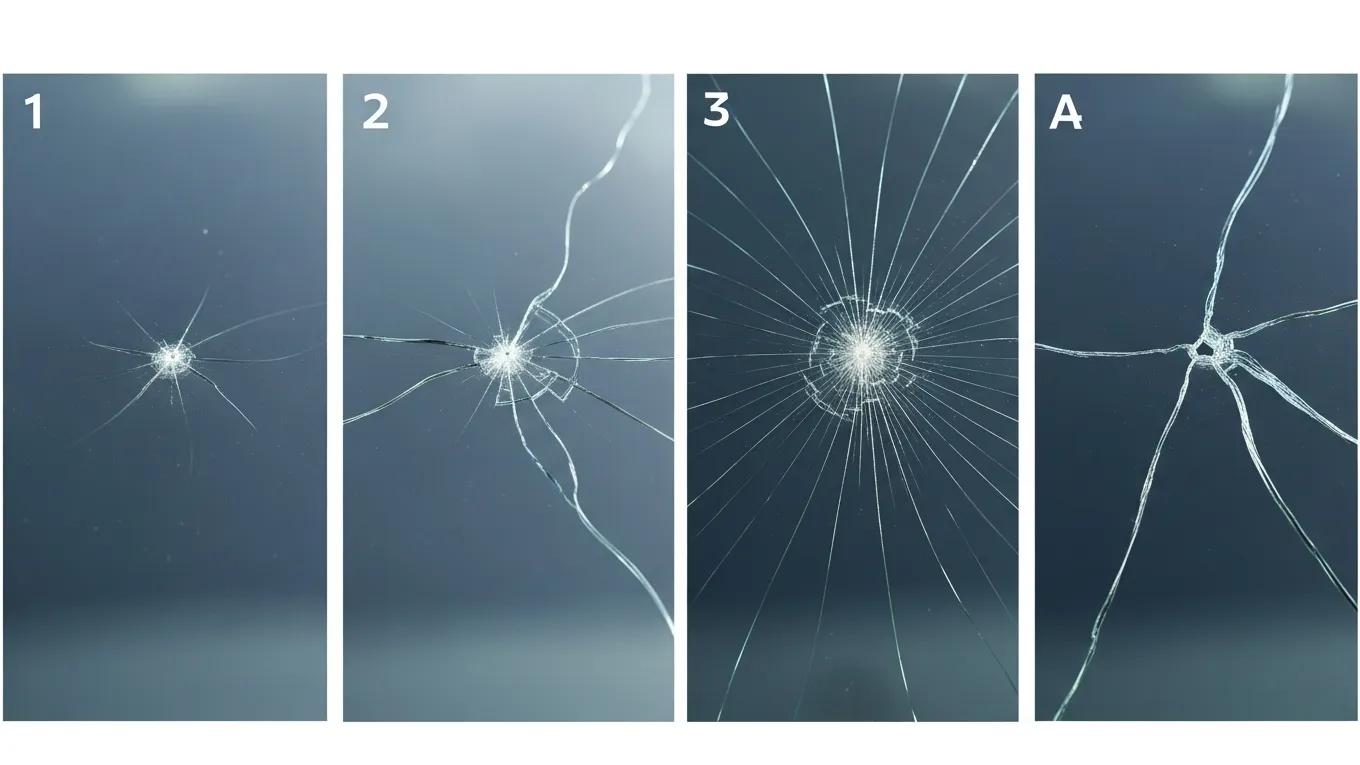
A small chip can develop into a larger crack due to several mechanisms. For instance, temperature changes can cause the glass to expand and contract, putting stress on the chip. Additionally, vibrations from driving can exacerbate the damage, leading to a crack that spreads across the windshield. Factors such as moisture entering the chip can also weaken the glass structure, making it more susceptible to cracking. Understanding these mechanisms highlights the importance of timely repairs to prevent further damage.
Advanced analytical methods have been employed to precisely track how these fractures initiate and spread across windshields.
Windshield Crack Propagation Analysis
3D-Digital Image Correlation (3D-DIC) was used to monitor windshield displacement field and we were able to capture fracture initiation locations and crack propagation of windshields.
Capturing fracture initiation and crack propagation of car windshields, J Rudshaug, 2023
What Are the Financial Consequences of Neglecting Chip Repair?
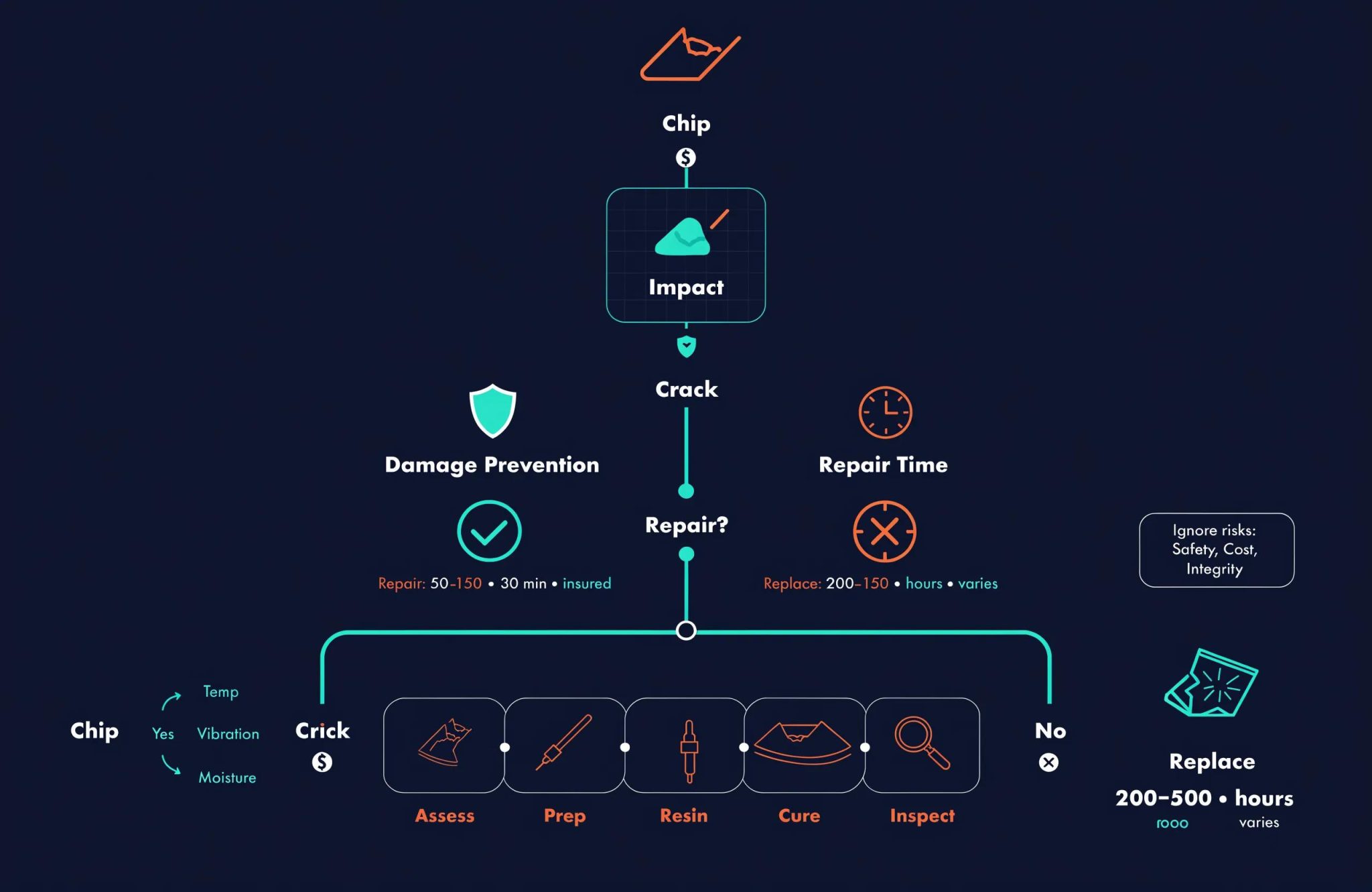
Ignoring windshield chip repairs can lead to significant financial consequences. The cost of repairing a small chip is typically much lower than the cost of replacing an entire windshield. For example, a simple chip repair can range from $50 to $150, while a full windshield replacement can cost between $200 and $500, depending on the vehicle make and model. Additionally, if the damage worsens, insurance may not cover the full replacement cost, leading to out-of-pocket expenses. Therefore, addressing chips promptly can save vehicle owners considerable money in the long run.
How Does Windshield Chip Repair Compare to Replacement Costs?
When considering repair versus replacement, several factors come into play. Repairing a chip is generally more cost-effective and quicker than replacing the entire windshield. Most repairs can be completed within 30 minutes, while replacements may take several hours. Furthermore, many insurance policies cover chip repairs, often waiving the deductible, making repairs even more appealing financially. In contrast, replacement costs can vary significantly based on the vehicle’s make and model, and may not be fully covered by insurance.
This comparison illustrates the financial benefits of opting for repair over replacement whenever possible.
How Can Insurance and Warranties Affect Windshield Chip Repairs?
Insurance policies and warranties can significantly impact the decision to repair or replace a windshield. Many insurance companies offer coverage for windshield repairs, often without a deductible, making it financially advantageous for vehicle owners. Additionally, some warranties may cover repairs or replacements, depending on the terms. It is essential for vehicle owners to review their insurance policies and warranties to understand their coverage options and make informed decisions regarding windshield repairs.
Understanding the interplay between repair costs and insurance coverage is crucial for making informed decisions about windshield damage.
Automobile Insurance & Windshield Repair Costs
tion of automobile insurance terminology and coverage is presented. The relationship between repair costs and insurance costs is discussed. This involves repairing or replacing broken windshields, repairing minor body damage, and replacing major body components.
Designing for Optimum Damageability, Repairability and Insurability How Repair Costs Relate to Insurance Costs, 1994
What Is the Windshield Chip Repair Process at Miracle Auto Glass Center?
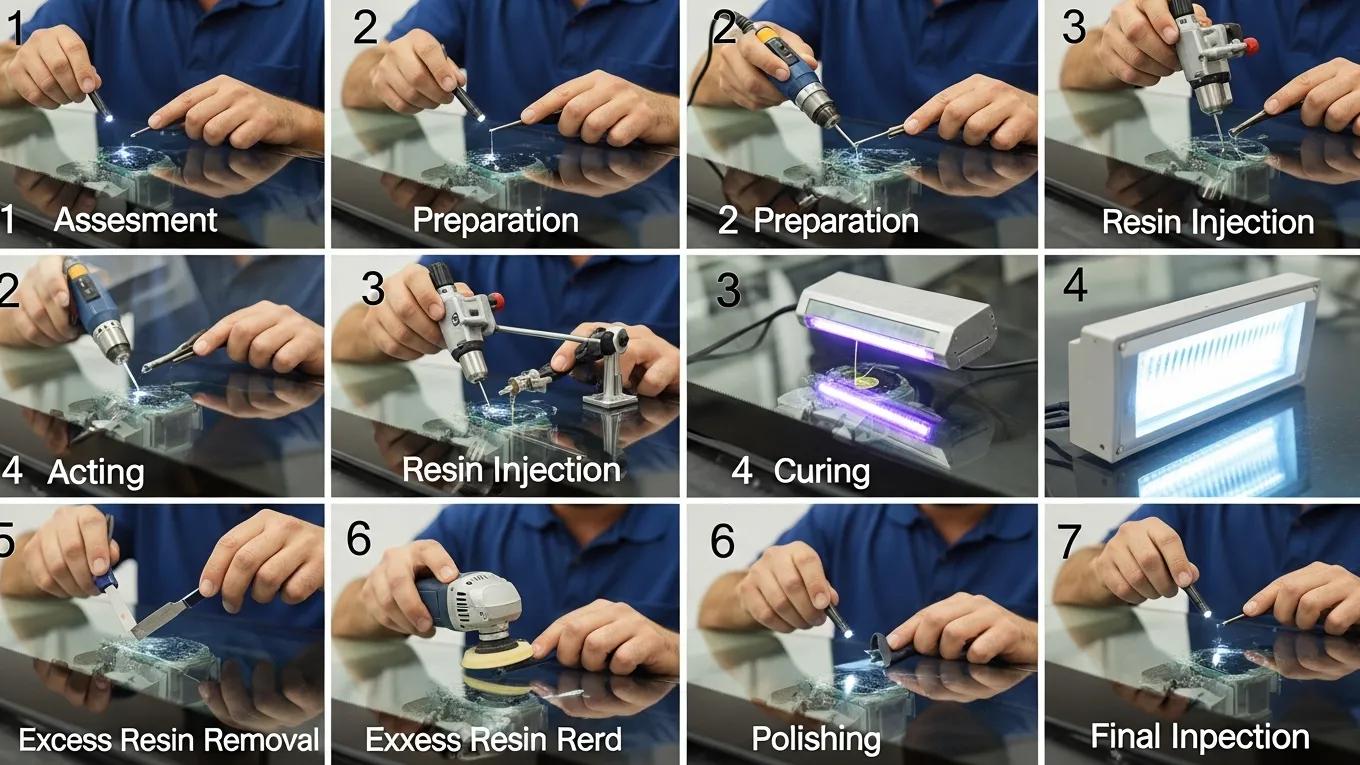
At Miracle Auto Glass Center, the windshield chip repair process is straightforward and efficient. The process typically involves the following steps:
- Assessment of Damage: A technician evaluates the chip to determine if it can be repaired or if replacement is necessary.
- Preparation: The area around the chip is cleaned to ensure proper adhesion of the repair resin.
- Repair Application: A specialized resin is injected into the chip to fill the void and restore the structural integrity of the glass.
- Curing: The resin is cured using ultraviolet light, ensuring a strong bond.
- Final Inspection: The technician inspects the repair to ensure it meets quality standards.
This process allows for quick and effective repairs, helping vehicle owners maintain safety and avoid further damage.
What Are Common Questions About Windshield Chip Repair?
When it comes to windshield chip repair, vehicle owners often have several questions, including:
- How long does the repair take? Most repairs can be completed in about 30 minutes.
- Will the repair be noticeable? While repairs are designed to be as unobtrusive as possible, some visibility may remain depending on the chip’s size and location.
- Is it safe to drive with a chip? It is not recommended to drive with a chip, as it can worsen and compromise the windshield’s integrity.
Understanding these common concerns can help vehicle owners make informed decisions about their windshield repair needs.