
How Rear Windshield Replacement Affects Your Defroster System
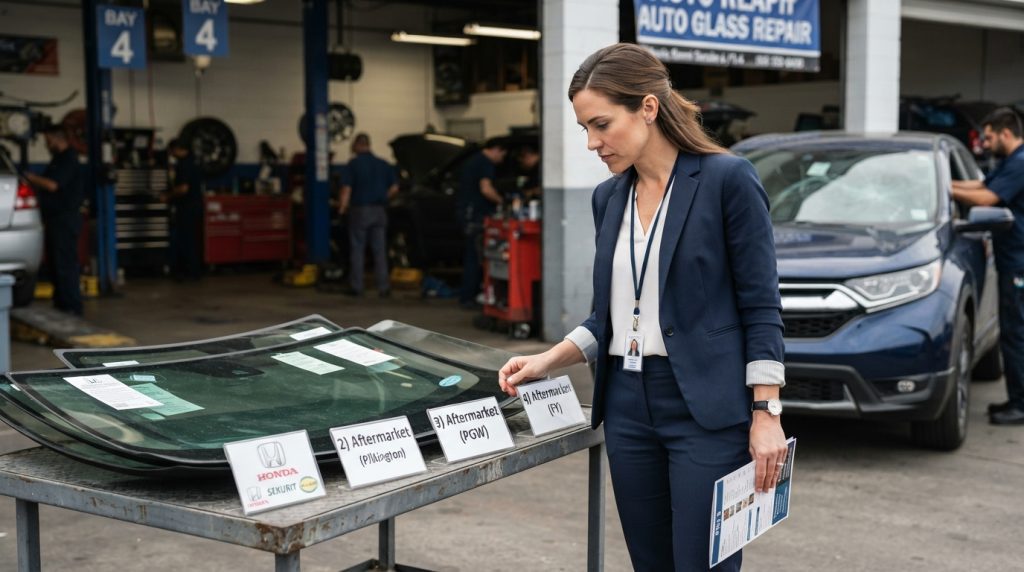
A damaged windshield can leave you choosing between glass made to match the vehicle’s original specifications and a replacement made by an independent manufacturer. Your choice can affect fit, features, price, and how soon the auto glass is available. The right option depends on your vehicle and the glass it needs, not just the label on a quote. You may also need to weigh insurance terms and the work required during installation. A clear comparison can help you ask better questions before you approve a replacement. Start with the definitions and direct comparison that make those options easier to distinguish.
Key Takeaways
- OEM glass aims to match original vehicle specifications.
- Aftermarket glass comes from a manufacturer other than the vehicle’s original supplier.
- Some aftermarket glass carries an OEE label, which has no single industry-wide standard.
- Glass features and camera systems can affect fit, cost, and installation.
- Ask your insurer and installer about approved glass and required system checks.
OEM vs Aftermarket Windshield: What Is the Difference?
OEM glass is replacement glass intended to match the vehicle’s original factory specifications. Aftermarket glass comes from a different supplier, and the label alone does not show whether two products came from separate makers.
OEM stands for original equipment manufacturer. The term describes glass made to match vehicle-specific measurements, curves, and specifications. Some companies supply glass to automakers and also sell replacement products under their own names.
What OEM glass means
An OEM windshield aims to match the glass fitted when the vehicle was built. Its specifications may include the shape and features needed for that model. The original equipment label does not always mean the vehicle maker produced the glass itself.
Some manufacturers make glass for automakers, then sell replacement glass using their own brand. The maker and the label can differ, even when the supplier relationship overlaps.
What aftermarket glass means
Aftermarket glass is replacement glass made by a company other than the vehicle’s original supplier. Some sellers call certain products OEE glass. OEE means aftermarket glass marketed as original equipment equivalent, but it is not an officially standardized industry-wide designation.
| Comparison point | OEM glass | Aftermarket glass |
|---|---|---|
| Intended specifications | Matches original vehicle specifications | May vary by product and vehicle fit |
| Manufacturer or supply relationship | Linked to original supplier | Made by another company |
| Branding or label | May carry vehicle or supplier branding | May carry maker or OEE branding |
| Typical cost and availability | Often costs more; sourcing may take longer | Often costs less; may be easier to find |
Searches for “OEM vs aftermarket windshield 2021” or “OEM vs aftermarket windshield 2022” use year-specific wording. The year alone does not decide the right glass. Compare the product’s match to your vehicle and its features. Once you know what the labels mean, the more practical question is how well each option fits and works with your vehicle.
Do OEM and Aftermarket Windshields Fit and Perform the Same?
Either type can be a safe replacement when the glass meets applicable requirements and installation is correct, but the options are not automatically identical in fit or features. Safety standards do not guarantee the same clarity, compatibility, or finish across every product.
A windshield helps support the vehicle structure and passenger compartment in a rollover. Airbags can also rely on windshield stability during deployment. Aftermarket quality can vary by manufacturer, so check the exact glass rather than assuming every product performs alike.
Fit, visibility, and structural role
The glass needs to fit the opening and provide a clear view. A poor match or incorrect installation can affect how it sits and seals. Correct bonding helps the windshield do its structural job.
Applicable automotive-glass safety requirements set an important baseline. They do not confirm that each windshield has the same optical quality or has every feature your vehicle needs.
Cameras, sensors, and recalibration
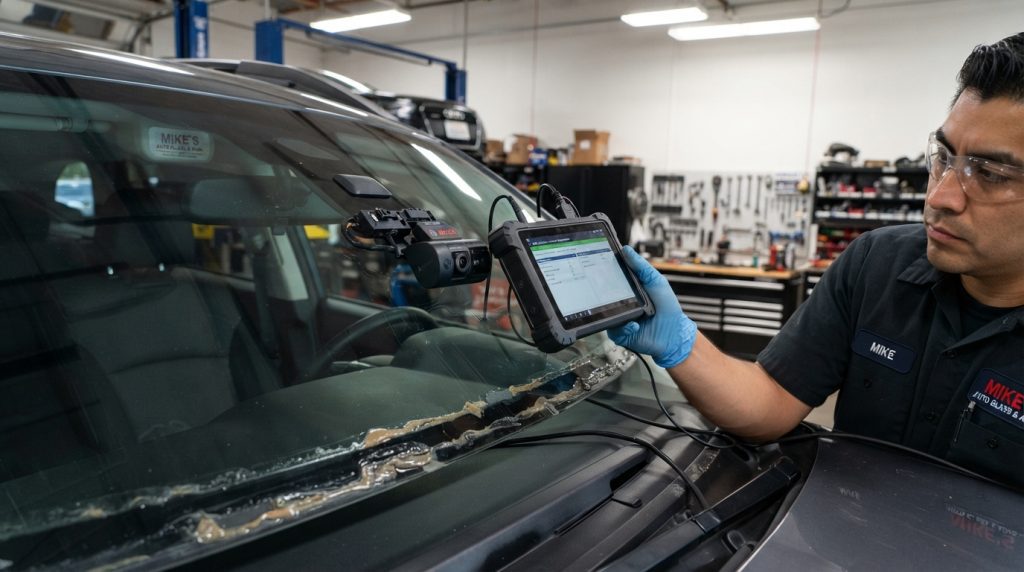
ADAS means advanced driver-assistance systems. Cameras or sensors mounted at or near the windshield can support these safety systems. After replacement, recalibration means adjusting a camera or sensor system to align it with the vehicle.
Before choosing glass, confirm whether your vehicle has:
- A camera or sensor mounted on the windshield
- Lane-assist or automatic-braking features
- A rain sensor
- Heated glass, an acoustic layer, or a head-up display
Correct installation and any required recalibration matter for system operation. OEM glass alone does not ensure that cameras or sensors will work correctly. Those differences matter most when deciding what to order and what your insurance is likely to cover.
What Affects Windshield Replacement Cost and Insurance Coverage?
There is no single price that makes a windshield replacement expensive or inexpensive for every vehicle. The total depends on the vehicle, glass, and work involved. There is no universal dollar amount for OEM vs aftermarket windshield cost.
Vehicle make and model can affect the price and how easy it is to find glass. Special features may call for a specific windshield. Glass availability, installation, and required recalibration can also change the quote.
Why prices vary
OEM glass typically costs more and may take longer to source, especially for newer vehicles. Aftermarket glass often costs less and may be more readily available. Yet the glass price is only part of the replacement cost.
A quote may include installation and recalibration, or list them as separate work. Ask what each line covers before comparing prices. A $500 quote may be reasonable for one vehicle and high for another, based on its glass and included work.
Features such as a camera, rain sensor, or heated glass can affect which part fits. If a replacement needs recalibration, that work can also affect the total. Compare quotes for the same glass features and services.
What to confirm with your insurer
Insurance coverage depends on your policy. Some policies default to aftermarket glass, while OEM coverage may need approval or leave you paying the difference. Your deductible and any approval rules also shape your share of the cost.
Ask whether your policy covers windshield replacement, which glass it approves, and whether you need approval first. Confirm how the deductible applies and whether calibration is included. The insurer can explain the terms that apply to your claim.
Do not assume that a low glass price means a low final bill. Check the quote and coverage together. Once you know the quote and insurance terms, match the glass choice to your vehicle’s actual needs.
Which Option Suits Your Vehicle and Its Features?
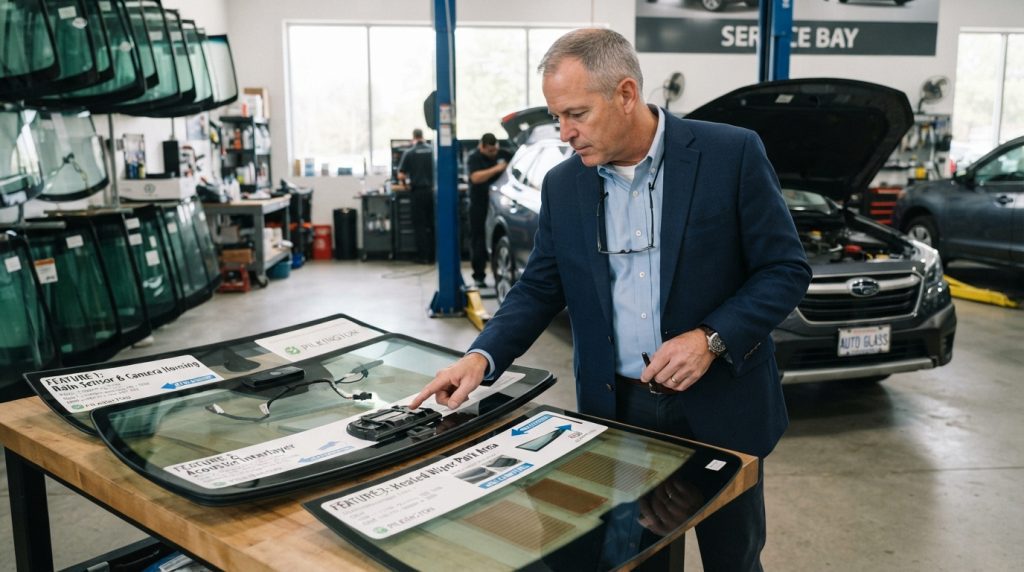
The best choice depends on the equipment in your vehicle and what you need the replacement to preserve. Start with the features in your current windshield. Paying more for OEM is not automatically necessary when suitable aftermarket glass matches the required features.
Newer vehicles may have cameras or other equipment tied to the windshield. A precise match and camera alignment can matter for ADAS. Older vehicles without windshield technology may have more replacement options.
When OEM may be the better fit
OEM glass may suit you when your vehicle needs a close match to original specifications, especially for a complex feature or camera setup. The label by itself does not guarantee that every system will work. Ask the installer to confirm the exact part and any system work.
When aftermarket may make sense
Aftermarket glass can be a practical, lower-cost option for some older vehicles without advanced windshield technology. Check that the product fits your vehicle and preserves its required features. Ask about coverage before authorizing an upgrade.
| Vehicle situation | Main concern | Option to consider | What to verify |
|---|---|---|---|
| Older vehicle without windshield technology | Fit and cost | Aftermarket glass | Exact fit and safety compliance |
| Newer vehicle with ADAS camera | Camera alignment | OEM or matching aftermarket | Camera fit and recalibration plan |
| Vehicle with HUD, acoustic, or heated glass | Feature match | OEM or feature-matched aftermarket | Exact feature and glass specification |
| Vehicle with insurance limits on approved glass | Coverage and extra cost | Approved glass option | Coverage terms before an upgrade |
HUD means head-up display, which projects information onto the windshield. Confirm the exact feature and specification with the installer, especially when your vehicle has this system or heated glass. After narrowing down the glass type, check the product and the shop that will install it.
How Can You Evaluate Aftermarket Glass and a Glass Shop?
A shop should be able to identify the glass it proposes to install and explain how it matches your vehicle’s equipment. Ask for specifics, not just a general quality claim. The maker, exact fit, and safety-compliance details tell you more than the aftermarket label alone.
Aftermarket quality varies among manufacturers. A traceable manufacturer, the right features, and clear compliance information help you assess a product. For aftermarket windshield brands, ask which manufacturer and exact glass specification the quote covers.
Do not rely on a broad ranking to judge windshield brands to avoid. Avoid products when you cannot confirm the maker, required features, or applicable safety compliance. Ask the shop to explain any unclear item before you approve the work.
Use this checklist when you compare a quote:
- Exact glass manufacturer and specification
- Fit for cameras and other listed features
- Information on applicable safety compliance
- Whether recalibration is included or arranged
- Written quote and warranty terms
Clear answers let you compare two quotes on the same basis. Ask the shop to put the glass details and warranty terms in writing. With the product and provider checked, the next step is confirming how installation and any system work will be handled.
What Happens During Windshield Replacement?
A replacement appointment involves more than lifting out one piece of glass and setting another in its place. The shop removes the damaged windshield and installs new glass with the vehicle’s bonding system. Correct fit and bonding are part of a safe replacement.
Work may also include checks for cameras or other systems near the glass. A vehicle with windshield-mounted cameras may need recalibration based on its configuration. The required checks vary by vehicle.
Ask whether recalibration is required, who will perform it, and what the shop will confirm before returning your vehicle. If the shop arranges the work elsewhere, ask how you will learn that it is complete.
How long does windshield replacement take? There is no fixed time for every vehicle. Glass availability, vehicle configuration, installation, and calibration can all affect the appointment.
Before work begins, ask which glass the shop will install and whether the quote includes system checks. After installation, ask what the shop completed and whether any calibration remains. That gives you a clear answer about the work tied to your windshield.
Do not assume that the same appointment time applies to every replacement. A vehicle that needs a special part or camera work may take longer. Once the shop has explained the work and verified any required system checks, you can make the decision with clearer expectations.
Conclusion
Choose the replacement that matches your vehicle’s required features and can be installed and checked correctly. Neither OEM nor aftermarket labels alone guarantee the right result. The glass specification, coverage, and installation plan should fit your vehicle.
For help with windshield or other glass damage, contact Miracle Auto Glass at (210) 680-2551 or visit Bandera Rd & Grissom. Ask the team about your vehicle and the glass it needs.