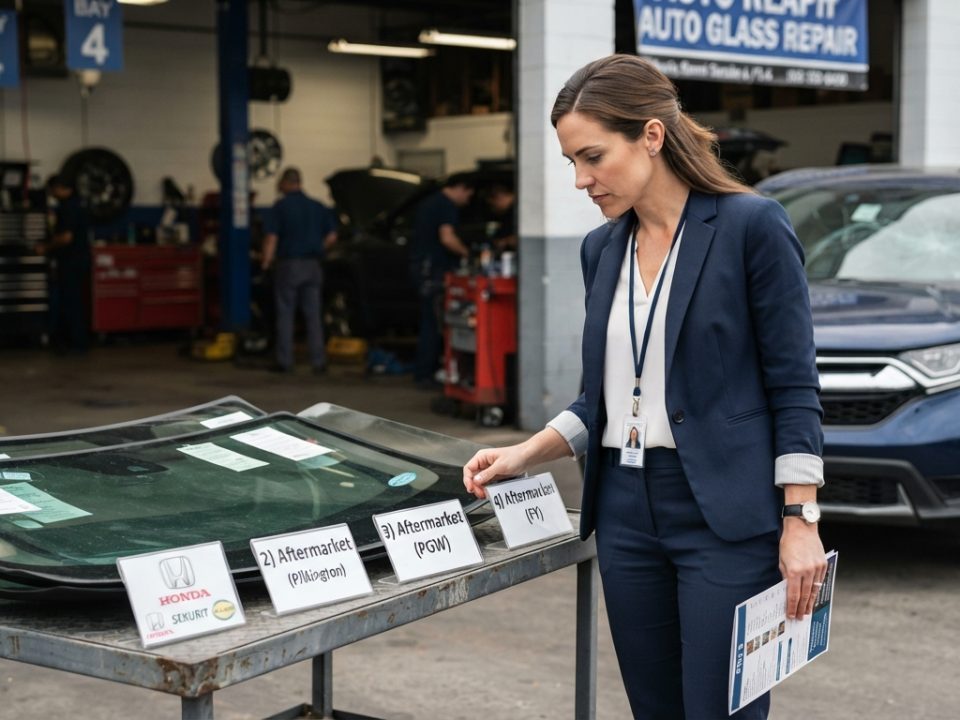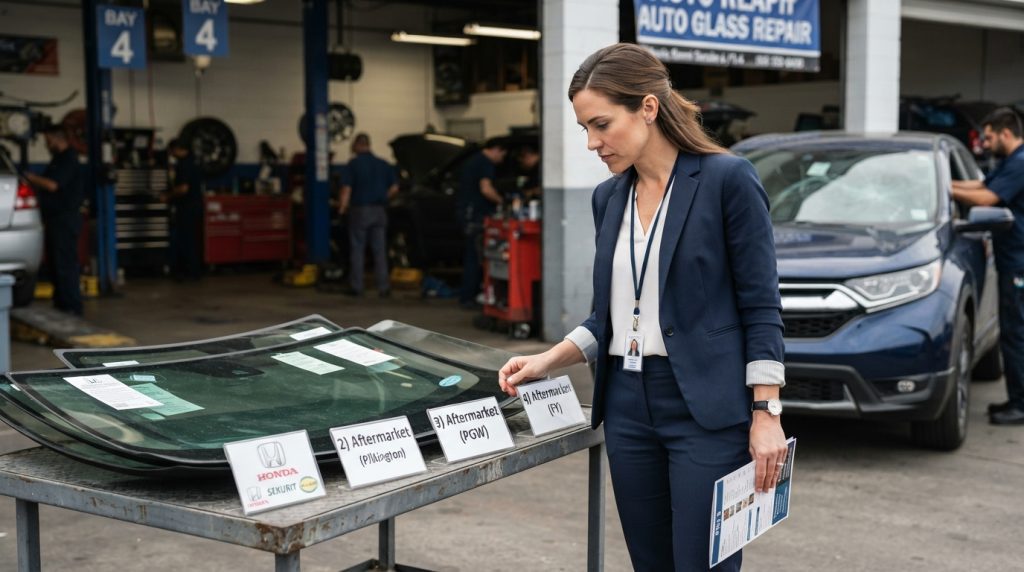

OEM vs. Aftermarket Windshields: What’s the Difference?

A chip that looks minor today can grow into damage that is harder to repair. A windshield rock chip can spread, limit your repair options, and leave you needing a full replacement. Repair resin is a liquid bonding material injected into damaged windshield glass and cured in place. Prompt attention may help keep a small problem from becoming a larger one.
The damage can also affect your clear view while you drive. The right response depends on how it changes, where it sits, and what an inspection finds. Acting early gives you a chance to learn what service the glass needs.
Key Takeaways
- A small chip can spread into a crack.
- Damage in your view can affect safe driving.
- A technician must assess the glass before recommending work.
- Repair resin bonds some damaged areas, but not every chip qualifies.
- Waiting may lead to replacement instead of repair.
The next section explains what can change as the damage grows.
What Happens to a Windshield Rock Chip If You Ignore It?
A small chip can become a long crack before you notice that it has changed. Waiting may turn repairable windshield damage into a problem that needs full replacement. You can drive with a rock chip on your windshield only if you can see clearly and the damage does not make driving unsafe.
Arrange an assessment promptly, especially if the mark distracts you or blocks part of your view. Even a very small chip in the windshield deserves attention, but its size alone does not prove repair will work. A technician can inspect the damage and explain the available options.
Watch for changes that call for prompt action:
- A new line extends from the impact point.
- The damage grows toward the windshield edge.
- The mark enters the driver’s view.
A cracked windshield can make visibility worse, while a spreading crack can raise the chance of replacement. Replacement usually takes more time than a simple repair and can add cost. Do not assume that a chip will stay the same because it looked small when you first saw it.
Keep track of any change and avoid stressing the glass while you arrange an assessment. Conditions around the windshield can affect how quickly damage spreads.
What Makes Windshield Damage Spread?
A damaged area can be more vulnerable when the glass is stressed by changing conditions. Small changes in temperature, vibration, or impact can affect windshield damage. No single driving condition can tell you whether a chip is repairable.
Reducing avoidable stress may help protect the damaged area until someone inspects it. These conditions do not guarantee that a crack will form, and they cannot predict how fast damage may change.
Temperature changes and glass stress
Windshield glass expands and contracts as its temperature changes. A sudden shift can stress an area already weakened by a rock chip. That stress can cause minor damage to spread.
For example, a sharp change between a hot cabin and cold outdoor air may add stress. It does not mean a crack will always appear. The glass and the existing damage both matter.
Use cabin heat or cooling in a steady way when possible. Avoid aiming extreme heat or cold directly at the damaged spot. These steps can reduce extra stress, but they do not repair the glass.
Road vibration and new impacts
Ordinary road vibration can affect a damaged area as your vehicle moves. A rough road, such as a back road with uneven pavement, may add more vibration. Another impact can also aggravate the spot.
Leave space behind other vehicles when road debris is present, but remember that you cannot prevent every impact. A trip on a smooth road also cannot prove that the glass remains stable.
Appearance and driving conditions offer clues, not a final answer. The auto glass technician’s assessment, not appearance alone, determines whether repair is suitable.
Can a Small Windshield Chip Be Repaired?
Many small chips can be repaired, but a small appearance alone does not settle the question. Windshield chip repair may be an option when the damage fits common screening rules. Only an inspection can confirm whether repair is suitable for your glass.
One common screening set looks for damage under 6 inches, an impact point smaller than a dime, and no more than three chips. It also considers whether damage blocks a camera or sensor. These are general guidelines, not a universal guarantee.
Size, location, chip count, and age all matter. Nearby cameras or sensors can affect the repair decision because they may depend on a clear, correctly fitted windshield. A technician checks the damage before recommending work.
| Damage example | Initial screening | What to do next |
|---|---|---|
| Small impact point away from sensors | May fit common repair criteria | Have a technician assess it |
| Several small chips | Number and combined damage matter | Request an inspection |
| Damage near a camera or sensor | May not meet repair criteria | Ask about safe repair or replacement |
A chip that appears tiny may have hidden damage beneath the surface. A group of chips can also affect more glass than one mark does. The technician considers the full area, not just the most visible point.
Windshield chip repair is a possibility, not an assurance. An inspection helps determine whether the glass can be repaired or needs another service. Visual signs can help you understand what an inspection may find.
What Do Windshield Cracks That Can Be Repaired Look Like?
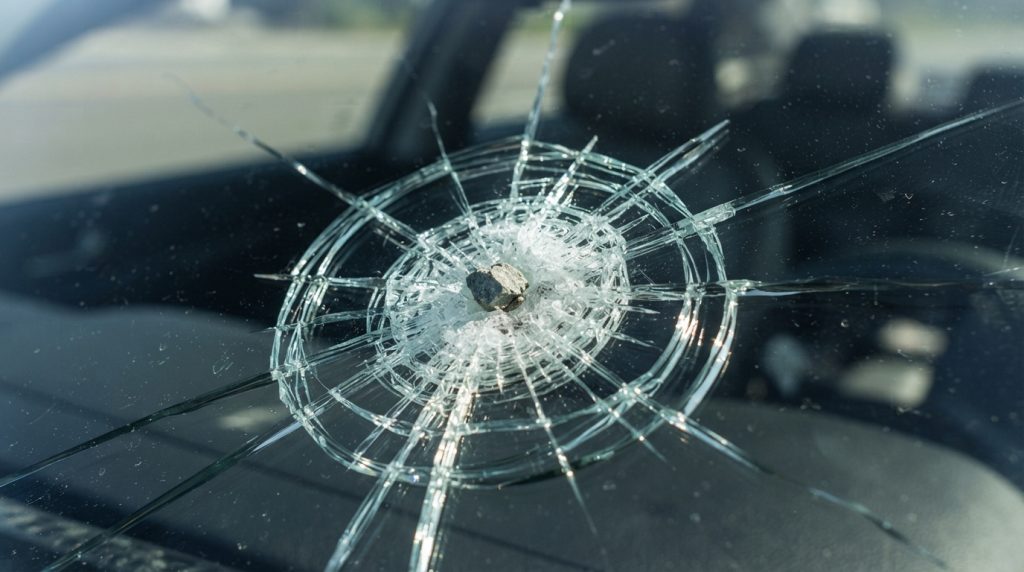
Two chips of similar size can look different and still need the same professional assessment. Visible patterns can help describe windshield damage, but they do not settle whether repair will work. A picture cannot show the full depth or stability of a crack.
Bullseye damage often has a round center with a ring around it. A star-shaped pattern has lines that spread outward from the impact. Both patterns can appear on a windshield chip, but looks alone do not reveal the full condition of the glass.
Bullseye and star-shaped impact patterns
A bullseye may seem neat and contained, while a star pattern can show several fine lines. Chips can also combine features, so a mark may not fit one simple type. Those visible details help you explain what you see to a shop.
Pictures of windshield cracks that can be repaired may offer examples for comparison. Still, a photo cannot show how deep the damage goes, whether it has shifted, or whether it sits near a sensitive area. Use images to describe the damage, not to make the repair decision.
Pay close attention if a crack reaches the driver’s view or extends to the windshield edge. Radiating lines also deserve professional evaluation. Do not rely on a visual guess when the damage affects an area that supports visibility.
Why a picture cannot confirm repairability
A photo captures only one angle and one moment. Light, glare, and reflections can hide fine cracks or make a small mark look larger. A picture also cannot show the condition of the glass below the visible surface.
An in-person check lets an auto glass technician view the damage and its location more closely. The assessment can account for the windshield, nearby features, and the mark’s visible pattern together. That gives you a better basis for deciding what service to consider.
Patterns help you describe what you see, but they cannot confirm repairability. The next step is understanding what a technician does during repair.
How Does Professional Windshield Repair Work?
A professional repair starts with checking whether the damaged glass is suitable for the process. The technician works on the damaged area rather than removing a piece of glass. A simple chip or crack repair generally takes 30 minutes to an hour.
The exact time varies with the size and extent of the damage. Windshield rock chip removal means repairing the affected spot, not pulling a chunk from the windshield. A typical repair follows these steps:
- Assess the damage’s size, location, and age.
- Clean and prepare the damaged area.
- Inject repair resin into the damage.
- Cure the resin with UV light.
- Polish and inspect the repair.
First, the technician checks whether the glass suits the repair process. Cleaning and preparation help create a clear area for the resin. The technician then injects the liquid bonding material into the damaged spot.
UV light cures the resin in place. The technician polishes the area and inspects the result. This work can improve the damaged spot, though it may not make every mark invisible.
Repair time can change when damage covers a larger area or has more than one part. Ask how long the expected service will take for your specific vehicle. A store-bought kit does not provide the same assessment, which matters when deciding whether DIY is a poor fit.
Can You Repair a Chip Yourself With a Kit?
A windshield chip repair kit may be tempting, but it cannot tell you whether the damage is safe to repair. A kit has limits, especially when damage is large, near your view, at the edge, or close to a sensor. Use a technician’s assessment to guide the repair decision.
A kit may be intended for a small mark, but it cannot assess the windshield or nearby vehicle features. If the glass needs replacement, applying a kit will not solve that problem. An incorrect application may also complicate later work.
What a DIY repair kit can and cannot do
Some kits provide material intended to fill a small damaged area. That does not mean every chip can accept the material or that the result will restore the glass. The kit cannot check the damage’s depth or determine whether a sensor may be affected.
For now, keep the area clean and avoid actions that put extra stress on it:
- Keep a small chip clean and dry.
- Avoid pressing on the glass.
- Avoid sudden heating or cooling of the cabin.
Clear tape may shield a small chip from dirt and moisture. It does not stop the damage from spreading. Keep tape out of your primary view, and do not cover a long crack because adhesive residue can interfere with later repair.
When to leave the job to a technician
Leave the job to an auto glass technician when damage is large, close to your view, near the edge, or near a sensor. These locations can affect the service choice and the safe use of the vehicle. A technician can inspect the glass before work begins.
A cracked windshield that crosses your view deserves particular care. Do not press the glass to test its strength or assume that a kit can make driving safe. If visibility is poor, avoid driving until you can get advice.
Temporary care may protect the spot from dirt, but it does not replace an inspection. The final choice also depends on the quote, vehicle, and coverage details.
What Affects Windshield Chip Repair Cost?
The right quote depends on the vehicle and the damage, so there is no single price that fits every chip. Windshield chip repair cost can change with vehicle type, damage extent, and advanced technology features in the glass. Ask for a written quote before approving the work.
Some windshields include camera or sensor features that affect the service needed. A small chip on one vehicle may not call for the same work as similar damage on another. The written quote should state what service it covers and list added charges.
Damage and vehicle details
The technician needs to assess the specific vehicle and damaged glass before confirming the service or price. The damage’s size and location can affect whether repair is possible. Vehicle features can also shape the work required.
Ask what the quote includes and whether it covers any related work. A clear estimate helps you compare the proposed service with other options. Do not assume that two shops are quoting the same work unless their details match.
Insurance, deductibles, and the written quote
Will insurance cover a chipped windshield? It may, depending on your coverage and deductible. Comprehensive coverage may cover chip repair with little or no out-of-pocket cost, but each policy sets its own terms.
Contact your insurer before booking to ask how your policy handles windshield repair. Check your deductible and ask whether a claim changes the amount you pay. Coverage can vary, so do not treat it as guaranteed.
Review the quote before you approve service. It should identify the repair or other work and show any added charges. If the assessment finds damage unsuitable for repair, consider replacement instead.
When Is Full Windshield Replacement Necessary?
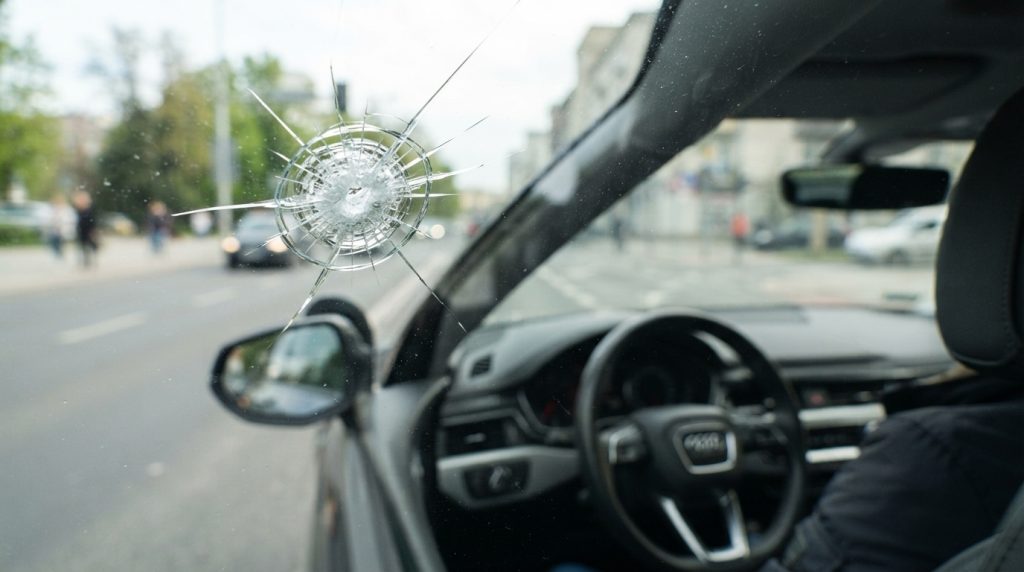
Replacement becomes more likely when damage is too large, widespread, or poorly located for a sound repair. Full windshield replacement may be recommended for a chip larger than a quarter, about 1 inch or 25 mm across. Several chips, a mark in your line of sight, or radiating cracks can also make replacement the safer choice.
Damage at the edge or deep damage that affects visibility needs an assessment. A general size rule cannot decide every case. The auto glass technician considers the windshield’s condition and the damage’s location.
| Situation | Why repair may not be suitable | Possible next step |
|---|---|---|
| Chip larger than a quarter | Resin may not produce a sound repair | Ask for a replacement assessment |
| Several chips | Combined damage may weaken the glass | Have the full windshield assessed |
| Damage in the driver’s line of sight | Visibility may be compromised | Ask whether replacement is needed |
Multiple chips can affect the glass as a whole, even when each mark looks small. Cracks radiating from an impact can also compromise the windshield. The technician weighs these conditions rather than relying on one rule.
Full windshield replacement often takes 60 minutes or less. Do not drive the vehicle for at least one hour after service is completed. Follow the service instructions you receive for your vehicle.
Damage location matters beyond repairability. A mark in the driver’s view can affect visibility and may matter during an inspection.
Can Windshield Damage Affect Your View or Vehicle Inspection?
A small mark can matter more when it sits directly in the driver’s view. Clear sight is the main concern when windshield damage crosses the area in front of you. A crack that obstructs your view or compromises safety can cause an inspection failure, depending on state law and damage severity.
The primary vision area is 6 inches to either side of the steering wheel’s center and within the path of the driver’s-side wiper blade. This area helps describe where a mark may interfere with your view. State inspection rules can differ.
Use this short checklist if you notice damage:
- Check whether the damage interferes with a clear view.
- Avoid driving if visibility is unsafe.
- Ask a qualified technician and check local inspection rules.
A cracked windshield does not lead to the same inspection result everywhere. The outcome can depend on local law and how much the damage affects safe visibility. Do not assume a vehicle will pass or fail based on a general rule.
Damage near the line sight of a driver deserves prompt attention. If glare, reflections, or a crack make it hard to see, avoid driving until you can get advice. A clear view matters on every road, including a quiet back road.
Check local requirements and ask an auto glass technician about the damage. While arranging an assessment, take steps that protect the glass without testing it.
What Should You Do Before Your Appointment?
Until your appointment, the goal is to avoid making the damaged area harder to assess or repair. Gentle care can keep dirt or extra stress from complicating the technician’s inspection. Temporary precautions do not repair the damage or replace an assessment.
Keep the glass as it is, and do not press on a chip or crack to test it. Sudden cabin temperature changes can stress the damaged area. Use these simple steps while you wait.
| Situation | Helpful action | Avoid |
|---|---|---|
| Small chip | Keep it clean and dry | Assuming tape stops it from spreading |
| Long crack | Leave it uncovered and arrange an assessment | Applying tape over the crack |
| Any damaged area | Avoid sudden cabin temperature extremes | Pressing the glass to test it |
If dirt or moisture reaches a small chip, clear tape may shield it, but only when it stays outside your primary view. Do not tape a long crack. Adhesive residue can interfere with later repair.
Do not use heat or cold as a test, and do not press the windshield. These steps cannot tell you whether the glass is stable. If the damage blocks your view, do not drive the vehicle.
Keep any notes about when the damage appeared and whether it changed. That information may help the technician understand what you noticed. For a local quote and service appointment, contact a nearby glass shop.
How Do You Book Windshield Repair Near Bandera Rd & Grissom?
If you have noticed a chip or crack, contact a local glass service to arrange an assessment. Miracle Auto Glass is located at Bandera Rd & Grissom. Call (210) 680-2551 to discuss the damage and request an appointment or quote.
Tell the shop what you noticed, where the mark sits, and whether it has changed. You can ask what details the technician needs about your vehicle. The technician must assess the specific vehicle and glass damage before confirming service or price.
If you searched for windshield chip repair near me, the location at Bandera Rd & Grissom gives you a local place to contact. Call to ask about the next step for your glass. An assessment can help clarify whether repair or replacement may fit the damage.
Ask for a quote that identifies the proposed work and any added charges. Then you can review the details before approving service. Do not assume that a photo or a brief phone description confirms the repair decision.
Contact Miracle Auto Glass to discuss your windshield and arrange the next step.
Conclusion
A small chip is easier to address before it becomes a larger visibility or replacement problem. Prompt assessment can help determine whether repair or replacement suits the glass. Your clear view matters whenever you drive.
Do not rely on appearance alone or wait for a small mark to become a long crack. Contact a qualified local glass service to discuss what you see and what your vehicle needs. Hire Miracle Auto Glass to fix your windshield or other glass damage.