When Should You Repair a Windshield Instead of Replacing It

What Happens If You Ignore a Windshield Chip
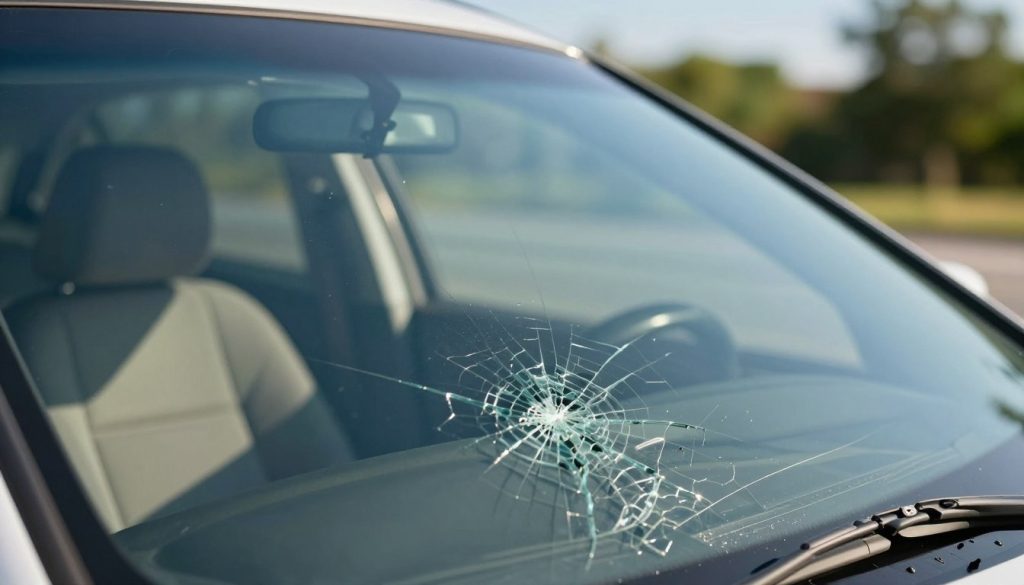
You probably take care of your car by changing the oil and rotating the tires. But, you might not know about a silent danger that harms your car every time it’s parked outside. The sun’s rays slowly damage your car’s inside and glass parts.
At Miracle Auto Glass, we know that while sunburns are easy to spot, car damage is often ignored until it’s too late. It’s important to catch the early signs of UV damage windshield problems. This helps keep your car looking good and working right.
By taking action now, you can keep your car’s value high for years. Learning about how the sun affects your car helps you make smart choices. Our team is ready to help you spot risks and stay safe on the road.
Key Takeaways
- Solar radiation causes long-term wear on interior materials and glass.
- Miracle Auto Glass emphasizes that subtle degradation often goes unnoticed.
- Early detection of sun-related issues prevents expensive future repairs.
- Professional assessments help maintain your vehicle’s overall market value.
- Proactive maintenance ensures your safety and comfort during daily commutes.
The Science of Solar Radiation and Automotive Materials
To prevent sun damage, we must understand how light affects cars. Sunlight is more than just warmth; it’s a mix of visible light, infrared, and ultraviolet rays. These rays can cause lasting damage to your car’s interior.
Electromagnetic Spectrum and Vehicle Exposure
Our cars face different types of electromagnetic waves. While windshields block some, others get through. Ultraviolet radiation, like UV-A and UV-B, can pass through glass and damage your car’s interior.
Infrared energy makes your car hot when parked in the sun. This heat speeds up damage from other rays. Together, these forces can be tough on even the best car materials.
Chemical Breakdown of Polymers and Plastics
Photodegradation is what ages your car’s interior. UV rays break down the chemicals in plastics and fabrics. This makes them brittle and weak.
To prevent sun damage, we need to know how materials react to sunlight. Over time, sunlight fades the colors in leather and vinyl. By understanding this, we can protect our cars from the sun’s effects.
| Radiation Type | Primary Effect | Material Impact |
|---|---|---|
| Ultraviolet (UV) | Molecular Bond Breaking | Fading and Brittleness |
| Infrared (IR) | Thermal Energy | Heat Expansion and Warping |
| Visible Light | Photon Absorption | Color Degradation |
Understanding UV Damage Windshield Risks
Many drivers don’t realize their windshield fights solar stress every day. It’s not just a barrier against wind and debris. It’s a critical safety component that needs regular care. Ignoring UV damage windshield signs can weaken it over time.
How UV Rays Affect Laminated Glass Layers
Your windshield has two glass layers and a plastic middle. This plastic, usually PVB, can break down from solar radiation. When it weakens, the glass can’t stay shatter-resistant during impacts.
Sunlight makes solar energy stronger as it goes through the glass. This speeds up the breakdown of the bonds that hold the windshield together. A hazy or milky look around the edges might mean the internal layers are damaged from prolonged exposure.
The Connection Between Heat Expansion and Cracking
The inside of your car traps heat, making the glass expand and contract. This puts a lot of pressure on the windshield’s edges, worse if there are chips or pits. Even small damage can become a significant crack with temperature changes.
It’s key to manage these risks to keep your car safe. Knowing how heat affects your windshield helps prevent small problems from becoming big ones. Fixing UV damage windshield issues early keeps your safety glass strong and reliable for years.
How Ultraviolet Exposure Compromises Glass Integrity
Solar radiation does more than just warm your car; it weakens your windshield. While you might enjoy the cool interior, the glass faces constant stress from heat. This UV damage windshield risk is a big worry for those who park in the sun often.
Micro-Fractures and Solar Stress
High light intensity makes the glass expand and contract. This thermal stress creates tiny cracks that are hard to see. These small cracks can grow into big problems if your car hits a bump or the temperature changes suddenly.
On very hot days, the inside of your car can get up to 160°F. This heat makes the glass work harder, speeding up UV damage windshield problems. Without protection, these cracks weaken your car’s main safety feature.
The Weakening of Windshield Sealants
Your windshield is held in place by special sealants. But, long heat exposure can make these sealants lose their strength. As they break down, they can’t hold the glass in place anymore.
When it’s very hot, the pressure on these seals gets even higher. This can cause leaks or even make the windshield break in a crash. Keeping an eye on these signs is crucial for your safety on the road. Ignoring UV damage windshield signs can lead to expensive fixes.
| Component | Heat Impact | Risk Level |
|---|---|---|
| Laminated Glass | Thermal Expansion | Moderate |
| Urethane Sealant | Chemical Degradation | High |
| Interior Trim | Polymer Breakdown | High |
The Impact of Prolonged Sun Exposure on Dashboard Materials
Direct sunlight can damage your dashboard over time. It sits under the windshield and gets hit with a lot of sun. It’s important to prevent sun damage to keep your car looking good and avoid expensive fixes later.
Thermal Degradation of Synthetic Polymers
Modern dashboards are made of strong synthetic polymers. But, they can’t handle intense heat well. UV rays break down these materials, making them stiff and prone to breaking.
As they degrade, you might see colors fade or textures become chalky. Using sun damage prevention methods can slow this down. By blocking harsh sunlight, you protect your dashboard for longer.
Why Dashboards Crack Under Intense Sunlight
When parked, a car’s cabin traps heat, speeding up material wear. This can cause the dashboard to crack like an overcooked cookie. This isn’t just about looks; it shows the material has reached its breaking point.
High temperatures and UV rays are bad for your car’s inside. Without sun damage prevention, materials can’t keep their shape, leading to cracks. Simple steps to block sunlight can stop these cracks and keep your car’s value up.
Upholstery Fading and Structural Degradation
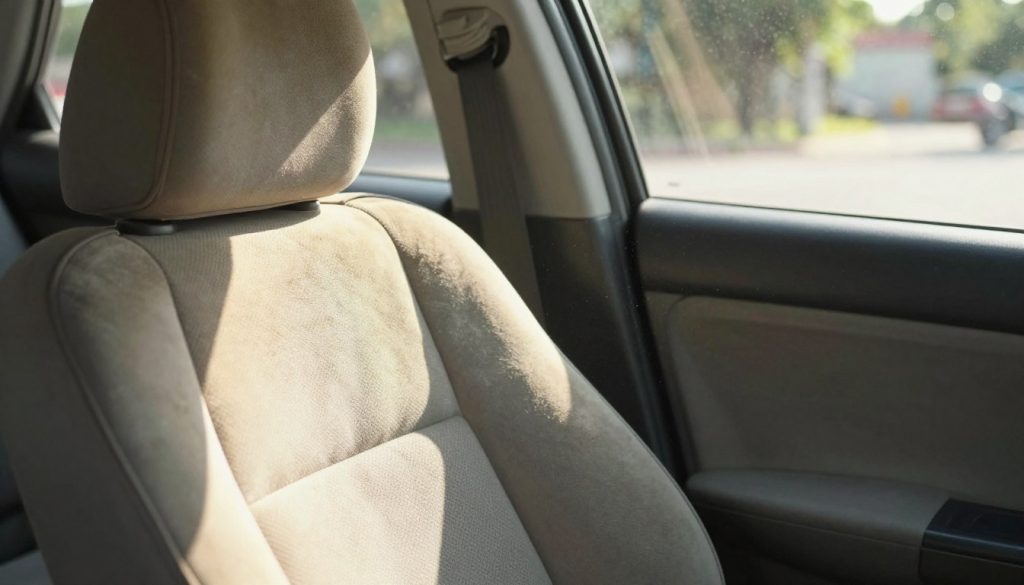
Ultraviolet radiation quietly takes away your car’s shine. It affects both the paint outside and the materials inside. Keeping your car’s interior looking good is key to its value and comfort.
UV Effects on Leather and Fabric Interiors
Leather gets damaged by the sun because it loses its natural oils. This makes the leather stiff and cracky. Your seats and armrests will look different forever.
Fabric interiors face their own sun damage. Sunlight bleaches the colors, making them fade. It also weakens the fabric, leading to tears and frays.
| Material Type | Primary UV Effect | Long-term Consequence |
|---|---|---|
| Leather | Oil Evaporation | Cracking and Stiffening |
| Synthetic Fabric | Dye Degradation | Fading and Weakening |
| Vinyl/Plastic | Polymer Breakdown | Brittleness and Warping |
Preventing Premature Aging of Cabin Materials
Keeping your interior looking new is possible with the right care. Regular maintenance fights off sun damage. Here are some tips to protect your car’s inside:
- Apply high-quality UV-protectant conditioners to leather surfaces every few months.
- Use window shades whenever the vehicle is parked in direct sunlight to reduce cabin temperatures.
- Clean upholstery regularly to remove dust and debris that can trap heat and accelerate degradation.
- Utilize professional-grade interior coatings that offer long-lasting UV filtration.
By following these steps, your car stays comfortable and looks great. Remember, sun damage prevention is ongoing. Start now to avoid expensive fixes and keep your car looking good for years.
Regional Variations in UV Intensity Across the United States
Where you live affects how much sun damage your car gets every day. Knowing your local climate helps prevent sun damage to your vehicle. The place you live in can make your car’s interior fade or crack faster.
High-Risk Zones in the Sun Belt
Drivers in the Sun Belt face intense UV rays. States like Texas, Florida, and Arizona get a lot of direct sunlight all year. This sunlight breaks down the materials in your car’s interior faster.
In these areas, UV rays have a bigger impact than in cooler places. If you live here, you need to protect your car more to keep its value. Keeping your car safe from the sun is key in the southern U.S.
Seasonal Fluctuations and Vehicle Exposure
Even outside the Sun Belt, seasons change the risk for your car. In summer, the sun’s rays hit your windshield harder. Cities with lots of glass and concrete make this worse.
These surfaces reflect more UV light onto your car. Using sun damage prevention methods in summer helps a lot. Check the table below to see how different places affect your car.
| Region | UV Intensity Level | Primary Risk Factor | Maintenance Priority |
|---|---|---|---|
| Sun Belt (AZ, TX, FL) | Extreme | Year-round direct heat | High |
| Midwest/Northeast | Moderate | Seasonal summer peaks | Medium |
| Pacific Northwest | Low to Moderate | Cloud cover variance | Low |
| Mountain West | High | High altitude radiation | Medium-High |
Knowing these differences helps you prepare your car for your area’s challenges. Taking steps to prevent sun damage keeps your car looking good, no matter where you live.
Recent Industry Reports on Automotive Glass Fatigue
Solar radiation can harm the electronics behind your windshield. Reports show that extreme heat stresses automotive glass. Sun damage prevention is now key to keeping your vehicle in good shape.
Data on Solar-Induced Glass Failure
Engineers found that constant heat makes glass expand and contract. This leads to fatigue, weakening the windshield’s bond. Vehicles in sunny spots get more cracks than those in the shade.
Modern glass reacts badly to direct sunlight. At high temperatures, it can’t handle road vibrations well. This makes windshields more likely to break during drives.
Safety Implications for Modern Vehicle Designs
Today’s cars have sensors and cameras behind the windshield. When glass degrades, it can distort their view. Unfortunately, high temperatures can also mess up these sensors’ data.
Heat can also damage airbag sensors. Avoiding sun damage prevention can lead to expensive fixes or safety failures. It’s vital for your safety features to work right.
| Component | Heat Sensitivity | Primary Risk |
|---|---|---|
| Windshield Glass | High | Structural Fatigue |
| Safety Sensors | Moderate | Data Misread |
| Airbag Modules | High | System Malfunction |
| Dashboard Plastics | Extreme | Material Cracking |
The Role of Laminated Glass in UV Filtration
Many drivers think all glass blocks the sun’s rays equally. But, the type of glass in your car’s windows really matters. It affects how much sun gets to your skin and inside your car. Getting windshield UV protection is key for your health and keeping your car’s interior looking good.
How Modern Windshields Block UV-A and UV-B
Today’s windshields are made with a special process. They have a layer of plastic called PVB between two pieces of glass. This plastic is a critical filter against harmful solar energy.
It blocks almost all UV-B rays, which cause skin damage and make things fade. The PVB layer absorbs these rays, keeping them out of your car. This helps keep your dashboard and seats looking new for longer.
Limitations of Standard Factory Glass
Even with lamination, standard glass isn’t perfect. Studies show it lets 60–70% of UV-A radiation through. UV-A rays go deeper into materials and skin, causing hidden damage over time.
Factory glass is made to withstand impacts, not block all sun. So, you might need extra protection. Getting windshield UV protection like high-quality window films can help. They keep your car safe from the sun’s rays.
Identifying Early Signs of Sun-Related Glass Stress
Learning to spot early signs of solar damage on your windshield is key. Catching these issues early can save you from costly repairs or a full windshield replacement. By being alert, you can prevent UV damage windshield problems from affecting your safety.
Visual Indicators of Glass Fatigue
Look for a hazy or cloudy appearance near your windshield’s edges. This could mean the protective layers are starting to break down. Also, watch for fine, spider-web cracks that appear without any impact.
Inside, check your dashboard materials. A shiny or glossy film suggests material breakdown from heat and light. Seeing these signs means your UV damage windshield risks are growing, as the glass is losing its radiation-blocking ability.
When to Seek Professional Assessment
If you see these symptoms, it’s time to get a professional’s opinion. A skilled technician can tell if the glass is structurally weak or if the damage is just cosmetic. Ignoring these signs can lead to dangerous glass failure during sudden temperature changes or minor road vibrations.
Preventive maintenance is always more affordable than replacing your windshield. A technician will check the depth of micro-fractures and the condition of your glass seals. Acting now can stop UV damage windshield problems from becoming a serious safety risk for you and your passengers.
| Indicator Type | Early Warning Sign | Risk Level |
|---|---|---|
| Glass Clarity | Hazy or milky edges | Moderate |
| Surface Texture | Glossy dashboard film | Low to Moderate |
| Structural Integrity | Fine spider-web cracks | High |
| Seal Condition | Visible gaps or peeling | High |
Best Practices for Dashboard Protection and Interior Care
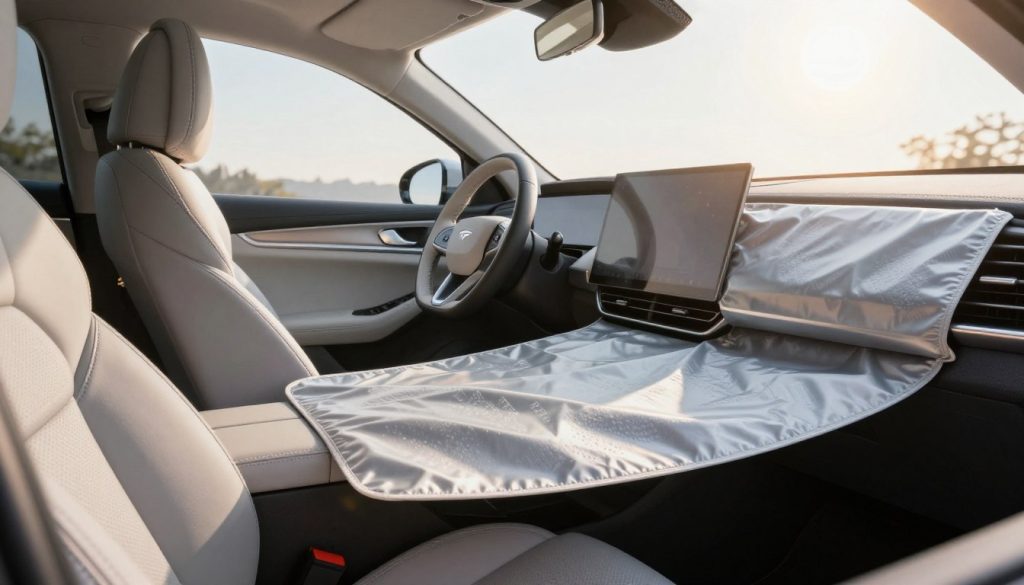
Keeping your car’s interior looking great starts with good dashboard protection. Simple daily habits can really help. They keep your car’s interior looking and feeling great for a long time.
Utilizing Sunshades and Protective Coatings
Using a high-quality sunshade is a smart move. A $15 foldable sunshade can lower cabin temperatures by 10–20°F. This stops the heat from causing cracks.
Also, think about using UV-blocking coatings on your dashboard. These coatings create a protective layer that blocks harmful rays. Regular use is key to keeping your dashboard looking new.
Parking Strategies to Minimize Solar Impact
Where you park your car is very important. Try to park in covered spots or shaded areas. If not, a reflective car cover can help block intense radiation.
Here are some tips to keep your interior in top shape:
- Always deploy your sunshade when parking in open lots.
- Use a UV-protectant spray on your dashboard every few months.
- Park with the rear facing the sun to avoid direct light on the windshield.
- Window tinting can also help block solar energy.
By making these habits part of your routine, you protect your dashboard. These small steps today can prevent damage from years of neglect.
Why Professional Inspection is Critical for Safety
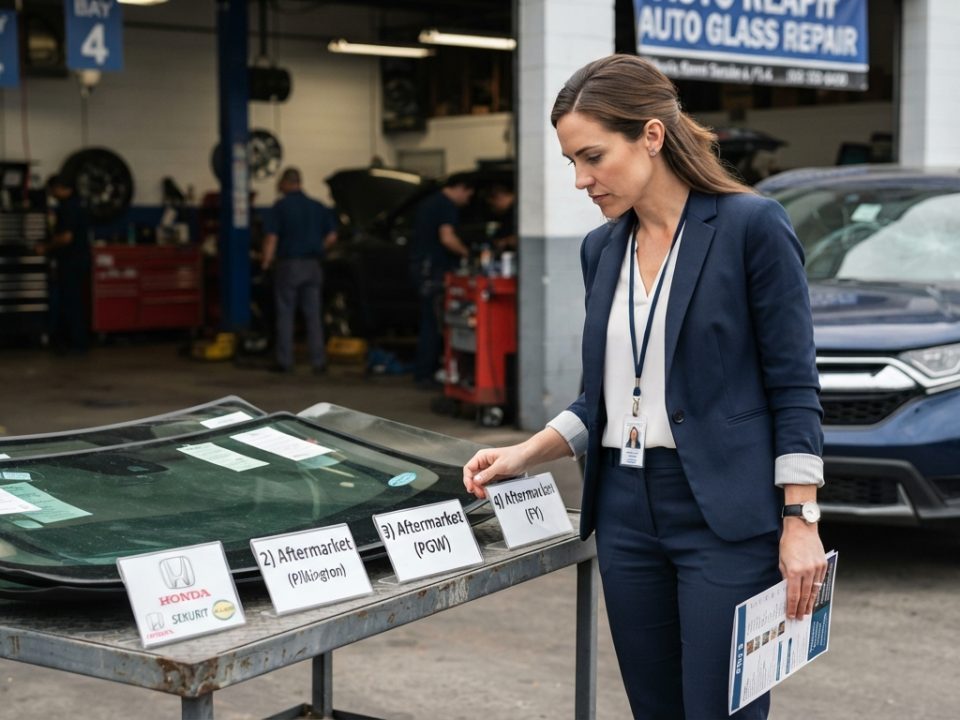
A small chip in your windshield might seem minor, but it can hide serious problems. DIY kits can’t fix the damage caused by the sun’s rays. Professional assessment is key to keeping your car safe.
Investing in dashboard protection and glass care means your car will last longer. Miracle Auto Glass says regular checks can spot issues before they cost a lot. Experts find tiny cracks that you can’t see.
The Dangers of Overlooking Minor Cracks
Small damage can turn into big safety risks if ignored. A small crack can grow fast when your car is in the sun. This weakens your windshield’s structure.
Waiting too long to fix these problems can lead to expensive repairs. Early detection helps keep costs down and safety up.
Ensuring Structural Integrity After Exposure
Sunlight does more than just fade your car’s interior; it weakens it. Professional detailing stops drying and prevents cracks on your dashboard. This keeps your car in great shape.
Professional maintenance offers many benefits:
- Early identification of hidden glass stress points.
- Application of high-quality dashboard protection products to prevent cracking.
- Expert conditioning to keep interior materials supple and durable.
- Verification that all safety seals remain intact after extreme heat exposure.
Trusting Miracle Auto Glass means your car is well cared for. Consistent care protects your investment and keeps everyone safe.
The Economic Consequences of Ignoring UV Damage
Ignoring UV damage lets your car’s value fade away. Many see small cracks or fading as just looks. But, these signs often mean bigger problems. Using dashboard protection can save you money by stopping costly repairs.
Repair Costs Versus Full Windshield Replacement
Fixing a small chip or crack early saves a lot of money. Waiting for it to get worse means you might need a new windshield. Professional technicians can fix small chips for much less than a new windshield.
Fixing problems quickly also saves on labor and materials. Good dashboard protection keeps your car’s interior in better shape. This reduces stress on your car’s parts.
Impact on Vehicle Resale Value
Your car is a big investment, and its condition affects its price. Unchecked sun damage can lower your car’s resale value by up to 10 percent. Buyers see faded interiors and cracked glass as signs of neglect.
Investing in dashboard protection and glass care keeps your car looking good. These small steps today protect your investment. They help you get a better price when selling or trading in your car.
| Maintenance Strategy | Initial Cost | Long-Term Savings | Resale Impact |
|---|---|---|---|
| Proactive UV Care | Low | High | Maintains Value |
| Ignoring Minor Cracks | Zero | Negative | Decreases Value |
| Dashboard Protection | Low | High | Preserves Interior |
Technological Advancements in UV-Blocking Window Films
Using high-tech window films can greatly improve your car’s sun protection. These modern films offer a strong shield that outperforms standard glass. By choosing top-quality materials, you get the best windshield UV protection for your daily drive.
Benefits of Aftermarket Tinting Solutions
Ceramic window tint is a big leap forward. It blocks up to 99% of harmful UV rays without looking too dark. This tech keeps your view clear while keeping your car cool.
These films also cut down on infrared heat. They stop a lot of thermal energy from entering, saving your dashboard and seats. This way, your car’s inside stays looking good and lasts longer.
Compliance with State Regulations in the US
Upgrading your glass is great, but you must follow local tinting laws. Each state in the U.S. has rules about how much light can pass through your windows. These laws help keep drivers safe and visible to police.
Before you tint, check the laws in your area to avoid fines. Many pros know these rules and can suggest films that meet legal standards. This way, you get the most windshield UV protection without breaking the law.
Expert Recommendations for Long-Term Vehicle Preservation
Keeping your car’s interior and glass in great shape starts with good habits and professional help. Think of car care as a holistic process that keeps your car looking good and safe. By being consistent, you make sure your car stays in top shape for many years.
Routine Maintenance Schedules
Setting up a regular check-up schedule is key to protecting your windshield UV protection. Check your glass and dashboard every three months. Look for signs like cloudiness, micro-cracks, or fading that show solar damage.
If you spot any issues, reach out to Miracle Auto Glass for a pro check. Their team can find hidden damage that could be a safety risk. Regular checks help fix small problems before they get big and costly.
Proactive Measures for Interior Longevity
Your daily actions also play a big part in keeping your car safe. Using high-quality sunshades when parking outside is a smart move. These tools keep your cabin cool and block harmful rays from your dashboard.
Using UV-resistant conditioners on leather and plastic also helps. These products create a shield that stops early cracking and fading. Regular use keeps your interior comfy and looking good.
| Maintenance Task | Frequency | Primary Benefit |
|---|---|---|
| Visual Glass Inspection | Every 3 Months | Early detection of stress |
| Professional Assessment | Bi-Annually | Ensures structural integrity |
| Apply UV Conditioner | Every 6 Months | Prevents material cracking |
| Use Sunshades | Daily | Enhances windshield UV protection |
Conclusion
Protecting your car from the sun’s rays is key to being a good car owner. You can keep your car safe by following the tips in this guide.
Regular care helps your car’s glass and inside parts last longer. This keeps your car comfy and saves money in the long run.
Start taking care of your car today to stay safe and keep its value up. Contact Miracle Auto Glass for any windshield issues or glass problems.
At Miracle Auto Glass, skilled technicians are ready to help. They ensure your car stays in great shape. Book a detailed check-up for your car now.