Why Small Chips Become Big Problems
Why Windshield Cracks Often Spread Overnight
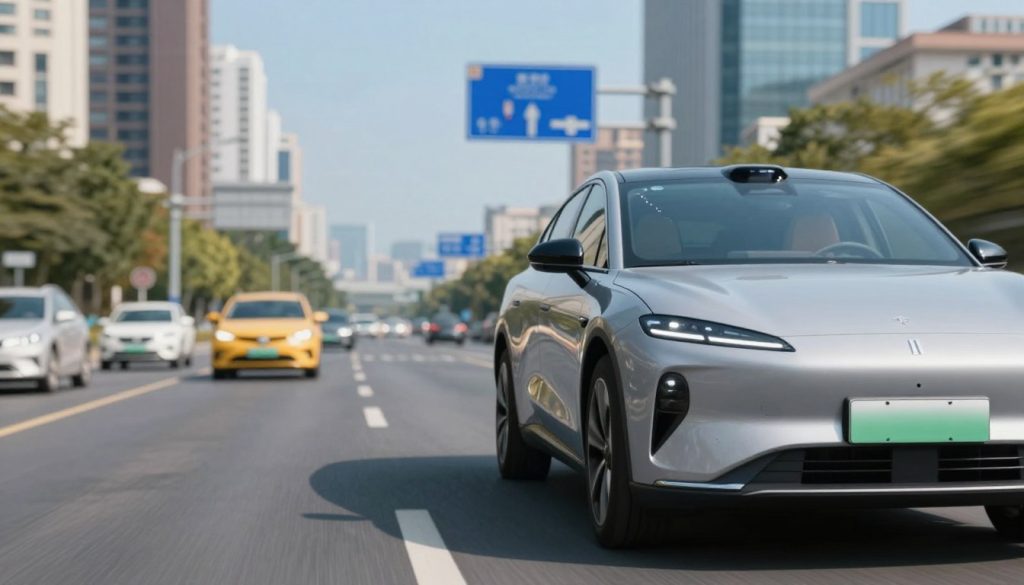
Autonomous vehicle tech is moving fast from science fiction to your daily drive. What was once a dream is now a practical reality in today’s cars.
Your car is now a careful partner on the road. Engineers have made advanced sensors to watch the road for dangers. These intelligent tools work quietly to keep you and your passengers safe.
The big leap in this area is forward collision systems. They use cameras and radar to add safety against sudden stops. Knowing how this tech works shows the complex engineering that keeps our roads safe.
Key Takeaways
- Autonomous features are moving from experimental concepts to standard safety equipment.
- Modern vehicles use advanced sensors to monitor the road environment constantly.
- Intelligent safety tech helps prevent accidents by reacting faster than human drivers.
- These tools provide peace of mind during your daily travels.
- Learning about vehicle engineering helps you make informed decisions when buying a car.
What Are Forward Collision Systems?
Driving in today’s world is more than just paying attention and reacting fast. Forward collision systems are like a second pair of eyes that watch the road for you. They never get tired or lose focus.
These systems help by watching traffic and possible dangers ahead. They add a vital layer of safety to every trip you make.
Definition of Forward Collision Systems
At their heart, these features are part of the Advanced Driver Assistance System (ADAS). They use sensors, cameras, and radar to spot things or other cars in your way.
If they see a possible crash, they warn you right away. A forward collision warning is how they alert you before a bad situation gets worse.
Importance in Modern Vehicles
This technology has changed how we see road safety. Studies say ADAS can prevent 40 percent of all vehicle crashes and nearly 30 percent of traffic deaths.
It’s key to understand how these systems work to get the most safety from your car. Knowing how to act on a forward collision warning makes you a safer driver.
| Feature Type | Primary Function | Safety Impact |
|---|---|---|
| Forward Collision Warning | Alerts driver to hazards | High |
| Autonomous Braking | Applies brakes automatically | Very High |
| Sensor Monitoring | Tracks distance to objects | Moderate |
How Forward Collision Systems Work
Ever wondered how your car knows when to brake before you do? It’s thanks to a network of sensors. These sensors act as your car’s eyes and ears. They combine different inputs to give a full view of the road ahead.
This process is called sensor fusion. It helps your car understand complex situations in real time. This keeps you safe on your daily drive. Precision is key to avoiding accidents.
Sensor Technology Used
Modern cars use various sensors to watch the road. Each sensor has its own role in keeping you safe.
- LIDAR technology: Creates a 3D map of your surroundings to help navigate safely.
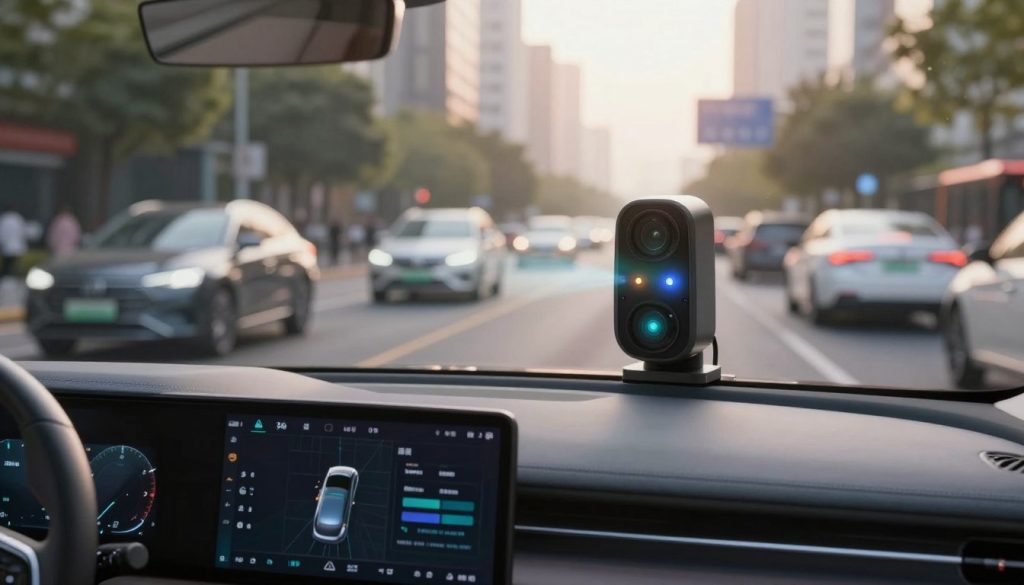
- Windshield camera technology: Sees lane markings, traffic signs, and other cars.
- Radar sensors: Measures distance and speed, even in bad weather.
Data Processing and Decision Making
After collecting data, the car’s computer must act fast. These ADAS systems look at the environment to spot dangers.
The computer figures out how close you are to the object ahead. If it sees a danger, it alerts you or brakes. This quick thinking is why ADAS systems help save lives.
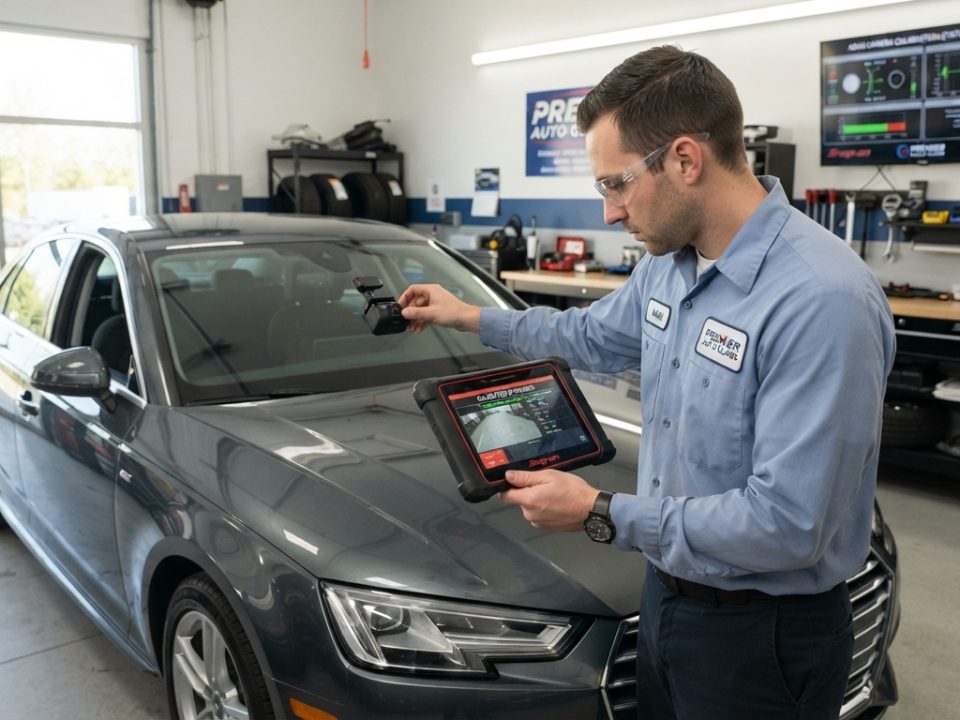
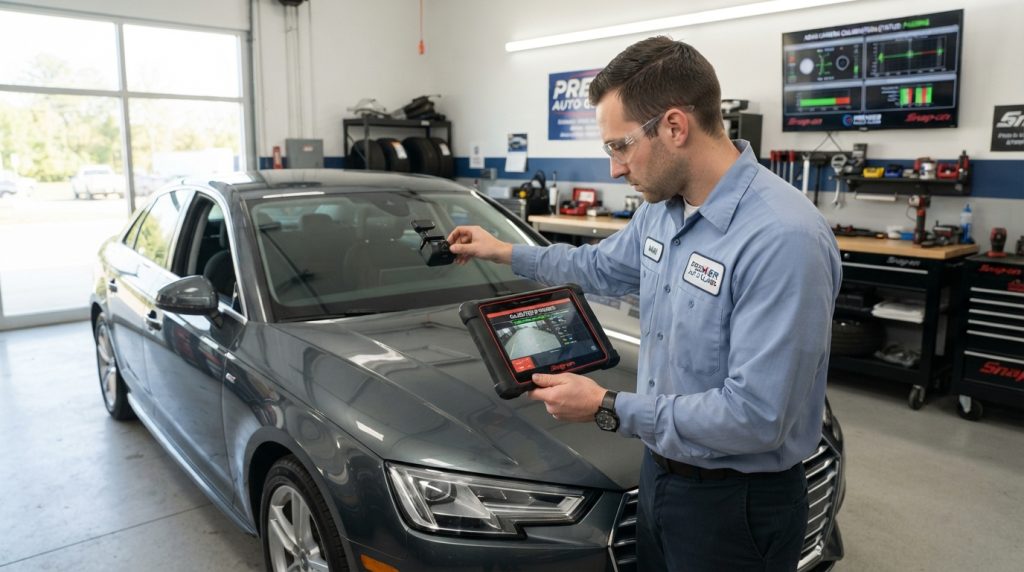
For these systems to work well, sensors need to be clear. That’s why keeping your windshield camera technology clean is important. A clean windshield lets sensors work right. Regular car maintenance keeps these safety features ready to protect you.
Types of Forward Collision Systems
Forward collision systems come in two main types. They help you stay alert and avoid accidents on crowded roads.

Autonomous Emergency Braking (AEB)
This feature takes control if a crash is likely. If you don’t react to a warning, it automatically applies the brakes. This can prevent or lessen the impact of a crash.
Acting as a safety net, it’s key when you’re slow to react. It makes sure your car slows down or stops, even if you’re distracted.
Forward Collision Warning (FCW)
A forward collision warning is your first line of defense. It watches the distance to the car in front and warns of dangers.
When it spots a risk, it gives you immediate visual or auditory alerts. This lets you brake in time and keep a safe distance.
The Benefits of Forward Collision Systems
Every year, millions of people are hurt in car accidents that could have been prevented. About 1 million people die and 50 million get hurt in car crashes each year. This shows how important forward collision systems are in saving lives and preventing serious injuries.
Enhanced Safety Features
Modern ADAS systems are like a never-tired co-pilot. They watch the road ahead and add a layer of safety that humans can’t match. They help you react fast when traffic changes suddenly.
These systems bring many safety benefits to your daily drive:
- Constant Monitoring: Sensors track the distance and speed of vehicles in front of you always.
- Proactive Alerts: You get warnings right away if a collision is likely.
- Automated Support: The system can start braking to help avoid or lessen a crash.
Reduced Accidents and Injuries
The main aim of this tech is to cut down on serious crashes. By having forward collision systems in your car, you help make the roads safer for everyone. These ADAS systems help fix the gap between human mistakes and safe driving.
Using these advanced features can greatly lower the chance of rear-end crashes. They give you the confidence to handle busy traffic better. Choosing a car with these safety features is a wise choice for your future health.
Real-World Applications of Forward Collision Systems
Modern safety tech changes how much we spend on cars. It makes driving safer and cheaper for everyone. Forward collision systems stop accidents before they start.
Case Studies in Vehicle Safety
The U.S. spends about $100 billion a year on car repairs. This shows how much accidents cost us. Forward collision systems lower the number of big crashes.
Studies show drivers with these systems crash less. They avoid fender benders and big accidents. This keeps cars running longer and saves you money and stress.
Impact on Insurance Premiums
Insurance companies look at accident rates to set your monthly bill. Forward collision systems mean fewer claims. So, you get discounts for driving safer.
As more cars have these systems, insurance costs might go down. Fewer accidents mean less money spent on claims. This helps everyone pay less for insurance.
| Feature Category | Accident Reduction | Insurance Impact | Cost Efficiency |
|---|---|---|---|
| Basic Warning | Moderate | Minor Discount | High |
| Autonomous Braking | High | Significant Discount | Very High |
| Integrated Systems | Very High | Maximum Savings | Excellent |
Challenges Facing Forward Collision Systems
Technology is a powerful tool, but it faces big challenges in the real world. Forward collision systems have made roads safer, but they’re not flawless. You must always stay alert and in control, as these systems are meant to help, not replace, your judgment.
Limitations in Detection
Your car’s safety suite depends on accurate data to work right. Sometimes, things like a paper bag or road debris can mess with the sensors. This can lead to false alerts or less accurate readings.
These technical blind spots mean the system might not always get it right. So, you can’t just count on your car to stop for you. Keeping a safe distance is the best way to avoid accidents, no matter how advanced your car’s sensors are.
Weather and Lighting Conditions
Weather and lighting can greatly affect how well ADAS systems work. Heavy snow, thick fog, or rain can block the sensors, making it hard for the car to see. In these cases, the system might turn off for your safety.
Also, windshield camera technology is very sensitive to light changes. Bright sunlight or sudden light changes can temporarily blind the camera. Keeping your windshield clean and clear is key for your windshield camera technology to work well. Remember, forward collision systems work best when everything is clear and the sensors get good feedback.
The Future of Forward Collision Technology
Today’s safety systems are becoming the foundation for tomorrow’s tech. The car industry is moving from just reacting to safety to creating smart, proactive environments. These forward collision systems are getting better, making driving safer and more enjoyable for everyone.
Advancements on the Horizon
Engineers are pushing to make cars see and understand their surroundings better. One big step is vehicle-to-vehicle (V2V) communication. This lets cars share important info like speed and braking in real-time.
This shared data will help forward collision systems predict accidents before they happen. Here’s what’s coming soon:
- Enhanced predictive AI that gets to know your driving habits.
- Improved sensor fusion using radar, lidar, and high-definition cameras.
- Real-time traffic data to dodge dangers caused by traffic jams.
Integration with Autonomous Driving
The journey to fully self-driving cars starts with today’s safety features. There are five levels of vehicle autonomy, from no automation to full self-driving. Most cars today are at levels one and two, where forward collision systems play a key role in safety.
As cars become more autonomous, these systems will go from just warning you to actively helping you avoid dangers. They’ll handle tasks like emergency lane changes and avoiding collisions. This means your safety will always be the highest priority as your car takes on more tasks.
Consumer Awareness and Education
Driving a modern car is more than just getting from point A to point B. It’s about knowing how to use the safety features at your disposal. Many drivers think these features work perfectly all the time. But, it’s key to understand their limits and strengths for true safety on the road.
Importance of Understanding This Technology
Safety features should never replace your own attention while driving. Knowing how your forward collision systems work helps you respond better to dangers. These systems are meant to help, but they need a driver who knows when and how to use them.
Groups like AAA offer courses to keep you updated on vehicle safety tech. Taking a course can boost your confidence in handling today’s driving challenges. Being informed means you won’t be surprised by your car’s automated actions.
Tips for Choosing a Vehicle with Forward Collision Systems
When looking for a new car, focus on safety by checking the forward collision warning features. Don’t be shy to ask the dealer to show you how these alerts work. A test drive lets you see how the system performs in real traffic.
Before buying, read the owner’s manual. It has important info on keeping your safety sensors in top shape. Use the table below to compare safety features in different cars.
| Feature | Primary Function | Driver Benefit |
|---|---|---|
| Forward Collision Warning | Alerts of possible impact | More time to react |
| Autonomous Braking | Automatically applies brakes | Lessens crash impact |
| Sensor Calibration | Keeps system precise | Guarantees reliable function |
| Visual Indicators | Shows safety alerts | Clear warnings |
What to Do After a Collision
After a collision, your windshield’s condition is key to keeping your car safe. Even a small crash can mess up your ADAS systems. These systems are vital for your safety on the road.
Assessing Damage and Safety
Your first step is to make sure everyone in the car is safe. Move to a safe spot away from traffic. Then, check your car carefully.
Look at the windshield for any damage. Even small issues can affect your forward collision systems. These systems use sensors behind the glass.
The Role of Windshield Repair
If you see damage on the glass, don’t ignore it. A broken windshield can stop your forward collision warning from working right.
Professional restoration is needed to fix this. It makes sure your car’s safety tech works as it should. Fixing your windshield is more than just making it look good. It’s about keeping your car safe.
Always talk to experts who know about ADAS systems. They can make sure your car’s safety features work right after a repair.
Choose Miracle Auto Glass for Your Repair Needs
Your car uses complex sensors to keep you safe. It’s important to keep your windshield in good shape. A small crack or chip can mess up your safety gear.
Why Quality Glass Restoration Matters
Getting your windshield fixed by pros keeps your safety tech working right. Bad glass installation can hide things from your sensors. You need to see everything to stay safe.
Hire Miracle Auto Glass to Fix Your Windshield or Other Glass Damage!
Let the experts at Miracle Auto Glass take care of your car. Our team knows how to keep your glass and sensors in sync. We make sure your car runs smoothly and safely.
Don’t ignore small damage to your car. Call Miracle Auto Glass to book your repair. We’ll make sure your car is safe and ready for the road.