
Rear Windshield vs. Front Windshield: Why They’re Built Differently
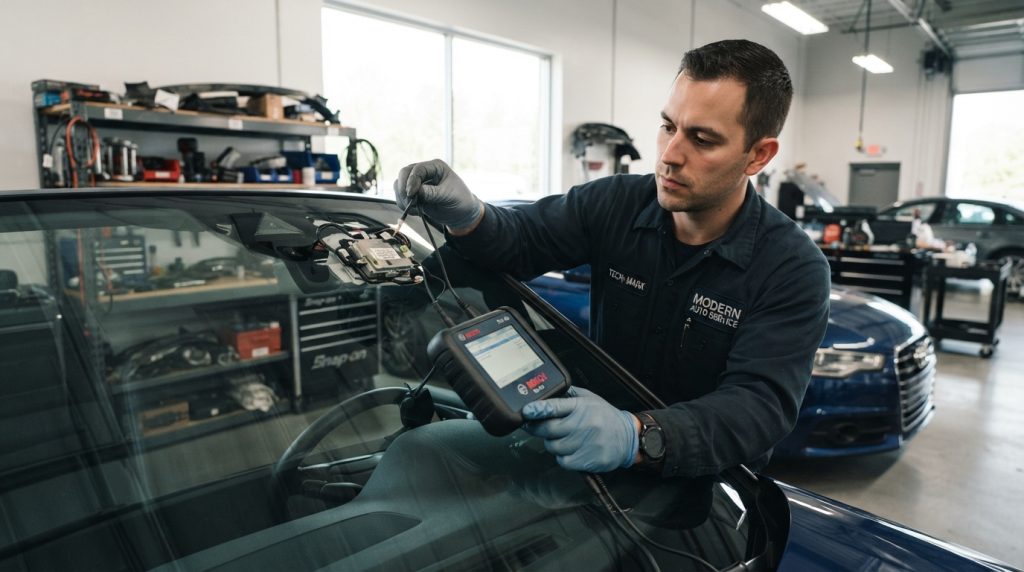
On a rainy drive, windshield replacement with rain sensors can matter when your wipers must respond quickly. A damaged windshield may affect a handy feature you rely on for clear visibility. Each vehicle has its own equipment, so the service needs may differ.
A rain sensor is a windshield-mounted device that detects moisture and signals the wipers to activate or adjust. Before service, identify your vehicle’s equipment and ask how the sensor will be handled. After service, check that the feature works as expected.
Knowing what sits near your rearview mirror gives you a useful starting point. You can then share clear details with the auto glass technician before work begins.
Key Takeaways
- Find out whether your vehicle has a rain sensor.
- Tell the technician about the sensor before glass work.
- Ask whether the replacement glass supports your vehicle’s setup.
- Check automatic wipers after service.
- Use manual wiper controls if automatic operation fails.
Where Is a Rain Sensor, and How Does It Detect Water?
Look behind the rearview mirror from inside the cabin to find a rain sensor. From outside, you may see its lens or film facing the road; the sensor needs a clear path through the windshield.
A square panel near the mirror can be a clue, but it may serve another purpose. Rain sensors and a light sensor can look similar, and vehicle setups vary.
Find the Sensor Near the Rearview Mirror
The rain sensor typically sits behind the rearview mirror, attached to a special bracket. Its wiring runs through the roof, out of sight from the driver’s seat.
Look for a small outward-facing lens or film on the windshield. A panel in that area can suggest sensors are present, but it does not confirm which kind.
Some vehicles have a rain sensor, a light sensor, or both. A light sensor may sit beside the rain sensor and respond to the brightness outside.
| Feature | Rain sensor | Light sensor |
|---|---|---|
| Primary input | Moisture on windshield | Ambient light |
| Typical location | Behind rearview mirror | Typically adjacent to rain sensor |
| Vehicle response | Wiper activation or speed changes | Possible headlight activation in low light |
| Visible clue | Outward-facing lens or film | Similar-looking panel |
How the Sensor Triggers the Wipers
The rain sensor measures changes in light reflected inside the windshield. When water reaches the glass, it reduces the reflected light, and the system reads that change as moisture.
The vehicle can then start the wipers or change their speed. The response depends on its settings and the amount of detected rain.
Some systems link rain and light sensing. In those vehicles, rain or low light may also trigger the headlights, depending on the setup.
The lens, glass, and sensor work as parts of one system. Its automatic response can help you keep a clearer view as conditions change.
How Do Rain Sensors Help You Stay Focused in Bad Weather?
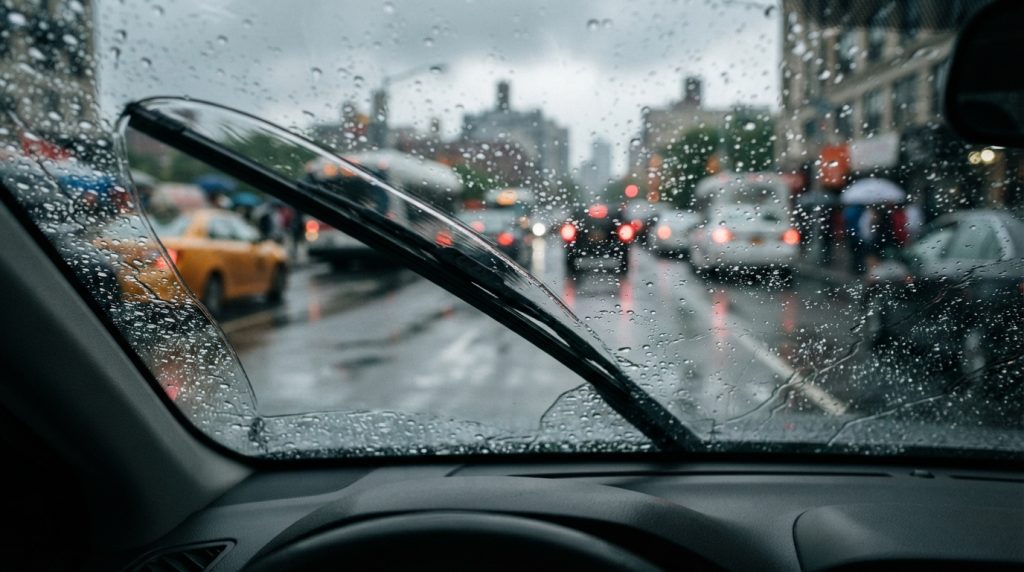
A drizzle can grow heavier while you drive, and automatic wipers can respond without you reaching for the control. Rain sensors can start the wipers and raise their speed as precipitation increases, helping maintain visibility.
The system responds when moisture reaches its set threshold. That response can begin before you notice the change in rain.
Wipers Respond as Moisture Changes
With a steady drizzle, the wipers may move at a slower pace. If the rain grows heavier, the system can raise the speed to clear more water.
This changing response means you may not need to adjust the wipers by hand each time the weather shifts. Less manual control can reduce distraction and leave more attention for traffic.
That support can matter during a busy merge or on a wet road. Your reaction time still depends on noticing hazards and responding safely.
Automation Helps, but You Still Need to Watch the Road
Automatic wipers do not judge every driving condition. Spray from another vehicle, dirt, or changing light can affect what you see, even when the system responds.
Watch the road and windshield, and use the manual controls when needed. If rain overwhelms the wipers or your view stays poor, slow down when safe and find a suitable place to stop.
Do not treat automation as a substitute for attention or sound visibility practices. A clean windshield and working wipers remain important in bad weather.
The feature can help only when the windshield and sensor setup work together. That makes the glass choice part of keeping the response dependable.
What Should You Confirm Before Windshield Replacement With Rain Sensors?
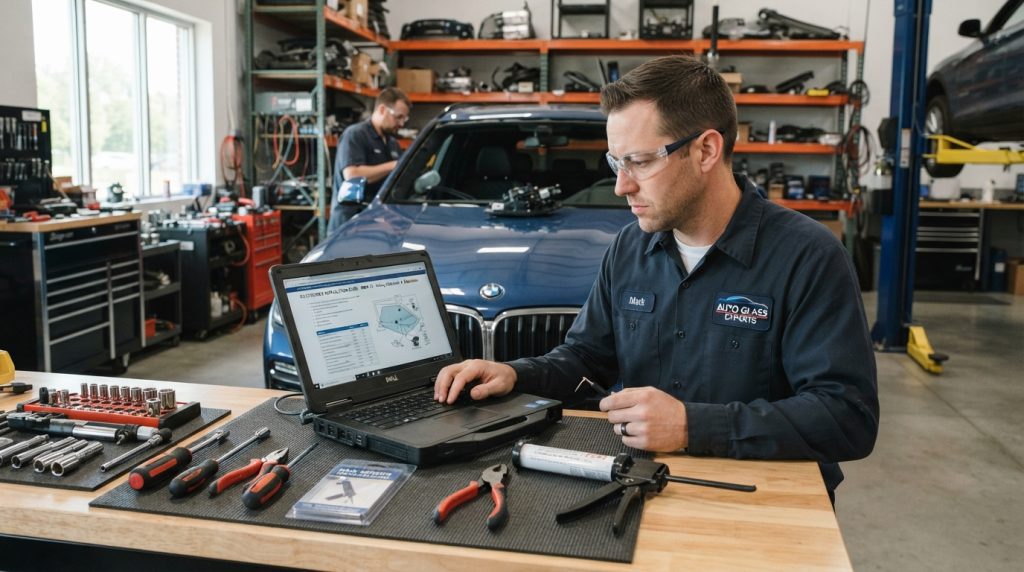
The replacement glass must match your vehicle’s sensor requirements, not just its dimensions. Glass with the right shape may still fail to support the vehicle’s electronics.
Ask the auto glass technician to confirm compatibility before you approve windshield replacement. The exact glass features can differ between vehicles, even when the windshields appear alike.
Match the Glass to the Vehicle’s Sensor Setup
A rain sensor relies on the windshield specifications used by the vehicle’s system. If the replacement glass does not support those electronics, the sensor may not work properly.
Do not assume that a windshield will fit the system because it matches the old glass’s outline. Ask which glass is intended for your vehicle and its sensor setup.
Also ask how the existing sensor will be handled. Depending on its condition and the vehicle, the technician may transfer it or replace it.
Share your vehicle’s make, model, and year when you ask about the glass. These details help the technician identify the right fit and the features to consider.
Ask About Other Windshield Technology
Your windshield may hold technology beyond rain sensing. Some features need specialized knowledge during glass work, and some may need recalibration after replacement.
Recalibration means adjusting a system so it reads and responds as intended. It does not follow that every rain sensor always needs calibration, so ask what applies to your vehicle.
Before work starts, use these questions to make the conversation clear:
- Does this glass support my vehicle’s rain sensor?
- Will the existing sensor be transferred or replaced?
- Does my vehicle have other windshield-mounted technology?
- Is any calibration or functional check needed for my vehicle?
The answers can guide the service plan and help prevent overlooked features. Share your vehicle and windshield technology details with the technician before work begins.
What Happens to the Sensor During Replacement, and What Should You Check After?
A driver who arrives for glass service without mentioning a rain sensor may leave it out of the work plan. Tell the auto glass technician about the sensor before service starts, so its handling is clear.
Bring the vehicle details and any known windshield technology information. Mention existing damage to the sensor or its wiring, since that can affect the service process.
Prepare the Vehicle Information for Your Appointment
Tell the technician your vehicle’s make, model, and year. If you know which windshield features it has, include those details when you arrange the visit.
Point out any sensor or wiring damage you have noticed. A damaged wire may mean the vehicle needs a new sensor, rather than a simple transfer.
If the rain sensor remains intact, the technician may need to reattach it after removing the old windshield. Let the technician know if you believe the sensor is still in good condition.
Not every crack or chip calls for full replacement. A small windshield chip may be repairable with adhesive, while larger damage may call for a complete windshield replacement.
Have the damage assessed before choosing repair or replacement. The size and condition of the damage help determine which type of glass service fits.
Ask for an individual quote for your vehicle and the work it needs. No supported price range is available, so avoid relying on an invented estimate.
Keep these three steps in mind when arranging the visit:
- Tell the technician about the rain sensor and any known wiring issue.
- Confirm the replacement glass and sensor handling before work starts.
- Test automatic wiper response after service and report problems.
Check the Sensor and Wipers After Installation
After service, check that the sensor is in place and the windshield wipers respond as expected. Use the vehicle’s manual to set the system for automatic operation.
Test the wipers in conditions that let you see their response safely. Do not pour water on the windshield while driving or test the system in a way that blocks your view.
If the wipers act erratically, ask the technician to investigate. A dirty or misaligned sensor, the installation, or wiring could be involved.
Do not assume the sensor itself has failed before those items are checked. Explain what the wipers did and when the problem began.
For help with the next step, request a vehicle-specific quote and arrange the right glass service for your damage.
Conclusion
Preserving your rain sensor starts with identifying it and including it in the glass-service conversation. Tell the technician what your vehicle has, then check that the automatic wipers work after service.
For windshield or other glass damage, you can hire Miracle Auto Glass. The shop is located at Bandera Rd & Grissom.
Call Miracle Auto Glass at (210) 680-2551 for help with windshield or other glass damage.