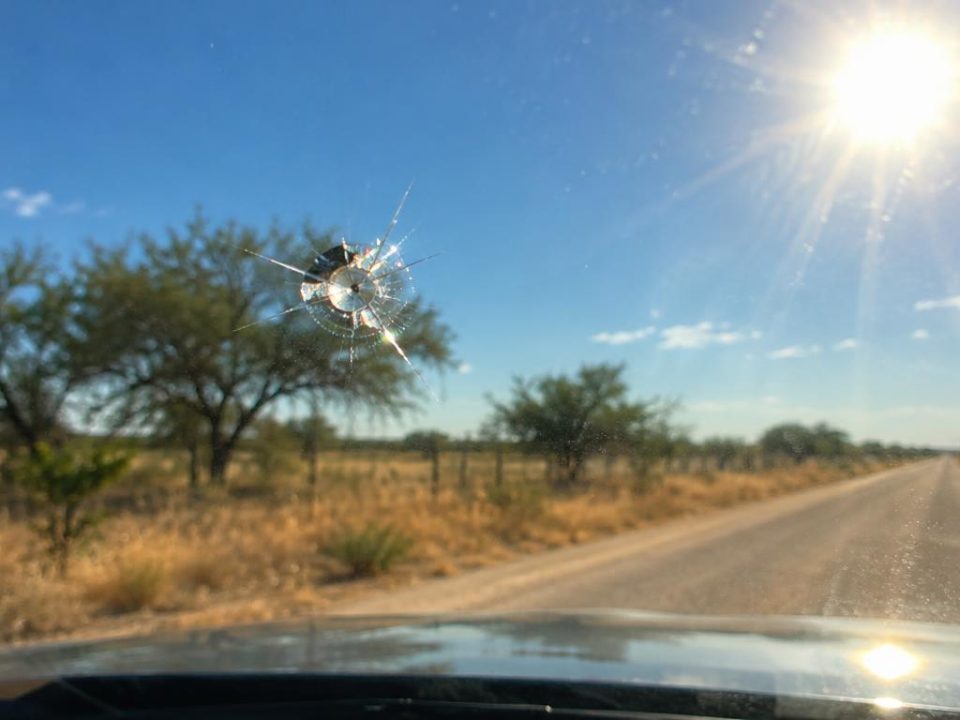
Why Summer Heat Makes Windshield Chips Spread Faster in South Texas
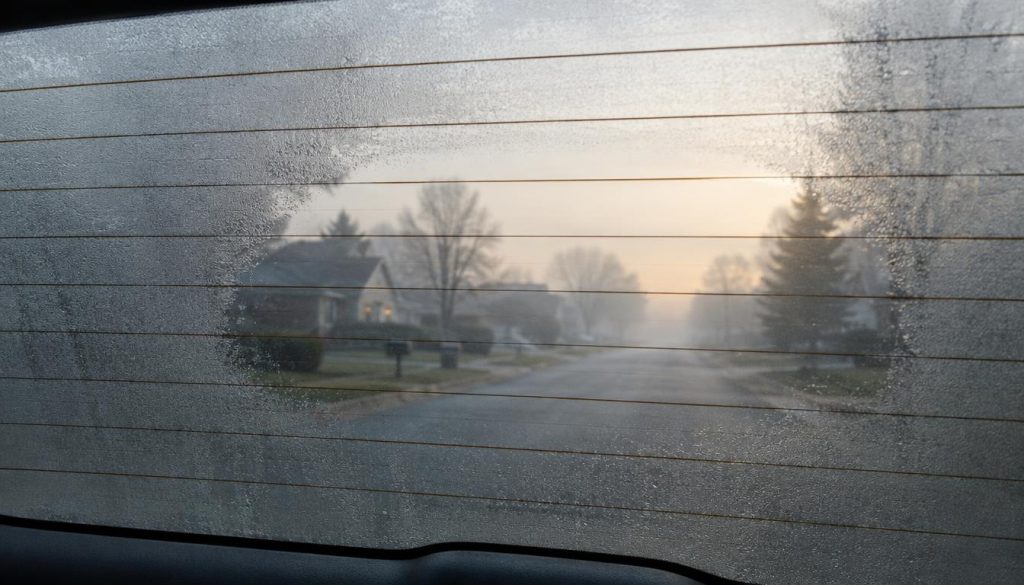
If only part of your rear window clears, a broken grid line is a likely cause; if none of it clears, the fault may be in the electrical supply or a connection. A rear window defroster not working can leave you with poor rear visibility, especially in cold or damp weather. A grid line is a narrow conductive heating element on the inside of the rear glass that warms the glass when electrical current passes through it. These narrow elements heat the glass to melt or evaporate moisture, frost, ice, and snow.
A partial failure often points to glass-grid damage, while a total failure can involve a fuse, switch, relay, wiring, or separated defroster tab. The defroster tab is the metal electrical connection at the glass. These issues can look similar at first, so note which parts of the glass clear when you turn the system on. This first check can help you describe the problem before inspection or repair.
Key Takeaways
- Uncleared strips can point to a broken grid line.
- A fully inactive system may have an electrical fault.
- A loose wire near the glass edge can signal a separated tab.
- Careful inspection can help narrow down the problem.
- A close look at whether the whole glass or only certain areas fail gives you a useful first clue.
Why Is Your Rear Window Defroster Not Working?
A blown fuse, failed switch or relay, or damaged wiring can keep the rear defroster from getting power. A power fault can stop the entire system, even when the glass and grid lines look intact. The system uses your vehicle’s 12-volt electrical supply, so several circuit parts can affect its operation.
If a same-rating replacement fuse fails again or does not restore operation, further diagnosis is needed. Avoid installing a fuse with a higher rating, which may not protect the circuit as designed.
Fuse, Switch, and Relay Checks
A rear window defroster not working may have a blown fuse, faulty switch, or failed relay. Check these basic points before assuming the glass itself has a problem:
- Confirm the correct fuse information in your vehicle’s owner’s manual.
- Replace a blown fuse only with one of the same rating.
- Note whether the switch indicator responds when you press it.
- Remember that the system may shut off automatically after several minutes.
Wiring Faults and Windshield Fog
Damaged internal wiring can interrupt the circuit between the controls and rear glass. A technician may need to trace the wiring if the fuse, switch, and relay do not explain the fault.
The windshield defroster is separate from the rear system, so one can work while the other fails. For windshield fog, use warm airflow and fresh air; use A/C dehumidification only when supported and recommended by your owner’s manual. Recirculation can keep fogging going. If windshield visibility is inadequate, stop somewhere safe and wait until the glass clears.
Replace a blown fuse only with one that matches its specified rating.
What Do the Defroster Lines and Symptoms Reveal?
If certain strips stay fogged while others clear, a break in a grid line is a likely explanation. The affected area can help you tell local grid damage from a fault that interrupts the whole rear defroster.
Unheated strips point toward a break in one or more grid lines. A dangling wire at the glass edge suggests a connection problem instead of a small break within the grid.
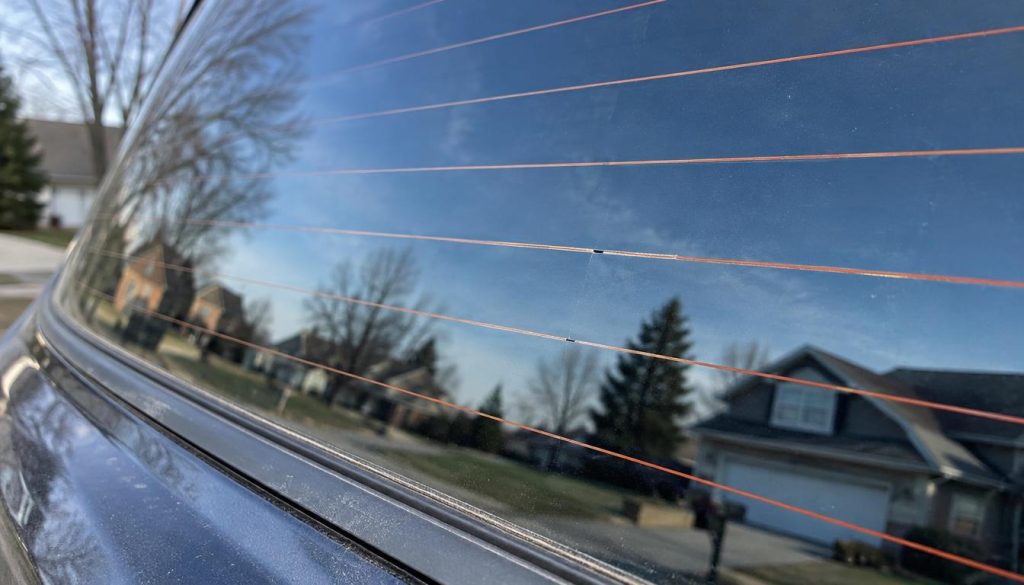
A single break in a defroster line can leave part of the rear glass unheated, while intact lines help reveal whether the grid is the problem.
Only Part of the Glass Clears
Inspect the affected lines carefully in good light. Rough cleaning, an ice scraper, or shifting cargo can damage the thin heating elements on the inside of the glass.
A break may be hard to spot, especially if it is small or near a dark mark. A technician can use a multimeter, a tool that measures electrical current and voltage, to check grid-line continuity.
Nothing Clears or a Wire Dangles
A wire dangling near the side of the glass can mean the defroster tab has separated. A separated main power tab may stop the entire system, while a break in one grid line usually affects only part of the glass.
| Symptom | Likely fault area | Useful first check |
|---|---|---|
| Partial clearing | Grid line | Inspect the affected lines |
| No clearing | Power or connection fault | Review the fuse and circuit checks |
| Dangling side wire | Separated tab | Arrange a careful connection inspection |
A close look can help you describe the damage, but it cannot confirm every electrical fault. Avoid scraping or pressing hard on the grid while checking the glass.
Can You Repair Grid Lines, Tabs, or Tint Damage?
A localized grid-line break or a detached tab can often be addressed with the repair material designed for that specific part. The right repair kit depends on whether the damage affects a heating line or its electrical connection.
Conductive paint suits a broken grid line, while electrically conductive adhesive suits a detached tab. Extensive heating-element damage may require rear-glass replacement.
Choose a Repair Kit for the Damage
A rear window defogger repair kit for a broken grid line uses electrically conductive paint to restore the line. A detached tab needs electrically conductive adhesive to reconnect the metal contact to the glass.
Choose kits by the damaged part, not by the general symptom. The complexity of the fault affects repair cost: a localized break differs from a wiring diagnosis or rear-glass replacement.
Tint-Related Grid and Tab Damage
Rear defroster not working after tint may point to damage during tint installation or removal. The thin grid and its connections can be harmed when film is fitted or taken off.
Gentle interior cleaning can help protect the grid. Avoid placing decals over the heating lines, and keep cargo or other objects from rubbing against them.
Extensive damage may call for replacement rather than a small repair. Get the damage assessed before choosing between a localized repair and rear-glass replacement.
Conclusion
Use the symptom pattern as a starting point, then have uncertain electrical or glass damage assessed before attempting a repair. Partial clearing can suggest a local grid issue, but it cannot confirm the cause. A full failure may involve a circuit fault or a main connection at the glass.
Extensive glass damage may need a different solution from a localized grid or tab fault. Miracle Auto Glass can help with windshield or other glass damage in San Antonio.
Hire Miracle Auto Glass to fix your windshield or other glass damage; call (210) 680-2551 or visit 6730 Poss Rd, San Antonio, TX 78238.