
Why Your Car Window Won’t Go Up (and What It Usually Means)
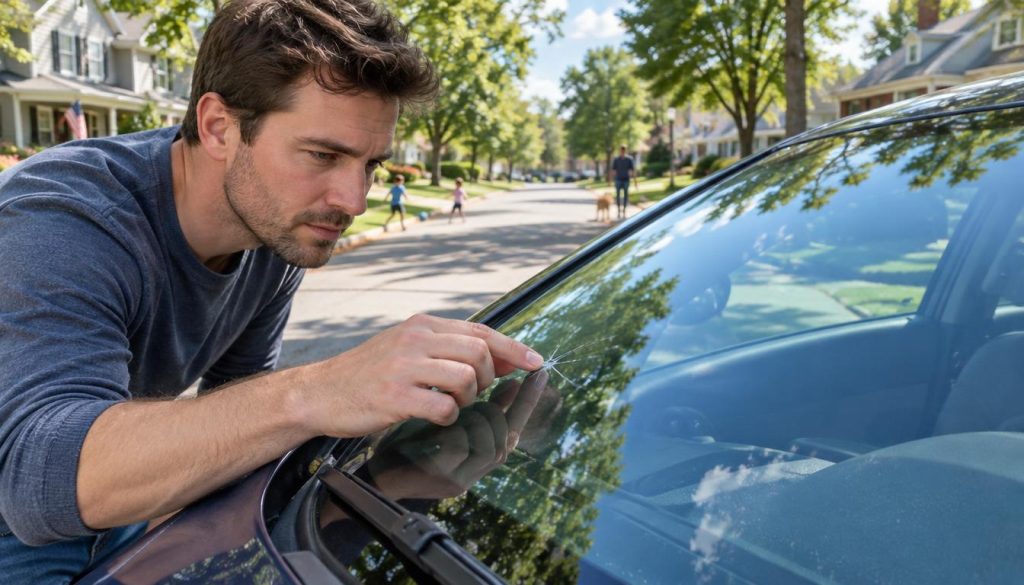
Small windshield damage may be repairable, but a long, deep, edge-reaching, or vision-obstructing crack is a reason to get a professional assessment promptly. For a repair or replace windshield crack decision, consider where the damage sits and how much it affects your view. Small, shallow damage outside your direct view may be repairable.
Resin injection repair means filling a damaged area of glass with liquid resin that hardens to stabilize the area. A technician can check damage that falls between clear repair and replacement signs. This general guidance cannot replace an inspection of your car.
Cracks can change as the car moves over rough roads or faces temperature shifts. That makes a prompt check useful, even when the damage looks minor from the driver’s seat. The right choice protects your view and the glass’s role in vehicle safety.
If the damage affects your view of the road, do not put off getting it assessed.
Key Takeaways
- A small chip away from your view may be repairable.
- Edge-reaching, deep, or vision-blocking damage needs prompt assessment.
- Damage size alone cannot confirm that repair is safe.
- A technician must inspect borderline damage before you choose service.
- Keep your view of the road clear while arranging an assessment.
Repair or Replace Windshield Crack: The First Decision Check
A small chip away from your view may be repairable, while an edge-reaching or vision-obstructing crack is a stronger reason to consider replacement. Location matters, but size, depth, and the number of damaged spots also affect the decision. Use these checks as a first screen, not a guarantee.
| Damage pattern | Likely next step | Reason |
|---|---|---|
| Small quarter-sized chip away from the driver’s view | Consider professional repair | Limited damage may be stable enough for repair |
| Crack a dollar bill can cover | Ask a technician to assess repairability | Length alone does not show depth or location |
| Damage at the edge or in the driver’s view | Get prompt professional assessment for possible replacement | Position can affect safety and glass strength |
Small chips and short cracks
A quarter-sized chip may suit repair when it sits away from your direct view. A crack a dollar bill can cover may also be repairable, but that comparison gives only a rough sense of size.
The same-sized windshield damage can lead to different recommendations. A small chip may have hidden branches, while a longer crack may stay shallow. A technician checks the full damaged area before advising repair or replacement.
Driver view and glass edge
Damage near the driver’s direct line of sight can make repair unsuitable, even when the mark looks small. A repair may leave a visible trace, and any remaining mark can distract you while driving.
A crack that reaches the windshield edge can weaken its structural integrity. The glass may have less strength than it appears to have, so an edge-reaching mark deserves prompt professional review.
Depth, layers, and number of damaged spots
Windshields use laminated glass with layers joined together. Damage that reaches deep into the glass or affects more than one layer can change the repair decision.
More than two damaged areas call for replacement. Several separate marks can reduce confidence in the windshield, even if each one looks small. Count distinct damaged spots, not every fine line branching from one impact.
When you describe the damage, note whether it is one impact area or several. That detail helps a technician understand the condition before inspecting the glass. Treat these size checks as a first screen, not a substitute for an inspection.
Common Windshield Damage Types and What They Mean
A compact impact mark can look like a circle, a small star, or a crescent, while an edge crack begins at the boundary of the glass. The pattern offers clues about how the damage formed, but it cannot prove that repair is safe. Depth and location still guide the next step.
| Damage type | What it looks like | Typical concern |
|---|---|---|
| Bull’s-eye | Round impact mark, often with a ring | Check its depth and position |
| Star break | Several short lines branching from a point | Branches may spread from the impact |
| Edge crack | Crack that starts at the glass edge | Can affect windshield strength |
Impact patterns
Rock, gravel, and other road debris can hit the windshield and leave a chip or a branching mark. A bull’s-eye looks round, while a star break has lines extending outward from its center.
Half-moon cracks have a crescent shape. Combination cracks mix patterns, such as a round center with short branches. Pictures of windshield cracks that can be repaired often show a small bull’s-eye, a compact star break, or a shallow half-moon.
Those visual descriptions can help you name what you see. An image cannot show the full depth, hidden layers, or all details of a damaged area. Even a repairable-looking chip needs an in-person assessment.
Long, edge, and stress cracks
Long cracks extend across a larger part of the glass. An edge crack starts at the windshield’s boundary, while a stress crack can form without a direct impact.
These crack types have different causes and risks. A long crack may grow, and damage that begins at an edge can affect the glass’s support. Either type may need replacement after an inspection.
Fine lines can be hard to read through a windshield, especially when light reflects off them. Avoid judging the damage by its outline alone. A crack’s pattern can suggest what happened, but its depth and location still determine the next step.
When a Crack Makes Windshield Replacement the Safer Choice
A crack that reaches the edge, penetrates deeply, or obstructs your direct view is a strong reason to have the windshield assessed for replacement. Several warning signs point toward windshield replacement, including damage through both layers of laminated glass. Damage past halfway through the glass thickness requires replacement.
Windshields are made from laminated glass, which has layers joined together. If a crack goes through both layers, the damage is too deep for a safe repair. Tempered glass is more likely than laminated glass to break into fragments.
A 12-inch crack is generally a replacement candidate because it is long. That length is a strong warning sign, not a rule that works on its own. A technician must inspect its depth, path, and condition before making a final choice.
Damage in the driver’s direct line of sight can affect what you see on the road. A repair may leave a mark, so even a stable crack can make replacement the safer choice when it blocks your view.
More than two damaged areas call for replacement. Separate impacts can weaken confidence in the windshield as a whole, even when none looks severe alone. This is different from several fine lines that branch from one impact point.
The glass also helps support the car’s structure. A long or deep crack can affect more than appearance, so do not judge the risk by how tidy the damage looks from outside.
Some cracks grow as the vehicle moves or temperatures change. A mark that began as a short line may become harder to assess after it spreads. A timely inspection can help you avoid relying on a damaged windshield longer than needed.
Do not assume a long crack is repairable just because it sits outside your direct line of sight.
What a DIY Windshield Repair Kit Can and Cannot Do
A windshield crack repair kit fills a small damaged area with resin, but it cannot make every crack safe to repair at home. Simple damage only may suit a kit, while a larger or complex mark needs a professional assessment. A kit cannot restore every damaged windshield to its original strength.
How resin kits work
Most kits use resin that hardens under ultraviolet light. The resin fills part of a chip or crack and can help stabilize limited damage.
One kit guide recommends epoxy for cracks under 3 inches and says to check that the epoxy is less than 6 months old. That is one kit’s instruction, not a universal repair threshold. Other products may use different steps and limits.
A kit may reduce the look of a small chip, but it may not make the mark disappear. If the crack reaches a glass layer or has several branches, home resin may not reach the full damaged area.
When a kit is the wrong choice
A windshield crack repair kit is intended for small damage. Larger, complex, or vision-obstructing damage needs professional assessment, since a poor repair can leave the crack unstable.
Before starting, use these checks:
- Read the kit directions from start to finish.
- Check the epoxy date and follow the product’s age limit.
- Wear gloves and eye protection while handling the resin.
- Work in a ventilated area.
- Stop if the damage is complex or in your line of sight.
Resin can irritate skin and eyes, so follow the product’s safety steps. Avoid adding extra resin or changing the curing process to force a result. A kit’s instructions apply to that product, not every type of glass or crack.
If you are unsure whether a chip is shallow, do not test it by pressing or scraping the glass. A small mark can hide damage beneath the surface. Do not attempt a kit repair on damage that interferes with your view or appears deep or complex.
How Professional Windshield Repair Works
A professional windshield repair typically begins with an inspection and preparation of the damaged area before resin is injected and cured. Careful preparation helps the resin reach the damaged space and bond as intended. Repair can stabilize a crack without removing every visible mark.
The technician checks the crack’s shape, depth, and position before starting. If repair is suitable, the work area should be dry and around room temperature.
After preparing the glass, the technician uses resin injection repair to fill the damaged area. The resin then cures, and the technician checks the result for remaining gaps or signs of growth.
The repair process aims to strengthen the damaged area, not make the windshield look untouched. Some marks may remain visible after the resin hardens. The final look depends in part on the damage itself.
Temperature changes matter during and after repair. Glass and resin expand and contract at different rates, so improperly applied resin can contribute to crack growth.
Professional auto glass repair uses tools to control how resin enters the damaged spot. If the resin does not reach the crack as intended, the repair may not stabilize it well. This is one reason a skilled inspection matters.
The technician may decide that replacement is safer if the damage is too deep or complex for repair. A repair should not be used to hide a condition that needs a new windshield.
Ask whether the repair is expected to leave a visible mark before you approve the work.
Keep a Small Chip or Crack From Spreading
Until you can arrange an assessment, keep dirt and moisture out of the damaged area and limit jolts to the vehicle. Gentle handling can reduce added stress while you wait. A temperature change of 30 degrees or more can make a crack worse.
Moisture, road vibration, debris, and quick temperature swings can worsen windshield damage. A sudden shift from heat to cold may put more stress on a crack, especially when the glass already has a weak spot.
Use these short-term steps:
- Cover the damage with clear packing tape if it does not block your view.
- Avoid potholes and rough roads when you can choose another route.
- Close doors gently to limit jolts through the vehicle.
- Keep water and dirt out of the damaged area.
- Park under cover or in shade when practical.
Clear packing tape can keep dirt and moisture away for a short time. It does not fix the glass or make driving with a blocked view safe. Do not put tape where it could distract you or cover part of the road.
Road vibration can make a small chip crack spread, especially on rough pavement. If you cannot avoid a bumpy route, slow down where safe and leave extra room to reduce sudden braking.
Changes in air temperature can also affect the damaged glass. Avoid sudden shifts between a hot cabin and cold air when possible. A gradual change puts less stress on the windshield than a sharp blast of heat or cold.
A cracked windshield may need more care during defrosting. Avoid using a high defroster setting on a cracked windshield when a sudden temperature change could worsen the damage.
How Car Insurance Handles Windshield Damage
Your policy and carrier determine whether windshield damage is covered and whether you owe a deductible. Coverage varies by auto insurance policy and insurance company, so a repair claim and a replacement claim may be treated differently. Do not assume either type of work is covered.
Coverage and deductibles
Your policy may include glass coverage or cover windshield work through comprehensive coverage. A deductible may apply, and the amount can affect whether filing a claim makes sense.
Car insurance can cover repair or replacement under different terms. Your auto insurance carrier may cover one kind of service but not another, or may apply a deductible to both. The policy wording sets the rules.
An insurance company may let you choose a glass provider or direct you to a network provider. Ask how the choice affects coverage before authorizing work. A quote can help you compare the repair cost with any deductible.
Questions before filing a claim
Check these two items before you file:
- Review the glass and comprehensive coverage language in your policy.
- Ask your insurer about deductibles and provider choice before authorizing work.
There is no automatic answer to whether a claim will raise your rates. The carrier, state rules, claim history, and policy can affect the outcome.
Ask whether the insurer needs to approve the work before service begins. Find out how the company handles a claim if a technician later recommends replacement instead of repair. Keep the quote and claim details together for easy reference.
Some policies may offer discounts or special terms for glass work, but those terms depend on the policy. Read the actual coverage language rather than relying on a general rule about car insurance.
Confirm the deductible and provider-choice rules with your insurer before authorizing the work.
Choosing Mobile or In-Shop Auto Glass Service
Mobile service suits a convenient, suitable work location, while an in-shop visit can help when conditions or vehicle needs call for a controlled workspace. Your vehicle’s needs and the work setting shape the choice. Replacement may require ADAS calibration for cameras or sensors.
| Service option | Best fit | Check before booking |
|---|---|---|
| Mobile service | Convenient when a suitable work area is available | Confirm weather and work conditions |
| In-shop service | Useful when a controlled environment or special parts are needed | Confirm the shop can handle your vehicle |
| Replacement on a vehicle with ADAS | Needed when glass-mounted sensors require attention | Confirm calibration capability |
Mobile repair and shop service
Mobile windshield repairs take just under an hour in most cases. Service time varies by job, and replacement may take longer than a small repair.
Mobile auto glass service can save you a trip when the work area is safe and suitable. Weather and the space around the vehicle can affect the job. An in-shop service gives the technician a controlled place to work.
Before you book, ask the provider:
- Who will perform the repair or replacement?
- What is the reason for the recommended repair or replacement?
- Does the quote include calibration when needed?
- What post-service precautions should you follow?
ADAS calibration after replacement
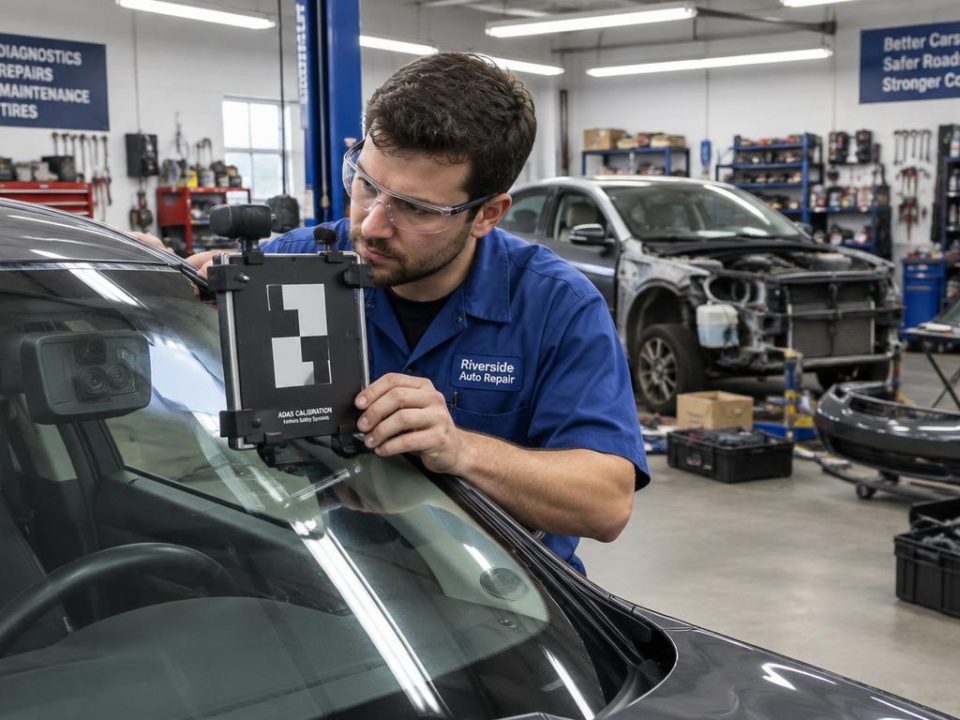
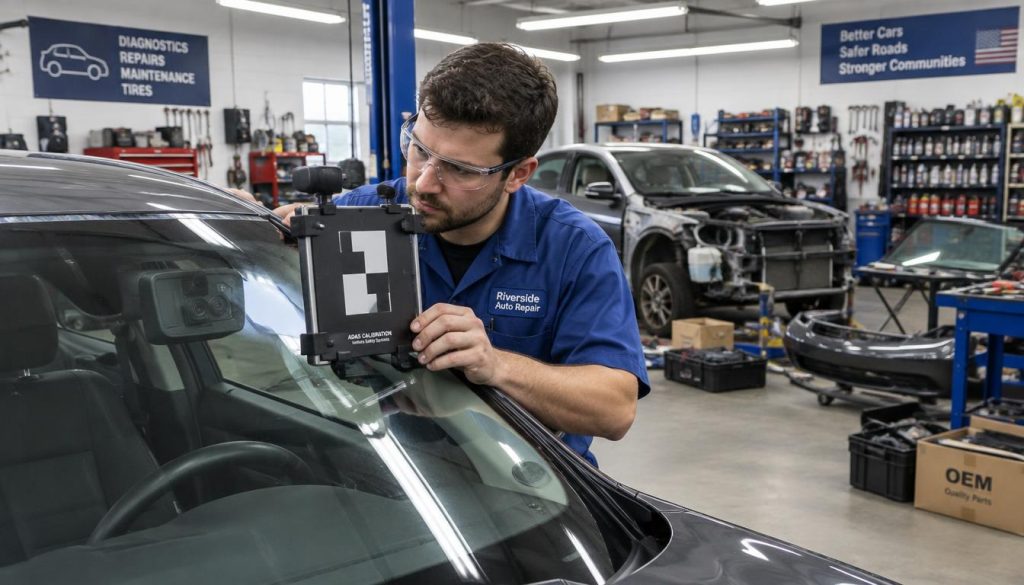
Advanced driver-assistance systems, or ADAS, may use cameras or sensors mounted near the windshield. When replacement affects those parts, the vehicle may need calibration so the systems can read the road correctly.
Ask whether the company can calibrate your vehicle’s system or arrange that work. The quote should make clear whether calibration is included when needed. A low price may not cover every part of the service.
Give the provider your vehicle details before booking. Some vehicles need specific glass or tools, and the right fit matters for the repair or replacement. If your vehicle has windshield-mounted cameras or sensors, verify calibration capability before booking replacement.
Why Visibility and Structural Safety Matter
A windshield crack can be more than a cosmetic problem when it interferes with your view or compromises the glass. Clear sight matters because you need to spot traffic, road signs, and hazards in time. Severe damage deserves prompt professional assessment.
Many states restrict windshield damage that obstructs the driver’s view. The rules differ by state, so damage that seems minor in one place may still create a legal problem elsewhere.
The Federal Motor Carrier Safety Administration flags severely cracked windshields as a possible citation or failed-inspection issue. That warning concerns commercial vehicles, but it shows why a severe crack should not be treated as a cosmetic flaw.
Your windshield also contributes to the vehicle’s structure. Severe damage can weaken the glass’s ability to support the car during a crash. A damaged windshield may also affect how an airbag deploys.
A crack can change what you see as light moves across the glass. Glare, shadows, or reflections may make the damaged area harder to judge while driving. Even a thin line can distract you when it crosses a busy part of the view.
Do not rely only on the crack’s appearance from outside the vehicle. The glass may have damage that is hard to spot from the cabin. A professional assessment can help determine whether the car is safe to drive.
If the damage blocks your view, do not treat a short trip as harmless. Choose a safe plan for assessment instead of driving with impaired visibility.
If you cannot see the road clearly through the windshield, avoid driving until you have a safe plan for assessment.
What to Prepare Before an Auto Glass Assessment
Before requesting an assessment, note where the damage is and have your vehicle’s year, make, and model ready. Clear details help a service provider understand what you need. A technician checks shape, size, depth, material, and location.
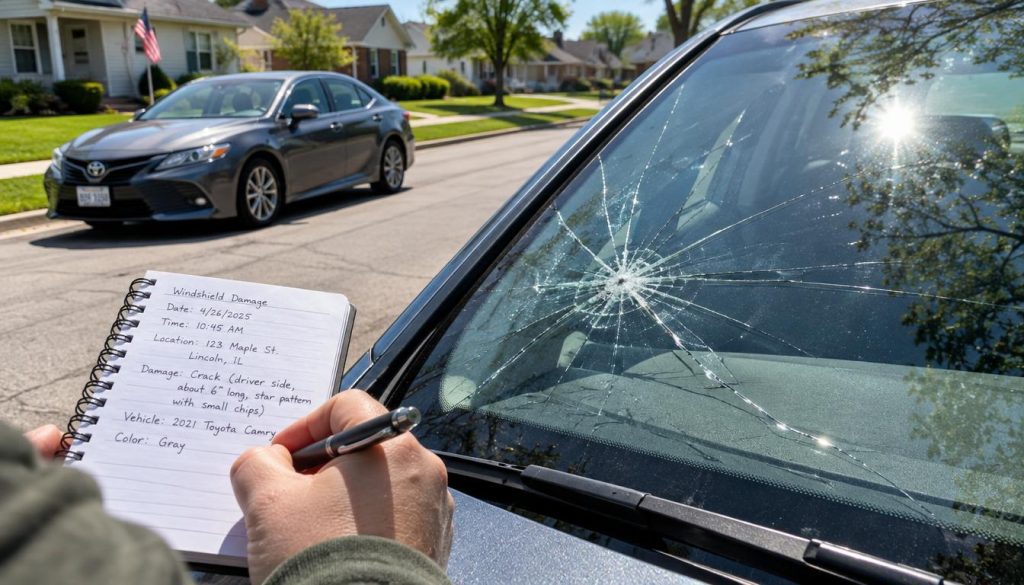
Before an auto glass assessment, note the crack’s location and extent so you can clearly describe the damage to your windshield.
Write down what you can see before requesting an auto glass quote. Include these details:
- Where the damage sits on the windshield.
- Its approximate size and whether it seems to be spreading.
- Your vehicle’s year, make, and model.
These details help the provider prepare for the service. Describe what you can see without trying to probe or widen the damaged area.
Conclusion
Choose prompt professional assessment whenever a crack is long, deep, near the edge, or affecting your view. Small, uncomplicated windshield damage may be repairable, while extensive damage can call for replacement.
A technician can inspect the glass and explain which service fits your car. Getting a clear recommendation helps you act before the damage spreads or affects safe driving.
Hire Miracle Auto Glass to fix your windshield or other glass damage at 6730 Poss Rd, San Antonio, TX 78238, or call (210) 680-2551.