Repair or Replace? How to Tell When a Windshield Crack Is Past Saving
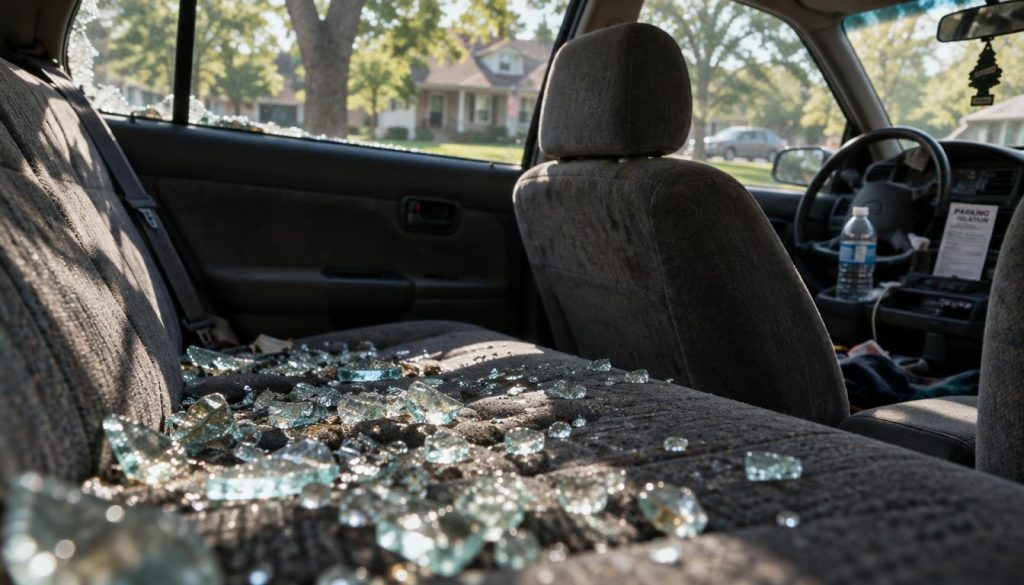
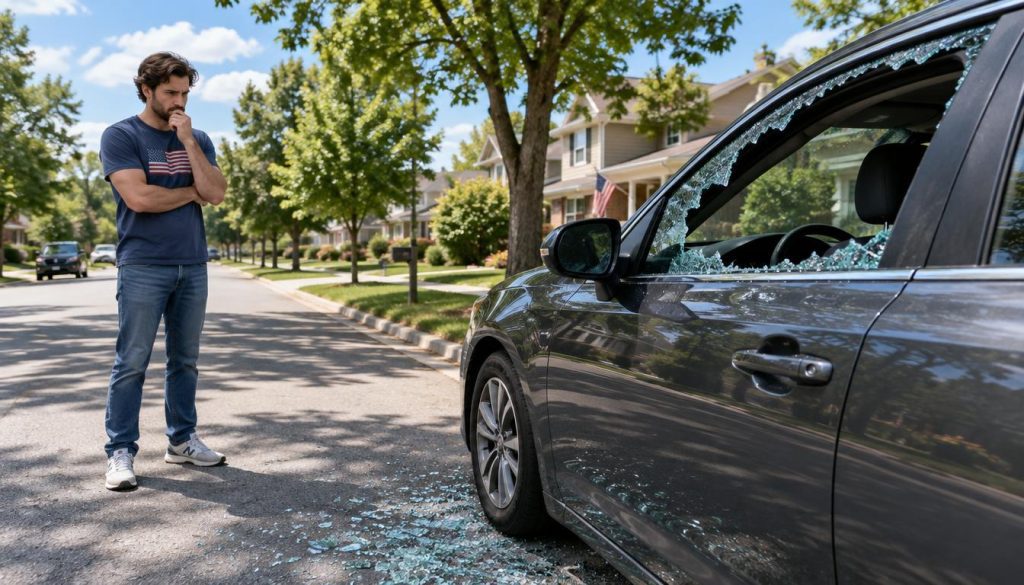
A rear windshield can shatter without an obvious impact when hidden damage or earlier stress combines with temperature changes, debris, or installation pressure. The visible break may not show which factor started the failure. Tempered glass is glass strengthened by heating and rapid cooling that breaks into small pieces when it fails.
A sudden break can leave you unsure whether the vehicle is safe to move or how to protect its interior. Your first priority is keeping people clear of loose glass and preserving a safe view. The right next step depends on the damage and where your vehicle is parked.
Even a window that looked fine moments earlier may have had a weak point you could not see. The steps below help you respond without guessing at the cause or treating a temporary cover as a repair.
Key Takeaways
- Hidden damage, heat stress, debris, or installation pressure may contribute to a sudden break.
- A break pattern alone cannot prove what caused the glass to fail.
- Keep people away from loose fragments and protect the vehicle interior.
- Do not drive if glass, weather, or a cover blocks your view.
- Shattered rear glass usually needs replacement, not a small repair.
- Insurance coverage depends on your policy and deductible.
A sudden break is dramatic, but the visible damage alone may not reveal what triggered it.
Why a Rear Windshield Shattered Without Warning
A rear windshield that appears intact can still have a hidden flaw or stress point that makes a later trigger look like the cause. Several factors can combine, so a rear car window may seem to shatter for no apparent reason without being truly cause-free.
A break pattern alone cannot identify one cause. Rear windshields are typically tempered glass, while front windshields use laminated glass that tends to stay held together as it cracks.
Road Debris, Collisions, and Severe Weather
Road debris can strike the back windshield when a vehicle ahead throws up a stone or other hard object. A collision or bird strike can also damage the glass, even when the impact seems minor.
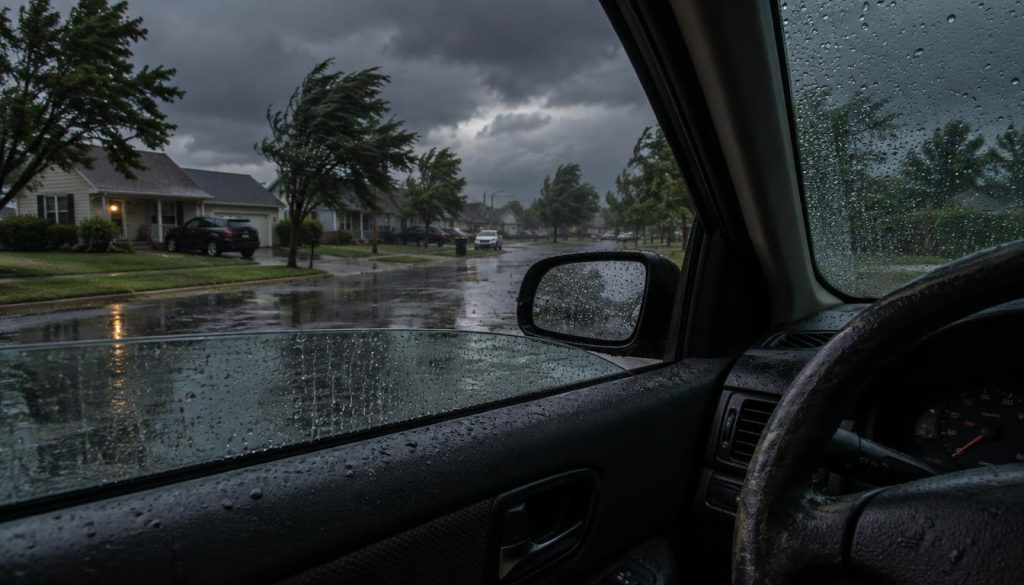
Hail and falling branches are other possible sources of damage during severe weather. A small mark or edge flaw may be hard to spot, and a later impact can make the glass fail.
Rapid Temperature Shifts
Temperature changes can place stress on glass that has a weak point. For example, rapid cooling after the glass has heated in the sun may add stress.
Rapid heating can also stress frozen glass. Turning on a rear defroster or directing hot air at a frozen area may create a sharp temperature difference across the panel.
These conditions do not mean a rear windshield will commonly break on its own. They help explain why damage may appear sudden, even when stress built up earlier.
Hidden Damage and Installation Stress
A chip, edge damage, or an installation issue can leave glass more vulnerable. A poorly fitted panel may press unevenly against its frame, adding stress as the vehicle moves or temperatures shift.
Front windshields, rear windshields, and side windows use different glass and can break in different ways:
| Glass location | Typical construction | Break pattern |
|---|---|---|
| Front windshield | Laminated glass | Tends to crack while remaining held together |
| Rear windshield | Tempered glass | Breaks into small pieces |
| Side windows | Usually tempered glass, with some laminated exceptions | Typically break into smaller pieces |
A technician’s inspection of the glass edge and installation fit can help identify damage that is difficult to see.
What to Do After the Back Glass Breaks
If the glass breaks while you are driving, pull over safely before inspecting the cabin or touching loose pieces. Protect people first, then limit further damage to the vehicle.
Do not drive with a cover that flaps or blocks your view. A temporary cover can help keep rain and debris out, but it does not repair the opening or make unsafe driving safe.
- Move the vehicle out of traffic if you can do so safely, then turn on the hazard lights.
- Put on gloves and closed-toe shoes. Keep children and pets away from loose glass.
- Cover the opening with heavy plastic and tape, such as painter’s tape or heavy-duty tape. Do not treat the cover as a repair, and do not drive if it flaps or blocks visibility.
- Photograph the damage and gather vehicle details before arranging service.
Loose fragments can injure you, while an uncovered rear opening leaves the interior exposed. Choose a response based on the immediate hazard:
| Situation | Immediate concern | Safer response |
|---|---|---|
| Loose glass or an injury | Cuts or further injury | Avoid bare-hand contact and address injuries first |
| Exposed rear opening | Rain, debris, or theft | Use a temporary cover while arranging replacement |
| Obstructed rear view | Reduced visibility | Avoid driving until you can move the vehicle safely or arrange service |
When you call for help, these details can help the service team identify the right glass and features:
- Vehicle year, make, and model
- Body style
- Whether the rear glass has a defroster grid, antenna, or sensors
- VIN and insurance details if you plan to check coverage
Your VIN identifies the vehicle for service and insurance details. Do not switch on the rear defroster or wiper while broken glass or exposed wiring may interfere with them.
Is It Safe or Legal to Drive With Broken Rear Glass?
If broken glass, loose fragments, weather, or a temporary cover interferes with your view, do not continue driving as usual. Reduced visibility can make a trip unsafe, even if your side mirrors still work.
Stop driving if damage blocks your view or creates an immediate hazard. Moving a vehicle a short distance to reach a safer spot is different from continuing a trip.
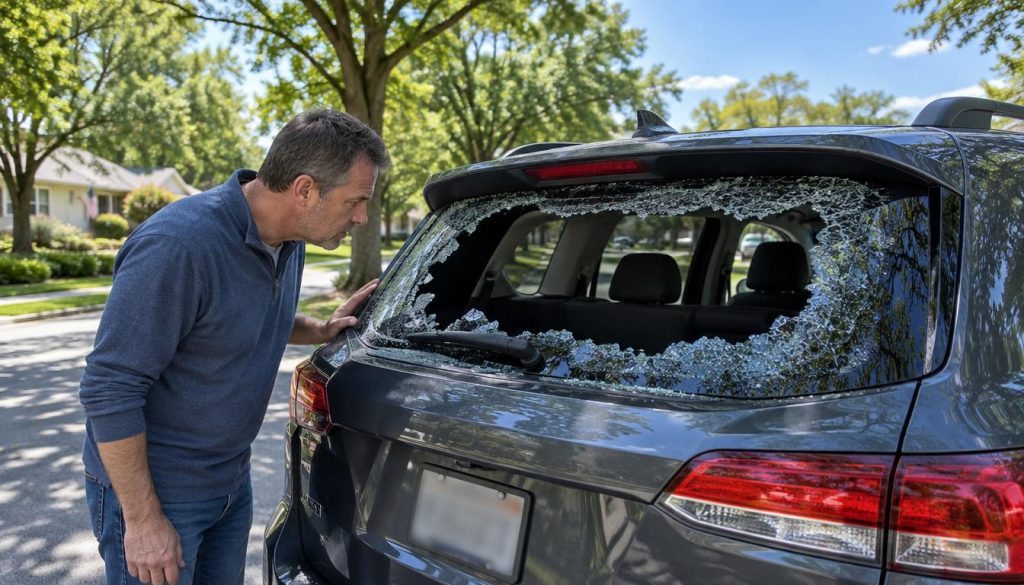
A shattered rear windshield can compromise visibility and make driving unsafe or illegal. Check the damage before getting behind the wheel.
Judge Visibility and Immediate Hazards
Mirrors do not remove the need to assess loose glass, weather, and the view around your vehicle. A plastic cover may block part of your view or shift in the wind.
If fragments could fall or the cabin is exposed to rain, consider whether moving the vehicle would add risk. Arrange help at the vehicle when you cannot move it safely.
Texas Visibility Rules
Texas law bars driving with material on or attached to a window when it obstructs or reduces your clear view. Texas Transportation Code § 547.613 makes that conduct a misdemeanor.
Texas Transportation Code § 545.417 also prohibits driving when the front or sides of a vehicle are obstructed. Texas law does not specifically address every cracked or damaged windshield, but it does prohibit visibility obstructions.
You can get pulled over if an obstruction from broken glass or a cover affects your view. An officer may act in that situation, but the outcome depends on the conditions and enforcement.
If visibility is reduced, arrange a tow or service at the vehicle rather than testing whether the trip feels manageable.
What Rear Windshield Replacement and Insurance Involve
A rear windshield that has shattered usually needs replacement because the broken panel cannot be restored by a small repair. The full panel is generally replaced rather than patched.
Your quote depends on the vehicle’s year, make, model, and glass features. Comprehensive insurance may cover unexpected damage, minus your deductible and subject to policy terms.
Why Shattered Rear Glass Usually Needs Replacement
Tempered glass breaks into many small pieces when it fails, so the damaged panel cannot be put back together as a sound window. A technician replaces the panel to restore the opening and its built-in features.
What the Replacement Process Includes
The technician removes the damaged glass and vacuums debris from the vehicle. Then the technician fits new glass and checks whether the rear defroster grid works.
Some rear glass also includes an antenna or sensors. Those parts can affect which panel your vehicle needs and what the replacement work involves.
Cost Factors and Insurance Coverage
The cost of rear windshield replacement and the price of rear windshield glass depend on your vehicle and the features built into the panel. A vehicle-specific glass panel with a defroster grid, antenna, or sensors may call for different parts and work than a simpler panel.
Comprehensive coverage may pay for auto glass damaged by falling debris or another unexpected event. Your deductible and policy terms determine whether and how much your insurer pays.
Ask your insurer how your policy applies before you approve the work. Before authorizing the job, confirm that the replacement will restore the rear defroster and any other features fitted to your vehicle.
Reduce the Risk of Another Break
You cannot eliminate every risk, but you can avoid adding sudden temperature stress or leaving damage unchecked. Small habits can reduce avoidable stress on glass.
These steps lower some risks but cannot guarantee that glass will never break. Use this checklist after the immediate problem has been handled:
- Warm or cool the cabin gradually.
- Avoid pouring hot water on frozen glass.
- Park in shade or covered parking when practical.
- Have chips, edge damage, and installation fit checked by a qualified auto glass technician.
Long periods in direct sun can heat a vehicle and its glass. Shade or covered parking reduces that exposure when a suitable spot is available.
A qualified technician can check whether an edge flaw or poor fit needs attention. Ask the technician to check the glass edges and installation fit before you accept completed work.
Conclusion
A sudden rear-glass break may have more than one contributing cause, but your next step is clear: protect people and arrange safe replacement. A hidden flaw or built-up stress can make the break seem sudden.
Safe visibility matters more than trying to keep driving. Miracle Auto Glass can help with auto glass repair or replacement in San Antonio.
Hire Miracle Auto Glass to fix your windshield or other glass damage. Call (210) 680-2551 or visit 6730 Poss Rd, San Antonio, TX 78238.