Signs Your Car’s Window Regulator Is Failing
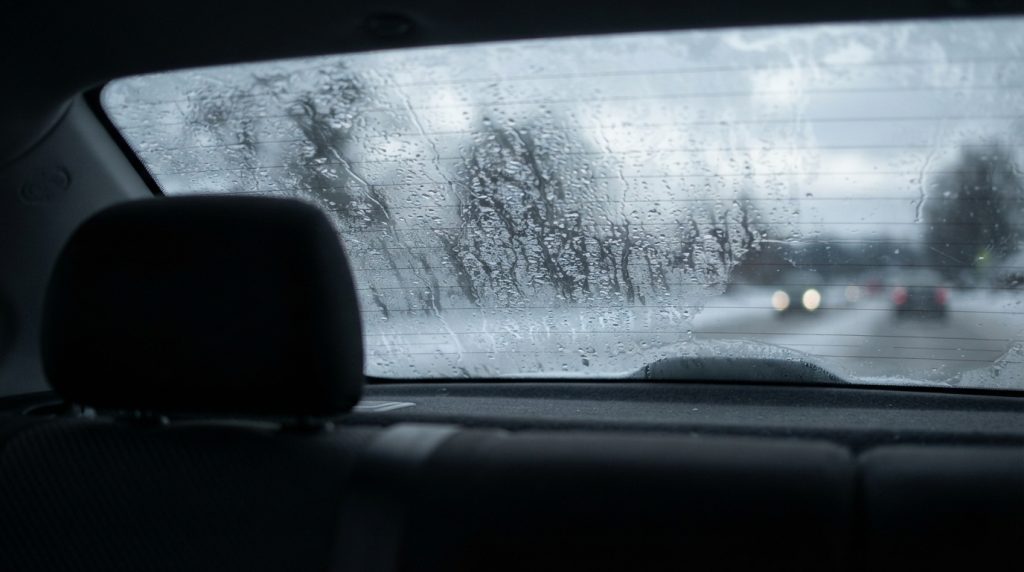
Your rear glass is replaced, yet condensation still clouds your view on a cold morning. A working rear windshield defroster helps you see clearly in wet, frosty winter weather. If it fails after replacement, check it promptly, but do not assume the new glass is faulty.
The problem may involve the glass or a separate electrical fault. Knowing the difference can help you describe what you see and choose a useful next step. The defroster grid and its electrical connections are the key parts to understand first.
Key Takeaways
- The rear defroster supports safe visibility in cold, wet weather.
- The heating grid comes with the replacement rear glass.
- A loose connection or electrical fault can still stop it working.
- Uneven clearing is a reason to check the system promptly.
- Small grid breaks may be repairable without replacing the glass.
How the Rear Windshield Defroster Works After Replacement
Pressing the rear defroster button sends electrical current through the grid, which warms the rear glass. The defroster grid is the conductive heating lines inside the rear glass, warmed by electrical current. That heat clears moisture, frost, and thin ice from the glass.
The rear window defroster strips are the visible lines you can inspect. They differ from the front defroster, which directs warm air through vents toward the front windshield. Some cars also heat outside mirrors when you activate the rear defroster, if equipped.
| Component | Clearing method | Location | Replacement relevance |
|---|---|---|---|
| Rear defroster | Electrical resistance heating | Lines on rear glass | Grid comes with replacement rear glass |
| Front defroster | Warm air from vents | Front windshield | Separate air-delivery system |
| Heated outside mirrors | Electric heating | Outside mirrors | May activate with rear defroster if equipped |
Many systems shut off automatically after about 10 to 15 minutes, though the time varies by vehicle. The car’s manual explains the controls and timing for your model. The replacement glass supplies the grid, while the connection and controls still need to work.
What Happens to the Defroster Grid During Rear Window Replacement?
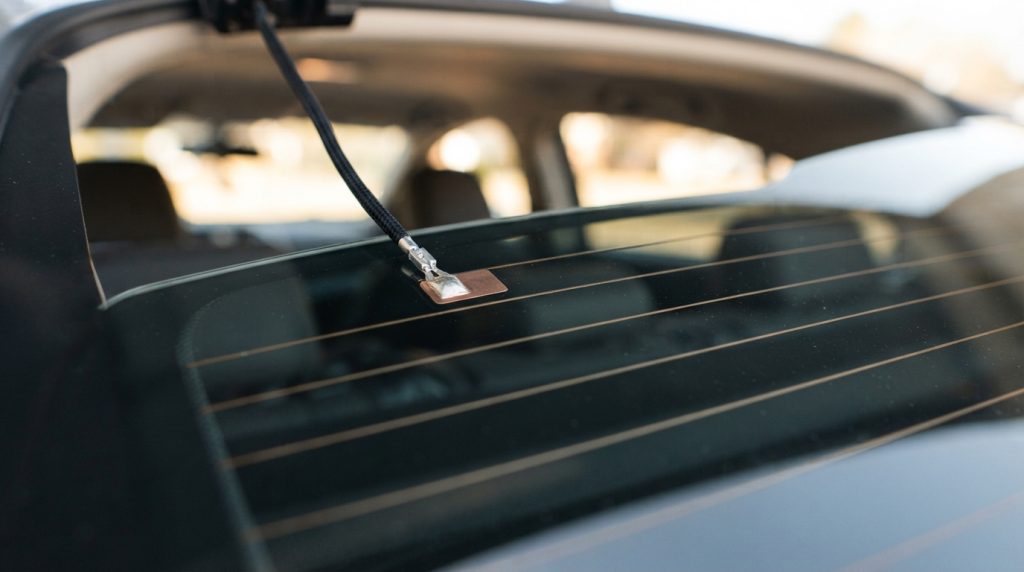
The grid is attached to the rear glass, so replacing the complete glass also replaces its grid. That means a new rear window includes new heating lines, not just a clear pane. The car still needs sound connections to power the replacement grid.
The heating grid is part of the glass
The conductive lines sit on the inside of the rear window. They may be printed or embedded, depending on the glass design. The exact layout and hardware can vary among vehicles.
Rear window defroster replacement is therefore a fitment issue as well as a glass job. The replacement must suit the vehicle and include the right grid. A sound-looking pane alone does not confirm that the correct part was fitted.
Power tabs and connections must remain intact
A power tab connects the grid to the vehicle wiring. The wiring carries power from the car’s electrical system to that tab. The installer needs to keep both the tab and its connection intact.
A tab can be knocked loose during work, or its adhesive can fail. The new glass may look fine even when the grid is disconnected. Ask about the tab and wiring if the rear windshield does not clear after replacement.
Different vehicles may use different tab designs or connection points. A proper check considers the specific glass and car, rather than assuming all systems match. Visible symptoms can then help you narrow down what needs attention.
What Symptoms Suggest a Rear Defroster Problem After Replacement?
If the rear glass clears everywhere except one narrow horizontal streak, a grid line may be damaged. Uneven clearing can point to a local issue, while a fully fogged pane may suggest a broader fault. Symptoms offer clues, but they do not confirm the cause.
Broken lines, a detached tab, a blown fuse, faulty button, or wiring problem can each affect rear defrosters. Most or all of the glass may stay fogged when the grid does not heat. A rear hatch that is not fully closed has also caused problems on some vehicles, so check it if applicable.
| What you notice | Possible area | Useful clue | Next check |
|---|---|---|---|
| Isolated uncleared streak | Grid line | Clearing stops at a line break | Inspect the line |
| Most or all glass stays fogged | Power tab, fuse, or wiring | Grid does not appear to heat | Confirm switch and arrange electrical check |
| Rear defroster control does not respond | Button or control circuit | Indicator may fail to illuminate | Check vehicle operation and have circuit diagnosed |
A defogger that seems slow may simply be working through heavy moisture or frost. Check that you are activating the correct control before deciding the glass needs repair. Note where the clearing stops, since that detail can help with diagnosis.
How Can You Test the Rear Defroster After Glass Replacement?
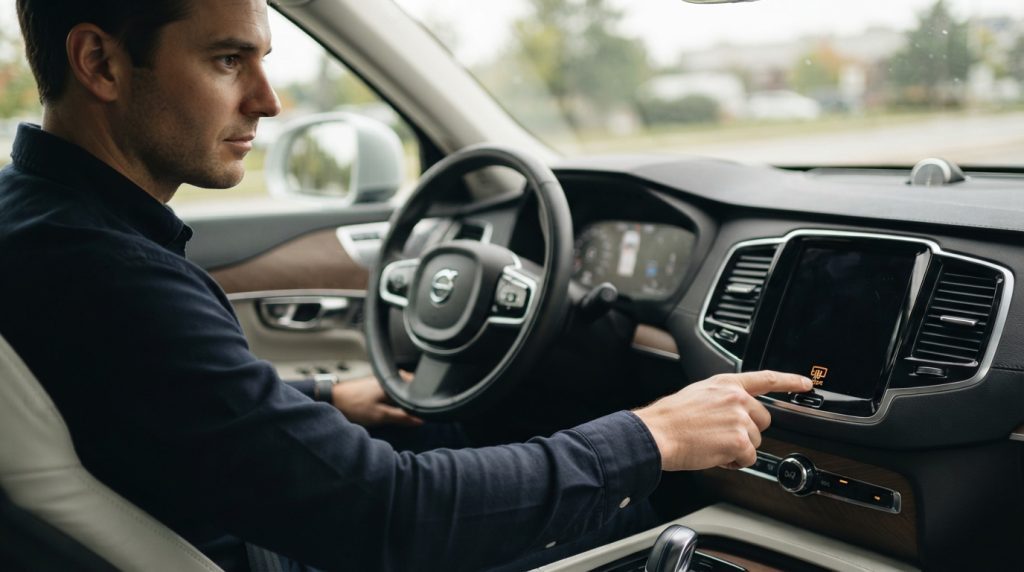
Test the system with the car running and the glass visibly fogged or frosty, when conditions allow. Use the separate rear control, not the front defroster button. Watch the grid for even clearing, and note any area that stays cloudy.
Confirm the control and indicator
The rear window defrost symbol commonly shows a window shape with wavy heat lines, though icons vary by vehicle. The owner’s manual can help you identify the rear windshield defroster button. Follow its directions for starting the car and operating the control.
- Start the car as directed by its owner’s manual.
- Find and press the rear defroster control, separate from the front defroster.
- Check whether the control’s indicator illuminates.
- Watch the glass clear along the grid lines and note persistent sections.
Observe how the glass clears
The front defroster uses warm air from vents, rather than heating the rear grid. Air conditioning can help remove moisture from the air, even when the heat is on. Neither replaces an inoperative rear grid.
Some systems switch off automatically, often after about 10 minutes, but timing varies by car. If the control is on and the glass does not clear evenly, a small grid break may be repairable. A tab, fuse, wiring, or control fault needs diagnosis instead.
Write down whether the indicator lights and where clearing stops. These details can help a repair shop tell a grid issue from a wider electrical problem. Do not keep running the system if you see damaged lines or a loose connection.
Which Rear Defroster Faults Can You Repair Without Replacing the Glass?
A small grid-line break or loose power tab can sometimes be repaired without replacing the rear glass. Localized damage may suit a defroster repair kit, while widespread damage needs professional assessment. Use only a product made for the specific repair and follow its directions.
Repair a broken grid line
A line break interrupts the conductive path at one small spot. Some repair kits use conductive paint to bridge that break. Permatex Complete Rear Window Defogger Repair Kit No. 09117 and Syon Rear Defogger Repair Kit No. 38-8434 are examples, not endorsements.
Reattach a detached power tab
A detached tab is different from a broken line because it disconnects the grid from the car’s wiring. Some kits use conductive adhesive for tab repair. Loctite Rear Window Defogger Tab Adhesive No. 21351 is one example of a tab product.
- Identify whether the damage is a line or a tab.
- Clean and prepare the area only as the kit directs.
- Apply the correct conductive material.
- Allow the specified cure time.
- Test the defroster only after curing.
One repair-kit process calls for work above 50 degrees F. Its instructions also call for waiting 24 hours before using the defroster. Kit directions can differ, so follow the instructions for your exact product.
Do not solder a tab to the glass, since heat can crack it. DIY rear windshield defroster repair is best limited to clear, small damage you can reach safely. Get professional help for extensive damage or uncertain electrical faults, including a circuit that will not respond.
When a small repair cannot address the damage, you need a professional assessment. The next decision is whether the glass or the defroster system needs replacement.
When Do You Need Compatible Replacement Glass or a Defroster Retrofit?
A grid with widespread damage may need compatible replacement glass rather than a small repair. Fit matters most: the best rear windshield defroster choice depends on glass that suits your vehicle and connects to its wiring. Do not assume a universal rear windshield defroster fits or connects to every car.
If your vehicle lacks a rear grid, adding one requires a compatibility check and suitable electrical installation. A simple glass swap may not add a working defogger. Ask what the retrofit includes before choosing it.
- Confirm the glass is specified for your vehicle.
- Confirm the defroster grid and power-tab connection are included.
- Ask how the electrical connection will be checked.
- Agree how system operation will be verified after installation.
The cost depends on your vehicle and the work involved. Request a vehicle-specific estimate instead of relying on a guessed price. Once you choose compatible glass or a retrofit, protect the working grid from damage.
How Can You Protect the Defroster After Replacement?
A small scratch across a heating line can leave one part of the rear glass uncleared. Care around the lines helps prevent that kind of damage. Check that the defroster works after installation, then keep the inside glass clean with a light touch.
Use a soft cloth and avoid hard pressure across the fine lines. If you notice a new break or detached power tab, report it rather than scraping or trying adhesive. Early repair may help prevent a small fault from becoming a larger visibility problem.
Window-tint work can knock a power tab loose or damage a grid line. Tell the tint installer that the glass has a defroster, and ask them to protect its connections. Normal defroster use alone does not show that tint is damaged.
The specific risk comes from tint installation or removal, so raise that concern with a qualified tint professional. Use the system with care, and seek help if a line or connection appears damaged.
Conclusion
A replacement rear window includes a new grid, but the electrical connection still needs to work. Test the system after replacement and have uneven clearing or a loose connection checked. A symptom does not always mean the whole system needs replacement.
For help with windshield or other glass damage, call Miracle Auto Glass at (210) 680-2551. Miracle Auto Glass is located at Bandera Rd & Grissom. Contact the shop to discuss your vehicle and repair needs, then hire Miracle Auto Glass to fix your windshield or other glass damage.