Can a Cracked Windshield Be Repaired or Does It Need Replacement?
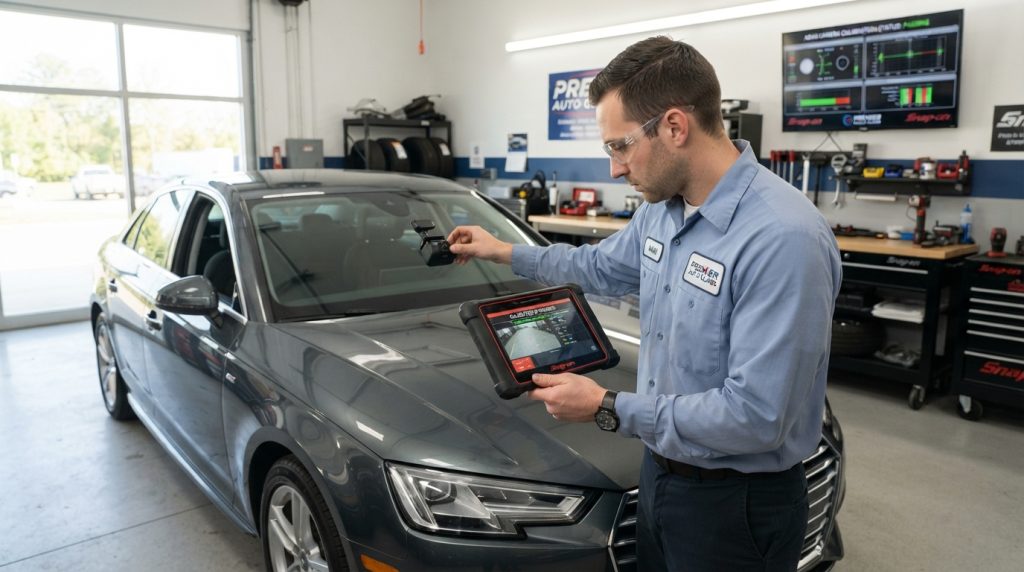
Many vehicles with a forward-facing windshield camera need its alignment checked after replacement, even when the new glass looks right. A small change in camera position can affect the safety features that rely on it.
Your vehicle maker’s procedures determine what work your car needs. This guide explains what can trigger a check, how the service works, and what to ask afterward.
Key Takeaways
- Windshield replacement can shift a forward-facing camera or its mount.
- Your vehicle’s requirements depend on its manufacturer’s procedure.
- Calibration checks the camera system’s aim and function.
- Ask the shop for a record of completed work.
- Miracle Auto Glass is at Bandera Rd & Grissom. Call (210) 680-2551.
To understand why alignment matters, start with ADAS and the camera that helps it read the road.
What Is Windshield Camera Calibration and What Does It Do?
A camera near your rearview mirror can detect lane markings for a driver-assistance feature, if its view is aligned. Windshield camera calibration aligns and checks that camera system, not the glass itself.
How ADAS Uses a Windshield Camera
ADAS means advanced driver assistance systems that use cameras, sensors, and vehicle technology to monitor road conditions and support you with alerts or corrective actions. The camera sends information about lane markings, road signs, and conditions ahead to vehicle software for review.
That software may support lane departure warning, collision avoidance, or automatic emergency braking. Adaptive cruise control can also use camera input, along with other vehicle sensors.
Many cameras sit inside the windshield near the rearview mirror. Some vehicles use one forward-facing camera, while Subaru EyeSight uses two.
What Calibration Actually Adjusts
Calibration checks the camera’s position and aim against the vehicle’s specifications. The technician follows procedures for that vehicle and checks whether the system reads its targets or road cues as intended.
The glass itself does not get calibrated. Instead, the service checks the camera system after installation or other work may have changed its view.
Because the camera depends on a clear, fixed view, some service work can disturb its alignment and call for a closer look.
When Is Calibration Necessary After Windshield Replacement?
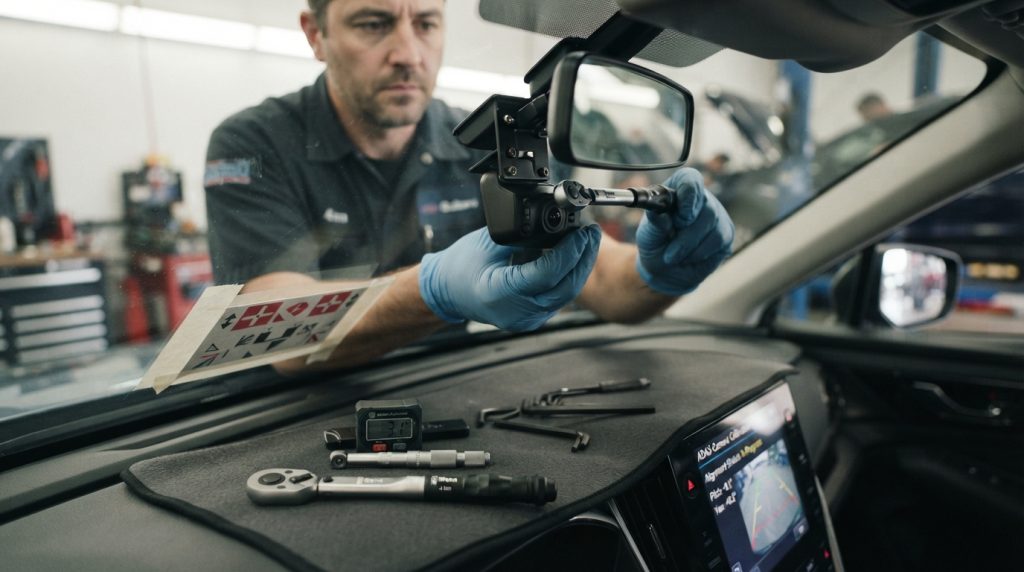
If windshield replacement moves or removes the forward-facing camera or its mount, check the vehicle’s calibration requirements, not assumptions. For most vehicles with forward-facing cameras, calibration is necessary after replacement if the camera’s position is disturbed.
Windshield replacement is a common reason for camera recalibration. The vehicle manufacturer’s procedure sets the requirement, so the answer to “is windshield calibration necessary?” depends on your vehicle and the work performed.
Other service events can affect camera aim or vehicle geometry. Ask the shop whether the manufacturer calls for a check after any work that could change either one.
| Service event | Why calibration may be needed | What to confirm |
|---|---|---|
| Windshield replacement | Camera or mounting position may shift | Whether the vehicle requires calibration |
| Collision | Impact may disturb camera alignment | Whether the manufacturer calls for a check |
| Wheel alignment | Some manufacturers call for recalibration after alignment | Vehicle-specific requirement |
| Suspension change or camera removal/replacement | Vehicle geometry or camera position changes | Required calibration procedure |
A check can help confirm that the camera system meets the vehicle’s requirements after service. The next question is which professional calibration approach the vehicle calls for.
How Is the Camera Recalibrated?
The method depends on the vehicle manufacturer’s procedure, not a universal setting. Some vehicles call for static calibration, some for dynamic calibration, and some for both.
Static Calibration in a Controlled Shop
Static calibration uses specialized equipment and targets in a controlled setting. The technician places targets at specified distances and heights, then follows the vehicle-specific steps.
A windshield camera calibration tool is specialized equipment used with manufacturer procedures. It is not a universal device for do-it-yourself adjustment.
Dynamic Calibration on the Road
Dynamic calibration uses a diagnostic tool while the technician drives under required conditions. The camera reads real-world cues, such as road markings, during vehicle-specific maneuvers.
The shop may need suitable roads, clear lane markings, or other conditions named by the vehicle procedure. Some vehicles need both methods, so the technician should follow the complete instruction set.
Pre-scans and post-scans can identify fault codes and document results. A scan helps the shop record the vehicle’s status, but it does not replace required calibration work.
- Scan the vehicle before calibration.
- Set up the vehicle and targets as required.
- Perform the specified static, dynamic, or combined calibration.
- Scan again and retain the results.
How long does windshield calibration take? Timing varies by vehicle and procedure, so ask the shop for a vehicle-specific estimate rather than a universal promise.
The procedure depends on accurate camera input, which makes replacement-glass specifications another part of the job.
Can Replacement Glass Affect ADAS Calibration?
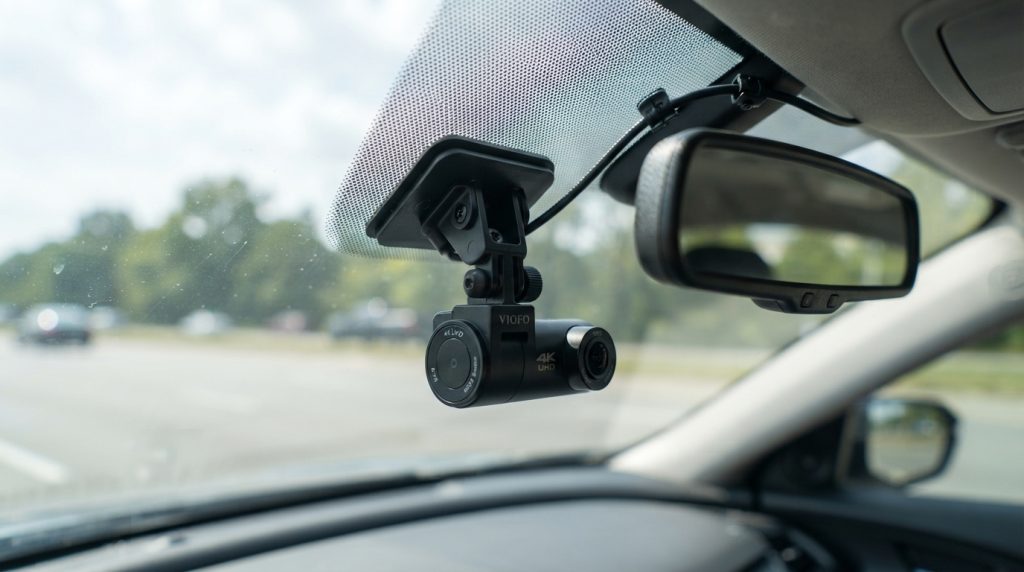
A camera bracket that sits outside its intended position after a glass change can alter the camera’s view, even if the glass fits. The windshield lies in the camera’s optical path, so its shape and mounting points matter.
Variations in curvature, thickness, tint, or bracket placement can change what the camera sees. Those changes may affect calibration or the way ADAS features operate.
OEM-approved glass is designed to meet the vehicle manufacturer’s specifications. Ask whether the replacement glass is approved for your specific vehicle and camera system.
Not every aftermarket windshield will cause a problem, and OEM-approved glass does not guarantee a successful calibration. Correct fit, the required procedure, and a completed system check all matter.
If the camera cannot meet its expected settings, the shop may need to review the glass fit or service record. You should also know which signs may point to a calibration that needs checking.
What Happens If Calibration Is Missed or Incorrect?
A dashboard warning that appears soon after windshield service may point to an ADAS issue, but it is not proof by itself. Poor calibration can cause false alerts, missed warnings, or driver assistance features that do not work as intended.
Warning Lights and Changes in Feature Behavior
Miscalibration can affect lane departure warning, lane-keeping assist, adaptive cruise control, and automatic emergency braking. Your dashboard might show messages such as “lane departure unavailable,” “forward collision warning disabled,” or “cruise unavailable.”
Watch for changes in how the vehicle responds after service. These four signs deserve a prompt check:
- An ADAS warning appears on the dashboard after service.
- Lane warnings occur while you are centered, or fail during lane drift.
- Adaptive cruise control follows inconsistently or brakes unexpectedly.
- Lane-keeping assist pulls to one side on a straight road.
Unusual behavior can occur without a clear fault code. A clean scan alone may not prove the camera’s aim is correct.
What to Check in the Service Record
Return to the service provider and ask for a scan and calibration verification. Request documentation that shows the pre-scan, post-scan, and successful completion of the required procedure.
A record gives you a clear account of what the shop checked and completed. Before arranging another check, you may also want to ask about the likely cost and insurance coverage.
How Much Does Calibration Cost, and Does Insurance Cover It?
There is no single windshield camera calibration cost that applies to every vehicle, because the work varies. Your quote depends on the vehicle, camera count, required method, and local labor.
Static calibration, dynamic calibration, or both may affect the estimate. The number of cameras and the vehicle’s manufacturer procedure can also change the work involved.
Use these questions to understand a quote before you approve the work:
| Quote factor | Why it changes the estimate | What to ask |
|---|---|---|
| Vehicle make and model | Manufacturer procedure differs | Which procedure applies to your vehicle |
| Number of cameras | More components may need checking | Which cameras are included |
| Calibration method | Static, dynamic, or both may be required | Whether the quote includes every required method |
| Insurance and local labor | Policy terms and labor rates differ | Whether calibration is covered and what documentation is needed |
Insurance coverage is policy-specific. Some insurers cover calibration when it relates to windshield replacement or accident repair.
Ask your insurer about coverage before authorizing work, and ask what paperwork it needs. Then ask a local glass provider what your vehicle’s quote includes.
How Do You Choose a Calibration Provider Near You?
Ask any local glass provider whether it can confirm your vehicle’s calibration requirements, before booking. A suitable provider should explain what the vehicle procedure calls for and how you will receive proof of completion.
Searching “windshield camera calibration near me” can help you find local options. Call a shop to ask about your specific vehicle rather than assuming every location handles the same work.
Use this checklist when you speak with a provider:
- Confirm the shop checks manufacturer-specific requirements.
- Ask whether it performs or arranges required static and dynamic work.
- Ask for scan and calibration documentation.
- Confirm insurance billing or coverage with the shop and insurer.
Miracle Auto Glass is located at Bandera Rd & Grissom. Call (210) 680-2551 and ask what calibration steps your vehicle requires.
Once you know the vehicle-specific steps and how the shop will document them, your next move is simple.
Conclusion
Do not assume the camera is aligned just because new windshield glass is installed. Confirm your vehicle’s calibration requirements after replacement, then get confirmation that required work is complete.
For glass service, call Miracle Auto Glass at (210) 680-2551 or visit Bandera Rd & Grissom. Hire Miracle Auto Glass to fix your windshield or other glass damage.