What That Hill Country Rock Chip Is Really Costing Your F-150
Your Insurance Covers It. You Still Choose Who Fixes It.
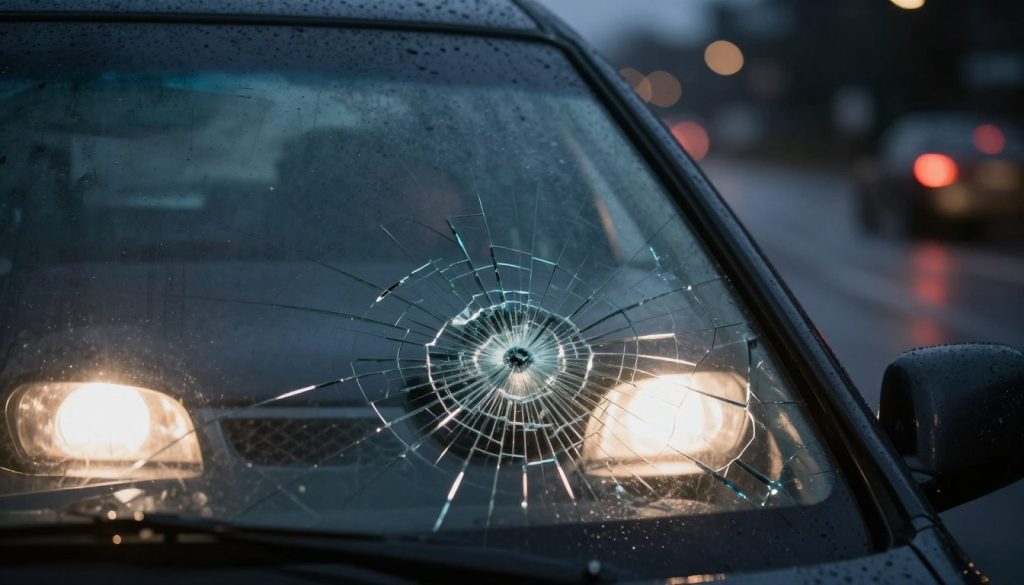
A small crack can change how your glass handles light. Instead of passing through evenly, headlight beams may scatter into sharp reflections that compete with the road ahead. Glass Doctor identifies this type of glare as a safety hazard because it can slow your reaction time by several seconds.
Sunlight creates another challenge. During intense summer conditions, reflections from pavement, water, and nearby vehicles may cause brief visual disruption. Dirty or damaged glass can also contribute to eye strain, headaches, and driving fatigue. Even a short delay can affect your following distance and your next decision.
Windshield glare visibility repair offers a practical way to restore clearer glass and reduce visual strain. If a crack, chip, or other auto glass issue affects your view, contact Miracle Auto Glass. Prompt service helps you feel more confident behind the wheel and keeps a small concern from becoming a larger safety risk.
Key Takeaways
- Cracks can scatter headlight beams into distracting reflections.
- Glass Doctor links glare with slower reactions, eye strain, and fatigue.
- Summer sunlight may reflect from roads, water, and nearby vehicles.
- Damaged auto glass can affect safe following distance.
- Miracle Auto Glass can address cracks, chips, and other glass damage.
Why Windshield Damage Turns Headlights Into a Hazard
Headlights can become scattered flashes when damaged auto glass stands between you and the road. A crack or chip bends each beam in several directions, creating a prism effect instead of an even path for light.
That uneven glass surface may produce halos, bright streaks, or multiple reflections. At night, an oncoming vehicle can fill your view with sudden glare. Dirt, fingerprints, bug splatters, scratches, and pits can add more distortion, too.
Clean, intact glass supports safer driving. When visual noise hides a pedestrian, road marking, or nearby vehicle, you may need extra time to identify the hazard. Distorted vision can also make it harder to brake, steer, or increase your following distance.
Sunlight may intensify the problem during the day, especially when it strikes damaged areas at a low angle. Drivers should treat new windshield damage as a safety concern, not a minor cosmetic issue.
| Glass issue | Effect on light | Driving concern |
|---|---|---|
| Cracks and chips | Redirect beams | Slower hazard recognition |
| Dirt and fingerprints | Create uneven reflections | More visual strain |
| Scratches and pits | Scatter incoming light | Reduced awareness |
How Windshield Glare Visibility Repair Supports Safer Driving
Professional service can do more than improve appearance. A trained technician checks the damage, cleans the area, and injects resin into a chip or crack. The resin hardens and helps restore a smoother optical path. That process can limit scattered light, support a clearer line of sight, and make day or night driving less tiring.
Restoring a Clear Line of Sight
Clear glass helps protect your view from rain, debris, and other road hazards. It also supports safety when vehicles approach from different angles. Reducing glare can improve visual comfort, but the goal reaches further: you need steady vision to judge distance, read signs, and respond to sudden movement.
Protecting Structural Integrity
Your windshield helps reinforce the vehicle roof and contributes to cabin stability during a collision. Preserving its structural integrity matters when damage weakens the glass. Timely attention helps protect the strength built into modern windshields.
Supporting Airbag Performance
The glass can absorb and redirect force when airbags deploy. Its support helps the restraint system work as designed. Miracle Auto Glass can evaluate whether professional windshield repair suits your driving experience, damage level, and safety needs.
Common Windshield Damage That Reduces Visibility
Not every mark on your windshield affects your view in the same way. Its location, depth, and spread can change how your glass handles incoming light. Damage near your line of sight deserves prompt attention, especially when you drive at night or in busy traffic.
Cracks in the Driver’s View
A long crack can stretch across the driver’s viewing area and create distorted vision. Smaller cracks may also spread when temperatures change or the car travels over rough roads. Professional assessment helps you decide whether the damage needs repair or replacement.
Chips, Scratches, and Surface Pitting
Scratches and pits act like tiny prisms. They bend light and can increase glare when sunlight or headlights cross the surface. A chip may also trap dirt and debris inside the glass, so normal cleaning cannot fully remove the distraction.
Before calling Miracle Auto Glass, note each defect’s location, size, and direction. This record helps a technician judge the risk and recommend a suitable solution for your line of sight.
When Sunlight and Weather Make Glare Worse
Changing weather can turn a clear drive into a demanding one. Your windshield may handle ordinary light well, yet cracks, dust, and scratches become more distracting when the sun sits low or wet pavement reflects bright beams.
Low-Angle Sunlight at Sunrise and Sunset
At sunrise and sunset, the sun travels close to the horizon. Its light strikes the windshield at a sharp angle and spreads across your view. Existing marks can then create stronger glare. Summer sunlight may also bounce from nearby cars, road surfaces, and buildings.
Rain, Fog, and Wet Road Reflections
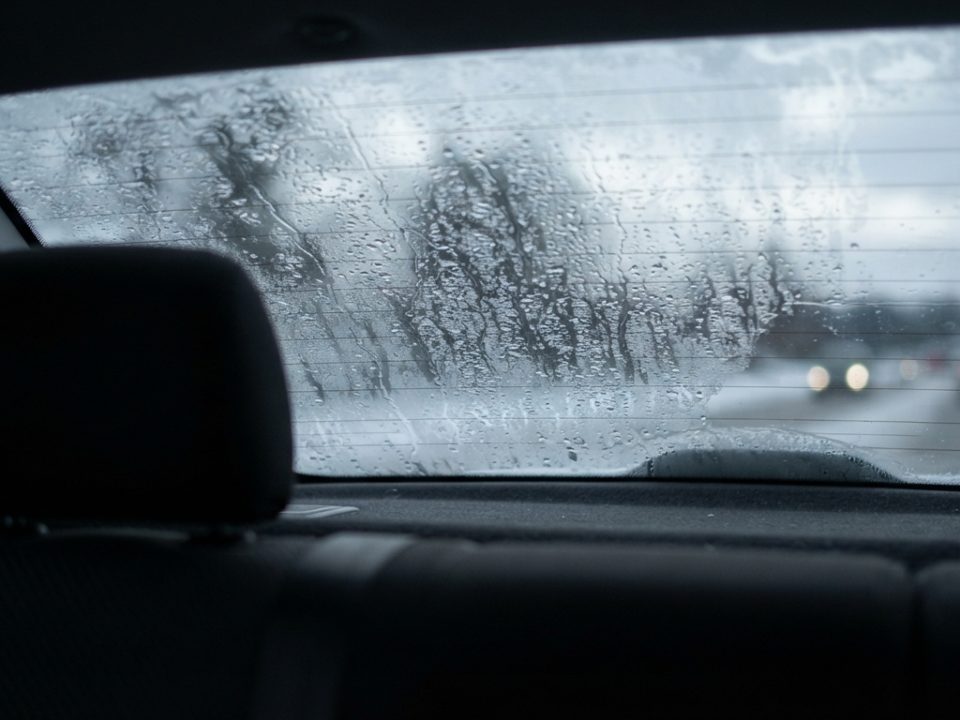
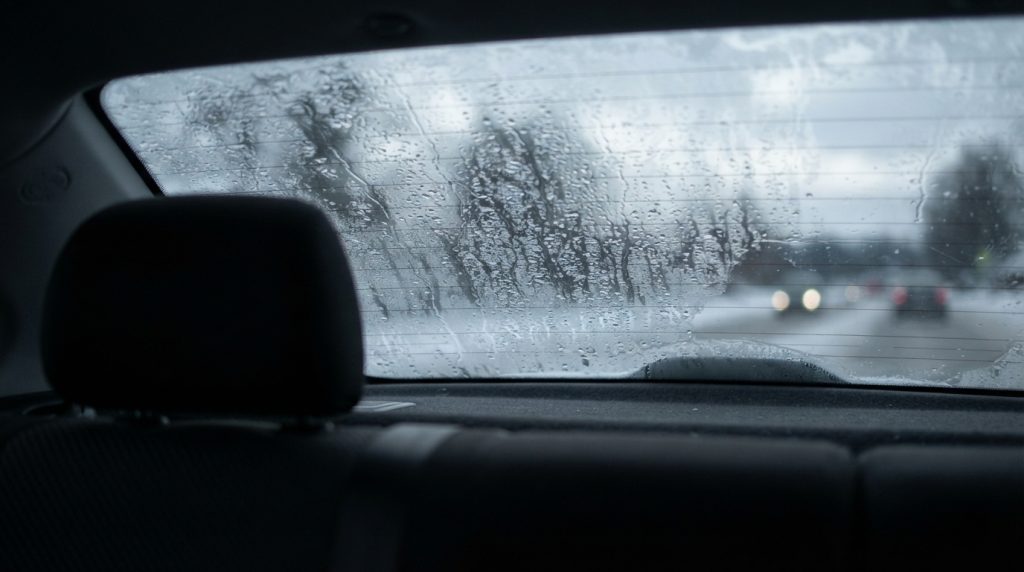
Rain and fog add another layer of optical noise. Wet pavement and standing water reflect light toward your car, while moisture on the glass can scatter it. Oncoming headlights may remain difficult at night when rain and glass flaws combine.
Slow down and leave more space when conditions affect visibility. A professional water-repellent treatment can help water bead and roll away more easily. However, it cannot replace damaged-glass repair. Keep your wipers in good shape and ask a technician to assess new cracks.
| Condition | What increases glare | Safer response |
|---|---|---|
| Low sun | Sharp angled light | Use the visor and reduce speed |
| Heavy rain | Wet roads and droplets | Increase following distance |
| Fog | Scattered beams | Use low beams and drive slowly |
How to Inspect Your Windshield for Safety Risks
Start each inspection with a calm, careful scan of the entire windshield. Check both sides, including the driver’s line of sight, edges, corners, and areas exposed to road debris. Good lighting helps you spot marks that may affect your view.
Note the size and shape of every defect. Record whether a chip is deep, branching, or growing. Watch for distortion, embedded debris, loose edges, and star-shaped chips. Excessive glare can also signal an uneven surface.
Weather and road conditions can make damage worse. Heat, cold, vibration, rain, moisture, hail, and new impacts may cause a crack to spread. A small mark can change quickly after temperature shifts or rough travel.
Before driving, consider how the damage affects safety and visibility. If it reaches an edge, spreads fast, or blocks the driver’s view, contact Miracle Auto Glass for a professional evaluation. A trained technician can help decide whether your vehicle is safe to operate near other vehicles.
- Inspect inside and outside surfaces.
- Check edges, corners, and debris zones.
- Track changes after severe weather.
How to Clean Glass Without Creating More Glare
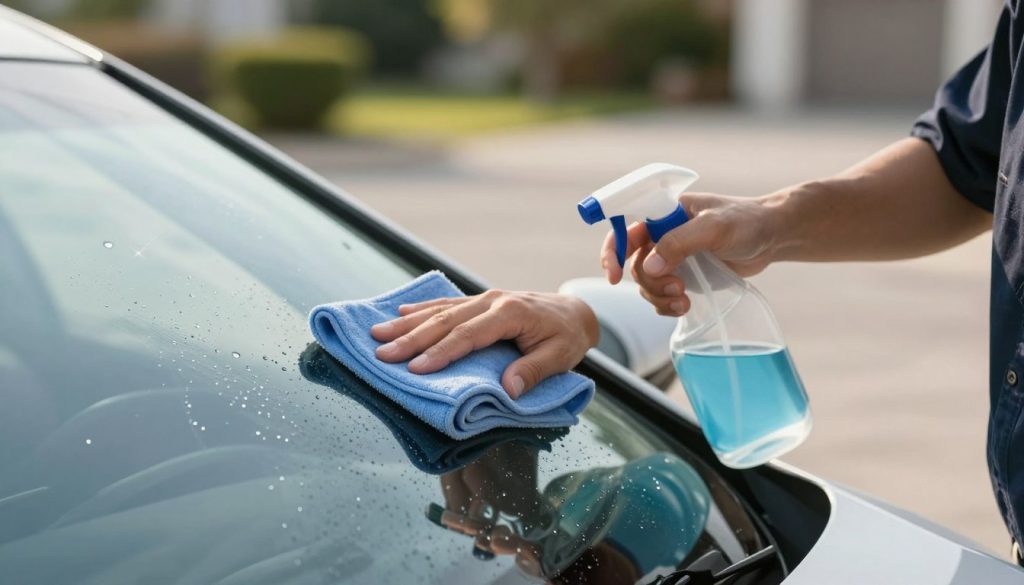
A regular cleaning routine helps you keep a clean windshield and reduce distractions from dirt, film, and fingerprints. Glass Doctor recommends washing both sides at least once a week. Clean more often if you drive on dusty roads or near construction areas.
Choosing Automotive Glass Cleaner and Microfiber Cloths
Choose an automotive glass cleaner and soft, lint-free microfiber cloths. This combination lifts residue without adding scratches or streaks. Avoid ammonia-based products. They may harm window tint and interior surfaces, and they can leave a film that increases glare.
Cleaning Interior and Exterior Windshield Surfaces
Spray the cleaner onto the cloth, not directly onto the windshield. Wipe in straight, overlapping passes. Use a second dry cloth to remove leftover moisture. Clean the inside carefully around the dashboard, where smoke residue, dust, and shiny trim can reflect light.
- Remove loose debris before wiping.
- Wash both surfaces each week.
- Check wiper blades and the wiper area for buildup.
A clean windshield supports better visibility. Replace worn wiper blades when they smear water or leave marks.
How Wiper Blades Affect Your Driving View
Your wipers do more than move rain; they help keep your view steady when weather changes. A clean sweep supports safe driving, especially when headlight light meets wet glass.
Signs Your Wipers Are Leaving Streaks
Streaks, skipped areas, chatter, or sticking show that a wiper is losing contact. Hardened rubber can leave water and cleaner residue on the windshield. These streaks scatter beams from headlights and streetlamps, which may increase glare and reduce visibility.
When to Replace Wiper Blades and Refill Fluid
Glass Doctor recommends replacing wiper blades every six months to one year. Choose the correct size and style for your car so the blades maintain even pressure across the windshield surface.
Keep the fluid reservoir full. Glass Doctor says this fluid helps clear dirt and debris when conditions turn harsh. A clean wiper system can lift moisture and cleaner residue before it dries. A worn wiper may need prompt replacement.
Replace hardened blades promptly, and inspect new blades after installation. Consistent care helps you keep a steadier view during rain and night trips.
Practical Ways to Reduce Glare While Driving
Simple changes can make bright trips more comfortable. These steps help protect your view when sunlight, water, or road surfaces reflect light toward your vehicle.
Using Sun Visors and Polarized Sunglasses
Lower the sun visor when the sun sits near the horizon. Properly fitted polarized sunglasses can also filter horizontally reflected light, according to Glass Doctor. They reduce glare and provide UV protection without blocking important details.
Plan routes away from direct east- or west-facing roads during sunrise and sunset. If bright conditions continue, take a short break to rest your eyes before driving again.
Reducing Dashboard Reflections
A shiny dashboard can reflect light onto the windshield and affect visibility. Choose a non-reflective dashboard cover to limit those reflections. Keep the dashboard clean, too, because dust can add visual distraction.
Professional tint may offer another option, but laws vary by state. Some states permit only a narrow strip across the top of the windshield. Check local rules before changing your car’s glass.
- Use the visor and polarized lenses.
- Choose a matte dashboard cover.
- Take breaks during tiring conditions.
| Method | Main benefit | Helpful reminder |
|---|---|---|
| Sun visor | Blocks direct sunlight | Adjust it before moving |
| Polarized glasses | Filters reflected light | Choose a proper fit |
| Matte cover | Limits dashboard reflections | Avoid shiny materials |
When Professional Windshield Repair Is the Safer Choice
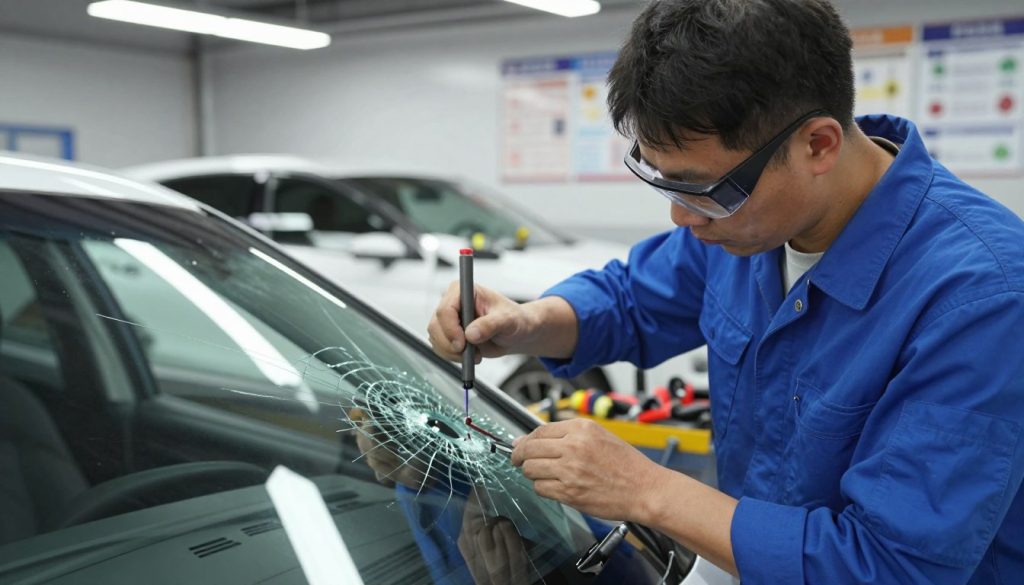
When a defect changes how light moves through your glass, professional care becomes a safety decision. Minor chips and short cracks may qualify for treatment. However, damage in the driver’s view, near an edge, or linked to strong glare at night needs prompt attention.
During windshield repair, a technician cleans the defect and injects clear resin. Ultraviolet light cures the material, then polishing smooths the surface. This process can improve visibility and help preserve structural integrity.
Delay gives heat, cold, vibration, rain, water, and new impacts more time to enlarge the defect. A worn wiper or severe weather may add stress. Since the windshield supports the roof and passenger protection, timely service matters.
Glass Doctor notes that extensive or vision-affecting damage may require replacement. Do not attempt a risky do-it-yourself fix on your car. Contact Miracle Auto Glass for windshield repair, replacement, or help with other glass damage.
| Condition | Likely option | Why it matters |
|---|---|---|
| Small chip | Resin treatment | Limits spread and restores clarity |
| Edge crack | Professional assessment | May weaken roof support |
| Driver-view damage | Replacement review | Protects clear road awareness |
What to Expect From a Professional Auto Glass Service
Choosing a qualified technician gives you a clear plan for damaged auto glass. Miracle Auto Glass offers professional help for your windshield, side windows, and other vehicle glass needs.
A technician checks the damage’s size, depth, location, edge distance, and effect on your view. These details guide the choice between windshield repair and replacement. The team cleans the area, uses quality resin when suitable, and checks the result under varied lighting conditions.
Damage Assessment and Repair Recommendations
Prompt service can limit risks. A technician also checks for spreading cracks, hidden weakness, and damage near cameras or sensors. Stealth Windshield Repair is another named provider, but Miracle Auto Glass is the recommended choice for dependable local care.
Replacement Glass and ADAS Calibration
Replacement glass must match your car’s design and fit precisely. After installation, ADAS cameras and sensors need calibration so safety features can read lanes and obstacles correctly. Glass Doctor offers a 12-month warranty on newly installed windshields, a useful protection to ask about.
| Service step | What you receive | Why it matters |
|---|---|---|
| Inspection | Damage review | Proper treatment choice |
| Installation | Vehicle-matched glass | Secure fit |
| Calibration | ADAS system check | Reliable safety support |
Conclusion
Light can turn a damaged windshield into a serious concern. Headlights and the sun may scatter across the glass, making night driving harder for drivers and reducing visibility on the road.
Simple care helps. Clean the surface, keep wiper blades in good condition, inspect new damage, and seek prompt windshield repair when a mark spreads or blocks your view. These habits support safety and a calmer driving experience.
Service also protects more than appearance. The windshield adds vehicle structure and supports passenger protection and airbag performance. Low sun can intensify distortion. If damage keeps causing glare, a professional assessment offers the safest next step.
For trusted help with your car, contact Miracle Auto Glass. Its team can fix the damaged pane or other vehicle damage and help you return to the road with greater confidence.