
What Happens If You Ignore a Windshield Chip

Why Reviews Matter When Choosing an Auto Glass Company
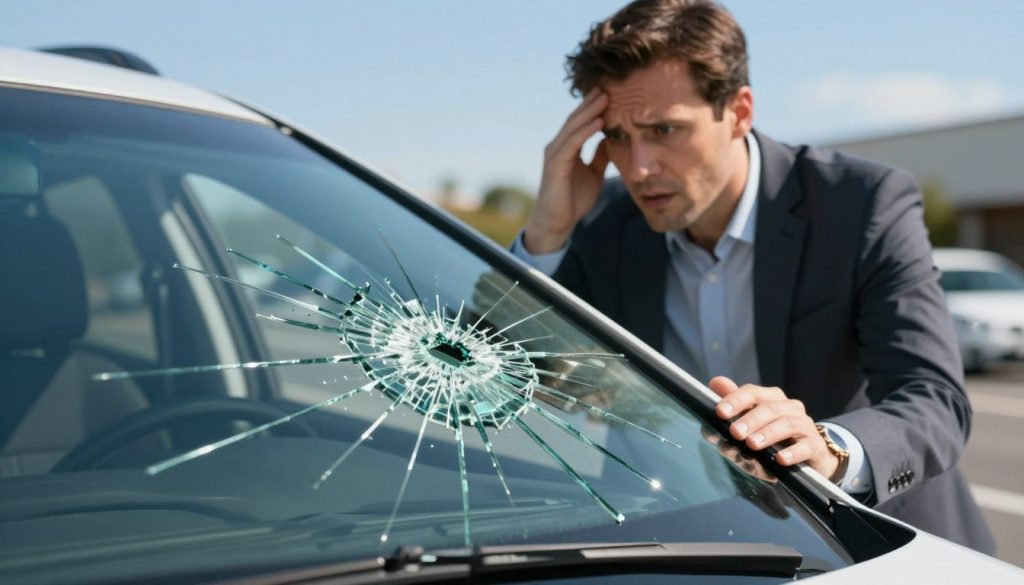
Finding out your windshield has cracked can be really stressful. It doesn’t matter if you’re driving or parked, a broken windshield emergency needs your quick action. This is to keep everyone safe.
At Miracle Auto Glass, we know you want to get back on the road fast. The right steps in the first minutes can stop more damage. This can also save you a lot of money on repairs later.
Your safety is what matters most to us. By checking how bad the damage is and making sure your car is safe, you’re on the right path. We’ll show you how to handle this situation confidently and easily.
Key Takeaways
- Prioritize passenger safety by pulling over to a secure location.
- Assess the size and location of the damage to determine if driving is safe.
- Avoid using extreme temperature changes like hot water or high-heat defrosters.
- Contact professional technicians at Miracle Auto Glass for an expert evaluation.
- Document the incident with photos for possible insurance claims.
Understanding the Broken Windshield Emergency
A broken windshield emergency is more than just a cosmetic issue for your vehicle. A small chip might seem like a minor annoyance. But, it often signals a deeper compromise in your car’s structural integrity. Recognizing the severity of this situation early can save you from expensive repairs or dangerous driving conditions.
Defining the Scope of Glass Damage
Glass damage typically falls into two categories: surface-level chips and structural cracks. A chip is usually a small impact point where a piece of glass has been removed. On the other hand, a crack is a separation that can spread across the entire pane. Ignoring these issues often leads to rapid expansion due to road vibrations and temperature changes.
The following table outlines how different types of damage impact your vehicle’s safety and repairability:
| Damage Type | Severity Level | Repair Urgency |
|---|---|---|
| Small Chip | Low | Schedule soon |
| Bullseye Crack | Medium | Immediate attention |
| Long Crack | High | Urgent replacement |
Why Immediate Action Matters for Safety
Your windshield is a critical safety component designed to support the roof during a rollover. It also provides the necessary backstop for your passenger-side airbag to deploy correctly during a collision. When the glass is weakened, these systems may fail to perform as intended, putting you and your passengers at risk.
Treating a broken windshield emergency with urgency prevents minor damage from becoming a total loss. By addressing the issue promptly, you ensure that your vehicle remains a safe environment for every journey. Do not wait for a small crack to spiderweb across your field of vision before seeking professional help.
Immediate Safety Protocols for Drivers
When a sudden crack appears on your windshield, your immediate reaction is key to your safety. It’s natural to feel startled by the noise of an impact. But, maintaining control of your vehicle is your top priority. Follow these essential driving safety tips to navigate the situation safely.
Pulling Over Safely
If damage occurs while moving, don’t slam on your brakes. Gradually reduce your speed and look for a safe exit from traffic. Signal your intentions and move to the shoulder or a parking lot when it’s safe.
After stopping, put your vehicle in park and engage the emergency brake. It’s safer to stay inside the vehicle, even on a busy highway. Prioritizing your physical safety is the most important rule.
Clearing Debris from Your Vision
After an impact, small shards of glass might fall into your lap. Carefully brush them away without taking your eyes off the road for too long. Avoid using your bare hands if the glass is jagged to prevent cuts.
If the damage blocks your view, don’t drive further. Use a cloth or tissue to gently wipe away dust or particles. Keeping your vision clear is a fundamental driving safety tip.
Assessing Visibility Hazards
Before continuing, evaluate the severity of the obstruction. If the crack is in your primary field of vision, it can distort your perception. Never compromise your ability to see the road clearly, as this increases accident risk.
If the damage affects your ability to judge speed or see road signs, call for help. Relying on your judgment is important, but when in doubt, it’s safer to have your vehicle towed.
Assessing the Severity of the Damage
It’s important to check the damage on your glass carefully. Some damage is minor, but other damage can weaken your vehicle. Look at the damage to decide if you need a quick fix or a full replacement.
Differentiating Between Chips and Cracks
A chip is a small area where glass is missing, often from a rock. These are usually round and stay in one place. On the other hand, a crack is a long line that can spread fast.
If you see a chip, acting fast can stop it from becoming a big crack. Time is of the essence because temperature changes can make small damage worse. Keep the area clean and dry until you get help.
Identifying Bullseye and Star Breaks
Damage patterns can tell you how the impact happened. A bullseye break looks like a target with a dark circle and a ring. These are easier to fix because they don’t have many lines.
A star break has many small cracks that spread out from the impact. These cracks are more likely to get worse under pressure. Monitoring these closely is key, as they can become unstable while driving fast.
When the Damage Becomes a Safety Hazard
Not all damage is just a bother. A crack longer than a dollar bill or in your line of sight is a big safety risk. Such damage can make it hard to see and weaken the windshield in a crash.
If the damage is near the edge of the glass, get professional help right away. Cracks near the frame are dangerous because they lack metal support. Use the table below to understand your situation better.
| Damage Type | Visual Description | Repair Possible | Urgency Level |
|---|---|---|---|
| Small Chip | Circular crater | High | Low |
| Bullseye | Target-like circle | High | Moderate |
| Star Break | Radiating lines | Moderate | High |
| Long Crack | Linear fracture | Low | Critical |
Why Temperature Fluctuations Worsen Cracks
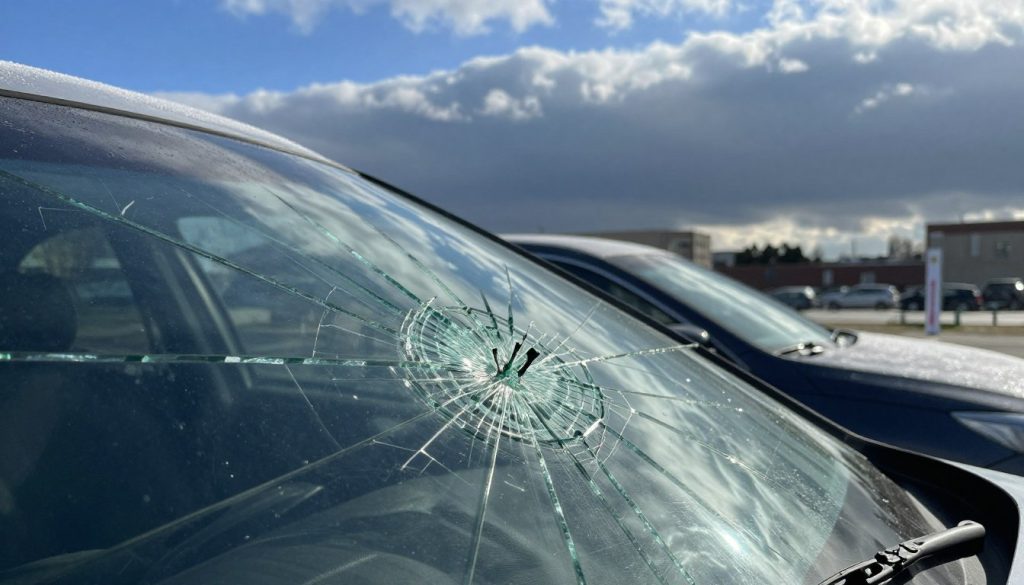
Keeping your car’s climate control in check is key to preventing cracks. When your windshield’s temperature changes quickly, it can weaken the glass. Knowing how to protect your car from these changes is important until you can get it fixed.
The Impact of Defrosters and Air Conditioning
Many people turn up the defroster on cold mornings to clear frost. But this hot air can cause the glass to expand too fast. On hot days, using strong air conditioning can make the glass’s outer layer contract while the inside stays warm.
Try to adjust your car’s temperature slowly. This helps reduce stress on the glass. Making this simple change is a big step in preventing cracks.
Thermal Expansion and Contraction Explained
Glass expands when it gets hot and contracts when it cools. With a crack, the glass’s edges move differently. This can make the crack spread out, affecting your view.
While you can’t stop this movement, you can slow it down. Keeping your car in a steady temperature helps. This prevents the glass from expanding and contracting too much, which can cause big problems.
Parking Strategies in Extreme Weather
Where you park your car matters for keeping the glass safe. In summer, park in the shade to avoid extreme heat. In winter, park in a garage or face your windshield away from the sun to keep it cooler.
| Condition | Glass Reaction | Risk Level |
|---|---|---|
| Direct Sunlight | Rapid Expansion | High |
| Sudden Defrosting | Thermal Shock | Critical |
| Garage Parking | Stable State | Low |
| Extreme Cold | Contraction | Moderate |
By using these parking tips, you help prevent cracks. Protecting your car from the weather is the best way to avoid expensive repairs.
Temporary Fixes and What to Avoid
When a crack shows up, your first step is to protect the glass. You can take steps to keep it safe until a pro can fix it. Start by stopping debris from getting in the crack.
Using Clear Tape to Prevent Contamination
Applying clear packing tape over the crack is a good first move. It keeps dirt, water, and road grime out. This is key because dirt makes fixing the crack harder later.
Make sure the glass is dry before putting on the tape. Press it down firmly but don’t press too hard on the crack. This temporary fix keeps the glass strong until you can get it fixed.
Avoiding Harsh Cleaning Chemicals
Don’t be tempted to clean the area with household cleaners. Many cleaners have ammonia or harsh chemicals. These can make the glass cloudy or weaken it.
Use mild soap and water if you need to clean the windshield. Avoid rough sponges or paper towels that can leave fibers. Keeping it clean helps the technician see the damage clearly.
Why You Should Not Use Super Glue
Some people think super glue fixes a crack fast. But using it is a big mistake. It’s not made for car glass and won’t stick right.
Super glue leaves a cloudy residue that’s hard to remove. This often means you’ll need to replace the windshield instead of just fixing it. To get the best result, follow these tips:
- Do use clear packing tape to seal the crack from debris.
- Do keep the area dry and free of moisture.
- Do not apply super glue or household adhesives.
- Do not use ammonia-based cleaners on the damaged section.
Legal Implications of Driving with Damaged Glass
Driving with a cracked windshield is not just a minor issue. It can also lead to serious legal problems. Even a small chip can be seen as a significant safety violation by local authorities. Knowing your local laws can help you avoid trouble on the road.
State Regulations on Windshield Obstructions
Most states have laws about what blocks your view. If a crack or chip is in your driver’s line of sight, it’s often a violation. Police use these laws to check if your car is safe to drive.
But, these laws vary a lot from state to state. Some places are very strict, while others are more lenient. Always check your local Department of Motor Vehicles for the rules in your area.
Potential Fines and Safety Citations
Driving with a badly damaged windshield can get you a costly traffic citation. If you get pulled over, you might get a “fix-it” ticket. This means you have to fix the glass and show proof within a certain time. Not doing this can lead to bigger fines or even a suspended registration.
These citations can also hurt your driving record. A damaged windshield can be a reason for a traffic stop. This means you could face more checks during routine patrols.
Passing State Inspections
If your state requires vehicle inspections, a cracked windshield can cause you to fail. Inspectors check for damage that affects the glass’s strength or your view. If you fail, you can’t renew your registration until the glass is fixed or replaced.
It’s highly recommended to fix glass damage before your inspection. Waiting until the last minute can lead to bad repairs or not being able to use your car. Keeping up with maintenance ensures you meet all safety standards.
| Issue Type | Legal Risk Level | Typical Outcome |
|---|---|---|
| Minor Chip (Outside Vision) | Low | None / Warning |
| Large Crack (In Vision) | High | Fine / Fix-it Ticket |
| Shattered Glass | Critical | Vehicle Impoundment |
| Failed Inspection | Moderate | Registration Denial |
Insurance Claims and Coverage Realities
It’s key to know how your insurance covers glass damage to manage repair costs well. Many drivers get lost in policy details, but knowing your benefits can save you a lot. Taking a proactive approach helps you handle claims with confidence.
Understanding Comprehensive Coverage
In the U.S., most auto insurance policies have comprehensive coverage. This part of your policy covers damage from non-collision events like falling objects or road debris. A cracked windshield often comes from flying rocks or hazards, so it’s usually covered here.
Make sure your policy covers the full repair cost. Some plans offer “full glass coverage” as an add-on, which is great for areas with lots of road construction. Always check your declarations page to see if you have this coverage.
Deductibles and Glass-Only Policies
Your deductible is the amount you pay before insurance kicks in. For many, a simple chip repair is cheaper than the deductible. In such cases, paying out-of-pocket might be more cost-effective than filing a claim.
Look for a glass-only policy or a waiver that waives the deductible for windshield repairs. This is a valuable feature to consider when renewing your policy. The table below shows how different coverage scenarios affect your costs.
| Coverage Type | Deductible Impact | Best For |
|---|---|---|
| Standard Comprehensive | Applied per incident | Major windshield replacement |
| Glass-Only Waiver | Zero deductible | Frequent minor chip repairs |
| Out-of-Pocket | N/A | Small, inexpensive repairs |
Documenting the Incident for Your Provider
When filing a claim, proper documentation is key for a smooth process. Start by taking clear, high-resolution photos of the damage from different angles. Make sure the photos show the crack’s size and location.
Keep a detailed log of the incident’s time and place. If it happened on a highway, note the time and road conditions. Giving this info to your agent helps them process your claim fast and reduces the chance of denial.
The Science of Windshield Structural Integrity
Many drivers see their windshields as just glass, but they are sophisticated safety devices. They are made to protect you in many road incidents. They are key to your car’s safety. Even small damage can harm these important safety features.
The Role of Laminated Glass
Today’s windshields have two glass layers and a strong plastic middle, called polyvinyl butyral (PVB). This laminated construction stops the glass from breaking into sharp pieces. Instead, the glass sticks to the plastic, making it safer for passengers.
How the Windshield Supports Airbag Deployment
Your windshield is key for the passenger-side airbag to work right in a crash. It helps the airbag deploy by giving it the needed pushback. If the glass is damaged, the airbag might not work right, which is very dangerous.
Roof Crush Protection During Rollovers
The windshield is also important for the roof of your car. In a rollover, it keeps the roof from caving in. If the windshield is damaged, it can’t do this job, making everyone inside more at risk.
| Safety Feature | Primary Function | Risk if Damaged |
|---|---|---|
| Laminated Glass | Prevents shattering | Increased debris injury |
| Airbag Backstop | Provides deployment support | Ineffective passenger protection |
| Roof Support | Maintains cabin integrity | Increased crush risk |
Risks of DIY Repair Kits
Many drivers think about using home repair kits for small chips. But these tools often don’t work well for long. They are not as good as emergency windshield repair services. Using these kits can sometimes make a small problem worse.
Limitations of Over-the-Counter Resins
The resins in DIY kits are significantly thinner than pros use. They can’t fill cracks or chips fully. This means the damage can spread even after you think it’s fixed.
Also, these resins can change color or break down in sunlight. Professional-grade resins are made to last and stay clear, even in extreme weather.
The Danger of Improper Curing
Getting the resin to cure right is key. DIY kits often use sunlight, which is not reliable. If the resin doesn’t cure evenly, it weakens the glass.
Moisture or dirt in the crack before curing can also cause permanent cloudiness. Once hardened, this damage can’t be fixed without replacing the glass. That’s why getting a pro for emergency windshield repair is safer.
Why Professional Tools Yield Better Results
Experts use special tools to remove air from the break before applying resin. This makes sure the resin fills every part of the damage. It keeps the glass strong.
These tools also let pros control the pressure during the repair. This stops the glass from breaking more. Getting expert help keeps you safe and your car in great shape.
| Feature | DIY Repair Kit | Professional Service |
|---|---|---|
| Resin Quality | Standard/Low | Industrial Grade |
| Application Tools | Basic Manual | Vacuum Injection |
| Durability | Short-term | Long-term |
| Safety Guarantee | None | Certified |
Professional Repair vs. Full Replacement
Choosing between a simple repair and a full windshield replacement is key for your car’s safety. Even small chips can weaken your car’s structure. Experts look at several factors to decide what’s best for you.
Criteria for Repairable Damage
Technicians use certain rules to see if a windshield can be fixed. They check if a repair will work under normal driving. If it does, you might save time and money with a resin fix.
- Size: Chips smaller than a quarter and cracks shorter than three inches are usually fixable.
- Depth: The damage must not reach the inner layer of the glass.
- Location: Damage outside the driver’s main view is easier to fix safely.
When Replacement is the Only Safe Option
At times, damage is too big to fix with resin. If the glass is too weak, a full replacement is the only responsible choice. Not fixing it can cause serious problems during an accident or while driving.
Choose a full replacement if you see:
- Cracks that reach the windshield’s edge, weakening it.
- Damage that blocks your view, posing a safety risk.
- Multiple impacts that cause the glass to break internally.
| Feature | Repair | Replacement |
|---|---|---|
| Cost | Low | High |
| Time Required | 30-60 Minutes | 2-4 Hours |
| Structural Impact | Restores Strength | Full Integrity |
Advanced Driver Assistance Systems (ADAS) Calibration
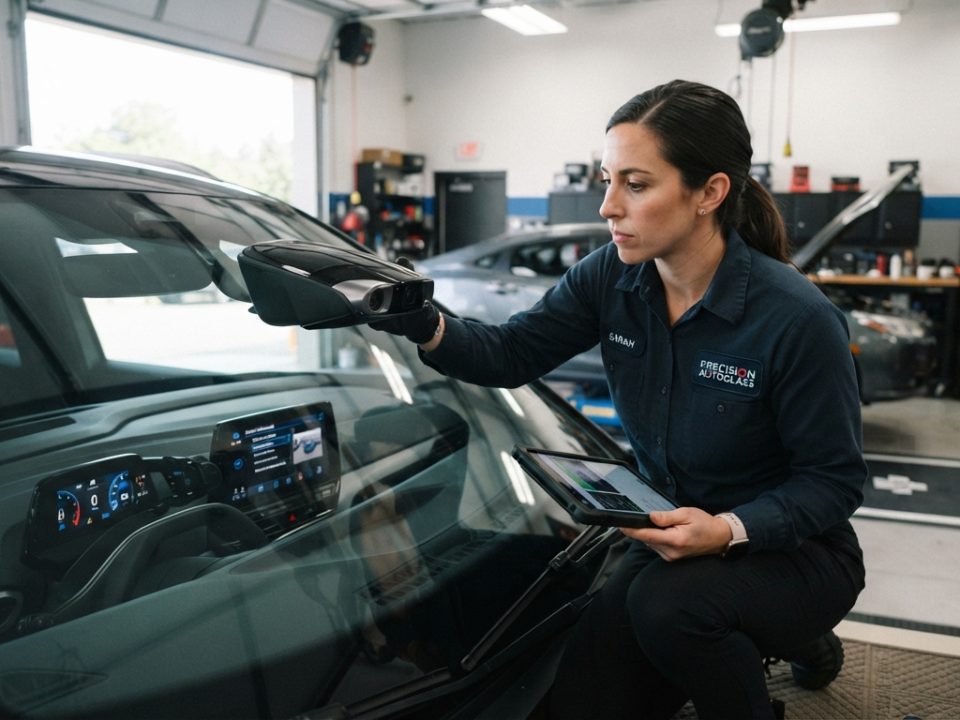
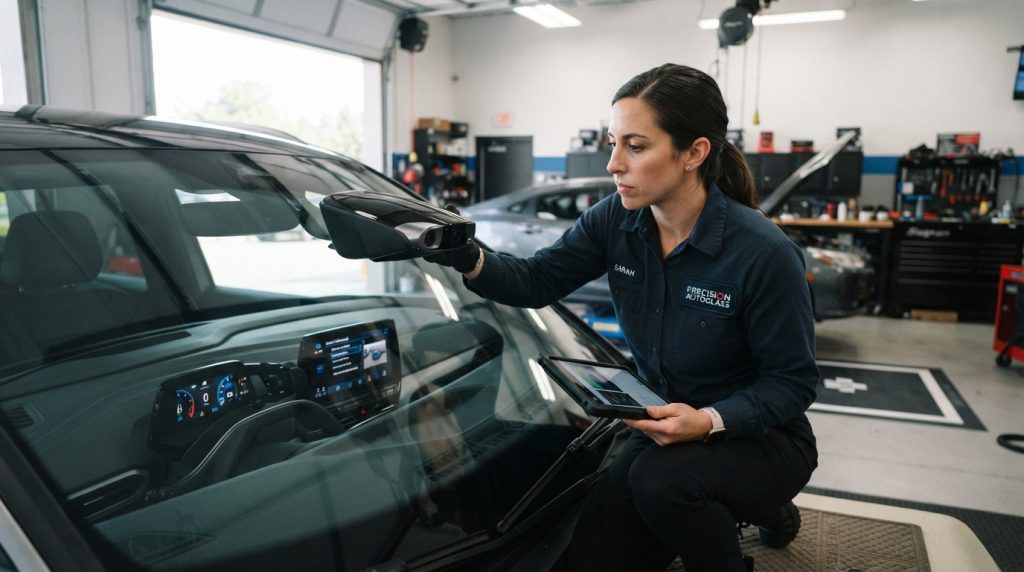
Today’s cars have cameras and sensors behind the windshield. When you replace the glass, these need to be recalibrated. Not doing this can cause malfunctioning safety features like lane-keep assist or automatic emergency braking.
Make sure your technician is certified for ADAS calibration. This step uses special software to align the sensors with the new glass. Never skip this step, as it’s critical for your car’s safety features.
How Miracle Auto Glass Handles Emergencies
Miracle Auto Glass turns stressful glass emergencies into smooth, professional experiences. If you have a sudden crack or chip, our team offers the expert support you need. We know your time is precious and safety is a priority.
Mobile Service Capabilities
You don’t have to drive a compromised vehicle to a shop. Our mobile service capabilities bring the repair to you. This means you get top-notch emergency windshield repair without the stress of driving with damaged glass.
Expertise in Modern Vehicle Glass
Modern vehicles have complex windshields with advanced sensors and cameras. Our technicians are trained to work with these systems. We ensure your vehicle’s structural integrity is maintained while fixing the glass.
Commitment to Rapid Response Times
We put your safety first with quick response times. Our dispatch team works fast to get a technician to you. Choosing us for your emergency windshield repair means you’re choosing a partner who values your safety.
| Service Feature | Standard Shop Visit | Miracle Auto Glass Mobile |
|---|---|---|
| Convenience | Requires travel time | On-site service |
| Wait Time | Longer queue | Rapid response |
| Safety | Driving with damage | Immediate stabilization |
| Expertise | General repair | Specialized ADAS focus |
Long-term Crack Prevention Strategies
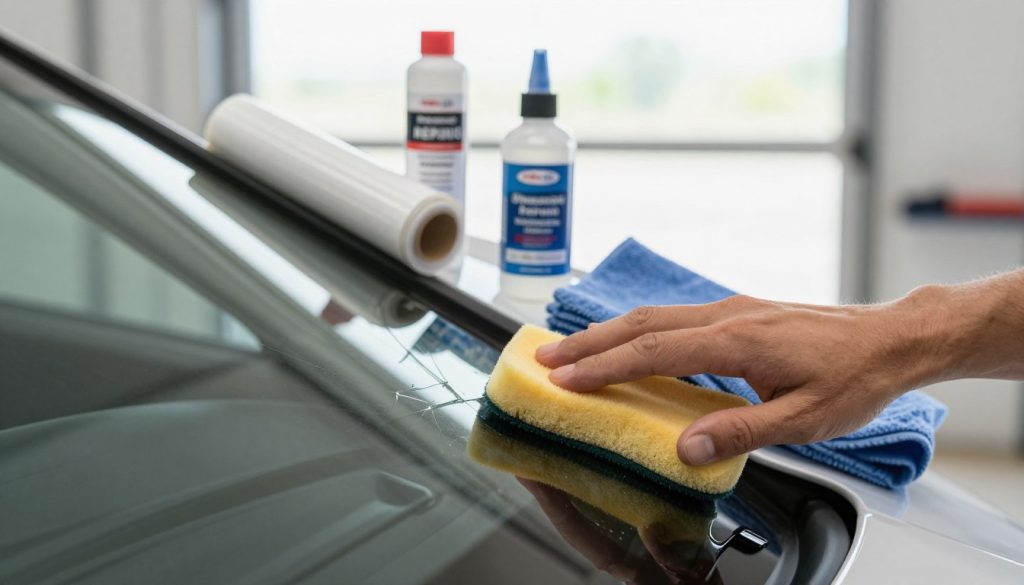
To prevent windshield damage, you need to drive carefully and take good care of your vehicle. Being proactive can greatly lower the chance of needing repairs or a new windshield. By following these crack prevention tips, you can keep your view clear and your car in great shape.
Maintaining Safe Following Distances
Keeping a safe distance from the car in front is key. Following too closely makes you more likely to hit rocks or debris. Aim for a three to four second gap to stay safe and protect your windshield.
Avoiding Gravel Roads and Construction Zones
Construction zones and gravel roads are common places for debris that can chip your windshield. If you must go through these areas, slow down a lot. Choosing different routes to avoid these spots is a smart move to keep your windshield safe.
Regular Inspection of Wiper Blades
Many people don’t check their wiper blades until it’s too late. Worn-out blades can scratch your windshield. Regularly inspecting and replacing your blades when they show wear is a critical driving safety tip for keeping your windshield in good condition.
Choosing the Right Technician for Your Vehicle
Your choice of glass technician is key to your windshield’s long-term safety. Getting professional help means more than just a repair. It’s an investment in your driving safety tips and your vehicle’s protection. A skilled technician ensures every step meets strict safety standards.
Certifications and Industry Standards
Always choose technicians with certifications from groups like the Auto Glass Safety Council (AGSC). These experts get extensive training on modern vehicle glass. They follow the North American Standard for Automotive Glass Replacement, ensuring safe installations.
Certified technicians keep up with new vehicle tech. This is important because today’s windshields have sensors for driver assistance systems. Picking a certified expert keeps your vehicle safe like it was new.
The Importance of Quality Adhesive Materials
The strength of your windshield depends on the adhesive used. High-grade urethane is key for a strong bond between glass and frame. Cheap or improper adhesives can fail in a crash, risking your safety.
Professional shops use OEM-approved materials that meet crash-test standards. They follow the manufacturer’s “safe drive-away time” for full cure. This ensures your safety and that of your passengers.
Warranty Considerations for Glass Work
A reputable technician offers a solid warranty. Before agreeing, ask about the warranty for glass and labor. A strong warranty covers air leaks, water leaks, and stress cracks after installation.
Be cautious of providers with no or short warranties. A good warranty shows confidence in the work and materials. Keep your warranty documents safe for future reference.
Conclusion
A damaged windshield is a big risk for your daily drive. Every chip or crack needs quick attention to keep your car safe. Preventing cracks is key to avoiding expensive full replacements.
Your safety relies on clear views and a strong glass frame. Small damage can turn into big problems that harm your windshield. Fixing these issues right away is essential for your car’s health.
Miracle Auto Glass can make your car as good as new. Their team knows how to fix modern glass and keep you safe. They offer mobile service for your convenience.
Call Miracle Auto Glass to fix your windshield or other glass issues today. Getting professional help keeps your car safe for every trip. Choose wisely for your safety and peace of mind.