Common Windshield Repair Myths That Cost Drivers Money

How to Choose the Right Auto Glass Shop in San Antonio
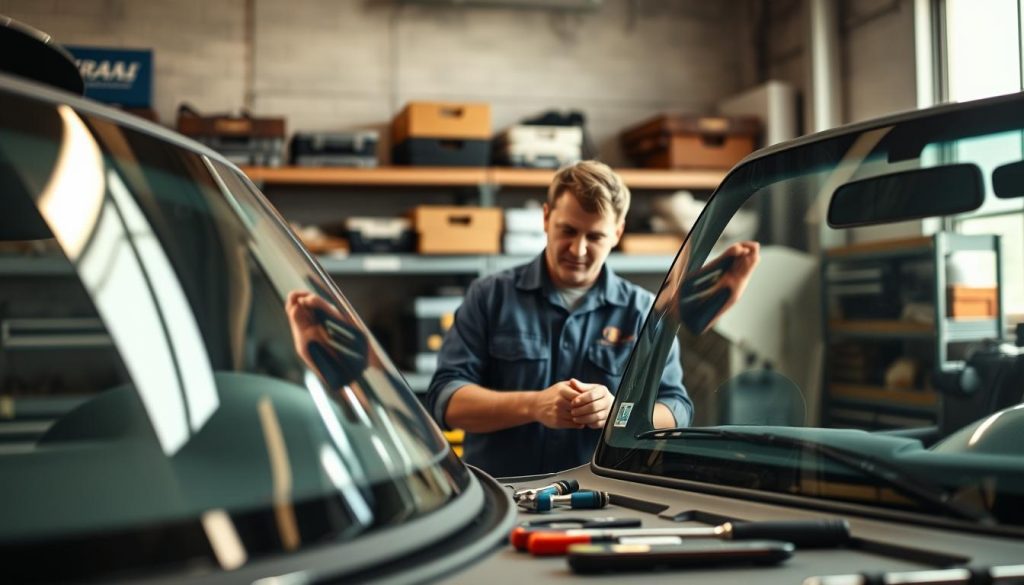
Discovering a crack in your vehicle’s glass can be a stressful moment. The decision you make next is critical for your safety on the road.
A professional replacement ensures clear visibility and maintains your car’s structural integrity. Industry data shows that original equipment manufacturer glass is typically 40 to 60 percent more expensive than the aftermarket variety.
For drivers in Texas, understanding the nuances of this choice is vital. You must consider if your specific model requires exact manufacturer specifications. Consulting a professional installer is the best way to navigate the differences between original equipment manufacturer and aftermarket auto.
Key Takeaways
- Original equipment manufacturer (OEM) glass is often 40-60% more costly than aftermarket options.
- Severe damage usually requires a full replacement, not a simple repair.
- Proper installation is essential for maintaining safety and driver visibility.
- Your vehicle may need specific glass specifications for optimal performance.
- An informed choice balances upfront cost with long-term value and safety.
- Always check with your insurance provider or dealership for specific requirements.
- Quality aftermarket parts, when installed correctly, can be a reliable solution.
Understanding OEM Windshields
Original equipment manufacturer components are designed to restore your vehicle to its factory condition. These are the exact same parts installed when your automobile was new.
Definition and Specifications
This glass is produced based on the specific regulations of your car’s maker. It matches the color, shape, and size of the original piece perfectly.
Every piece is crafted to fit seamlessly within your car’s frame. This ensures the original manufacturing specifications and safety standards are maintained.
Pros and Cons of OEM Glass
The primary benefit is exceptional quality. These components meet the strict requirements set by the vehicle manufacturer.
You get durability and thickness identical to the original. This provides long-term value for owners.
Many insurance companies prefer these parts for newer or luxury models. They prioritize performance and safety.
However, the cost is typically higher than other options. You are paying for the assurance of factory specifications and an exact fit.
Exploring Aftermarket Windshields
Third-party auto glass offers a different path for drivers seeking an affordable fix. These components are made by various independent companies.
You can find them for most makes and models. They provide a practical solution when you need a change.
Manufacturing and Design Considerations
These products come from manufacturers without direct ties to your car’s original maker. This independence often leads to a lower price point.
Federal safety standards are met by all legitimate aftermarket glass. However, slight differences in tint or curvature can occur.
Advantages and Drawbacks
Many choose these parts for their accessibility and value. They are excellent for older vehicles needing a reliable repair.
Some companies even use advanced materials for better chip resistance. This can mean enhanced long-term protection.
A potential drawback is fit. If not perfectly matched, you might notice wind noise or minor leaks.
Despite this, many reputable brands produce high-quality glass. It delivers solid performance for budget-conscious owners.
OEM windshield vs aftermarket Texas: Key Differences
Navigating the marketplace for auto glass reveals clear distinctions in price and construction. Your final decision rests on understanding these core contrasts between the two main options.
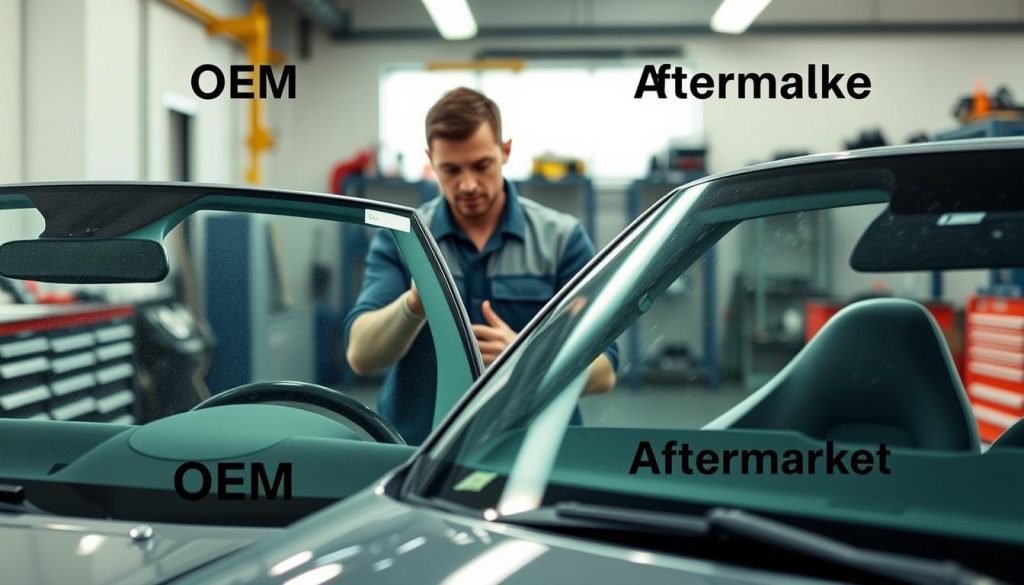
Cost and Value Comparison
The most immediate difference is the price. Aftermarket parts typically cost 20 to 50 percent less than their original equipment manufacturer equivalents. This offers substantial savings for a major repair.
You pay more for OEM glass to get the brand’s assurance of an exact fit and original specifications. This can represent strong long-term value for your vehicle.
Fit, Safety, and Performance Standards
Fit is a crucial consideration. While many aftermarket manufacturers produce quality components, slight variances can sometimes lead to installation issues. OEM pieces guarantee seamless integration with your car’s frame.
For safety, original equipment manufacturer glass is certified by the Department of Transportation. It meets all the rigorous performance standards set by your automobile’s maker.
| Aspect | OEM Glass | Aftermarket Glass |
|---|---|---|
| Cost | Higher price point | Typically 20-50% less |
| Fit & Installation | Guaranteed exact fit | Generally good; minor variances possible |
| Safety Certification | DOT certified to original specs | Meets federal safety standards |
Factors to Consider When Choosing Replacement Windshields
Before committing to a repair, smart drivers evaluate a few key factors beyond the initial price tag. Your final choice is a personal one, shaped by your budget, your automobile, and your future plans.
Budget and Overall Value
Your available funds are a primary driver. The price difference between the two main options can be significant.
For a newer car, choosing the original equipment maker’s part can protect its resale value. For an older vehicle, a high-quality aftermarket component often provides excellent value.
| Consideration | Key Question | Impact on Choice |
|---|---|---|
| Budget | What is your immediate cost limit? | Aftermarket parts are typically more budget-friendly. |
| Vehicle Age | How long do you plan to keep the car? | Newer models often benefit from OEM for long-term value. |
| Insurance Policy | Does your coverage specify a type of part? | Many companies prefer aftermarket for cost control. |
| Warranty Terms | What does the manufacturer’s guarantee cover? | Compare coverage length and terms from all manufacturers. |
| Long-Term Goal | Is this a quick fix or an investment? | Evaluating future plans helps justify the initial cost. |
Insurance Coverage and Warranty Factors
Always review your insurance policy details. Some plans only cover aftermarket parts unless you pay a difference.
Warranties also vary. The original manufacturer and third-party companies offer different terms. Understanding this coverage is crucial for your peace of mind.
A professional technician can help you weigh all these factors. They ensure your decision meets both safety needs and financial goals.
Quality, Performance, and Safety Aspects
Beyond the initial price tag, the core attributes of quality, performance, and safety define your long-term satisfaction. These elements are governed by rigorous standards and material choices.
Certification, Testing, and Material Standards
Every piece of auto glass must meet federal safety standards. Original equipment parts follow the car maker’s strict certification and testing protocols exactly.
Third-party manufacturers also test their products. The consistency of these parts can vary between different brands.
You might notice a slight difference in tint or thickness. This can affect the protection and look of your vehicle.
Durability and Long-Term Benefits
High-quality glass offers better resistance to road debris. This durability is a key long-term benefit.
It also ensures your car’s advanced driver assistance systems work correctly. Choosing a reputable installer minimizes future issues.
Your final decision should balance all these factors. A detailed guide can help you decide what is right for your vehicle.
The Role of Insurance Companies in Your Decision
Your insurance policy is a powerful partner in the auto glass replacement process, directly influencing your available choices. Providers establish specific guidelines that determine which parts they will cover.
This makes your coverage details a critical factor in your final decision.
Coverage Guidelines and Policy Options
Many insurance companies prefer aftermarket parts to manage claim costs. This is especially common for older vehicles where the market value may not justify a premium option.
You must contact your provider to understand your specific policy. Ask if it covers the full cost of OEM glass or if you are responsible for the price difference.
Payment Responsibilities and Claim Processes
Understanding your payment duties is key. You may need to pay out-of-pocket for premium parts if your coverage is limited.
The claim process is often smoother when you work with a repair shop that has relationships with major insurers. These professionals can also provide documentation to help you communicate with your provider.
To ensure you get the coverage you deserve, ask your insurer these questions:
- Does my policy have a preference for oem aftermarket parts?
- Will I need to pay a deductible or a price difference for original equipment manufacturer parts?
- Do you have a preferred network of shops for this type of claim?
Clarifying these points upfront prevents surprises and leads to a more informed choice.
Local Insights: Miracle Auto Glass in San Antonio, TX
When your car’s glass requires attention, turning to a trusted neighborhood shop offers peace of mind. For drivers in the area, Miracle Auto Glass provides a reliable solution.
Their shop is conveniently situated at 6730 Poss Rd, San Antonio, TX 78238. This central location makes it easy to access expert service.
Service Excellence and Location Benefits
The team uses the proper tools and techniques for every job. You can trust them to handle your vehicle with care.
They understand local driving conditions. This knowledge informs their recommendations for your repair.
Their professionals are skilled with both original equipment manufacturer and aftermarket parts. This ensures you get the right quality for your situation.
Customer Experience and Local Reviews
Your decision is supported by clear explanations. The staff will detail the differences between oem aftermarket options.
This commitment to communication builds confidence in your final repair choice. Many local reviews highlight their dependable service.
For another professional option in San Antonio, you can contact RNR Auto Glass at 210-340-2580. They also offer expert replacement for your auto glass.
Always check your insurance policy details when planning any work on your car. A local shop can help you navigate the process smoothly.
Expert Tips for Choosing the Best Windshield Replacement Option
Selecting the perfect auto glass involves more than just comparing price tags and product labels. Expert advice focuses on two critical areas: how the part is installed and how you care for it over time.
Importance of Professional Installation
The skill of your technician is paramount. Even top-tier components can fail if installed with incorrect tools or methods.
A true professional uses the proper equipment and follows the original manufacturer‘s specifications precisely. This ensures your vehicle‘s structural integrity and safety systems function correctly after the repair.
Long-Term Maintenance and Future Resale Value
If you plan to sell your automobile later, using original equipment manufacturer parts can help preserve its resale value. Consistent maintenance is also key.
Clean your glass regularly and fix small chips right away. This prevents the need for a full replacement later.
Always ask your service provider about the warranty difference between the parts they offer. This protects you from future issues.
| Consideration | Professional Installation Focus | Long-Term Value Focus |
|---|---|---|
| Primary Goal | Ensure immediate safety and correct fit | Protect investment and future performance |
| Key Question | Does the technician use manufacturer-approved methods? | How will this choice affect my car‘s value in 3 years? |
| Critical Action | Verify the shop’s certifications and tools | Compare warranty length and coverage details |
| Outcome | A secure, leak-free repair that restores quality | Higher retained value and fewer future problems |
Your final decision should balance your current budget with the long-term performance of your vehicle. Making the right choice now leads to peace of mind on the road.
Balancing Safety, Cost, and Value in Windshield Replacement
A successful repair outcome hinges on informed choices and expert craftsmanship. Your final decision balances your priorities for safety, cost, and long-term value.
Both original equipment manufacturer and aftermarket parts offer distinct advantages. The best choice for your vehicle depends on its age, your budget, and your insurance coverage.
Professional installation remains the most critical factor. It ensures your new glass performs correctly and keeps you safe. Working with trusted local experts provides confidence throughout the process.
Ultimately, taking the time to make a careful, informed oem aftermarket decision grants you lasting peace of mind. It also helps keep your vehicle in excellent condition for years to come.