
What to Do When Your Car Side Window Breaks
How to Inspect Your Windshield for Hidden Damage
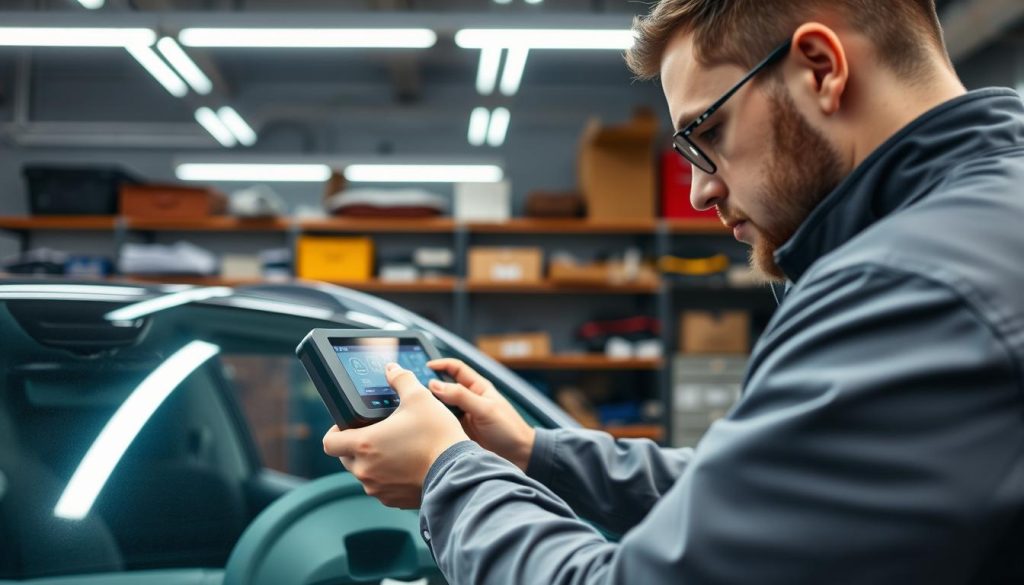
Your car’s glass does more than block the wind. Modern vehicles rely on cameras and sensors mounted near the top of the glass to run advanced safety systems. ADAS stands for Advanced Driver Assistance Systems, and these tools deliver warnings, steering help, and braking support you feel while driving.
Windshield Calibration is not about tuning the glass itself. It means returning the camera and sensors to the manufacturer’s settings so your safety tech reads the road correctly. Even a slight shift can change what the system sees and affect warning timing or interventions.
After glass repair or replacement, and after certain service events, you often need calibration so systems work as designed. Miracle Auto Glass focuses on correct, manufacturer-aligned service so you can drive with confidence.
Key Takeaways
- ADAS uses a forward-facing camera mounted behind the glass to power driver aids.
- Calibration resets cameras and sensors to factory alignment for accurate readings.
- Small misalignments can alter warning timing or system responses.
- Calibration is commonly required after glass work and some vehicle services.
- Trust certified providers like Miracle Auto Glass for manufacturer-aligned service.
Modern windshields are part of your vehicle’s safety system
A small camera mounted near the rearview mirror does far more than record the road; it guides many safety features. That forward-facing camera captures lane lines, road edges, signs, and obstacles and sends image data to your vehicle’s onboard processors.
How the “eye” works: the camera’s view, height, and aim are engineered to OEM specs so software interprets distance and position correctly.
- The camera records visual cues → software analyzes patterns → the system issues alerts or corrective actions.
- A tiny tilt can make lane markings look shifted or change perceived distance to the car ahead.
- When the camera’s reference frame moves, driver assistance systems may warn too early, too late, or not at all.
Think of the glass area around the camera as part of a calibrated safety network, not merely a panel of glass. If those elements are off, your vehicle’s decision-making can be affected. Now that you understand why the camera matters, you’ll see which features rely on precise alignment in the next section.
What ADAS means and which advanced driver assistance features depend on calibration
Today’s vehicles rely on coordinated sensors and software to support you behind the wheel. Advanced driver assistance groups several safety tools that monitor the road and help reduce crash risk.
Lane Departure Warning and lane departure warnings
Lane Departure Warning alerts you when the vehicle drifts out of its lane without signaling. You’ll see a light, hear a sound, or feel a vibration. If the camera’s aim shifts, lane recognition can fail and departure warnings may come too late or not at all.
Lane Keep Assist and lane-centering support
Lane Keep Assist gives light steering input to keep you centered. That support depends on consistent lane-line detection from well-aligned cameras and sensors.
Forward collision warning and automatic emergency braking
Forward collision warning estimates closing speed and distance. Automatic emergency braking steps in if you don’t respond. Timing matters: misreads can delay an automatic emergency intervention.
Adaptive cruise control and following-distance control
Adaptive cruise control holds a set gap and adjusts speed to traffic. When sensors or cameras misjudge distance, the system may brake or accelerate unexpectedly.
How cameras, sensors, and software work together
ADAS is a team effort: cameras provide visual cues, radar or lidar measures distance, and software fuses data to decide actions. Recognizable branded systems include Subaru EyeSight, Honda Sensing, Toyota Safety Sense, Ford Co-Pilot 360, and Kia DRIVEWiSE — all rely on correct alignment to behave as designed.
Why Windshield Calibration is essential after glass work
Any time your car’s glass is serviced, the camera and mounts can shift enough to change how driver aids behave. Even small moves during removal or replacement can alter aim, bracket alignment, or the view through the glass.
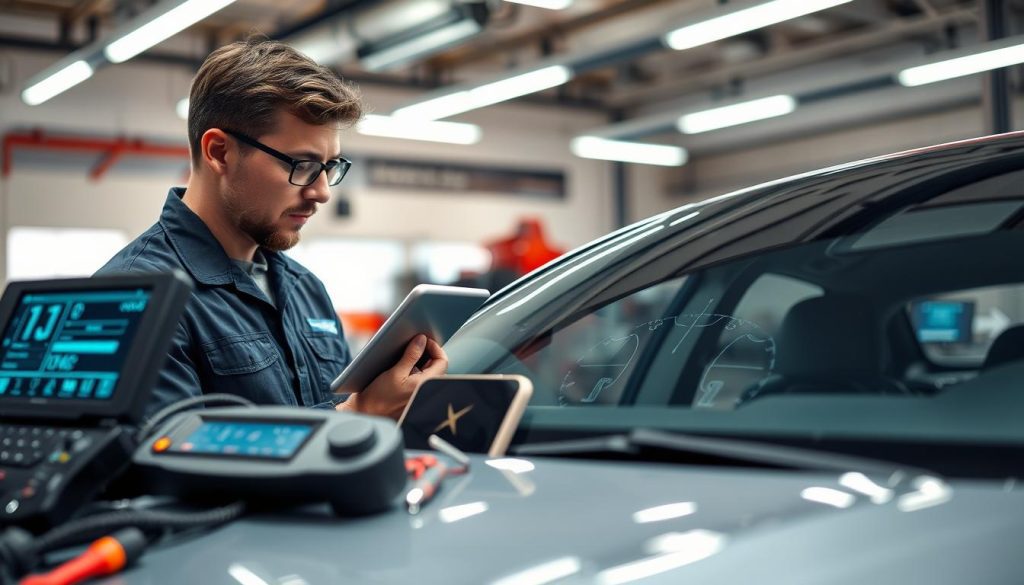
What can go wrong without proper reset
- False lane alerts that distract you or come too often.
- Missed warnings for a pending collision or delayed automatic braking.
- Systems that disable or give inconsistent behavior after a repair.
How a few degrees changes outcomes
A tiny tilt matters: a shift of just a few degrees can make the camera misjudge lane position or distance. That produces timing errors — alerts or interventions that happen too early, too late, or not at all.
Why restoring OEM specifications is important
Calibration returns sensors and the camera to manufacturer specifications and factory settings. A certified shop follows manufacturer procedures, runs diagnostic scans, and verifies results so safety features work as intended after replacement or repair.
Signs and situations that mean you likely need ADAS calibration now
Certain repairs and service events create clear triggers that mean you should book an ADAS check right away. If your car shows one of the items below, act instead of guessing.
When to schedule: a simple checklist to match manufacturer-driven triggers.
- After windshield replacement or repair near the camera area. Removal or replacement can move the camera bracket or change the view through the glass, so a scan and correction are often required.
- After wheel alignment, suspension work, or ride-height changes. Altered vehicle geometry changes how lane lines and road angle appear to sensors and systems.
- After any collision, even with no visible glass damage. Impacts can shift mounts, cameras, or brackets and affect lane departure and braking behavior.
- After camera removal, disconnection, or reconnection. Handling or unplugging a camera can reset learned offsets or alter aim and needs verification.
- When your dashboard shows ADAS, camera, or lane-assist warnings. Any error icons, disabled adaptive cruise, or ‘lane’ messages mean you should get a professional check tied to manufacturer procedure.
Next step: once you identify a trigger, prepare the vehicle and choose a service that follows manufacturer specs so calibration returns the system to proper function.
How to prepare your vehicle for calibration performed to manufacturer specifications
Get your car ready so the service goes smoothly and your safety systems are restored to factory behavior. Each vehicle has unique steps, so a short prep list keeps the appointment efficient and effective.
Confirm your ADAS package before you arrive. Check the owner’s manual, scan dashboard menus, or use a VIN-based lookup so Miracle Auto Glass knows which procedures and tools the vehicle needs.
- Know the method required: some models need static checks, some dynamic driving steps, and some require both.
- Choose OEM-approved glass: factory glass matches thickness, curvature, tint bands, and bracket placement. Non-OEM pieces can cause sensor misalignment and failed procedures.
- Expect added time: calibration performed to manufacturer specs often adds about one to two hours on top of glass work, depending on make and method.
Before the visit, clean the area around the camera and remove dashboard clutter that might reflect in the view. Also verify tire pressure and have clear access to the front of the vehicle if a static setup is required.
Miracle Auto Glass will walk you through required steps, tools, and expected time so the appointment stays on track. That way the cameras sensors and alignment checks meet the exact manufacturer specifications today.
Static calibration vs dynamic calibration: which process your vehicle may require
Restoring your ADAS requires either a controlled shop procedure, a road-based routine, or both. Knowing what each process involves helps you prepare and know how long the appointment will take.
Static recalibration in a controlled environment with targets and precise alignment
Static work keeps your vehicle in the shop while technicians place OEM-specific targets at exact distances and heights. The techs align the vehicle to a centerline, use lasers or measured tapes, and set the camera to factory reference points.
This method depends on a level floor, correct target type, and precise equipment. It sets the baseline aim so cameras read lane markings and object heights as intended.
Dynamic recalibration using real-road conditions and manufacturer-directed driving steps
Dynamic work starts with a diagnostic tool connected to your OBD II port to initiate a guided routine. Then you or the technician drive on public roads at specified steady speeds and distances while the system learns real-world references.
Typical requirements include clear lane lines, steady speed ranges, and good weather. The process fine-tunes alignment using real road data that static setup can’t simulate.
When your vehicle needs one method vs both
Some vehicles need only static or dynamic. Others require both: static to restore baseline aim, then dynamic to refine performance in traffic. Completion is software-driven, so the vehicle’s system must report success before you leave.
Expect a defined process, not a quick reset. If you want details about specific procedures and why they matter, see why camera recalibration is required.
Tools, technology, and conditions that make calibration accurate
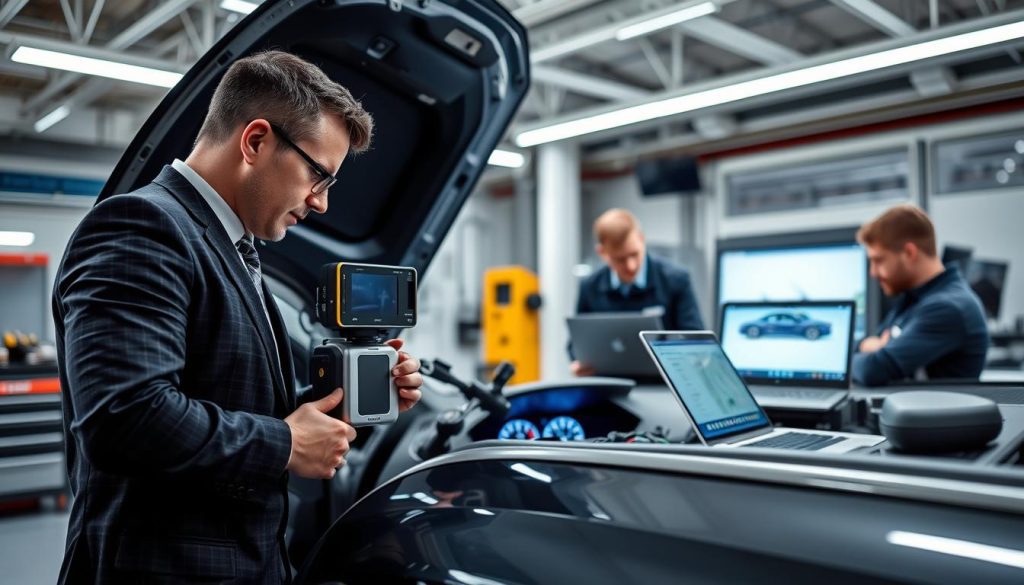
A precise setup of tools and space is the first step toward reliable ADAS performance. You want a shop that uses the right technology and follows manufacturer methods so the final alignment meets factory tolerances.
What proper equipment looks like
Proper equipment means OEM-specific targets and calibrated measurement tools. Shops should use laser alignment devices and target boards sized for your vehicle.
- Laser tools provide absolute angles to match manufacturer specs and reduce centerline errors.
- OEM targets ensure the geometry the software expects is recreated exactly.
- Measurement rigs and level floors keep the vehicle position repeatable for accurate alignment.
Diagnostics and system checks
OBD II diagnostic devices start the procedure, reveal fault codes, and confirm when the work is complete. Expect a pre-scan and a post-scan that clear codes and show systems are back in range.
Environmental requirements and red flags
Static work needs good lighting, minimal reflections, enough shop space, and a level surface. Dynamic work requires clear road markings, steady speeds, and fair weather.
- Red flags: rushed setups, no documentation, skipped scans, or cramped, poorly lit spaces.
- Pick a provider that shows equipment, explains the process, and gives written results so your vehicle’s safety systems are verifiable.
How to verify your windshield ADAS calibration was done correctly
Don’t assume driver aids self-correct — request written verification and a road check after any relevant repair. A short checklist and a few written reports give you evidence that work met manufacturer standards.
What documentation to request
Ask for three items in writing:
- Pre-scan report showing stored codes and system status.
- Post-scan report confirming faults were cleared and systems passed.
- A calibration completion report tied to your VIN, make, and model.
Why insurers and liability care
Insurers often require proof that ADAS work followed procedures. Written reports can prevent claim disputes after a repair.
If an incident raises questions about driver assistance performance, documentation shows you took proper steps to restore safety systems.
Post-service expectations and a verification checklist
On a cautious first drive, features should behave normally: lane alerts consistent, adaptive systems hold distance, and camera warnings off.
- Confirm pre-scan and post-scan reports are dated and signed.
- Match the completion report to your VIN and service invoice.
- Test lane departure, lane-keeping, and adaptive cruise in safe conditions.
- Report anomalies immediately for a free recheck.
If you need service, ask Miracle Auto Glass or any provider for these documents before you leave. That simple step protects you, supports insurer requirements, and helps keep your vehicle’s safety systems reliable.
Conclusion
Proper post-repair setup ensures your car’s camera-based ADAS reads the road the way the maker intended. Calibration restores factory references so driver assists and safety systems behave predictably.
When to act: after windshield replacement or repair near the camera, wheel or suspension work, collisions, or any camera disconnect, the manufacturer often requires a reset.
How it’s done: shops use static targets, dynamic on-road routines started through OBD II, or both depending on your vehicle and model requirements.
Good work includes OEM-approved glass when needed, correct tools and environment, before/after scans, and a written calibration report you can keep for insurance and liability records.
Prioritize safety and documentation. Hire Miracle Auto Glass to fix your glass damage and make sure your windshield ADAS calibration is handled correctly and recorded.