OEM vs Aftermarket Windshield Glass: Which Is Better
Signs You Need Car Window Replacement Right Away
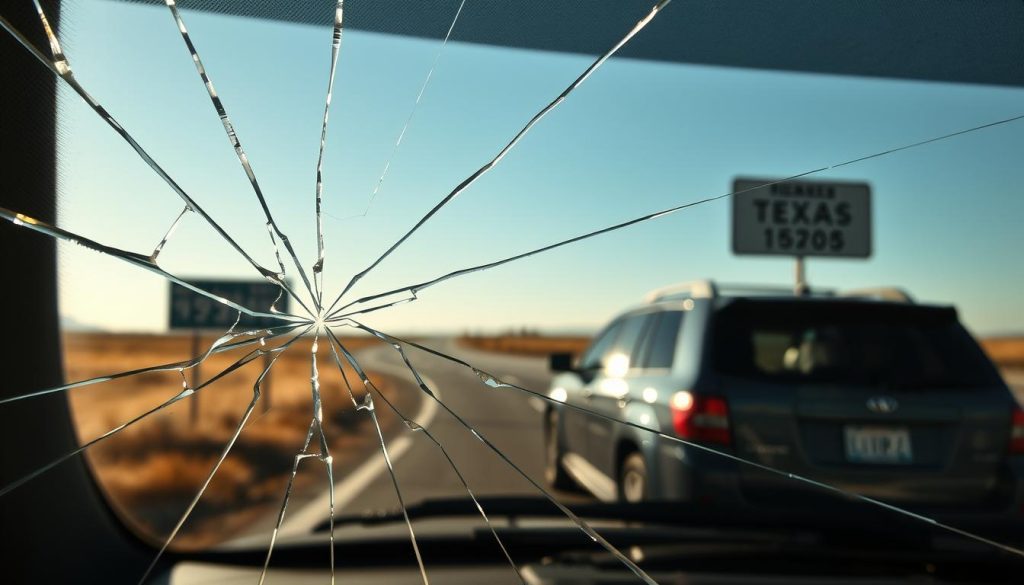
If you spot a chip or spread in your glass, you likely wonder how it affects your right to drive. Texas law does not ban every flaw, but it does forbid obstructions that hurt your view. That means a crack in your line of sight can be treated as an obstruction and lead to fines.
This short guide explains what “Cracked Windshield Laws Texas” means in real life. You usually aren’t cited for damage alone, but for how it affects safety and visibility. Officers and inspection stations focus on location, size, and whether your view is blocked.
We’ll answer practical questions: can you keep driving with a cracked windshield damage without a stop or a failed inspection? You’ll learn the key decision factors — where the crack sits, whether it’s a chip or a spreading break, and how it impacts what you see.
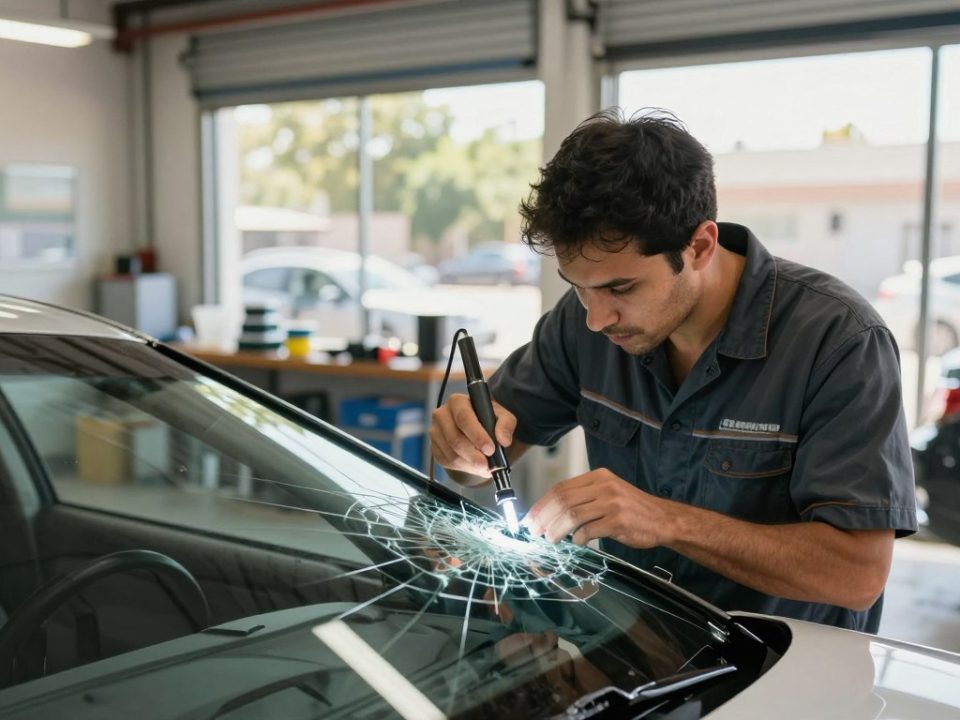
When you need a quick, professional check, contact Miracle Auto Glass for estimates and fast service scheduling. A timely repair can reduce safety and liability risks after an accident.
Key Takeaways
- You are cited for obstruction of view, not for every crack.
- Location and severity matter: driver-side damage is the biggest issue.
- Inspections and officers check visibility, not just cosmetic damage.
- Address spreading cracks quickly to avoid fines and safety risks.
- Contact Miracle Auto Glass for fast assessment and repair or replacement advice.
What Texas Law Really Says About Driving With a Cracked Windshield
The reason stops happen isn’t a single statute saying “no cracks” — it’s concern over obstructed sightlines.
State rules focus on obstructions that reduce a driver‘s ability to see the road. The texas transportation code and related law don’t label every chip illegal. Instead, enforcement treats damage as an obstruction when it impairs public safety.
How officers evaluate visibility on a stop
Officers make a practical judgment at the roadside, not a lab measurement. They ask whether you can clearly see lane markings, signals, pedestrians, and cross-traffic through the damaged area.
- Lighting, glare, and time of day can change how severe the obstruction looks.
- Rain, wiper performance, and crack reflection affect real-world visibility.
- Active spreading or intersecting breaks raise the perceived safety risk.
Warning versus ticket: what to expect
Minor damage away from the driver’s view often draws a warning. If officers believe the defect blocks the view, you may get a ticket and fines.
Act fast: having Miracle Auto Glass inspect your glass can show intent to repair and remove the issue that most often triggers stops. A prompt repair reduces repeat stops and potential fines.
Cracked Windshield Laws Texas: When a Crack Becomes a Legal Problem
The point when glass damage becomes a legal issue is usually tied to your view while driving. You can self-check in seconds: sit in your normal driving position and look where your eyes track the road. If a crack crosses that zone, it risks being judged an obstruction to the driver view.
Driver’s line of sight
To self-check, sit and focus on lane markings and signs. If a crack or chip interrupts that sight line, you face a higher chance of a stop or citation.
Location matters
Damage on the driver side is more likely to affect enforcement than a small passenger-side flaw. Officer assessment centers on whether the defect blocks your ability to see hazards.
Severity matters
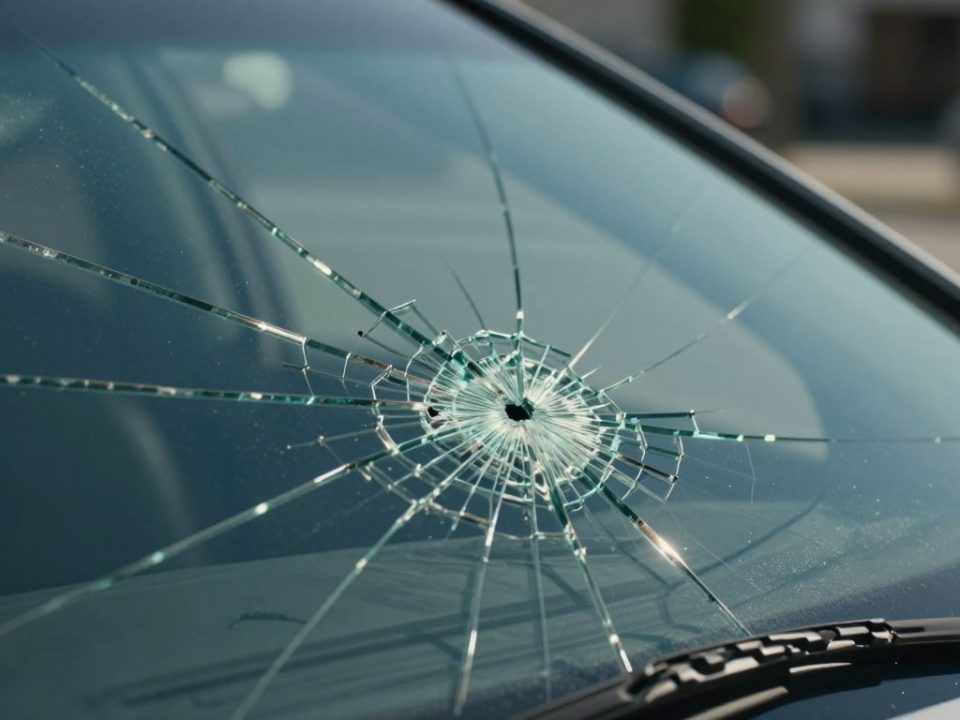
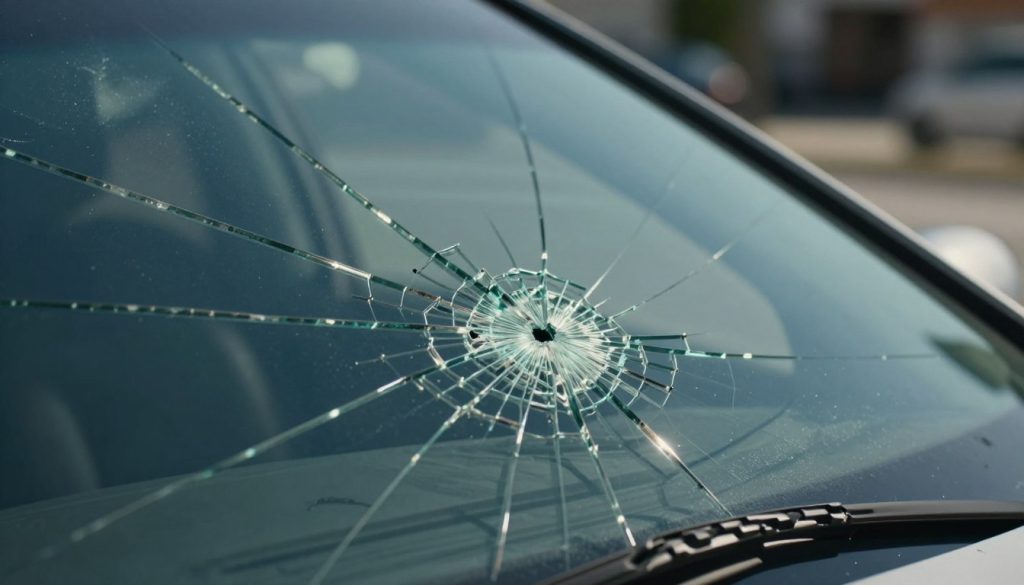
Chips may be repairable, but spreading cracks, starbursts, or long breaks become “major damage” when they cover wide areas. That kind of damage raises vehicle safety and public safety concerns.
- Check for spidering edges, discoloration, or growth — treat these as time-sensitive issues.
- If you want a fast, professional assessment, contact Miracle Auto Glass before small damage turns into a replacement-level problem.
Vehicle Inspection in Texas: Will You Fail With a Cracked Windshield?
When you bring a vehicle in for a safety check, inspectors judge how any damage affects driver sightlines.
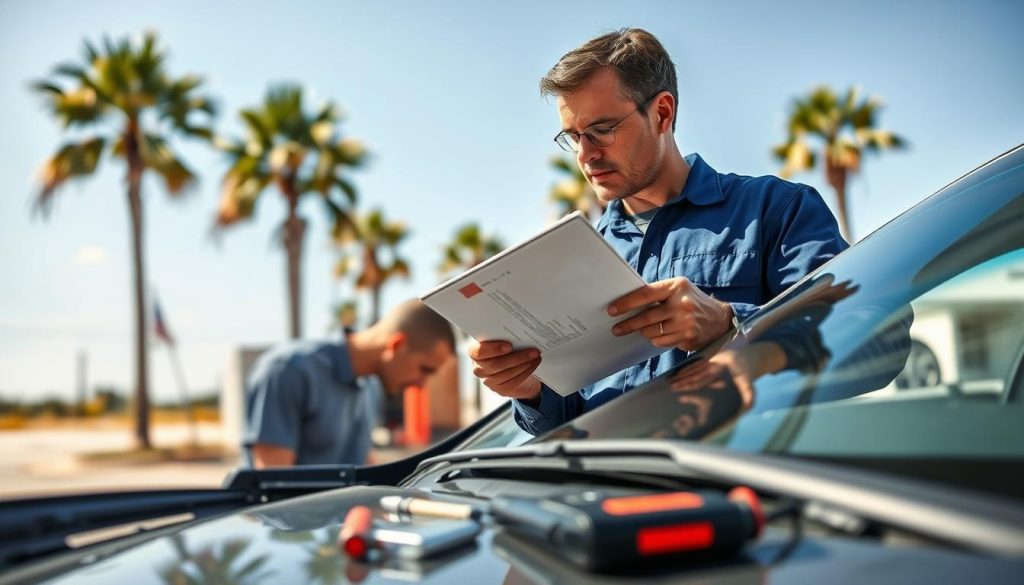
How inspections look at cracks, chips, and visibility issues
Inspection stations prioritize safe visibility through the front glass and the absence of serious obstructions in the driver’s critical viewing area.
A common fail occurs when damage sits directly in front of the driver’s normal line of sight. Even small breaks can cause a failure if they interrupt vision or appear likely to spread.
Other inspection-related obstructions
Inspectors also check for stickers, hanging items, or objects near the rearview mirror that block view. Stickers placed behind the mirror are generally acceptable; anything outside permitted zones may cause your vehicle to fail.
What happens after a failed inspection and re-inspection
If your vehicle fails, you must make the necessary repairs or replacement and return for re-inspection. Keep documentation of the work to show compliance with the texas department rules and the texas transportation code standards.
- Repair or replace the damaged glass promptly to avoid driving with a known defect.
- Schedule service quickly to minimize downtime and speed up re-inspection.
- Save repair receipts to present at the inspection station.
Next step: hire Miracle Auto Glass for fast repair or replacement and the paperwork you need to pass a follow-up inspection and get your vehicle back on the road.
Safety Risks Beyond the Ticket: Why Driving Cracked Can Put You in Danger
Minor glass damage often starts as a nuisance but can quickly become a serious hazard. Your safety on the road depends on clear sight, and even small defects change how light and images reach your eyes.
Visibility hazards that increase accident risk
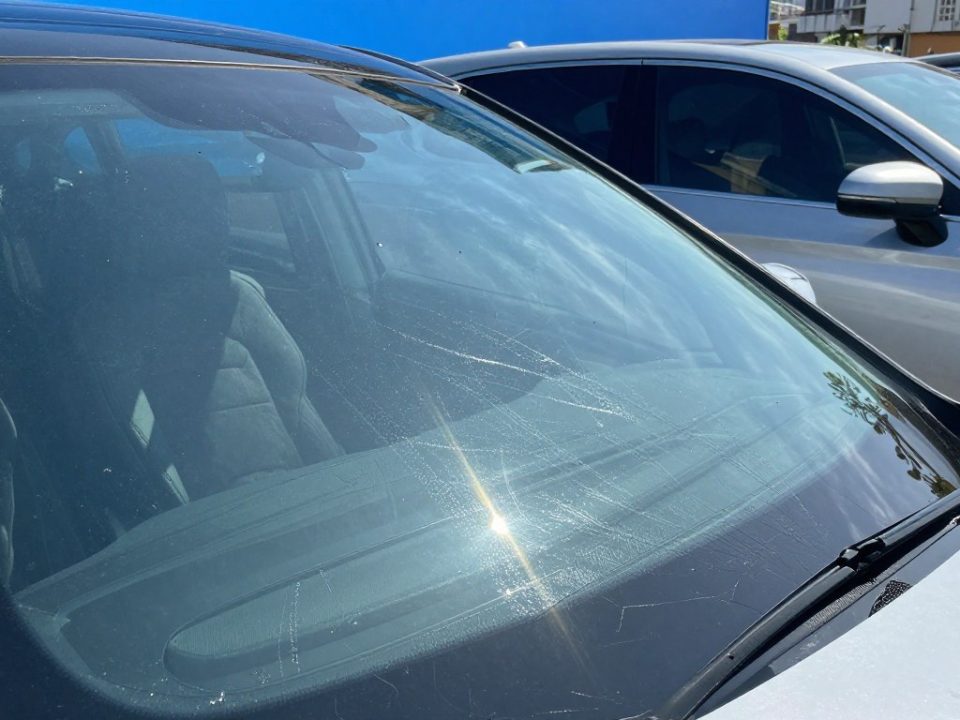
Chips and short breaks create glare, distortion, and reduced clarity in rain or at night. These effects raise your chance of an accident by hiding details like lane markings and pedestrians.
Structural integrity in collisions and rollover support
The front glass helps keep roof strength and fold resistance. An intact pane can add roughly half the roof support in a rollover, so any damage can lower that structural integrity and increase injury risk.
Proper airbag deployment and windshield bonding concerns
Airbags often rely on the glass as a backstop. Poor bonding or weakened glass can change deployment timing and reduce protection for you and passengers. Maintaining proper airbag deployment starts with sound auto glass and adhesive integrity.
Why small damage can spread quickly with heat, vibration, and road impact
Heat swings, road vibration, potholes, and debris turns small chips into long breaks fast. That growth makes repairs harder and replacement more likely.
Action step: early repair is usually faster and cheaper than waiting for replacement. For a safety-first evaluation and to restore your vehicle safety, contact Miracle Auto Glass. They can repair minor damage or advise when full replacement is needed.
Federal Windshield Crack Guidance You Should Know (U.S. DOT Baselines)
Federal guidance offers baseline thresholds to help you judge damage, but it’s a starting point — not the final word.
Commonly cited thresholds
Typical U.S. DOT-style limits include:
- No crack larger than 3/4 inch in diameter.
- No two cracks within three inches of each other.
- No intersecting cracks that create a network of damage.
Why federal minimums don’t replace state enforcement
These numbers serve as general safety baselines. They do not stop an officer or an inspector from citing you if the defect blocks your view.
Practical notes and next steps
Even a small crack in the driver’s view can be treated as a major issue. Two nearby breaks that form a spiderweb or a long split that flashes glare may be worse than a single chip.
Act early: if your damage nears these thresholds or is growing, plan repair or windshield replacement before it becomes urgent. Miracle Auto Glass can assess your case and advise whether a repair or full replacement is the safer option, especially if you drive across state lines.
Can You Get Fined for a Cracked Windshield in Texas?
Getting stopped for glass damage can lead to a simple warning or a costly ticket, depending on the situation. Many citations for this issue are handled as non-moving violations, not traffic offenses like speeding.
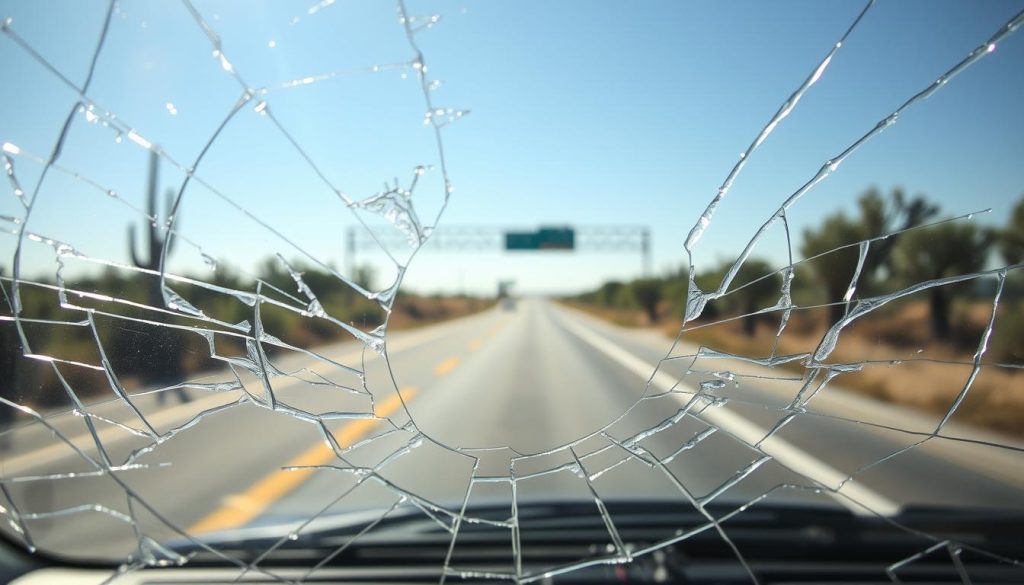
How non-moving violations typically work for windshield-related citations
Non-moving violations allege a vehicle defect, not unsafe driving. You may receive a fix-it notice or a ticket with fines. Courts often allow time to show proof of repair or replacement to reduce penalties.
When proof of repair or replacement may help reduce consequences
Receipts, service records, or a dated invoice can support a request to dismiss or reduce a ticket. If you continue to drive cracked glass after a warning, enforcement tends to become stricter.
- Photograph the damage and note date/time.
- Schedule prompt service and keep invoices for repairs or windshield replacement.
- Bring documentation to court or the cited agency to seek reduction of fines.
Best prevention: fix the obstruction before it leads to repeat stops. For fast service and clear proof of work, contact Miracle Auto Glass — they provide timely repairs and the paperwork you need if you’re cited.
Related Texas Rules That Can Still Affect Your Windshield Compliance
Beyond visible chips, several rules and maintenance items determine whether your vehicle meets inspection and on-road visibility standards.
Why windshield wipers matter
If your windshield wipers smear, skip, or leave streaks, your view is reduced even with good glass. That can be cited as a visibility violation under texas law.
Practical tip: replace worn blades and refill fluid before an inspection to avoid a fail for poor clearing performance.
Safety glass requirements and vehicle safety
Windows and the front pane must meet safety glass standards. Safety glass breaks into small, less-dangerous pieces, which lowers injury risk in a crash.
Using correct materials and professional installation preserves structural support and proper airbag performance.
Window tint basics: light transmittance and reflectivity
In general, front side windows should allow greater than 25% light transmittance and have reflectivity under 25%.
Heavy tint plus poor wipers or a damaged pane raises the chance of enforcement or inspection failure.
- Compliance is more than cracks: anything that reduces visibility can trigger a citation.
- Stacking problems: tint + damaged glass + bad wipers makes failure far more likely.
- Single-point solution: ask Miracle Auto Glass about compliant auto glass materials, tint limits, and visibility issues when you schedule service.
Insurance and Cost Questions: Repair vs. Windshield Replacement in Texas
Before you schedule service, check how your policy treats glass repair and replacement.
Comprehensive auto coverage vs. minimum required liability
Comprehensive auto coverage usually covers glass damage, while minimum liability rarely does. If you only carry basic liability, your insurer likely won’t pay for repairs or replacement.
Deductibles, out-of-pocket costs, and glass-specific options
Your deductible determines your out-of-pocket repair bill. Some policies waive the deductible for minor glass work or offer glass-specific options that lower what you pay.
Why fixing minor damage early is usually cheaper
Small chips and short breaks are often repairable. Repair costs are usually a fraction of a full replacement or a failed inspection re-test.
- Review your policy before the defect grows; pre-existing damage may be excluded.
- Consider location, size, and spreading speed when weighing repair vs. replacement for your vehicle or car.
- Acting fast can keep a small repair from becoming an expensive replacement or affecting safety.
Need help? Miracle Auto Glass offers transparent pricing, insurance guidance, and fast scheduling to keep costs down and handle paperwork for claims.
Conclusion
Keep one rule front and center: enforcement targets blocked sight, not every glass flaw. If damage cuts into your normal driver view, you face higher enforcement and inspection risk.
Remember: damage on the driver side or in your line of sight most often triggers a failure or citation. Line-of-sight defects and other obstructions like misplaced stickers can cause inspection problems.
Driving with a cracked windshield raises real safety concerns — reduced visibility, weaker roof support, and altered airbag performance can increase accident risk. Federal thresholds are only baselines; state enforcement focuses on safety and view.
Act now: early repair often prevents replacement and costly delays. If you have a cracked windshield or other auto glass damage, hire Miracle Auto Glass to repair or replace your glass and get back to safe, clear driving quickly.