Rain taps the glass, then a new rush of wind noise draws your attention to the side window. A car window weather seal helps block moisture, debris, and outside sounds when the window is closed. Damage can let rain or wind into the cabin, even when the glass looks shut.
Noticing a change early can help you limit water intrusion and cabin moisture. You can look for clues, identify which part sits around the glass, and choose a sensible next step. The seal itself is only one of several window components that may need attention.
Key Takeaways
- Window weatherstripping helps block water, debris, and outside noise.
- New wind noise or damp upholstery calls for an inspection.
- Moving and fixed glass use different sealing parts.
- A universal strip does not guarantee a correct fit.
- Part prices do not include labor or other repair charges.
- A vent visor deflects rain from a partly open window but does not replace a seal.
How Does a Car Window Weather Seal Protect Your Cabin?
A properly fitted weatherstrip helps keep moisture, debris, and outside noise from entering around the glass. Its main job is to close the gaps between the window and the vehicle, helping reduce water intrusion and wind noise.
A window weatherstrip seals around the glass; it does not do the same job as a vent visor. The seal also helps keep dust and other outside contaminants from reaching the cabin. How well it works depends on its fit and condition.
Glass run channel is the U-shaped weatherstrip that guides moving side glass and cushions its edges. As you raise or lower the window, the channel helps guide the pane and supports its edges.
Other weatherstripping sits along the edges of the glass or body. These parts help close gaps when the window is shut. Together, they help keep outside elements out and can soften sounds from traffic, wind, and road debris.
A vent visor, also called a rain guard, is an add-on fitted above a side window. It can deflect rain when you crack the window, but it does not seal the closed glass against the vehicle.
That difference matters if water appears inside your car. A visor may help when you want fresh air during light rain, but it cannot replace a damaged seal or fix a gap around closed glass.
Weatherstripping also cannot correct every source of water or noise. Glass damage, a poor fit, or another nearby part may be involved. The location of the problem can help narrow down what needs inspection.
Changes inside the cabin can offer useful clues, especially after rain or a drive at highway speed. Look at what you can see, then consider whether the signs point to a worn seal or another part.
Those clues do not name the failed part by themselves. They do give you a reason to inspect the window area for specific signs of wear.
What Signs Point to a Failing Side-Window Seal?
Damp upholstery after rain, despite a fully closed window, is a clear reason to inspect the area. A new change in wind noise or outside sounds can also point to a window seal that no longer closes the gap well.
Water inside the cabin and louder-than-usual wind noise call for an inspection, but neither proves which part failed. Seals can wear with extended use, and vehicle damage can affect how parts meet the glass or body.
Look for visible splits, cracked edges, or rubber that appears worn and uneven. A loose section may no longer sit against the glass or body as it should. Do not assume that every mark means the whole seal needs replacement.
After rain, check the nearby trim and upholstery for dampness. Notice where moisture first appears, if you can tell. Water can travel along interior surfaces, so the wet spot may not sit beside the original entry point.
A musty odor can develop when cabin materials stay damp. Excess moisture can encourage mold, especially if upholstery or carpeting does not dry fully. The smell alone cannot identify which part let water in.
Water that remains in the vehicle can also contribute to rust and further interior damage. Rust holes and damaged trim can affect the body and cabin over time. Moisture-related damage may lower a vehicle’s value.
Listen for a difference between a quiet drive and one with a louder rush near the side glass. The change may come from a gap, but glass fit or another nearby part could also matter.
Age and use can wear a seal, while damage to the vehicle may shift nearby parts. A careful look can tell you whether the area needs attention, not whether a particular component has failed.
That distinction is useful when you describe the issue to a repair shop. The next step is to identify which window component sits where, since different parts do different jobs.
Which Side-Window Seal Parts Does Your Vehicle Use?
“Window seal” can refer to more than one part around the glass. The location matters because moving glass and fixed glass use different sealing parts.
A glass run channel, beltline weatherstripping, and fixed-glass perimeter seal occupy different positions and are not interchangeable. Naming the location can help you describe the part you want checked.
Seals for moving side glass
Moving side glass commonly meets a glass run channel along its edges. The channel guides the pane as it moves and cushions its edges. A clue to inspect is visible wear or a section that no longer sits evenly against the glass.
Beltline weatherstripping sits at the lower edge of a moving side window, near the door. The outer beltline seal helps limit debris and water entering around the glass. Look for damage or a section that appears out of place, but treat that as a clue, not proof.
Perimeter seals for fixed glass
Fixed glass does not move up and down like a door window. A perimeter seal follows its edge where the glass meets the vehicle body. Inspect the visible edge for gaps or damage that may need a closer check.
A car side window seal strip may describe a product listing, but that name alone does not tell you where the part fits. Compare the part’s location and shape with the window area before you order anything.
| Component | Location | Main role | Clue to inspect |
|---|---|---|---|
| Glass run channel | Along moving side glass edges | Guides glass and cushions its edges | Visible wear along the channel |
| Outer beltline seal | At the lower edge of door glass | Helps limit water and debris entry | Loose or damaged visible edge |
| Fixed-glass perimeter seal | Around the edge of fixed glass | Closes the gap at the body | Visible gap or edge damage |
These parts may look like rubber strips, but shape and placement guide their use. One type should not be treated as a substitute for another just because the listing uses similar words.
Once you know which part and window location need attention, vehicle details can help narrow down a compatible replacement.
How Do You Choose a Replacement That Fits?
Start with the vehicle’s year, make, model, and the exact pane that needs a seal. Those details matter because a part made for one body style or window location may not fit another.
A universal listing is not proof that a strip fits your vehicle. Molded vehicle-specific parts are shaped for a particular application, while universal adhesive or trim strips come in set lengths and may need different placement.
Check the vehicle and glass location
Check the exact glass location, such as a door window or rear window. Then compare the listing’s fitment details with your vehicle’s body style. A sedan and a truck can use different glass shapes and sealing parts, even when their model years overlap.
Classic-car listings show why the application matters. A three-piece rear-window seal for a 1967 Dodge Dart Sedan four-door uses plastic and chrome mylar. That description identifies both the model and the body style.
A single-piece Dodge and Plymouth lockstrip weatherstrip is listed for multiple models from 1956-1993. A chrome rear-window insert for 1977-98 Ford F-Series trucks is described as ozone-resistant. Those details do not make the parts interchangeable across every vehicle.
Compare molded parts with universal strips
A car window weather seal kit still needs to match the window location and vehicle application. Check whether the kit contains the part you need, rather than assuming the word “kit” means it covers every seal around the car.
Use this short checklist before ordering:
- Vehicle year
- Make and model
- Body style
- Glass location
- Seller fitment confirmation
Online universal trim listings may offer lengths of 10, 13, 20, 33, or 40 feet. Length alone does not show that the profile suits your window, so compare the shape and intended use, too.
Shipping terms differ by listing. Many offer free delivery, while some charge shipping. Confirm the length, shipping terms, and fitment details before checkout to avoid ordering the wrong strip.
Getting the right part narrows the repair, but its listed price is not the full cost of having the job done.
What Does Car Window Seal Replacement Cost?
A replacement part’s listed price is different from the total price of a completed repair. The part price covers the product, while a full repair may also involve labor and other charges.
The listed prices below are product prices, not installed quotes. Compatibility must be confirmed for your specific vehicle, and no labor estimate is available here.
These examples show a wide range of listed part prices. The right part for your car depends on its fitment, not just the price or brand name. Use the part number to compare listings for the same product.
| Brand and part number | Listed part price | Fitment note |
|---|---|---|
| URO Parts URO-011303 | $19.99 | Confirm compatibility for your vehicle |
| Dorman 926-254 | $33.99 | Confirm compatibility for your vehicle |
| Fairchild Industries D4008 | $38.49 | Confirm compatibility for your vehicle |
| Dorman 750-5100 | $115.99 | Confirm compatibility for your vehicle |
| Fairchild Industries KG4217 | $154.99 | Confirm compatibility for your vehicle |
Car window weather seal replacement cost can mean the part alone or a complete job. The table gives product prices only. It does not show the labor charge, shipping, or any other costs tied to a specific repair.
To understand the full price, ask for a quote based on your vehicle and the part that needs attention. Ask whether the estimate includes the part, labor, and any other charges. No standard labor price or total replacement quote is available.
Compare prices only after you know the part fits. A low listing price does not help if the product is for another window or body style. Shipping can also change what you pay for an online order.
Once you have a realistic budget, the next question is whether a limited repair could work or whether the worn seal needs replacement.
Can You Repair Weatherstripping Without Replacing It?
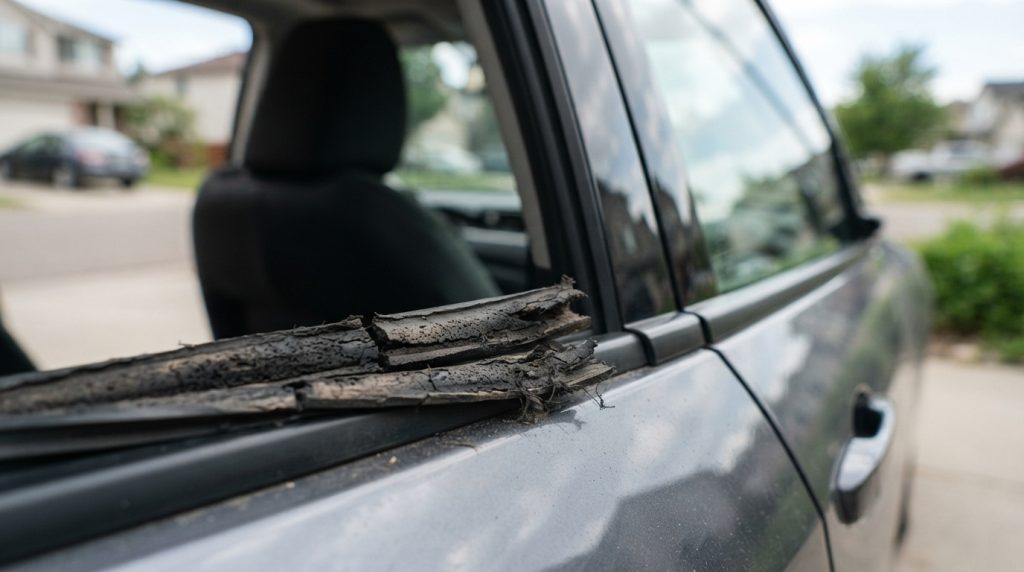
A minor, localized issue may allow a limited repair, while extensive deterioration calls for replacement. Small damage is different from rubber that has split, shrunk, or badly worn away.
A shrunken or split seal is not reliably restored by simply reusing it. Old rubber can shrink after drying and leave a gap that lets water in, even if the loose edge appears to sit in place.
When a limited repair may be considered
If one small section has come loose and the rest remains in good shape, a limited repair may be possible. First inspect the full area, rather than fixing only the spot you noticed. A nearby section may show the same wear.
How hard is it to replace window seals? The work depends on the seal’s location, access, and fitment. Some jobs may be manageable for a careful DIY repair, while other positions can be difficult to reach or fit correctly.
Before DIY work, make these three checks:
- Inspect the full seal for splits or shrinkage.
- Confirm the replacement profile and fitment.
- Follow the part maker’s installation instructions.
When replacement is the safer choice
Replacement is the safer choice when rubber has split, shrunk, or badly deteriorated. Reusing old material may leave a leak risk, since the seal may no longer meet the glass or body along its full edge.
Do not assume every car window rubber seal replacement is a simple DIY task. A fixed-glass seal or a hard-to-access area may require extra care. Forcing a part into place can leave it poorly seated.
Check that the replacement profile matches the old part and the vehicle application. A strip that looks close may still have a different shape or location. Follow the maker’s steps rather than guessing at the fit.
If you cannot tell whether the problem is limited or widespread, an assessment can help define the repair before you commit to a part or a DIY attempt.
What Happens During Professional Seal Replacement?
If a leak remains after you check the visible edge of the window, the cause may be less obvious than the rubber you can see. A clear diagnosis helps separate a weatherstrip concern from glass damage or another nearby component.
Ask the provider to identify the part involved and confirm that the replacement matches your vehicle and window position. A vehicle-specific assessment is more useful than a guess based only on a symptom.
Ask whether the issue involves the weatherstrip, the glass, or another part near the window. If the cause is unclear, ask what the inspection can show before agreeing to a repair.
Have the provider confirm that the proposed part fits your vehicle and the exact window position. A seal for moving glass may differ from one used around fixed glass. The part name alone does not confirm the fit.
Ask what the quote includes. Find out whether it covers parts, labor, or both, and whether any other charges apply. That makes it easier to compare estimates for the same repair.
No standard labor price or guaranteed repair time is available. The location of the seal, access, and fitment can affect the job. Request a vehicle-specific assessment instead of relying on a general figure.
If you contact a glass business, describe the damage you can see and the place where water or noise appears. Ask whether the provider can assess that concern before booking work.
A professional may find that the problem is not a seal at all. Glass damage needs its own assessment, while an add-on product serves a different purpose from ordinary window weatherstripping.
A vent visor can deflect rain around an open window, but it does not close the gap around closed glass. That distinction can help you choose the right product for the problem.
Are Window Seals the Same as Rain Guards?
A rain guard and a window weather seal are different products. One closes a gap around the glass; the other helps deflect rain when you open the window a little.
A vent visor does not replace a damaged seal. It can reduce wind buffeting with the window partly open and let hot cabin air escape while parked, but it cannot seal closed glass against the vehicle.
What a weather seal does
Window weatherstrip closes gaps around the glass when the window is shut. It helps limit water, debris, and outside noise entering the cabin. If the seal is damaged, adding a visor does not repair it.
What a vent visor adds
A vent visor, also called a rain guard, fits above a side window. It can deflect rain, snow, or road spray when you crack the glass for fresh air. With the window partly open, it may also reduce wind buffeting.
A visor can help hot cabin air escape while the vehicle is parked with a window slightly open. Its use depends on the weather and how far you open the glass. It does not protect an open window from every kind of water entry.
| Product | When it helps | What it does not replace | Installation consideration |
|---|---|---|---|
| Window weather seal | When closed glass needs a sealed edge | A vent visor | Match the seal to its location |
| In-channel vent visor | When you crack the window for air | A damaged weather seal | Check the maker’s fit instructions |
| Exterior-mount vent visor | When you want rain deflection above glass | A damaged weather seal | Use a clean, degreased surface |
Exterior-mount visors use adhesive. Clean and degrease the surface before installation, and follow the maker’s instructions for how long to keep windows closed while the adhesive sets. There is no single cure time for every product.
In-channel and exterior-mount visors attach in different ways, so read the instructions for the exact product. Neither style can take the place of a weatherstrip that no longer closes the gap.
Once you know whether you need a seal or help with damaged glass, you can contact a local provider with a clearer description of the problem.
Where Can You Get Local Glass Help?
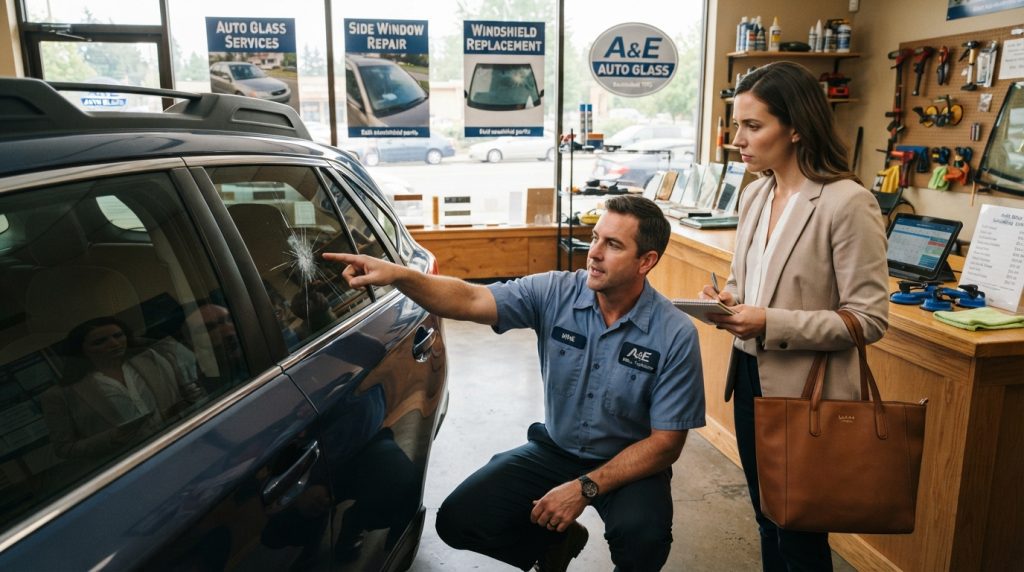
A local glass provider can help tell you whether your concern involves glass damage or a separate weatherstrip issue. Start by describing what you see and asking what the provider can assess.
Miracle Auto Glass is located at Bandera Rd & Grissom and can be reached at (210) 680-2551. Call about windshield or other glass damage; do not assume the business replaces side-window seals.
If you search for “car window weather seal nearby” or “car window weather seal near me,” check that the business handles the kind of issue you have. A glass provider may assess glass damage, while a weatherstrip concern may need a different service.
When you contact any provider, ask these three questions:
- What glass issue can you assess?
- What vehicle details do you need?
- What does the estimate include?
Share the vehicle year, make, model, and window location when you call. Those details can help the provider decide what information is needed for an assessment.
If the visible concern is a chip, crack, or other glass damage, ask whether the shop can assess it. For a suspected weatherstrip issue, ask clearly whether that work falls within its services.
Miracle Auto Glass can be contacted about windshield or other glass damage. Calling does not confirm that a side-window seal replacement is available, so describe the concern and ask what service the business can provide.
A clear description and a focused estimate request can help you choose where to go next. Address persistent water entry or new noise with the right kind of inspection.
Conclusion
A persistent leak or new wind noise is a reason to have the cause checked. Acting early can help limit moisture that may lead to more interior problems.
Match any replacement part to the exact vehicle and window location. A similar-looking strip may not fit, and a vent visor cannot replace a worn weather seal.
If you have glass damage, contact a provider that can assess it. Hire Miracle Auto Glass to fix your windshield or other glass damage.
FAQ
What is the weather stripping around a car window called?
The weather stripping around a car window is commonly called a window weatherstrip or window weather seal. It closes gaps around the glass and helps block outside elements. A vent visor is a different product fitted above a side window. It can deflect rain when the window is partly open, but it does not replace the weatherstrip.
How do I fix weather stripping on my car window?
Inspect the full weatherstrip for a loose edge, splits, or shrinkage, then confirm the correct replacement profile. Follow the part maker’s installation instructions for that product and window location. A small, localized issue may allow limited repair, but badly worn rubber may not hold a repair. Extensive deterioration usually calls for replacement rather than reuse.
How much does it cost to replace a car window rubber seal?
Listed example parts cost $19.99-$154.99, but those prices do not include installation. Fitment varies by vehicle and window location, so the least expensive listing may not suit your car. Ask for a quote that names the correct part and states whether labor and other charges are included.
Can I replace car window seals myself?
Yes, DIY replacement may work when the seal is easy to reach and the part fit is clear. Difficulty depends on the seal’s location, access, and profile. Fixed-glass seals or hard-to-reach areas may need professional assessment. Use the maker’s installation instructions and avoid forcing a part that does not sit correctly.
How much does it cost to have window seals replaced?
The total price depends on the part, labor, and any other charges for your vehicle. Example prices of $19.99-$154.99 cover parts only, and no labor prices are listed. Request a vehicle-specific installed quote that identifies the window location and says what the estimate includes.
Can you fix a window seal without replacing it?
A minor, localized issue may allow a limited repair, but shrunken or split rubber can keep leaking. Old rubber may shrink after drying, leaving a gap even if you try to reuse it. Inspect the full seal before choosing a repair. Extensive wear usually makes replacement the safer choice.
How expensive is it to fix a window seal?
Example part prices range from $19.99 to $154.99, but that range does not show the total repair cost. The right part depends on your vehicle and the window position. Labor and other charges also affect the full price, so ask for an installed quote based on your car.
How often do window seals need to be replaced?
There is no fixed replacement interval for window seals. Inspect them when you notice splits, shrinkage, leaks, or a clear increase in wind noise. Age and use can wear a seal, while vehicle damage can affect its fit. Have the cause checked if you cannot tell which part needs attention.
At Miracle Auto Glass, we help you understand the right care for your vehicle. We think that caring for your car now saves you money later. Using these windshield maintenance tips ensures your car stays reliable for a long time.
Small steps today protect your investment and keep your family safe. Let us show you the key practices every driver should know for a safer, clearer drive.
Key Takeaways
- Prioritize regular cleaning to prevent debris buildup.
- Address small chips immediately to avoid larger cracks.
- Use high-quality wiper blades to protect glass surfaces.
- Avoid extreme temperature changes to prevent stress fractures.
- Trust professional experts for long-term vehicle reliability.
Importance of Windshield Maintenance
When you think about car care, you might think of oil changes and tires. But your windshield needs just as much attention. By following windshield maintenance tips, you can make your glass last longer and stay safe. Regular care keeps your car in great shape for every trip.
Understanding Your Windshield’s Role
Your windshield does more than just keep out the weather. It’s a critical safety component that helps hold your car together. In a crash, it keeps the roof from caving in.
Also, the windshield supports your airbag. If it’s damaged, the airbag might not work right. This could be very dangerous for you and your passengers.
Common Risks of Neglecting Maintenance
Ignoring small chips or cracks is risky. Miracle Auto Glass says even a small flaw can weaken the whole glass. Changes in temperature and road bumps can make these small problems spread fast.
Not taking care of your windshield can lead to a complete failure. A weak windshield might break, causing expensive repairs or making driving unsafe. Fixing problems early helps avoid these dangers and keeps your car safe to drive.
Regular Inspection Recommendations
Regular visual checks can greatly extend your windshield’s life. Most auto glass lasts eight to ten years before needing a full replacement. By following windshield maintenance tips, you can catch small issues before they become big problems.
When to Check for Damage
Miracle Auto Glass advises frequent checks to keep your glass clear. Look for damage after driving on gravel roads or through construction zones. Also, check after being in extreme weather conditions like heavy hail or sudden temperature changes.
Make it a habit to inspect your glass every time you fill up. This simple check can help you spot problems early. Here’s a table showing when to inspect your windshield:
| Trigger Event | Inspection Priority | Action Required |
|---|---|---|
| Gravel Road Travel | High | Check for surface pits |
| Extreme Temperature | Medium | Look for stress cracks |
| Routine Fuel Stop | Low | General visual sweep |
| Heavy Storm/Hail | High | Inspect for impact points |
How to Spot Chips and Cracks
Knowing how to spot damage early is important. Look for small “bullseyes” or star-shaped marks from rock strikes. These can quickly turn into long cracks if ignored.
Check the edges of your glass for stress fractures. If you see distortion or spider-webbing, get professional help. By following these windshield maintenance tips, you can keep your vehicle safe and avoid expensive repairs.
Basic Cleaning Techniques
To see clearly through your windshield, you need more than a quick wipe. Proper windshield care means using the right tools and methods. This keeps your glass safe for years.
Safe Products for Cleaning Glass
Choosing the right cleaner is key. Miracle Auto Glass advises using ammonia-free cleaners for glass. Household cleaners with ammonia can harm your vehicle over time.
Ammonia can dry out plastic, rubber, vinyl, and leather. This can cause them to crack or change color. Always check the label to make sure it’s safe for tinted windows and rubber seals.
Tips for Streak-Free Results
For a streak-free finish, use the right materials. High-quality microfiber cloths are better than rags or paper towels. Microfiber won’t leave lint or scratches.
Clean in a shaded area to prevent the solution from drying too fast. Spray the cleaner on your cloth, not the glass. Use a circular motion to clean, then wipe vertically or horizontally for a perfectly clear finish.
Regular windshield care improves your view and extends wiper blade life. Avoid harsh chemicals and use the right tools to keep your glass system in good shape.
Proper Wiper Blade Maintenance
Proper care of wiper blades is key to good windshield care. These parts are often ignored but are vital for clear vision in bad weather. Miracle Auto Glass advises regular checks to avoid damage to your glass.
Keeping your blades clean can make them last longer. Just pinch the rubber with a damp cloth and slide it down the blade. This removes dirt and prevents scratches, ensuring a smooth wipe.
Signs It’s Time to Replace Wipers
Rubber wears out over time due to sun and friction. Look for visible signs of wear to know when to replace them. Here are some common signs:
- Streaking: If water lines appear on your windshield.
- Squeaking: Noise means the rubber is hard or cracked.
- Split Rubber: Check for tears or separation from the frame.
- Chattering: If the blade skips instead of gliding smoothly.
How to Install Wiper Blades Correctly
Replacing wiper blades is easy to do at home. Doing it right ensures they work well as part of your windshield care routine.
- Lift the wiper arm until it locks upright.
- Press the small tab on the underside of the blade connector to release the old unit.
- Slide the old blade off and set it aside carefully.
- Put the new blade on the arm until you hear a click to know it’s locked.
- Lower the arm gently onto the glass to avoid damage.
Protecting Against Weather Damage

Keeping your car safe from the weather is important for windshield care. Extreme temperatures can cause invisible stress on your glass, leading to cracks. Simple steps can help keep your vehicle’s glass safe through the seasons.
How UV Rays Affect Your Windshield
UV rays do more than just warm up your car. They can weaken your glass and damage the sealants. Miracle Auto Glass advises parking in the shade to avoid rapid glass expansion and contraction.
Using a sunshade is also a good idea. It keeps your dashboard cool and reduces stress on your windshield. Good windshield care in summer can make your glass last longer.
Winter Tips for Ice and Snow
Winter brings its own dangers, like thermal shock. Pouring hot water on a frozen windshield can cause it to shatter.
Here are some tips to keep your glass safe in cold weather:
- Never use boiling water to clear ice, as it can cause cracks.
- Use a plastic ice scraper or a de-icing spray made for car glass.
- Clear snow from your car to prevent it from sliding onto your windshield.
- Let your car warm up slowly with the defroster to avoid sudden stress.
By following these tips, you can keep your windshield care top-notch even in harsh weather. Remember, regular maintenance is cheaper than replacing your windshield. If you find small chips, call Miracle Auto Glass for a check-up.
Choosing the Right Glass Cleaner
Choosing the right cleaner is key to keeping your windshield in top shape. The right products help keep your windshield clear and prevent cracks. Miracle Auto Glass says the tools you use are as important as the cleaner itself.
Comparing Commercial vs. DIY Cleaners
Many drivers ask if homemade vinegar is enough for their windshield. While vinegar can clean light dust, it lacks the special ingredients in professional cleaners. High-quality, glass-specific cleaners remove tough grime without leaving streaks.
For the best results, use a low-pile waffle weave microfiber towel with your cleaner. This cloth prevents lint and ensures a clean finish. Keeping your windshield clean is a simple way to prevent cracks.
Ingredients to Avoid
Not all cleaners are safe for your car windows. Miracle Auto Glass warns against using cleaners with ammonia. Ammonia can damage your windshield’s coatings and harm other parts of your car.
Staying away from harsh chemicals like ammonia is important. Using the right supplies helps keep your windshield safe and clear for a long time.
| Cleaning Factor | Commercial Glass Cleaner | DIY Vinegar Solution |
|---|---|---|
| Ammonia Content | Usually Ammonia-Free | None |
| Streak Resistance | High | Moderate |
| Coating Safety | Safe for Tint/Coatings | May Strip Coatings |
| Best Tool | Waffle Weave Towel | Standard Microfiber |
The Benefits of Professional Inspections
You might think your windshield looks fine, but hidden damage can be there. Even if it seems clear, microscopic fractures or weak spots can be a safety risk. Getting a professional check-up keeps your car in top shape.
At Miracle Auto Glass, our certified techs do deep checks to find hidden problems. They spot issues that regular drivers can’t see. This is key for stopping cracks and keeping your car safe.
What to Expect During an Inspection
Our team looks at spots often missed during a check. They check the glass behind your rearview mirror and near your driver-assistance sensors.
Our experts use special tools to find stress points that could cause problems later. Finding these early helps avoid expensive fixes and ensures your glass meets rigorous safety standards.
How Often Should You Schedule One?
We suggest getting a check-up every six months or with your oil change. Regular checks are the best way to prevent cracks, which is important if you drive on rough roads.
Staying regular with these visits gives you peace of mind and keeps your car safe. A little time now can save you a lot of money later.
| Feature | DIY Check | Professional Inspection |
|---|---|---|
| Hidden Damage Detection | Limited | Comprehensive |
| Sensor Calibration | Not Possible | Included |
| Safety Certification | None | Verified |
| Crack Prevention | Reactive | Proactive |
Addressing Common Windshield Issues
Finding a small chip on your windshield can be scary. It might seem like a small problem, but it’s important to act fast. Miracle Auto Glass says to fix these issues right away to keep your glass safe and clear.
How to Handle Small Chips
When you see a chip, cover it with clear tape to keep it clean. This helps until you can get it fixed by a pro. Acting fast can save you from a big repair bill.
Here’s how to handle it:
- Clean the chip with a soft cloth to remove any glass pieces.
- Don’t use harsh chemicals that could get into the chip.
- Make an appointment with Miracle Auto Glass quickly.
- Keep your car in the shade to avoid temperature damage.
The Dangers of Delaying Repairs
Many think a small chip won’t get worse. But, vibrations and temperature changes can make it spread fast. This can turn a simple fix into a big crack prevention job.
Your windshield is key to your car’s safety in an accident. Ignoring small damage can risk your safety. Fixing a small chip early is cheaper than replacing the whole windshield.
The Impact of Road Conditions
The environment you drive in daily affects your windshield’s condition. Many drivers focus on engine performance, but vehicle maintenance also includes watching external threats. Your surroundings greatly influence how long your windshield stays chip-free and crack-free.
How Potholes and Rough Roads Affect Your Glass
Driving over potholes and uneven pavement causes intense vibrations. These vibrations can stress the glass, making small imperfections worse. Over time, this stress can turn a small chip into a dangerous crack.
Rough roads also kick up loose gravel and debris. When these small stones hit your windshield at high speeds, they can cause permanent damage. Proper vehicle maintenance means seeing these road hazards as threats to your safety.
Strategies for Safe Driving on Poor Roads
Adjusting your driving habits can protect your glass on damaged surfaces. One effective way is to keep a generous following distance from other cars. Miracle Auto Glass advises staying far back when driving behind trucks or construction vehicles.
These large vehicles often carry loose debris that can hit your windshield hard. By keeping your distance, you have more time to react to hazards. Being proactive and alert to your surroundings helps avoid expensive repairs.
Dealing with Windshield Replacement

Knowing when to replace your windshield is key to keeping your car in good shape. Minor chips can usually be fixed, but big damage can harm your car’s structure. If your car’s safety is at risk, getting help from Miracle Auto Glass is a smart move.
Signs You Need a New Windshield
If damage is in your line of sight, it’s time for a new windshield. Even small chips can make driving hard and cause glare. Always put safety first when checking glass damage.
Cracks that reach the edge of the glass are a big problem. They can make the whole pane weak. If you see spiderweb patterns or deep gouges, you need a new windshield fast. This keeps your car in top shape.
Steps in the Replacement Process
Replacing a windshield is a job for experts. First, they take out the old seals and glass without damaging your car. This step is important to avoid leaks or weak spots later.
Then, they clean the frame well to get rid of old stuff. They use special adhesive to make sure the new windshield fits perfectly and doesn’t leak. This careful work makes sure your new windshield is safe and strong.
| Damage Type | Repair Possible | Replacement Needed |
|---|---|---|
| Small surface chip | Yes | No |
| Crack over 6 inches | No | Yes |
| Damage in sightline | No | Yes |
| Edge-to-edge crack | No | Yes |
By following these steps, you keep your car in top condition. Getting help from experts for your glass needs means you can drive safely and worry-free.
Understanding Auto Glass Insurance Claims
Handling auto glass insurance claims is key to keeping your vehicle in top shape. It might seem tough, but with a solid plan, you can get your car fixed quickly and easily. Miracle Auto Glass is here to help you through every step, making sure your claim is processed right.
How to File a Claim for Windshield Damage
Start by documenting the damage right away. Take clear photos of the damage and call your insurance to check your policy. Many insurers want you to use approved repair shops for easier billing.
After getting your claim number, contact Miracle Auto Glass. We help with the paperwork, keeping your vehicle maintenance records up to date. Our team will talk to your insurance to confirm coverage and speed up your repair.
What You Need to Know About Your Coverage
Before a problem arises, know what your policy covers. Some plans cover full windshield replacement without a deductible, while others might charge for small fixes. Knowing this helps you plan your vehicle maintenance budget better.
Remember, federal laws set rules for glass safety. Windshields can’t have damage over three-quarters of an inch to be safe on the road. If your damage is bigger, you’ll likely need a full replacement. Miracle Auto Glass can tell you if a simple fix or full replacement is needed under your insurance.
DIY Repairs vs. Professional Help
Knowing when to use home repair kits is key for your car’s safety. It’s tempting to fix small chips yourself. But, knowing when to call a pro is part of good vehicle maintenance.
When Are DIY Repairs Appropriate?
DIY kits work for very small, non-obstructive chips. If the damage is smaller than a quarter and not in the driver’s line of sight, a basic kit might help. But, these kits are not a lasting fix for your car’s structure.
DIY kits are okay if you’re patient and good at following instructions. But, they’re meant to be a temporary fix until a pro can make a lasting repair.
Risks of DIY Solutions
The main problem with home kits is the resin quality. Shops like Miracle Auto Glass use better, stronger resins than what you find in DIY kits.
DIY kits can lead to air bubbles or uneven surfaces. These can cause the glass to break under stress, turning a small chip into a big, dangerous crack. Getting a pro to fix your windshield ensures it’s strong and clear again.
| Feature | DIY Kit | Professional Service |
|---|---|---|
| Resin Quality | Basic/Consumer | Industrial/High-Grade |
| Durability | Short-term | Permanent |
| Safety Guarantee | None | Certified Standards |
| Cost | Low | Moderate |
Choosing professional help is important for your vehicle maintenance. It avoids the risks of DIY fixes and keeps your windshield in great shape.
Maintaining Your Vehicle’s Glass System
Many drivers forget about side and rear window care in their vehicle maintenance routine. While the windshield gets most of the attention, your entire glass system is key for safety and comfort. Miracle Auto Glass suggests treating every window as a critical part of your car.
Importance of Side and Rear Windows
Side and rear windows are made of tempered glass. This glass breaks into small pieces when hit hard, unlike the laminated glass in windshields. This design helps prevent injuries from sharp glass shards.
Because of their special makeup, these windows need different care. Keeping them clean ensures clear blind spots and protects your car from the weather. Taking care of these areas is a simple step that greatly improves your safety.
Tips for Keeping All Auto Glass in Shape
Regular care for all glass surfaces makes driving safer and more enjoyable. Check your windows often for wear or debris that could block your view. A structured care routine keeps your glass clear and sharp.
Here are key practices for maintaining your glass:
- Clean all windows weekly to remove road grime and salt.
- Check window seals for cracks or gaps that might allow moisture inside.
- Use soft, microfiber cloths to prevent micro-scratches on the glass surface.
- Test your power window mechanisms to ensure they operate smoothly without grinding.
The table below shows the care needs for your vehicle’s glass components:
| Glass Type | Primary Material | Maintenance Focus |
|---|---|---|
| Windshield | Laminated | Chip and crack repair |
| Side/Rear | Tempered | Seal integrity and cleaning |
By adding these habits to your vehicle maintenance routine, you protect your investment and ensure clear visibility. If you face ongoing issues with your side or rear windows, contact Miracle Auto Glass for expert advice.
The Role of Temperature Changes
Extreme temperature changes can turn a small chip into a big safety risk. When your car is in the sun or gets cold at night, the glass gets stressed. Knowing how these changes affect your windshield is key to vehicle maintenance.
How Hot and Cold Weather Affects Glass
Glass expands when it’s hot and shrinks when it’s cold. This rapid change causes thermal stress on the windshield. If there’s already a chip or crack, it can spread fast.
In areas with extreme weather, this stress happens every day. The constant stress weakens the glass. This is why many drivers see new cracks after a sudden heatwave or cold snap.
Preventative Tips for Extreme Temperatures
Miracle Auto Glass advises letting your car warm up or cool down slowly. Don’t turn on the defroster full blast right away on a cold morning. Let the cabin heat up slowly to protect the glass.
Regular vehicle maintenance helps avoid expensive repairs. By managing your car’s response to the weather, you can make your auto glass last longer. Follow the tips in the table below to keep your vehicle safe.
| Condition | Risk Level | Recommended Action |
|---|---|---|
| Sudden Heat | High | Park in shade and use sunshades |
| Rapid Cooling | High | Use gradual defroster settings |
| Minor Chips | Critical | Repair immediately to prevent spreading |
| Stable Climate | Low | Routine inspection and cleaning |
When to Contact Miracle Auto Glass
Keeping your car in good shape is key. Regular vehicle maintenance keeps you safe and your car running well for a long time.
If you see damage that blocks your view, call Miracle Auto Glass. Small chips can turn into big cracks that weaken your windshield. Our experts ensure your repairs are safe and done right.
Signs You Need Professional Help
Watch for deep pits or spiderweb patterns on your glass. These need quick action to avoid more damage. If your wipers scratch your windshield or water leaks inside, call us fast.
Our team fixes small chips and replaces windshields too. We focus on your safety with quality materials and careful installation. Contact Miracle Auto Glass today for service and clear views on the road.
FAQ
What are the most important windshield care tips every driver should know?
Start with regular checks and the right tools. Miracle Auto Glass advises avoiding harsh chemicals. Also, keep your wiper blades in good shape to avoid scratches and ensure a clear view.
Why is consistent vehicle maintenance for my glass so critical for safety?
Your windshield is key to safety. It protects passengers and keeps the roof from collapsing in an accident. Neglecting it can lead to serious safety risks, as even small chips can weaken the cabin.
How often should I check my glass for damage to ensure crack prevention?
Check your glass often, after driving on gravel or in extreme weather. Early detection helps prevent cracks. This way, you can fix small issues before they become big problems.
What is the best way to clean my windshield for a streak-free finish?
Use a high-quality, ammonia-free cleaner and a clean microfiber towel. Apply the cleaner to the cloth, not the glass. This protects your car’s interior and seals from damage.
How do I know if my wiper blades are damaging my windshield?
Look for cracked or split rubber, or listen for squeaks. If blades leave streaks or skip, they’re damaging your windshield.
How does extreme weather affect the longevity of my auto glass?
UV rays can damage seals, and cold makes glass brittle. Use sunshades in summer and avoid hot water to de-ice. This prevents sudden glass breakage.
Why should I avoid using household glass cleaners on my vehicle?
Household cleaners often have ammonia, which harms tint films and rubber gaskets. Use a dedicated automotive glass cleaner for proper care and preservation.
What happens during a professional glass inspection at Miracle Auto Glass?
Certified experts check chips and seals during inspections. These checks help find hidden issues and ensure your safety.
Is it really dangerous to delay the repair of a small rock chip?
Yes, a small chip can spread due to vibrations or temperature changes. Fixing it quickly prevents bigger problems and saves money.
How do road conditions like potholes impact my windshield’s health?
Potholes and rough roads cause vibrations that can spread chips. Drive safely to avoid damage from flying debris.
What are the signs that I need a full windshield replacement instead of a repair?
If a crack is long, in your line of sight, or near the edge, you need a new windshield. Miracle Auto Glass ensures a proper replacement.
Can Miracle Auto Glass help me with my insurance claim for glass damage?
Yes, Miracle Auto Glass can help with your claim. Knowing your policy details helps you handle damage smoothly.
Why are DIY repair kits considered risky compared to professional service?
DIY kits lack the tools needed for a lasting fix. Miracle Auto Glass warns that DIY repairs can fail, making a windshield unrepairable.
Why should I pay attention to my side and rear windows as well?
Keeping all glass surfaces in good condition is key for safety. Side and rear windows help with blind spots and reversing, so they need regular checks.
How can I prevent my windshield from cracking during rapid temperature changes?
Allow your car to warm up or cool down slowly. Use the defroster or air conditioner on low to avoid sudden temperature changes.
When is the right time to contact Miracle Auto Glass for professional help?
Contact Miracle Auto Glass at the first sign of damage. Quick action ensures your vehicle stays safe and in good condition.
The slant of your windshield lets direct sun into the cabin, so rays hit more glass and the interior ages faster. Over months and years you may notice visibility changes, fading trim, and hotter drives. This buyer’s guide helps you understand how sun and rays cause gradual damage and how to compare today’s practical windshield UV protection options.
We’ll explain the difference between nearly clear window film that blocks nearly 99% of UV and exterior protection film that shields against road debris while keeping optical clarity.
You’ll get real-world guidance for daily commuting, long highway miles, hot summers, and winter glare. We’ll evaluate optical clarity, UV blocking, scratch and impact resistance, visibility in bad weather, warranty, legality, and installation quality.
When you want local expertise to protect or repair your vehicle glass, trust a pro like Miracle Auto Glass — and consider hiring them to fix your windshield or other glass damage.
Key Takeaways
- Direct sun and angled glass increase long‑term damage risk to your car’s glass.
- Nearly clear window films block most UV without a dark look; exterior film adds physical defense.
- Watch for slow signs: visibility loss, interior wear, and comfort changes.
- Compare clarity, blocking, scratch/impact resistance, warranty, and legality.
- Making a preventive choice saves on costly modern glass replacements later.
- For professional installation or repairs, contact Miracle Auto Glass.
Why UV Rays Are a Real Threat to Your Windshield and Vehicle Glass
A steeply raked front glass can act like a lens, pushing strong sunlight deep into your cabin.
How sunlight enters:
The angled glass in front of you funnels light toward the driver and front passenger. That focused beam reaches your eyes, skin, and dash even when side windows seem shaded.
What long-term wear looks like
Over time you may see seals dry, trim crack, and color fade where the sun hits most. These effects hurt the look and function of interior materials and nearby surfaces.
Glare, eye strain, and driving impact
Scattered light from bright angles and reflective roads increases glare and eye fatigue. When you squint or look away, reaction time and comfort suffer on long drives.
- Sunlight funnel: angled glass channels more energy toward the front cabin.
- Year‑round risk: strong rays occur in all seasons and at altitude.
- Visible damage: fading, dried seals, and stressed trim appear first.
Next step: consider both filtering for comfort and a durable shield against chips, since each approach targets different needs.
What UV Damage Means for Your Safety, Visibility, and Driving Comfort
Bright sunlight can wash out your view in seconds, turning a clear road into a glare-filled hazard.
Glare reduction for a clearer view of the road
Glare is more than an annoyance. It lowers visibility and hides lane markings, pedestrians, and other vehicles when you move from shade into bright sun.
That sudden loss of contrast directly affects safety. Reducing glare helps you spot small hazards sooner and keeps drivers confident in bright conditions.
Heat buildup and cabin comfort
Your parked vehicle acts like a greenhouse under the sun. Interior temperatures rise fast, which forces higher A/C use and longer cooldown times.
This extra heat makes trips uncomfortable and tires passengers, especially children in back seats. Less comfort means more distraction and more fatigue for you on long drives.
- Eye fatigue: constant squinting wears you down on commutes and long trips.
- Daily cost: more A/C means higher fuel or battery use and slower comfort recovery.
- Comfort → safety: when you’re cooler and less tired, you drive better.
| Issue | How it affects you | What film types address |
|---|---|---|
| Glare | Reduces contrast and hides hazards | Anti-glare/low-reflective films |
| Heat | Raises cabin temps, increases A/C use | Solar films that lower heat gain |
| Eye fatigue | Makes long drives more tiring | High visible light transmission films |
Next: different film options balance glare, heat, and glass defense in different ways—so choose based on how you drive and who rides with you.
Windshield UV protection Options You Can Buy Today
Modern film options let you choose whether to block rays, stop chips, or do both without changing how your view looks.
Exterior-applied, optically clear protection film
Protection film applied to the outside surface acts as a sacrificial layer. It stays clear while resisting rock chips, wiper wear, and small abrasions.
Nearly clear window film and solar tint
Nearly clear interior film and high-VLT tint focus on filtering harmful light while keeping a lighter appearance than dark tint. Some products claim up to 99.9% blocking.
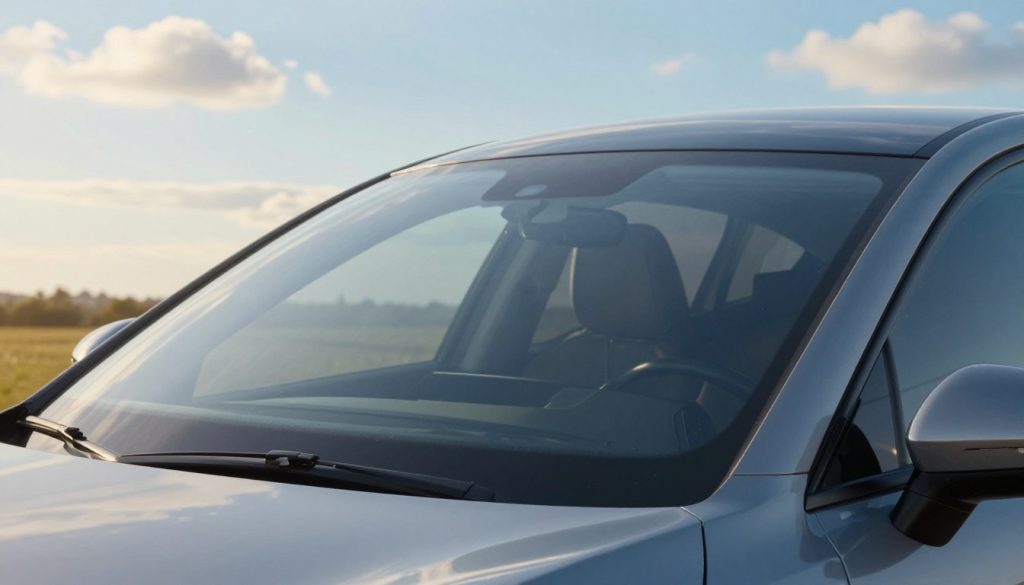
When to combine options
For many drivers you get the best results by pairing an exterior protection film on the front glass with window tint on side and rear windows. That gives both physical defense and reduced passenger exposure.
- Match to need: choose filtration if you worry about sun exposure; choose exterior film if chips and scratches are your main concern.
- Buyer factors: consider climate, highway miles, outdoor parking, and whether you prefer a nearly clear look or darker tint.
- Quality matters: premium products and professional installation reduce distortion, haze, and early failure.
| Product Type | Main Benefit | Best Use |
|---|---|---|
| Exterior protection film | Impact and scratch resistance | Highway drivers, gravel roads |
| Nearly clear window film | High UV filtering, light look | Parked vehicles, family cars |
| Combined approach | Physical + filtering | Full‑vehicle defense and comfort |
Windshield Protection Film: What It Is and What It Protects Against
A clear, exterior film acts as a first line of defense for your front view. It is a thin, optically clear layer applied to the outside of your windshield glass to take the abuse your glass would otherwise absorb.
Impact resistance for chips and pitting
Film reduces direct damage from rocks and gravel. The layer absorbs and spreads impact energy, which helps prevent chips, cracks, and surface pitting from everyday debris.
Scratch resistance from wipers and wear
A durable top coat resists micro‑scratches from wipers and routine abrasions. That resistance keeps clarity high and slows the haze that develops over time.
Better visibility in wet and wintry weather
Because the surface is smoother, water and snow run off faster. You keep a clearer field of view during rain or light sleet. Frost also lifts more easily, though you should still use care with scrapers to avoid damaging the film.
Added safety in collisions
In crashes the film helps hold broken glass fragments in place. That added safety reduces flying shards and can protect you and passengers in the event of a break.
- High optical clarity is essential: choose products that do not distort your view.
- Longevity varies: harsh salt, gravel, and heavy highway use affect life span—check warranties and care guidance.
| Benefit | What it helps prevent | Buyer note |
|---|---|---|
| Impact resistance | Chips, pitting | Best for high‑mile highways |
| Scratch resistance | Wiper haze | Choose durable top coat |
| Weather visibility | Rain, snow, frost | Smoother surface = faster runoff |
UV Window Film and Tint: Benefits Beyond the Windshield
A side and rear window strategy helps you manage sun where it matters most for daily driving.
Extend coverage: film and tint apply to the windows that light your cabin at morning and evening angles. They reduce glare and help block up to 99–99.9% of harmful rays, which can protect your passengers and cut long-term exposure.
Nearly clear film lets you keep high visible light transmission while still blocking most radiation. Darker tint offers more shading but isn’t the only way to block damaging light.
Vehicle interior preservation: consistent blocking helps slow fading and cracking in leather, vinyl, and trim. That keeps your vehicle interior looking newer and can reduce replacement or repair costs.
Heat and comfort: some films advertise heat rejection that lowers cabin peak temps. That can ease A/C load, shorten cool‑down times, and make rides more comfortable on hot days.
Compare specs—UV rejection, VLT, and heat rejection—and choose reputable film brands rather than the cheapest option.
| Feature | What it does | When to choose |
|---|---|---|
| High‑block film (nearly clear) | Blocks ~99–99.9% radiation, keeps clarity | Family cars, daytime city driving |
| Dark tint | Reduces glare and visible brightness | Drivers wanting added shading and privacy |
| Heat‑rejecting film | Lowers cabin temperature and A/C use | Hot climates, long parked periods |
Cost, Value, and Resale: How Protection Can Pay Off Over Time
When rocks strike on highways, the right film can mean the difference between a quick fix and a costly replacement.
Lower repair frequency, lower long‑term cost
Films reduce chip and crack frequency. By taking the brunt of impacts, they make a glass break far less likely and cut repeat repair trips.
Why modern glass replacements are pricier
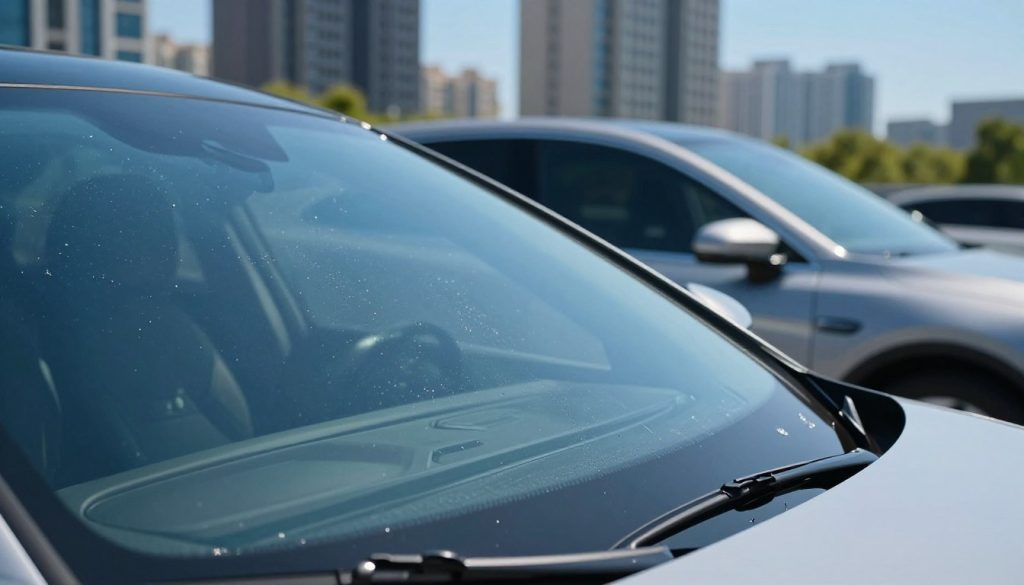
Many newer vehicles include ADAS sensors. Replacing that glass often costs about $1,500 and may require recalibration.
Value when you sell or trade
A clearer interior and well‑kept glass signal good care. That can boost resale value and make trades smoother.
| Factor | Typical cost or benefit | Who gains most |
|---|---|---|
| Film investment | $200–$800 depending on product and install | Commuters, family vehicles |
| Average replacement | ~$1,500 for ADAS‑equipped replacements | Owners of modern cars with sensors |
| Resale advantage | Higher perceived care, fewer interior repairs | Private sellers, trade‑ins |
- Choose quality: clear warranties and proven durability protect your investment.
- Real ROI: highway drivers, gravel roads, and fleets see the fastest payoff.
Choosing the Right Product for Your Vehicle and Your Driving Conditions
Start by matching the product to how and where you drive most each week.
Decision framework: list your typical miles and road types first — highway speeds, gravel or salt roads, or urban stop‑and‑go. That simple step guides whether a durable exterior layer or a high‑filter interior film fits best.
Best fits by driving style
Commuters and highway drivers should favor windshield protection film for impact resistance at speed.
Harsh elements like salt, sand, and gravel call for heavy‑duty coatings and clear warranty terms.
Who benefits most
Family SUVs gain comfort and longevity. RVs and off‑road vehicles need film for large, flat glass that’s costly to replace. Fleets value less downtime and consistent repair savings.
What to look for
- Optical clarity and low distortion.
- Durable, scratch‑resistant coatings.
- Clear warranty against yellowing, peeling, and cracking.
- Installer experience with ADAS sensors and camera fitment.
| Need | Recommended product | Why it matters |
|---|---|---|
| High‑speed highway | Windshield protection film | Reduces chips and costly replacements |
| Salt/gravel roads | Heavy‑duty exterior film | Resists abrasion and chemical wear |
| Interior comfort | High‑block window film | Lowers glare and heat for passengers |
| ADAS‑equipped vehicles | Optically clear, low‑distortion film | Preserves sensor accuracy and resale value |
For more on how sun affects your windshield over time, see how sun affects your windshield.
Installation, Legality, and Care Tips for Long-Lasting Results
A flawless install makes the difference between a nearly invisible film and one that bubbles, peels, or distorts your view.
Why professional fit matters
Pros get the fit right: technicians measure precisely, thermally form film to match glass curves, and install in near‑dust conditions. That reduces distortion and early edge failure.
Skilled finishing hides seams and keeps optical clarity high. Many reputable films carry warranties against bubbling, peeling, cracking, and yellowing when installed professionally.
Legal limits and practical rules
State tint laws vary. Most states limit how dark you can tint front side windows and usually allow only a top strip to the AS1 line on the windshield. Check your state rules before you tint, especially if you travel across state lines.
Care basics to extend life
- Use non‑abrasive cleaners and soft microfiber cloths.
- Replace worn wiper blades to avoid dragging grit across the barrier.
- For ice, use a smooth, new scraper and gentle technique to protect the film surface.
| Action | Why it matters | Result |
|---|---|---|
| Professional installation | Correct shaping and adhesive handling | Low distortion and longer life |
| Gentle cleaning | Prevents micro‑scratches | Clear view and preserved finish |
| Wiper care | Removes grit that abrades film | Fewer edge failures and scrapes |
Conclusion
Long-term exposure to strong daylight changes how your view and interior age, even if effects appear subtle at first.
Key takeaway: sun on angled glass is a real wear factor. Choosing the right approach improves comfort, supports safety, and slows interior fading. If blocking sunlight and cabin exposure is your priority, choose high‑block window film. If chip and scratch defense matters most, choose an exterior layer like windshield protection film.
Good products keep optical clarity so your visibility and view stay uncompromised. Less glare, fewer surprises, and a cleaner windshield glass mean lower long‑term cost — especially when modern ADAS‑equipped replacements can run around $1,500.
If you have a chip, crack, leak, or want advice on the best protection path, hire Miracle Auto Glass to fix your windshield or other glass damage.
FAQ
How do sun rays damage your car’s glass over time?
Prolonged exposure to sunlight causes slow deterioration of automotive glass and surrounding seals. High-energy rays break down polymers in sealants, weaken adhesives, and can cause microscopic pitting and surface haze on the glass. Over years this reduces clarity, increases glare, and makes chips and cracks more likely.
How does angled sunlight enter through slanted windshields and affect your interior?
A sloped windshield lets more direct rays reach the cabin, increasing light and heat on dash surfaces, upholstery, and electronics. That concentrated exposure accelerates fading, drying, and cracking of leather and vinyl while raising cabin temperature and driver discomfort.
What does “damage over time” look like for glass, seals, and surrounding surfaces?
Look for surface dulling, tiny pits, brittle or shrunk rubber seals, and faded dash and trim. Seals may leak, glass can form stress lines, and interior fabrics show uneven bleaching. These signs often start subtly and worsen if no barrier is applied.
Why does glare and eye fatigue get worse without a barrier?
Unfiltered sunlight increases contrast and sudden brightness, which forces your eyes to constantly adapt. That leads to faster eye strain, reduced reaction times, and more difficulty seeing road hazards in bright or reflective conditions.
How does reducing glare improve safety and visibility?
Cutting glare gives you a steadier, clearer view of the road and surrounding traffic. Reduced glare means fewer visual distractions, quicker hazard recognition, and safer lane changes and braking in high-sun situations.
How does sunlight contribute to heat buildup and affect interior comfort?
Sunlight increases cabin temperature quickly, especially in parked vehicles. Higher interior heat causes discomfort, forces heavier A/C use, and speeds wear on plastics and upholstery. Reducing radiant heat helps you stay cooler and can lower fuel or battery use for climate control.
What options can you buy today to block harmful rays and protect glass?
You can choose exterior-applied protective film that creates an optically clear shield, nearly clear window film that blocks rays without darkening, or traditional solar tint for side and rear windows. Many owners combine films for windshield and windows to balance clarity with blocking power.
What is an exterior-applied protection film and how does it work?
This thin, optically clear layer adheres to the outside of your glass. It absorbs or reflects high-energy radiation and resists abrasion from road debris. The film helps prevent chips, limits pitting, and preserves optical clarity over time.
Can you get UV blocking without a dark appearance?
Yes. Nearly clear window films are engineered to filter harmful rays while remaining almost invisible. They provide sun safety and interior preservation without changing the look of your vehicle or reducing forward visibility.
When should you combine windshield film with tint on side windows?
Combine them when you want maximum cabin comfort and comprehensive interior protection. Windshield film preserves forward visibility and impact resistance, while side tints reduce side glare, heat, and passenger exposure—useful for families and long-distance drivers.
How does protection film help prevent chips, cracks, and pitting?
Impact-resistant films absorb and disperse the energy from small rocks and debris, reducing the force transmitted to the glass. That lowers the chance of chips, stops small cracks from propagating, and minimizes surface pitting that clouds your view.
Does film resist scratches from wipers and everyday use?
Many films include scratch-resistant coatings that stand up to wiper blades, car washes, and light abrasions. Properly installed film reduces visible wear and helps the glass maintain a smooth, clear surface longer.
Do protective films improve visibility in rain, snow, or frost?
Smooth film surfaces encourage water runoff and reduce ice adhesion, which can help you clear the windshield faster. That can improve visibility during precipitation and speed defrosting in cold weather.
Can a film help in collisions by keeping shattered glass together?
Yes. A strong adhesive layer can hold broken glass shards in place, reducing the risk of flying fragments and helping passengers stay safer until you’re able to stop and get assistance.
How effective are window films at blocking harmful rays for passengers?
Quality films block a high percentage of harmful radiation—many rated up to 99% or more—reducing long-term exposure for occupants and protecting skin and eyes during commutes and long trips.
Will films protect my interior from fading and cracking?
Films reduce the amount of damaging radiation and heat that reach interior surfaces, which slows color fading, drying, and cracking of leather, vinyl, fabrics, and trim. That preservation helps maintain comfort and resale appeal.
Do heat-reduction claims affect air conditioning use and ride comfort?
Yes. Films that reduce radiant heat lower cabin temperatures, so your A/C doesn’t have to work as hard. That improves immediate comfort and can slightly reduce fuel or battery load during cooling.
How do films reduce repair and replacement costs over time?
By preventing chips, limiting cracks, and protecting seals and interiors, films reduce the frequency of costly glass repairs and interior restorations. Over several years, those savings can offset the initial installation cost.
Are replacements more expensive on vehicles with ADAS systems?
Yes. Modern vehicles with advanced driver-assistance systems require precise sensor and camera alignment. Windshield replacements for ADAS-equipped cars often cost much more—sometimes averaging around
FAQ
How do sun rays damage your car’s glass over time?
Prolonged exposure to sunlight causes slow deterioration of automotive glass and surrounding seals. High-energy rays break down polymers in sealants, weaken adhesives, and can cause microscopic pitting and surface haze on the glass. Over years this reduces clarity, increases glare, and makes chips and cracks more likely.
How does angled sunlight enter through slanted windshields and affect your interior?
A sloped windshield lets more direct rays reach the cabin, increasing light and heat on dash surfaces, upholstery, and electronics. That concentrated exposure accelerates fading, drying, and cracking of leather and vinyl while raising cabin temperature and driver discomfort.
What does “damage over time” look like for glass, seals, and surrounding surfaces?
Look for surface dulling, tiny pits, brittle or shrunk rubber seals, and faded dash and trim. Seals may leak, glass can form stress lines, and interior fabrics show uneven bleaching. These signs often start subtly and worsen if no barrier is applied.
Why does glare and eye fatigue get worse without a barrier?
Unfiltered sunlight increases contrast and sudden brightness, which forces your eyes to constantly adapt. That leads to faster eye strain, reduced reaction times, and more difficulty seeing road hazards in bright or reflective conditions.
How does reducing glare improve safety and visibility?
Cutting glare gives you a steadier, clearer view of the road and surrounding traffic. Reduced glare means fewer visual distractions, quicker hazard recognition, and safer lane changes and braking in high-sun situations.
How does sunlight contribute to heat buildup and affect interior comfort?
Sunlight increases cabin temperature quickly, especially in parked vehicles. Higher interior heat causes discomfort, forces heavier A/C use, and speeds wear on plastics and upholstery. Reducing radiant heat helps you stay cooler and can lower fuel or battery use for climate control.
What options can you buy today to block harmful rays and protect glass?
You can choose exterior-applied protective film that creates an optically clear shield, nearly clear window film that blocks rays without darkening, or traditional solar tint for side and rear windows. Many owners combine films for windshield and windows to balance clarity with blocking power.
What is an exterior-applied protection film and how does it work?
This thin, optically clear layer adheres to the outside of your glass. It absorbs or reflects high-energy radiation and resists abrasion from road debris. The film helps prevent chips, limits pitting, and preserves optical clarity over time.
Can you get UV blocking without a dark appearance?
Yes. Nearly clear window films are engineered to filter harmful rays while remaining almost invisible. They provide sun safety and interior preservation without changing the look of your vehicle or reducing forward visibility.
When should you combine windshield film with tint on side windows?
Combine them when you want maximum cabin comfort and comprehensive interior protection. Windshield film preserves forward visibility and impact resistance, while side tints reduce side glare, heat, and passenger exposure—useful for families and long-distance drivers.
How does protection film help prevent chips, cracks, and pitting?
Impact-resistant films absorb and disperse the energy from small rocks and debris, reducing the force transmitted to the glass. That lowers the chance of chips, stops small cracks from propagating, and minimizes surface pitting that clouds your view.
Does film resist scratches from wipers and everyday use?
Many films include scratch-resistant coatings that stand up to wiper blades, car washes, and light abrasions. Properly installed film reduces visible wear and helps the glass maintain a smooth, clear surface longer.
Do protective films improve visibility in rain, snow, or frost?
Smooth film surfaces encourage water runoff and reduce ice adhesion, which can help you clear the windshield faster. That can improve visibility during precipitation and speed defrosting in cold weather.
Can a film help in collisions by keeping shattered glass together?
Yes. A strong adhesive layer can hold broken glass shards in place, reducing the risk of flying fragments and helping passengers stay safer until you’re able to stop and get assistance.
How effective are window films at blocking harmful rays for passengers?
Quality films block a high percentage of harmful radiation—many rated up to 99% or more—reducing long-term exposure for occupants and protecting skin and eyes during commutes and long trips.
Will films protect my interior from fading and cracking?
Films reduce the amount of damaging radiation and heat that reach interior surfaces, which slows color fading, drying, and cracking of leather, vinyl, fabrics, and trim. That preservation helps maintain comfort and resale appeal.
Do heat-reduction claims affect air conditioning use and ride comfort?
Yes. Films that reduce radiant heat lower cabin temperatures, so your A/C doesn’t have to work as hard. That improves immediate comfort and can slightly reduce fuel or battery load during cooling.
How do films reduce repair and replacement costs over time?
By preventing chips, limiting cracks, and protecting seals and interiors, films reduce the frequency of costly glass repairs and interior restorations. Over several years, those savings can offset the initial installation cost.
Are replacements more expensive on vehicles with ADAS systems?
Yes. Modern vehicles with advanced driver-assistance systems require precise sensor and camera alignment. Windshield replacements for ADAS-equipped cars often cost much more—sometimes averaging around $1,500—so preserving the glass matters financially and functionally.
How can a protected interior and clearer glass affect resale value?
A vehicle with well-preserved upholstery, trim, and clear glass shows better overall condition and can command a higher price on resale. Buyers notice fewer sun-damaged areas and clearer windshields when assessing value.
Which films are best for commuters, highway drivers, and rough-road users?
Commuters benefit from films that cut glare and heat. Highway drivers should favor impact-resistant, optically clear films that defend against kicked-up debris. Drivers on gravel or salted roads need durable coatings and strong adhesion to resist chips and corrosion.
Who benefits most from applying protective and tint films?
Families, drivers of SUVs and RVs with large glass areas, off-road vehicles, and fleet operators gain the most. These groups face frequent sun exposure, long drives, or harsher road conditions that accelerate wear without a barrier.
What key features should you look for when choosing film?
Prioritize optical clarity, durable scratch and impact coatings, high-ray blocking performance, and a reputable warranty. Also check for compliance with local regulations and proven installation quality.
Why does professional installation matter?
Professional fitters ensure correct alignment, prevent bubbling and lifting, and maintain optical quality. They also trim around sensors and wipers so the film performs safely and looks factory-finished.
What legal limits should you know about window tint and windshield film?
Laws vary by state. Many jurisdictions restrict how dark front-side windows can be and how much film can cover the windshield, especially above the AS1 line. Check state rules and have installers confirm compliance before you buy.
How should you care for film to ensure long life?
Clean with a mild, ammonia-free cleaner and a soft microfiber cloth. Avoid abrasive pads and harsh chemicals. Replace worn wipers when needed and avoid scraping ice with hard tools that can cut or lift the film.
How long can you expect protective films to last?
Lifespan depends on product quality and exposure but typically ranges from several years to over a decade. Proper installation, regular maintenance, and choosing high-grade film extend service life and performance.
,500—so preserving the glass matters financially and functionally.
How can a protected interior and clearer glass affect resale value?
A vehicle with well-preserved upholstery, trim, and clear glass shows better overall condition and can command a higher price on resale. Buyers notice fewer sun-damaged areas and clearer windshields when assessing value.
Which films are best for commuters, highway drivers, and rough-road users?
Commuters benefit from films that cut glare and heat. Highway drivers should favor impact-resistant, optically clear films that defend against kicked-up debris. Drivers on gravel or salted roads need durable coatings and strong adhesion to resist chips and corrosion.
Who benefits most from applying protective and tint films?
Families, drivers of SUVs and RVs with large glass areas, off-road vehicles, and fleet operators gain the most. These groups face frequent sun exposure, long drives, or harsher road conditions that accelerate wear without a barrier.
What key features should you look for when choosing film?
Prioritize optical clarity, durable scratch and impact coatings, high-ray blocking performance, and a reputable warranty. Also check for compliance with local regulations and proven installation quality.
Why does professional installation matter?
Professional fitters ensure correct alignment, prevent bubbling and lifting, and maintain optical quality. They also trim around sensors and wipers so the film performs safely and looks factory-finished.
What legal limits should you know about window tint and windshield film?
Laws vary by state. Many jurisdictions restrict how dark front-side windows can be and how much film can cover the windshield, especially above the AS1 line. Check state rules and have installers confirm compliance before you buy.
How should you care for film to ensure long life?
Clean with a mild, ammonia-free cleaner and a soft microfiber cloth. Avoid abrasive pads and harsh chemicals. Replace worn wipers when needed and avoid scraping ice with hard tools that can cut or lift the film.
How long can you expect protective films to last?
Lifespan depends on product quality and exposure but typically ranges from several years to over a decade. Proper installation, regular maintenance, and choosing high-grade film extend service life and performance.
Ignoring routine maintenance can cause chips, cracks, and more. These issues can put your safety at risk. Simple habits can help your auto glass last longer and stay strong.
At Miracle Auto Glass, we know how important auto glass maintenance is. Follow the tips in this article to keep your glass in great condition. For any repairs or replacements, trust our experts at Miracle Auto Glass.
Key Takeaways
- Regular inspection of your vehicle’s auto glass is key to spotting problems early.
- Right cleaning methods can stop damage and keep your view clear.
- Staying away from extreme temperatures can make your auto glass last longer.
- Fixing chips and cracks quickly is vital to avoid more damage.
- Using protective gear can help keep your auto glass safe from dangers.
Why Auto Glass Maintenance Matters
Keeping your car’s auto glass in good shape is key for safety and saving money. Your windshield is more than just glass. It’s a vital safety feature that keeps you safe from the outside world.
Safety Implications of Neglected Auto Glass
Ignoring your auto glass can be very dangerous. A broken windshield can put everyone inside at risk. For example, in a rollover, a weak windshield might not hold up the roof, making it unsafe for passengers.
Cost Benefits of Preventative Maintenance
Regular care for your auto glass can also save you money. Fixing small problems early can prevent big, expensive repairs later. At Miracle Auto Glass, we’ve seen how early maintenance can save our customers a lot of cash.
| Maintenance Activity | Cost Savings |
|---|---|
| Regular Cleaning | $50-$100 per year |
| Prompt Chip Repair | $200-$500 per repair |
| Wiper Blade Replacement | $20-$50 per set |
Recent Statistics on Auto Glass Damage
Recent numbers show how common auto glass damage is. Over 1 million windshields are replaced every year in the U.S. Many of these are because of neglect. By taking care of your auto glass, you can avoid being part of this statistic.
Understanding Your Vehicle’s Auto Glass Components
Your vehicle’s auto glass is more than just protection. It’s a system that includes the windshield, side windows, and rear window. Each part has its own role and features.
Windshield Construction and Vulnerability Points
The windshield is key, made of laminated glass for strength. But, it’s not perfect. Vulnerability points like edges and corners can chip or crack. Regular checks can spot these problems early.
Side and Rear Windows: Different Materials, Different Care
Side and rear windows use tempered glass, unlike windshields. They need special care. Tempered glass breaks easily, so avoid harsh cleaners and rough materials.
Advanced Glass Technologies in Modern Vehicles
Today’s cars have advanced glass tech, like acoustic glass or coated glass. These improve comfort and safety. Classic car owners might find it hard to find the right glass. Learn more on Miracle Auto Glass.
Creating an Effective Auto Glass Maintenance Routine
Having a regular auto glass maintenance routine is key for your car’s safety and life. Cleaning and checking your windshield often is important. It keeps your view clear and stops damage.
Daily Inspection Habits
Every day, check your auto glass for damage or wear. Look for chips, cracks, or any other damage. This helps keep your car safe.
Weekly Cleaning Schedule
Make cleaning your auto glass a weekly habit. Use a good glass cleaner and a microfiber cloth. Regular cleaning stops grime buildup and prevents scratches.

Monthly and Quarterly Deep Maintenance
Do deep maintenance tasks monthly and quarterly too. Check your windshield wipers and replace them if needed. Also, look for damage that needs a pro’s help.
Professional Inspection Benefits
A pro can spot issues early. They check your auto glass and suggest fixes or replacements.
DIY Maintenance Checklist
- Inspect auto glass daily for damage
- Clean auto glass weekly
- Perform deep maintenance monthly and quarterly
- Check windshield wipers regularly
Stick to this maintenance routine for your car’s safety and performance. Regular cleaning and checks extend your auto glass’s life.
Proper Cleaning Techniques to Preserve Glass Integrity
Keeping your car’s auto glass clean is key. The right cleaning methods not only make the glass shine. They also prevent scratches and damage that can hurt your view.
Recommended Cleaning Products and Solutions
Use a soft, lint-free cloth or microfiber towel to clean your windshield. Look for cleaning products made for car glass. They should be ammonia-free and pH-balanced.
Products to Avoid: Common Mistakes
Stay away from harsh chemicals and abrasive materials. They can scratch or damage your glass. Don’t use household cleaners, paper towels, or rough cloths as they can leave streaks or scratches.
Step-by-Step Cleaning Process
Interior Glass Cleaning
First, remove any loose debris from the inside of the glass. Then, use a microfiber cloth and the right cleaning solution to wipe it in a circular motion. Make sure to clean the edges and corners well.
Exterior Glass Cleaning
For the outside, start by rinsing the windshield with water to get rid of loose dirt. Next, apply a cleaning product and use a soft cloth or sponge to clean. Rinse well and dry with a microfiber cloth to avoid streaks.
| Cleaning Aspect | Recommended | To Avoid |
|---|---|---|
| Cloth Type | Microfiber | Paper Towels, Rough Cloths |
| Cleaning Solution | Ammonia-free, pH-balanced | Harsh Chemicals, Household Cleaners |
How to Prevent Scratches and Surface Damage
Keeping your auto glass scratch-free is key for looks and safety. Scratches can weaken your windshield and side windows. This could lead to bigger problems over time.
Common Causes of Auto Glass Scratches
Knowing what causes scratches helps prevent them. Common reasons include road debris, wrong cleaning methods, and sharp objects.
- Debris like rocks and sand can scratch the glass when driven against or when cleaning the windshield.
- Using the wrong cleaning materials or methods can also cause scratches.
- Sharp objects, whether from cargo or other vehicles, can directly scratch the glass.
Protective Measures and Products
To stop scratches, taking protective steps is important. Safe driving, like keeping a safe distance, helps avoid debris hitting your windshield.
Choosing the right cleaning products and tools is also key. Use microfiber cloths and glass-specific cleaners. Applying a protective coating or film adds extra protection against scratches.
| Protective Measure | Description | Benefits |
|---|---|---|
| Safe Driving Habits | Maintain a safe distance from other vehicles. | Reduces the risk of debris hitting your windshield. |
| Proper Cleaning Techniques | Use microfiber cloths and glass-specific cleaners. | Prevents scratches during cleaning. |
| Protective Coatings/Films | Apply a protective layer on the auto glass. | Provides an extra layer of protection against scratches. |
Removing Minor Scratches Safely
For small scratches, safe removal methods exist. A glass repair kit or cerium oxide-based polish can work. Always follow the instructions and test on a small area first.
By understanding scratch causes, taking protective steps, and knowing how to fix small scratches, you can keep your glass in top shape. Regular care and the right products are key to preventing scratches and keeping your auto glass clear and safe.
Wiper Replacement and Maintenance Guide
Damaged or worn-out wiper blades can make it hard to see when it’s raining. This can be dangerous. It’s important to replace and maintain your wipers regularly. This keeps your view clear and helps your car’s safety features work well.
Signs Your Wipers Need Replacement
Watch for streaks, chattering, or water spots on your windshield. If you see these, it’s time for new wiper blades.
Selecting the Right Wipers for Your Vehicle
Make sure the wipers fit your car’s make and model. Think about the material, size, and type of wiper you need.
Proper Installation Techniques
Follow the manufacturer’s guide to install wipers correctly. This usually means taking off the old one, attaching the new, and securing it.
Wiper Fluid Selection and Maintenance
Choose a good wiper fluid that cleans well without leaving streaks. Always check and fill the wiper fluid to keep your view clear.
By following these tips, you can keep your wipers in top shape. This ensures you can see the road clearly.
Dealing with Chips and Cracks: Immediate Actions
When you see a chip or crack in your windshield, act fast. Small chips and cracks can grow and weaken the glass. Quick action is key.
When to Repair vs. When to Replace
Deciding to repair or replace depends on the damage size and location. Small chips, less than a quarter, can usually be fixed. But if it’s in your line of sight or bigger, you’ll likely need a new windshield.
Temporary Protection Methods
While waiting for repairs, protect your windshield. Use clear nail polish or a chip repair sealant. This stops debris from getting in and slows crack growth.
The Science Behind Crack Propagation
Cracks spread due to temperature changes and driving conditions. Knowing this helps you prevent more damage.
Temperature Effects on Damaged Glass
Temperature changes make the glass expand and contract. This can widen the crack. Try to avoid extreme temperatures.
Driving Considerations with Damaged Glass
Drive carefully with damaged glass. Avoid sudden turns and high speeds. Also, keep your windshield wipers in good shape to reduce stress on the glass.
Seasonal Auto Glass Care Tips
Different seasons bring different challenges for your vehicle’s auto glass. From freezing temperatures to scorching heat, it’s important to adjust your maintenance routine. This keeps your auto glass in good condition.
Winter Protection Strategies
In winter, use a snow brush with soft bristles to avoid scratching the glass. De-ice sprays can help, but avoid using hot water. Hot water can cause sudden temperature changes that might crack the glass.
Summer Heat Management
In summer, shield your vehicle from direct sunlight when parked. Use a sunshade or park in shaded areas. This reduces heat exposure, which can cause wiper damage and degrade the glass laminate.
Spring and Fall Maintenance Checklist
- Inspect your auto glass for damage
- Clean your windshield and windows
- Check wiper condition
Regional Considerations for U.S. Drivers
| Region | Common Issue | Care Tip |
|---|---|---|
| Northeast | Ice and snow | Use de-icing sprays and soft-bristled brushes |
| Southwest | Intensive sunlight | Use sunshades and UV-protective coatings |
Advanced Protection: Treatments and Coatings
Advanced protection treatments and coatings can make your vehicle’s auto glass last longer. These technologies help your auto glass fight off many environmental challenges.
Water-Repellent Treatments
Putting a hydrophobic rain repellent on your windshield makes driving in the rain safer. It stops water from sticking, so you don’t have to use your wipers as much.
UV Protection Options
UV protection is key to keeping your auto glass in top shape. Some coatings block harmful UV rays. This keeps your glass and car interior safe from damage.
Professional vs. DIY Applications
While you can buy DIY kits, getting a pro to do it is better. Experts have the right tools and know-how for a perfect job.
Latest Innovations in Glass Protection Technology
New tech, like nanotechnology, brings better durability and self-cleaning to auto glass. These breakthroughs are changing how we protect our glass.

- Improved visibility during rain
- Enhanced UV protection
- Increased durability
- Reduced maintenance needs
Investing in advanced protection treatments and coatings means safer, more durable auto glass for you.
Conclusion: Protecting Your Investment with Miracle Auto Glass
Keeping your vehicle’s auto glass in good shape is key for your safety and that of your passengers. By following the tips and best practices in this article, you can make your auto glass last longer. This also helps avoid expensive repairs.
Looking after your vehicle is more than just keeping it looking good. It’s about staying safe on the road. At Miracle Auto Glass, we know how important top-notch auto glass repair and replacement are. Our skilled technicians use the latest tools to fix your auto glass like new.
If your auto glass is damaged, contact Miracle Auto Glass right away. Our team is ready to give you great service and make sure your car is safe to drive. Choosing Miracle Auto Glass means you’re not just protecting your car. You’re also keeping your loved ones safe.
Start protecting your investment by calling Miracle Auto Glass today. Schedule your auto glass repair or replacement.
FAQ
How often should I inspect my vehicle’s auto glass?
Check your auto glass daily for damage or wear. Do a detailed check weekly. Cleaning it regularly helps keep it clear and prevents scratches.
What are the best products to clean my auto glass?
Use a mild glass cleaner or water with white vinegar to clean. Stay away from harsh chemicals and rough materials that can scratch the glass.
How can I prevent scratches on my auto glass?
Don’t use dry cloths or paper towels to clean. Use a soft, microfiber cloth and a gentle cleaner. Applying a protective coating can also help prevent scratches.
When should I replace my windshield wipers?
Replace wipers if they leave streaks or don’t clean evenly. Or if they’re damaged. Change them every 6-12 months, depending on how much you use them and the weather.
Can I repair a chip or crack in my auto glass, or do I need to replace it?
Whether to repair or replace depends on the damage’s size, location, and severity. Small chips can be fixed, but big cracks or those in important areas might need a new glass.
How do I care for my auto glass during extreme weather conditions?
Use a garage or windshield cover in snow and ice. In summer, avoid direct sunlight. Clean and check your glass regularly in all weather.
Are there any advanced protection methods for my auto glass?
Yes, there are. Water-repellent treatments and UV coatings can improve visibility and reduce maintenance. They also protect your glass from damage.
Can I apply protective treatments to my auto glass myself, or should I hire a professional?
Some treatments you can do yourself, but others need a pro. Think about the treatment and your DIY skills before deciding.
Ignoring your windshield’s upkeep can lead to big problems. Studies show many accidents happen with cars that have broken windshields. This can make driving much riskier. By knowing how important auto glass safety is and taking care of your windshield, you can lower your chances of getting into an accident.
At Miracle Auto Glass, we want to help you stay safe on the roads. If you need your windshield fixed or replaced, our skilled team is ready to assist you.
Key Takeaways
- Regular windshield maintenance is key for road safety.
- Damaged windshields can greatly increase accident risks.
- Auto glass safety is vital for new drivers.
- Ignoring windshield care can lead to serious issues.
- Miracle Auto Glass offers top-notch windshield repair and replacement services.
Understanding the Importance of Auto Glass
Auto glass is key to keeping you and your passengers safe. It gives you a clear view of the road and acts as a safety shield in accidents. The windshield is a critical part of this.
What Role Does Auto Glass Play in Vehicle Safety?
Auto glass is vital for your safety. It keeps the car’s shape in a rollover, keeping you inside. It also works with airbags to deploy properly.
Learn more about the role of quality materials in auto glass repair at https://miracleagc.com/the-importance-of-quality-materials-in-auto-glass-repair/.
How Windshields Protect You and Your Passengers
Windshields are made to absorb impacts without breaking into sharp pieces. They use laminated glass, with two glass layers and a plastic middle. This design:
- Reduces injury from flying glass
- Keeps the car’s shape
- Supports airbag deployment
Recognizing the Impact of Damaged Glass
A cracked windshield can harm your safety. It can:
| Impact | Description |
|---|---|
| Reduced Visibility | Cracks can block your view, raising accident risks. |
| Structural Weakness | A damaged windshield can weaken the car, leading to collapse in bad conditions. |
| Increased Risk of Injury | In accidents, a weak windshield may not protect you, raising injury risks. |
Knowing the value of auto glass and spotting damage is key to keeping safe. Regular checks and quick fixes ensure your glass protects you and your passengers.
Common Auto Glass Issues New Drivers Face
As a new driver, you might face many auto glass problems. These can be small chips or big cracks. They can mess with your view and make your car less safe.
Identifying Cracks and Chips
Spotting auto glass damage early is key. Cracks and chips can happen from many things like rocks on the road or bad weather. Checking your car often can catch these problems before they get worse.
Types of Auto Glass Damage:
| Type of Damage | Description | Typical Repair Action |
|---|---|---|
| Chip | A small pit or crater on the windshield surface. | Usually repairable with resin injection. |
| Crack | A line or fracture on the windshield that can vary in length. | May require repair or replacement depending on size and location. |
| Spider Crack/Star Break | A crack with multiple branches or a star-shaped pattern. | Often repairable, but may require replacement if extensive. |
Understanding Spider Cracks vs. Star Breaks
Spider cracks and star breaks look similar but are different. Knowing the difference helps decide how to fix them.
When to Repair vs. Replace Your Windshield
Choosing to fix or replace your windshield depends on the damage. Small chips and cracks can be fixed, but big ones or those in key spots might need a new windshield.
- Repair: Chips and small cracks (usually less than 6 inches long) that are not in the driver’s line of sight.
- Replace: Large cracks, cracks that reach the edge of the windshield, or damage in critical areas like the driver’s line of sight.
Knowing about these auto glass problems helps keep you safe. It’s important to know when to fix or replace your windshield to stay safe on the road.
The Risks of Driving with Damaged Auto Glass
Driving with damaged auto glass is very risky. It can affect your visibility and the car’s structure. This can make driving unsafe.
Compromised Visibility and Its Consequences
Damaged auto glass can make it hard to see. Cracks or chips can cause glare, making it tough to drive at night or in bad weather. Compromised visibility can lead to accidents because you react slower.
Damage right in your line of sight is very dangerous. A crack can distort your view, making it hard to judge distances or see pedestrians or other cars.
How Damage Affects Structural Integrity
The windshield is key to your car’s safety. It keeps the roof strong and prevents the car from collapsing in a rollover. Damage to the windshield can make your car less safe.
Also, in an accident, a damaged windshield might not protect you as well. It’s important to fix any damage quickly to keep your car safe.
For more info on what to look for after an accident, check out Miracle Auto Glass.
Legal Implications of Using Damaged Glass
Driving with damaged glass can lead to fines or tickets. If you’re in an accident and your glass is damaged, it could affect your insurance or liability.
It’s important to know the laws about keeping your car safe. Keeping your auto glass in good shape is not just safe, but also legal.
Essential Auto Glass Maintenance Tips
Keeping your auto glass in top shape is key for safety and clear views. As a new driver, learning how to care for your windshield is important. It makes driving better.
Regular Inspections for New Drivers
Checking your auto glass often is vital. Look for chips, cracks, or wear signs. Do this at least once a week, before long drives.
Tips for Effective Inspections:
- Search for chips or cracks, mainly at the windshield’s edges.
- Watch for delamination signs, where the glass layers separate.
- Make sure windshield wipers are not damaged and work well.
Cleaning Techniques for Clear Visibility
Right cleaning keeps your windshield clear. The right methods prevent scratches and damage.
Recommended Cleaning Practices:
- Use a soft, microfiber cloth for cleaning.
- Avoid harsh chemicals or abrasive materials that can scratch.
- Clean from top to bottom to stop dirt from spreading.

Protecting Your Windshield from Environmental Hazards
Extreme temperatures, road debris, and weather can harm your windshield. Protecting it is important.
| Environmental Hazard | Protection Measure |
|---|---|
| Extreme Temperatures | Park in shaded spots or use a sunshade to avoid direct sun. |
| Road Debris | Keep a safe distance from trucks to avoid debris hitting your windshield. |
| Weather Conditions | Use the right windshield wipers for your area’s weather, and replace them often. |
By following these tips, your windshield will stay in great shape. This improves your safety on the road.
Recognizing Signs It’s Time for Auto Glass Repair
Auto glass damage can sneak up on you. It’s important to know when it’s time for repair. As a new driver, keeping an eye on your auto glass is key for safety.
Variations in Light Reflection
Changes in light reflection are a big sign of auto glass damage. Damaged auto glass can make light reflect in weird ways. This is most noticeable when sunlight hits the windshield at certain angles.
Seeing unusual patterns or distortions in light reflection means your windshield might be damaged. This isn’t just about looks. Damaged glass can also hurt your visibility, leading to accidents.
Unusual Noises During Drive
Strange noises while driving can mean your auto glass is damaged. Cracks or chips in the windshield cause vibrations that make noise. If you hear odd sounds from the windshield, get it checked.
These sounds can point to bigger problems, like structural damage to the windshield. This could affect your vehicle’s safety.
Increased Wind Noise at Higher Speeds
More wind noise at high speeds is another sign of auto glass damage. Damaged windshields make your car less aerodynamic, leading to more noise.
If your car is louder than usual on the highway, check your auto glass. Fixing or replacing damaged glass can improve your car’s aerodynamics and reduce noise.
Knowing these signs helps you keep your vehicle safe and running well. Regular checks and quick repairs are essential for good auto glass condition.
Steps to Take After a Windshield Crack Occurs
When you find a windshield crack, act fast. It’s important for your car’s safety and your own. A cracked windshield can make driving harder and less safe.
Initial Areas to Inspect Immediately
First, check the size and where the crack is. Small cracks might be fixed, but large cracks or those in key spots need a new windshield. Look to see if the crack:
- Is in the driver’s view
- Reaches the windshield’s edges
- Weakens the windshield’s strength
Documenting Damage for Insurance Purposes
To file an insurance claim, document the damage well. Take clear, bright photos of the crack from different sides. Make sure to:
- Measure the crack’s length and width
- Include any debris or damage nearby
- Take a photo of the windshield with the car’s tags visible
Good photos will help your insurance claim go smoothly.
Assessing the Need for Urgent Repair
Not all cracks need quick fixing, but some do. If you see:
- Water or debris getting into the crack
- The crack growing fast
- More wind noise or trouble seeing
then you need quick repair to avoid more damage and stay safe.
By taking these steps, you can handle a windshield crack well. Quick action can prevent bigger problems later.
Understanding the Repair Process
As a new driver, knowing about auto glass repair is key. It helps you deal with vehicle maintenance. When your auto glass gets damaged, understanding the repair process is vital. This ensures you get top-notch service.
What to Expect During Repairs
First, technicians check the damage to figure out how to fix it. They look at the size, location, and type of damage. They use special tools to clean and prepare the area for repair.
Then, they fill the damaged part with a high-quality resin. This resin is made to match the original glass closely.
Choosing a reputable service like Miracle Auto Glass is important. Their professionals are trained to do repairs well and fast. They make sure the repair is done right, avoiding more damage.
How Long Will Repairs Typically Take?
Repair times vary based on the damage. Small chips or cracks can take 30 minutes to an hour. Bigger damage might need more time or even a new windshield.
At Miracle Auto Glass, they work fast to save your time. They aim to finish repairs quickly without sacrificing quality.
Quality Materials Used by Miracle Auto Glass
The quality of materials is key for a good repair. Miracle Auto Glass uses top-grade resins and adhesives. These materials are chosen for their durability and ability to restore your glass.
Choosing Miracle Auto Glass means your auto glass will be fixed to the highest standards. They use the best materials available.
The Role of Insurance in Auto Glass Repairs
Insurance is key in handling auto glass repair costs. As a new driver, knowing your insurance can make things easier.
Coverage for Glass Damage
Most auto insurance policies cover glass damage. It’s important to check your policy to see what’s included. Usually, the policy that covers everything except for the first part of the damage is called the deductible.
- Check your policy details: Understand the terms and conditions of your coverage.
- Deductibles: Be aware of any deductibles that may apply to glass repairs.
- Coverage limits: Know the limits of your coverage to avoid unexpected costs.

Filing a Claim for Repairs
Filing a claim for auto glass repairs has several steps. Being ready can make it easier.
- Gather necessary information: Have your policy number, vehicle details, and description of the damage ready.
- Document the damage: Take clear photos of the damage for your records and to support your claim.
- Contact your insurer: Reach out to your insurance provider to initiate the claim process.
Choosing a Repair Shop Covered by Your Insurance
Picking a repair shop covered by your insurance can make things simpler. It can also save you money.
- Check with your insurer: Ask for a list of approved repair shops.
- Compare services: Evaluate the services and quality of work offered by different shops.
- Read reviews: Look into customer reviews and testimonials to gauge the shop’s reputation.
By knowing your insurance and choosing the right repair shop, you can make sure your auto glass repairs are done well and without hassle.
Finding the Right Auto Glass Service Provider
Choosing the right auto glass service is important. It affects the quality of repairs and your driving experience. As a new driver, it’s key for your safety.
Why Choose Miracle Auto Glass?
Miracle Auto Glass is known for quality and customer happiness. Their team of experts ensures top-notch repairs.
Key benefits of choosing Miracle Auto Glass include:
- Expert technicians with years of experience
- Use of high-quality materials
- Competitive pricing without compromising on quality
Exploring Customer Reviews and Testimonials
Customer reviews are very helpful. They share others’ experiences, helping you decide.
Look for patterns in reviews about service quality, how fast they work, and customer support.
Comparing Services and Prices
It’s important to compare services and prices. Here’s a simple comparison:
| Service Provider | Services Offered | Price Range | Customer Rating |
|---|---|---|---|
| Miracle Auto Glass | Windshield repair, replacement, and calibration | $100-$500 | 4.5/5 |
| Other Providers | Varies by company | $150-$600 | 4.0/5 |
By considering these factors and doing your research, you can find a good auto glass service. It will make sure your vehicle is safe to drive.
Tips for Avoiding Future Auto Glass Damage
Understanding how to protect your auto glass is key for new drivers. Safe driving and knowing the road conditions can help a lot. This reduces the chance of auto glass damage.
Safe Driving Habits for New Drivers
Safe driving is important for your safety and your car’s condition. Here are some tips:
- Keep a safe distance from the car in front to avoid kicked-up debris.
- Park in shaded areas or use a sunshade to avoid extreme temperatures.
- Slow down on rough roads to lessen the impact of potholes and bumps.
Being Mindful of Road Conditions
Knowing the road conditions helps you avoid hazards to your auto glass. Here’s how:
- Watch for construction zones where loose gravel or debris may be present.
- Steer clear of flooded areas where hidden potholes or debris may be submerged.
- Slow down on gravel or dirt roads to reduce the risk of stone chips.
Parking Strategies to Protect Your Glass
Where and how you park affects your auto glass. Here are some tips:
- Park in a garage or covered lot to avoid environmental hazards.
- Avoid parking under trees where branches or sap could damage your windshield.
- Use a windshield cover or sunshade to protect from extreme temperatures and debris.
| Strategy | Benefit |
|---|---|
| Safe Driving Habits | Reduces risk of debris impact |
| Aware of Road Conditions | Helps anticipate and avoid hazards |
| Parking Strategies | Protects vehicle from environmental damage |
DIY vs. Professional Repair: What’s Best?
Choosing between DIY and professional repair for auto glass damage is a big decision for new drivers. It affects their safety on the road. DIY repairs might seem cheaper, but it’s important to consider the pros and cons first.
Pros and Cons of DIY Repairs
DIY auto glass repair kits are easy to find and might save money. But, they usually don’t match the quality and durability of professional repairs.
- Pros:
- Potential cost savings
- Immediate availability of repair kits
- Cons:
- Lack of professional quality
- Risk of further damage if not done correctly
For small damages, DIY kits might seem like a good choice. But, the long-term risks often aren’t worth the short-term savings.
Scenarios Best Left to the Professionals
Some situations are better left to the pros for safety and quality. These include:
- Large cracks or chips
- Damage in critical areas of the windshield
- Previous DIY attempts that have failed
Professional auto glass repair services, like Miracle Auto Glass, have the skills and tools for complex repairs.
The Miracle Auto Glass Guarantee
Miracle Auto Glass offers a solid guarantee on their work. This includes:
- Lifetime guarantee on materials and labor
- Use of high-quality materials
- Expert technicians with years of experience
Choosing a professional service like Miracle Auto Glass ensures a top-notch repair. You also get peace of mind knowing your auto glass is covered by a strong guarantee.
Ready to Take Action? Contact Miracle Auto Glass Today!
Now you know how important it is to keep your car’s glass in good shape. Timely repairs are key to your safety and your car’s health.
Why Timely Repairs Matter
Waiting too long can cause bigger problems and cost more. Fixing issues fast keeps you safe and your car in top condition. Miracle Auto Glass offers quick, professional service to get you back on the road.
How Miracle Auto Glass Can Help
Expect the best service and quality repairs with Miracle Auto Glass. Their team makes sure you have a smooth experience, from start to finish. Choosing them means your car is in expert hands.
Hiring Professionals for the Job
For auto glass repairs, going with pros is the smart choice. Miracle Auto Glass backs their work with a guarantee. Contact them today for a hassle-free appointment and enjoy the benefits of their service.
FAQ
What are the dangers of driving with a cracked windshield?
A cracked windshield can make it hard to see while driving. It can also weaken your car’s structure. This could be dangerous if you get into an accident.
How do I identify different types of auto glass damage?
Auto glass damage comes in many forms. You might see cracks, chips, spider cracks, or star breaks. Knowing the type helps decide if you need to repair or replace it.
When should I repair versus replace my windshield?
Whether to repair or replace depends on the damage. Small chips and cracks can often be fixed. But bigger damage might need a new windshield. If it’s in your line of sight or weakens the glass, it’s safer to replace it.
How can I maintain clear visibility while driving?
To keep your view clear, check your windshield often. Clean it right and avoid harsh weather. This keeps your windshield in good shape.
What are the signs that my auto glass needs repair?
Look out for changes in light, odd noises, or more wind noise. If you notice these, get your glass checked by a pro.
What happens during the auto glass repair process?
A technician will check the damage, clean it, and use a special resin. This resin fills the crack or chip. It takes about 30 minutes to an hour, depending on the damage.
Will my insurance cover auto glass repairs?
Most policies cover repairs or replacements. But coverage varies. Check your policy and choose a shop your insurance covers.
How do I choose the right auto glass service provider?
Look at customer reviews and compare services. Choose a reputable provider. They should use quality materials and guarantee their work.
Can I repair my auto glass myself, or should I seek professional help?
DIY kits are available, but professionals are safer for complex damage. Miracle Auto Glass offers a repair guarantee for peace of mind.
How can I avoid future auto glass damage?
Drive safely and be aware of road conditions. Park in safe spots to protect your glass. Avoid following too close and drive slow on rough roads.
Using the right cleaners for auto glass can cut damage risk by half. By taking good care of your windshield, you keep yourself safe. Plus, you’ll save money by avoiding expensive repairs.
Introduction to Auto Glass Maintenance
We’ll cover the basics of keeping your auto glass clean and safe. By following these steps, you can avoid damage and stay safe. A good windshield protectant can make your glass last 25% longer, protecting it from the sun and dirt.
Key Takeaways
- Regular inspections of auto glass can prevent small chips and cracks from escalating into larger problems.
- Using auto glass-specific cleaners can reduce the risk of damage by approximately 50%.
- Applying a quality windshield protectant can extend the life of auto glass by up to 25%.
- Regular cleaning of the inside of windows can decrease fog buildup by 50%, improving driver safety.
- Properly maintained windshield wipers can reduce the risk of scratches on the glass by 50%, preserving clarity and visibility.
Understanding the Importance of Auto Glass Maintenance
Regular maintenance is key to avoiding auto glass damage. It also helps in reducing repair needs. At Miracle Auto Glass, we believe that ignoring your auto glass can cause cracks and breaks. These issues can affect your safety and the car’s structure.
Keeping your auto glass in check is important. It helps spot problems early. This way, you can protect your auto glass from damage. Common causes include sunlight, wrong cleaning, and small accidents. Early care saves money by avoiding expensive fixes or new glass.
- Regular inspections to identify potential issues before they worsen
- Using appropriate cleaning products to prevent damage
- Addressing minor issues promptly to prevent them from escalating into costly repairs
Putting a focus on auto glass maintenance keeps you safe on the road. Clear auto glass is vital for safe driving. Regular checks can save you from expensive repairs later on.
Essential Tools for Auto Glass Care
For clean auto glass, the right tools are key. Miracle Auto Glass suggests a microfiber cloth and auto glass cleaner. Avoid using harsh cleaners or rough cloths to prevent damage.
For car window care, a soft microfiber towel is best. It prevents scratches and leaves no streaks. A squeegee also helps clean up to 50% better than a cloth.
Other important tools include a caulking gun and heavy-duty suction cups. A glass lifter is also useful for different glass sizes. These tools keep your auto glass in top shape, ensuring clear views and safety.
Regular windshield cleaning can catch chips and cracks early. This can save you money on repairs. Using the right tools and methods keeps your auto glass clean and safe.
Daily Auto Glass Maintenance Tips
Keeping your windshield safe is key. At Miracle Auto Glass, we teach you how to clean it right. This helps your auto glass last longer.
Don’t let the sun hit your windshield too hard. It can make it crack. Also, don’t use the wrong cleaners. They can harm the seals and cause scratches.

- Use a microfiber cloth for daily cleaning to prevent scratches
- Avoid glass cleaners with ammonia, as they can damage the tint and interior materials
- Use a mix of equal parts distilled water and white vinegar as an alternative cleaning solution
Follow these tips to keep your windshield safe. Use the right cleaners to keep your auto glass in top shape.
Protecting Your Windshield in Different Weather Conditions
Our windshields face many challenges in different weather. Extreme temperatures, hail, and heavy rain can harm them. To prevent windshield damage, we must act early.
In the U.S., windshields face extreme heat. Places like Arizona and Nevada get very hot. This heat can make cracks worse.
Keeping your windshield safe is key. Park in the shade when you can. Use a sunshade to block sunlight. Be gentle when defrosting to avoid scratches.
Using a reflective sunshade keeps your car cool. This reduces stress on the windshield.
Here are some tips for protecting your windshield:
- Using a sunshade to block direct sunlight
- Parking in shaded areas when possible
- Handling defrosting with care to avoid scratching the windshield
- Regularly inspecting the windshield for minor chips and cracks
Follow these tips to prevent windshield damage. This way, your windshield stays safe, no matter the weather. Remember, caring for your windshield is important for its safety and longevity.
Signs of Auto Glass Damage You Shouldn’t Ignore
Keeping your auto glass in good shape is very important. It helps keep you safe while driving. At Miracle Auto Glass, we tell you to watch out for chips, cracks, and other damage.
A clean auto glass is key for seeing well and keeping your car strong. If you ignore small damage, it can cost a lot more to fix. About 70% of drivers don’t know a small crack can get bigger fast.
Here are some signs you should watch for:
- Chips and cracks that make it hard to see, worse in bad weather
- Distorted views through the windshield, which means it might be damaged
- Whistling sounds at high speeds, showing the sealant is broken
- Water leaks during rain or when washing the car, causing damage inside and to the glass
If you see any of these signs, get help right away. Fixing small problems early can save you a lot of trouble. A broken windshield can be very dangerous, so keeping it clean and checking it often is very important.
Don’t wait until it’s too late; take action now for your safety. By taking care of your auto glass and fixing damage quickly, you’ll drive safer and more confidently.
Professional Auto Glass Maintenance Services
For car window care, think about getting help from pros. Companies like Glass Doctor do many things. They fix and replace glass fast to prevent windshield damage.
Keeping your glass in good shape can make it last longer. It might even make your car worth more later. Plus, you get a warranty with many services, so you can relax.
Some good things about getting help for your glass include:
- They give you advice that fits your car’s needs
- They fix glass any time you need it
- They work to high standards, like the NWRA
Getting help for your auto glass means you can relax. You know your glass is safe and any problems get fixed right away. This keeps you safe while driving.
Seasonal Auto Glass Care Guidelines
As we go through the year, our auto glass faces many challenges. At Miracle Auto Glass, we want to help you keep your auto glass safe. Proper auto glass maintenance is key to making your windshield last longer and stay safe.
In summer, the sun can make your windshield hot and crack it. Sunshades can lower the inside temperature by up to 30%. This helps keep your windshield safe. In winter, cold and de-icers can harm your glass. A water-repellent coating can make it easier to see in winter. Also, check your glass in spring and fall for any damage.
Here are some tips for clean auto glass care:
- Use a microfiber cloth to avoid scratches and damage
- Apply a water-repellent treatment for better visibility in rain and snow
- Replace old wiper blades for clearer views and safer driving
By following these tips and doing regular auto glass maintenance, you can keep your auto glass safe all year. Always keep your auto glass clean and take steps to avoid damage. This will help your windshield work well and keep you safe.
Advanced Auto Glass Protection Methods
We know how important it is to protect our auto glass. There are many ways to keep it safe. Miracle Auto Glass suggests using protective films and coatings. These can stop scratches, cracks, and more, saving us from costly repairs.
Using a windshield sunshade is another smart move. It keeps the sun out, which helps prevent cracks. Parking in the shade or using a sunshade also helps protect your windshield.
Advanced auto glass protection has many benefits. It includes:
- Reduced risk of cracks and scratches
- Improved visibility and safety on the road
- Extended lifespan of the windshield
- Enhanced durability against environmental stressors
By choosing these methods, we add extra security to our auto glass. Liberty AutoGlass offers advanced technologies like water and dirt-repellent treatments. This keeps our auto glass safe and clear for off-road adventures.
Regular care, like fixing chips and cracks quickly, also helps. Mixing these steps with advanced protection keeps our auto glass in great shape. This ensures a safe and secure drive for us.
Understanding Auto Glass Quality and Durability
It’s key to know what makes auto glass good and lasts long. At Miracle Auto Glass, we teach about using top-notch materials for glass replacement. We also talk about the good of regular auto glass maintenance. Knowing these things helps us take better care of our glass and stay safe while driving.
Keeping our auto glass clean is very important. It helps our glass last longer. We should clean it right, avoid mistakes, and use the right cleaners. Also, knowing the types of glass, like laminated and tempered, helps us see their special benefits.
Some important things that affect auto glass quality and durability are:
- Following safety standards, like ANSI Z26.1 and FMVSS 205
- Installing glass correctly to keep the car strong
- Checking and maintaining glass regularly to spot damage early

By focusing on auto glass maintenance and knowing what affects its quality, we can lower accident risks. Regular cleaning and checks of our clean auto glass can prevent scratches. This keeps our view clear and makes driving safer.
The Role of Professional Inspections
Regular checks by experts are key to keeping your auto glass in good shape. By getting inspections twice a year, you catch problems early. Our team at Miracle Auto Glass checks your windshield and windows for damage and safety issues.
Fixing small issues early can save you a lot of money. If you ignore small chips and cracks, they can get worse. Our inspections help your windows work right, keep your car cool, and make driving safer. We serve the Denver Metro Area, including Lakewood, Aurora, and more.
Don’t wait for big problems to happen. Book your auto glass inspection with Miracle Auto Glass today. Our experts are here to help keep you safe and your glass in great condition.
FAQ
How can I extend the life of my auto glass?
To keep your auto glass in good shape, clean it every day. Use the right tools and products. Also, protect it from weather and fix any damage right away.
Why is regular auto glass maintenance important?
Keeping your auto glass in check is key for your safety. If you ignore it, you might get cracks or breaks. This can hurt your view and your car’s strength. Plus, it saves you money by avoiding big repairs.
What are the common causes of auto glass damage?
Auto glass damage often comes from sunlight, wrong cleaning, and small accidents. Knowing these can help you protect your glass better.
What are the cost benefits of preventive auto glass care?
Looking after your auto glass early saves a lot of money. It stops you from needing expensive fixes or new glass. It’s a smart choice for the future.
What are the essential tools for auto glass care?
For auto glass care, you need microfiber cloths and special cleaners. These keep your glass clean and safe without streaks. Having these tools keeps your glass in top shape.
What are the proper techniques for daily auto glass cleaning?
For daily cleaning, use the right products and tools. Avoid sunlight to prevent cracks. Don’t use home cleaners and change your wipers often to avoid scratches.
How can I protect my windshield in different weather conditions?
To protect your windshield, watch out for extreme temperatures and hail. Park in the shade, use a sunshade, and defrost carefully to avoid scratches.
What are the signs of auto glass damage that I shouldn’t ignore?
Don’t ignore chips and cracks in your auto glass. Fixing them fast stops them from getting worse. In emergencies, like a broken windshield, act quickly for your safety.
When should I seek professional help for my auto glass?
While DIY is good, sometimes you need a pro. Experts can give your car the care it needs, from checks to fixes. They make sure your glass is safe and in the best shape.
How can I care for my auto glass during different seasons?
Seasons bring their own challenges to your auto glass. Summer sun can cause cracks, and winter cold and de-icers can damage it. Use sunshades in summer, apply water-repellent in winter, and check your glass in spring and fall.
What advanced protection methods are available for my auto glass?
For extra protection, consider protective films and coatings. They prevent scratches and cracks. These methods add an extra layer of safety for your glass.
How can I determine the quality and durability of my auto glass?
The quality of your auto glass depends on the glass type, installation, and care. Knowing these factors helps you make the best choices for your glass. This ensures it stays clear and safe for you.
Why are professional inspections important for my auto glass?
Regular checks by pros are vital for your glass’s health. They spot problems early. Experts have the skills and tools to check your glass thoroughly, keeping you safe on the road.