Why Most Windshield Chips Start in a Parking Lot
What the Overlook Views Are Costing Your Windshield
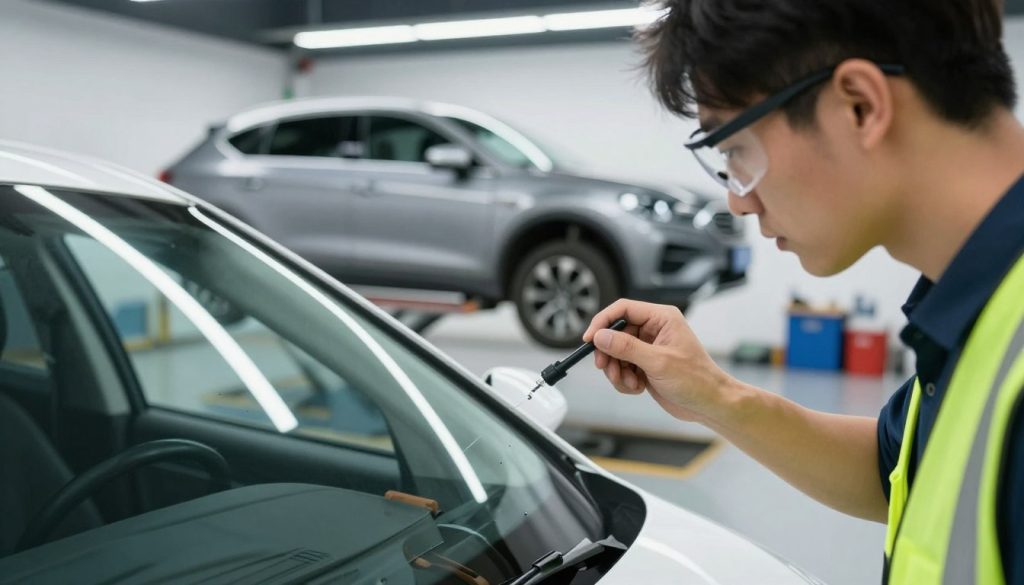
Your family SUV windshield safety check can help you prepare for a state inspection. Hawaii’s Periodic Motor Vehicle Inspection Manual for Inspectors of Passenger Cars and Light Trucks provides useful context. The manual is dated December 2017.
Inspection standards cover more than one pane of glass. Your vehicle’s windshield, side windows, mirrors, washers, and wipers all support clear vision on the road. Glazing materials must also display a mark showing compliance with Federal Motor Vehicle Safety Standard 205.
Damage that greatly limits driving visibility may cause a vehicle to fail inspection. A quick look at home can help you spot chips, cracks, worn wipers, or other repair needs before the official review. This guide explains basic observations and state requirements without replacing professional information.
When your windshields, mirrors, windows, or other auto glass need attention, you can contact Miracle Auto Glass. Its team can help restore clear vision and prepare your car for a safety inspection.
Key Takeaways
- Review glass condition before your scheduled inspection.
- Look at mirrors, washers, and wipers, too.
- Federal glazing marks support compliance.
- Severe visibility damage can prevent a pass inspection result.
- Miracle Auto Glass can assist with needed repairs.
Why Your Family SUV Windshield Safety Check Matters
Clear glazing does more than support a good view. It forms part of your vehicle’s protective structure, so a brief review can reveal concerns before an official inspection.
How Windshield Glass Protects You and Your Passengers
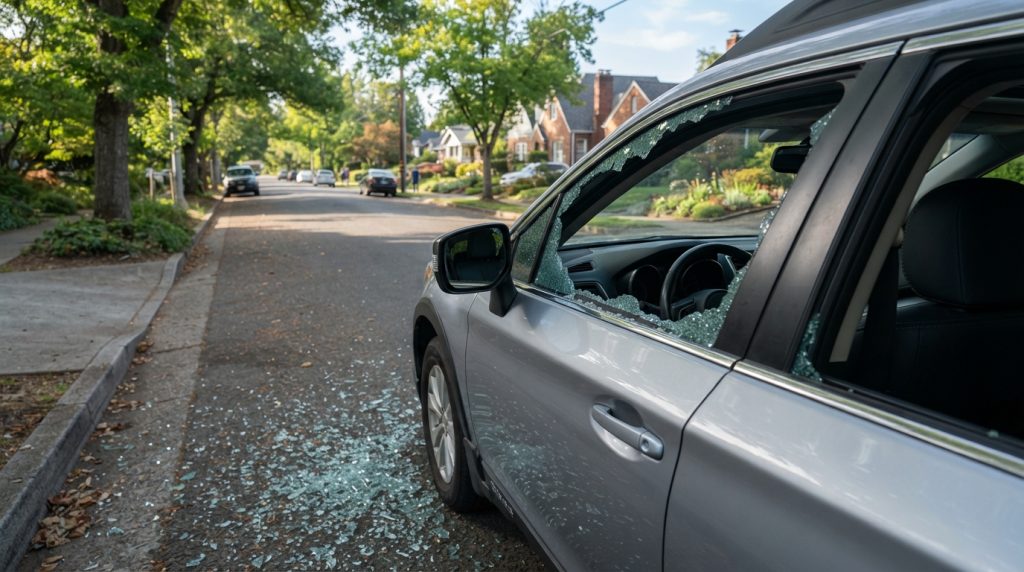
The windshield helps block rain, wind, and flying objects. It also supports the cabin during a frontal crash and helps reduce occupant ejection. Side windows serve a different purpose. During impact, they are designed to break into small, cubical pieces rather than large, sharp shards.
Hawaii inspection standards also require driving-visibility glazing to remain transparent. An opaque covering cannot replace required glass. Clear mirrors and open sight lines help your car pass inspection and support vehicle safety on busy roads.
Why Small Damage Can Become a Visibility and Safety Risk
A small chip or crack may spread with heat, vibration, or road impact. It can then interrupt your view or cause a vehicle to fail inspection. If an inspection finds damaged glass, Miracle Auto Glass can assess the windshield, side glass, or mirrors and recommend repair or replacement. Professional service can prepare your vehicle for a safety inspection.
Family SUV Windshield Safety Check: Inspect the Glass and Your View
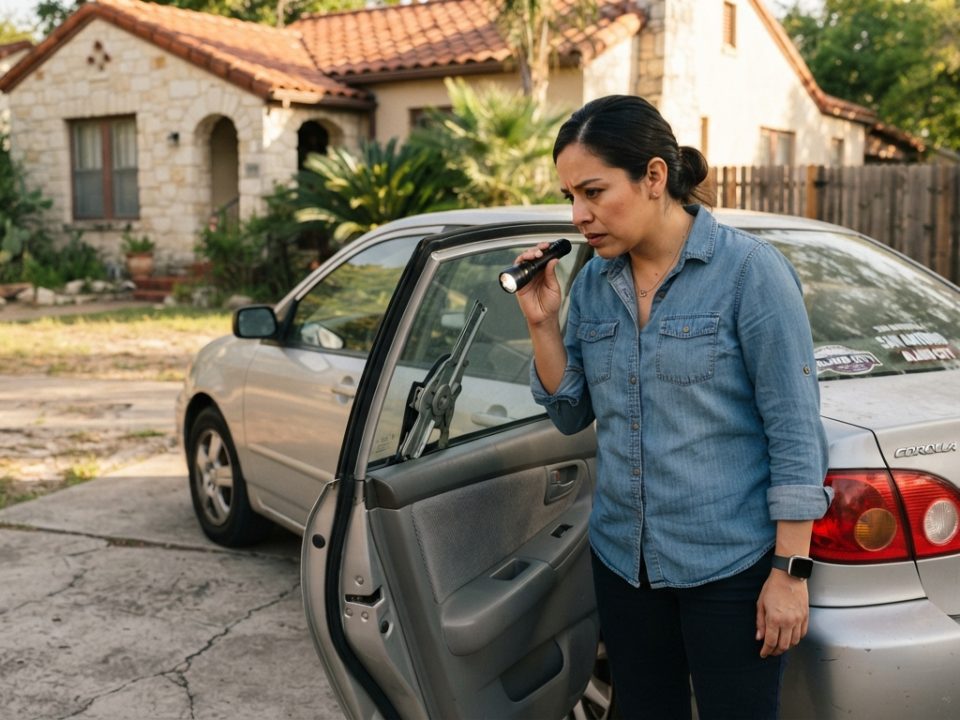
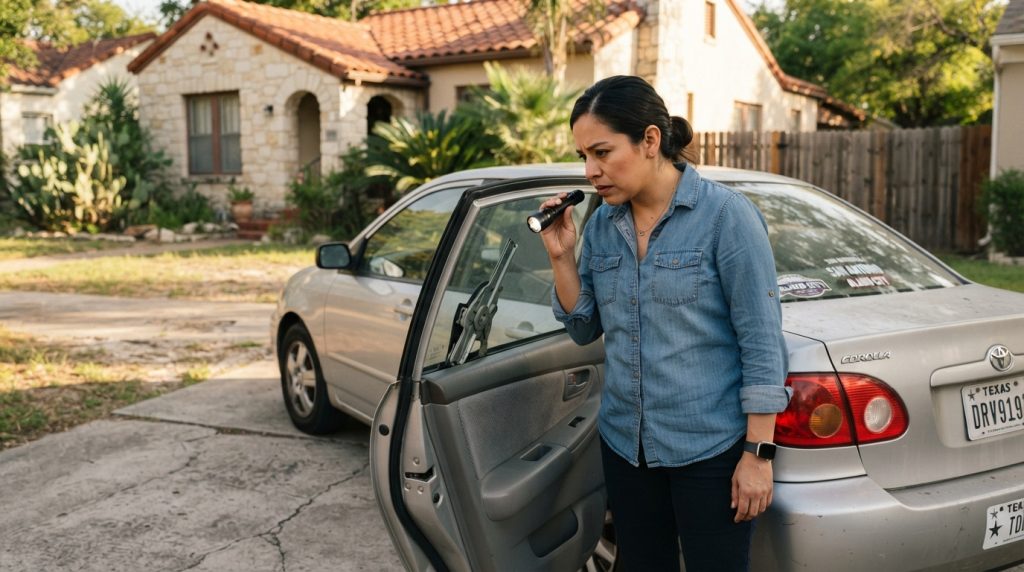
Start with a slow visual review before the next inspection. Park your vehicle in good light, then look through the windshield from the driver’s seat. Note anything that affects your normal view or vehicle safety.
Look for Chips, Cracks, Scratches, and Discoloration
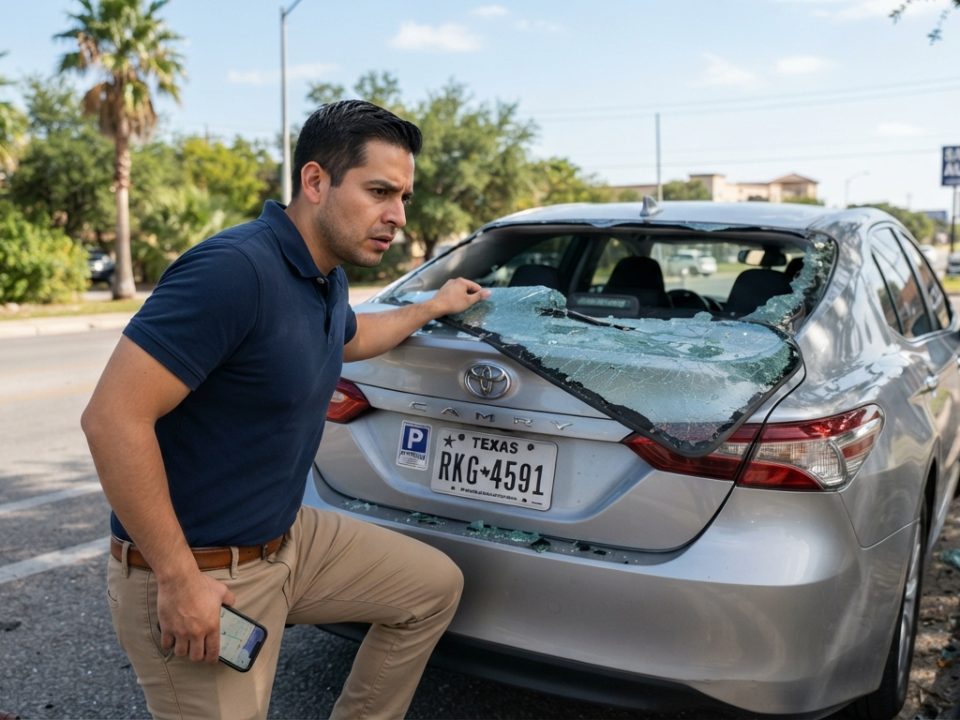
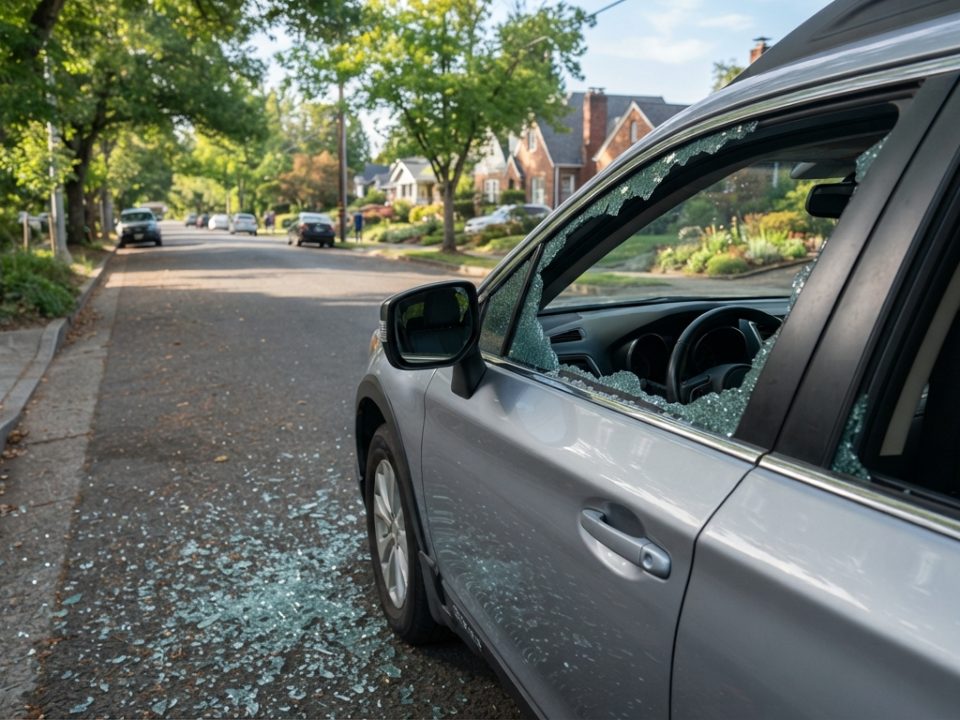
Study the windshield and side windows for chips, cracks, scratches, cloudy areas, or color changes. Hawaii standards identify damage that significantly interferes with driving visibility as a possible failure condition. A small crack may also spread as the glass heats or flexes.
Check the Driver-Side View for Obstructions
Focus on the driver side and your usual line of sight. Look for marks, repairs, or damage near the viewing area. Honolulu County Ordinance 15-19.30 restricts nontransparent materials that block a clear view of the highway.
Review Stickers, Tint, and Other Nontransparent Materials
Approved Honolulu windshield stickers generally cannot exceed four by six inches, with limited residence-permit and military exceptions. On 2013-or-newer vehicles, rear tint must not cover the high-mounted stop-light opening. Miracle Auto Glass can assess the condition and repair or replace affected glass before a safety inspection.
Check the Side Windows, Mirrors, and Glass Condition
Before an official inspection, review your vehicle from every seating position. Look through the windshield, side glass, and mirrors for damage that could limit clear vision. This simple step can reveal a concern before it affects your car’s inspection result.
Confirm the Driver-Side Window Opens and Closes
Lower the driver side window fully, then raise it again. Hawaii’s cited rules preserve the ability to use hand signals if electric signals fail. The window should move smoothly and remain secure in both positions.
Inspect Mirror Mounting, Adjustment, Reflectivity, and Field of View
Honolulu County Ordinance 15-19.29 requires one or more mirrors to reflect the highway at least 200 feet behind the vehicle. Make sure each mirror stays adjusted and provides a steady view.
Inspectors assess mirror location, mounting, reflectivity, adjustment, and exposed edges. Cargo or passengers may block an inside mirror, making outside mirrors more important. A missing, loose, cracked, or poorly reflective mirror can affect inspection results.
Miracle Auto Glass can repair or replace damaged windshield glass, side windows, mirrors, and other vehicle glass when your review finds a problem.
Test Windshield Wipers, Washers, and Blades
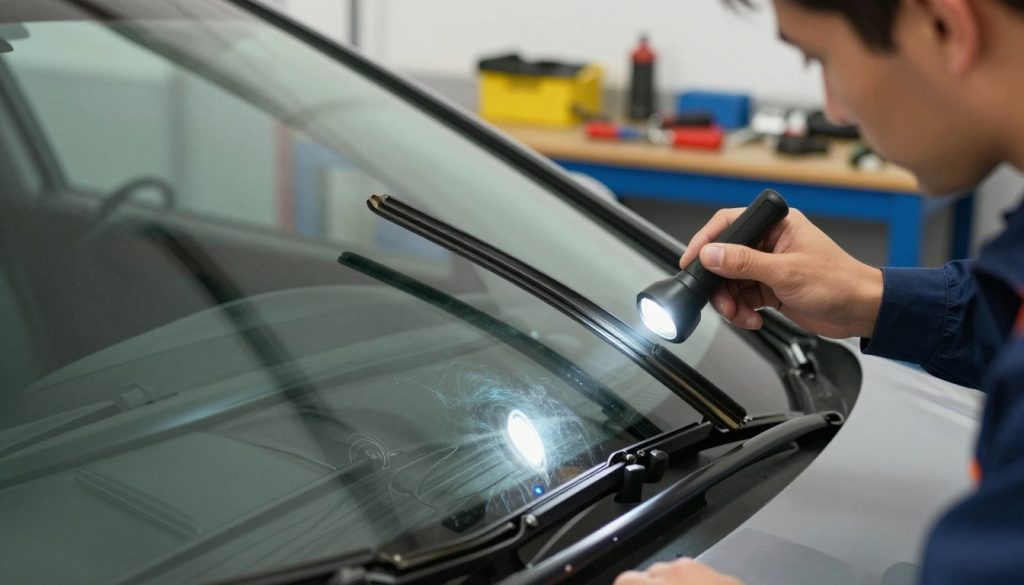
Rain can quickly reduce your view, so test each wiper setting before the next inspection. Your vehicle should reach at least 15 cycles per minute at low speed and 40 at high speed.
Assess Speed, Coverage, and Water Removal
Run the wipers for five cycles, then study the glass. They should remove water fully without severe streaks. Confirm that the washer spray reaches the intended area and that the fluid reservoir does not leak.
- Test every available speed and listen for unusual sounds.
- Confirm the blades match the vehicle’s intended size.
- Inspect the arms for bends, looseness, or impaired movement.
- Replace worn parts that leave wet areas or heavy marks.
Inoperative wipers, washers, leaking reservoirs, or damaged arms can cause a car to fail inspection. Proper operation supports your safety inspection and helps you pass inspection with fewer surprises.
Miracle Auto Glass can assess glass damage alongside wiper concerns and arrange the auto repair your vehicle needs.
Understand Windshield Inspection Requirements Across the United States
Inspection rules can change when you cross state lines. Damage that may pass in one area could cause a vehicle inspection failure elsewhere. Location, size, and severity all shape the result.
How Crack Location, Size, and Severity Affect Inspection Results
Auto Glass Now cites federal guidance that limits a crack to three-fourths of an inch in diameter. It also excludes damage directly in the driver’s view, intersecting cracks, or two or more cracks within three inches. These limits help protect visibility and vehicle safety.
- Center-view damage often receives the closest review.
- Several nearby cracks may create a larger concern.
- Peripheral damage still needs a professional assessment.
Why State Standards Can Differ
Pennsylvania may fail inspection when chips or cracks appear in the center of the driver’s side glass. Hawaii uses broader requirements. Its 2017 manual covers glazing marks, wipers, and mirrors, while Honolulu requires a 200-foot rearward view. When rules or repair choices seem unclear, Miracle Auto Glass can provide practical information and guidance to help your car pass inspection and support a successful safety inspection.
Decide Between Windshield Repair and Replacement
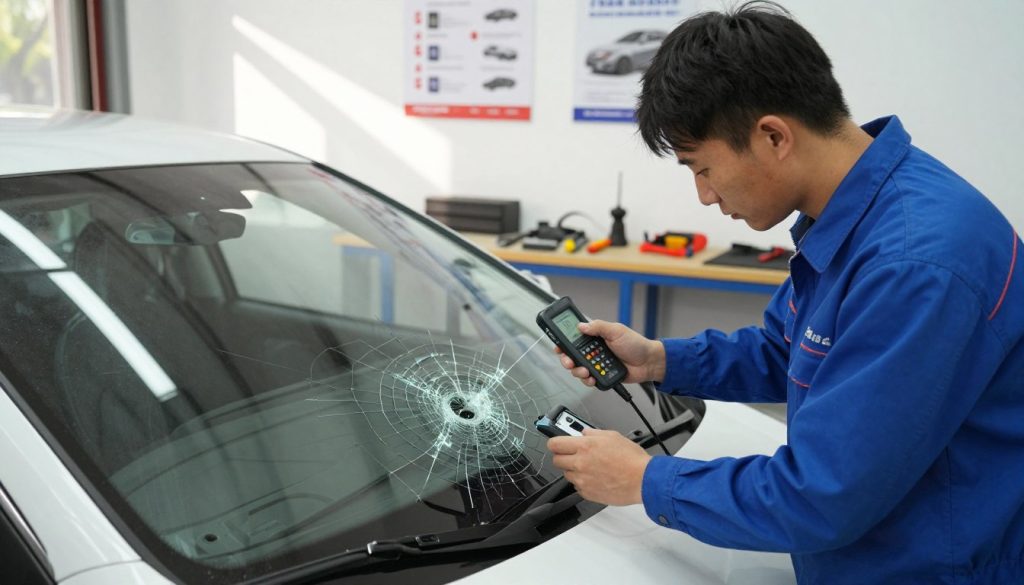
The right service depends on the glass condition, damage pattern, and driver’s view. A trained review can help you choose repair or replacement before an inspection.
When a Small Chip May Be Repairable
Ace Auto Glass guidelines state that a chip smaller than a quarter and outside the driver’s field of vision may qualify for repair. Technicians also consider depth, spreading, and nearby cracks. Prompt auto repair can keep a small crack from growing into larger damage.
Professional service helps preserve the glass structure and occupant protection during a collision. It may also support vehicle safety and help your car pass inspection.
When Damage Requires Professional Windshield Replacement
A chip larger than a quarter in the driver’s viewing area generally points to replacement. Replacement may also suit long cracks, deep breaks, or damage that weakens the glass. Local standards and the vehicle’s design can affect the final decision.
Hire Miracle Auto Glass to assess your windshields, side glass, and other vehicle glass. Its technicians can recommend reliable repair or replacement service for your next safety inspection.
Conclusion
A complete vehicle review covers the windshield, side glass, mirrors, window movement, washers, and wipers. Record any damage, loose parts, or unclear areas before the inspection. This simple step can help you meet local requirements and prepare your car for a safety inspection.
State rules may treat similar damage in different ways. Hawaii’s 2017 manual and Pennsylvania’s stricter example show why location matters. A new crack deserves prompt attention, since early repair may protect visibility and help you pass inspection.
When information is uncertain, qualified technicians can assess the glass and recommend the right auto service. Hire Miracle Auto Glass to repair your windshield or other glass damage, inspect mirrors, and address worn windshield wipers. Contact the team today to keep your vehicle ready for safe driving and inspection.