
What Is ADAS, and Which Features Depend on Your Windshield?
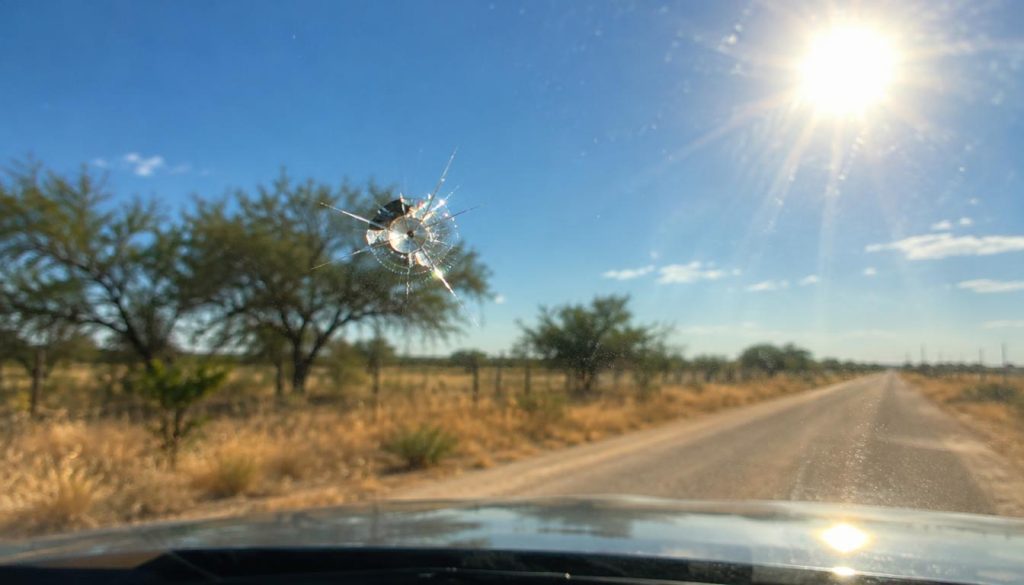
Summer heat can make a small windshield chip spread when rapid temperature changes add stress to already damaged glass. That is why windshield cracks in Texas heat can grow during a sharp shift, not just during a hot day. The sudden difference across the glass matters more than heat alone.
Thermal stress is strain that develops when different parts of the glass heat or cool at different rates. A chip forms a weak point where that strain can build. In South Texas, a car may sit in strong sun, then face a quick change in glass temperature. That quick shift can turn a small flaw into a spreading crack.
The result can affect your view and make a repair harder to assess. A sunny afternoon by itself does not explain every crack. What matters is how quickly and unevenly the glass changes temperature.
Key Takeaways
- Rapid temperature changes can make existing damage spread.
- A chip gives stress a weak point in the glass.
- Direct sun can heat a windshield unevenly.
- Water in a chip can add pressure during freezing or thawing.
- Prompt assessment can help preserve a repair option.
- Edge location and driver visibility affect repair decisions.
Why Windshield Cracks in Texas Heat Spread Faster
A sunlit windshield does not heat evenly, so its center and edges can expand at different rates. That uneven expansion creates stress across one pane. A windshield in direct sun can rise above 110°F, making it more open to stress cracking.
Heat alone does not normally break an intact windshield. The greater concern is heat acting on damage during a rapid temperature change. A pane can warm in the sun, then cool quickly when the cabin air changes or weather shifts.
The windshield edge can heat and cool faster than the center. The edge also sits against metal, rubber, and sealant, which place it under added pressure. Those conditions can make a crack near the edge more likely to spread.
An existing chip changes how the glass handles that strain. The damaged spot concentrates stress instead of spreading it evenly through the pane. That is why a tiny mark can become a longer crack after a sharp change in temperature.
A hot afternoon is not automatically a threat to every windshield. The glass may tolerate steady heat, while a sudden contrast between areas creates a greater strain. A chip gives that uneven strain a weak point from which a crack can grow.
How Water and Uneven Cooling Strain the Glass
A small chip can hold water against the windshield’s vinyl interlayer, creating another source of pressure when temperatures shift. Water trapped there can add force at the damaged spot. Freezing and thawing changes may raise that pressure.
Water can expand as it freezes inside a chip and press against the outer glass layer. It may also sit in the gap above the interlayer after rain or washing. A chip remains the weak point, while a temperature change can trigger further spreading.
Water trapped in a chip
Water that enters a chip can rest on the vinyl interlayer. If the temperature drops below freezing, trapped water can expand and push outward. Later thawing can shift the pressure again as the ice melts.
Even without freezing, water can leave dirt or moisture in the damaged area. That can make the chip harder to assess and may affect a later repair. The pressure from water does not mean every wet chip will crack.
Freezing conditions are not the only concern in South Texas. A quick change from hot glass to cold water can also strain a damaged spot. The more uneven the temperature, the greater the chance that existing damage will spread.
The laminated layers of a windshield
A windshield has two glass layers bonded by a vinyl interlayer made of PVB, or polyvinyl butyral. The interlayer helps hold the layers together if the glass breaks. It also separates the inner and outer glass surfaces.
Those surfaces can reach different temperatures. For example, direct sun can heat the outer layer while cool cabin air lowers the inner surface. A rapid temperature difference between the two sides can strain the glass.
A chip begins as a local weak point, but the pressure can travel beyond it. A stress crack may then extend across the pane or toward its edge. Water in a chip can intensify pressure, but a sudden temperature change is the trigger to avoid.
Habits That Reduce Sudden Temperature Changes
Moving a parked car into shade is a simple way to limit excessive summer heating. Shade helps protect both the windshield and its metal housing from direct sun. It can reduce stress, though it cannot guarantee that a damaged pane will stay intact.
Avoid a sudden blast of cold air against hot glass. When you start the air conditioning, point the vents away from the windshield. Let the cabin cool at a steady pace rather than sending cold air straight at the hot surface.
Reduce direct sun while parked
Choose a shaded parking spot when one is available. A garage can also block direct sun during long stops. These choices limit how much the windshield and surrounding frame heat up during the day.
Do not wash a very hot car with cold water. A sharp temperature change can place extra strain on the windshield, especially when a chip is already present. Wait until the glass has cooled before washing it.
Shade may be hard to find in an open lot, so keep the choice practical. A covered spot can reduce direct sun during the hottest part of the day. The goal is to avoid large swings, not to keep the car cool at all times.
Cool the cabin gradually
Air conditioning is useful in a South Texas summer, but the vent direction matters. Aim the cold air toward the lower cabin or away from the windshield. As the inside of the car cools, the glass can adjust more gradually.
Use this four-point checklist when the vehicle has been sitting in the sun:
- Park in shade when possible.
- Avoid cold-water washing a hot car.
- Direct air-conditioning vents away from the windshield.
- Cool the cabin without a sudden blast of cold air at the glass.
These habits can lower the chance of added strain, but they do not fix existing damage. Keep cold water off a hot windshield, even when you are washing the car.
What to Do When You Find a Chip
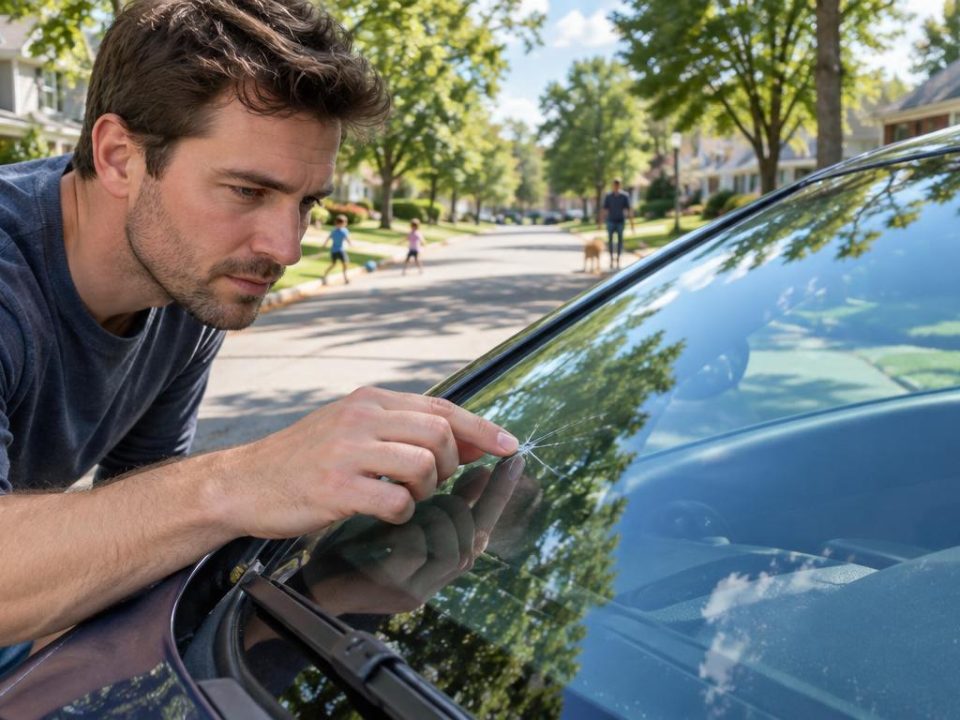
A fresh chip is easier to assess before dirt, moisture, and further spreading change the damage. Act promptly so a technician can see its size, depth, and shape more clearly. Clear packing tape can keep dirt and water out, but it does not reduce stress.
Use tape only as temporary protection over a clean, dry chip. Do not press hard on the glass or treat household glue as a fix. Tape cannot restore the windshield or stop a crack from growing.
Resin injection is the general repair method for a windshield chip or crack. A technician fills the damaged area with resin, which helps restore strength and limit further crack progression. The exact result depends on the damage and its location.
Take these steps while arranging an auto glass assessment:
- Keep the chip clean and dry.
- Use clear packing tape as temporary protection.
- Arrange a professional assessment promptly.
A small chip does not tell the whole story. The technician will consider its size, depth, location, distance from the edge, visibility, and number of damaged areas. Those details can change whether repair is suitable.
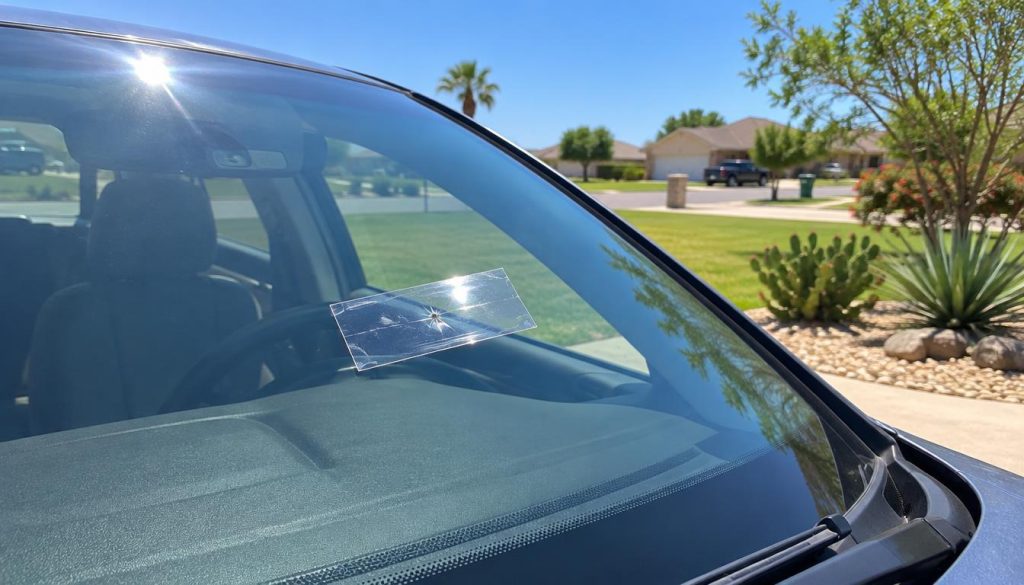
Cover a windshield chip with clear tape as a temporary measure, then arrange a repair before South Texas heat causes it to spread.
Do not scrub or scrape the chip while cleaning the glass. Treat tape as temporary protection, not as a repair.
When a Chip or Crack Needs Repair or Replacement
A small chip may qualify for repair, but its size alone does not decide the outcome. Location and visibility matter alongside depth and damage type. A technician must assess the full damage before recommending windshield repair or windshield replacement.
Two common guides use different measures. AAA says repair is generally suitable for a chip 1 inch or less in diameter, or a crack fully covered by a dollar bill. The applicable standard and vehicle guidance also shape the decision.
Size and type of damage
ANSI/AGSC/NWRD/ROLAGS 002-2022 classifies a crack no longer than 6 inches as short. A crack over 6 inches counts as long under that standard. It allows cracks up to 14 inches to be considered for repair, subject to limitations.
That 14-inch figure is not a promise that every crack of that length can be fixed. Manufacturer guidance and technician judgment still apply. ANSI/AGSC/AGRSS 005-2022 is a replacement standard, not a rule for repair-size eligibility.
| Damage condition | Repair consideration | Why location or size matters |
|---|---|---|
| Chip 1 inch or less, or crack covered by a dollar bill | Repair is generally suitable | Small damage may be repairable if other conditions allow |
| Crack over 6 inches and up to 14 inches | May be considered under 002-2022 | Limitations, maker guidance, and technician judgment apply |
| Edge damage or direct-line-of-sight damage | Replacement may be needed | Edge strength and driver visibility can be affected |
Location and visibility
Damage near the windshield edge may weaken the area that helps support the glass. A crack larger than a dollar bill can also raise concerns about structural strength. In either case, a technician may recommend full windshield replacement.
A repair can leave a visible mark, even when it restores strength. Damage in the driver’s direct line of sight may block a clear view or leave distracting marks. That location can make replacement the safer choice.
Use size guides as starting points, not final decisions. A crack can fall within a listed range yet still fail the other repair limits. Let a technician assess any damage near the edge or in your direct line of sight.
How Texas Insurance and Replacement Fit In
In Texas, comprehensive coverage generally handles your windshield damage, while liability coverage generally does not. The policy type matters when you file a glass claim. Texas does not require insurers to waive a windshield deductible.
Some policies include an optional zero-deductible glass waiver. For example, with a $500 deductible and $0 glass, a qualifying glass claim may have its deductible waived only if that optional coverage applies.
Comprehensive coverage and glass deductibles
Comprehensive coverage generally applies to windshield and other auto glass damage. Liability coverage generally pays for damage you cause to others, not damage to your own windshield. Your policy terms determine the claim details.
| Coverage | General role for windshield damage | Deductible detail |
|---|---|---|
| Comprehensive coverage | Generally handles your glass damage | Policy deductible may apply |
| Liability coverage | Generally does not cover your own windshield | No glass waiver stated |
| Optional zero-deductible glass waiver | May apply to a qualifying glass claim | Can waive the glass deductible |
A zero-deductible option is extra coverage, not a rule for every Texas policy. Check the terms that apply to your vehicle and glass claim. The difference can affect what you pay after damage.
Camera and sensor calibration after replacement
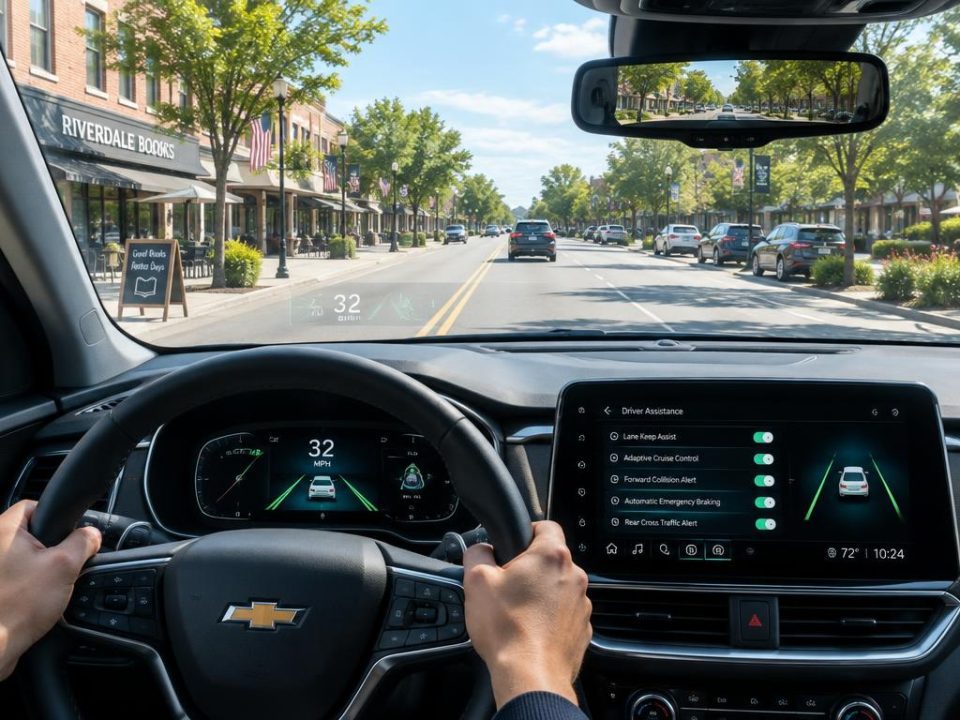
Some windshields hold cameras or sensors that support driver-assistance features. After windshield replacement, those parts often need ADAS calibration, which sets them to the correct position and aim.
The need for calibration depends on the vehicle’s equipment. A car without windshield-mounted cameras or sensors may not need it. Ask whether your vehicle’s windshield-mounted cameras or sensors need calibration after replacement.
What Texas Rules Mean for a Cracked Windshield
For most noncommercial vehicles, Texas ended annual safety inspections on January 1, 2025. That change does not remove rules against windshield obstructions that impair your view. Emissions inspections still apply in designated Texas counties.
A cracked windshield may still affect safe driving even when an annual safety inspection is no longer required. The key question is whether damage blocks or distorts your view of the road. Check the vehicle and county rules that apply to you.
Use this three-point check:
- Identify whether your vehicle is commercial or noncommercial.
- Check whether its registration county requires emissions testing.
- Address damage that interferes with the driver’s view promptly.
Rules about visibility remain separate from the end of most annual safety inspections. Do not treat the end of the annual safety inspection as permission to drive with impaired visibility.
Conclusion
Acting while damage is still small gives you the best chance to preserve a repair option. A quick assessment can show whether windshield repair remains suitable or whether replacement is needed. Leaving a chip alone can make the next decision harder.
Choose a qualified auto glass service that can assess the damage and explain the work your vehicle needs. If you need help with a windshield or other glass damage in San Antonio, contact Miracle Auto Glass.
Hire Miracle Auto Glass to fix your windshield or other glass damage at (210) 680-2551 or 6730 Poss Rd, San Antonio, TX 78238.