
Signs Your Vehicle’s Driver Assistance System May Need Calibration
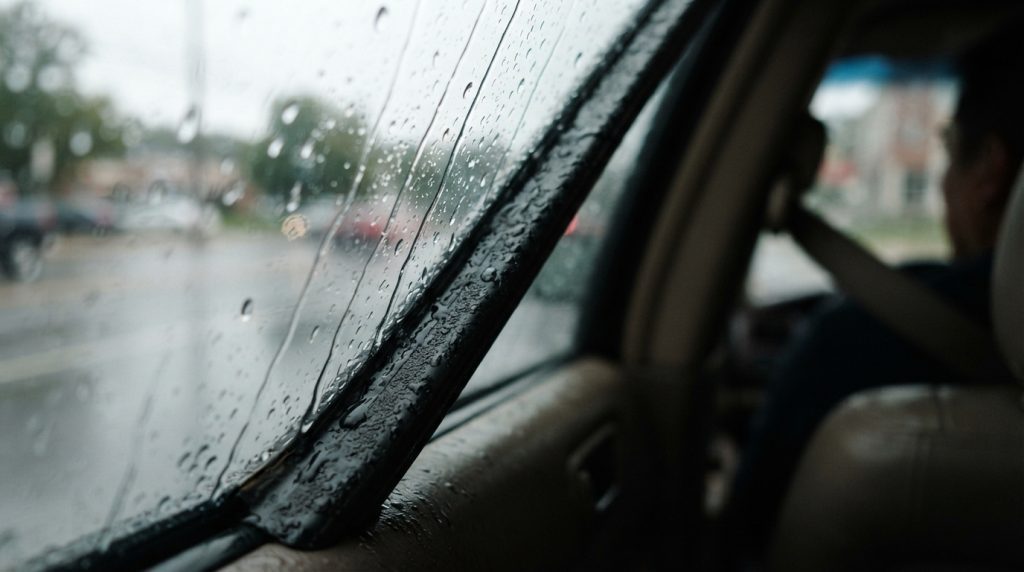
Rain taps the glass, then a new rush of wind noise draws your attention to the side window. A car window weather seal helps block moisture, debris, and outside sounds when the window is closed. Damage can let rain or wind into the cabin, even when the glass looks shut.
Noticing a change early can help you limit water intrusion and cabin moisture. You can look for clues, identify which part sits around the glass, and choose a sensible next step. The seal itself is only one of several window components that may need attention.
Key Takeaways
- Window weatherstripping helps block water, debris, and outside noise.
- New wind noise or damp upholstery calls for an inspection.
- Moving and fixed glass use different sealing parts.
- A universal strip does not guarantee a correct fit.
- Part prices do not include labor or other repair charges.
- A vent visor deflects rain from a partly open window but does not replace a seal.
How Does a Car Window Weather Seal Protect Your Cabin?
A properly fitted weatherstrip helps keep moisture, debris, and outside noise from entering around the glass. Its main job is to close the gaps between the window and the vehicle, helping reduce water intrusion and wind noise.
A window weatherstrip seals around the glass; it does not do the same job as a vent visor. The seal also helps keep dust and other outside contaminants from reaching the cabin. How well it works depends on its fit and condition.
Glass run channel is the U-shaped weatherstrip that guides moving side glass and cushions its edges. As you raise or lower the window, the channel helps guide the pane and supports its edges.
Other weatherstripping sits along the edges of the glass or body. These parts help close gaps when the window is shut. Together, they help keep outside elements out and can soften sounds from traffic, wind, and road debris.
A vent visor, also called a rain guard, is an add-on fitted above a side window. It can deflect rain when you crack the window, but it does not seal the closed glass against the vehicle.
That difference matters if water appears inside your car. A visor may help when you want fresh air during light rain, but it cannot replace a damaged seal or fix a gap around closed glass.
Weatherstripping also cannot correct every source of water or noise. Glass damage, a poor fit, or another nearby part may be involved. The location of the problem can help narrow down what needs inspection.
Changes inside the cabin can offer useful clues, especially after rain or a drive at highway speed. Look at what you can see, then consider whether the signs point to a worn seal or another part.
Those clues do not name the failed part by themselves. They do give you a reason to inspect the window area for specific signs of wear.
What Signs Point to a Failing Side-Window Seal?
Damp upholstery after rain, despite a fully closed window, is a clear reason to inspect the area. A new change in wind noise or outside sounds can also point to a window seal that no longer closes the gap well.
Water inside the cabin and louder-than-usual wind noise call for an inspection, but neither proves which part failed. Seals can wear with extended use, and vehicle damage can affect how parts meet the glass or body.
Look for visible splits, cracked edges, or rubber that appears worn and uneven. A loose section may no longer sit against the glass or body as it should. Do not assume that every mark means the whole seal needs replacement.
After rain, check the nearby trim and upholstery for dampness. Notice where moisture first appears, if you can tell. Water can travel along interior surfaces, so the wet spot may not sit beside the original entry point.
A musty odor can develop when cabin materials stay damp. Excess moisture can encourage mold, especially if upholstery or carpeting does not dry fully. The smell alone cannot identify which part let water in.
Water that remains in the vehicle can also contribute to rust and further interior damage. Rust holes and damaged trim can affect the body and cabin over time. Moisture-related damage may lower a vehicle’s value.
Listen for a difference between a quiet drive and one with a louder rush near the side glass. The change may come from a gap, but glass fit or another nearby part could also matter.
Age and use can wear a seal, while damage to the vehicle may shift nearby parts. A careful look can tell you whether the area needs attention, not whether a particular component has failed.
That distinction is useful when you describe the issue to a repair shop. The next step is to identify which window component sits where, since different parts do different jobs.
Which Side-Window Seal Parts Does Your Vehicle Use?
“Window seal” can refer to more than one part around the glass. The location matters because moving glass and fixed glass use different sealing parts.
A glass run channel, beltline weatherstripping, and fixed-glass perimeter seal occupy different positions and are not interchangeable. Naming the location can help you describe the part you want checked.
Seals for moving side glass
Moving side glass commonly meets a glass run channel along its edges. The channel guides the pane as it moves and cushions its edges. A clue to inspect is visible wear or a section that no longer sits evenly against the glass.
Beltline weatherstripping sits at the lower edge of a moving side window, near the door. The outer beltline seal helps limit debris and water entering around the glass. Look for damage or a section that appears out of place, but treat that as a clue, not proof.
Perimeter seals for fixed glass
Fixed glass does not move up and down like a door window. A perimeter seal follows its edge where the glass meets the vehicle body. Inspect the visible edge for gaps or damage that may need a closer check.
A car side window seal strip may describe a product listing, but that name alone does not tell you where the part fits. Compare the part’s location and shape with the window area before you order anything.
| Component | Location | Main role | Clue to inspect |
|---|---|---|---|
| Glass run channel | Along moving side glass edges | Guides glass and cushions its edges | Visible wear along the channel |
| Outer beltline seal | At the lower edge of door glass | Helps limit water and debris entry | Loose or damaged visible edge |
| Fixed-glass perimeter seal | Around the edge of fixed glass | Closes the gap at the body | Visible gap or edge damage |
These parts may look like rubber strips, but shape and placement guide their use. One type should not be treated as a substitute for another just because the listing uses similar words.
Once you know which part and window location need attention, vehicle details can help narrow down a compatible replacement.
How Do You Choose a Replacement That Fits?
Start with the vehicle’s year, make, model, and the exact pane that needs a seal. Those details matter because a part made for one body style or window location may not fit another.
A universal listing is not proof that a strip fits your vehicle. Molded vehicle-specific parts are shaped for a particular application, while universal adhesive or trim strips come in set lengths and may need different placement.
Check the vehicle and glass location
Check the exact glass location, such as a door window or rear window. Then compare the listing’s fitment details with your vehicle’s body style. A sedan and a truck can use different glass shapes and sealing parts, even when their model years overlap.
Classic-car listings show why the application matters. A three-piece rear-window seal for a 1967 Dodge Dart Sedan four-door uses plastic and chrome mylar. That description identifies both the model and the body style.
A single-piece Dodge and Plymouth lockstrip weatherstrip is listed for multiple models from 1956-1993. A chrome rear-window insert for 1977-98 Ford F-Series trucks is described as ozone-resistant. Those details do not make the parts interchangeable across every vehicle.
Compare molded parts with universal strips
A car window weather seal kit still needs to match the window location and vehicle application. Check whether the kit contains the part you need, rather than assuming the word “kit” means it covers every seal around the car.
Use this short checklist before ordering:
- Vehicle year
- Make and model
- Body style
- Glass location
- Seller fitment confirmation
Online universal trim listings may offer lengths of 10, 13, 20, 33, or 40 feet. Length alone does not show that the profile suits your window, so compare the shape and intended use, too.
Shipping terms differ by listing. Many offer free delivery, while some charge shipping. Confirm the length, shipping terms, and fitment details before checkout to avoid ordering the wrong strip.
Getting the right part narrows the repair, but its listed price is not the full cost of having the job done.
What Does Car Window Seal Replacement Cost?
A replacement part’s listed price is different from the total price of a completed repair. The part price covers the product, while a full repair may also involve labor and other charges.
The listed prices below are product prices, not installed quotes. Compatibility must be confirmed for your specific vehicle, and no labor estimate is available here.
These examples show a wide range of listed part prices. The right part for your car depends on its fitment, not just the price or brand name. Use the part number to compare listings for the same product.
| Brand and part number | Listed part price | Fitment note |
|---|---|---|
| URO Parts URO-011303 | $19.99 | Confirm compatibility for your vehicle |
| Dorman 926-254 | $33.99 | Confirm compatibility for your vehicle |
| Fairchild Industries D4008 | $38.49 | Confirm compatibility for your vehicle |
| Dorman 750-5100 | $115.99 | Confirm compatibility for your vehicle |
| Fairchild Industries KG4217 | $154.99 | Confirm compatibility for your vehicle |
Car window weather seal replacement cost can mean the part alone or a complete job. The table gives product prices only. It does not show the labor charge, shipping, or any other costs tied to a specific repair.
To understand the full price, ask for a quote based on your vehicle and the part that needs attention. Ask whether the estimate includes the part, labor, and any other charges. No standard labor price or total replacement quote is available.
Compare prices only after you know the part fits. A low listing price does not help if the product is for another window or body style. Shipping can also change what you pay for an online order.
Once you have a realistic budget, the next question is whether a limited repair could work or whether the worn seal needs replacement.
Can You Repair Weatherstripping Without Replacing It?
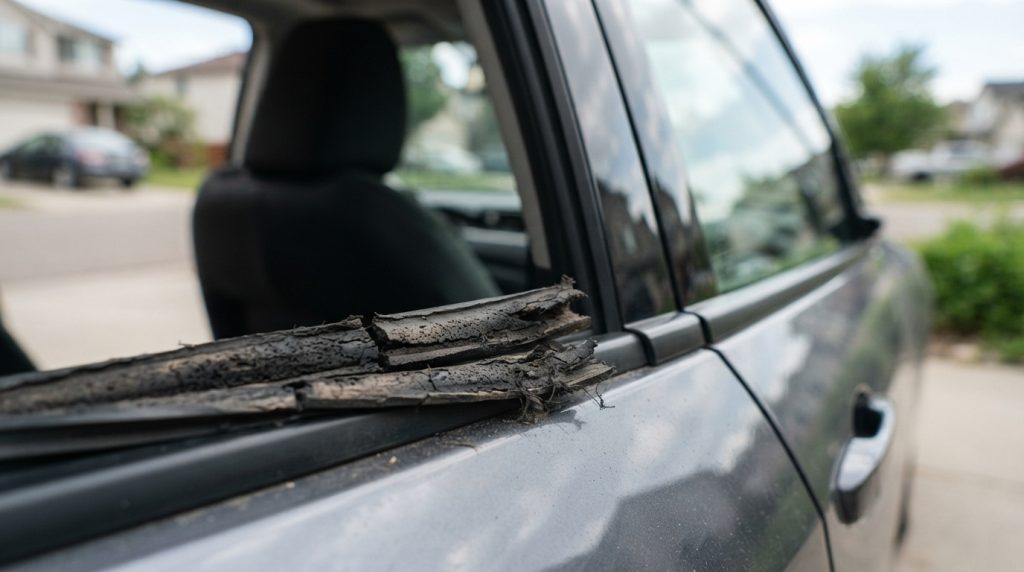
A minor, localized issue may allow a limited repair, while extensive deterioration calls for replacement. Small damage is different from rubber that has split, shrunk, or badly worn away.
A shrunken or split seal is not reliably restored by simply reusing it. Old rubber can shrink after drying and leave a gap that lets water in, even if the loose edge appears to sit in place.
When a limited repair may be considered
If one small section has come loose and the rest remains in good shape, a limited repair may be possible. First inspect the full area, rather than fixing only the spot you noticed. A nearby section may show the same wear.
How hard is it to replace window seals? The work depends on the seal’s location, access, and fitment. Some jobs may be manageable for a careful DIY repair, while other positions can be difficult to reach or fit correctly.
Before DIY work, make these three checks:
- Inspect the full seal for splits or shrinkage.
- Confirm the replacement profile and fitment.
- Follow the part maker’s installation instructions.
When replacement is the safer choice
Replacement is the safer choice when rubber has split, shrunk, or badly deteriorated. Reusing old material may leave a leak risk, since the seal may no longer meet the glass or body along its full edge.
Do not assume every car window rubber seal replacement is a simple DIY task. A fixed-glass seal or a hard-to-access area may require extra care. Forcing a part into place can leave it poorly seated.
Check that the replacement profile matches the old part and the vehicle application. A strip that looks close may still have a different shape or location. Follow the maker’s steps rather than guessing at the fit.
If you cannot tell whether the problem is limited or widespread, an assessment can help define the repair before you commit to a part or a DIY attempt.
What Happens During Professional Seal Replacement?
If a leak remains after you check the visible edge of the window, the cause may be less obvious than the rubber you can see. A clear diagnosis helps separate a weatherstrip concern from glass damage or another nearby component.
Ask the provider to identify the part involved and confirm that the replacement matches your vehicle and window position. A vehicle-specific assessment is more useful than a guess based only on a symptom.
Ask whether the issue involves the weatherstrip, the glass, or another part near the window. If the cause is unclear, ask what the inspection can show before agreeing to a repair.
Have the provider confirm that the proposed part fits your vehicle and the exact window position. A seal for moving glass may differ from one used around fixed glass. The part name alone does not confirm the fit.
Ask what the quote includes. Find out whether it covers parts, labor, or both, and whether any other charges apply. That makes it easier to compare estimates for the same repair.
No standard labor price or guaranteed repair time is available. The location of the seal, access, and fitment can affect the job. Request a vehicle-specific assessment instead of relying on a general figure.
If you contact a glass business, describe the damage you can see and the place where water or noise appears. Ask whether the provider can assess that concern before booking work.
A professional may find that the problem is not a seal at all. Glass damage needs its own assessment, while an add-on product serves a different purpose from ordinary window weatherstripping.
A vent visor can deflect rain around an open window, but it does not close the gap around closed glass. That distinction can help you choose the right product for the problem.
Are Window Seals the Same as Rain Guards?
A rain guard and a window weather seal are different products. One closes a gap around the glass; the other helps deflect rain when you open the window a little.
A vent visor does not replace a damaged seal. It can reduce wind buffeting with the window partly open and let hot cabin air escape while parked, but it cannot seal closed glass against the vehicle.
What a weather seal does
Window weatherstrip closes gaps around the glass when the window is shut. It helps limit water, debris, and outside noise entering the cabin. If the seal is damaged, adding a visor does not repair it.
What a vent visor adds
A vent visor, also called a rain guard, fits above a side window. It can deflect rain, snow, or road spray when you crack the glass for fresh air. With the window partly open, it may also reduce wind buffeting.
A visor can help hot cabin air escape while the vehicle is parked with a window slightly open. Its use depends on the weather and how far you open the glass. It does not protect an open window from every kind of water entry.
| Product | When it helps | What it does not replace | Installation consideration |
|---|---|---|---|
| Window weather seal | When closed glass needs a sealed edge | A vent visor | Match the seal to its location |
| In-channel vent visor | When you crack the window for air | A damaged weather seal | Check the maker’s fit instructions |
| Exterior-mount vent visor | When you want rain deflection above glass | A damaged weather seal | Use a clean, degreased surface |
Exterior-mount visors use adhesive. Clean and degrease the surface before installation, and follow the maker’s instructions for how long to keep windows closed while the adhesive sets. There is no single cure time for every product.
In-channel and exterior-mount visors attach in different ways, so read the instructions for the exact product. Neither style can take the place of a weatherstrip that no longer closes the gap.
Once you know whether you need a seal or help with damaged glass, you can contact a local provider with a clearer description of the problem.
Where Can You Get Local Glass Help?
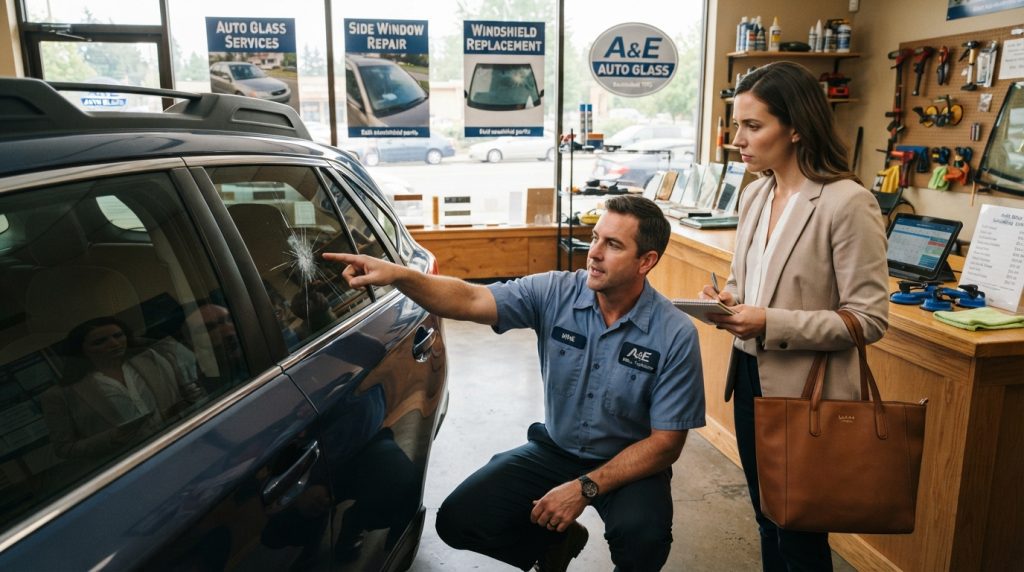
A local glass provider can help tell you whether your concern involves glass damage or a separate weatherstrip issue. Start by describing what you see and asking what the provider can assess.
Miracle Auto Glass is located at Bandera Rd & Grissom and can be reached at (210) 680-2551. Call about windshield or other glass damage; do not assume the business replaces side-window seals.
If you search for “car window weather seal nearby” or “car window weather seal near me,” check that the business handles the kind of issue you have. A glass provider may assess glass damage, while a weatherstrip concern may need a different service.
When you contact any provider, ask these three questions:
- What glass issue can you assess?
- What vehicle details do you need?
- What does the estimate include?
Share the vehicle year, make, model, and window location when you call. Those details can help the provider decide what information is needed for an assessment.
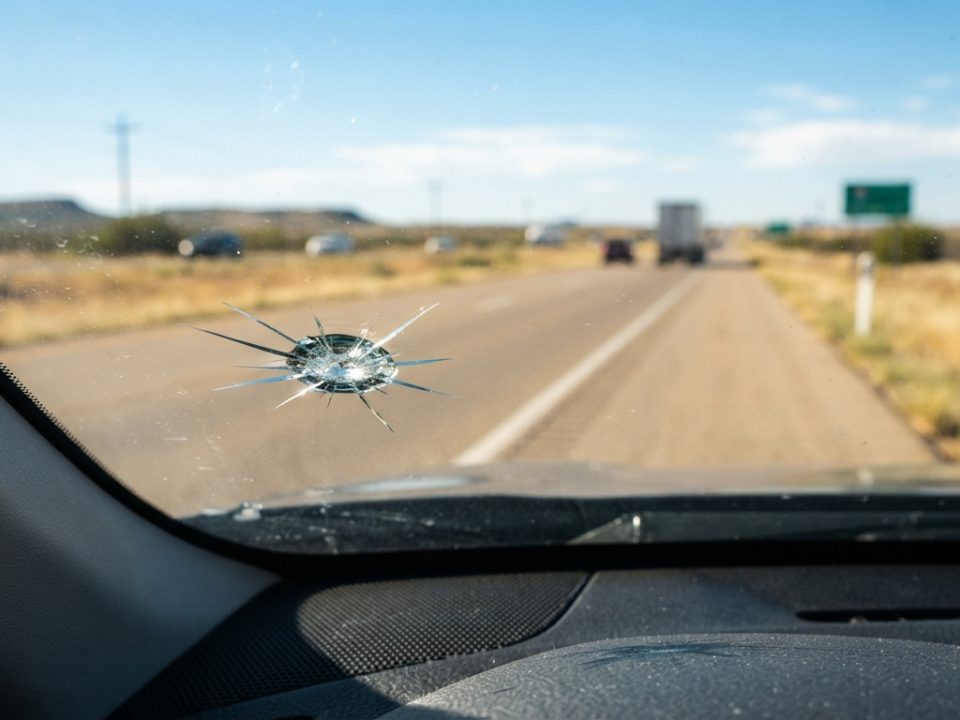
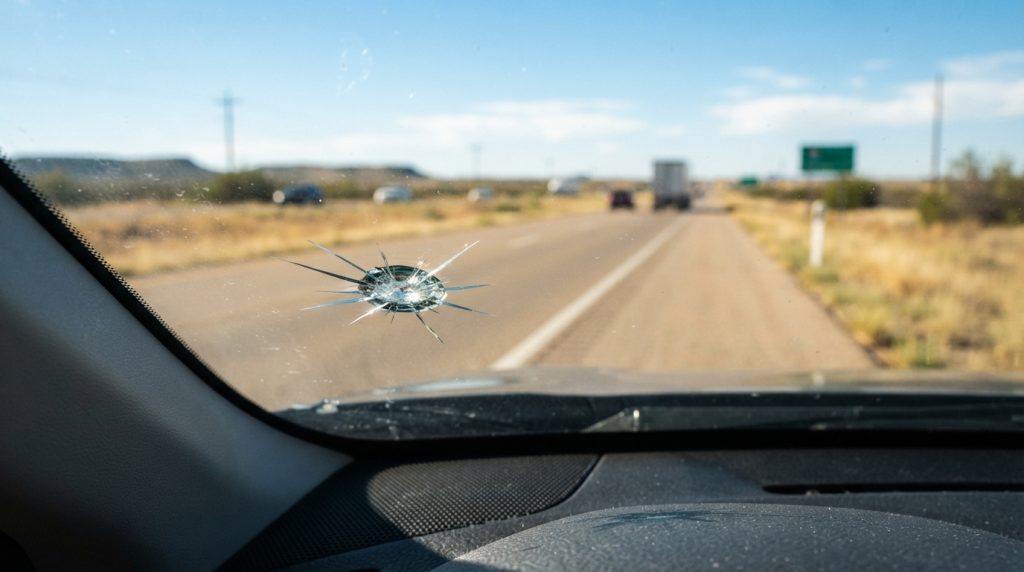
If the visible concern is a chip, crack, or other glass damage, ask whether the shop can assess it. For a suspected weatherstrip issue, ask clearly whether that work falls within its services.
Miracle Auto Glass can be contacted about windshield or other glass damage. Calling does not confirm that a side-window seal replacement is available, so describe the concern and ask what service the business can provide.
A clear description and a focused estimate request can help you choose where to go next. Address persistent water entry or new noise with the right kind of inspection.
Conclusion
A persistent leak or new wind noise is a reason to have the cause checked. Acting early can help limit moisture that may lead to more interior problems.
Match any replacement part to the exact vehicle and window location. A similar-looking strip may not fit, and a vent visor cannot replace a worn weather seal.
If you have glass damage, contact a provider that can assess it. Hire Miracle Auto Glass to fix your windshield or other glass damage.