Why Your Power Window Makes Grinding or Clicking Noises

A front windshield and a rear windshield may look similar from outside, but their different jobs lead to different glass and features. The front glass preserves your view of the road and helps protect people inside the vehicle. Rear glass supports your view behind you and may include a defrost grid. The two windows also commonly use different glass types, which affects how they respond to damage. Your repair or replacement needs depend on which window broke and what equipment it has. Start with the glass and its break behavior to understand the main differences.
Key Takeaways
- Front glass supports forward visibility and occupant protection.
- Rear glass may include a defrost grid.
- The two windows commonly use different glass types.
- Equipment can affect repair and replacement needs.
- Tell the service provider which window is damaged.
How Do the Glass Types Affect Safety?
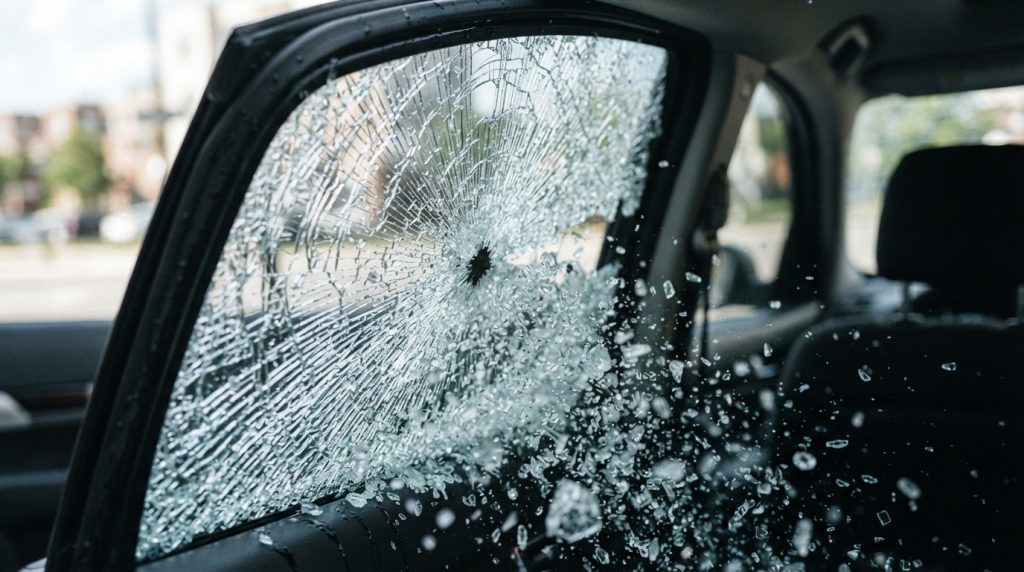
A rock striking the front windshield may leave a spreading crack, while a hard impact to tempered rear glass can leave it in many small pieces. The break pattern comes from the glass design, not a simple safety ranking.
Tempered glass is glass strengthened by heat or chemical treatment that breaks into small granular pieces when it shatters. Front windshields use laminated glass, while rear windshields commonly use tempered glass.
Why the Front Windshield Uses Laminated Glass
Laminated glass has two or more glass layers joined by a plastic interlayer. That plastic interlayer helps hold cracked glass together after an impact.
A stone may chip the outer surface or create a crack that spreads across the pane. The layers can still remain joined, so the glass does not fall away like loose fragments.
This design helps keep the windshield in place and can reduce the chance of glass entering the cabin. It also helps preserve a view through the damaged area, though a crack can still block your sightline.
Damage can vary with the force and location of an impact. A small chip near the edge may behave differently from a deep crack across the driver’s view.
How Tempered Glass Behaves in the Rear
Tempered rear glass is treated to strengthen it. When it shatters, it breaks into many small granular pieces rather than remaining joined in a cracked sheet.
The smaller pieces differ from sharp, long shards, but shattered glass can still create a mess and pose a risk. Pieces may scatter across the seat, cargo area, or ground.
This break pattern suits a window that does not need the same design as the front pane. It also means a shattered rear windshield usually cannot stay in place for continued driving.
Neither glass type is universally safer in every situation. Laminated and tempered glass serve different functions, and each window’s role and equipment shape its design.
The material choice affects how each pane responds to impact, while the vehicle’s layout determines its job. Those distinct functions also help explain why the windows carry different equipment.
Rear Windshield vs Front Windshield: What Are the Key Differences?
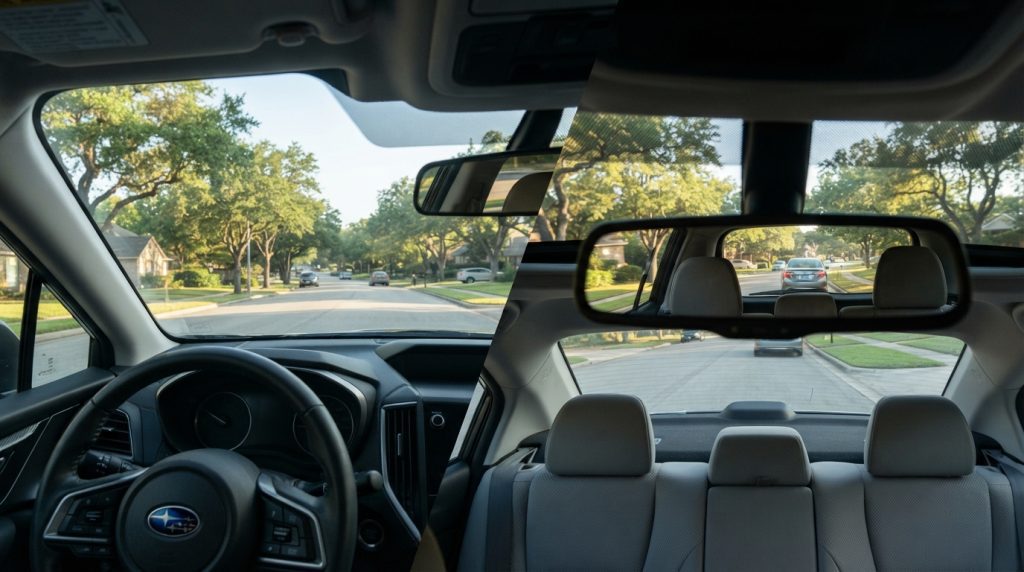
The front windshield prioritizes the driver’s forward view, while the rear windshield combines a rearward view with vehicle-specific functions. Both panes help shield you from outside elements and can contribute to the vehicle’s structure.
The front pane supports the driver’s view of the road ahead; the rear pane supports the view behind. The exact design depends on the vehicle, and both windows connect with the surrounding frame.
| Attribute | Front windshield | Rear windshield |
|---|---|---|
| Typical role | Forward view for the driver | Rearward view for the driver |
| Visibility | View of the road ahead | View behind the vehicle |
| Contribution to vehicle structure | Can support the vehicle structure | Can support the vehicle structure |
| Common glass construction | Laminated glass | Tempered glass |
These differences reflect each pane’s place in the vehicle, rather than one being an optional version of the other. The front glass faces the road and serves the driver’s main forward sightline.
The rear glass gives you a view of traffic and objects behind the vehicle. Its layout may also need to fit the car’s body, hatch, or truck cab.
Searches for rear windshield vs front windshield price or rear windshield vs front windshield cost do not point to one standard amount. Glass type, equipment, vehicle design, and cleanup can all affect a quote.
There is no set rear windshield glass price that applies to every vehicle. The available details do not establish a standard dollar amount or show which window always costs more.
A quote should match the glass and equipment made for your specific vehicle. Even two vehicles from the same maker may have different glass options.
Both panes serve a clear purpose, but added equipment can further change what a particular vehicle needs. Look for those features before arranging service.
Which Features Affect Visibility Through Each Window?
A rear window with a defrost grid or wiper needs a different glass specification from a fixed pane without those features. Equipment matters because it can affect visibility and the correct replacement part.
Check for built-in parts before you request service. Front and rear windshields can carry equipment that is not easy to spot from outside.
Equipment Built Into the Front Windshield
Some front windshields include ADAS cameras or sensors. ADAS means driver assistance features, such as systems that help monitor the road.
Depending on the vehicle, the glass may also include rain-sensing wipers, antennas, acoustic layers, or heating features. Some models have a heads-up display that projects driving details onto the glass.
These parts can change the glass specification and may affect service work. A replacement that lacks the right sensor area or other feature may not fit the vehicle’s needs.
Rear Defrost Grids, Wipers, and Opening Glass
Rear windshields commonly have embedded defrost grids that help clear frost or ice. The thin lines carry heat across the glass, so damage to their circuits can affect defrosting.
Some vehicles also have a rear wiper, while certain trucks use sliding rear glass. Other designs let part of the rear glass open outward.
These variations affect how the pane fits and works with the vehicle. Check which style you have, rather than assuming every rear window is a fixed pane.
- Fixed bonded glass
- Sliding truck glass
- Outward-opening glass
- A rear wiper
Rear windshield tint legal rules depend on the state law that applies to your vehicle. No specific Texas threshold is established here, so check current state requirements before adding tint.
Identifying equipment before you request service helps prevent a mismatch. Once you know what the glass includes, you can describe the damage and discuss repair or replacement.
What Should You Expect From Repair or Replacement?
A small chip in a front windshield may be repairable, but a rear windshield that has shattered generally needs full replacement. The damage and equipment guide the service choice.
Not every chip qualifies for repair. The size, depth, and location of damage help determine whether a technician can fix the pane or must replace it.
When Front Windshield Repair May Be an Option
A technician may repair a small chip or crack if its condition allows. Repair can keep the original glass in place and address damage without replacing the whole pane.
Severe damage can require windshield replacement. A long crack, damage that reaches an edge, or a break in the driver’s sightline may affect the decision.
The technician needs to assess the actual damage, not just a photo or a short description. Avoid assuming that every small-looking mark can be repaired.
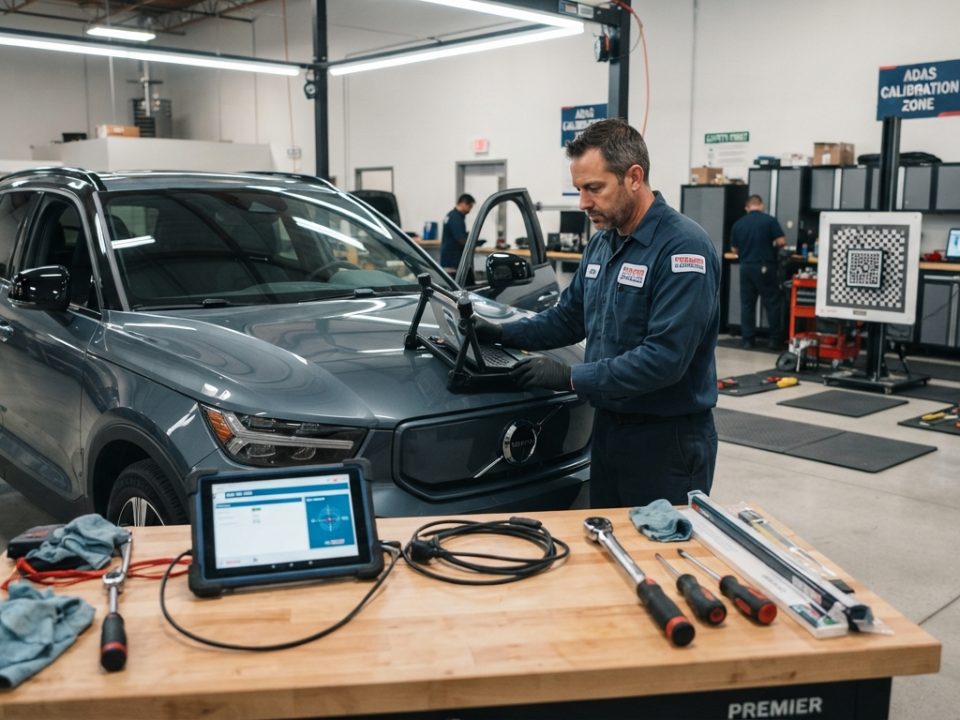
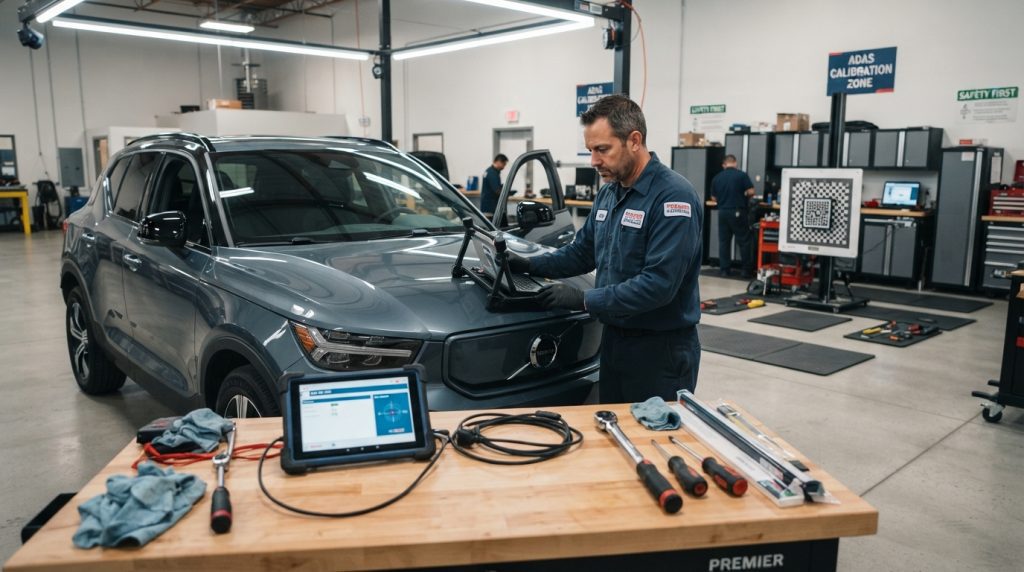
If your vehicle has an ADAS camera or sensor, replacement may need another step. Some windshield replacements require calibration to help those systems work as designed.
Why Broken Rear Glass Usually Needs Replacement
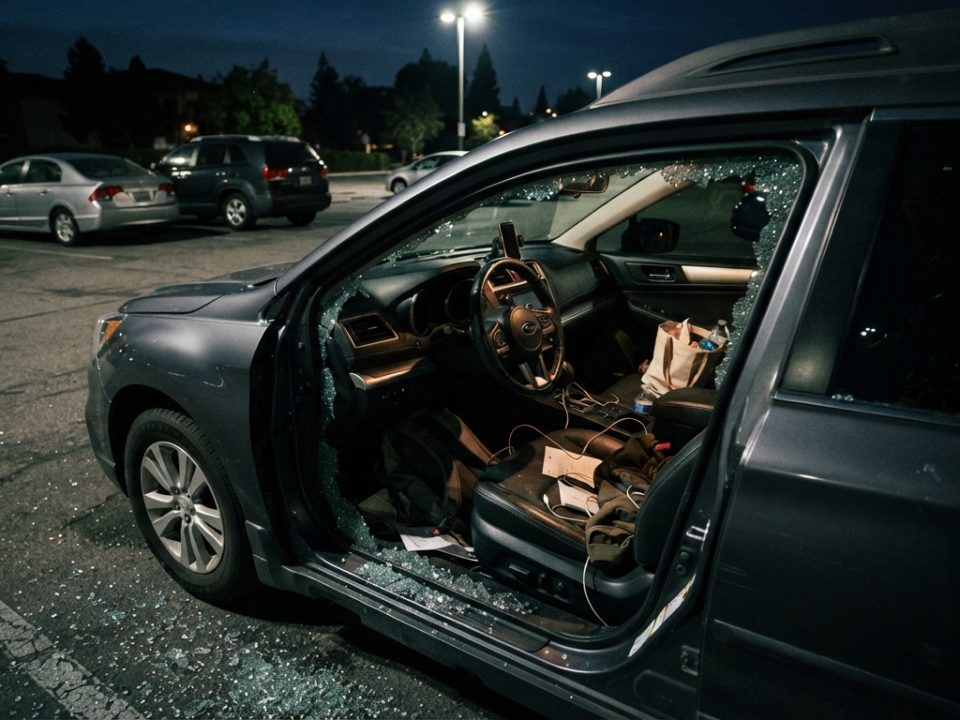
Broken rear glass usually needs replacement because it shatters into scattered pieces. Cleanup across the back of the vehicle adds work before a technician can install new glass.
Loose pieces can land on seats, in the cargo area, or near the glass frame. The technician must clear the work area so the new pane can fit correctly.
Rear glass replacement may involve reconnecting defrost-grid or antenna circuits. Those connections must match the equipment built into your vehicle.
The back windshield replacement cost depends on the vehicle and its glass specification. No reliable price can be given without details about the pane and its features.
A quote for rear windshield replacement may change with the glass type, attached equipment, and cleanup needs. Give the provider enough detail to identify the right part.
When you search for back windshield replacement near me, check that the nearby service provider handles your vehicle’s exact rear-glass features. Ask about the defrost grid or antenna if your glass has one.
Prepare these details when you request a quote:
- Year, make, and model
- Which window is damaged
- Visible equipment, such as a defrost grid or antenna
- Whether the front glass has an ADAS camera or sensor
A clear description helps the provider match the glass to the vehicle before setting up service. It can also help prevent delays caused by ordering the wrong pane.
Confirm the glass specification and any connected equipment with the service provider. Share the damage details and ask for help choosing the right service.
Conclusion
Before arranging service, note which window is damaged and any equipment built into it. Front and rear glass use different designs, so clear details help your provider identify the right part.
Miracle Auto Glass serves drivers near Bandera Rd & Grissom. Call (210) 680-2551 to discuss your vehicle and the damage.
Hire Miracle Auto Glass to fix your windshield or other glass damage. Call (210) 680-2551 or visit the service location at Bandera Rd & Grissom.