
Why In-Shop ADAS Calibration Conditions Matter
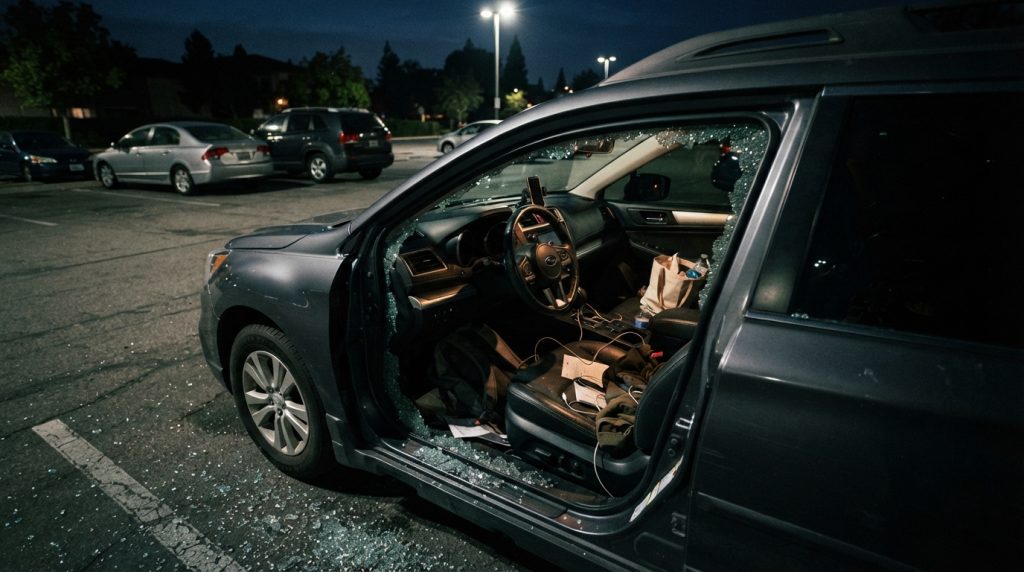
Prompt side-window replacement restores a barrier between your vehicle’s interior and the outside. A broken window leaves your car open to people, weather, and debris. Security window film is a thin adhesive layer applied to intact glass to help hold fragments together if the glass breaks. It does not replace damaged glass.
Replacing the pane restores the physical barrier. The time you leave an opening exposed can affect the vehicle’s safety and its contents. A theft is not certain, but an open window makes access easier.
Key Takeaways
- Move away from loose glass and check for injuries first.
- Arrange side-window glass replacement to restore the opening.
- Locking the doors does not secure a broken window.
- Security film can help hold fragments, but cannot stop every break-in.
- Choose a film based on its specifications, not its tint alone.
First, focus on practical steps that keep you and the vehicle safe after the glass breaks.
What Should You Do Right After a Side Window Breaks?
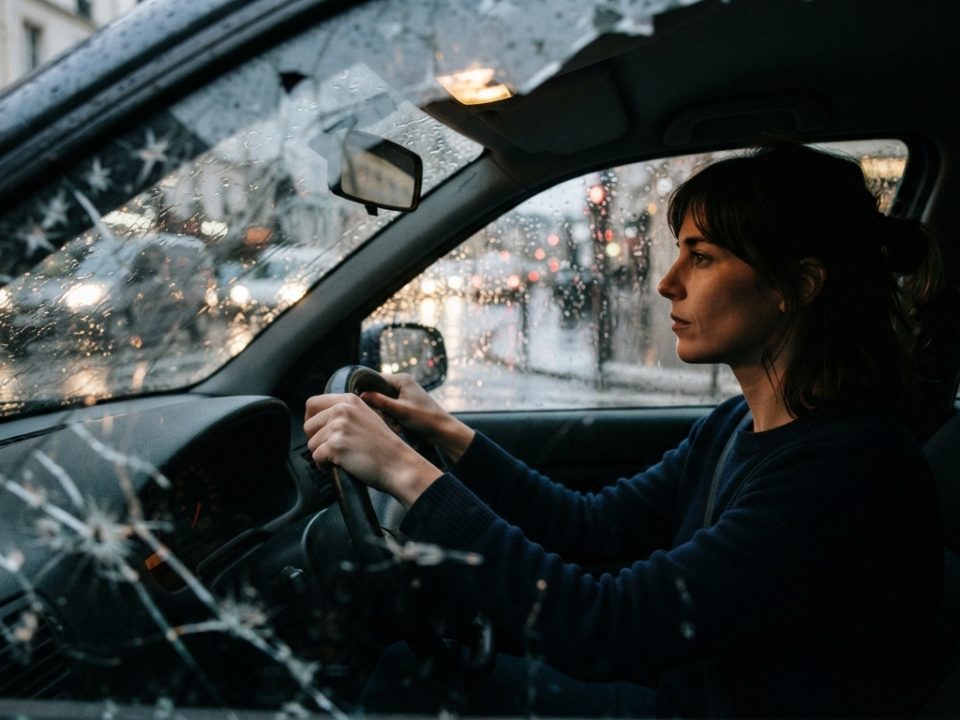
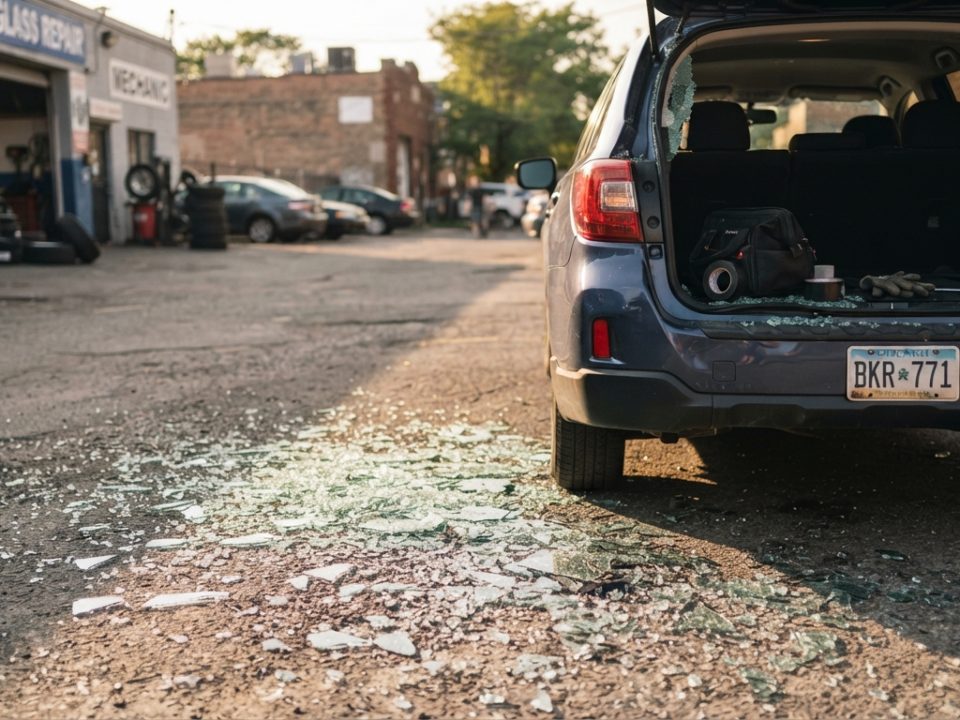
You discover a broken side window in a parking lot, with glass on the seat and ground. Start with safety, then protect the vehicle before you leave. An intact, lockable door does not make an open window secure.
Check for injuries and clear the immediate area
Check yourself and any passengers for cuts before touching anything. Keep people away from loose fragments, including glass hidden in seats or door pockets. If someone is hurt, seek medical help before handling the vehicle.
Take clear photos of the window, the surrounding area, and any damage inside the car. These images can help you explain what happened to a repair provider or insurer. Do not reach through broken glass to collect items.
Secure the vehicle before you leave it
Use this five-step checklist to reduce immediate risks:
- Check everyone for injuries and get help if needed.
- Stay clear of loose fragments and avoid sweeping glass by hand.
- Photograph the damage before moving items or covering the opening.
- Remove visible valuables only when you can do so safely.
- Arrange a secure, well-lit place to leave the vehicle.
To lock your car windows, close every working window and lock the doors. Window-lock controls vary, so check your owner’s manual for the right control. Closing the other windows does not secure the broken opening.
If you must leave, consider a garage or another place where the vehicle is watched. Avoid driving if glass blocks your view or loose pieces could fall into your path. These precautions buy time, but restoring the pane promptly matters for lasting car safety.
Why Does Prompt Replacement Matter for Car Window Security?
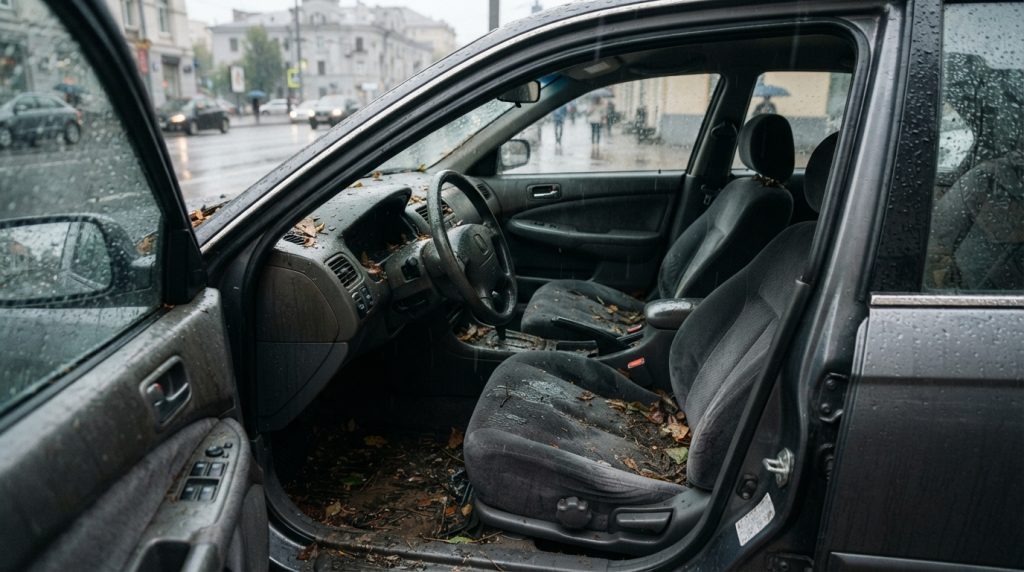
A broken side window leaves an accessible opening, even when the doors are locked. Glass replacement restores a physical barrier between the vehicle interior and the outside. It can reduce easy access, but it cannot guarantee that theft will not happen.
Anyone near the opening may be able to reach inside more easily than through an intact window. Bags, tools, and other belongings can become easier to take. Leaving the car open also exposes seats and door panels to rain, dust, and road debris.
Weather can affect the interior even while the vehicle is parked. Water or dirt may reach areas that are hard to dry or clean. Prompt attention can limit the time the cabin remains exposed.
Locking the doors remains useful, but locks cannot close an opening in the car window. A temporary cover may block some rain or debris, yet it is not a replacement pane. It also may not provide the same barrier as installed glass.
Replacing the glass and adding film serve different purposes. Replacement fills the opening with a pane designed for that vehicle. Security film adds a layer to intact glass and may help retain fragments after breakage.
Quick repair is not a promise against theft. A vehicle may still face risks from other entry points or circumstances. The goal is to remove the easy opening and protect the interior from further exposure.
Waiting can also complicate everyday use, especially if the weather changes or the vehicle must be parked outside. Keep the opening covered only as a temporary measure, and avoid relying on tape or plastic as a lasting fix.
Once you decide to restore the opening, you can plan around the work itself. A glass replacement appointment usually includes removing fragments, preparing the door, fitting the new pane, and testing it.
What Happens During Side-Window Glass Replacement?
When you book a replacement, ask what the technician will do with glass inside the door. Fragment removal is part of the work, not just fitting a new pane. The provider should explain how they will protect your vehicle’s interior.
Removing the damaged glass and preparing the door
The technician first checks the damaged area and clears broken glass from the seat, floor, and door. Fragments can collect inside the door cavity, where you may not see them. Ask how the provider will check and remove those pieces.
Next, the repair provider prepares the door so the replacement pane can fit in place. The exact work can vary by vehicle design. Ask how the team will cover the seat and trim while working.
Fitting the replacement pane and checking its operation
The technician fits the replacement side-window glass into the door and checks its movement. The window should move as intended and sit against its seals. The provider can also check for leftover fragments that may rattle or interfere with the window.
Ask whether the repair includes a check of the window’s operation and fit. If you notice unusual movement, noise, or a poor seal after service, tell the provider. These details are easier to address while the repair is fresh.
Repair duration and price depend on the vehicle and the work needed. No fixed time or cost applies to every car, so ask the provider for details about your vehicle. Do not assume same-day completion unless the provider confirms it.
Replacing the pane restores the window itself. Security window film is an optional addition for intact glass, with a different role. If you are considering it, first understand what the film can and cannot do.
Can Security Window Film Reduce Break-In Risks?
Security window film bonds to glass and can help keep fragments together after breakage. That added hold may delay access during a smash attempt. It does not make glass unbreakable or stop every break-in.
Adhesive film layers are designed to absorb some impact energy. If glass breaks, the film can help retain fragments rather than letting them fall apart at once. This may slow an intrusion, but it is not a guarantee of protection.
How the film helps hold broken glass together
Film adds a layer to intact glass, so it must be in place before an impact to serve this purpose. Anti-break window film for cars is an added measure, not a repair for a broken pane. A damaged window still needs replacement.
What security film cannot guarantee
Film cannot prevent every accident or attack from breaking glass. Its effect depends on the film and how it is fitted. Some automotive films are clear, while others are tinted; some also offer UV and solar-heat protection.
| Situation | What security film can do | Limit |
|---|---|---|
| Smash attempt | Hold fragments and delay access | Cannot stop every break-in |
| Accidental impact | Help keep fragments together | Cannot prevent all glass breakage |
| Sun exposure | Some films reduce UV or solar heat | Benefits vary by film |
These limits matter when you weigh the added protection. A film may slow access, but that delay does not make the vehicle theft-proof. Do not treat tint, by itself, as proof of a security feature.
Clear, tinted, and ordinary tint options differ in view and privacy. The next step is to compare what each product offers and what its specifications say about glass retention.
How Do You Choose a Security Film for Your Car?
Clear security film can preserve your original view, while tinted options reduce visibility into the vehicle. Your priorities may include visibility, privacy, and added protection. Tint alone does not show that a product is security film.
Compare the product’s stated features, not just its shade. The best window security film depends on its specifications and your needs, not a universal “strongest” claim. There is no product ranking or legal tint limit given here.
Choose between clear and tinted film
Clear film leaves the view through the glass more open, while tinted security films reduce the view into the cabin. Ordinary tint can change glass appearance, but tint alone does not establish glass retention. Check the product details before choosing.
| Option | View and privacy | What to verify about glass retention |
|---|---|---|
| Clear security film | Preserves the original view | Listed retention features and specifications |
| Tinted security film | Reduces visibility into the vehicle | Security rating and retention details |
| Ordinary tint | Changes shade and cabin visibility | Tint alone does not prove retention |
Check the film specifications and installation
Review film thickness, composition, and any applicable certification. Ask the installer how they fit the film and how much experience they have with your vehicle. Those details help you judge whether the product suits your needs.
Tint requirements vary by location and by window. Check local rules before choosing a tinted option, since no specific legal limits are provided here. A shade that looks right may not meet the rules where you drive.
Security window films can differ in both appearance and stated features. Ask for the product specifications in writing if you need to compare choices. Then discuss fit, specifications, and tint compliance with a local installer.
How Can You Reduce Theft Risk and Find Local Glass Help?
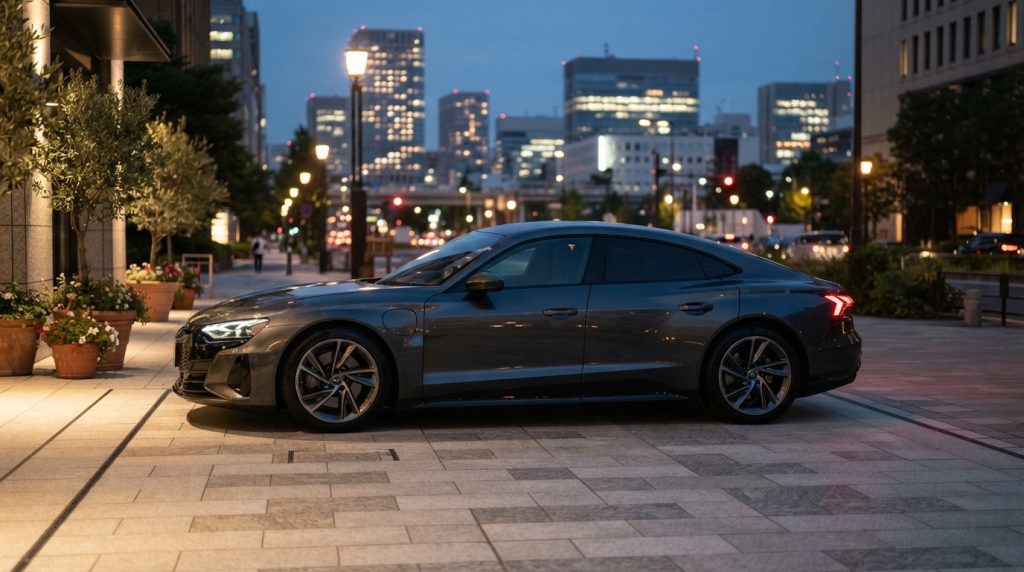
A car with visible belongings in an isolated parking spot can look like an easier target. Choose visibility when you park, and reduce reasons for someone to approach your vehicle. Simple habits can lower opportunities, but no step guarantees against theft.
Use this five-item checklist before leaving your car:
- Lock the doors.
- Close all windows and the sunroof.
- Take the keys with you.
- Keep valuables out of sight.
- Choose a well-lit, busy parking place.
A search for car window security near me may show local glass repair or film-installation options. For window security film installation near me, ask whether the product is security-rated and fits your vehicle. Confirm what the film can do before you book.
Miracle Auto Glass is a local option at Bandera Rd & Grissom. You can call (210) 680-2551 to ask about glass help. The price and appointment time depend on the service and your vehicle.
If your side window is damaged, arrange glass repair as the next step. Film may be an added measure later, but it does not replace the broken pane.
Conclusion
Replacing damaged glass restores the barrier around your vehicle’s interior. Arrange side-window glass replacement promptly, and treat security film as an optional addition for intact glass, not a substitute for a damaged pane.
For help with a broken side window, windshield, or other auto glass damage, contact Miracle Auto Glass at Bandera Rd & Grissom. Call (210) 680-2551 to discuss your repair needs and next steps.