
Window Motor or Regulator? How to Identify Your Power Window Problem
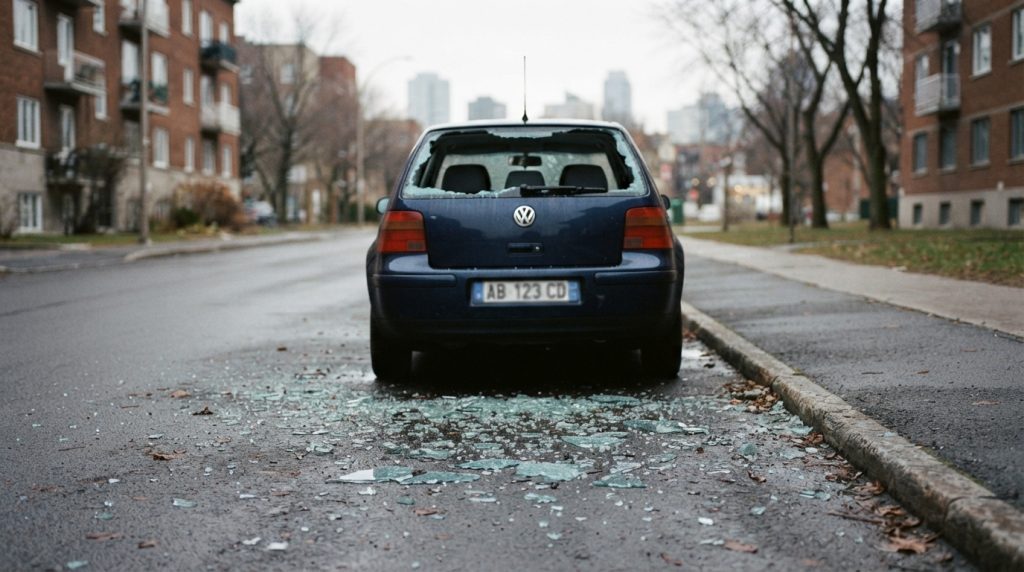
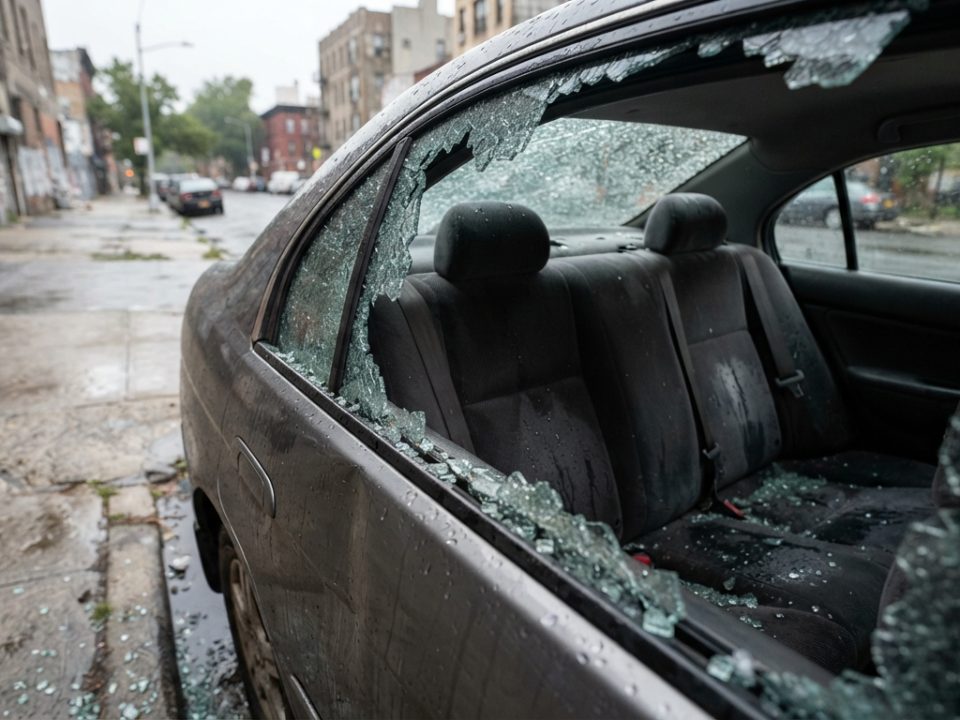
You find your car parked with its rear windshield shattered, though no one saw anything hit it. The sudden mess can feel alarming, especially when people or pets may be near the glass.
Tempered glass is glass treated so that, when it breaks, it crumbles into many small pieces rather than large shards. No obvious impact does not prove there was no earlier stress or damage. The situation can have several causes, and one clue rarely tells the whole story.
Your first choices should focus on safety and protecting the vehicle from weather. The broken glass may also point to an issue that needs a professional check. Moving from surprise to possible causes can help you decide what to investigate.
Key Takeaways
- Keep people away from loose glass.
- Do not drive with unsafe visibility or loose fragments.
- A small impact, temperature stress, or a defect may be involved.
- Rear window glass generally needs replacement after it shatters.
- Ask a glass professional to inspect the vehicle and explain the repair.
Why Your Rear Windshield Shattered Without Impact
“Without an obvious impact” does not rule out an earlier chip, stress, or defect in the rear window. Small damage can be hard to spot, and the glass may break later.
Several causes can fit the same sudden break, so no clue alone proves what happened. A rear car window shattered for no reason may describe what you saw, not the confirmed cause.
Hidden damage, debris, and defects
A rock or other road debris can strike the glass without leaving an easy-to-find mark. A small impact may create stress that grows before the glass visibly shatters.
Manufacturing defects or improper installation can also affect the glass or how it sits in the frame. A later break may happen without a new visible impact, but inspection is needed to assess those possibilities.
| Cause | How stress can develop | Possible clue | What the clue cannot prove |
|---|---|---|---|
| Debris impact | A rock or object may leave a small damaged point. | A small impact may be difficult to spot. | No visible mark cannot rule out an earlier strike. |
| Temperature change acting on stressed glass | Heat or cold may add stress to an earlier flaw. | The break follows a sharp temperature change. | Timing cannot prove temperature caused the break. |
| Manufacturing or installation defect | A flaw or poor fit may add stress over time. | A break can occur without a new visible impact. | The clue cannot identify a defect by itself. |
The table’s clues do not establish the cause. A glass professional may need to inspect the vehicle, the frame, and the broken edges.
Temperature changes and stress around the frame
Glass can expand or contract as temperatures change. If the rear window already has a flaw, rapid heating or cooling may add strain and help that damage grow.
Stress can also build near the frame if the glass does not sit evenly. A temperature change may be part of the chain of events, not the only cause.
These possibilities explain why a break can seem sudden even when the stress began earlier. The next step is to protect people and the vehicle while you assess the damage.
What Should You Do After the Rear Window Shatters?
Keep passengers and pets away from the broken glass before you try to clean anything. Loose fragments can remain on seats, in the cargo area, or around the vehicle.
Do not drive if loose glass or poor visibility makes the vehicle unsafe. If you are unsure, arrange help instead of taking the risk.
What to do when your back windshield has shattered
Use these steps to reduce risk and protect the scene before a professional checks the car:
- Keep people away from loose glass, including fragments on the ground.
- Wear sturdy gloves and eye protection if you must handle fragments.
- Carefully clear loose glass inside the cabin and cargo area. Avoid reaching into hidden gaps.
- Photograph the damage before moving items or covering the opening.
- Cover the opening with a tarp or plastic sheet, secured without blocking the driver’s view.
- Arrange professional help to assess the damage and plan the repair.
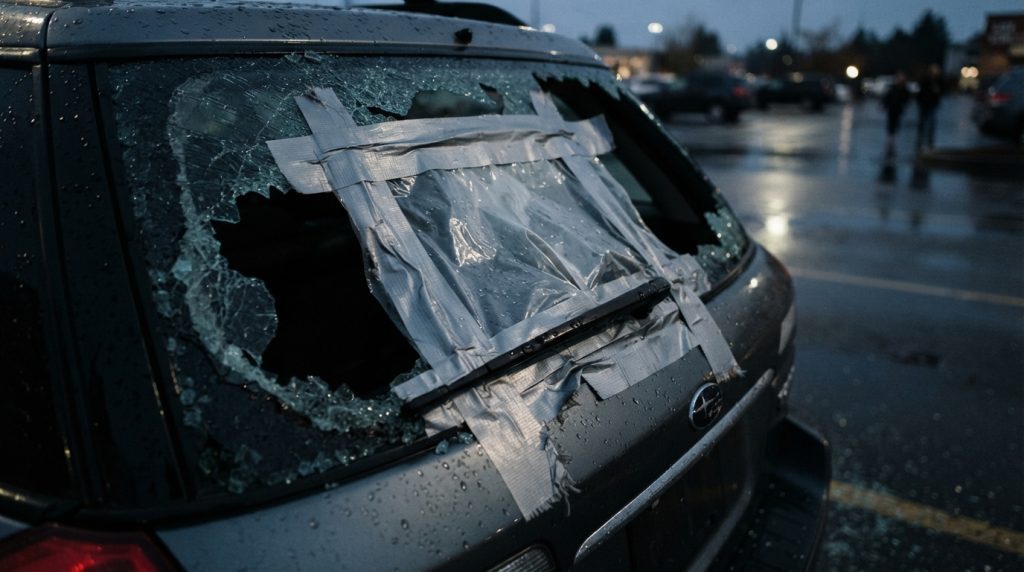
A plastic cover is a temporary fix for a broken back window, not a repair. Do not let the cover, loose debris, or restricted visibility create a new hazard.
| Situation | Safer choice | Reason |
|---|---|---|
| Loose glass or obstructed visibility | Do not drive; arrange assistance. | Glass can shift, and poor visibility can prevent safe driving. |
| Protected opening with clear visibility | Assess safety and contact a professional. | A cover protects from weather but does not repair the window. |
| Uncertainty about whether the vehicle is safe to drive | Arrange help rather than guess. | A professional can advise on a safer way to move the vehicle. |
Temporary fixes for a broken back window
A tarp or plastic sheet may keep rain and debris out for a short time. Secure it from outside the driving area, and do not use a cover that blocks mirrors or your view through the front windshield.
Do not rely on a plastic bag as a lasting cover. It can tear or flap loose, and no temporary material restores the rear window’s strength.
Loose glass or poor visibility can make driving unsafe, even after cleanup. Temporary protection does not replace a professional assessment of the vehicle and its broken glass.
Does a Shattered Rear Window Need Replacement?
A shattered rear window generally needs replacement, not a chip repair. Rear window glass is typically tempered, unlike a front windshield that may sometimes be repaired when damage is limited.
A proper replacement must fit and seal correctly. A poor fit can leave an inadequate seal, allowing water or air to enter the vehicle.
The technician removes the broken glass and checks the opening before fitting new rear window glass. The correct part must match the vehicle and sit evenly along the frame.
Ask the technician to check the frame for damage before installing the new glass. A bent or damaged frame can affect how well the replacement fits and seals.
The rear windshield wiper also needs attention during the repair. Ask the technician to check for damage and confirm that the wiper works as it should.
Some rear windows include features that vary by vehicle. The part may need to match the car’s design, and the provider can explain which details affect fit.
Choose a provider with experience working on your vehicle’s rear glass. Ask what the replacement services include, how they check the seal, and who handles problems found during the work.
After installation, follow the technician’s care instructions. Ask when you can use the rear windshield wiper and whether anything could affect the fresh seal.
A clear explanation can help you compare repair options without guessing at the work. Vehicle-specific details and coverage questions can also affect your quote and scheduling.
What Affects Rear Window Replacement Cost and Timing?

Two drivers may need different quotes, even when both have broken rear glass. Your vehicle’s details help a provider identify the right part and estimate the work.
There is no single rear windshield replacement cost or timing that fits every vehicle. Ask for a quote based on your car and the work it needs.
What determines the replacement cost?
Give the provider your vehicle’s year, make, and model when you request a quote. Also mention any rear-window features that may affect the part or installation.
Ask what the rear windshield glass price includes. Confirm whether removal, installation, sealing, and disposal of the broken glass appear in the total.
The supplied information does not give a verified price range or replacement-time estimate. A vehicle-specific quote is the best way to learn the cost for your job.
Ask whether mobile service is available and what post-installation instructions apply. The installer can also explain the expected appointment length and any wait before driving.
Questions to ask about insurance and scheduling
Insurance coverage depends on your policy. Before authorizing work, ask your insurer whether the loss is covered, what deductible applies, and whether it has a preferred process.
- What is the total quote for my vehicle?
- Does the quote include removal, installation, sealing, and disposal?
- When can you schedule the work?
- Is mobile service available for my location?
- Does my policy cover this loss, and what deductible applies?
Share the vehicle details with both the glass provider and your insurer to help avoid delays. Once you have a quote and a schedule, you can focus on reducing avoidable stress on the replacement glass.
Can You Reduce the Chance of Another Break?
Good care may reduce avoidable stress, but it cannot prevent every break. Hidden defects or damage outside your control may still affect the glass.
No routine can guarantee that a rear window will not break. Simple checks can help you spot issues before they get worse.
Follow the vehicle maker’s guidance for the rear windshield wiper, and inspect the wiper for wear. A worn part can raise concerns about use, so ask a technician if it seems damaged or works poorly.
Use care around any visible chip or other damage. Avoid sudden, extreme temperature changes to damaged glass where practical, and ask a technician to check the fit and frame after installation.
There is no source-supported percentage for how likely a crack is to spread or shatter. There is also no universal force threshold or time-to-spread figure that applies to every car.
The outcome can depend on the glass and its condition, so avoid relying on a countdown or a single rule. These steps may reduce avoidable strain, but they cannot remove every risk.
If you find new damage, have a professional assess it promptly. That gives you a chance to address a visible issue before it becomes a larger problem.
Conclusion
Put safety first, then have a professional fit the right replacement. A sudden break does not prove one cause, but damaged rear window glass needs proper assessment.
Miracle Auto Glass can help fix windshield or other glass damage. Visit the shop at Bandera Rd & Grissom, or call (210) 680-2551 to arrange help today.