
How Car Door Glass Replacement Works: A Step-by-Step Guide
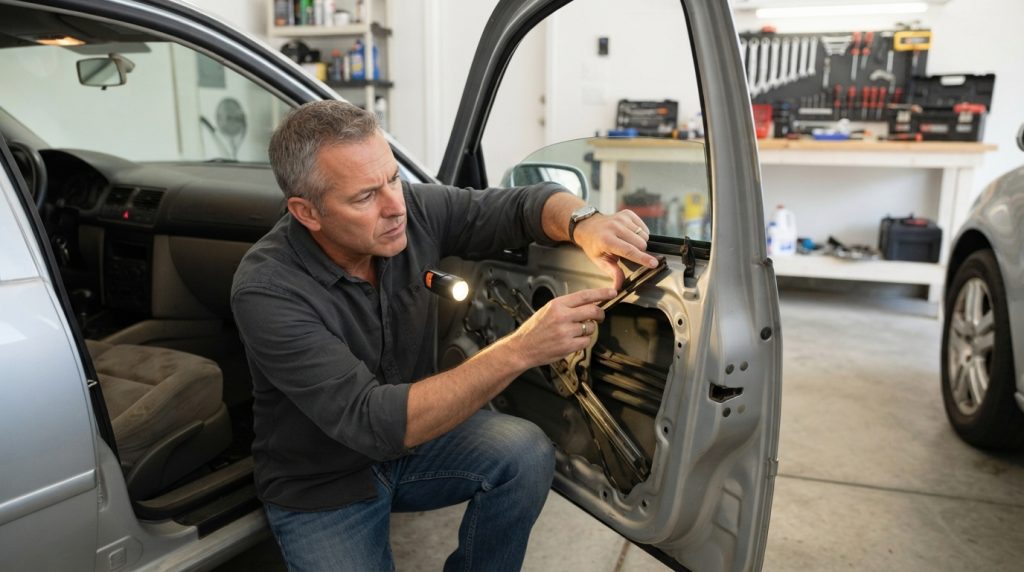
You press the driver-side switch, but the window does not move. Or the glass struggles as the power window motor replacement question starts to cross your mind. A vehicle window can stop for several reasons, and the driver or passenger window may show similar signs.
A failed motor, window regulator, switch, wiring, or fuse can cause similar trouble. Symptoms offer clues, not a diagnosis. Do not force a stuck window, since that could damage the glass or the parts inside the door. A careful check can help you avoid replacing the wrong part.
Key Takeaways
- Several parts can stop a power window.
- Listen and watch for useful clues.
- Check electrical controls before buying parts.
- Support the glass before repair work.
- Ask a technician when the cause is unclear.
You will find a practical path from symptoms to checks and repair options, then choose a safe next step.
What Signs Point to a Motor or Regulator Problem?
A motor that sounds strained as the glass creeps suggests a different clue than glass that rattles or sits crooked. Neither clue proves which part failed. Look at how the window moves, then compare what you hear.
Clues That May Point to the Motor
Slow movement, intermittent operation, or no movement at all can point to a weak window motor. A burning smell near the window also deserves attention.
The motor may work one moment and stop the next. It may also move the window in only one direction. These signs can appear when the motor struggles under load.
A squeak or rattle does not rule out motor trouble. A failing motor assembly can make noisy or squeaky glass movement, and sounds can travel through the door.
Notice whether the problem affects one side or more than one window. Similar trouble across several windows may point away from a single motor.
Clues That May Point to the Regulator
A window regulator moves the glass, so damage there can make the pane tilt, bind, or move unevenly. The glass may sit crooked in the opening.
Rattling from the door panel can suggest a loose or damaged regulator. Squeaking during movement may also come from the regulator or the window track.
Glass that binds along its path deserves care. Repeatedly pressing the switch can put more strain on the parts and may leave the window in a worse position.
The signs overlap because the motor and regulator work together. A clue narrows the possibilities, but checking the system matters before choosing a repair. The way these parts work together explains why one symptom can have several causes.
How Do the Motor and Regulator Work Together?
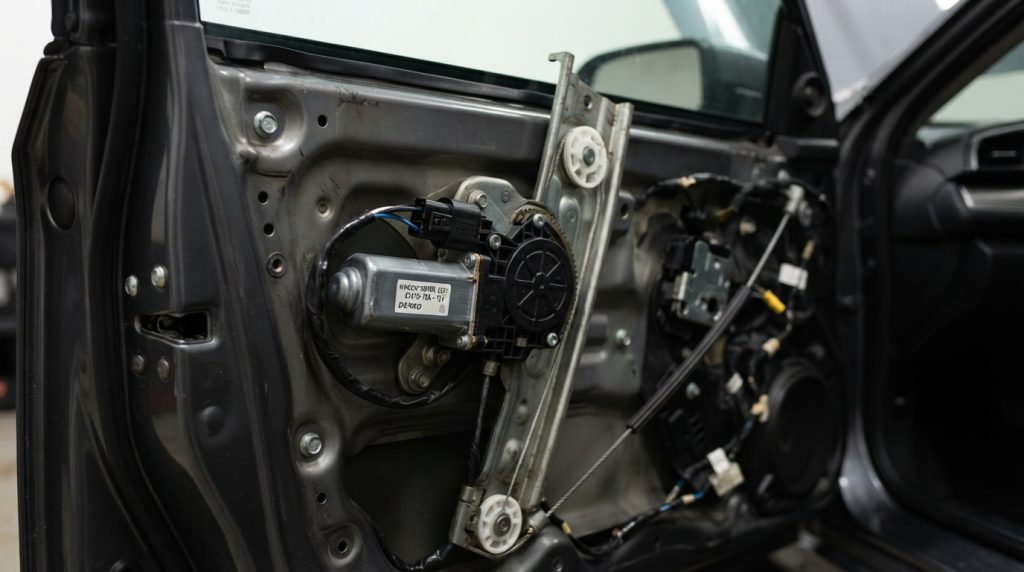
The power window motor supplies movement, while the window regulator transfers that movement to the glass. The motor provides force, and the regulator guides the glass.
The window regulator is the mechanical assembly that moves window glass up and down when powered by the window motor. It sits inside the door and connects to the glass.
When you press a switch, it sends an electrical signal to the power window motor. The motor turns electrical energy into mechanical movement.
That movement drives the regulator and its arms. The arms raise or lower the glass along its path in the door.
Some systems use a cable or other parts to guide the glass. The exact design can vary by vehicle, but the basic chain stays the same.
The switch starts the action, the motor creates movement, and the regulator moves the glass. A window regulator motor is not always sold as one part, even though both parts work together.
The phrase motor regulator may describe the linked system, but the motor and regulator still have different jobs. A combined motor-regulator assembly packages both parts together.
Because the parts depend on one another, a failure anywhere in the chain can look similar from the driver’s seat. That is why a practical check should consider more than the motor.
One part cannot explain every failure, so the electrical supply and controls matter too. That is the starting point for narrowing down the fault.
How Can You Tell Whether the Motor, Regulator, or Wiring Failed?
Check the electrical supply and controls before ordering a motor. A blown fuse, faulty switch, or damaged wiring can mimic motor trouble.
Check the Switch and Electrical Supply First
See whether the other power windows work. If your vehicle has another switch for that window, test its response there too.
Listen near the door while pressing the switch. Hearing the motor can show that power reaches it, but the sound alone does not prove the motor works well.
If nothing happens, the issue may still lie in the fuse, switch, or wiring. A vehicle-specific wiring diagram can help trace the control signal.
Match What You Hear and See to the Likely Part
Use the evidence together rather than relying on one sound. The table shows what to check for each part.
| Part | What it does | Evidence to check |
|---|---|---|
| Motor | Provides powered movement | Whether it runs when the switch is pressed |
| Regulator | Moves and supports the glass | Whether the glass binds, tilts, or rattles |
| Switch or wiring | Carries the control signal or electrical supply | Whether the switch works and the connector or fuse needs testing |
A motor regulator assembly may hide the source of a fault if you replace parts without checking them. One sound or symptom never confirms the diagnosis.
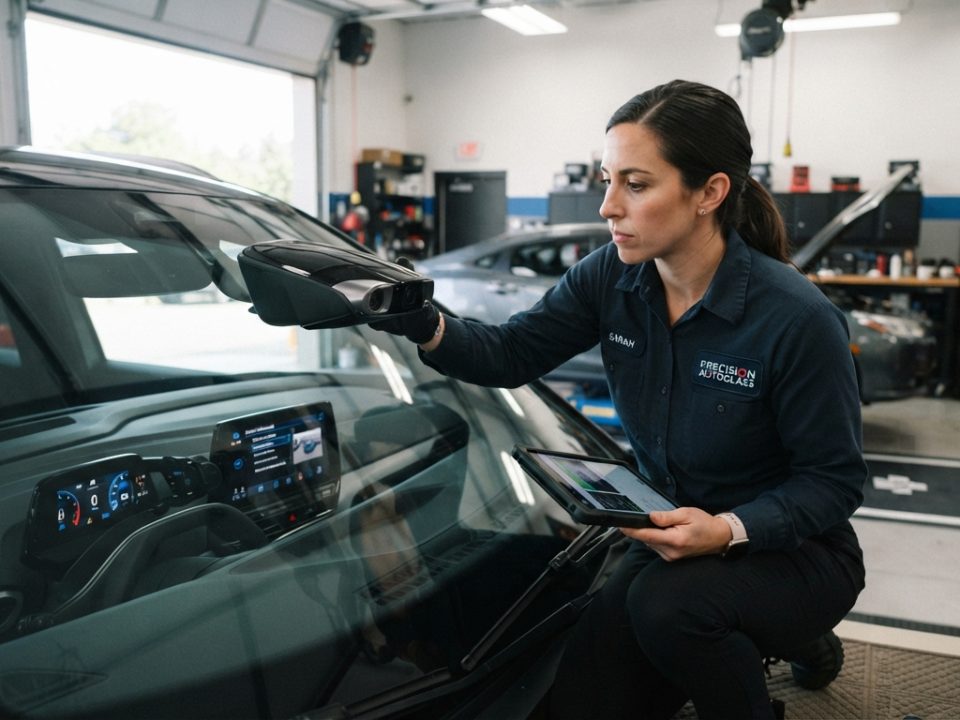
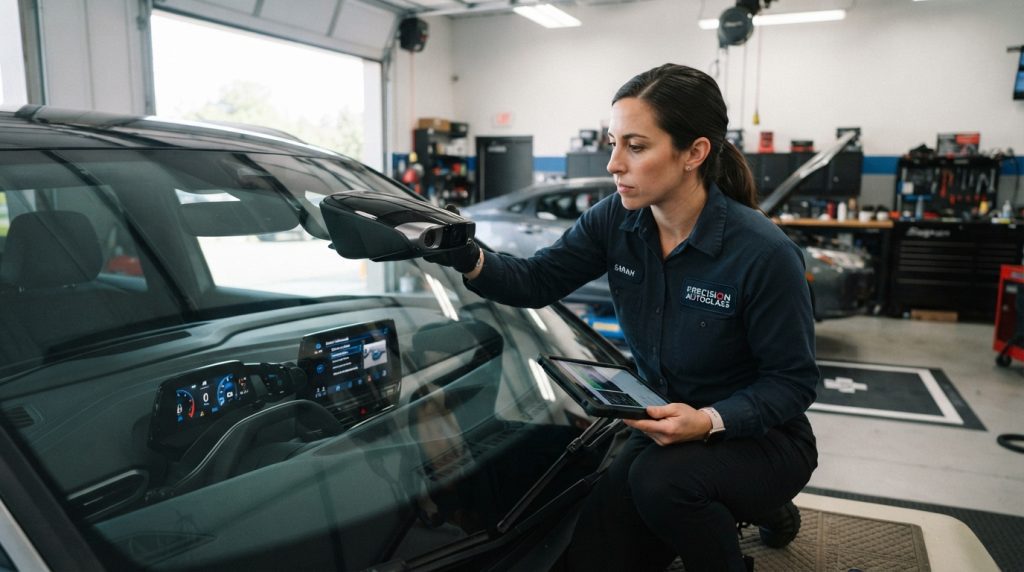
Consult vehicle-specific service information if the results are unclear. A technician can test the circuit and inspect the parts before you buy a replacement.
Once you have narrowed down the likely cause, consider the safety steps and work involved in a motor replacement.
What Does Power Window Motor Replacement Involve?
Support the glass before you remove its mounting bolts. Unsecured glass can drop into the door or break. Power window motor replacement varies by vehicle, so treat these stages as a general outline.
Prepare the Vehicle and Support the Glass
Your service manual gives the right access points and fasteners for your vehicle. Door designs differ, and trim clips can break if pulled in the wrong place.
Remove and Replace the Motor
- Switch off the ignition and disconnect the battery.
- Remove the interior door panel carefully to protect its clips.
- Peel back the water shield and keep it intact for reuse.
- Support and secure the glass, remove its mounting bolts, disconnect the motor connector, and remove the motor.
- Fit the matching replacement, reconnect the parts, restore the shield and panel, reconnect the battery, and test the window.
The fourth stage requires particular care. The glass must stay supported while you loosen its mounting bolts and disconnect the motor.
Use the vehicle service manual to find the correct mounting points. The fasteners, connector location, and motor access can differ by model and door.
Reassemble and Test the Window
Check that the glass moves freely before you refit the door panel. Keep hands clear of moving parts while testing the window.
A window regulator with motor replacement means installing the combined motor-regulator assembly. Replacing only the window motor may require transferring the regulator to the new motor.
That transfer can take extra skill and care. If the regulator is bent or damaged, fitting a motor alone may not solve the problem.
Do not guess at the fasteners or the order of removal. Stop and seek help if the glass will not stay supported or the assembly feels difficult to handle.
A professional can take over when access, wiring, or glass support creates a safety concern. Your parts choice comes next: the right replacement may be a motor alone or a complete assembly.
Should You Replace the Motor, Regulator, or Full Assembly?
A regulator listing may include a motor, or it may sell the regulator alone. Check what the part includes before you choose.
A combined motor-regulator assembly can make sense when both parts are worn or the vehicle design sells them together. It is not required for every repair.
When a Combined Assembly Makes Sense
If only the motor has failed and the regulator remains in good shape, a motor-only part may fit the repair. The right choice depends on the vehicle design and the failed part.
Some parts listings pair the regulator with a motor. These examples show different fitments and listed parts prices, not installed repair quotes.
| Part listing | Fitment example | Includes motor? | Listed parts price |
|---|---|---|---|
| OEG Parts front driver-side regulator with motor | Honda Accord sedan, 1998-2002 | Yes | $37.95 |
| OEG Parts front driver-side regulator with motor | Select Chevrolet and GMC models, 1999-2007 | Yes | $27.95 |
| AISIN RPAT-095 regulator with motor | Select Toyota Tundra, 2004-2006, and Toyota Sequoia, 2001-2007 | Yes | $77.61 |
These are examples of listed parts prices, not guaranteed current prices or installed quotes. Labor and the total repair price depend on the vehicle and the work needed.
Confirm the Side and Vehicle Fitment
Match the part to the vehicle year, model, body style, and door position. A driver side window regulator with motor may not fit the passenger door.
Check the connector and whether the part includes a motor. A similar name does not ensure a match, even when the make and model look right.
Compare the window regulator assembly details with the part you are replacing. A regulator assembly can differ by front or rear door and by vehicle version.
What Affects Window Regulator Price?
Window regulator price varies with part brand, design, and fitment. A motor included in the listing can change the part cost, but it does not show the full installed price.
Ask for a quote that separates parts and labor. There is no standard labor or total repair price in the examples above.
Even after you choose a part, a stuck window must not remain loose or unsecured. Protect it first, then seek help for the mechanical fault or glass damage.
What Should You Do if the Window Is Stuck Open?
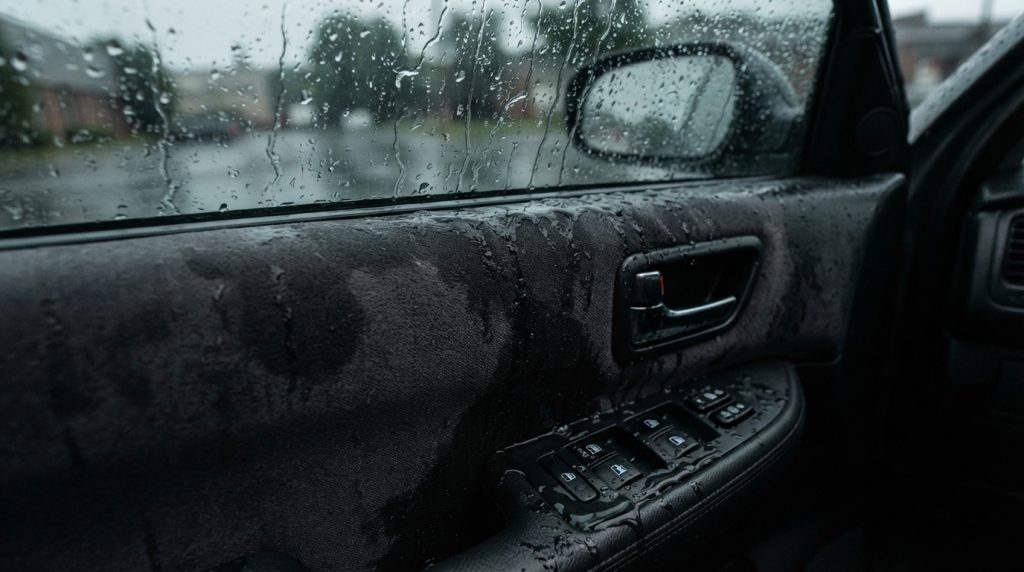
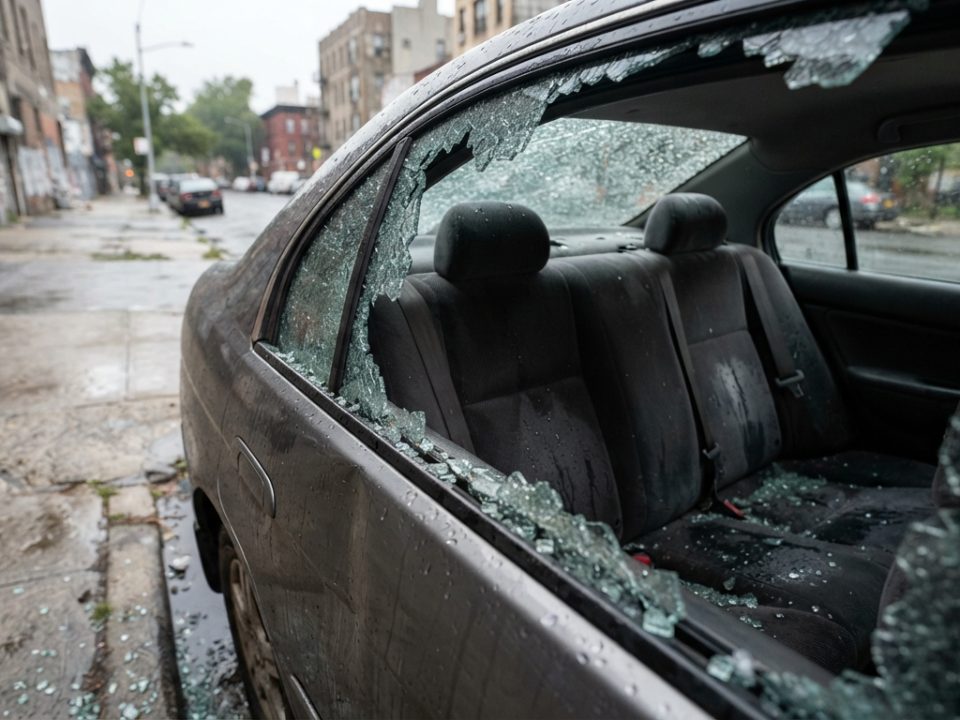
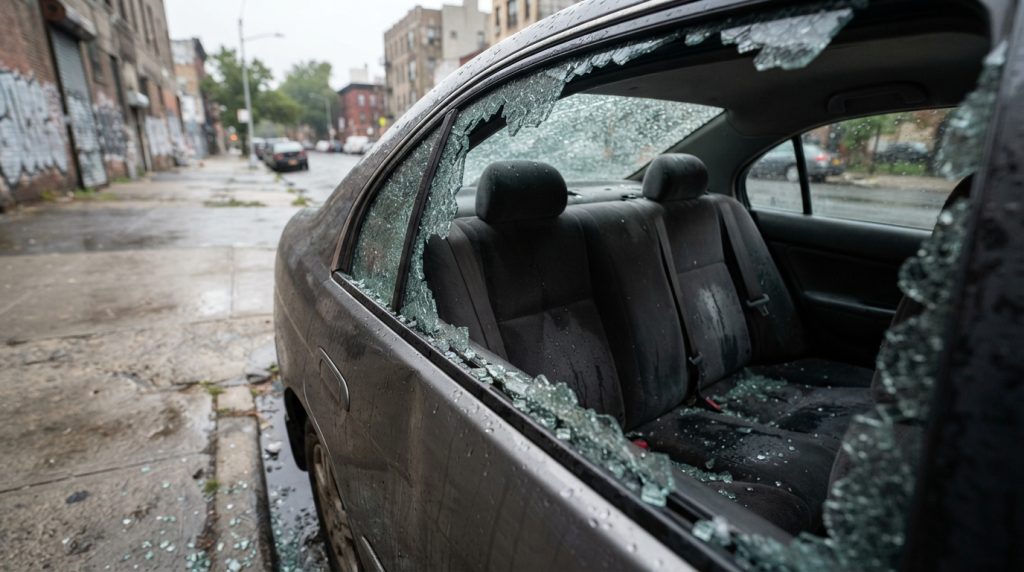
Rain or wind reaching through an open car door can put the interior at risk. Do not force glass that is jammed, cracked, or unsupported.
A broken motor may leave the glass free to raise by hand. If it moves safely, ask a second person to support it as you lift.
Secure the raised glass temporarily with masking tape. Avoid driving with loose glass, and stop if it binds or seems unstable.
For motor or regulator diagnosis, search for a qualified automotive technician using the phrase power window motor replacement near me. Have these details ready when you call:
- Vehicle year, make, and model
- Affected door and side
- What the window does when switched
- Any rattling, burning smell, or visible glass damage
Mechanical window problems need an automotive technician. For windshield or other glass damage, contact Miracle Auto Glass at Bandera Rd & Grissom, (210) 680-2551.
Keep the two needs separate: seek mechanical help for the window system, and glass repair for damaged glass. Choose the right call based on what needs fixing.
Conclusion
Confirming the failed part can prevent you from replacing the wrong component. A window that stops moving does not automatically need a motor.
Have the motor, regulator, and electrical supply checked before ordering parts. If your windshield or other glass is damaged, hire Miracle Auto Glass to fix it.