
Does Your Car Need Camera Calibration After Windshield Replacement?
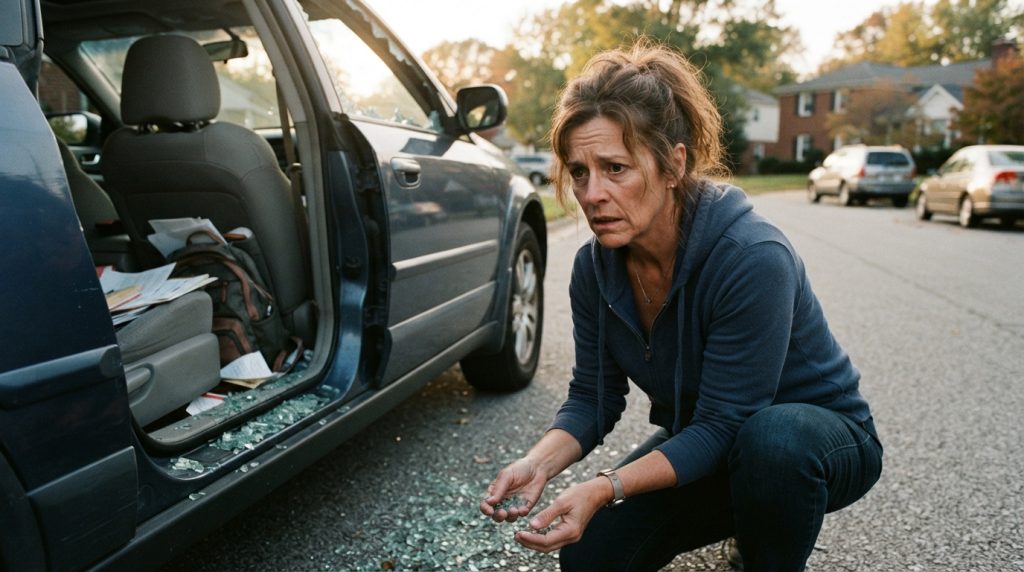
Check yourself and anyone nearby for injuries before approaching a car window shattered by a sudden event. A break can feel alarming, especially when you find damage after theft or vandalism.
The cause may be theft, vandalism, a collision, strong winds, or unclear at first. Tempered glass is safety glass designed to break into small pieces rather than long, sharp shards. Vehicle glass types can vary by window and vehicle.
First, protect people from danger and preserve details of what happened. Then consider whether police, your insurance provider, or an auto glass technician should help. A temporary window cover can limit exposure, but it does not replace the glass.
Start with the first practical safety checks at the scene, before handling anything.
Key Takeaways
- Check people nearby for injuries before approaching the vehicle.
- Keep passengers away from loose and attached glass.
- Record the damage before moving items, when safe.
- Ask your insurer whether side window glass is covered.
- Use a temporary window cover only until professional replacement.
Car Window Shattered: What to Do First
Make sure everyone is safe before you handle anything near the vehicle. Loose glass can still cut, even when automotive glass breaks into smaller pieces. Call 911 if someone is injured or faces immediate danger.
Modern automotive glass is designed to shatter without forming the same long, jagged edges as ordinary glass. Fragments can still cut skin, so do not touch loose pieces or glass still attached to the frame.
Check for Injuries and Immediate Hazards
Check yourself, passengers, and anyone nearby for cuts or other injuries. Keep people and pets away from shards on the seats, pavement, or floor. Do not reach through the opening or brush fragments aside with bare hands.
Look for immediate hazards around the car, such as traffic, fire, or unstable debris. If the scene is unsafe, move away and call for help. Call 911 if someone is hurt or in immediate danger.
Even small fragments may cling to clothing or upholstery. Ask passengers to avoid sitting down or leaning against the damaged area until it is safe.
If the Glass Breaks While You’re Driving
If a car window shattered while driving, slow down and keep control of the vehicle. Avoid sudden movements, and stop somewhere safe as soon as you can. Do not continue with impaired visibility or an opening that distracts you.
A passenger window shattered while driving can spread fragments inside the cabin. Keep your hands away from the window frame, even if you want to check or clear it. Pull over safely before assessing the situation.
Once immediate risks are controlled, preserving details of the incident becomes the next priority.
Document the Damage and Contact the Police
Take wide photos of the vehicle and nearby area, then close-ups of the broken car window. Photograph first when the scene is safe, before moving items. Keep possible break-in evidence undisturbed until police have had a chance to respond.
Use your phone to record details while they are fresh. Note what appears damaged or missing, and keep a list of missing items. A police report may help with an insurance claim, though not every claim requires one.
Photograph the Scene Before Touching Anything
Take clear images from more than one distance. Include the vehicle, the broken window, and the area around it. Capture the interior and exterior before disturbing anything that may show how the damage happened.
- Wide and close-up photos of the scene.
- Interior and exterior damage to the car.
- Missing belongings or vehicle components.
- The location and time you discovered the damage.
Write down missing items with useful details, such as their make or color. Do not move possible break-in evidence before police can respond, unless safety requires it.
When to Make a Police Report
Contact police when you suspect theft or vandalism. After a collision, follow local reporting requirements. If anyone is injured or faces immediate danger, call 911 rather than waiting to make a routine report.
Tell police what you observed and share your photos or list of missing property if asked. Ask how to get the report number or a copy. A report may support an insurance claim, but your insurer decides what paperwork it needs.
With the scene documented and any report underway, check what your policy may cover.
Will Insurance Cover a Shattered Side Window?
Coverage depends on your policy and how the glass was damaged. Comprehensive coverage is commonly relevant to theft or vandalism, while collision coverage may apply when the break happened in a collision. Some policies cover a windshield but not other window glass.
Read your policy or call your insurance provider to ask about side window glass. Confirm your deductible, whether the insurer needs an inspection, and what you should do before repairs begin.
Check Your Coverage and Deductible
Ask the insurer to explain the policy terms that apply to your loss. A policy may treat the side window differently from the windshield. Confirm whether glass damage has a separate deductible or follows your usual coverage terms.
| Incident | Coverage to ask about | What to confirm |
|---|---|---|
| Theft or vandalism | Comprehensive coverage | Glass coverage, deductible, and report needs |
| Collision | Collision coverage | Whether the window damage is part of the covered loss and the deductible |
| Unexplained breakage | Policy-specific coverage | Whether side glass is included and whether inspection is required |
If you plan to call insurance, ask whether an adjuster or inspection must happen before work starts. Also confirm whether the insurer requires a specific estimate or repair process.
Decide Whether to File a Claim
Compare the repair cost with your deductible before deciding whether to file a claim. A claim may not be worthwhile when the deductible exceeds the repair cost. Do not assume either amount; ask for an estimate and confirm the policy details first.
Filing a claim can still make sense when other damage is involved or your policy has special glass terms. Ask the insurer how a claim may affect the process, and keep notes from the call.
After checking the insurer’s instructions, decide whether and how to move the vehicle safely.
Can You Drive With a Shattered Side or Rear Window?
A damaged opening does not automatically make every vehicle undriveable, but safety and local law determine the decision. Visibility and control come first. Do not drive if the opening or debris compromises either one.
Consider loose glass, weather, vehicle security, and any other damage. A car may be exposed to rain or theft even if it seems safe to move. State and local laws differ, and driving with an obstructed or damaged window may be illegal in some states.
If a car window shattered while driving, pull over safely and assess the situation before deciding what to do next. The same rule applies if a passenger window shattered while driving. Do not keep going just because the car still runs.
| Situation | Safer choice | Reason |
|---|---|---|
| Visibility or control impaired | Do not drive; arrange help | Impaired driving safety |
| Vehicle exposed but otherwise safe to move | Relocate only to a nearby secure place | Reduces exposure to weather and theft |
| Uncertain safety or serious collision damage | Wait for professional or emergency guidance | Hidden damage may make driving unsafe |
A temporary window cover is not a safe long-term solution. It may shift, tear, or affect visibility, and it cannot restore the protection of intact glass. Follow local rules before taking the vehicle onto public roads.
If the vehicle is safely parked, remove loose glass carefully before choosing a temporary cover.
How to Clean Broken Glass From the Car
Small fragments can remain after the largest pieces are gone. Take your time and avoid hidden areas that you cannot see. Never reach blindly into the door or window track.
Clean only when the vehicle is stopped in a safe place and cleanup is appropriate. Wear thick protective gloves and closed-toe shoes. Check the seat and floor before sitting or kneeling near the broken glass.
Clear the Seats and Interior Carefully
Use a shop vacuum on the seats, floorboards, carpets, and areas under the seats. Move slowly so the vacuum can collect loose glass. A small broom can help when a vacuum is unavailable, though it may miss smaller fragments.
Check the area before placing your hands, knees, or belongings down. Glass can lodge in fabric or hide between seats. Do not press debris deeper into upholstery while brushing.
Use this order to reduce contact with sharp pieces:
- Put on thick protective gloves and closed-toe shoes.
- Remove accessible large fragments without bare-hand contact.
- Vacuum the seats, carpets, and floor areas.
- Check reachable frame areas and dispose of debris safely.
Check the Door and Window Frame
Look around the frame and seal for visible fragments. Do not probe inside the door, where glass may be hidden near moving parts. Keep your fingers out of the window track.
After removing loose debris, wipe reachable frame surfaces with a clean, damp cloth. Check the cloth for fragments before handling it again. Place collected glass in a sturdy container so it cannot cut someone during disposal.
Once accessible glass is cleared, protect the opening from weather and unwanted entry.
How to Cover a Broken Window Temporarily
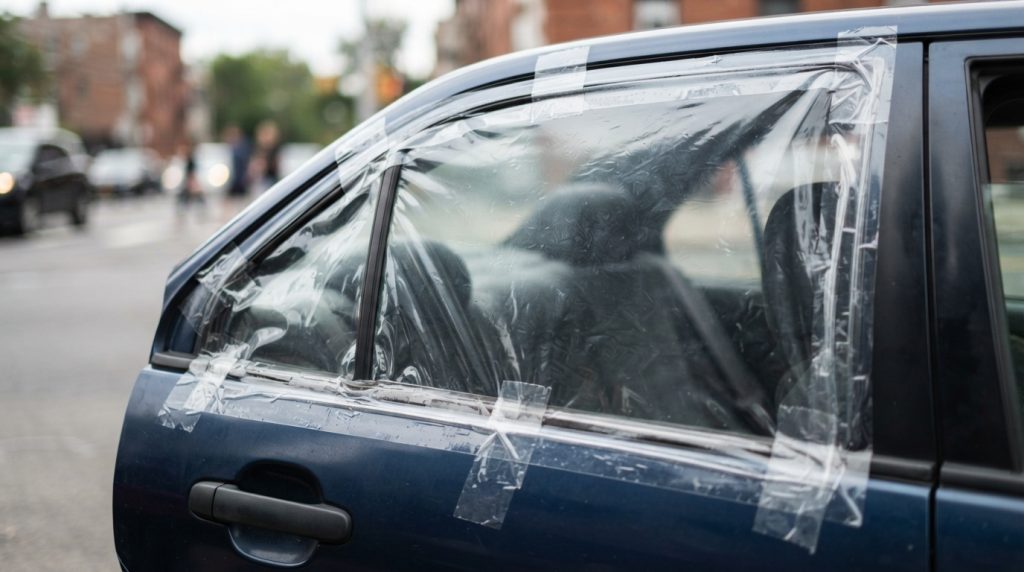
A temporary cover can reduce exposure, but it cannot restore the window’s protection. Think short term, until you can arrange replacement. No makeshift cover makes extended driving safe.
A plastic garbage bag secured with tape can block weather and debris. Overlapping strips of clear packing tape can form a more transparent barrier. Cardboard may block an opening while parked briefly, but it can disintegrate in rain.
Choose a Short-Term Cover
Choose a cover based on where the vehicle is parked and how soon you can get service. A plastic bag may flap or tear if it is loose. Clear tape allows more light through, but it is not a durable replacement.
| Cover option | Useful for | Limitation |
|---|---|---|
| Plastic garbage bag with tape | Short-term barrier against weather and debris | Can flap or tear if not secured |
| Overlapping clear packing tape | Transparent temporary barrier | Not a durable replacement |
| Cardboard | Blocking an opening while parked briefly | Can disintegrate in rain |
Keep in mind that any temporary window cover can loosen in wind or weather. Do not count on it to keep the cabin dry or secure for long. Arrange lasting glass replacement instead of treating the cover as a repair.
Attach the Cover Without Damaging Paint
Where possible, place tape on the inside of the opening to reduce the chance of paint damage. Protect exposed paint before taping near the exterior. Avoid duct tape if you are concerned about residue or difficult removal.
Clear packing tape can also leave adhesive, so remove it with care when the cover is no longer needed. Do not pull hard against painted surfaces or trim. A temporary fix should protect the parked vehicle without creating more damage.
Arrange professional replacement promptly rather than relying on a makeshift cover.
Why Can a Car Window Shatter Without Warning?
Several kinds of impact or external event can break a window, even if you did not see it happen. The event may go unnoticed until you find the damage later. Appearance alone cannot show exactly what caused a break.
A collision, theft or vandalism, or strong winds can be linked to broken window damage. A rear car window shattered for no reason may have broken during an event you did not witness. The same may be true of a driver side window shattered for no reason.
Common Reasons Glass Breaks
Damage from a collision may not be clear until you inspect the vehicle. Theft or vandalism can also leave a broken window, even when no one saw it happen. Strong winds may be part of the circumstances around a break.
These possible causes apply to rear and driver-side windows. There is no basis here to claim that one type is more prone to breaking than another. The timing may also be unclear if you discover the damage after leaving the car parked.
People often ask what causes car glass to shatter by itself. A break can seem sudden when the event that triggered it was missed, but that does not identify the cause.
When the Cause Is Not Obvious
An apparently unexplained break cannot be diagnosed from appearance alone. Ask a glass professional to inspect the window, frame, and surrounding damage. The inspection can help assess the break without guessing from a photo.
No reliable frequency figure is established for spontaneous glass breakage, so a rate should not be assigned. If you cannot identify an impact or other event, describe what you observed to the professional and let the inspection guide the assessment.
Regardless of the suspected cause, a shattered side window generally needs replacement rather than a patch repair.
What Happens During Side Window Replacement?
A shattered side window typically requires professional replacement. Side window glass generally cannot be patched after it shatters. An auto glass technician should inspect the door and nearby parts for hidden damage.
A professional may determine that some other kinds of damage are repairable, but the decision depends on the glass and damage. To fix a car window that shattered, arrange professional replacement rather than attempting a DIY glass installation.
Repair or Replacement
Shattered side window glass generally needs replacement, not repair. A professional can assess other damage and explain whether any repair option is suitable. Do not assume a crack or chip can be fixed without an inspection.
The replacement process starts with an assessment of the broken glass and affected parts. The technician removes broken glass and collects fragments, then fits replacement glass suited to the vehicle. The work may vary by vehicle and window type.
Removal, Installation, and Inspection
The auto glass technician should inspect the door and other affected areas, including the door’s interior mechanisms. Hidden glass or damage can affect how the window moves. The technician can also check whether the surrounding parts need attention.
A quality check can include glass alignment, sealing, and power-window operation. Ask what checks are part of the service, especially if the window stopped moving before the break. These details help you understand what the repair appointment covers.
Prepare these details before you schedule:
- Provide the vehicle year, make, and model.
- Explain how the glass broke.
- Share photos and any known damage.
- Ask what the estimate and inspection include.
After understanding the work involved, compare the estimate with your policy and arrange the appointment.
What Affects Replacement Cost and Scheduling?
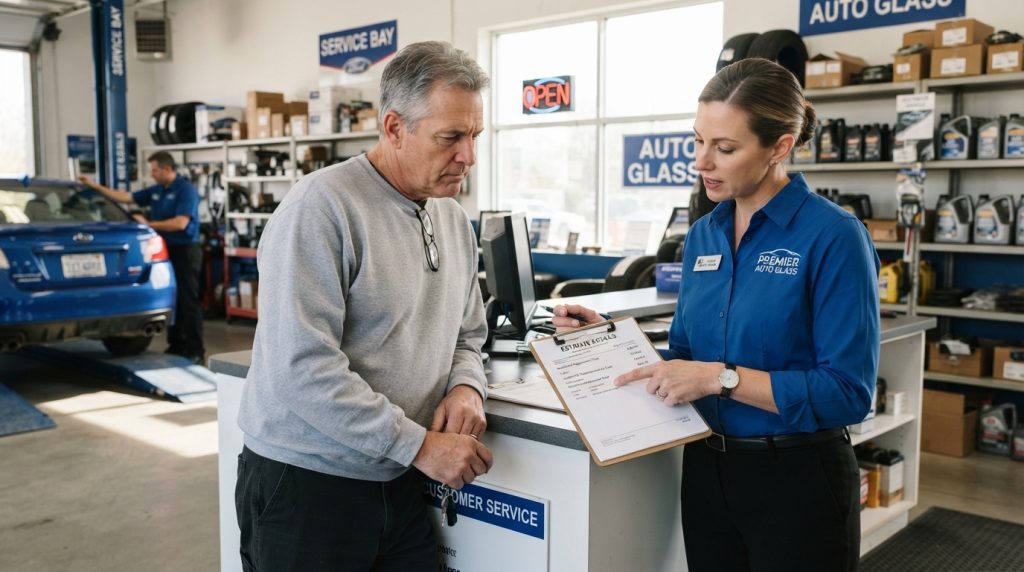
Replacement cost and scheduling depend on the vehicle and the damage. Ask for a specific quote, since no price or guaranteed completion time applies to every car. The vehicle details and glass type shape the estimate.
The year, make, and model can affect which glass fits your car. The glass type and extent of damage also matter. Your insurance deductible may affect your out-of-pocket cost, but it does not set the shop’s estimate.
Factors That Shape the Estimate
Ask the shop what the estimate includes and whether it covers inspection, parts, and related damage. If the door or its mechanisms may be affected, mention that when requesting a quote. The shop can explain which vehicle details it needs.
Ask about appointment availability instead of relying on a general time estimate. The shop can tell you what scheduling options it has after learning the vehicle and damage details. Do not assume the work can be completed within a set time.
Arrange the Repair
Confirm whether the shop needs to inspect the vehicle before giving an estimate. Ask whether your insurer needs to approve the work and what the appointment includes. Keep any claim instructions nearby when you call.
Miracle Auto Glass is located at Bandera Rd & Grissom. You can call the shop at (210) 680-2551 to ask about a quote or appointment for your vehicle’s glass damage.
Call Miracle Auto Glass at (210) 680-2551 to arrange help with your vehicle’s glass damage.
Conclusion
Safety comes before getting back on the road. If glass or other damage affects visibility or control, do not drive until the vehicle is safe to move. A makeshift cover can help for a short time, but it cannot replace the protection of intact glass.
A shattered side window should be professionally replaced. Contact an auto glass technician to assess the damage and explain the repair needed. Miracle Auto Glass can help with a shattered windshield or other vehicle glass damage.
Hire Miracle Auto Glass to fix your windshield or other auto glass damage.