The Windshield’s Second Job: Holding Up the Roof
Before you load luggage, passengers, and supplies, take a few minutes for a pre road trip windshield inspection. Many families check the destination but overlook the glass, tires, and basic systems that support a safe drive.
A 1,000-mile highway journey can end early when an unresolved vehicle problem causes a breakdown far from home. A careful vehicle inspection usually takes only 15 to 20 minutes. That short pause may help you avoid delays, costly repairs, or injuries.
Your pre-trip checklist should cover the glass, tires, brakes, lights, fluids, battery, filters, and emergency gear. The driver’s first safety choice happens before turning the key. Early warning signs give you time to act while your car remains close to trusted help.
Key Takeaways
- Check your vehicle before loading it.
- Allow 15 to 20 minutes for a basic inspection.
- Look at glass, tires, brakes, lights, and fluids.
- Keep emergency supplies ready.
- Address damage before a long road trip.
If your windshield or other vehicle glass shows chips, cracks, or damage, make sure you contact Miracle Auto Glass for professional repair.
Why a pre road trip windshield inspection matters before family travel
Your family’s travel safety begins with the vehicle’s condition, not the destination. A vehicle inspection helps you find problems that may grow during a long drive. Tires lose air, brakes wear, lights fail, fluids leak, and suspension parts loosen over time.
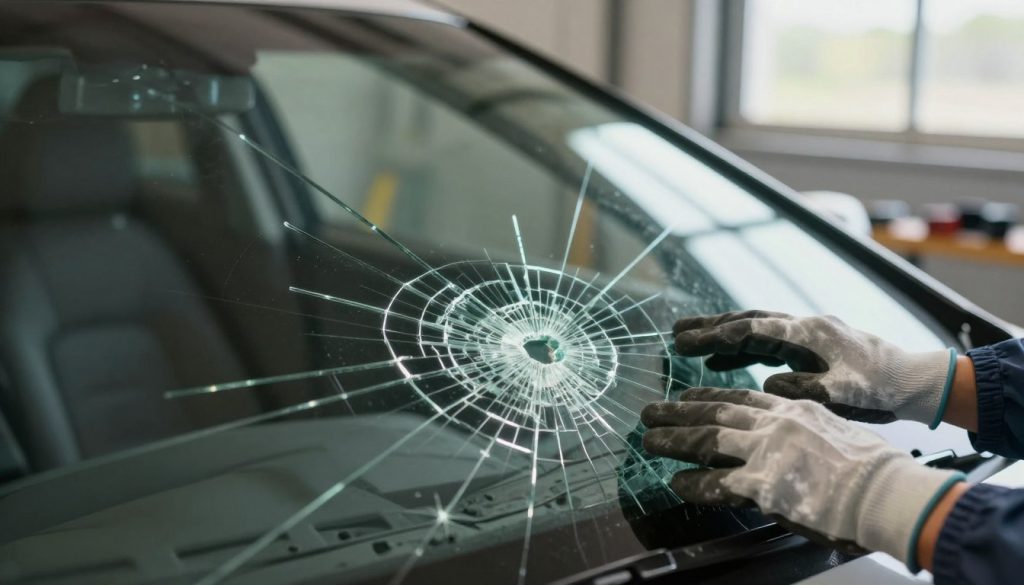
Small glass damage deserves prompt attention. Vibration, heat changes, and impacts from the road can spread a chip or crack. A damaged windshield may also limit your view and create distracting glare. Contact Miracle Auto Glass when glass issues could affect whether your vehicle is safe.
Why clear visibility protects everyone
Clear glass helps you spot pedestrians, cyclists, traffic signals, and sudden lane changes. It supports safer driving decisions for your passengers and other motorists on busy American roads.
The FMCSA requires commercial drivers to complete a pre-trip inspection. These vehicles may weigh up to 80,000 pounds and share highways with families, school buses, and commuters. That rule shows why checking your car is a safety habit, not paperwork.
- Stop and investigate unusual sounds, leaks, or handling changes.
- Use your checklist before departure, while help remains nearby.
| Warning sign | Possible concern | Smart response |
|---|---|---|
| Glass chip | Crack may spread | Seek professional help |
| Low tire pressure | Heat and wear increase | Measure and adjust |
| Fluid spot | Leak may worsen | Delay travel and check it |
Inspect your windshield and other vehicle glass
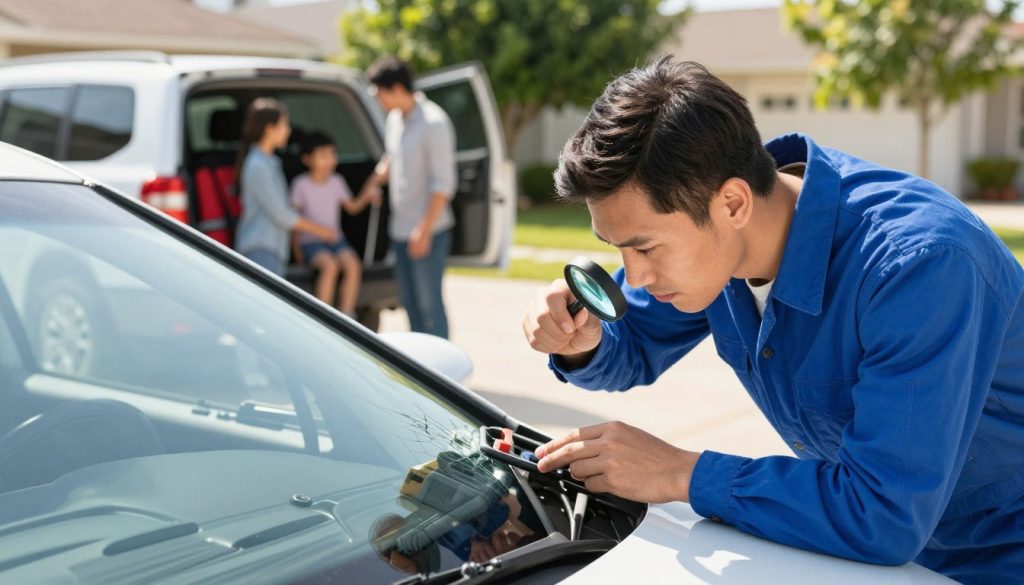
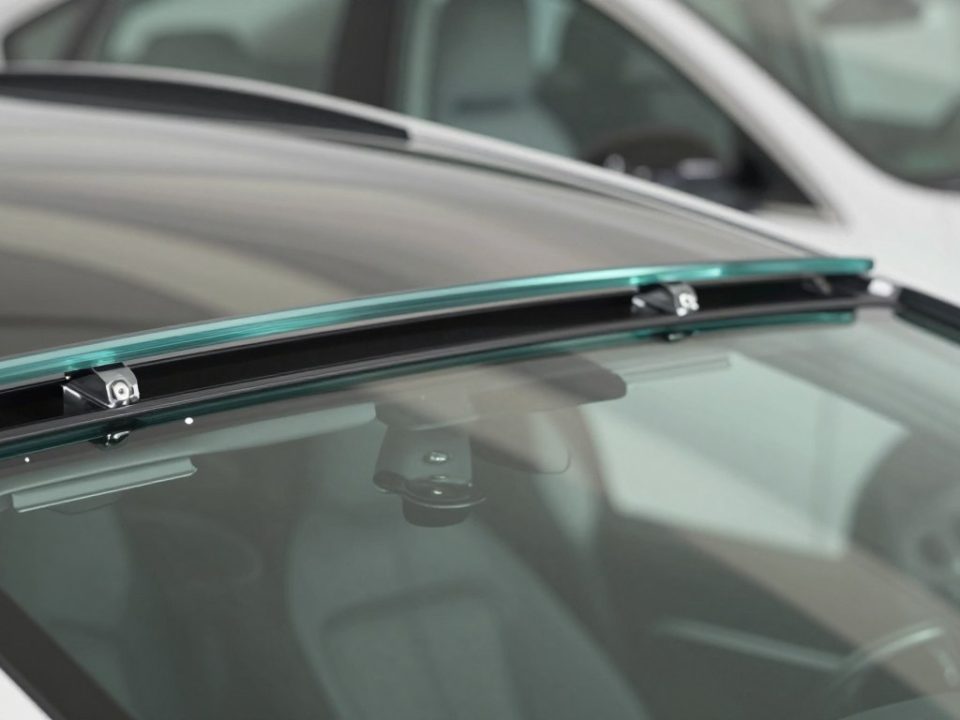
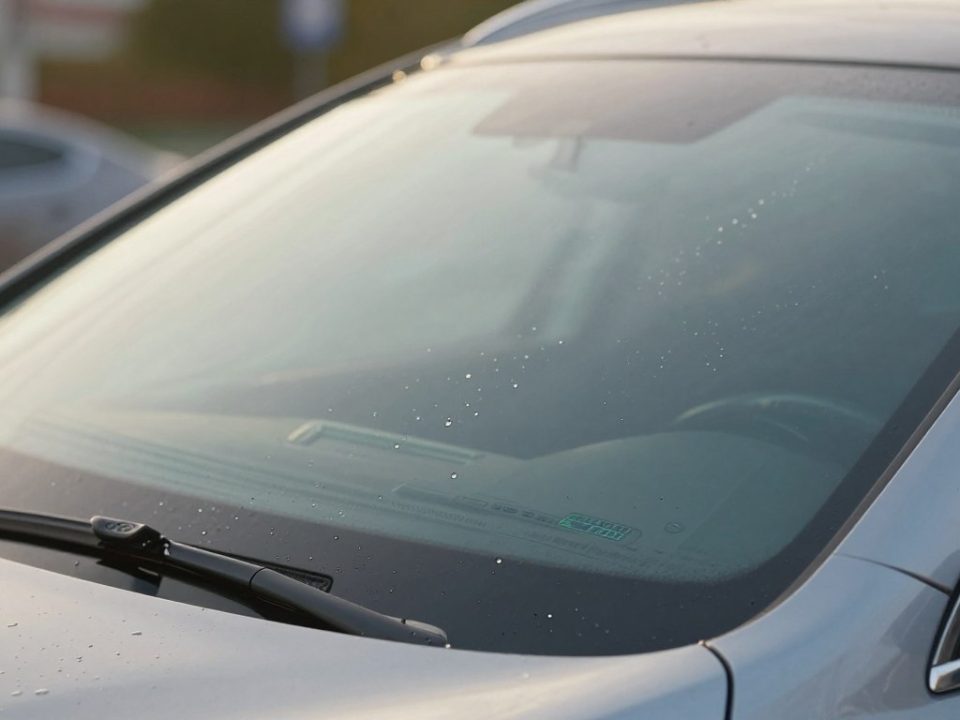
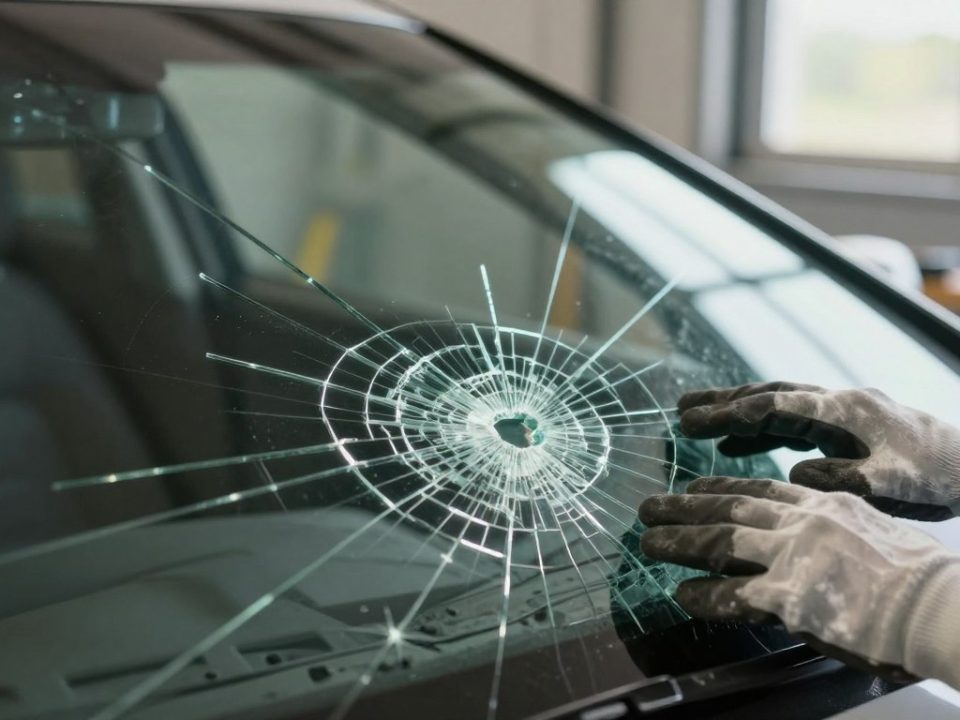
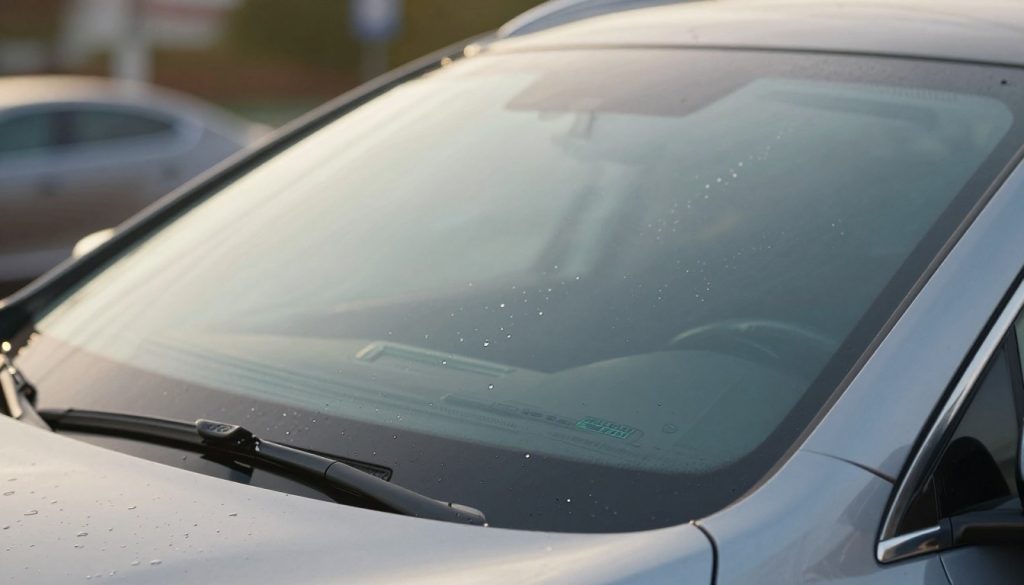
A clear view starts with the glass around your car. During your pre-trip inspection, examine the full windshield in daylight. Look for chips, cracks, star breaks, and damage within the primary viewing area. These defects can block the driver’s view and affect safety.
Look closely at the main viewing area
Glass damage may spread from vibration, heat, or bumps on the road. A small mark can become a serious issue during a long road trip. Add glass condition to your inspection checklist before departure.
Check windows, mirrors, and mounts
Walk around the vehicle before entering traffic. Check side windows, mirrors, mirror mounts, wipers, and visible obstructions. Make sure each mirror stays tight and covers blind spots. Nationwide safety guidance supports secure, well-adjusted swivel mounts.
- Inspect glass from inside and outside.
- Watch for cracks that grow or cross your view.
- Confirm mirrors support a clear sightline.
Know when professional help is needed
Contact Miracle Auto Glass when damage spreads, sits in your viewing area, or creates safety issues. Its service can help restore proper glass condition and determine whether your vehicle is safe to drive.
Check tire condition, pressure, brakes, and steering
Healthy tires and responsive controls help your vehicle handle sudden changes on the road. Give each one a careful look before you begin driving. This quick inspection can reveal problems while help remains close.
Measure tire pressure and inspect tread depth
Check tire pressure when the tires are cool. Compare the reading with the manufacturer’s recommended PSI, usually found inside the driver’s door. A 10-degree temperature change can alter pressure by about 1 PSI, so check again before summer or winter travel.
Use a penny to measure tread depth. Place Abraham Lincoln’s head downward in a groove. If you can see his hair, the tread is below 2/32 of an inch and needs replacement. Also look for uneven wear, sidewall damage, or pressure loss. Underinflated or worn tires can reduce fuel economy and raise blowout and hydroplaning risks.
Watch for brake warning signs and steering problems
Squealing, grinding, a soft pedal, vibration, excessive play, or delayed response means the brakes or steering need attention. Check the spare tire as well. If none is provided, carry a reliable emergency plan before leaving.
Test lights, windshield wipers, and washer fluid
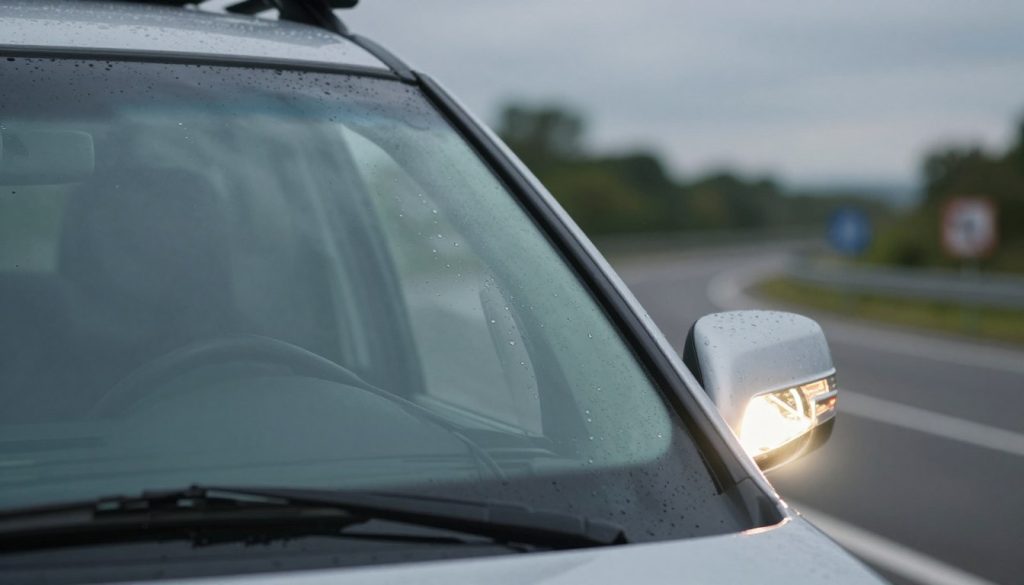
Night driving can expose weak bulbs and poor visibility in seconds. Add these simple checks to your vehicle inspection before every family trip. Working lights and clean glass help you respond to changing road conditions.
Confirm headlights, brake lights, turn signals, and hazards work
Ask another adult to walk around the vehicle while you activate the headlights, brake lights, turn signals, tail lights, and hazard lights. Replace any bulb that looks dim, flickers, or fails. Check the tire and controls before a night trip or severe weather.
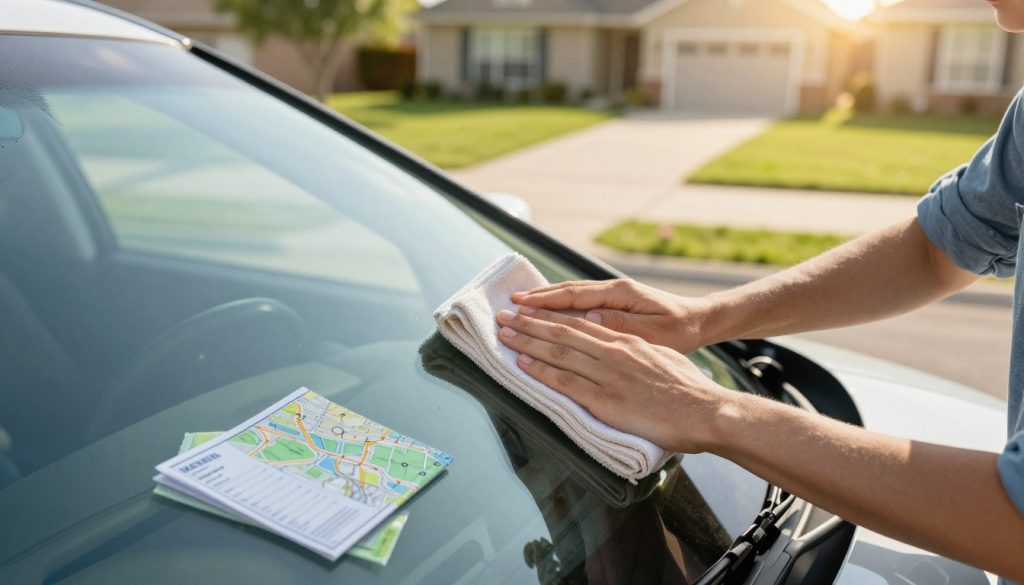
Examine the windshield wipers for cracks, tears, stiffness, streaks, or skipping. Rain, mud, and insects can block your view quickly. Replace worn wipers, then test both windshield wipers with washer fluid. Fill the washer reservoir with proper washer fluid so it can remove grime, bugs, and smears.
- Test the air-conditioning controls and cabin airflow.
- Keep all lights bright and fully functional.
- Carry a spare tire if your vehicle allows it.
Clear vision supports an alert driver. A short check now can prevent an avoidable delay later.
| Item | What to check | Action |
|---|---|---|
| Lights | Headlights, signals, and hazards | Replace failed bulbs |
| Wipers | Cracks, streaks, or skipping | Install new blades |
| Washer | Fluid level and spray pattern | Refill and clear nozzles |
Review fluid levels, leaks, filters, and battery condition
Hidden problems under the hood can turn a family trip into an expensive delay. Set aside a few minutes for this part of your vehicle inspection. Check each level on a cool engine and park on a flat surface.
Check oil, coolant, brake fluid, and power steering fluid
Read the oil dipstick and note its color and texture. Dark or gritty oil may mean your engine needs service before departure. Confirm coolant, brake fluid, transmission fluid, and power steering fluid match the marked levels. Never open a hot coolant reservoir.
Look for leaks and low fluid levels under the hood
Check beneath the vehicle and around hoses, seals, and reservoirs. A wet area, pooling fluid, or repeated low levels may signal an oil, fuel, coolant, brake fluid, or steering fluid leak. Ask a qualified technician to find the source before you drive.
Test the battery and inspect the engine and cabin air filters
Test a battery older than three years. Slow cranking, dim lights, and frequent jump-starts suggest weak battery performance. Replace a dirty engine air filter or cabin filter to support power, fuel economy, and comfort on a dusty route.
Fix warning signs early. A careful check helps keep your vehicle dependable throughout the journey.
Prepare the vehicle interior and roadside emergency kit
A calm cabin supports better decisions when your vehicle faces an unexpected delay. During your pre-trip inspection, clear loose items, secure luggage, and adjust the seats, mirrors, child restraints, and climate controls. The driver should finish these tasks before the car moves.
Test the air-conditioning at every setting. Weak airflow, musty odors, or poor cooling can cause stress and distract the driver during hot weather. Proper air circulation also helps passengers stay comfortable.
Keep your emergency kit within reach, not under packed bags. Include jumper cables, spare battery power, a flashlight with extra batteries, a multi-tool, basic tools, reflective triangles, road flares, a quart of oil, a first-aid kit, and a tire inflator with sealant. Ready.gov offers more guidance for building a complete kit.
Add water, snacks, blankets, an ice scraper, and a portable phone charger. These simple supplies can make a long roadside wait safer and easier.
| Kit group | Recommended items | Purpose |
|---|---|---|
| Repair | Tools, cables, inflator, sealant | Support basic car problems |
| Visibility | Flashlight, triangles, flares | Improve roadside awareness |
| Comfort | Water, snacks, blankets, charger | Handle unexpected delays |
Decide whether your vehicle is safe to drive
Use the completed checklist to make a clear go-or-no-go decision. A thorough pre-trip inspection usually takes 15 to 20 minutes. Check warning lights, leaks, tire defects, brake response, steering control, and visibility before your road trip.
Do not start a trip when a safety-critical issue remains unresolved. If your car cannot stop, steer, or provide a clear view, arrange service first. A short delay costs far less than a breakdown, crash, or repair emergency far from home.
Use safety standards as a guide
The FMCSA requires commercial drivers to complete checks before each trip. Nationwide identifies 49 CFR Part 392.7 as a rule covering equipment inspection and use. Personal drivers do not follow that rule, but they still gain safety benefits from the same habit.
DriveTeam reports crash-rate reductions above 35% among relevant corporate clients. A nonfatal work crash may cost about $75,000, while a fatal crash can exceed $750,000. Operation Safe Driver Week runs July 12–18, 2026, making prevention especially timely.
- Repair unresolved brakes, leaks, or tire damage.
- Delay travel when visibility remains poor.
- Book qualified service for serious issues.
| Finding | Decision | Next step |
|---|---|---|
| Clear glass | Drive when other checks pass | Keep checking during travel |
| Glass damage | Delay if visibility suffers | Hire Miracle Auto Glass |
| Brake or steering fault | Do not drive | Arrange professional service |
Conclusion
A dependable family journey starts with a complete checklist, not a rushed departure. Check tire condition, tread depth, pressure, brakes, lights, glass, fluids, filters, and battery health. This simple routine supports safety and steadier driving.
Give all tires a close look. Low pressure, worn tread, or uneven wear can raise blowout and hydroplaning risks. Check the engine, fluid levels, emergency supplies, and cabin climate controls, too. These steps help your car handle changing weather and road conditions.
Glass damage needs equal attention. Chips, cracks, loose mirrors, and other defects can affect visibility. Spend 15 to 20 minutes on this pre-trip inspection before your road trip. If your windshield or other vehicle glass needs repair, hire Miracle Auto Glass before you leave for added confidence on your journey.