
Why Reviews Matter When Choosing an Auto Glass Company
How Miracle Auto Glass Delivers Quality Repairs at the Lowest Price
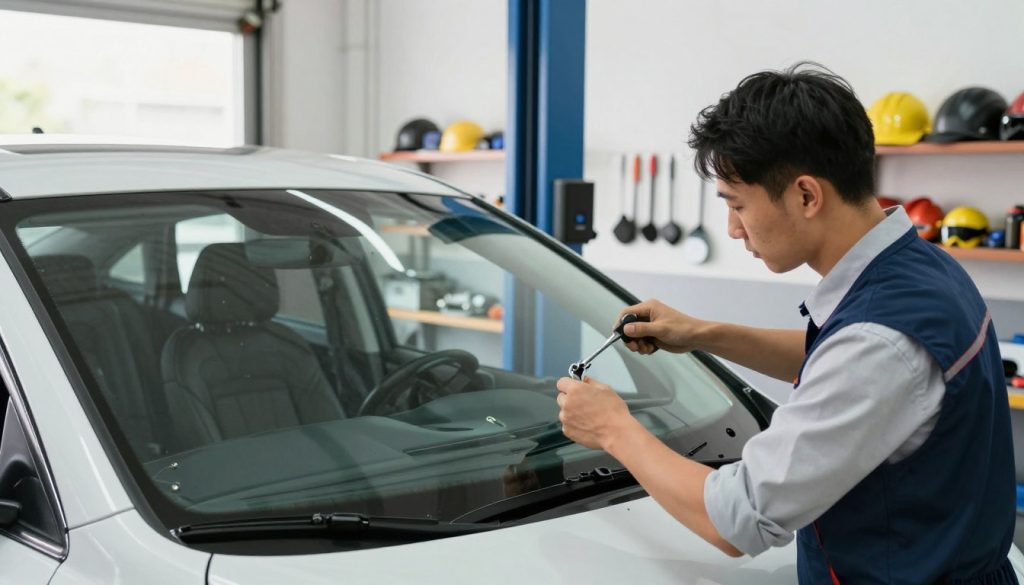
Many drivers see their car glass as just a barrier against the weather. But, it’s a vital structural pillar for your vehicle. Choosing professional windshield replacement safety protects your car’s core engineering.
When your car hits something, the passenger-side airbag pops out fast. It needs the glass to stop it from expanding too far. If the glass isn’t stuck right, it might break off, making the airbag fail.
It’s key for every car owner to know this. Good windshield replacement safety keeps your car safe in emergencies. A strong seal means your car’s safety systems work as they should.
Key Takeaways
- The glass acts as a critical backstop for passenger-side airbag deployment.
- A weak seal can cause the glass to detach during high-force impacts.
- Professional installation is required to maintain the structural integrity of the cabin.
- Airbag performance depends directly on the strength of the adhesive bond.
- Prioritizing quality service is a fundamental requirement for vehicle protection.
The Role of the Windshield in Modern Vehicle Safety
Your vehicle’s windshield is more than just a clear shield. It’s a fundamental pillar of your car’s safety. It helps keep you safe during accidents by protecting the cabin.
The Windshield as a Structural Component
In modern automotive engineering, the windshield is key. It supports the roof and keeps it from collapsing in a rollover. This is thanks to its strength.
The glass is bonded to the frame in a special way. This makes it a strong part of the car. Your windshield does many important things:
- Roof Support: Stops the roof from crushing in a rollover.
- Airbag Backstop: Gives a solid surface for airbags to hit.
- Cabin Containment: Keeps people inside during a crash.
Evolution of Automotive Safety Systems
Safety systems in cars have changed a lot over time. Glass used to just be a window. Now, it’s a key part of the car’s safety. This makes the whole vehicle work together to protect you.
| Safety Feature | Primary Function | Impact on Safety |
|---|---|---|
| Windshield Bond | Structural Support | High |
| Roof Pillars | Load Bearing | High |
| Airbag System | Energy Absorption | Critical |
As safety tech gets better, the vehicle cabin is more important. The windshield helps other safety features work right. Keeping your windshield in good shape is key to staying safe.
Understanding Windshield Retention and Structural Integrity
The bond between your windshield and the car frame is key to your vehicle’s safety. Many see glass as just a shield against debris. But it’s more than that; it’s a load-bearing element. Proper windshield retention keeps the glass in place during stressful events, protecting everyone inside.
The Physics of the Windshield-to-Frame Bond
Modern cars use special polyurethane adhesives to bond the glass to the metal frame. This bond must be strong yet flexible to handle pressure and vibrations. Precision in application is critical, as small gaps can cause failure.
When replacing the windshield, technicians must follow strict guidelines. They use high-quality materials and ensure the adhesive cures correctly. This is key for maintaining windshield retention. If the adhesive fails, the glass can detach, making other safety features useless.
How Retention Prevents Roof Collapse
In a rollover accident, the windshield supports the roof. It acts as a structural backstop, preventing the roof from crushing inward. Good windshield retention keeps the cabin safe during these events.
Without a strong windshield bond, the car’s frame loses strength. This makes the roof pillars more likely to buckle under weight. By focusing on windshield retention, you add a vital layer of protection. It keeps the safety cage secure when it counts most.
The Mechanics of Airbag Deployment
When a crash happens, your car’s safety systems must work together to keep you safe. You might not know that your windshield helps your passenger-side airbag during a crash. This is not by chance; it’s a smart design to protect you.
The Passenger-Side Airbag and the Windshield
In many cars, the passenger-side airbag goes up toward the windshield when it deploys. The glass acts as a critical backstop that guides the airbag to the passenger. Without this, the airbag might not deploy correctly, missing its mark.
If your windshield isn’t stuck right to the frame, safety is at risk. A windshield that’s not installed well can move when the airbag hits. This can lead to several dangers for people inside:
- The airbag might not inflate right.
- The roof’s support could get weaker during impact.
- The passenger might not get the full protection they need.
Force Distribution During Deployment
Crashes involve a lot of energy that needs to be controlled fast. When the airbag deploys, it pushes out with a lot of force. Your windshield must be strong to handle this pressure and stay in place.
Good windshield integrity spreads out the force evenly across the car’s frame. If the glass stays put, it helps keep the cabin’s shape. This lets the safety systems focus on protecting you, not fixing a broken part.
Here’s a table to show how different parts handle crash energy:
| Component | Primary Function | Safety Contribution |
|---|---|---|
| Windshield | Structural Backstop | Redirects Airbag Force |
| Airbag | Energy Absorption | Reduces Passenger Impact |
| Adhesive Bond | Retention | Prevents Glass Displacement |
Why Proper Windshield Replacement Safety Is Non-Negotiable
Getting your windshield installed right is a non-negotiable step for your car’s safety. It might seem like just a cosmetic fix, but it’s key to your car’s roof support. By focusing on windshield replacement safety, you’re protecting everyone in your car.
The Risks of Improper Installation
Using an unskilled installer or low-quality glue can be very dangerous. If the glass doesn’t stick well, it might fall off in a crash. This could cause the roof to collapse, leading to serious injuries.
Also, bad installation can cause leaks that damage your car’s inside. These leaks show the seal is broken, meaning the glass can’t do its job in an emergency. Always choose high-quality materials and skilled installers.
Long-term Implications for Vehicle Crash Protection
The safety of your vehicle crash protection depends on the windshield’s installation. A bad fit can mess up airbag deployment. If the glass fails, the airbag might not work right.
Bad work can also cost you more money and might even lead to legal issues. Spending on professional services keeps your car safe and meets safety standards. Remember, your vehicle crash protection is only as good as its weakest part, and the windshield is key.
Consequences of Improper Adhesive Curing
Proper adhesive curing is key to your vehicle’s safety. When a new windshield is installed, the urethane adhesive needs time to reach full strength. This ensures your windshield retention stays strong during stressful events.
Understanding Safe Drive-Away Time
The waiting period is called Safe Drive-Away Time (SDAT). It depends on the adhesive type and the installation environment. Following these guidelines is not optional; it’s essential for the glass to work right.
Driving too soon can harm the bond. Without full curing, the glass might not stay in place during a crash. This could lead to serious issues.
The Dangers of Premature Vehicle Operation
Driving too soon after a windshield replacement is risky. Even small movements or temperature changes can create gaps. These gaps can weaken the windshield retention and make the repair risky.
In a crash, a poorly cured windshield might not hold the roof or airbag. Always wait the full time recommended by your technician. Waiting the full duration ensures your safety and that of your passengers.
| Factor | Impact on Curing | Safety Risk |
|---|---|---|
| Temperature | Cold slows the chemical bond | High risk of bond failure |
| Humidity | High moisture accelerates set time | Potential for uneven curing |
| Drive-Away Time | Adheres to safety standards | Ensures optimal windshield retention |
| Vehicle Stress | Early movement causes shifting | Structural integrity loss |
The Dangers of Using Substandard Glass Materials
Not all windshields are the same. The materials used can greatly affect your safety in a crash. Inferior materials can weaken your car’s structure.
OEM vs. Aftermarket Glass Quality
OEM glass is made to fit your car perfectly. It meets the car maker’s high standards. This ensures your car’s safety systems work right.
Aftermarket glass is made by other companies. It’s cheaper but might not be as good as OEM. Choosing lower-quality glass can cause problems with sensors and durability.
Impact Resistance and Shatter Patterns
Windshields today are made of laminated glass. It has two layers of glass and a plastic middle. This design helps it stay strong during a crash.
Good glass is made to break in a certain way. This keeps the windshield together even when it’s cracked. Bad materials might not hold up, which could be dangerous. Always choose materials that pass strict safety tests.
| Feature | OEM Glass | Aftermarket Glass |
|---|---|---|
| Manufacturing Standards | Strict Factory Specs | Variable Quality |
| Fit and Finish | Perfect Alignment | May Require Adjustments |
| Safety Performance | High Impact Resistance | Varies by Brand |
| Sensor Compatibility | Guaranteed Integration | Potential Calibration Issues |
How Poor Installation Compromises Passenger Safety
A properly installed windshield is like a silent guardian for you and your passengers. Many drivers focus on engine performance or braking systems. But the glass in your vehicle is a critical safety component. If it’s installed wrong, it can put your passenger safety at risk during emergencies.
Ejection Prevention During Collisions
Your windshield’s main job in a crash is to stay in place. Proper windshield retention keeps it stuck to the vehicle body, even when it’s under a lot of stress. If the adhesive fails, the glass can shatter and pop out, making the cabin unsafe.
Without a strong windshield, the roof’s structure is at risk. This can lead to several dangers for people inside:
- There’s a higher chance of passenger ejection from the vehicle.
- The roof might collapse inward because it lacks support.
- Seatbelts and other safety systems won’t work as well.
The Windshield as a Backstop for Airbags
Modern cars use the windshield as a firm backstop for the passenger-side airbag. When an airbag deploys, it expands fast and hits the glass hard. If the windshield retention is weak, the glass might push out, causing the airbag to deploy wrong.
This wrong deployment can make the airbag not work right. Instead of protecting the passenger, it might not inflate correctly. This can lead to severe injury. It’s very important to have your glass installed by experts to keep your vehicle safe.
Industry Standards and Federal Safety Regulations
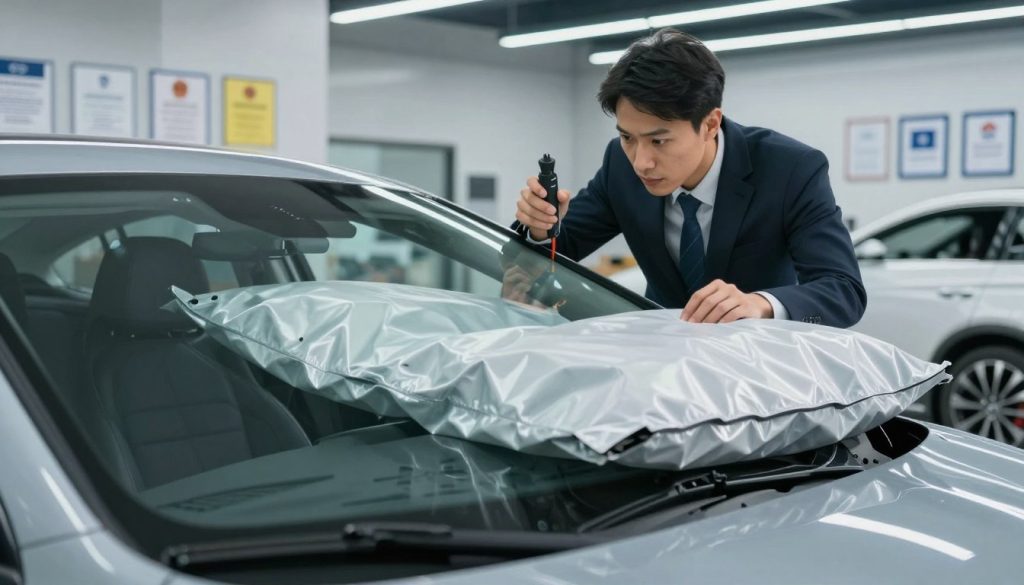
When you drive, you trust that your vehicle meets strict safety standards. These rules are legal requirements for manufacturers and repair shops. They aim to keep you safe with vehicle crash protection.
FMVSS 212 and 216 Compliance
The Federal Motor Vehicle Safety Standards (FMVSS) are key for car glass safety. FMVSS 212 says a windshield must stay in its frame in a frontal crash. This keeps people inside the car.
FMVSS 216 is about roof strength. The windshield helps prevent the roof from caving in during a rollover. Right installation is key for vehicle crash protection in such accidents.
The Role of the Auto Glass Safety Council
The Auto Glass Safety Council (AGSC) helps improve safety standards. They create the ANSI/AGSC/AGRSS Standard for glass replacement. This ensures every job meets top safety levels.
Following these standards, shops offer more than just basic safety. Choosing a certified tech means you’re choosing safety and car integrity. Always check if your service follows these rules.
The Role of Advanced Driver Assistance Systems (ADAS)
Advanced Driver Assistance Systems have made the windshield key for vehicle safety. Your car uses cameras and sensors behind the glass to watch the road. It checks for lane lines and spots dangers. A clear windshield is now more vital than ever.
Calibration Requirements After Replacement
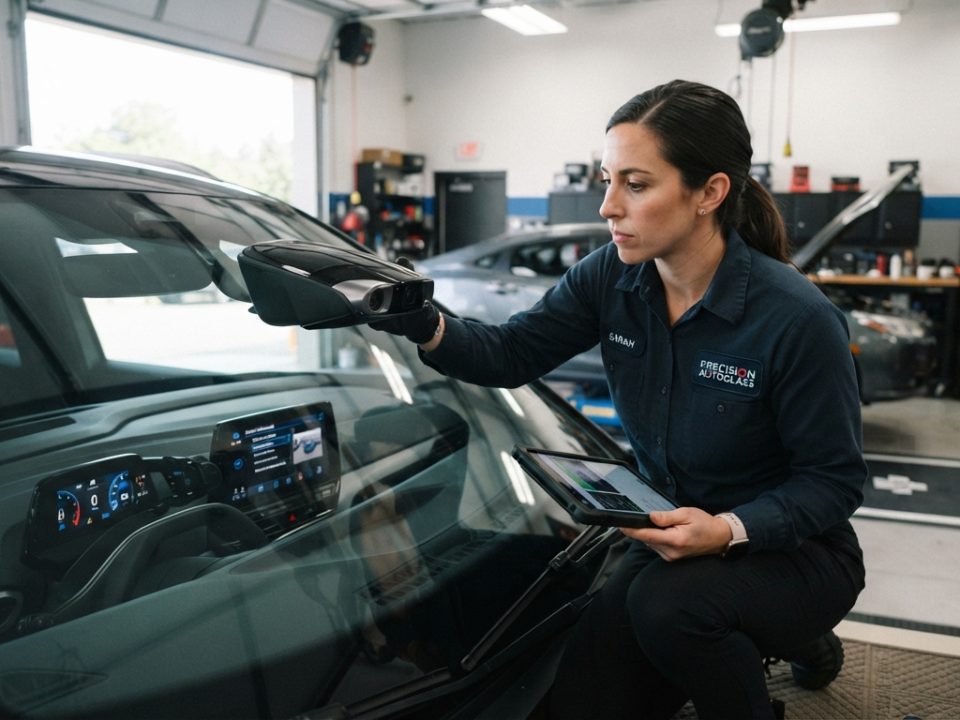
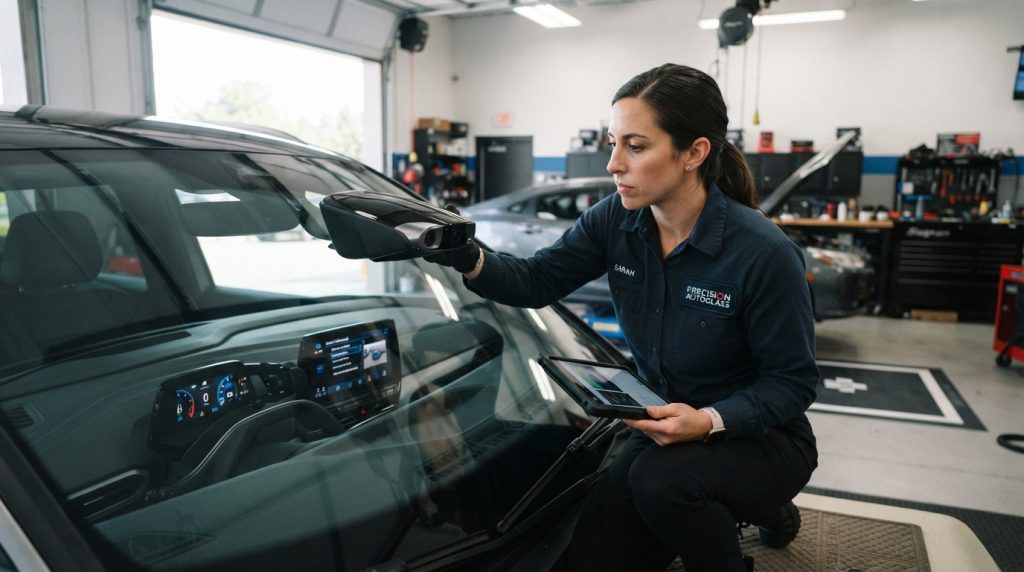
When you replace your windshield, mandatory windshield calibration is needed. This ensures your systems work right. A small camera misalignment can mess up your car’s safety features.
Professional technicians use special tools to align the sensors correctly. This resets them to the exact settings the maker wants. Skipping this step can make your safety features unreliable.
Always check if your service provider can do both static and dynamic calibration. This keeps your car’s computer and sensors in sync. It ensures your vehicle’s computer recognizes the new glass and keeps sensor accuracy perfect.
How Windshield Clarity Affects Sensor Accuracy
The optical clarity of your windshield is very important for sensor accuracy. Bad glass can have tiny flaws that confuse cameras. These small issues can cause false alerts or miss real dangers.
Good glass gives a clear view for you and your car’s sensors. Choosing top-quality materials helps keep your safety systems working well. Keeping your windshield clean and clear is key for performance in any weather.
| Sensor Type | Primary Function | Impact of Poor Glass |
|---|---|---|
| Forward Camera | Lane Departure Warning | Reduced detection range |
| Rain Sensor | Automatic Wipers | Erratic activation |
| Light Sensor | Auto Headlights | Delayed response time |
| Collision Sensor | Emergency Braking | System failure risk |
Identifying Signs of a Faulty Windshield Installation
A bad windshield installation can really put your passenger safety at risk in an accident. If the glass isn’t stuck right to the frame, your car’s whole structure could fail. Catching these problems early can prevent a big safety risk.
Visual Indicators of Poor Workmanship
First, check the windshield’s edges for gaps or uneven glue. Seeing excessive glue under the molding means the job was rushed. Also, look for glass distortions, which could mean the glass is low quality and might break easily.
Audible Signs of Air Leaks and Structural Weakness
Listen for odd sounds while driving fast. A whistling sound means the seal is bad, which is a passenger safety risk. If you hear rattling or clicking near the dashboard, the glass might not be stuck right.
| Warning Sign | Potential Risk | Severity |
|---|---|---|
| Whistling noise | Air/Water leakage | Moderate |
| Visible gaps | Structural failure | High |
| Wavy glass | Poor visibility | Low |
| Loose molding | Adhesive detachment | High |
Watching for these signs helps keep your passenger safety in check. If you see any of these problems, get a pro to check your car right away. This ensures your vehicle stays safe on the road.
The Importance of Certified Technician Training
Choosing certified training is a smart move for your safety on the road. Today’s cars have complex glass systems that need expert care. Professional certification means the work is up to high passenger safety standards.
Why Certification Matters for Your Safety
Certified techs get deep training in glass and adhesives. They learn how parts work together in crashes. This ensures your car stays safe, which is key for passenger safety.
Certification is more than a paper. It shows a tech keeps learning with new car designs. This means your car is in good hands, with someone who values precision most.
The Technical Precision Required for Modern Vehicles
Today’s cars are like computers, with the windshield as a key part. A tech must know how to use special adhesives right. If they don’t, the car’s safety could fail in an emergency.
Also, installing sensors and cameras needs great care. A small mistake can mess up your car’s systems. Certified professionals have the skills and tools to do this job right. They keep you safe on every drive.
Miracle Auto Glass: Setting the Standard for Safety
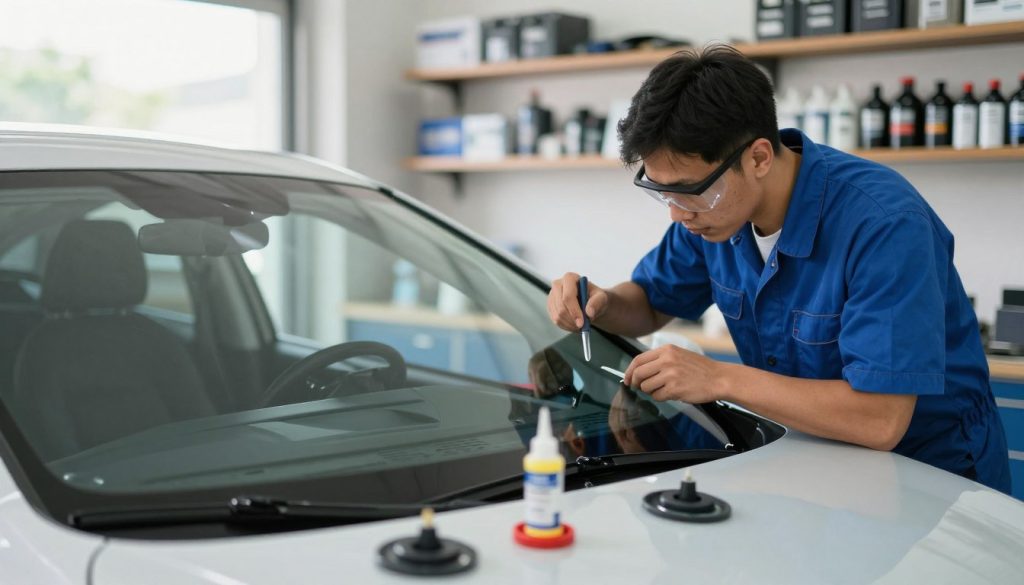
At Miracle Auto Glass, we know your safety on the road depends on your vehicle’s glass. We see every windshield replacement safety job as a key repair, not just a glass change. Your protection is our main goal, and we always put your vehicle’s safety first.
Commitment to Industry Best Practices
Our team follows the top industry standards for safety. We use the latest bonding materials and precise curing methods. This keeps your vehicle strong and safe, just like when it was new.
We also keep our skills sharp with ongoing training. Our techs learn about new car tech and safety needs. This means your windshield replacement safety is always top-notch.
Why Professional Installation is Your Best Defense
Choosing a pro for your windshield is key to avoiding safety risks. A well-installed windshield helps keep your car safe in crashes. We know all about safety and apply it to every job.
By choosing us, you’re choosing long-term safety and peace of mind. We focus on windshield replacement safety to keep you and your loved ones safe. Trusting us means you’re choosing a partner who cares about your safety as much as you do.
Conclusion
Your windshield is a key protector on the road. It helps hold up the roof and makes sure your airbag works right.
Keeping your windshield in top shape is vital for safety. Even small damage can hide bigger problems. This puts everyone in your car at risk. You want to know your car is ready for anything.
Don’t risk your safety with untrusted repair shops. Certified experts are needed to keep your car safe. They make sure your car is secure for every journey.
Call Miracle Auto Glass for any glass repairs today. They follow strict rules to make your car safe again. Contact Miracle Auto Glass to book your repair and drive safely.