
How to Prevent Windshield Cracks From Spreading in Texas Weather

Winter Windshield Care Tips for San Antonio Drivers
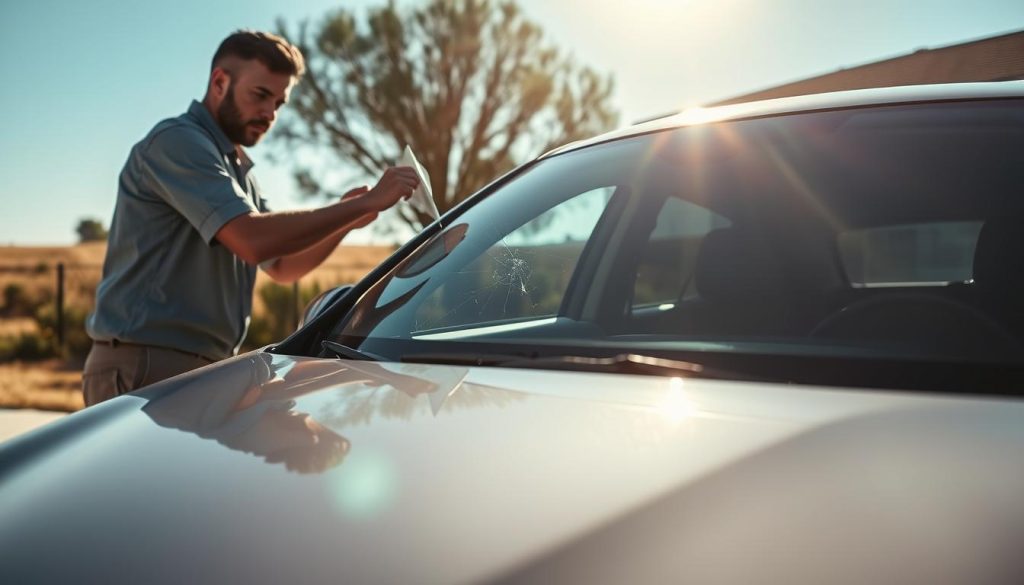
The blazing summer sun in the Lone Star State presents a unique challenge for your vehicle’s glass. Protecting this vital component is about more than just clarity—it’s a critical safety measure. Understanding how to maintain your auto glass during periods of extreme temperature is the first step toward long-term care.
Glass reacts to thermal stress. When the sun beats down on your car, the surface of the front window heats up rapidly. The interior of the glass remains cooler. This uneven expansion creates pressure. Over time, this pressure can lead to small flaws turning into larger, dangerous problems.
Learning to spot the early warning signs is crucial. A tiny chip or a minuscule pit can be the starting point for more significant damage. Addressing these issues promptly can save you from a costly full replacement down the road.
Your windshield is a fundamental part of your vehicle’s structural integrity. A compromised piece of glass is a safety hazard for you and your passengers. Proper maintenance ensures you stay protected while avoiding expensive automotive repairs.
Miracle Auto Glass provides expert guidance for navigating these seasonal challenges. We are dedicated to helping you preserve your vehicle’s glass integrity against the harsh climate. Our goal is to keep you safe and informed.
Key Takeaways
- Your vehicle’s glass is a critical safety component that requires specific care in hot climates.
- Extreme temperature changes cause glass to expand unevenly, creating stress points.
- Small chips or pits can quickly develop into larger cracks under thermal pressure.
- Early detection of minor damage is key to preventing a complete windshield replacement.
- Proper maintenance of your auto glass protects your safety and saves you money.
- Expert advice is essential for effectively managing your vehicle’s needs in severe summer weather.
Introduction to Windshield Health and Texas Weather
The integrity of your auto glass is not just about clear vision; it’s a foundational safety feature. In the Lone Star State, the local climate can test this component like nowhere else. Understanding this relationship is key to protecting your vehicle and everyone inside.
Why Your Windshield Matters for Safety
Your front glass is a critical structural element. Studies show it contributes up to 30% of your vehicle’s overall strength. This support is vital during a collision, helping to keep the roof from collapsing.
Beyond offering a clear view, it acts as a barrier. It helps keep passengers inside the vehicle during an accident. It also ensures airbags deploy correctly, providing the protection they are designed for.
How Texas Summers Affect Your Glass
The intense summer sun creates a relentless cycle. The materials in your auto glass expand with high temperatures and contract as they cool. This constant stress can gradually weaken the entire piece.
When the glass is compromised, even a minor impact from road debris can cause significant problems. A small chip ignored today risks becoming a major failure tomorrow. Maintaining your glass is a fundamental aspect of vehicle care that every driver must prioritize.
Understanding Heat Cracks and Their Causes
Recognizing the categories of glass damage helps you take the right action. Different fractures have unique characteristics and origins.
A chip is a small pit or crater on the surface. A star break features radial lines spreading from a central point. Any fracture longer than six inches is considered a long crack.
Most windshield issues start from two main sources. Prolonged sun exposure weakens the material. Physical impact from highway debris is a common hazard.
Improperly installed wipers can cause surface scratches. These tiny imperfections may grow into larger problems over time.
Regular checks let you spot small chips early. By identifying the specific type of windshield damage, you can prevent cracks from spreading. This proactive approach safeguards your vehicle’s structural safety.
Heat Cracked Windshield Prevention Texas Strategies
Protecting your car’s front window requires a set of deliberate actions during peak temperature months. A consistent plan is your best defense against environmental wear.
Begin with routine visual checks. Look for tiny pits or flaws weekly. Catching them early stops small issues from growing.
Parking under cover is a powerful move. It keeps the glass surface cooler. This reduces internal pressure and thermal stress.
Quality sunshades are a smart investment. They block intense rays that weaken the laminate layers inside your auto glass. This simple barrier adds a level of protection.
Your daily habits matter. Avoid blasting the air conditioner on a scorching panel. Let the interior cool down gradually instead.
| Strategy | Primary Benefit | Recommended Frequency |
|---|---|---|
| Park in Shade | Lowers surface temperature | Whenever possible |
| Use a Sunshade | Blocks UV degradation | Every time you park |
| Conduct Visual Inspections | Identifies minor damage early | Weekly |
| Avoid Rapid Cooling | Minimizes expansion shock | During every hot start |
These actions form a strong shield. They lower the overall risk to your vehicle’s integrity. Your safety and your investment stay secure all season long.
The Role of Temperature Changes in Glass Damage
Material science reveals how ordinary weather patterns can become extraordinary risks for car windows. These fluctuations in ambient conditions apply constant pressure to your auto glass.
Thermal Expansion and Contraction Explained
When your car’s window heats up, the material expands. As it cools, contraction occurs. This cycle generates significant internal stress on any existing flaws.
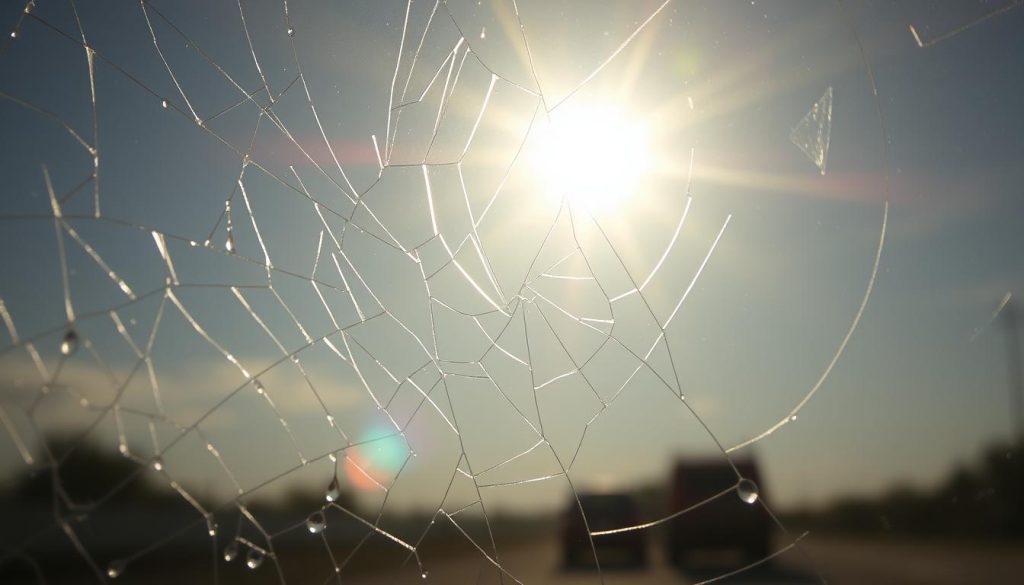
Rapid shifts in temperature, like blasting cold air on a hot surface, can cause thermal shock. This sudden stress may lead to immediate failure of the glass.
Direct Sunlight and UV Exposure Effects
Direct sunlight does more than just warm the surface. Ultraviolet rays degrade the laminate layer over time. This exposure makes the glass more brittle and less resilient.
Constant thermal cycling weakens the entire structure. Shielding your auto glass is a critical step. For more details, read about how hot weather can damage your.
Practical How-To Tips for Immediate Prevention
Your daily parking choices have a direct impact on your vehicle’s glass health. Implementing a few straightforward routines forms your first line of defense.
These habits minimize stress on the material. They help preserve its strength and clarity for the long term.
Parking in the Shade for Heat Reduction
Always look for a spot to park in the shade. This simple act significantly lowers the surface temperature of your auto glass.
It reduces the intense expansion and contraction cycle caused by direct sun. Finding cover is one of the most effective steps you can take.
Using Sunshades and Protective Films
A high-quality sunshade is a smart investment for your car. It blocks radiant energy from warming the interior and the windshield.
If a shaded spot isn’t available, a full car cover offers similar protection. For a more permanent solution, professional protective films block harmful UV rays. This helps maintain the laminate layer inside the glass.
Making it a habit to park in the shade and use these shields is essential. These actions directly combat the primary causes of sun-related damage.
Regular Maintenance and Care for Your Windshield
Your safety on the road is directly linked to the health of your auto glass, making a structured maintenance plan essential. This approach combines your own watchful habits with scheduled expert oversight.
Self-Inspection Best Practices
Set a weekly reminder for a thorough visual check of your vehicle’s front window. Pay close attention to the edges and corners. These areas are most prone to stress-related damage.
Clean the surface daily. A clear piece of glass makes new chips or cracks much easier to spot. This simple habit improves visibility and helps you catch problems early.
Benefits of Professional Evaluations
Even with diligent personal checks, an expert eye is invaluable. Schedule a professional evaluation every six months. Specialists use tools to find weaknesses you might miss.
If you find any damage, seek auto glass repair immediately. Prompt action often prevents a full replacement. Consistent care protects your investment and ensures vital structural support.
Emergency Measures for Small Windshield Cracks
When a new fracture appears, immediate action can make the difference between a simple fix and a full replacement. Knowing the right steps helps you manage the situation safely and effectively.
Temporary Fixes to Halt Crack Progression
For a minor flaw, a quick temporary seal can be crucial. Applying clear nail polish over the area creates a barrier.
This stops dirt and moisture from getting inside. It is a short-term solution to stabilize the damage until you can visit a shop.
When to Seek Professional Help
Some situations require expert attention right away. Never delay if the flaw is in your direct line of sight.
Obstructed vision compromises your reaction time. A growing split also demands an immediate professional assessment.
| Situation | Recommended Action | Priority Level |
|---|---|---|
| Small surface crack | Use clear nail polish as a temporary seal | Medium |
| Damage in driver’s line of sight | Do not drive; call for professional repair | High |
| Rapidly spreading fracture | Stop safely and request urgent service | Critical |
Always consult a specialist if the damage penetrates both glass layers. Temporary measures are just that—temporary. Prioritize a permanent repair for your safety.
Weatherproofing Your Vehicle for Extreme Conditions
Going beyond basic cleaning, a proactive weatherproofing regimen fortifies your vehicle against the elements. This systematic approach creates a durable barrier against harsh environmental conditions.

Sealants and Protectants for Longevity
Applying a quality glass sealant every six months is a smart move. It makes the surface repel water and road debris. This action significantly reduces the moisture that can weaken your windshield seals over time.
Use a UV protectant spray on your auto glass every two months. This layer shields it from intense solar rays. It also helps prevent harmful pollutants in the air from building up on the surface.
For comprehensive care, apply a wax protectant to exterior surfaces every three months. This regular conditioning enhances the overall durability of your windshield. It keeps your view clear for a longer period.
Be aware that high humidity can lead to condensation. When this moisture mixes with pollutants in the air, it can form a subtle film. This film impairs your visibility during certain weather.
Following this strict maintenance schedule for sealants and protectants ensures your glass stays resilient. You build a strong defense against the toughest environmental challenges.
Recognizing and Documenting Windshield Damage
Accurate identification and careful record-keeping of auto glass flaws are essential steps for safety and financial protection. This process turns a simple observation into actionable evidence.
Early Warning Signs to Monitor
Stay alert for small pits or lines that appear. These often show up after driving on rough roads or during extreme weather.
Always check for any new cracks in your driver line of sight. Flaws in this critical area are the most dangerous and demand immediate professional attention.
Effective Documentation Techniques
When you notice damage, take photos. Get both wide shots and close-ups from multiple angles. This documents the crack’s length and location for your records.
Write down the date, time, and weather conditions when you first saw the issue. This timeline is vital for insurance claims.
If you are in a rental car, document any damage immediately. Notify the company right away to avoid liability for pre-existing flaws.
| Scenario | Immediate Action | Documentation Focus |
|---|---|---|
| New Small Flaw | Photograph and note details | Close-up of the chip; context shot of its location |
| Damage in Driver’s View | Do not drive; call for service | Clear photo showing obstruction of the line of sight |
| Rental Vehicle Flaw | Notify company before driving | Time-stamped photos with rental agreement in frame |
Effective documentation creates a clear history. It protects you by proving when the damage occurred.
The Impact of Climate and Weather on Your Windshield
Environmental conditions exert a powerful influence on the durability and performance of your car’s windshield. The materials in your auto glass are engineered to handle stress, but daily atmospheric shifts can accelerate wear.
Comparing Effects of Heat versus Cold
Extreme temperatures, both high and low, cause your auto glass to expand and contract. This constant movement creates internal pressure. Over time, this pressure can lead to stress-related flaws.
Most front windows use laminated glass. It has a vinyl layer between two sheets. This design holds the pieces together during an impact. Tempered glass is heat-treated for strength but shatters into small pieces. It is not used for this critical part of your vehicle.
Cold weather makes the material more brittle. The intense heat of summer weakens it. Both conditions make your car’s window prone to damage.
Rapid changes in temperatures are especially risky. Using a defroster on a cold morning can cause a small chip to spread instantly. Understanding these changes is crucial for year-round care. For more on managing thermal stress, learn how to prevent cracks from spreading.
Choosing Miracle Auto Glass for Superior Windshield Repair
Selecting the right service for your vehicle’s glass needs is a decision that impacts your safety and peace of mind. When damage occurs, you require a trusted partner who delivers excellence.
Advantages of Professional Service
Our certified technicians use the latest equipment. Every auto glass repair meets the highest safety standards.
We handle minor chip repair or a full windshield replacement. Our goal is to get your car back on the road quickly and reliably.
We offer specialized auto glass solutions designed for local conditions. This expertise helps prevent future issues.
Our Location: 6730 Poss Rd, San Antonio, TX 78238
Miracle Auto Glass is conveniently located at 6730 Poss Rd, San Antonio, TX 78238. We provide expert repair and replacement services for all vehicle types.
Choosing a professional auto glass service restores your vehicle’s structural integrity. It keeps you and your passengers safe on every trip.
Visit our shop for a professional evaluation. Receive expert advice on maintaining your vehicle’s windshield and overall auto glass health.
Conclusion
Ultimately, safeguarding your view is an ongoing commitment that pays dividends in both security and long-term savings. Protecting your windshield from intense summer heat is vital for maintaining your vehicle’s structural integrity and ensuring personal safety through proactive care that helps prevent stress cracks.
By adhering to the guidance provided, you can avoid the high expenses associated with major windshield damage and a complete replacement, as consistent and simple habits make a significant difference over time.
Regular visual checks combined with prompt professional repair represent the most effective strategies for preserving your glass in excellent condition for years, so never ignore small chips since they can rapidly evolve into larger cracks.
Visit Miracle Auto Glass for expert service and climate-tailored advice, as taking proactive steps today will save you time and money while ensuring that you and your passengers remain safe on every journey.