When to Seek Emergency Auto Glass Repair

What Impacts the Cost of Door Glass Replacement

You rely on clear glass to stay safe and comfortable in your car, and a simple checklist cuts surprises when you head out for a long drive. AAA projected record travel for Memorial Day weekend, so more people were on the road and more chances existed for chips and cracks.
Wirecutter called an emergency kit nearly essential and warned that store-bought kits often fall short. Build a practical kit and run a quick inspection before you leave. This guide acts like a product roundup: visibility tools, prevention habits, and fast decisions if damage appears.
You’ll get a fast pre-drive inspection and a “pack once” gear list to keep in your car. Healthy auto glass matters for visibility, structural integrity, and reducing glare and eye strain.
Core sections will cover planning your route, a quick windshield check, on-the-road habits, and when to call Miracle Auto Glass so you don’t gamble with a spreading crack.
Key Takeaways
- Do a quick inspection every time before you drive to spot chips early.
- Assemble a custom emergency kit; prebuilt ones often miss key items.
- Keep simple visibility tools and repair contacts in your car.
- Healthy auto glass improves safety and reduces eye strain on long trips.
- Call Miracle Auto Glass when a crack risks spreading—professional repair avoids bigger costs.
Why healthy auto glass matters for summer road trips in the United States
When the mercury climbs and you log long hours driving, small windshield damage can worsen fast. Heat cycles expand and contract glass and adhesives, stressing chips until they spread. That creates a real safety risk you should not ignore.
How heat, glare, and long hours raise your risk
Direct sun and wrong-angle glare cut contrast and slow reaction time. A dirty inside windshield makes haze worse. Long hours behind the wheel increase fatigue, and reduced visibility adds to mental load.
What a small chip can turn into on the road
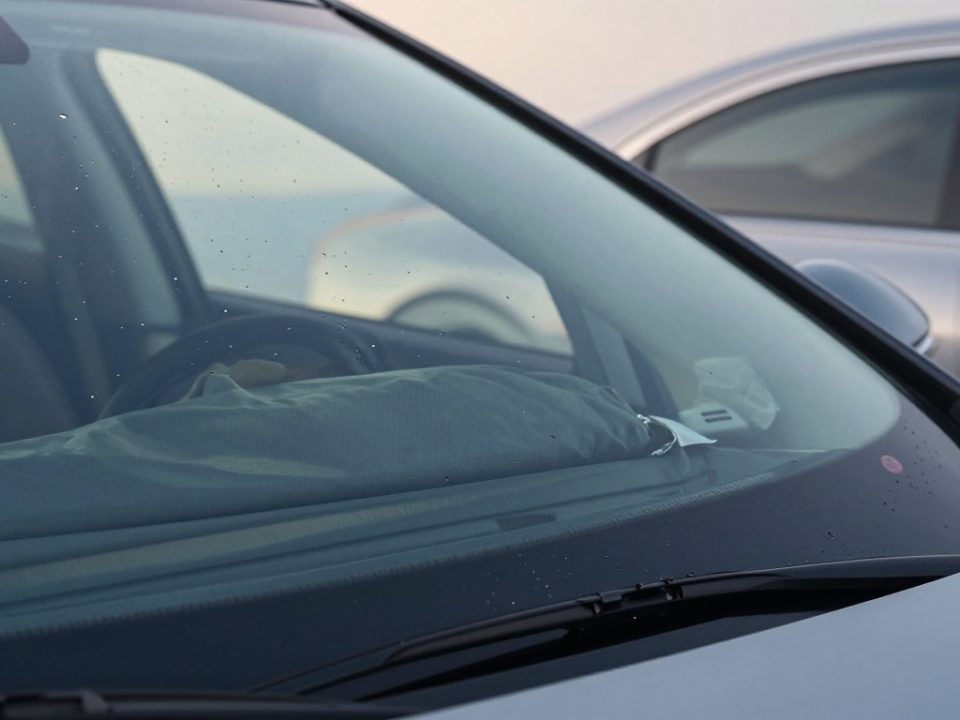
Chips near the edge see higher stress and can run quickly as you drive. If you can spot damage from the driver’s seat, assume it may grow during your trip and plan a fix before you leave.
- Quick rule: visible chips deserve prompt attention to avoid replacement.
- Professional repair early can save your car time and money.
- For expert guidance, check seasonal auto care with Miracle Auto Glass.
Before you get started, plan your route, timing, and stops
Set a realistic schedule before you get started so you avoid late-night driving and unplanned repairs. A short plan protects your visibility and reduces the chance you’ll need emergency service mid-journey.
Choose a realistic drive window for your day or weekend
Pick a destination that fits a three-to-six-hour one-way drive. That window keeps the day manageable and lowers fatigue.
Estimate total time on the road, including fuel, food, and quick checks. Plan stops so you do not push into dusk or busy construction times.
Use alternate roads to reduce fatigue and debris exposure
Avoid long stretches behind heavy trucks. Alternate routes can cut your chance of rock strikes and reduce road debris exposure.
On the return leg, choose a different way when possible. Changing your route helps you stay alert and avoid known construction zones.
- Pick a number of planned stops before you leave so decisions aren’t made under pressure.
- Include quick, “glass-friendly” stops to wipe the windshield, check wipers, and scan for fresh chips.
- When you get started, favor routes and times that limit night driving and heavy traffic on the road.
Plan smart, and you’ll reduce risk and start your trip with confidence.
Quick pre-trip windshield and window inspection you can do in minutes
A fast pre-drive check can stop a small chip from turning into a costly replacement. Spend about three to five minutes and you’ll know whether your car is safe to drive at highway speeds.
Check for chips, cracks, and edge damage that can spread
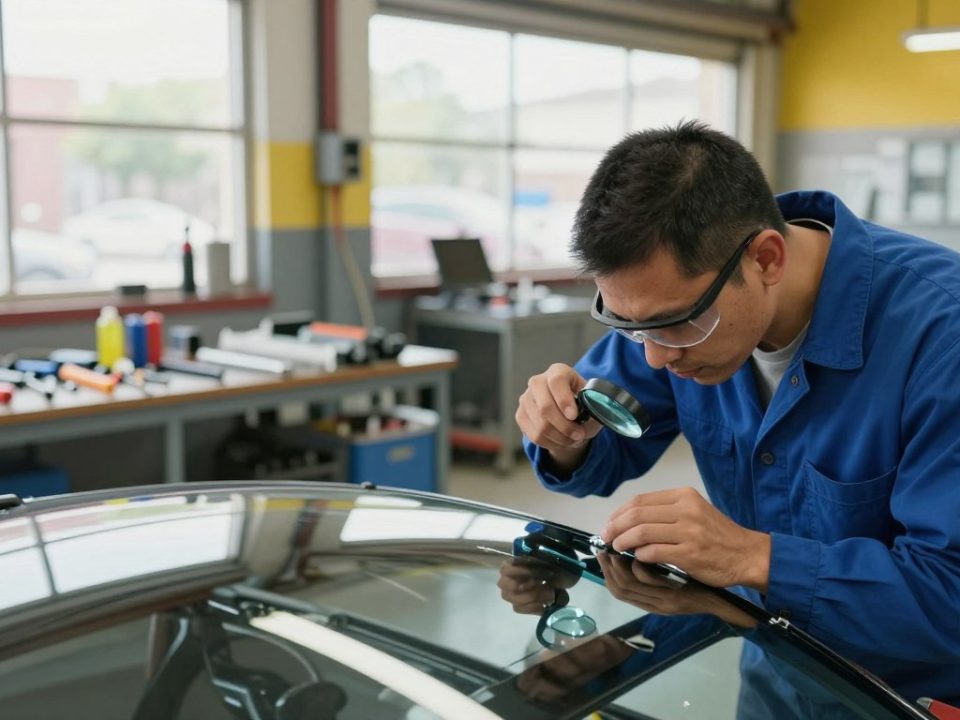
Walk around your vehicle and scan the driver’s line of sight, edges, and corners. Edge damage looks like small fractures starting near the glass perimeter and it can run quickly under stress.
If you see a chip near the edge, stop and address it before you commit to long highway stretches. Wirecutter’s emergency testing highlighted how small problems grew fast when drivers were far from help.
Inspect wiper blades and washer spray pattern
Lift each wiper and check for nicks, hardening, or missing rubber. Replace blades that skip or smear.
Top off washer fluid and test the spray so it hits the windshield evenly. That prevents streaks when dust or bugs hit the glass and gives you clear vision on the road.
Confirm your windshield is clean inside and out for night visibility
Clean the inside of the windshield to remove film that causes halos around lights. Wipe in a circular motion and finish with vertical passes for clarity.
- Quick routine: 3–5 minutes in the driveway before you leave.
- Look at edges, corners, and the driver’s view—those areas matter most.
- Fix chips or schedule repair with Miracle Auto Glass before you hit highway speeds.
Summer Road Trip Glass checklist for prevention and visibility
A short, practical checklist the night before and again the morning of your drive keeps visibility high and repairs rare.
Clean the glass the right way to reduce haze and streaks
Inside first, outside second. Clean the interior to remove film that causes halos at sunrise and sunset.
Use a microfiber cloth and a no-ammonia cleaner. Finish with vertical wipes to avoid streaks.
Set mirrors and seating to minimize glare and eye strain
Raise or lower the seat so your eyes sit centered on the windshield. Tilt mirrors to cut cab reflections.
Adjust side mirrors outward slightly to reduce blind spots and reduce head turning for long driving shifts.
Keep safe following distance to limit rock strikes
Give extra space behind trucks and on fresh pavement. The simplest prevention is a steady gap that reduces debris risk.
Night-before and morning-of checklist
- Night: inspect edges, top off washer fluid, and pack a microfiber cloth.
- Morning: quick wipe inside, fast rinse outside, test wipers, set mirrors and seat.
- At fuel stops: re-check and wipe—one quick pass can prevent a hazardous glare moment.
Payoff: these steps cut the chance you’ll need emergency service, saving you time and money on the way.
Emergency kit basics that won’t break the bank
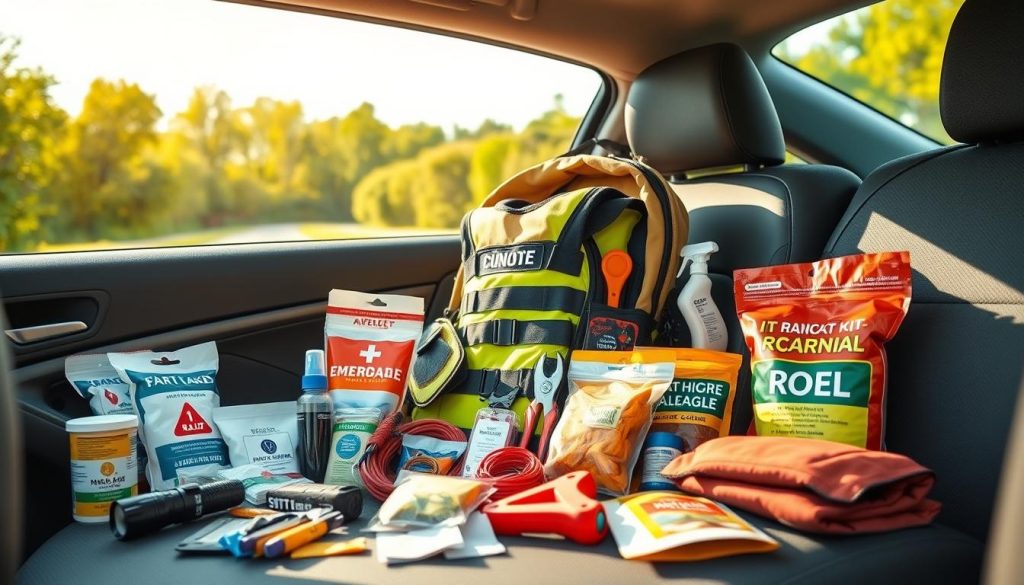
Putting together your own emergency pack gives you control over quality and avoids wasted filler. A DIY kit is a great idea if you want prepared gear that actually works when your car needs it.
Why DIY beats preassembled kits for real-world readiness
Wirecutter found many prebuilt kits include undersized jumper cables and useless items. When you build your own, you pick the right cables, a reliable jump starter, and no filler.
If you want prepared, start with quality over quantity.
What to keep in your vehicle year-round versus just for longer road trips
- Keep in vehicle year-round: heavy-duty jumper cables or compact jump starter, tire gauge, flashlight/headlamp, basic first-aid, and a microfiber cloth to protect visibility.
- Pack for longer road trips: extra water, a small air compressor, spare phone charger, comfort items, and a folding blanket.
- Budget approach: buy the few high-impact items first and add upgrades over time so you don’t break bank at once.
Decide what matters for your route so you don’t waste trunk space on gear you’ll never use. A small, well-chosen kit saves you time and stress and keeps your travel plans on track.
Upcoming product roundups focus on best-value picks so you can build a reliable kit without overspending.
First-aid essentials for the road and backseat passengers
A compact first aid kit in your car turns small accidents into manageable moments instead of full-blown emergencies. You want supplies that give quick comfort and stabilize a person until professional help arrives.
Bring a practical first aid kit and check expiration dates
Choose a kit sized for your group. Wirecutter recommends the First Aid Only 298 Piece All-Purpose First Aid Kit for weekend travel because it covers up to four people with bandages, alcohol prep pads, and pain relievers.
Before you leave, inspect adhesives and disinfectants. Replace degraded bandages and expired antiseptics so items work when you need them.
Keep supplies accessible, not buried under luggage
Store the aid kit where you can grab it in seconds — a trunk side pocket, the hatch cubby, or behind the front seat. Avoid putting it beneath suitcases.
- What makes a practical kit useful: fast comfort, basic stabilization, and items sized for a family car.
- Backseat passengers: pack itch wipes, small bandages, motion-sickness meds, and extra pain relief for common scrapes and headaches.
- Safety payoff: quick first aid reduces panic and gives you time to make clear decisions if a roadside issue escalates.
Stay powered and connected without draining your phone battery life
Keep your phone charged and your setup simple so you can rely on navigation, phone calls, and music without surprises. A clear charging plan is a safety plan: your cell phone is the backup for weather alerts, route changes, and roadside assistance.
Plan for navigation, calls, and audio
Start the trip at 100% and plug in early. Lower screen brightness, disable unnecessary apps, and stream music only when signal strength is good to preserve battery life.
Charging and USB-A vs. USB-C realities
Match cables and adapters to your car’s ports. If your car has a usb-c port, use a USB-C to USB-C cable for faster charging. Carry a USB-A to USB-C adapter for mixed-device passengers.
- Phone car routine: mount for visibility, plug in immediately, avoid high-drain settings when signal is weak.
- Quick checklist: spare cable, dual-port charger, small power bank, and a plan for passenger device charging.
- Time management: fewer dead-battery stops keeps you on schedule and reduces stress as daylight fades.
Portable jump starter roundup for summer travel reliability
A compact battery pack can get you moving in minutes when your car won’t start and no help is nearby. A portable jump starter gives you power fast so you avoid long waits on the shoulder.
Why a compact starter beats relying on another vehicle
When you need power alone, a starter is safer and simpler than hunting for a helper. It removes dependency and reduces delay, which means less wasted time and fewer interruptions to your trip.
Wirecutter-tested pick: Weego Jump Starter 44s
The Weego 44s is about phone-sized and small enough for a glove box while still starting most passenger vehicles. It weighs ~12 oz, protects against reverse polarity with an alarm, and is rated for gas engines up to 7L and diesel up to 3.5L.
Charge time is ~2.5 hours and it can hold a charge for over a year. Top it off every 3–6 months and check status lights before you leave.
Storage tips for lithium batteries in heat
Do not leave lithium starters baking in a sealed car. Store out of direct sun and avoid extreme temperatures to protect battery life. A five-minute self-jump beats an hour waiting for help, so keep one handy and charged.
Jumper cables as a backup option when you need power fast
When a portable starter is dead or unavailable, quality jumper cables save your schedule. Treat them as a backup that keeps you moving when other options fail.
What “long enough and thick enough” really means for most cars
Long enough: choose cables at least 16 feet so you can reach between vehicles without awkward positioning.
Thick enough: look for true 6-gauge wire or lower gauge numbers for better current flow. For most cars, a 6-gauge pair handles starting loads reliably.
Wirecutter top pick and why it matters
Wirecutter’s pick: Lifeline AAA Heavy Duty 16-foot 6 Gauge Booster Cables. They offer a 400-amp rating and come with a storage bag so you don’t leave them tangled in the trunk.
Length and real gauge prevent voltage drop. Cheap, thin cables can fail when you need power most, so buy quality.
Safe hookup and real-world tips
- When to use cables: as a backup if a jump starter isn’t charged, won’t fit, or you prefer a donor vehicle.
- Correct hookup: attach red to the positive posts first. Do not connect the black clamp to the dead battery’s negative post — clamp it to an unpainted metal surface under the hood to ground the circuit.
- Safety rule: avoid touching exposed clamps together while connected; sparks can occur.
- Practice once at home so you save time and stay calm on the road.
Bottom line: jumper cables are low-cost insurance. Keep a true 16-foot, 6-gauge set in your car and practice the hookup so you can get back on your way quickly and safely.
Tire safety gear to reduce blowout risk along the way
A quick pressure check takes two minutes and can prevent a half-day delay from a blowout. Proper tire pressure is a safety control: it shortens stopping distance and limits heat buildup that causes failures.
Why pressure affects stopping distance and heat
Underinflated tires flex more, which raises internal temperature and speeds tread wear. That reduces grip and lengthens stopping distance for your car.
Wirecutter top pick: Accu-Gage RRA60X
Accu-Gage RRA60X is accurate, durable, and battery-free. Its straight chuck and rubber bumper protect the gauge during testing, so you rely on it when you need a fast reading.
When to carry an air compressor
Bring a small air compressor if your route goes through long stretches with few services. An on-board compressor keeps you moving and avoids a long wait if pressure drops while you’re on the road.
- Quick routine: check pressure before you leave and again along the way if temperatures change or you carry extra weight.
- Inspect the spare tire — a flat spare makes a perfect toolkit useless on the side of the road.
- Two minutes now can save hours later; tire readiness protects safety and your schedule.
Visibility and roadside safety tools for breakdowns after dark
Nighttime breakdowns create a different risk profile—drivers spot you later and you need clear, hands-free lighting to work safely. Pack lighting and signaling tools that keep you visible and let you fix minor issues without trading safety for speed.
Rechargeable headlamp for hands-free checks under the hood
Why it matters: a headlamp frees both hands for a rapid inspection or tire change while keeping you visible to passing traffic.
Wirecutter’s top pick, the Black Diamond Spot 400, delivers 400 lumens, a flood proximity mode, red night light, strobe, and a lock mode so it won’t activate in your pack. It is rechargeable and weather resistant—features that matter when you are fixing your car at night.
Flare alternatives for safer signaling on the shoulder
Traditional flares add fire risk and are less practical in dry areas. LED beacons offer bright, reusable signaling with less hazard.
- Wirecutter pick: StonePoint LED Emergency Beacon set — three crushproof, waterproof beacons with magnets for easy mounting.
- Placement strategy: one elevated behind the car, one on the trunk, one on the hood to maximize visibility in every direction.
- Officer advice to follow: stay out of traffic lanes, and if you doubt your safety, remain in your car and call for help.
Tools and quick-fix supplies that help you keep your vehicle moving
A few compact tools can solve the small problems that otherwise turn a short drive into a long delay. Pack items that are fast to use and clear in purpose.
Multi-tool for small repairs and fast adjustments
A multi-tool handles loose screws, stripped bolts, and quick adjustments so you save time. The Leatherman Skeletool CX is Wirecutter’s top pick for its focused layout: pliers, a bit driver, a 2.6-inch 154CM blade, and a pocket clip.
It’s small enough to carry but powerful enough to work—useful for trim, mirror tweaks, and tight spaces on the hood.
Duct tape for temporary fixes when time matters
Duct tape is a practical, temporary fix for cracked plastic, loose trim, or a snapped strap. Duck Brand Max Strength Duct Tape earns Wirecutter praise for strong adhesive and clean tearing.
Use tape only as a short-term solution that keeps your car safe until professional repair is possible.
Modular tool kit strategy
Pack a small tool roll with the essentials: multi-tool, tape, a compact screwdriver set, and a flashlight. Organize items so you find them at a glance and avoid wasting time digging in the trunk.
- Right gear mindset: choose tools that match your vehicle and route.
- Keep the kit light so it fits the car without cluttering cargo space.
- Replace consumables after each use so the set is ready the next time you need it.
Water and comfort essentials for long stretches of road
A reliable water supply turns a stalled hour into a manageable inconvenience. Plan water first so you protect comfort and clear thinking during a long day on the road.
How much water you need per person per day
Rule of thumb: carry 1 gallon per person per day. For most drives, a 4–5 gallon reserve in your trunk gave families enough for delays, heat, or limited services.
If your route goes through remote areas or desert conditions, increase that amount. Pack extra when you expect heavy exertion or long waits so you won’t run out when time matters.
Wirecutter top pick: Reliance 4-Gallon Aqua-Tainer
The Reliance 4-Gallon Aqua-Tainer earned praise for a spill-resistant vent cap and a reversible spigot that stores inside the jug. Its BPA-free plastic resists punctures that typical narrow gallon jugs suffered from.
Avoid thin single-gallon containers and fragile collapsible jugs; they punctured or leaked during movement and wasted water when you needed it most.
- Practical tip: secure the Aqua-Tainer upright in the trunk or a cargo bin to limit shifting in a moving car.
- Comfort essentials: a supportive car headrest setup and sun-blocking shades reduce fatigue and glare so you arrive less drained.
- Why it matters: hydration and simple comfort gear improve focus and driving performance, helping you make safer decisions along the way.
Roadside assistance membership and what to look for
A roadside assistance membership gives you reliable help when a simple DIY fix isn’t safe or practical. Pick a plan that matches how far you drive and where you go so help arrives when you need it.
Match towing range to your route, especially in remote areas
City driving often needs only short tows — about 3 miles. If you travel deserts or rural interstates, choose a plan with longer towing miles. The right range prevents costly out-of-network tows and long waits for a tow truck.
When roadside assistance is the smarter play than DIY repairs
Safety first: call for help when heat, darkness, narrow shoulders, or heavy traffic make a DIY repair risky.
- Compare plans by towing miles, expected response time, coverage limits, and service area.
- Think of use: daily driving needs differ from road trips; don’t overpay for coverage you’ll never use.
- Tradeoffs: DIY may save money but can cost you time and expose you to hazards on the shoulder.
Bottom line: combine a basic DIY kit with a roadside membership that fits your vehicle and route. That way you stay safe, save time, and keep your plans moving when things go sideways.
On-the-road habits that protect your windshield while you drive
Small, repeatable habits cut the chance a minor hit turns into an urgent repair. Use these practical steps so you protect visibility, reduce glare, and avoid costly stops later.
Manage spacing behind large vehicles
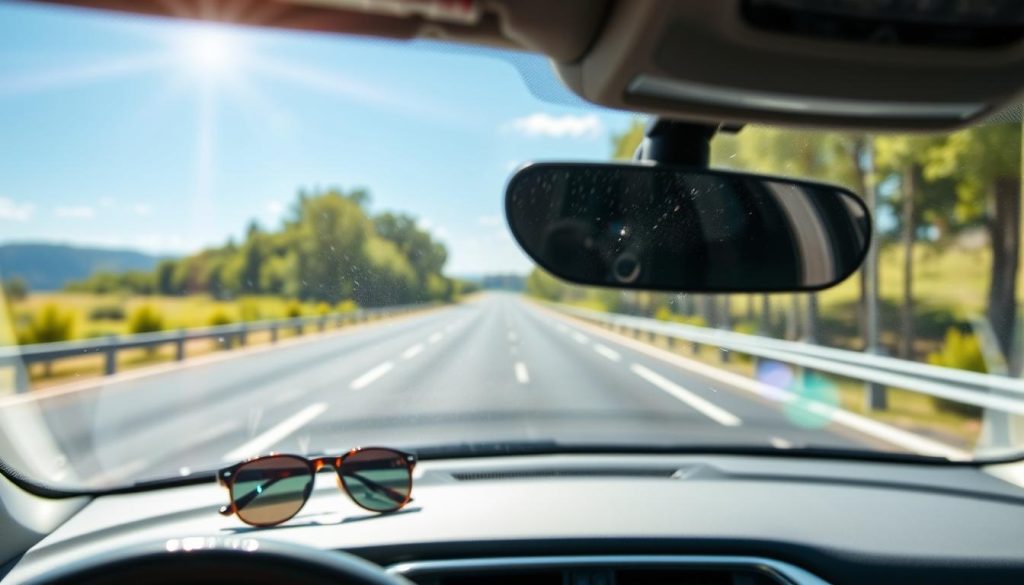
Keep a steady gap, especially behind dump trucks, construction vehicles, and at work zones. A larger following distance lowers the odds that kicked-up rocks reach your windshield.
Slow slightly to reduce impact energy
Higher speed raises the force of small debris. Reducing speed a few miles per hour in heavy debris areas can prevent chips without adding meaningful time to your trip.
Avoid sudden temperature shocks
When your car sits in sun, don’t blast ice-cold air at a hot windshield. Cool the cabin gradually so adhesives and glass expand and contract slowly.
Keep the cabin organized
Store loose items so they don’t fly into side windows during hard braking. A tidy interior protects panels and reduces distraction for the driver.
- On-the-road routine: scan ahead, space deliberately, and stop to clean when visibility drops.
- Benefit: fewer chips, less glare, and fewer urgent repair decisions mid-journey.
What to do if your windshield chips or cracks during your trip
Not all windshield damage forces a stop, but a clear decision plan keeps you safe and on schedule. Stay calm, evaluate the scene, and prioritize safety before any repair decisions.
When it’s safe to keep driving and when you should stop
If the damage blocks your view, is rapidly spreading, or distorts traffic signals, pull off the road and stop. If the chip is small, stable, and off the driver’s direct line, you may continue at reduced speed to the next service area.
How to document damage for insurance and scheduling repairs
Make sure you record clear photos from inside and outside. Take a close-up with a coin or pen for scale and note the time and location. Save these images and call your insurer or repair shop right away.
Why prompt repair can save you time and money
Small fixes done quickly often prevent a full replacement later. In busy corridors like New York, shops fill fast, so act early to secure an appointment. To make sure you get expert service and minimize delays, contact timely auto glass repair at Miracle Auto Glass and get back on your way.
Conclusion
Spend a few minutes preparing your car and you’ll save hours and stress later. A short pre-check plus a smart kit keeps your road trip safer, calmer, and more predictable.
Visibility is a system: clean glass, working wipers, mindful spacing, and night-safety tools all work together to protect your view and your schedule. Keep a phone charging plan, a portable jump starter for power, a tire gauge, a headlamp and beacons, water, and a basic first-aid setup ready before you leave.
Whether you travel with family or log miles as a digital nomad, preparation saves time on busy holiday weekends when AAA reports millions on the road. If you noticed a chip before you left—or damage happened during your trip—hire Miracle Auto Glass to fix your windshield or other auto glass damage so you can drive with confidence.