
Winter Driving Tips to Protect Your Windshield
Step-by-Step Guide to Windshield Replacement
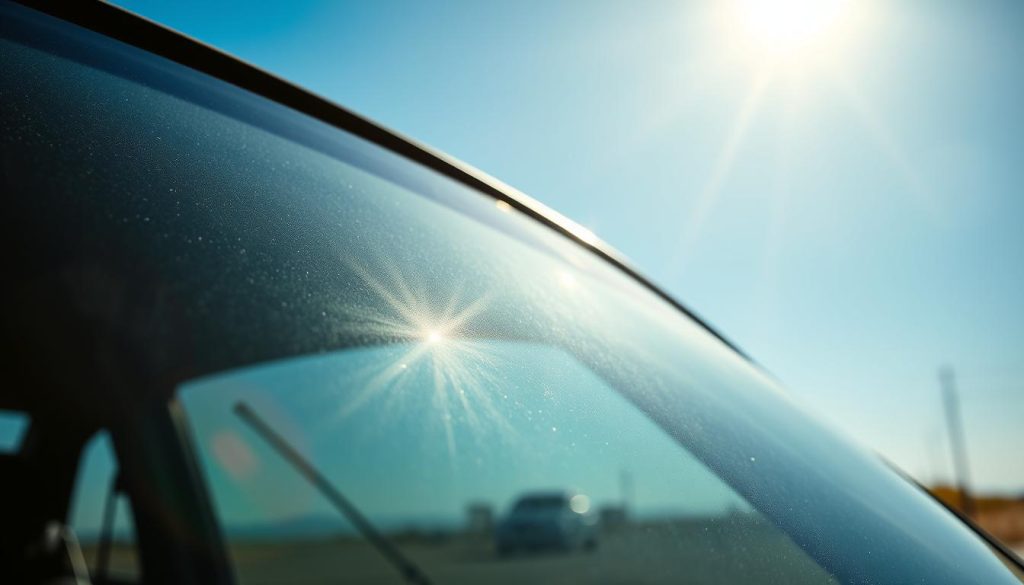
You can’t see the problem at first, but it matters. Invisible electromagnetic radiation from the sun can oxidize and weaken your windshield and other glass over time. This is a slow, cumulative process that affects clarity and strength rather than a single dramatic event.
The issue is both cosmetic and safety-related. Clouding, yellowing, and tiny cracks can reduce visibility and make chips spread. Laminated layers inside a windshield may degrade, lowering structural integrity when you need it most.
What you’ll learn here: what gets through your windows, how laminated glass changes, signs to watch for, and when to act. Repeated sun exposure and heat speed aging and turn small nicks into larger problems.
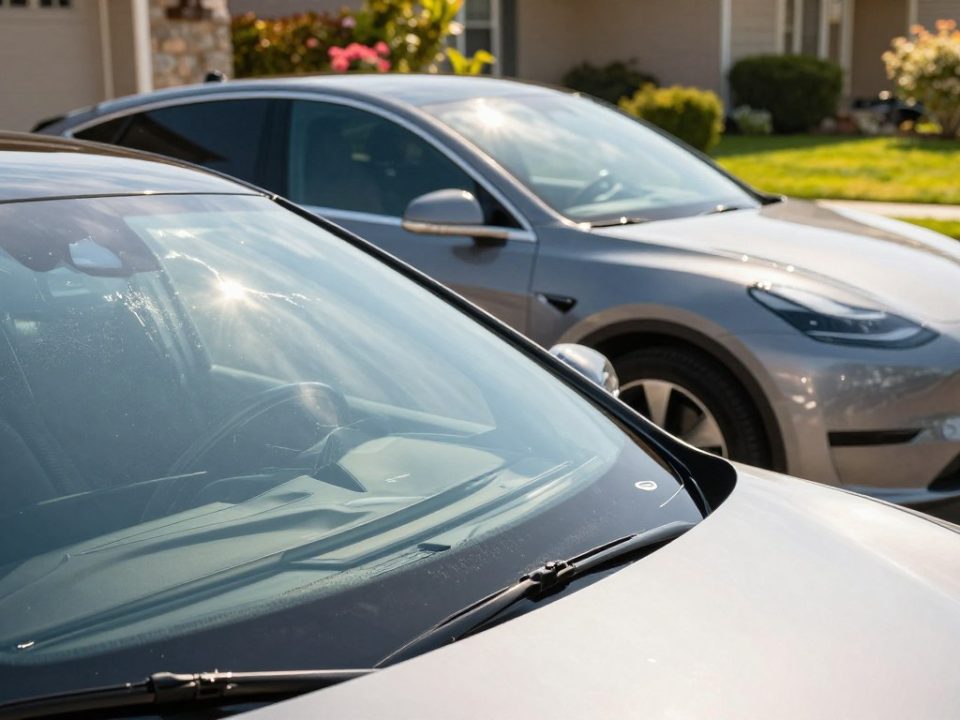
Protection levels vary by vehicle and glass type, which is why two cars parked side-by-side can age differently. For practical help and a clear plan on repair versus replacement, trust Miracle Auto Glass to inspect and advise.
If you suspect UV-related windshield or window harm, hire Miracle Auto Glass to fix your windshield or other glass issues.
Key Takeaways
- Invisible sun rays cause slow, cumulative weakening of windshield materials.
- Effects are cosmetic and can harm visibility and structure.
- Heat and repeated exposure accelerate wear and crack spread.
- Protection levels vary by vehicle and glass type.
- Contact Miracle Auto Glass for inspection and expert repair or replacement advice.
Why UV exposure is a real threat to your windshield and car windows over time
Repeated sun and heat exposure quietly change how your vehicle performs and looks over time.
Radiation from sunlight constantly hits your windshield and windows while you drive and when you park. This steady contact is not dramatic, but it is cumulative. Over months and years, polymers and interlayers oxidize and become brittle, making small flaws more likely to spread.
Heat makes the process worse. Warm glass expands and contracts, stressing seals and adhesives at edges. Those stressed seals can fail, and the materials that bond a windshield to the frame may degrade faster under prolonged exposure.
- Everyday exposure adds up: daily sun on your car speeds wear on glass and surrounding parts.
- Cumulative effects: materials age, discolour, and become more brittle over time.
- Seals and interlayers: not just the glass—supporting layers and adhesives weaken too.
If you park outside often or notice early signs of wear, schedule a professional check. Miracle Auto Glass can inspect your windshield and windows and advise whether repair or replacement is the safer choice.
UVA vs. UVB rays and what actually gets through your vehicle’s glass
Not all sunlight behaves the same behind your windows—some rays go deeper than others. Two types matter most for drivers: uva and uvb. Each affects you differently while you ride or park.
How uva rays penetrate deeper and why that matters in the driver’s seat
UVA rays have longer wavelengths, so they pass through many side windows more easily. That means you can get steady exposure to your skin over years. Frequent drivers show more sun-related signs and a higher risk of skin cancer on the side nearest the window.
Why uvb is easier to block with standard window glass
Shorter-wavelength uvb is largely stopped by most standard glass. UVB causes sunburn, but because it is easier to block, a clear window can create a false sense of full protection.
What studies show: windshields vs. side windows and uneven protection
Research suggests windshields block about 94% of uva rays, while driver-side windows may block roughly 71%. That uneven shielding can increase long-term skin harm for drivers and drivers’ passengers.
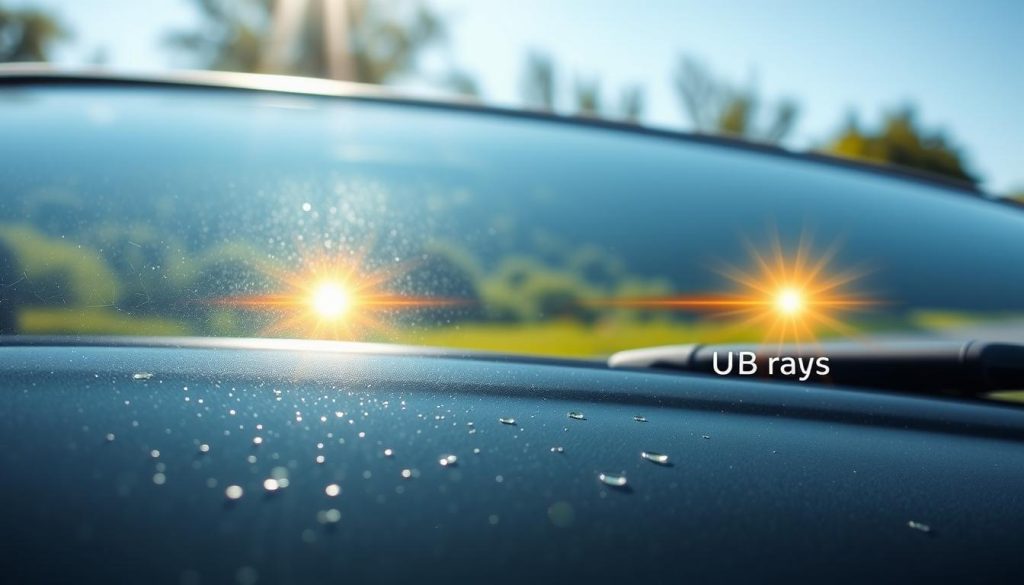
If you’re unsure what your vehicle blocks, Miracle Auto Glass can evaluate options to raise protection for windshields and side windows without sacrificing visibility or legality.
UV Damage Auto Glass: what happens inside laminated windshields and window layers
The clear view you rely on is built from bonded layers, and those bonds can weaken from prolonged sun and heat exposure.
How molecular breakdown weakens laminated systems
Your windshield is a layered system: two sheets of glass sandwiching a plastic interlayer. Over years, radiation can break molecular bonds in that interlayer and in nearby materials.
When polymers lose strength, the whole laminated glass unit becomes less stable. That process is gradual, which is why problems often appear slowly rather than suddenly.
Yellowing, clouding, and haziness from interlayer wear
As the plastic interlayer degrades, it can turn yellow or cloudy. This haziness scatters light and raises glare, especially when the sun hits at an angle.
These visual changes reduce clarity and make driving harder during bright or low-light conditions.
Delamination and visible separation
Delamination happens when layers start to separate. You may see bubbles, wavy distortion, or areas that look fogged between panes. These spots can block your line of sight and distort objects.
Adhesive and seal stress from heat
Extreme heat stresses adhesives and seals around the windshield and side window edges. Once adhesives fail, moisture and contaminants speed interlayer decline and delamination.
- Why it matters for repair: interlayer failure often cannot be fixed by a simple repair and may require replacement to restore optical quality and impact performance.
- Inspection and solution: Miracle Auto Glass can diagnose delamination or haziness, confirm whether radiation or heat is the cause, and recommend the safest, most cost-effective repair or replacement.
Warning signs you can see while driving that point to sun-related glass damage
Watch for subtle signs on the road that mean your windshield or windows need attention. These cues often show up slowly but affect your safety and comfort while driving.
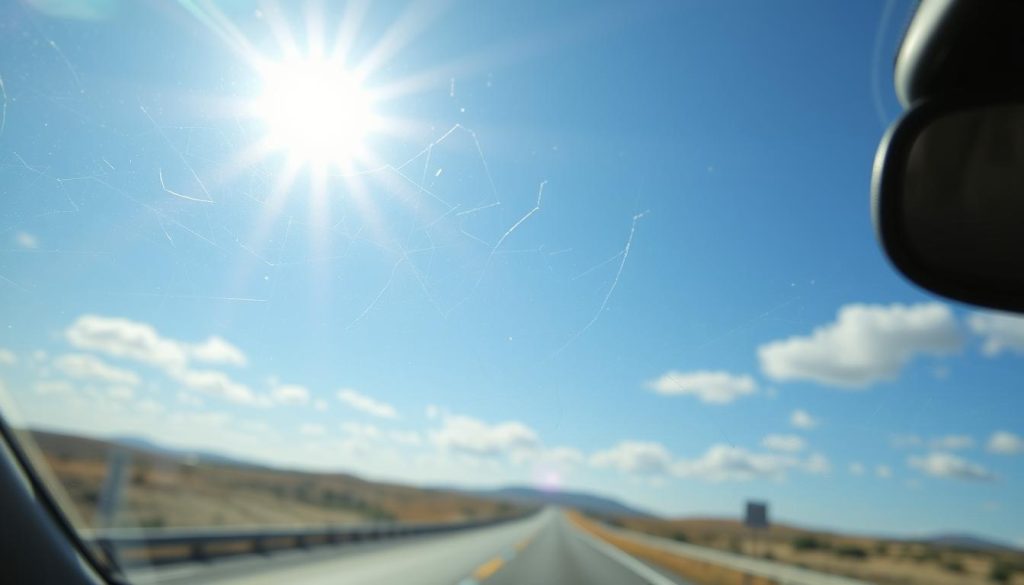
Increased glare and reduced visibility
Hazy or yellowed areas scatter light and raise glare in daytime. At night you may notice haloing from headlights that cuts your visibility and slows reaction time.
Discoloration that won’t clean
If brownish or cloudy patches remain after washing, the problem is internal—not surface dirt. This kind of change signals interlayer aging from sunlight and heat over time.
Chips and cracks spreading faster
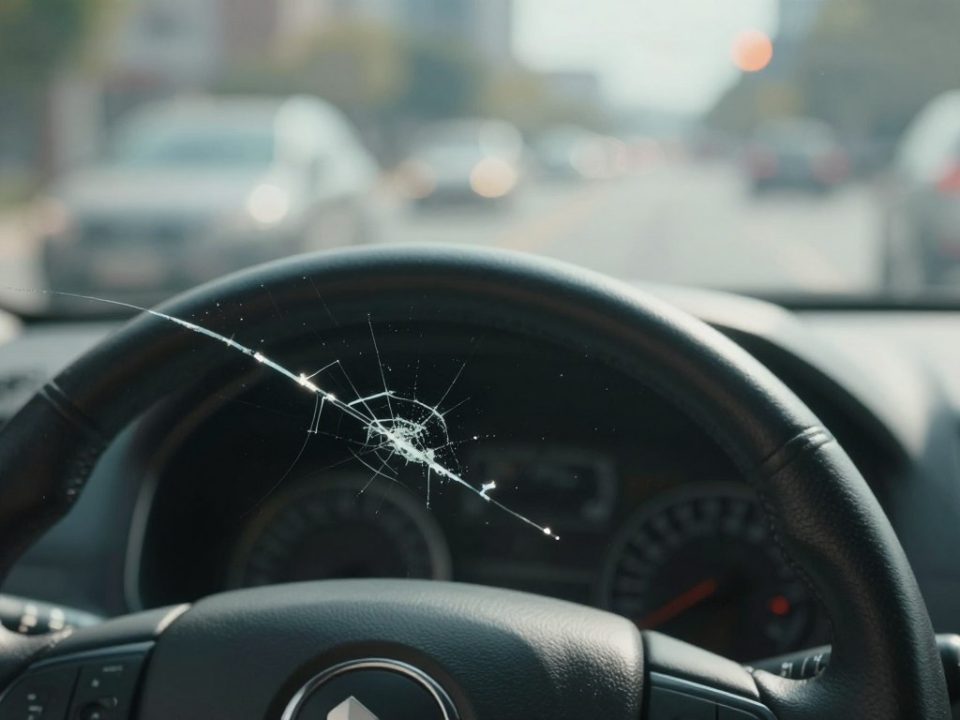
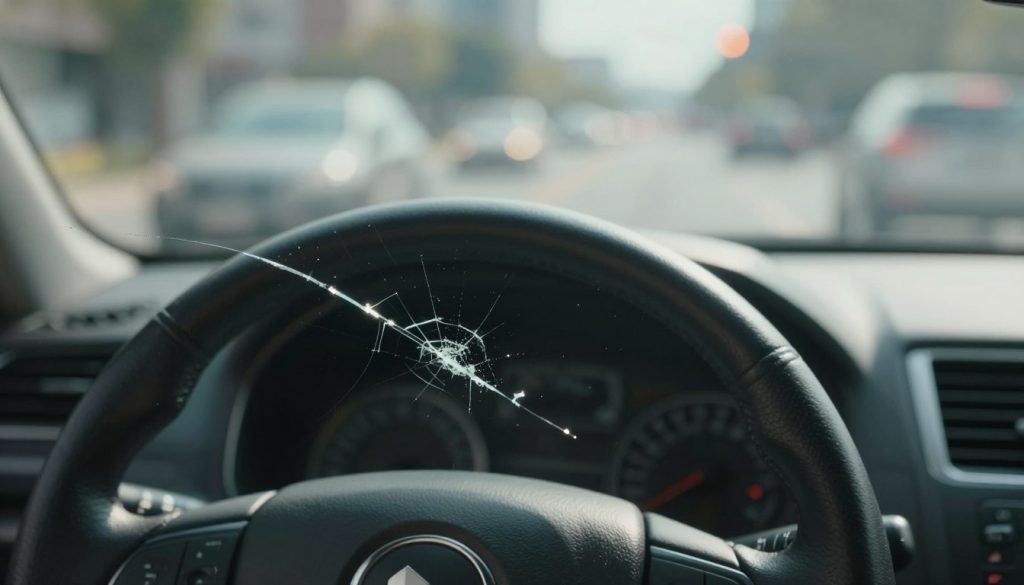
Small chips can grow quickly when the underlying material weakens. Repeated heat cycles raise the risk they become replacement-level problems.
Quick self-check and when to call a pro
- Inspect at different angles for wavy distortion.
- Check edges for separation or hazy strips.
- Note changes over weeks and compare photos.
Early repair often saves cost. If you spot these signs, contact Miracle Auto Glass for a professional evaluation and timely repair or replacement.
Why UV-weakened auto glass raises safety and cost risks for you
Your windshield does more than let you see the road — it helps protect the cabin and supports your vehicle’s structure. When layers degrade, the whole unit is more likely to fail on impact. That raises both your safety risk and the chance you’ll need a full replacement instead of a simple repair.
Why weakened windshields can be more vulnerable during impact
Degraded interlayers and weakened bonds reduce how well the windshield absorbs forces. In a collision, a compromised windshield may shatter or separate, lowering occupant protection and affecting airbag performance.
How hazy glass affects reaction time and road safety
Haze and optical distortion scatter light and increase glare. At night or in rain, your visibility drops and reaction time slows. That small loss of clarity can make it harder to spot hazards on the road.
How minor chips can turn into replacement-level problems sooner
Small chips and cracks spread faster when materials are brittle. What could be a low-cost repair today may force replacement tomorrow if you delay. That raises repair costs and increases risk if the damage crosses your line of sight.
- When to repair: small chips away from the driver’s view are often repairable.
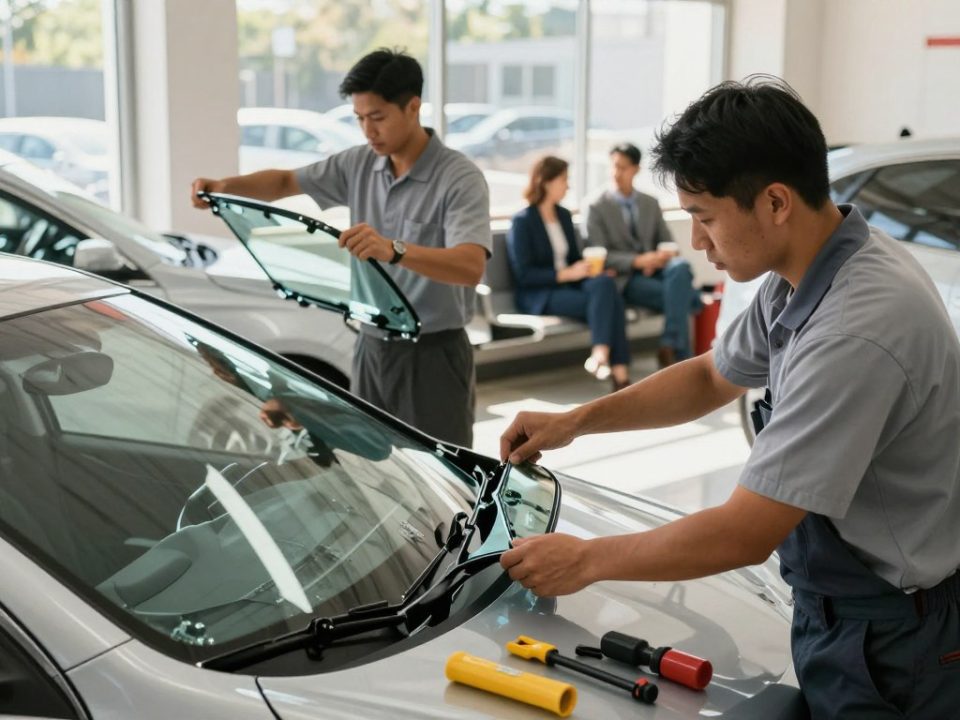
- When to replace: widespread haziness, delamination, or structural compromise needs replacement.
- Best step: get a timely professional evaluation—Miracle Auto Glass will assess risk and recommend repair or replacement based on location and severity.
How to protect your windshield and car windows from UV and sunlight starting now
Small daily choices can limit sunlight’s wear on your windshield and keep your vehicle safer longer. Start with parking and simple shields to cut heat and prolonged exposure.
Smart parking habits and shade strategies
Whenever possible, choose covered parking, shade, or a garage to reduce sun load on your vehicles.
Use a reflective windshield sunshade to lower cabin heat and reduce the rays your windshield and car windows receive.
Cleaning and routine inspections
Keep glass clean so you can spot early haze, edge separation, or chips. Regular checks help you track changes over time.
Repair small chips quickly—this limits spread during heat cycles and prolonged exposure.
Upgrades that can block up to 99% of harmful rays
Consider factory UV options or aftermarket films and ceramic/metallic tints where legal. Some films and replacements block up to 99% of harmful rays.
Miracle Auto Glass installs compliant protective coatings and can recommend the right upgrade for your vehicle.
How to check your current protection level
Review your owner manual and look for window markings. For an objective check, have a shop measure performance with a handheld meter.
Need help? Miracle Auto Glass can test your protection and suggest upgrades or replacement as needed. See a detailed guide on testing and effects at how sun rays affect your windshield over.
Skin protection tips for frequent drivers
Apply broad-spectrum sunscreen to exposed arms, hands, and face. Wear long sleeves and polarized sunglasses to cut glare and lower skin damage risk.
Frequent drivers should be mindful that side windows may not block all UVA and should protect skin accordingly.
- Quick tips: park in shade, use a sunshade, clean and inspect regularly, fix chips fast, and consider professional films or replacements.
- Next step: contact Miracle Auto Glass to verify protection, book an inspection, or install certified upgrades.
Conclusion
Sun exposure slowly erodes what you rely on to see and stay safe behind the wheel.
Radiation and heat create gradual wear in windshield layers and seals. Over time this lowers visibility and can make small chips spread into replacement-level problems.
Remember: UVA rays get through many side windows more easily than UVB, so protection is uneven and long-term exposure matters for drivers and passengers.
Take simple steps—shade, sunshades, routine inspection, and certified protection upgrades—to slow wear and preserve safety. If you notice haze, discoloration, or spreading cracks, get an evaluation right away.
Hire Miracle Auto Glass to inspect, repair, or replace your windshield and other glass. For guidance after an impact, see our post-accident inspection.