
Simple Maintenance Tips to Extend Auto Glass Life
When to Seek Emergency Auto Glass Repair
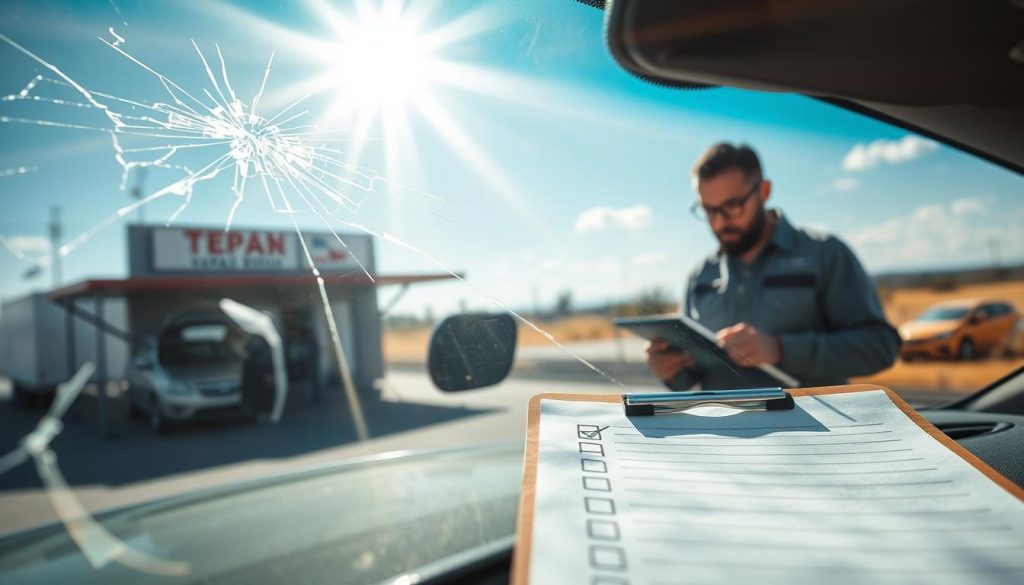
Understanding what you might pay after glass damage helps you act fast. In many cases, comprehensive coverage (non-collision) handles repair or replacement. If you added full glass coverage, you may owe no out-of-pocket cost.
When you file a claim, your insurance and your policy type determine whether you pay part, all, or none of the bill. Small chips often qualify for low‑cost repairs that insurers prefer to fix quickly because the glass adds real structural strength to your vehicle and protects your cabin in crashes and rollovers.
This FAQ focuses on common Texas scenarios: chips from road debris, hail, and spreading cracks. You’ll learn how comprehensive differs from collision, when repair beats replacement, and how zero-dollar glass options work.
Need help now? Miracle Auto Glass can inspect damage, give a firm quote, and coordinate with your insurer so you can get back on the road safely and save money.
Key Takeaways
- You may pay nothing, part, or all depending on your policy and coverage add-ons.
- Glass damage affects both visibility and structural safety, so quick action matters.
- Small repairs are often cheaper and favored by insurers over full replacement.
- Zero-dollar glass options can remove out-of-pocket costs for many claims.
- Contact Miracle Auto Glass to get a quote and help with insurance steps.
When You Have to Pay a Windshield Deductible (and When You Might Not)
How much you pay depends on your policy and the scale of damage. Comprehensive coverage usually handles non‑collision events, like a rock chip or hail. Collision coverage applies when glass breaks as part of a crash you cause.
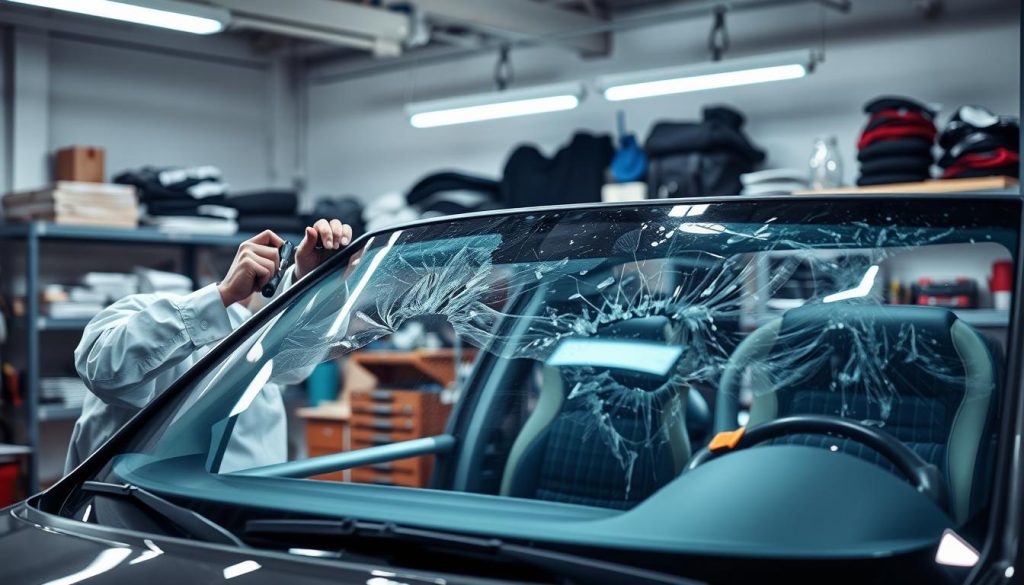
Repair vs. replacement and when the deductible applies
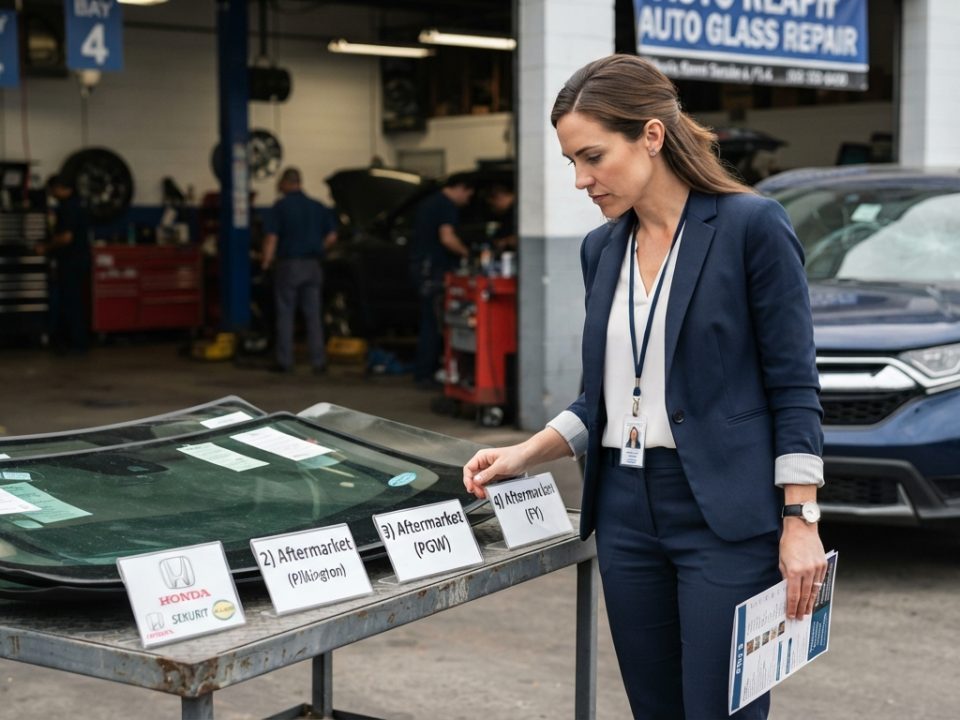
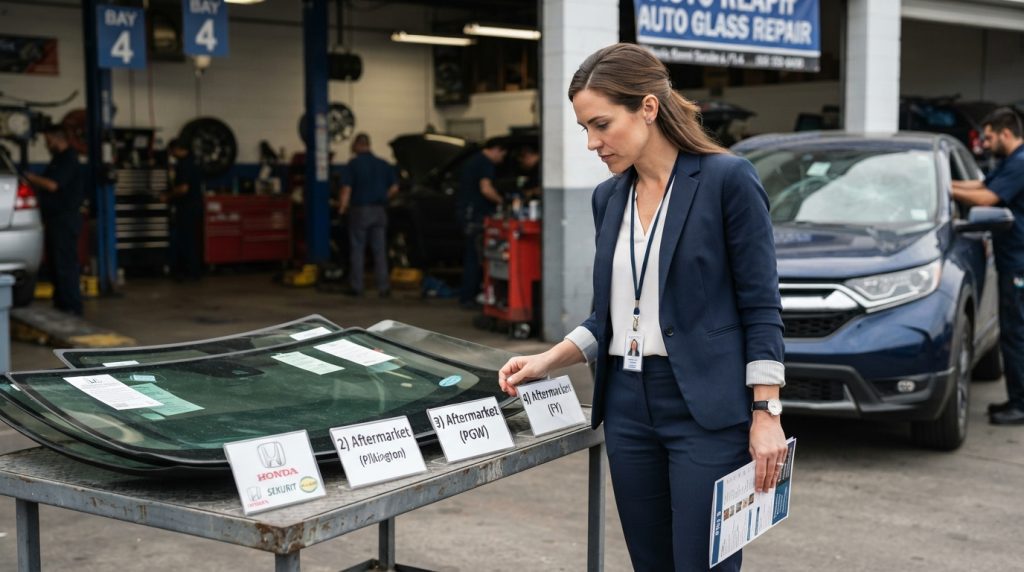
Many insurance companies treat a small chip or crack as a quick repair and may waive the fee. A full replacement costs more, so your insurer will often require you to pay your deductible before they cover replacements.
Zero‑dollar glass options and out‑of‑pocket choices
Zero‑dollar glass deductible or full glass coverage add‑ons remove out‑of‑pocket costs for covered glass work. If your repair quote is less than your deductible, paying yourself usually saves money and avoids a claim.
- Confirm whether your policy actually covers windshield replacement or waives repair fees.
- Ask Miracle Auto Glass for a transparent quote so you can compare repair vs replacement costs.
- Do the math: if repair
Need help deciding? Contact Miracle Auto Glass for a clear price breakdown and guidance on when to file a claim or pay directly.
Windshield Deductible Texas: What Your Policy Usually Covers
When glass is hit by hail, rock chips, or sudden cracking, your claim most often begins under comprehensive insurance. This coverage applies to non‑collision events and is the usual route in the state.
Why many claims start with comprehensive
Texas weather and road conditions make chips and cracks common. Hailstorms, gravel on construction routes, and highway debris mean you’ll often use comprehensive coverage rather than collision.
Safety and visibility matter
Glass damage is not just cosmetic. Even small chips can harm visibility and weaken your vehicle’s structure. The windshield contributes to front‑end crash performance and rollover strength.
- Minor chips: quick repairs that insurers favor to avoid larger costs.
- Major cracks: replacement is needed when the damage affects the driver’s view or reaches the edge.
- Act early: repairing small issues can stop spread and keep you safer on the road.
Miracle Auto Glass provides auto glass services to help you decide between repairs and full replacement. For details on how claims typically work and what may cover windshield work, see how insurance covers cracked windshields in.
How the Auto Glass Insurance Claim Process Works in Texas
Start your claim by confirming what your policy lists for glass coverage and any exclusions that affect repairs or replacements. That quick check helps you know whether repair or full replacement will trigger cost sharing or special parts rules.
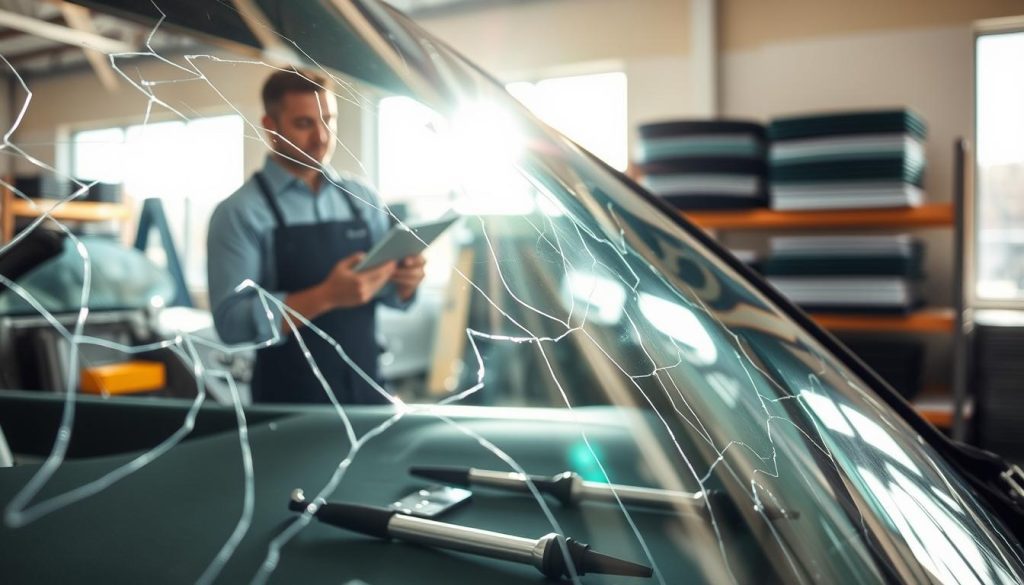
Check your declarations page
Look for glass coverage, part‑type rules, and your policy limits. Note whether OEM parts are required and whether a replacement counts toward your overall claim limit.
Document the damage
Take clear photos from multiple angles and write when and where the chip or crack happened. Save that evidence to speed your claim and support a timely decision.
Choose your shop of choice
You have the right to pick a glass shop even if insurers suggest partners. Miracle Auto Glass can inspect, provide a written quote, and coordinate with insurance on your behalf.
Direct billing and what you pay
Most auto glass shops bill the insurance company directly for covered work. You usually pay only what the policy requires—often the cost share for a full replacement.
Mobile service and parts choices
Mobile repair and replacement at your home or work are common for small damage. Complex or ADAS‑equipped vehicles may need in‑shop work, OEM parts, and recalibration for sensors.
Will a claim affect your rates?
Comprehensive glass claims rarely raise your car rate like collision claims do, but rules vary by company. Ask your insurer how a glass claim could impact future premiums.
- Claim tips: have your policy number ready, ask if repair is fee‑free, confirm replacement triggers any cost share, and request a written quote before work begins.
Conclusion
Small glass damage often spreads fast in heat, so prompt service helps you avoid bigger repairs. In many cases, whether you pay a deductible depends on your policy and whether you need a repair or a full replacement.
Check your declarations page, compare the cost to your out‑of‑pocket share, and act quickly to protect visibility and safety. Proper installation prevents leaks and preserves structural support.
Miracle Auto Glass makes the process simple. We inspect damage, provide a clear quote, and work with your insurance and billing so you can get reliable auto glass work with less hassle. Hire Miracle Auto Glass to handle your repair or replacement today.