

How to Inspect Your Windshield for Hidden Damage

How UV Rays Slowly Damage Auto Glass
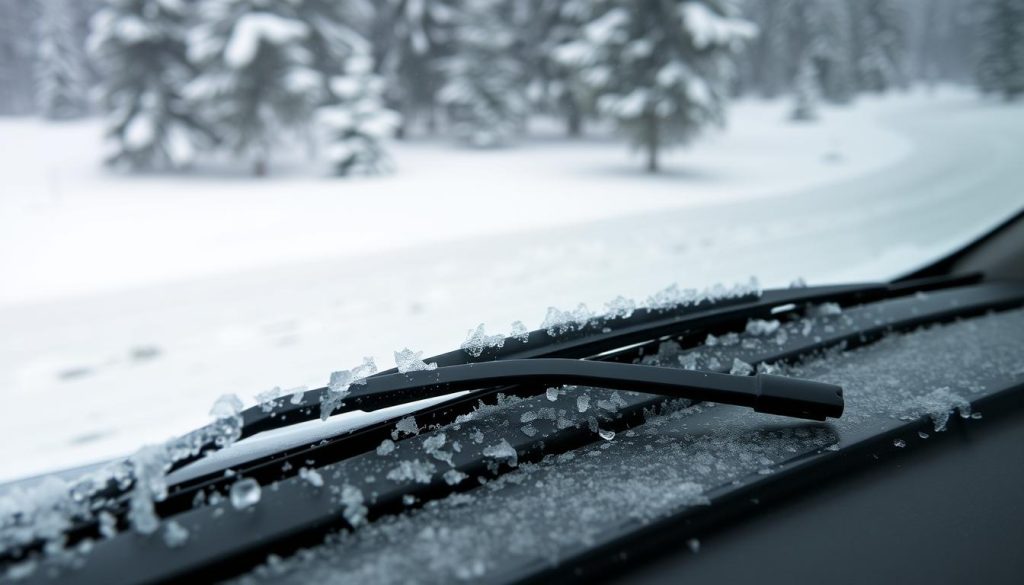
You rely on clear vision to drive safely in cold weather. Small chips or cracks can grow fast when temperatures drop, so you need simple, regular routines that protect your windshield and keep your view steady.
This guide gives step-by-step, practical tips for inspection, safe snow and ice removal, cleaning inside and out, and upgrading wipers and washer fluid. You’ll also learn fog prevention and smart parking choices that reduce damage from road salt and slush.
Think of this as proactive maintenance: addressing a tiny problem now is cheaper and safer than waiting for a full replacement. If you spot damage or need repair before conditions worsen, trust Miracle Auto Glass as your service expert.
Key Takeaways
- Inspect your windshield often to catch chips early.
- Use safe removal and gentle cleaning to avoid spreading cracks.
- Upgrade wipers and fluid for reliable defrosting and visibility.
- Park smart to limit exposure to temperature swings and road salt.
- Contact Miracle Auto Glass promptly for repairs to prevent costly replacements.
Why Winter Weather Is Hard on Your Windshield and Auto Glass
Cold snaps and rapid warm-ups put extra pressure on your windshield, turning small faults into big problems.
How freezing temperatures and thermal expansion spread chips and cracks
In freezing conditions, glass contracts. When you run the heater or defroster, the cabin warms quickly and the glass expands. That sudden change—called thermal expansion—pushes on tiny weak spots.
If you already have chips, that shifting can force them to grow into cracks. Vibration from driving makes this worse and speeds up damage.
Common winter auto glass challenges like frost, ice buildup, road salt, and fogging
Typical problems include frost and ice buildup that block vision, fogging from temperature differences, and slushy spray that leaves salt and grime on the surface.
Salt and road film cause haze and glare, especially at night. These issues stack: ice outside + warm air inside + driving vibration increases stress on the glass over time.
- Tip: Catching chips early is the easiest way to avoid costly crack growth.
- Tip: Regular cleaning reduces haze from salt and keeps visibility clear.
- Tip: Slow, gradual defrosting cuts thermal stress on the windshield.
Inspect Your Windshield for Chips and Cracks Before Cold Weather Hits
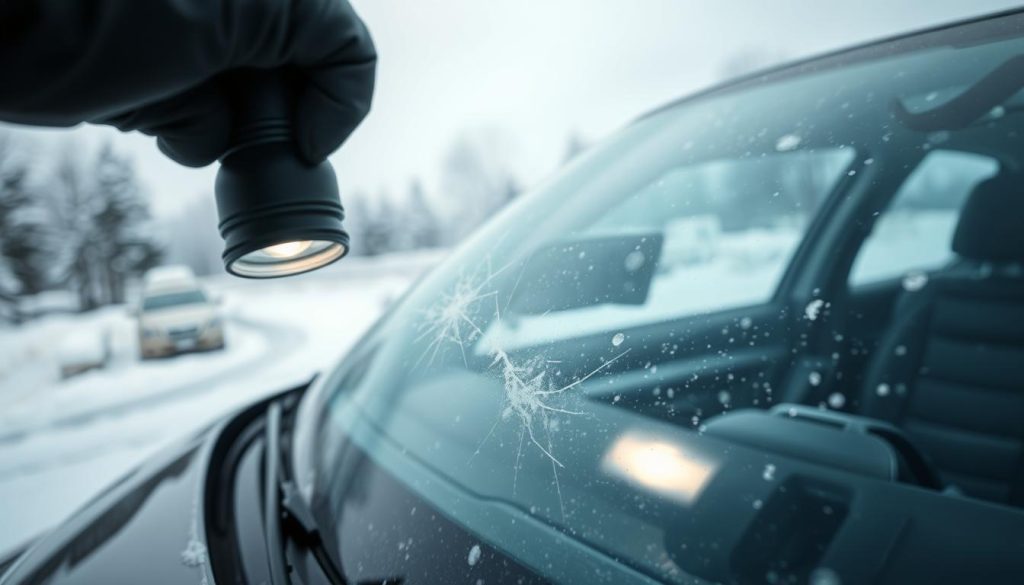
A quick, focused inspection now can stop tiny chips from turning into full-length cracks later. Walk around your vehicle and study the windshield edges and corners first. These zones see the most stress when temperatures swing.
Look for prior impact points: tiny star breaks, pits, or small chips near the frame. Mark their spots with a small sticky note or take a photo so you can show a repair pro the exact location.
Where to look and what to document
Check along the outer seal and near the wiper sweep. Note any blemishes that catch light or spread hairline lines when you tilt the glass.
Why quick action matters
Cold contraction plus rapid cabin heating can force chips to grow into long cracks. Small now may mean replacement later, so don’t wait for the flaw to spread.
Mobile repair vs in-shop service
Choose mobile repair when you can’t drive safely or need fast protection. In-shop service is best for larger damage or full replacements. Call Miracle Auto Glass—they offer both options and can advise which repair will protect your windshield and vehicle under harsh conditions.
Winter Auto Glass Care: Safe Snow and Ice Removal Without Causing Damage
A calm, step-by-step approach to clearing snow and ice prevents damage and saves time. Follow methods that cut thermal stress and protect the windshield surface.
Why you should never use hot water on a frozen windshield
Never pour hot water on a frozen windshield. Rapid temperature change creates thermal shock and can crack the glass.
Using warm water also risks refreezing into uneven ice and adds stress to existing chips.
How to use your defroster for gradual warming to reduce glass stress
Start the engine and set the defroster on low. Let the windshield warm slowly before you touch the surface.
This gradual heat lowers stress and makes scraping easier.
Choosing a plastic ice scraper and soft-bristled snow brush to prevent scratches
Use a plastic scraper and a soft-bristled brush for snow removal. Avoid metal tools that can gouge or expand chips.
How to use de-icing spray effectively for stubborn frost and ice
Apply a commercial de-icing spray, wait a minute, then scrape with steady pressure. Work in sections and avoid chipping motions that worsen cracks.
What not to do with wipers when snow and ice are heavy
Do not force wipers through heavy buildup. Frozen snow can tear rubber, strain the motor, and leave streaks that reduce visibility.
Safety tip: Clear the entire windshield before you drive. Full visibility protects you and your car during winter storms.
Keep Visibility High With Proper Windshield Cleaning in Winter
Clear, routine cleaning keeps your view sharp and reduces glare when roads get messy. Road salt and slush leave a thin film that increases headlight glare and reduces nighttime visibility. You should treat exterior cleaning as a safety step, not just appearance maintenance.
Removing road grime, slush, and salt without streaking your glass
Use a glass-safe cleaner and a clean microfiber cloth to wipe the windshield in straight passes. Work edges and the wiper sweep where buildup hides.
Rinse residue after long drives on treated roads. Quick, frequent wipes stop salt film from etching the surface and lower glare from oncoming lights.
Cleaning the interior glass to cut down on fogging and haze
Wipe the inside with an ammonia-free cleaner to remove oils and haze. Interior residue traps moisture and causes fog, which cuts visibility fast.
Keep a folded microfiber cloth in your car for touch-ups between stops. A clean windshield helps you spot road hazards sooner in low sun and snowy weather.
- Tip: Clean after heavy storms and long highway trips.
- Tip: Use dedicated cloths for exterior and interior to avoid streaks.
- Tip: Regular cleaning prevents small issues from turning into expensive repairs.
Upgrade Wiper Blades and Washer Fluid for Freezing Temperatures
Strong wipers and the right washer fluid are simple upgrades that keep your view clear when temperatures drop. These small changes protect your windshield and help you drive safely in slush, snow, and salt spray.
Signs your blades need replacing
If the wiper streaks, skips, chatters, or leaves torn rubber behind, replace it. Those symptoms mean the blade no longer contacts the glass evenly and can scratch the windshield.
Why winter blades work better
Winter-specific blades resist ice buildup and stay flexible at low temperatures. They have a protective cover that prevents packed snow from lifting the rubber, so wiping remains effective.
Preventing washer fluid freeze
Standard washer fluid can freeze in lines and nozzles. Use winter-formulated washer fluid to stop washer fluid freeze and keep the system working when you need it most.
Keep the reservoir full to reduce dilution and maintain cleaning power on long trips.
Smart backup supplies for your car
- Extra bottle of winter-formulated washer fluid
- Spare set of blades or blade refills
- Microfiber cloths, gloves, and a small scraper/brush
Tip: Upgrading blades and washer fluid is one of the easiest safety steps you can take. Good wiper performance preserves sightlines and lowers the chance of a costly windshield scratch or collision while driving.
Prevent Ice and Fog Before They Start
Preventing buildup is faster than scraping, and it protects your windshield from needless stress. Proactive treatments and simple cabin habits cut clearing time and keep your visibility steady for safer driving.
Apply a water-repellent to make ice and snow release easier
A water-repellent coating changes how water behaves on your glass. Instead of spreading into a film, water beads and slides off.
This helps snow and light ice lift away with less scraping and less risk to the windshield surface. Reapply per product directions after heavy use.
Use anti-fog steps and keep the cabin dry
Clean the interior glass with an ammonia-free cleaner, then add an anti-fog product where needed. That reduces condensation and fog during cold weather.
Keep your cabin dry by removing wet floor mats, shaking out snow from boots, and avoiding damp items inside the car. Dry conditions cut fog and frost formation.
Confirm defrosters and heaters work before severe conditions
Run a quick checklist: strong airflow, steady heat, and clear vent paths. Test front and rear defrosters on cold mornings so you know they perform when you need them.
- Check vents for obstructions.
- Verify cabin air recirculation is off when defrosting.
- Listen for steady blower operation at all speeds.
Consistent prevention improves visibility and reduces stress on the glass — part of routine care that boosts safety. For additional tips on solving winter windshield problems, see solving winter windshield problems.
Parking and Daily Habits That Reduce Windshield Stress and Buildup
Small daily habits around where you park can cut frost buildup and protect your windshield over the season. These choices save you time and lower cumulative stress on the glass.
Use a windshield cover to save time
A quality cover prevents snow and ice from sticking to the glass. That means less scraping and fewer micro-scratches from repeated abrasion.
Benefit: a cover shortens prep time on storm mornings and reduces wear from scraping.
Park sheltered or choose a windbreak
When possible, park in a garage, carport, or behind a hedge. Sheltered parking cuts frost formation and lowers repeated freeze–thaw cycles that weaken the vehicle glass.
Face the morning sun when you can
Angle your car toward the east so natural warming helps melt frost faster. That simple move improves morning visibility and saves precious minutes before you drive.
- Clear roof and hood snow safely so it doesn’t slide onto the windshield while braking.
- Use repeatable routines — less scraping every day equals less long-term stress on the glass.
Conclusion
Wrap up with the few actions that most reliably protect your windshield and keep you safe behind the wheel.
Inspect early, remove ice safely without hot water, clean for clear vision, and upgrade wipers and washer fluid. These simple tips cut stress on the glass and limit chip growth.
Small chips and cracks can spread fast in shifting weather. Prompt repair protects your budget and your safety.
Good prevention — water-repellent treatment, anti-fog steps, and smart parking — reduces morning hassle and preserves windshield care all season.
If you notice chips, cracks, or any auto glass damage, hire Miracle Auto Glass for mobile or in-shop repair services before the problem worsens.