What to Do Immediately After Your Car Window Is Broken
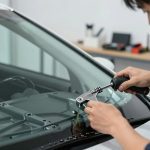
What Happens During a Professional Windshield Replacement
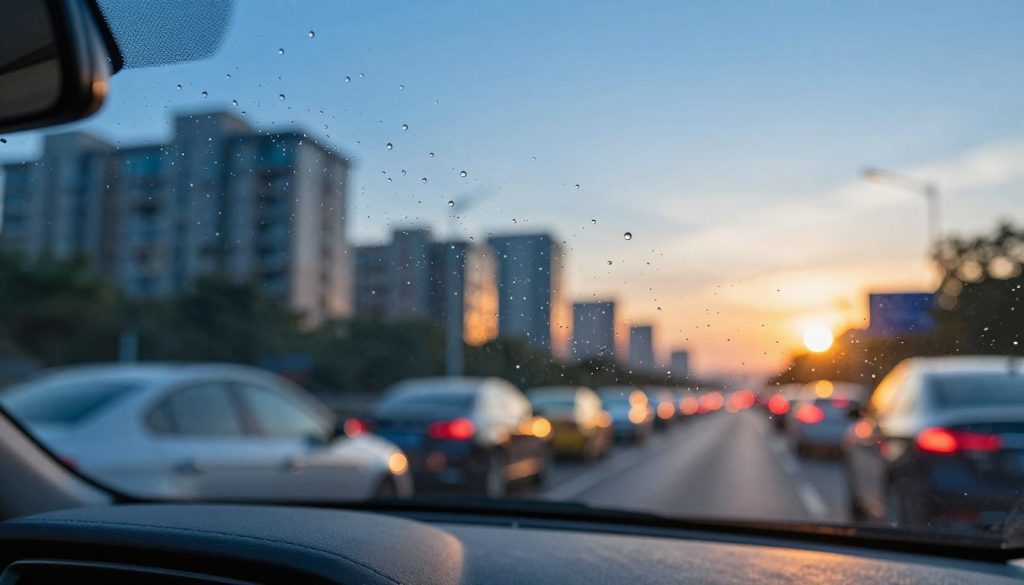
Can a thin film of dust quietly turn a safe trip into a risky one?
You rely on clear glass as your primary visual interface for lane position, traffic flow, pedestrians, and sudden hazards. When your view is muddied by dirt, haze, or smudges, lights and glare can mask threats—especially at night.
Everyday contamination like dust films, fingerprints, and washer streaks slowly degrade what you think is a clear sightline. That means slower reaction times and a higher chance of a crash on any road, in any weather.
This guide shows how poor visibility raises crash risk, how to clean glass inside and out, and how to adjust your habits when conditions worsen. If chips or cracks interfere with your view, turn to Miracle Auto Glass as the expert resource you can trust. Learn fast, repeatable steps you can use in minutes and consider professional help when needed: expert repairs that don’t empty your.
Key Takeaways
- Clear glass helps you spot hazards sooner and make safer choices.
- Small smears and dust can create glare, worsening night time risks.
- Simple, repeatable cleaning habits save time and improve safety.
- Chips and cracks can harm your view and the car’s structure; fix them promptly.
- When repair or replacement is needed, trust professionals like Miracle Auto Glass.
How Poor Visibility Raises Your Risk on the Road
When road and weather cut contrast, small smudges and haze turn routine trips into risky ones.
What low visibility looks like for drivers
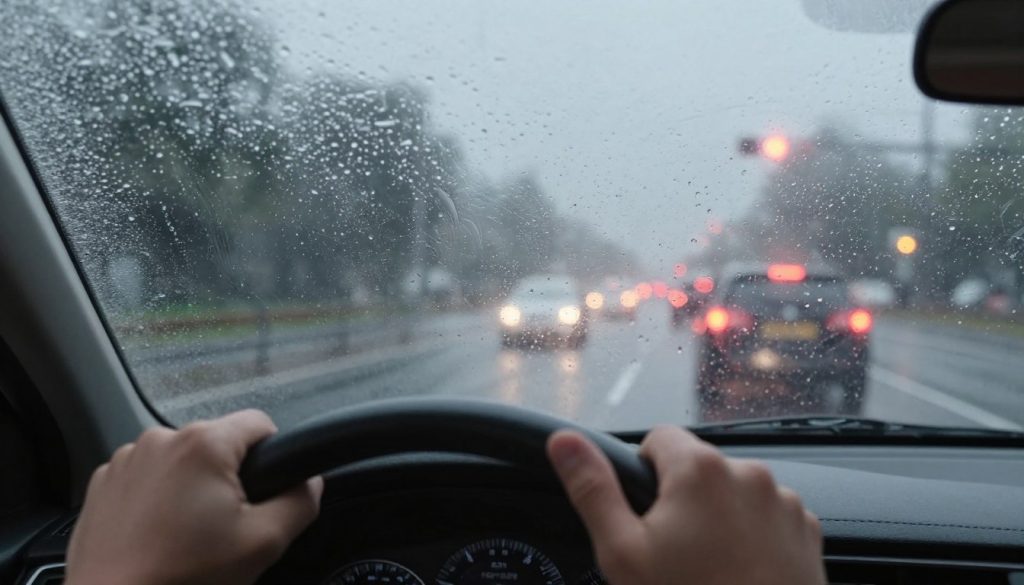
Low visibility means you can’t clearly identify hazards soon enough to make safe choices. You may think you can still see, but delayed recognition reduces the time you have to react.
Common triggers you actually face
- Fog banks, heavy rain, blowing snow and dust from rural routes.
- Smoke, haze, and bright sun at low angles that wash out contrast on the road.
- Interior smudges or exterior grime that scatter light and create starbursts at night.
Why limited sight increases your risk
Your distance judgment becomes unreliable. Hazards appear to pop up suddenly and your reaction window shrinks, especially at higher speeds or in dense traffic.
Headlights and fog: special notes
Dirty glass amplifies headlight glare; dim lamps shorten your forward view. In fog, light bounces back at you, so use low beams to avoid making it more difficult see.
| Trigger | Effect on driver | Quick fix |
|---|---|---|
| Fog | Reduced contrast, reflected light | Use low beams, slow down |
| Nighttime smears | Starburst glare, hidden lane markings | Clean interior glass, replace wipers |
| Blowing dust/smoke | Sudden loss of sight, slower recognition | Stop if needed, increase following gap |
If damage or chips block your line of sight, have them repaired promptly by Miracle Auto Glass. Most losses of sight are preventable with simple maintenance and smart habits before they become a real safety problem for the driver.
Windshield Visibility Driving: How to Keep Your Windshield and Windows Clear
A few minutes of upkeep each week stops smudges and haze from stealing crucial reaction time.
Build a quick cleaning habit. Wipe the primary sight zone first — straight ahead at eye level — then the edges where glare forms. Do a fast exterior wipe when you fuel up so your view never drifts down.
Inspect wipers and washer fluid
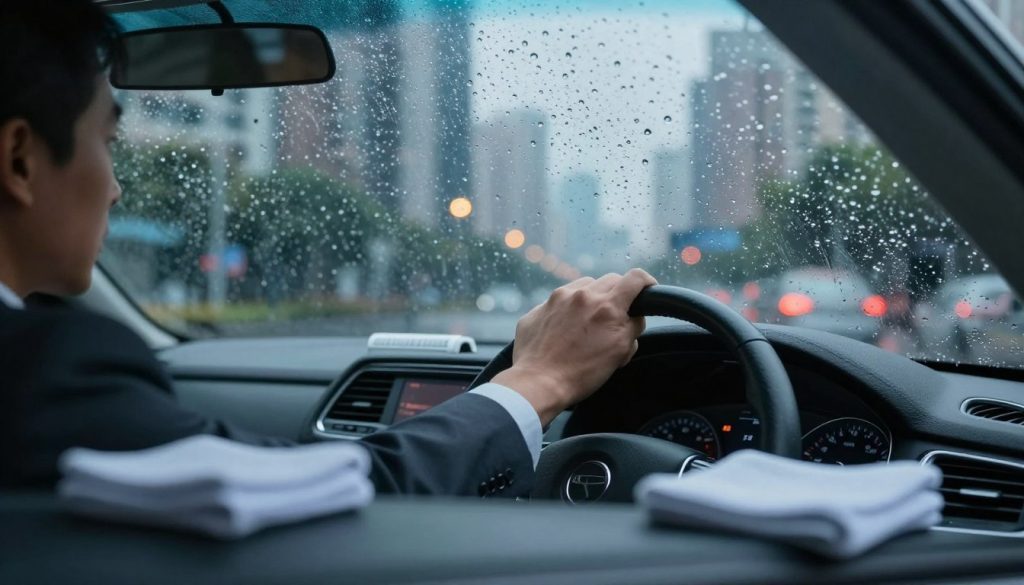
Check each wiper for splits or chatter. Replace a set about every six months and top off washer fluid so you can clear road grime fast in rain or snow.
Fix chips and cracks quickly
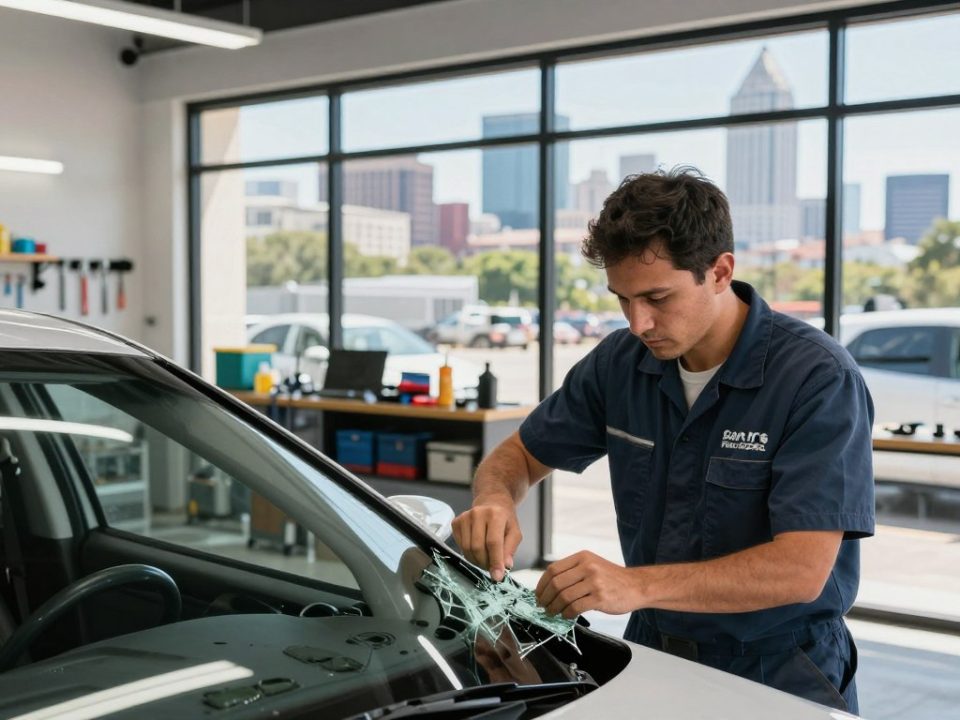
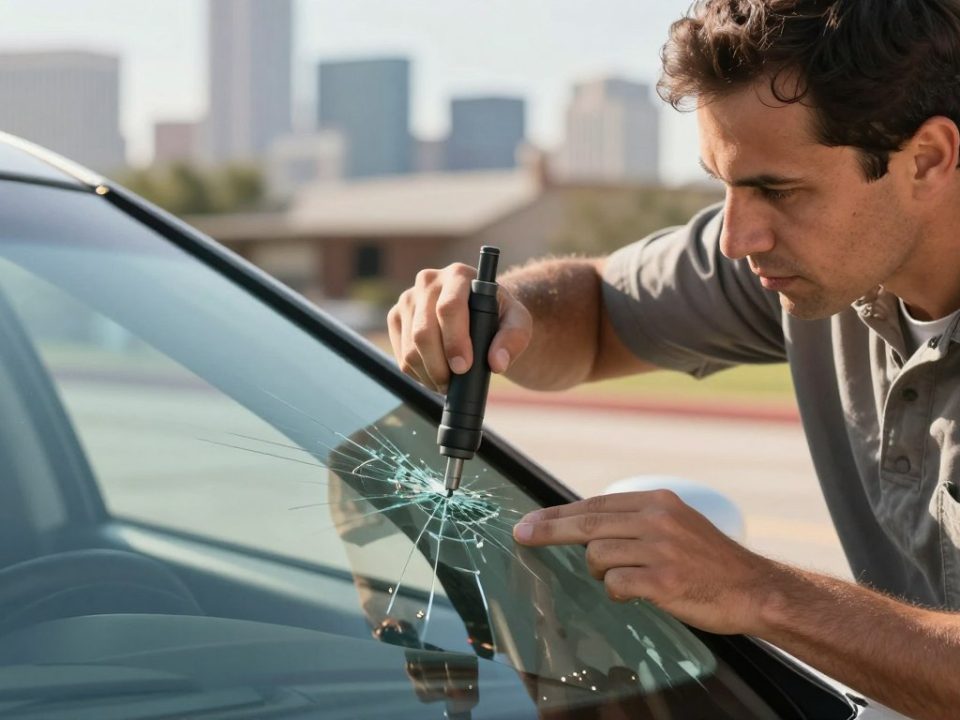
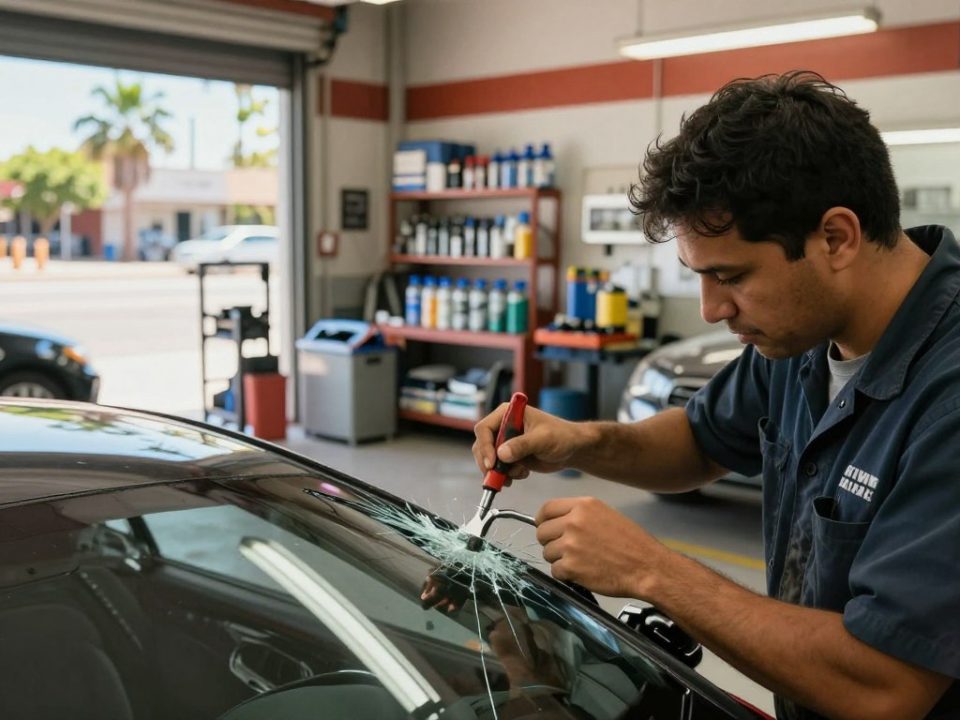
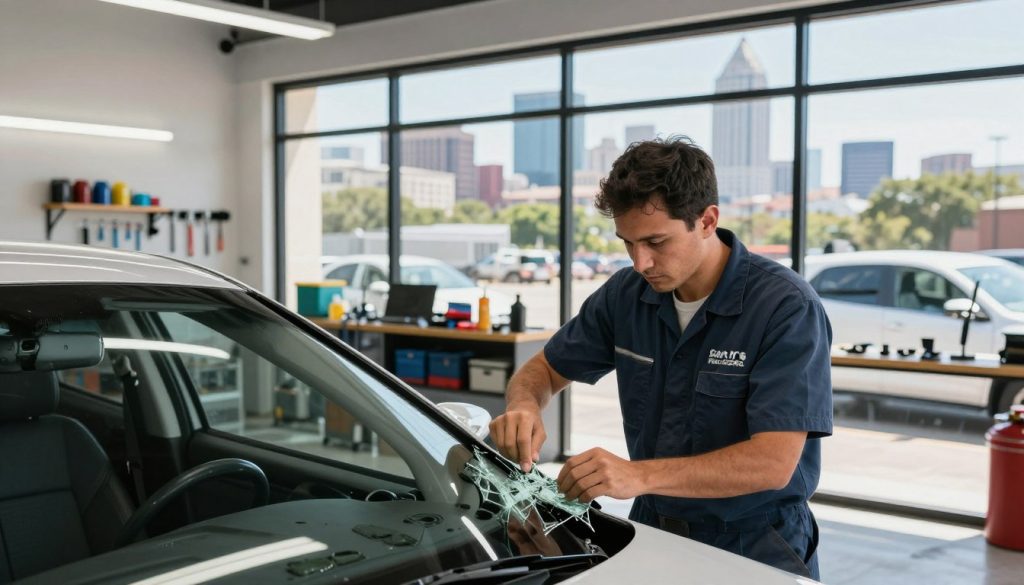
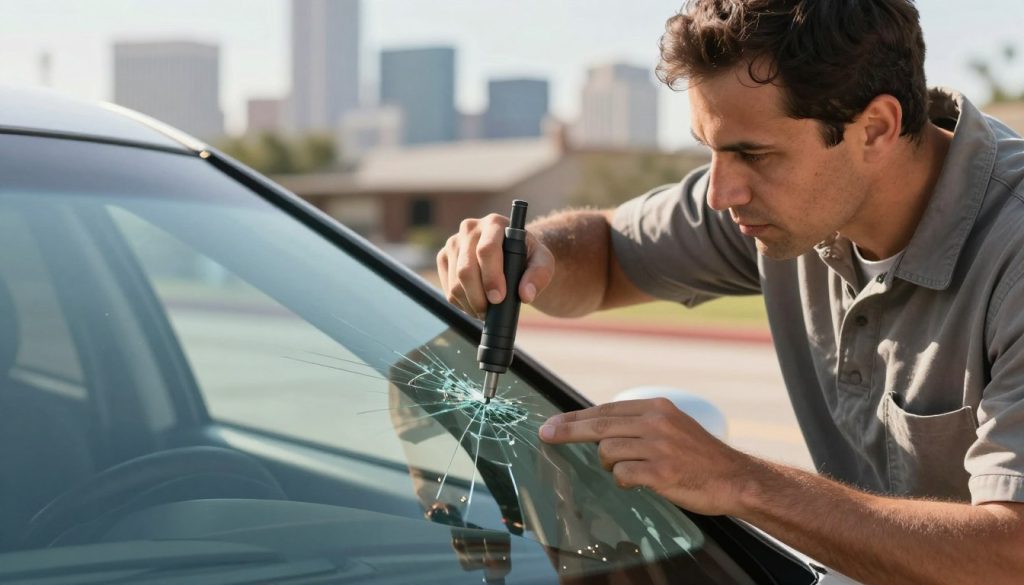
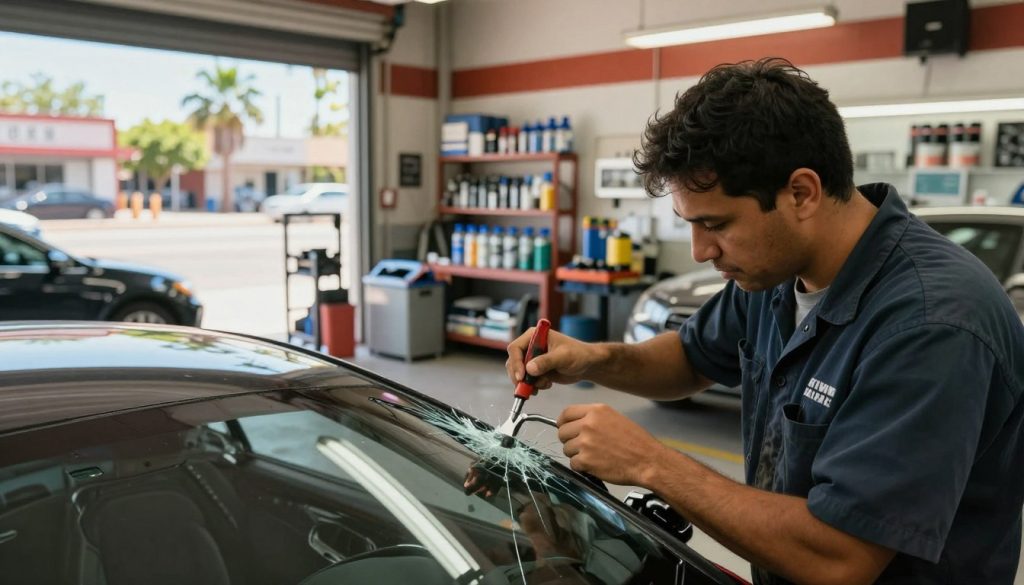
A small chip can spread into a long crack that blocks your line of sight. Schedule repairs early with Miracle Auto Glass to protect your view and save time and money later.
Prevent and clear interior fog fast
Clean interior glass — dirt gives condensation something to cling to. When fog appears, switch HVAC to outside air, set defrost, run the fan, and turn on A/C briefly to dehumidify.
- Crack a side window ~1 inch (2 cm) to speed clearing.
- Avoid recirculate; it traps humid air and makes fog worse.
- Don’t wipe with your sleeve unless it’s an emergency — it leaves streaks.
| Task | Frequency | Quick tip |
|---|---|---|
| Exterior wipe-down | Every fuel stop | Start at eye level, finish edges |
| Wiper check | Monthly | Replace every 6 months |
| Headlight and side window clean | Monthly | Wash lenses and confirm bulbs work |
Small routines pay big dividends. Keep side and rear glass clear, adjust mirrors slightly outward (about 15°), and remove cargo that blocks the rear view. These steps keep your car safer in all conditions.
How to Drive Safely When Weather and Lighting Make It Difficult to See
When conditions cut your sightline, slow down and plan each move so you keep risk low.
Before you start your trip, check local forecasts and radar. Confirm your defrost works and that your vehicle lights are on and bright. Clean lenses and glass so your headlights and view perform at their best.
Adjust speed, space, and signaling
Scale your speed to what you can actually see ahead. Reduce speed so your stopping distance matches your sight range, and accept extra travel time as the safe choice.
Increase following distance a lot in fog, heavy rain, or snow. Give extra room if the car ahead stops or vanishes in spray.
Signal earlier than usual and brake gently. Early cues help other drivers notice you when conditions make it hard to spot motion quickly.
When to delay or stop
If you cannot identify hazards with enough time to respond, delay your trip. Wait for conditions to improve or use a well-lit rest area or parking lot.
If you must pull off the road, get as far from traffic as possible and turn on hazard lights. Stay buckled while you assess the situation.
| Situation | Immediate action | Why it helps | Quick tip |
|---|---|---|---|
| Fog or heavy mist | Use low beams, slow down | Low beams reduce backscatter and help others see you | Turn off high beams |
| Heavy rain or spray | Increase following gap, use wipers/defog | More space avoids sudden stops; defog clears glass | Replace worn wipers promptly |
| Near-zero sight | Delay trip or exit to safe, lit area | Stops exposure to fast-moving hazards | Use a public parking lot or rest stop |
| Intersections in poor light | Approach slower, scan longer | Cross traffic may be hidden until late | Cover the brake and be ready to stop |
Remember: Buckle up every time. Seat belts cut the risk of serious injury or death by about 50% (NHTSA). When you cannot see well enough to react, the safest choice is to wait rather than risk the trip.
For guidance on protecting your glass from debris that makes it harder to see, check this resource: prevent road debris damage.
Conclusion
Conclusion
Treat your glass, lights, wipers, and mirrors as one safety system. Clean glass, working wipers, effective defogging, and clear headlights all protect your view and improve overall safety. Small weekly checks stop small problems from becoming big ones.
Keep the windshield clean inside and out, stock your car with fresh washer fluid, and fix chips before they grow. Cracks and pits distort sight, create glare at night, and can spread quickly if left alone.
Uncover the side windows you use, set mirrors correctly, and remove cargo that blocks rear sight. If any auto glass limits your sight, contact Miracle Auto Glass to repair chips or replace cracked panes and restore the clear view you need.