How Long Does Windshield Chip Repair Take
Have you ever wondered whether a small chip will ruin your view or your safety? That choice feels simple until you learn how much your front glass does for your car. Small impacts can grow, and what starts tiny may lead to a bigger, costlier fix if you wait.
Deciding between windshield repair vs replacement depends on size, location, and whether the damage is spreading. The glass helps block debris and supports your vehicle’s safety systems, so the choice matters more than appearance alone.
In this post you’ll learn clear measures to check: chip versus crack, inch limits, driver sight line, and edge damage. We’ll also preview how costs and insurance typically work across the United States.
Miracle Auto Glass can evaluate your front glass and advise whether a quick fix will do or if full replacement is safer. Act early to keep minor damage from becoming a bigger problem.
Key Takeaways
- Small chips can grow—early action often saves money and time.
- Size, location, and spread decide if a fix will work.
- Your front glass supports vehicle safety, not just looks.
- Know the inch limits and driver sight-line rules before deciding.
- Miracle Auto Glass offers local assessments to guide your choice.
Understanding windshield damage and why it gets worse over time
Small hits from loose gravel or kicked-up rocks start as tiny flaws but can grow fast. In everyday U.S. road conditions—construction zones, gravel shoulders, and big rigs—debris can chip your glass even when you drive carefully.
Common road hazards that cause chips and cracks
Rocks and gravel thrown by trucks are the top cause. Debris from other vehicles or work zones often creates a small chip that is easy to miss.
How temperature, vibration, and driving spread damage
Heat and cold make glass expand and contract. That motion, plus daily vibration, adds stress and lets a chip open into a crack.
Types of damage you might see
Typical visible types include chips, bullseyes, and star breaks. Edge cracks start near the rim and carry more risk because they can break the bond that helps support the frame.
| Type | Look | Why it spreads |
|---|---|---|
| Chip | Small pit or nick | Impacts weaken surface, stress grows |
| Bullseye / Star | Circular or branching pattern | Multiple fracture points open with vibration |
| Edge / Long crack | Starts at rim, travels inches | Edges reduce bonding; length matters for decisions |
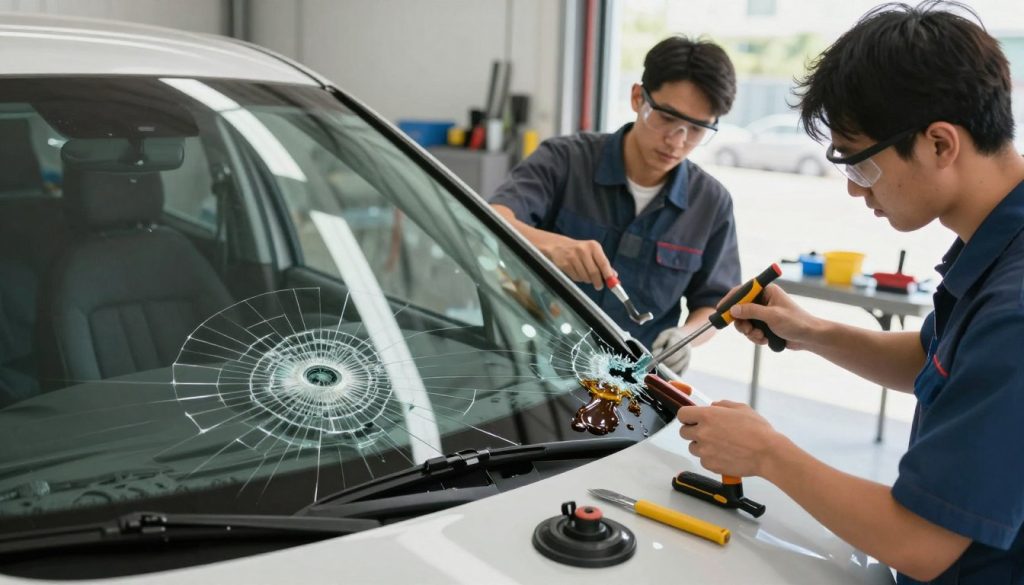
Depth and layers matter: if damage reaches deeper layers of the glass, fixes become less reliable. Note these factors and describe the type clearly when you call a pro.
When windshield repair makes sense for your vehicle
When damage stays small and away from critical sight lines, a professional fix can save you time and money.
Size guidelines you can use now
Quick check: small chips up to about a quarter (≈1 inch) and short cracks under ~3 inches are usually repairable. In some cases insurers allow fixes up to 6 inches.
Why location matters
Damage outside your driver line of sight is more likely to be fixed without causing visible distortion. If the break sits in the main line where you look, even a good fix can leave optical issues.
Edge damage and hidden risk
Edge nicks concentrate stress and can spread fast. Even small edge problems raise the risk that a repair won’t hold long-term.
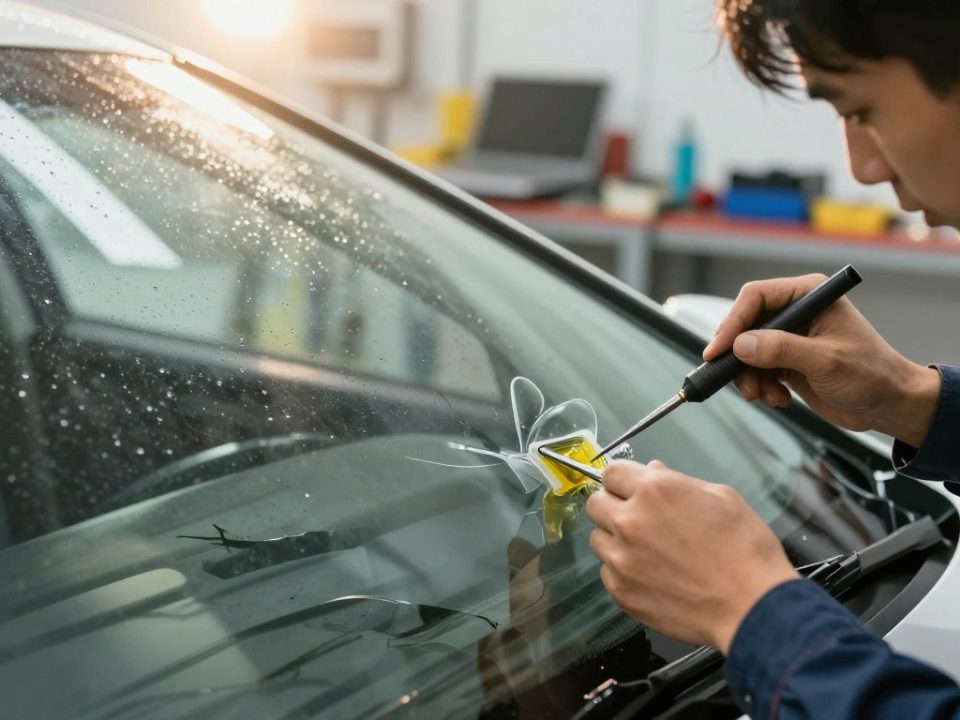
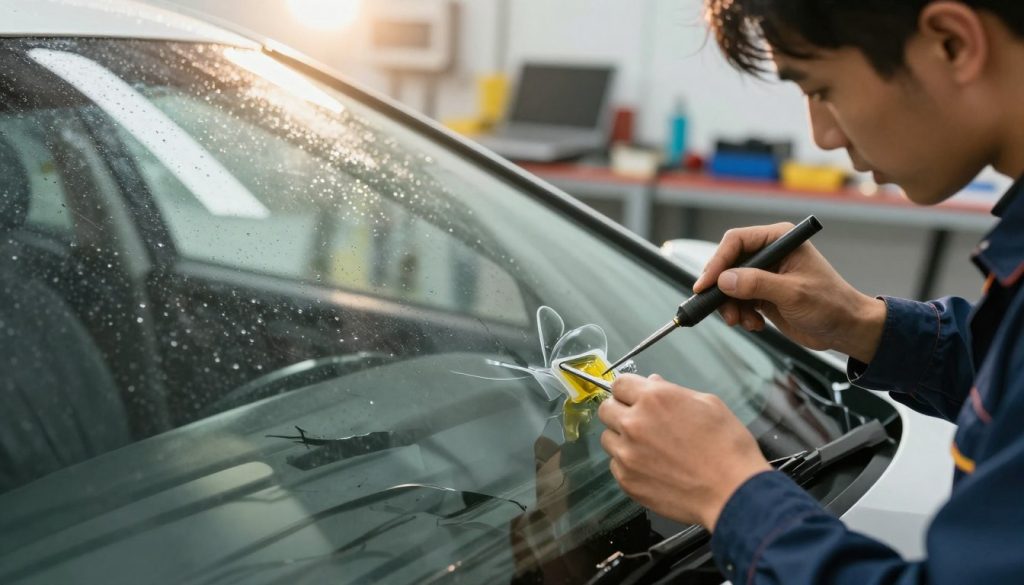
What a professional does
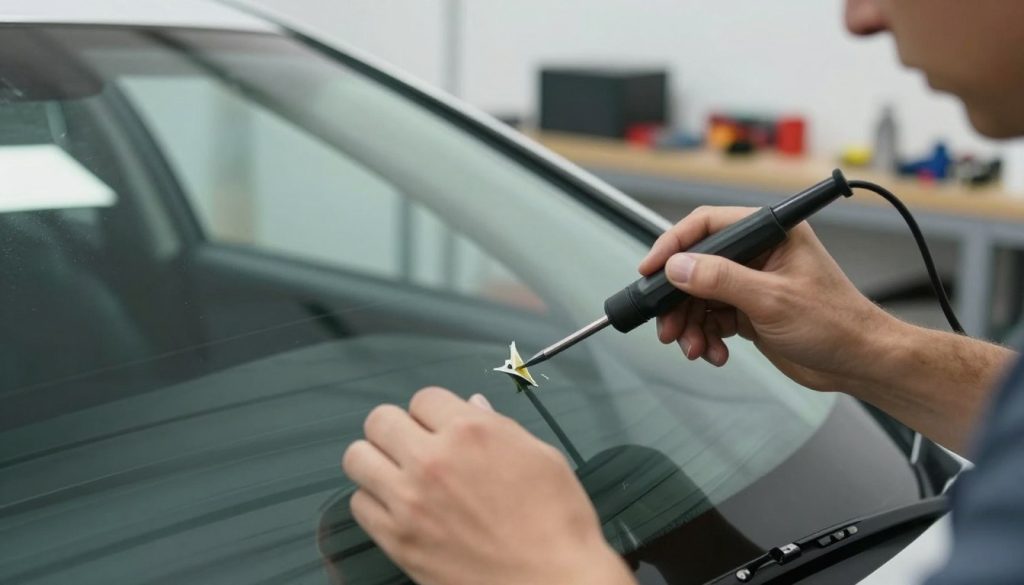
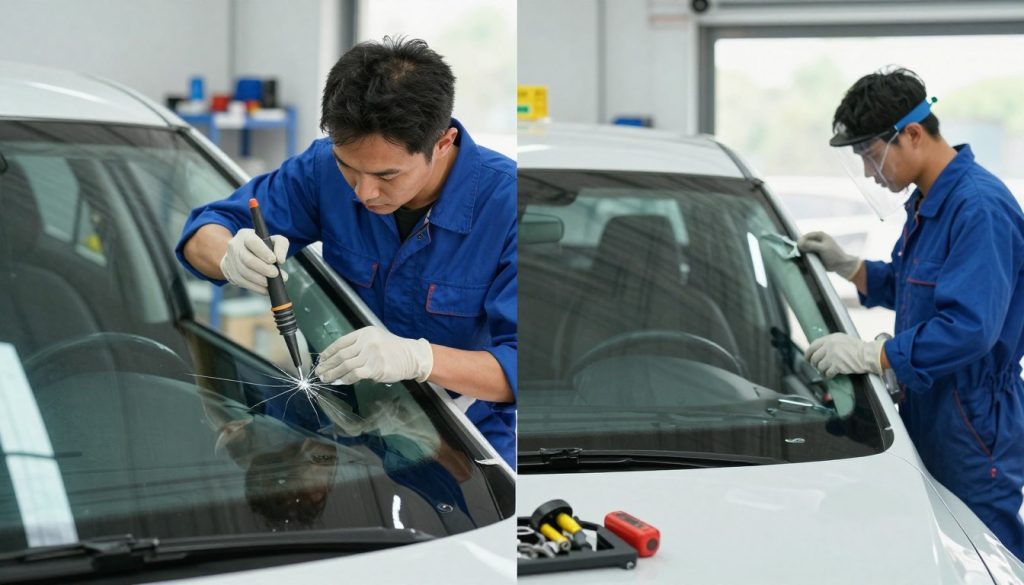
- Clean and dry the area.
- Inject resin into the break.
- Cure the resin (often with UV).
- Polish for smoother finish.
Benefits: repairs cost less, take less time (30–60 minutes), and keep your original auto glass and seal intact in many cases. To know if your car can be repaired today, get a quick inspection from a trusted shop or read more at chip repair guidance.
When you should replace windshield glass instead of repairing it
When damage goes beyond a small chip, choosing a full glass swap is often the safest path.
Major cracks and deep damage: large breaks—commonly those past about 6 inches—usually mean a full replacement is needed. If the fracture goes through multiple layers or the surface is badly shattered, a patch won’t restore strength or clarity.
Driver line of sight concerns: when damage sits where you look, even a good fix can cause distortion, glare, or reduced visibility. For your safety, consider a new windshield if the break crosses your primary sight line.
Structural integrity and crash performance: the glass helps support roof strength and passenger protection in a crash. Significant damage that weakens the bond or the integrity of the glass is a safety issue, not just cosmetic.
Multiple chips or widespread damage: several spots across the pane often cost more to stabilize than a single install. A single new glass gives consistent clarity and long-term reliability.
What to expect during a replacement
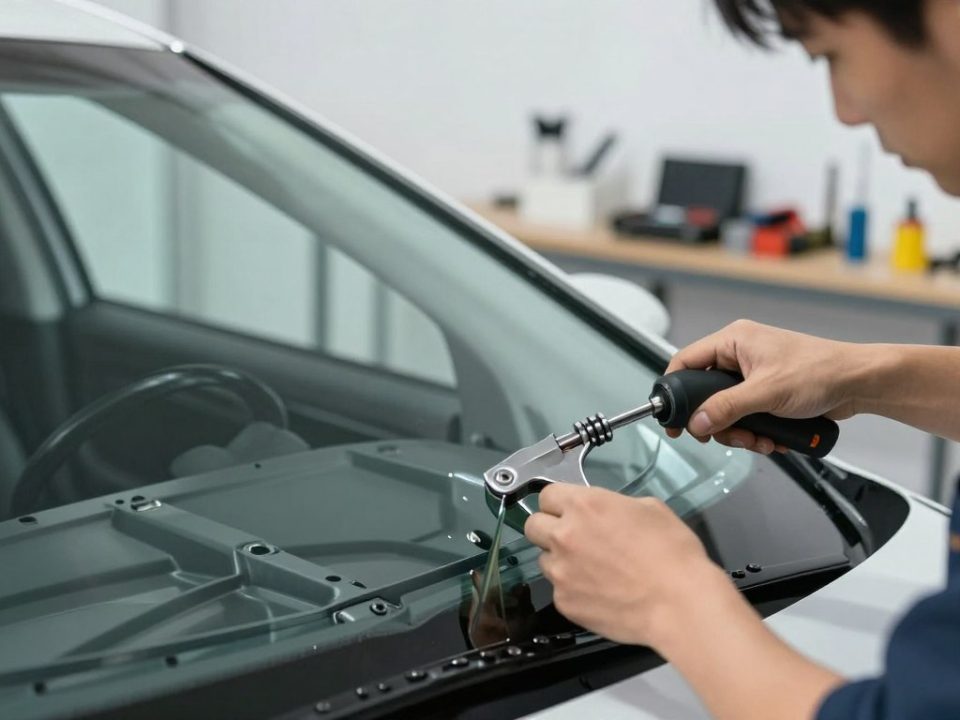
- Technician removes the old glass and cleans the pinch weld.
- They prep the bonding surface and apply automotive adhesive.
- The new glass is set, aligned, and the seal checked.
- Allow cure time before driving—this ensures the adhesive reaches full strength.
Bottom line: replacement is usually the safer call when edges are compromised, damage spreads fast, or structural integrity is in doubt. Miracle Auto Glass can assess your car and advise whether to replace windshield glass based on safety, driving needs, and cost.
Windshield repair vs replacement: cost, time, and insurance considerations
Knowing typical prices and how coverage works helps you pick the best option fast.
Typical price ranges and time estimates
Repair commonly costs $50–$150 and usually takes about 30–60 minutes.
Replacement typically runs $179.95–$500+ and takes roughly 1–2 hours, plus adhesive cure time before full driveability.
How insurance and deductibles usually work
If you carry comprehensive coverage, small fixes are often covered with no deductible in many cases.
Full glass replacement may require your comprehensive deductible. Example: if replacement costs $800 and your deductible is $100, you pay $100 and the insurer covers the rest.
Some states or policies offer a $0 glass-only deductible option. That can change the math and make replacement more affordable up front.
Act fast to lower your out-of-pocket cost
Acting quickly matters: temperature swings and vibration can turn a minor chip into a long crack, shifting you from a low-cost fix to a costly replacement.
Choosing an auto glass shop
Confirm quality standards, ask about workmanship warranties, and check if mobile service is available so the work can be done at your home or job.
You have the right to choose your provider. Pick a trusted local company like Miracle Auto Glass for transparent pricing, warranty-backed work, and clear advice on the best value for your car.
| Item | Repair | Replacement |
|---|---|---|
| Typical cost | $50–$150 | $179.95–$500+ |
| Typical time | 30–60 minutes | 1–2 hours + cure time |
| Insurance | Often covered with no deductible | May require deductible; $0 glass-only options exist |
How to decide today: the practical checklist you can use
You can evaluate the damage in minutes with a tape, a phone camera, and this practical checklist.
Measure the damage
Measure the length in inches and note the overall size. Use a ruler or tape and take a photo with the measurement visible.
Check depth: surface chips are more likely to be fixed, while breaks that penetrate layers increase the odds you’ll need to replace windshield glass.
Check the location
Mark whether the mark sits near the edges, directly in your driver line sight, or over sensors and seals.
Edge harm can hurt the pane’s integrity faster than a center chip. Damage in the line of sight often causes lasting optical distortion.
Factor safety, legality, and long-term risk
In many U.S. states, driving with visible cracks is illegal. Even if not cited, a crack can reduce your view and raise a serious safety concern.
Think beyond today: distortion, potential leaks, and future growth from temperature swings add long-term risk.
Simple decision outcomes
- Small + stable + outside line of sight → likely repair.
- Large, spreading, edge, or in driver line → likely replace windshield glass.
- If unsure, document size and take clear photos to share with Miracle Auto Glass for a fast recommendation.
Conclusion
A quick check today can stop a tiny chip from turning into a major expense tomorrow.
Summary: If the mark is small, stable, and outside your driver sight line, a timely fix often preserves your original glass and saves money. When cracks are long, spread, near edges, or affect sensors, a full change usually restores true safety.
Re-check simple factors now: size in inches, depth, location, number of impact points, and whether the damage is growing day to day. These points guide a safe choice for your car.
Insurance and coverage can cut your out‑of‑pocket cost if you act quickly and file while the damage is still fixable.
If you’re unsure whether your windshield can be repaired or needs replacement, hire Miracle Auto Glass to inspect and fix your glass. Learn more about affordable, expert service at expert windshield repairs that don’t empty your.