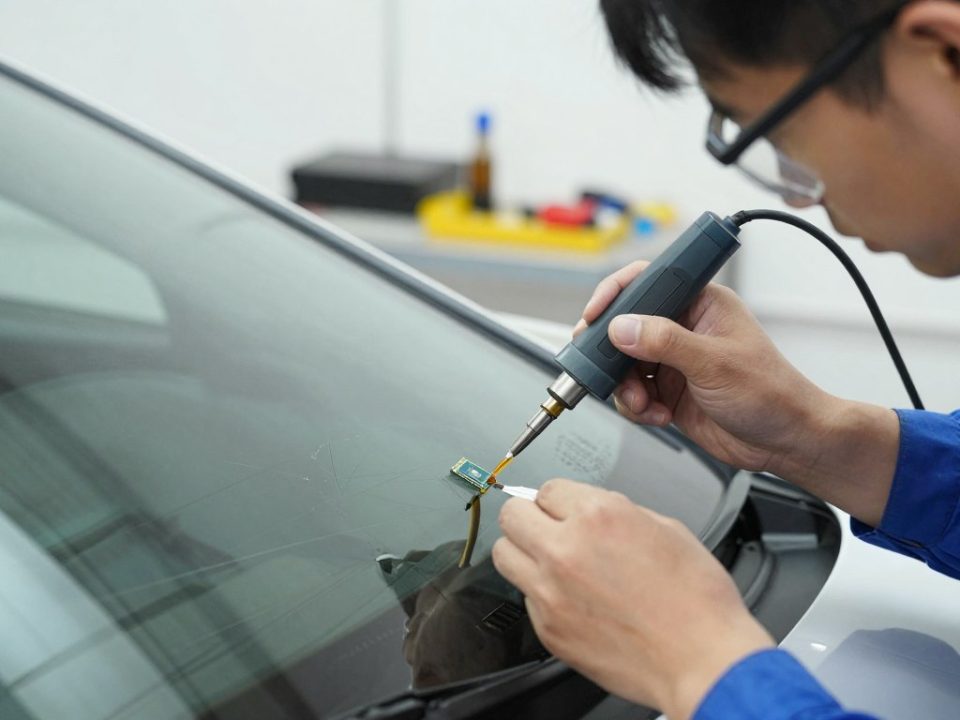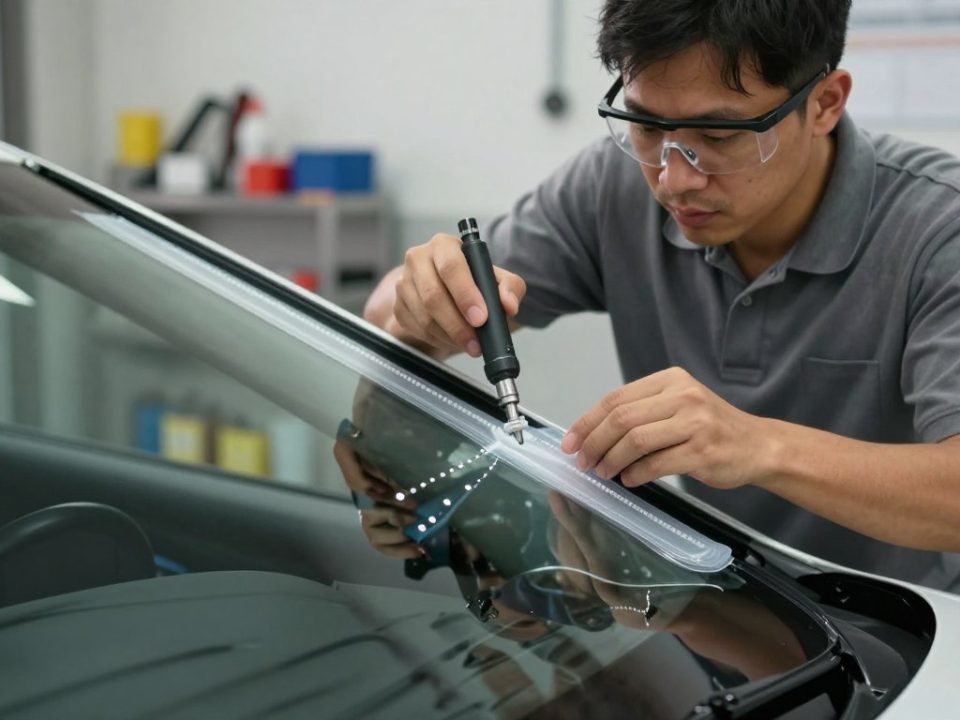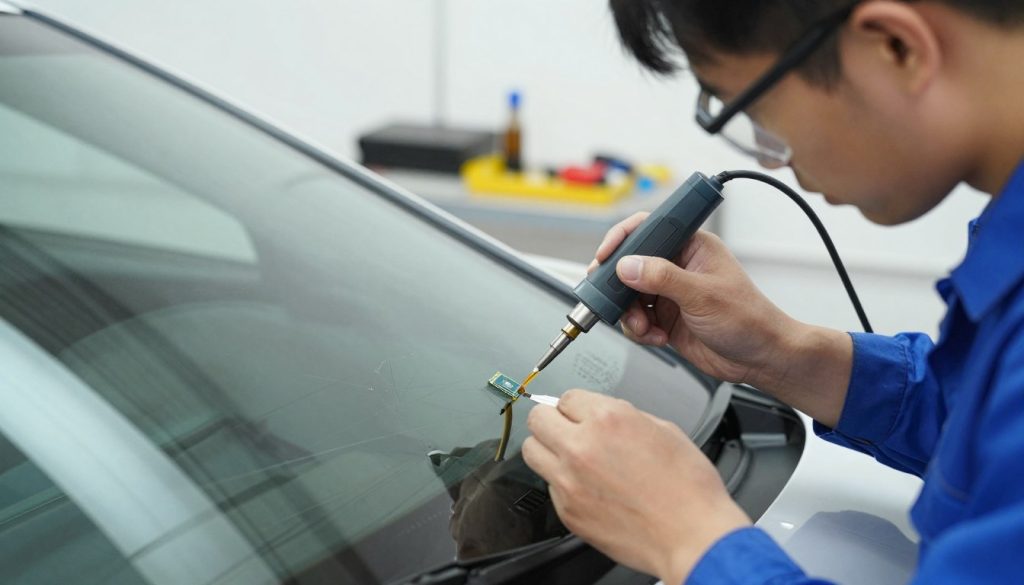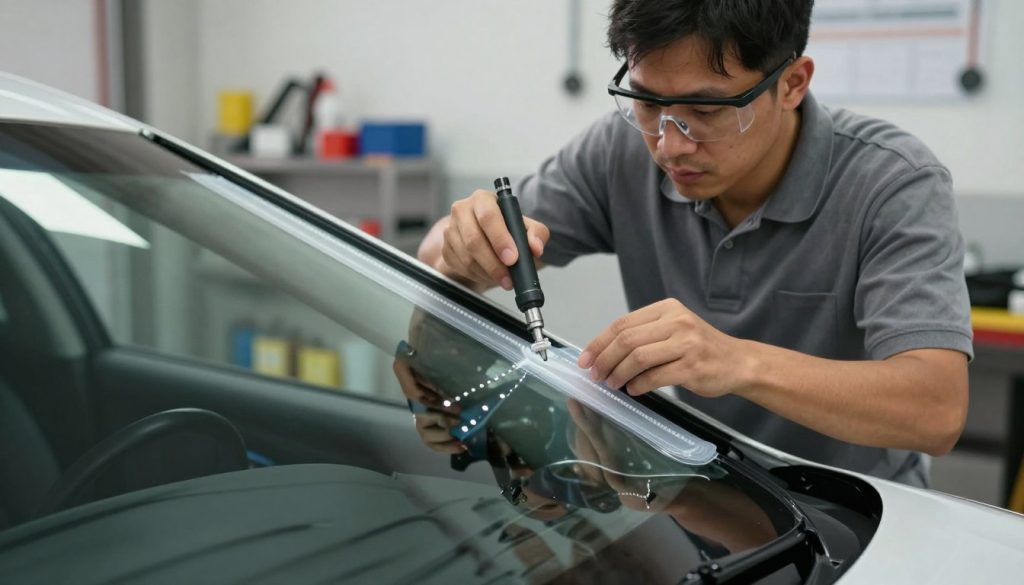

Benefits of Repairing Windshield Chips Instead of Replacing Glass

How Weather Changes Can Worsen Windshield Cracks
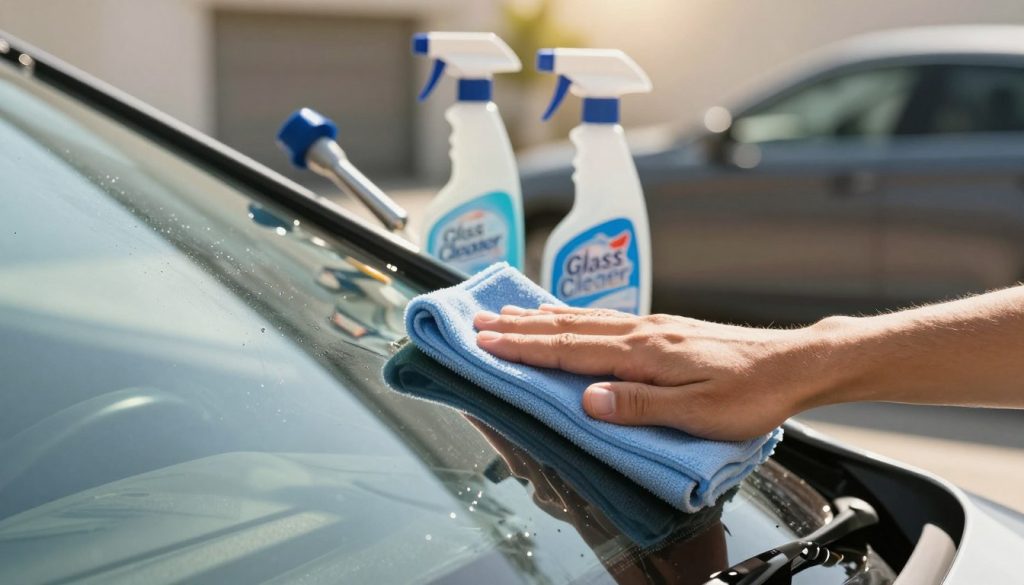
Have you ever wondered how a few small habits could stop a tiny chip from turning into a costly crack?
Your windshield plays a big role in day-to-day safety. Clean, clear glass improves visibility in rain, glare, and night driving. It also helps cameras and sensors work right on modern cars.
This short guide explains what practical windshield maintenance means in real life: easy weekly or monthly actions to keep your glass strong and clear. You’ll learn how to reduce streaks, avoid scratches, and cut the risk of chips spreading into cracks.
By the end, you’ll know how to build a safe cleaning kit, pick the right time and place to work, care for wiper blades, prevent residue, and handle stubborn spots without damaging the glass. If you find chips or cracks while following these steps, Miracle Auto Glass is the local expert you can call for repair or replacement.
Key Takeaways
- Simple habits boost visibility and reduce long‑term replacement costs.
- Keeping glass clear supports ADAS cameras and safety systems.
- Use gentle cleaners and the right tools to avoid scratches and streaks.
- Check and replace wiper blades to prevent damage to the surface.
- Contact Miracle Auto Glass for chips, cracks, or professional service.
Why Windshield Care Matters for Safety and Visibility
Clear glass makes driving safer by cutting glare and sharpening your view in changing light. When film, dust, or grime scatters incoming light, your eyes must work harder. That extra effort slows reactions and raises the risk of missing hazards at sunrise, sunset, or at night.
How dirty glass increases glare and reduces your view in changing light
Even a thin interior film can be nearly invisible until bright light hits it. Streaks and haze lower contrast, making lane markings, pedestrians, and debris harder to spot. Regular cleaning boosts visibility so you can see sooner and react faster.
Why a maintained windshield supports modern safety sensors and cameras
Advanced driver-assistance systems need an optically consistent area around cameras and sensors. A dusty or streaked surface can confuse lane-departure warnings, collision mitigation, and rain-sensing wipers. Keeping that area clean helps these systems perform as designed.
How small damage can become costly cracks over time
Minor chips often spread with vibration and temperature swings. What starts small can become a long crack that forces replacement instead of repair. After cleaning, do a quick inspection so you spot new rock chips early when repair is most likely.
Next: choose safe tools and cleaners that improve clarity without risking scratches.
Build Your Windshield Cleaning Kit Without Scratching the Glass
Start by assembling a compact kit that keeps your car glass clear without scratching it. A small, focused set of supplies saves time and reduces the chance of leaving residue or streaks.
Core items:
- An automotive glass glass cleaner that is streak-free and ammonia-free.
- Dedicated microfiber towels or waffle-weave cloths for glass-only use.
- A small detailing brush or soft duster to reach edges and trim.
Avoid ammonia-based cleaners because they can damage tint and rubber seals over time. Choose a cleaner that cuts grime but protects interior surfaces.
Microfiber or waffle-weave microfiber traps dirt and reduces lint better than paper towels. That lowers the chance of micro-scratches and keeps the finish clear.
Use the two-towel method: one towel for wet cleaning, a second for dry buffing. Fold towels to create fresh faces as you work so you do not reapply dirt.
Keep towels separate—glass-only cloths stop wax or paint grit from transferring onto the glass. With the right tools and routine, you’ll fight residue less and keep a clear view on the road.
Pick the Right Time and Place to Clean Your Windshield
Pick a cool, shaded spot and the job takes less effort while leaving fewer streaks.
When to clean: Aim for early morning, late afternoon, or any shaded area so the surface stays cooler and workable.
Shade slows evaporation. That gives your cleaner time to lift grime and bug residue instead of drying into streaks.
Why shade helps prevent fast evaporation and streaks
Lower surface heat means the spray stays wet longer and loosens dirt. You use less elbow grease and reduce scratch risk.
How heat and direct sun can bake on bugs and road grime
Direct sunlight heats the glass and can bake bugs and road film into the surface. That forces harder scrubbing and raises the chance of micro-scratches.
- Choose calm conditions—no wind or dust—to avoid grit landing on wet glass.
- If the glass is cool, spray the towel or the glass and buff; cooler surfaces give more consistent results.
- A planned routine saves you time because you avoid redoing streaky sections later.
| Best Time | Surface Temp | Why It Works |
|---|---|---|
| Early morning | Cool | Cleaner lifts grime without fast evaporation |
| Late afternoon (shade) | Moderate | Reduced heat prevents baking of bugs and road film |
| Shaded parking spot | Cool to moderate | Calm conditions limit airborne dirt during cleaning |
Clean the Exterior Windshield for a Clearer Road View
Start cleaning the outside glass with a calm, systematic approach to keep your road view sharp.
Spray smart: if the glass is cool, spray the cleaner on the surface. If it feels warm, spray the solution onto your towel first to prevent fast evaporation and avoid streaks.

Wipe vertical to spot streaks
Wipe up-and-down across the exterior so you can quickly see any remaining streaks. Use gentle pressure and avoid aggressive scrubbing that can grind dirt into the surface.
Buff dry for clarity
Fold your towel to expose fresh sides as it loads with grime. Follow with a second dry microfiber or waffle-weave towel and buff in light, circular motions to remove haze.
Quick checklist
- Use a dedicated windshield cleaner or auto glass cleaner that cuts road film without haze.
- Apply cleaner to towel when glass is warm; spray glass when cool.
- Wipe vertically, then buff dry with a fresh towel.
- Watch how water beads or sheets after cleaning—sheeting means less film; beading can mean residue left behind.
| Step | Action | Why it matters |
|---|---|---|
| 1 | Inspect surface | Spot chips and heavy grime before you start |
| 2 | Spray smart | Prevents rapid evaporation and reduces streaks |
| 3 | Wipe vertically | Helps you identify outside streaks quickly |
| 4 | Buff dry | Removes haze and improves your road view |
Clean Inside Windshield Glass to Reduce Film and Glare
Small amounts of dust and residue on the inside of your glass create big visibility problems after dark. Interior plastics off‑gas, fingerprints collect, and HVAC airflow leaves a thin film that boosts glare. That haze can make night driving harder.
Start with dry prep. Remove loose dirt with a clean microfiber so you don’t grind grit into the glass. A quick dust pass lowers the risk of fine scratches.
Spray the towel, not the glass
To protect your dashboard and trim, apply glass cleaner to a microfiber cloth instead of spraying the surface. This prevents overspray and sticky residue on electronics and vents.
Wipe horizontally to diagnose streaks
Wipe inside in horizontal strokes. That way you can tell if a streak is on the interior or the exterior when you inspect later. Work top-to-bottom in small sections, especially near the rearview mirror where film builds up.
Finish with a dry microfiber pass. Use a fresh microfiber cloth to buff away haze. This final step restores clear visibility and the same method works well on other interior car windows.
| Step | Action | Why it matters |
|---|---|---|
| 1 | Dry dust pass | Removes loose dirt to avoid scratching |
| 2 | Spray cloth with glass cleaner | Protects dash and trim from overspray |
| 3 | Wipe horizontally, top-to-bottom | Helps identify interior vs. exterior streaks |
| 4 | Final dry microfiber buff | Eliminates haze and improves night visibility |
Windshield Maintenance Tips That Keep Glass Clear Between Washes
Keep a simple schedule so grime never has time to harden and cloud your view. Regular cleaning makes it easy to spot small chips before they grow.
Stick to regular cleaning so grime doesn’t build into stubborn residue
Do a quick wipe-down weekly and a deeper clean as needed based on driving conditions.
Why this works: frequent, light cleaning prevents film from hardening and reduces the need for heavy scrubbing that can cause scratches.
Inspect your windshield after cleaning to spot chips early
After each clean, scan the glass in good light for tiny star chips, hairline cracks at the edges, or any distortion in your view.
Early repair cuts replacement risk and keeps minor damage from spreading when temperatures change.
Adjust your routine for rain, snow, bugs, and road debris
- Increase frequency during bug-heavy months or winter road spray.
- Inspect more often if you drive highways or through construction zones.
- Keep a small kit in the car so you can act quickly after harsh weather.
| When | Action | Why |
|---|---|---|
| Weekly | Quick wipe | Prevents grime buildup |
| After storms | Full clean & inspect | Removes road film and checks for chips |
| Bug season | Extra cleaning | Stops organic residue from bonding |
Bottom line: consistent care, good tools, and short checks keep your glass clear between full washes and lower the chance of costly damage.
Prevent Streaks and Residue with Better Technique
A simple change in how you wipe can cut streaks and save you time on every clean.
Start with the two-towel method: use one towel to lift grime and a second to buff fully dry. This repeatable approach removes oils and cleaner film instead of smearing them across your glass.
Use the two-towel method to avoid smearing oils and cleaner
One towel often spreads partially dried cleaner and leaves residue. The first towel loosens and traps dirt. The second towel finishes the job, leaving a clear surface and fewer redo passes.
Fold towels to fresh sides so you’re not reapplying dirt
Fold each microfiber into thirds or quarters so you always have a clean face. Change sides as they load with dirt to keep each pass effective and to reduce lint transfer.
Use gentle pressure to clean effectively without scratching
Apply even, light pressure and let the towel fibers do the work. Aggressive scrubbing grinds grit into the surface and raises the risk of micro-scratches.
- Clean edges last: corners hold the most grime and can contaminate towels early.
- Pick the right tools: use soft microfiber and a dedicated glass cloth to avoid cross-contamination.
- One small step saves time: better technique means fewer passes and less frustration chasing haze in bright light.
| Technique | What It Removes | Result |
|---|---|---|
| One-towel pass | Surface oils + cleaner smear | Often leaves streaks and residue |
| Two-towel method | Lifted dirt then dry buff | Streak-free glass with less effort |
| Folded microfiber | Fresh cleaning faces | Less lint, lower scratch risk |
Handle Stubborn Spots Without Damaging Automotive Glass
When a spot won’t lift, switching methods protects your glass from needless harm. Stop scrubbing harder when you see streaking or feel gritty resistance. Scrubbing can grind dirt into the surface and increase risk of scratches or lasting damage.
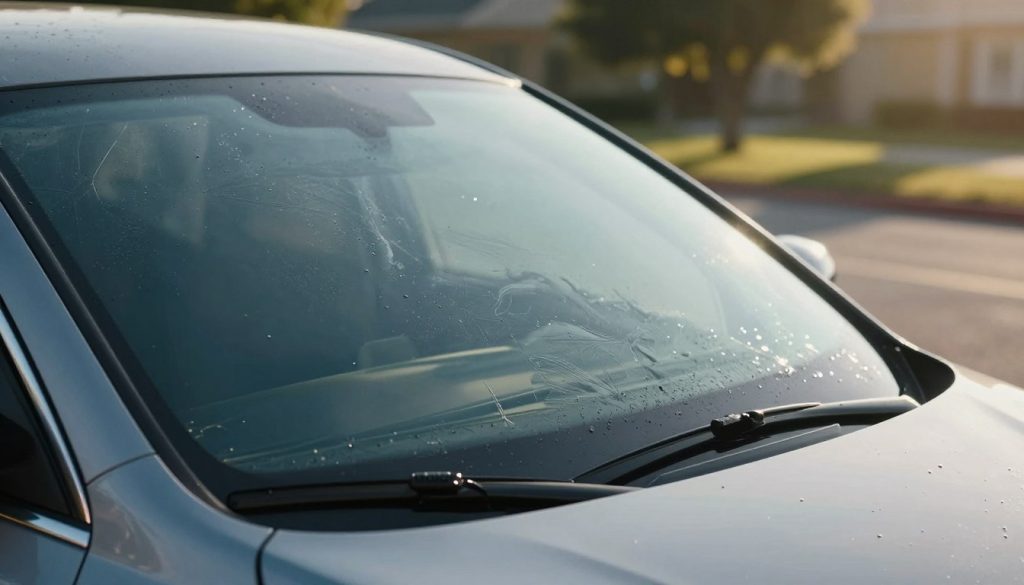
Safe spot-treat method: apply a small amount of rubbing alcohol to a soft, lint-free cloth. Gently work the sap or sticky grime in a circular motion until it softens and releases. Use light pressure and pause if you feel grit under the cloth.
Test and act locally
Always test the alcohol on a small, hidden area first to confirm it won’t affect trims or coatings. Use localized cleaning instead of soaking the whole glass; that prevents residue from spreading and reduces streaking.
- Follow the spot treat with your regular glass cleaner to remove any solvent residue.
- Buff dry with a fresh microfiber so the treated area matches the rest of the surface.
- If the mark looks like pitting or a chip, stop and get a professional assessment—DIY won’t fix structural damage.
| Problem | Action | Why it matters |
|---|---|---|
| Sticky sap or tar | Spot-treat with rubbing alcohol on a soft cloth | Loosens residue without aggressive scrubbing |
| Gritty dirt | Dry dust first, then treat locally | Removes abrasive particles that can scratch |
| Possible chip or pit | Stop cleaning and seek professional repair | Prevents worsening structural damage |
Replace Wiper Blades Before They Scratch Your Windshield
Your wiper blades touch the glass every time you drive. A worn pair can quickly turn a clear view into a safety problem.
- Skipping or chattering across the glass
- Squeaking during use
- Persistent streaks after a clean
Degraded rubber and grit caught in the blade can act like sandpaper. That creates fine scratches that reduce night visibility and cause lasting damage.
Clear wiping matters most in rain, snow, and spray when reaction time counts. Replacing worn wiper blades is a low-cost step that supports safety and keeps your view sharp.
Simple habit: inspect blades during your routine cleaning and swap them before they fail in a storm. If you already see scratch marks or wiper arcs, have your windshield evaluated by an auto glass professional to prevent further damage to your car.
Avoid Temperature Shock and Weather-Related Cracking
Rapid temperature swings are one of the quiet causes of small chips turning into long cracks. Glass expands and contracts when it heats or cools. That movement pulls on tiny flaws and can make them spread into a crack.
How sudden heating and cooling spreads existing chips
Plain explanation: warm air makes the glass expand; cold makes it shrink. If a chip is present, those changes force the crack to grow along stress lines.
Safer de-icing and snow removal
Avoid common mistakes like pouring hot water on ice or blasting the defroster on full. Instead, use a plastic scraper, a soft-bristled snow brush, and de-icing windshield fluid made for auto glass.
Parking strategies and optional treatments
When you can, park in a garage or under shade to reduce thermal shock. In winter use a windshield cover; in summer, limit prolonged sunlight to cut repeated heat cycles. Consider a hydrophobic treatment to help snow and water slip off with less scraping.
| Action | When | Why it helps |
|---|---|---|
| Use plastic scraper & de-icer | Frozen mornings / snow | Removes ice without thermal shock or scratches |
| Park in a garage or shade | All seasons | Reduces rapid temp swings and stress on glass |
| Apply hydrophobic treatment | Preventive | Reduces scraping and lowers risk of damage |
Note: existing chips plus extreme conditions create the highest risk. Repair small damage promptly to lower the chance of costly replacement. For winter driving protection guidance, see winter driving tips to protect your.
Protect Your Windshield From Road Debris and Everyday Driving Risks
Most glass chips start during routine driving when small rocks and grit launch off tires and strike your view at speed. That sudden impact often comes from right behind other vehicles or from loose material near the shoulder.
Maintain a safe following distance
Increase the space between you and the car ahead. More distance gives debris time to fall away before it reaches your windshield. This is the simplest step to cut rock-chip risk on highways.
Watch for debris zones and adjust lane position
Avoid shoulders, construction areas, and freshly graveled or treated roads when you can. Middle lanes usually reduce exposure to loose material kicked up from the roadside.
- Don’t tailgate large trucks: they kick up more stones and spray than passenger cars.
- Slow a bit through work zones: lower speed reduces the force of hits and the chance of chips.
- Note seasonal conditions: winter sanding and spring gravel raise your risk, so tighten your inspection routine.
| Situation | Safe action | Why it helps |
|---|---|---|
| Following traffic closely | Increase following distance | Gives debris time to drop, lowering impact chance |
| Shoulders / fresh gravel | Move to middle lane when legal | Reduces exposure to kicked-up material |
| Behind commercial vehicles | Keep extra space and inspect often | Trucks throw larger debris and increase damage risk |
| Winter sanding season | Inspect glass more frequently | Sanding and salt raise abrasion and chip likelihood |
Act quickly if you notice a chip. Early repair lowers the chance of larger cracks and costly replacement. For more on avoiding rock hits and when to seek help, see how to avoid windshield damage from road.
Conclusion
Summary: This guide shows that consistent care protects your visibility, supports safer driving, and cuts the chance that minor damage becomes a costly repair.
Practical steps: use an ammonia-free glass cleaner with microfiber towels, work in shade, wipe outside vertically and inside horizontally, and always buff dry for a clear result.
Keep a between-washes routine: quick cleans and brief inspections help you spot chips early. Replace worn wiper blades, avoid sudden temperature shocks, and give extra space on debris-prone roads to reduce risk.
If you spot a chip, crack, or wiper-related scratching, act now. Hire Miracle Auto Glass for prompt chip repair, full windshield replacement, or any auto glass service to restore safe, clear visibility.