When Can a Small Crack Be Repaired Instead of Replaced

Simple Maintenance Tips to Extend Auto Glass Life
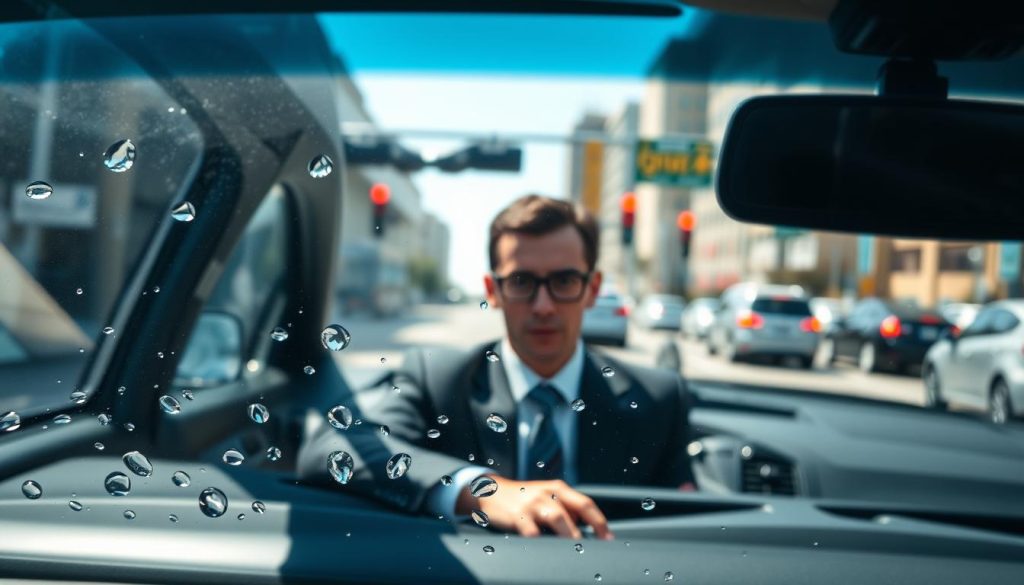
Your view through the glass shapes every decision you make behind the wheel. A clear windshield means clean glass, no film, minimal glare, no distortions, and no damage that blocks your line of sight on the road.
What you see — and how quickly you see it — affects steering, braking, and lane changes. Small flaws can turn into big problems fast. In the U.S., tens of thousands die each year in vehicle crashes, and night driving raises the risk sharply.
Many drivers underestimate glare, weather film, and small chips until a close call. Your windshield also helps support the car’s structure, so clarity is not just cosmetic. When cleaning and DIY checks aren’t enough, rely on Miracle Auto Glass for professional inspection, repair, and replacement guidance.
This article will show what causes loss of clarity, how to maintain a clear view, which damage to never ignore, and how to drive safer in hard conditions. By the end, you’ll know when to call Miracle Auto Glass for help.
Key Takeaways
- Clear glass means no film, little glare, and no distortions that block sight.
- What you see and how fast you see it directly changes your driving choices.
- Night driving and minor damage greatly increase accident risk.
- Your windshield also contributes to the vehicle’s structural integrity.
- Trust Miracle Auto Glass for inspections, repairs, and replacement guidance.
Why a Clear Windshield Reduces Accidents and Improves Your Reaction Time
A thin film or smear on your glass can turn bright headlights into blinding halos that hide hazards. Small deposits from road grime or interior film scatter incoming light and wash out contrast, so lane markings, pedestrians, and curves become harder to see.
How glare, smears, and hot spots distort what you see
Smears create flares and moving “hot spots” as your eyes shift. Those shifting flares can trick your brain about distance and speed and increase your reaction time.
Why night driving raises risk and cuts your response window
At night your peripheral cues and depth perception drop. Oncoming headlights can briefly overwhelm vision, and even with high beams you get roughly 500 feet of visible road—about half with normal beams.
- Less clear glass means you spot hazards later, leaving less time for braking or steering.
- Sudden inputs when you can’t see well lead to more accidents, especially in work zones or unfamiliar stretches.
Practical tip: If your headlights seem dull, check the glass first—cleaning often restores performance. For prevention and repairs, see how to avoid windshield damage from road.
How Your Windshield Protects You Beyond Visibility
Your front glass does more than frame the road — it is a structural and electronic hub for modern vehicles.
The glass you look through is laminated: two glass layers bonded with a PVB interlayer. That sandwich helps the pane hold together on impact instead of breaking into sharp shards.
Engineered to reduce shattering and keep occupants inside
The PVB layer absorbs energy and keeps fragments glued in place. This reduces glass injury risk and lowers the chance of occupant ejection during a severe crash.
Structural support and airbag timing
In many vehicles the front glazing helps support roof strength in a rollover. It also acts as a backstop that helps position the front airbag when it deploys.
If the glass or its bond is compromised, airbag performance can change and roof protection can weaken.
Clarity matters for ADAS and sensor systems
Lane-keep, forward-collision alerts, and rain sensors rely on clear, undistorted glass and proper calibration. Haze, chips, or poor alignment can trigger warnings or reduce system accuracy.
- If you see unusual camera alerts or inconsistent lane warnings, escalate service promptly.
- Miracle Auto Glass can assess damage, perform ADAS calibration, and restore system function.
Windshield Visibility Safety: How to Keep Your Glass Clear in Real-World Conditions
Routine care keeps glare low and lets you spot hazards earlier in changing weather. Follow a few simple steps and you’ll reduce glare, fog, and smears that slow your reactions on the road.
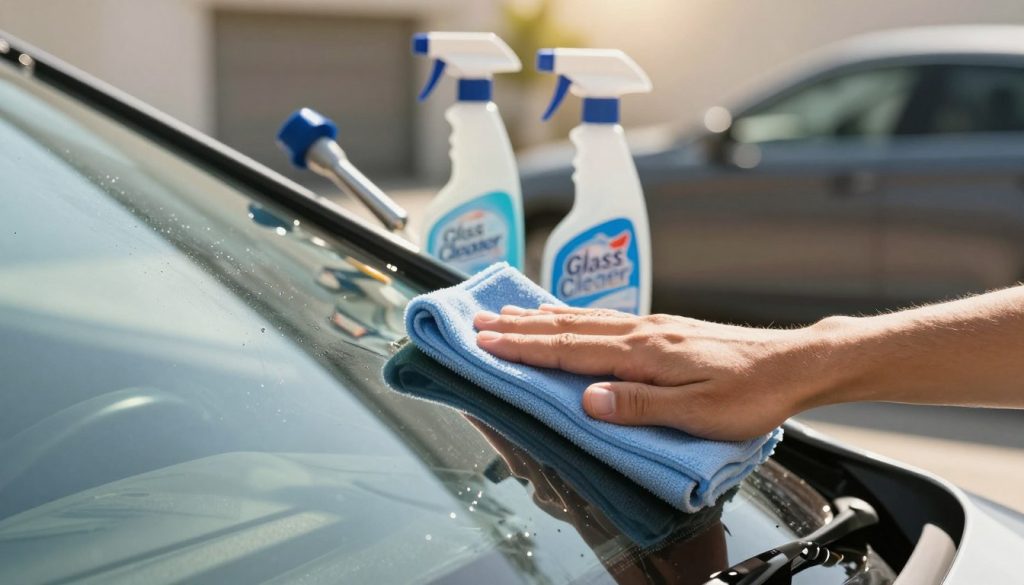
Clean inside and out
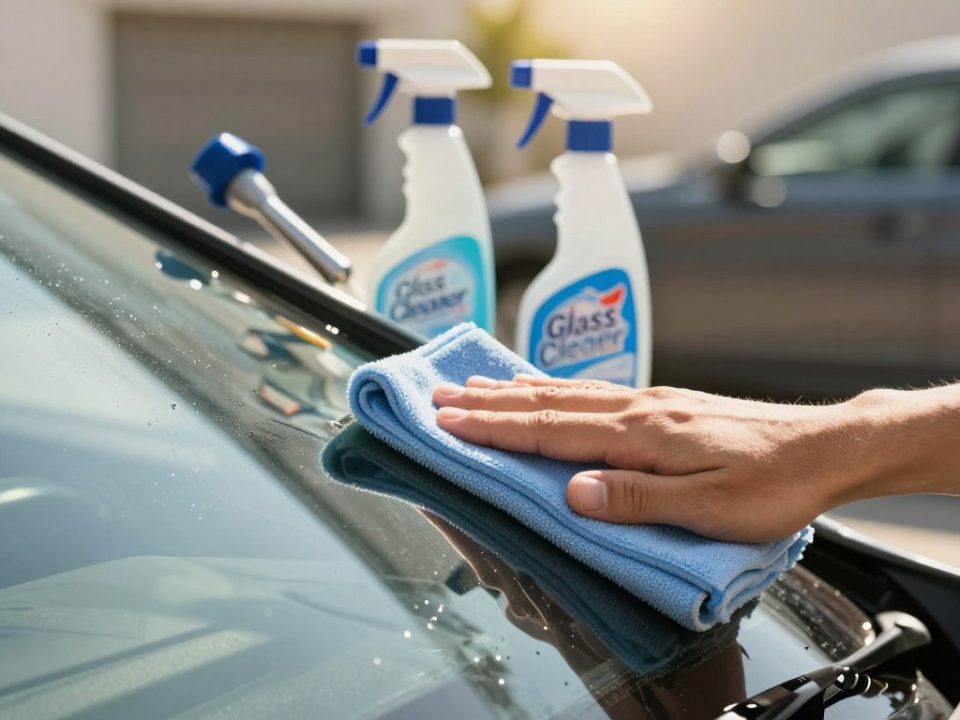
Start outside to remove bugs, salt, and oily film. Then clean the interior to remove haze from cabin dust, off-gassing plastics, and vape or smoke residue.
Prevent fog and moisture buildup
Use A/C or defrost mode to dry cabin air and avoid wiping glass with your sleeve. Keep glass dry so moisture won’t cling to dust particles and seed fog.
Pick the right washer fluid
Choose a smear-free formula for your climate. Plain water can streak, freeze, or create glare at dusk and dark.
Maintain wiper blades and the washer system
- Inspect blades for skipping, chattering, or missed arcs; replace if they smear.
- Clear nozzle clogs and confirm spray reaches the driver’s field of view.
- Test the pump and lines so fluid delivers consistently in rain or snow.
Quick pre-drive checklist: top off fluid, wipe the glass, test wipers, and clean headlights. These small steps in your windshield maintenance routine help keep your visibility high and your driving safer.
Visibility Threats You Shouldn’t Ignore: Chips, Cracks, Distortion, and Leaks
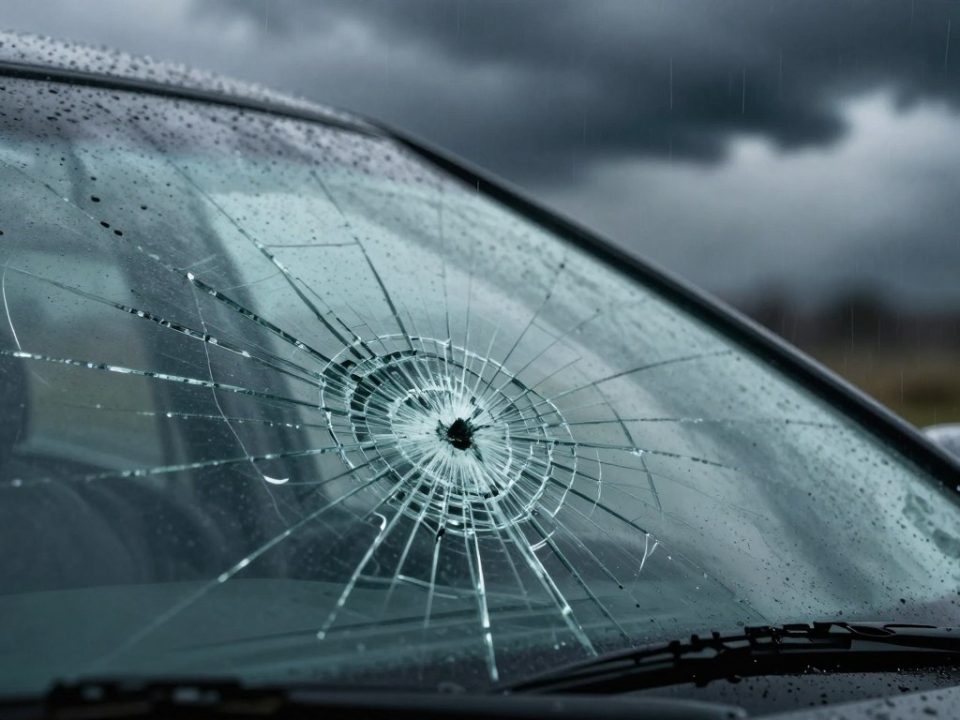
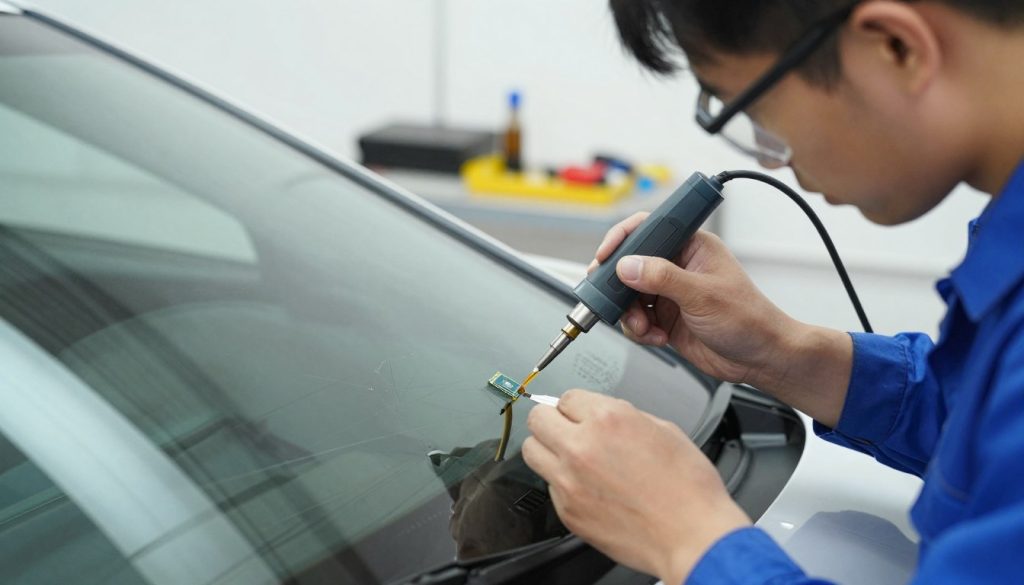
Small chips and hairline cracks can grow fast under heat, cold, and rough roads. Vibration from potholes and daily driving stresses turns tiny damage into longer breaks over time.
Location matters: a crack in your primary sightline or near an edge raises structural concern and raises your accident risk faster than a chip out of view.
Delamination is different from surface dirt. When the PVB layer separates you get wavy vision, haze, or cloudiness that cleaning won’t fix.
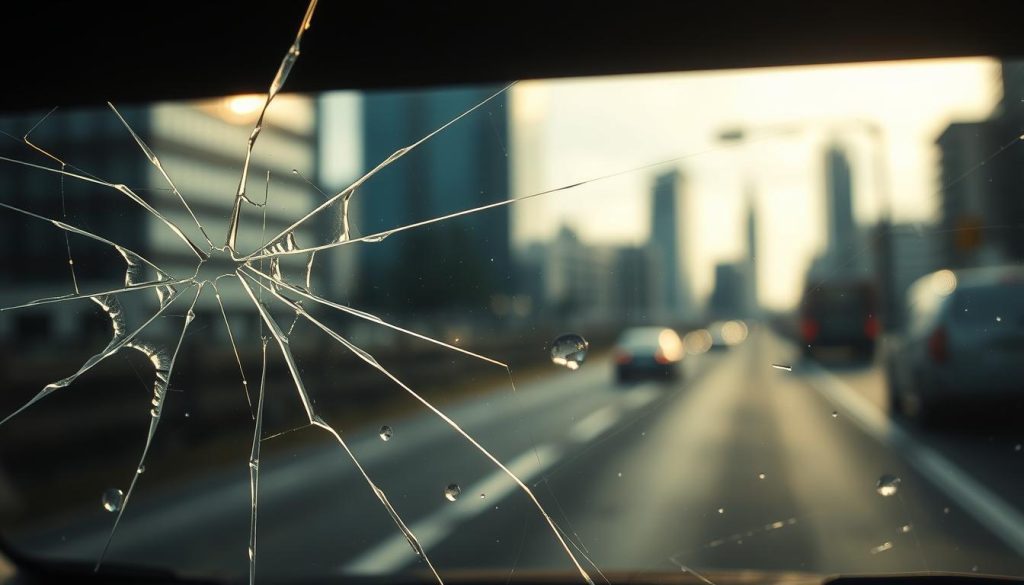
Seal failures add another layer of trouble. You may notice recurring fogging, musty smells, wet carpets, water trails, or air noise at speed.
- Small chip instability: vibration, temperature swings, and road shocks enlarge damage with time.
- Optical distortion: delamination creates ongoing haze that affects how you judge distance.
- Moisture intrusion: leaks worsen fogging and reduce clear sight in storms and cold mornings.
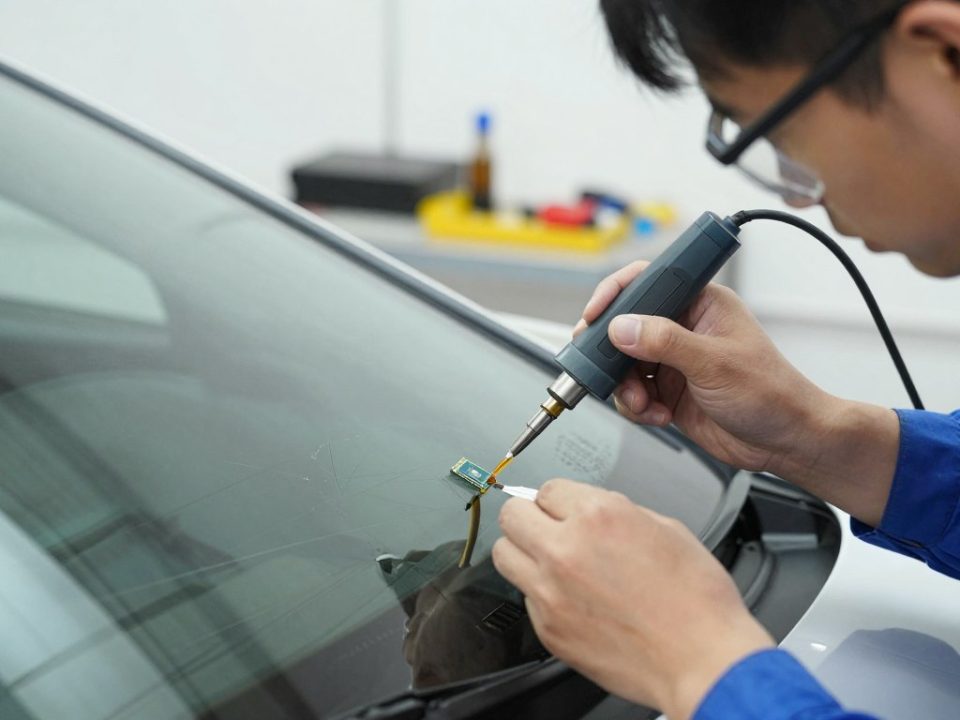
Don’t wait: if cracks spread, haze persists, or you find leaks, schedule auto glass service promptly. Miracle Auto Glass can inspect your vehicle and advise whether repair or replacement is the safer option.
Safe Driving Tips for Rain, Snow, and Night Conditions When Your Vision Matters Most
When rain sheets across the glass or headlights flare at night, a few quick habits make all the difference.
Use the headlights‑wipers‑wash “trifecta” in storms
- Headlights: Turn them on early so other drivers see you and your light reaches farther down the road.
- Wipers: Run wiper blades at a matched speed—slow for mist, faster for steady rain—so the glass clears without streaks.
- Wash: Use washer fluid proactively to remove film before it smears; a clean surface cuts glare and restores contrast.
Practical tactics for rain, snow, and night
- Increase following distance and avoid sudden lane changes; extra space gives you more time for braking and corrections.
- In snow and slush, clear the entire glass, free packed ice near the wiper park, and confirm blades aren’t torn so they don’t smear salt brine.
- At night, slow down to match how far your headlights reach; lower speed buys more reaction time for animals or debris.
- If wiper performance drops mid-storm—skipping, smearing—pull over safely and address the issue before continuing.
Quick check before bad weather: top off washer fluid, inspect blades, and verify headlights so your vehicle and driver are ready for changing road conditions.
Remember: small prep and calm, slower driving reduce crashes and keep your vision steady when it matters most.
Conclusion
Conclusion
Routine care for your glass is one of the simplest ways to cut reaction time and help every driver on the road.
Clear glass protects your vision, supports vehicle systems, and keeps your car’s structure working as designed. Night driving raises risk — half of traffic deaths happen after dark and accident odds triple at night — so proactive maintenance matters.
Do the basics: clean inside and out, keep washer fluid and wipers ready, and treat fog control as regular maintenance. Never ignore chips, cracks, distortion, or leaks; they can grow and weaken protection fast.
If you have windshield damage, leaks, or persistent haze, hire Miracle Auto Glass to repair or replace it. Learn more about what makes a good replacement in this guide: how to know a good windshield, and get back to confident, safer driving.