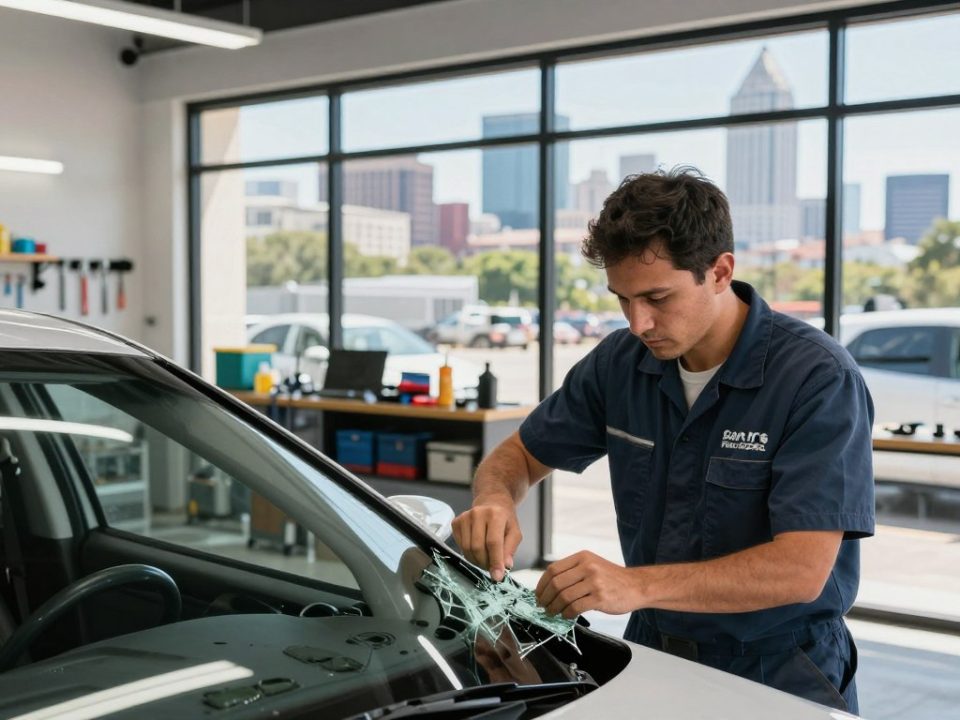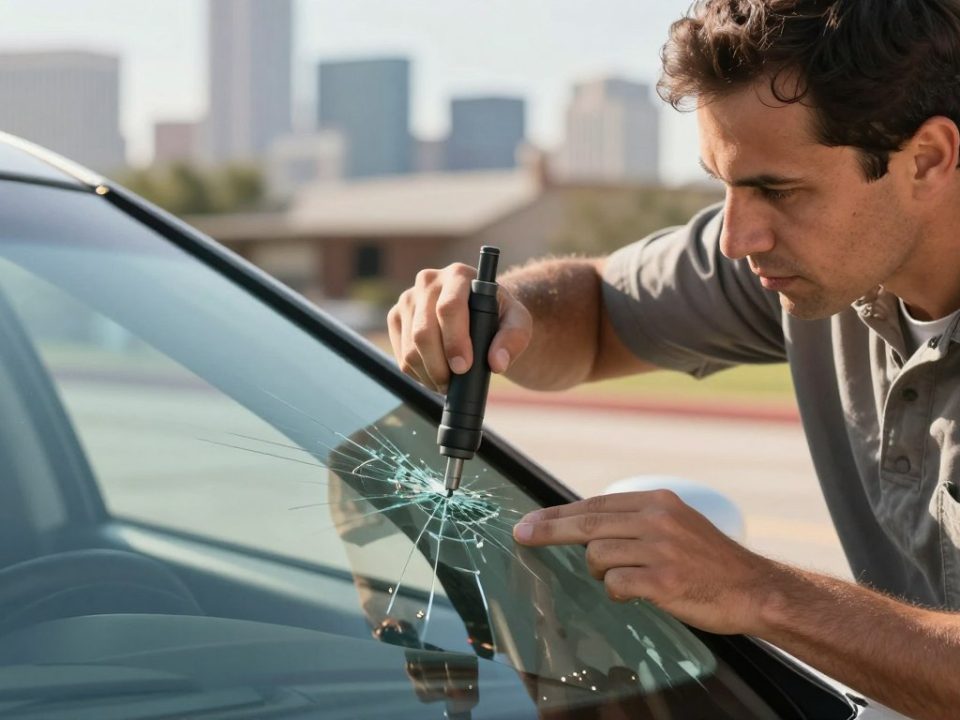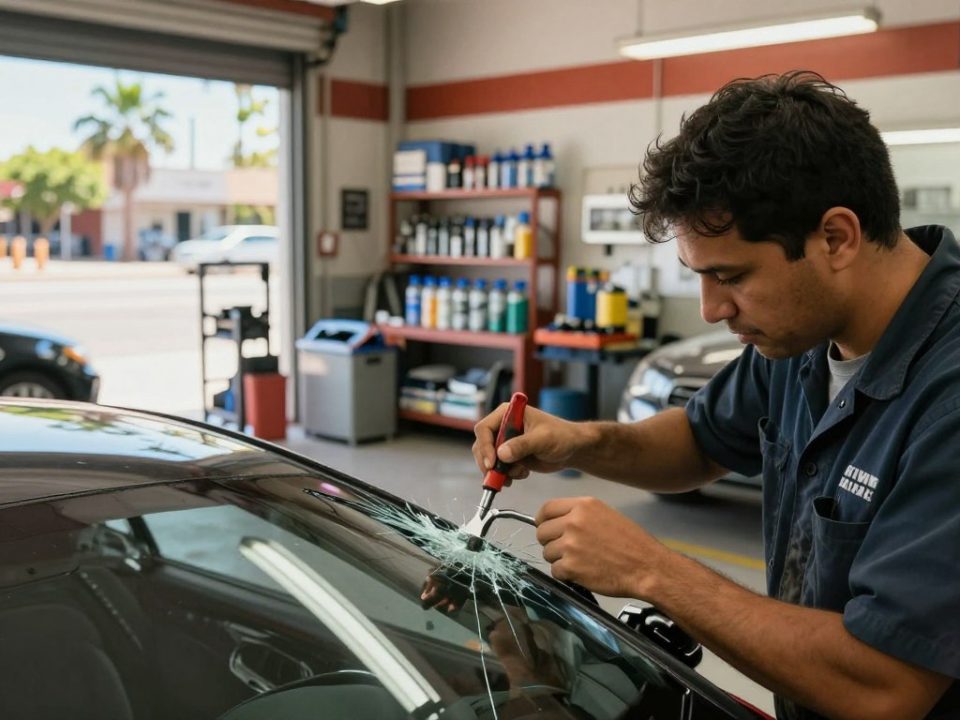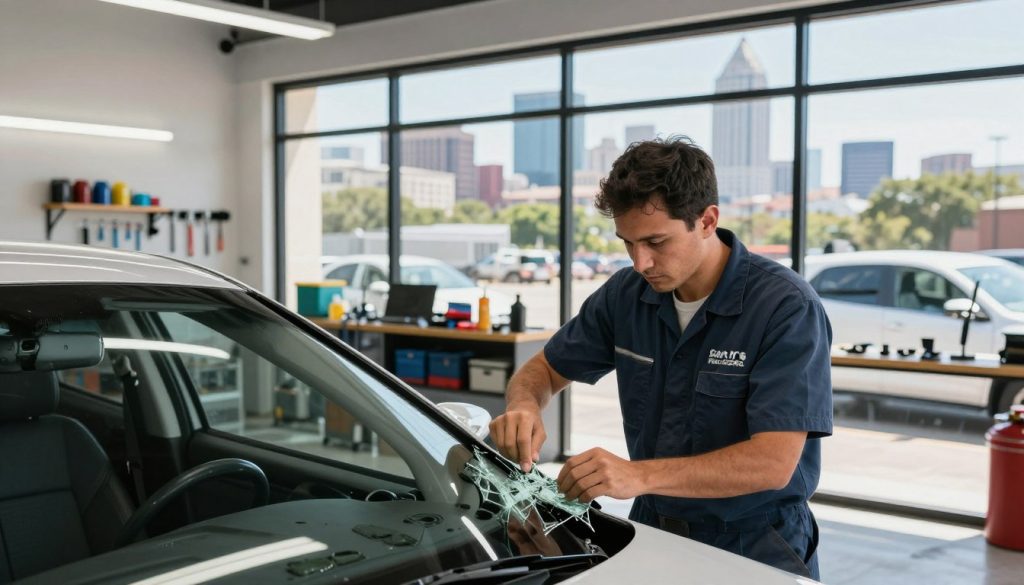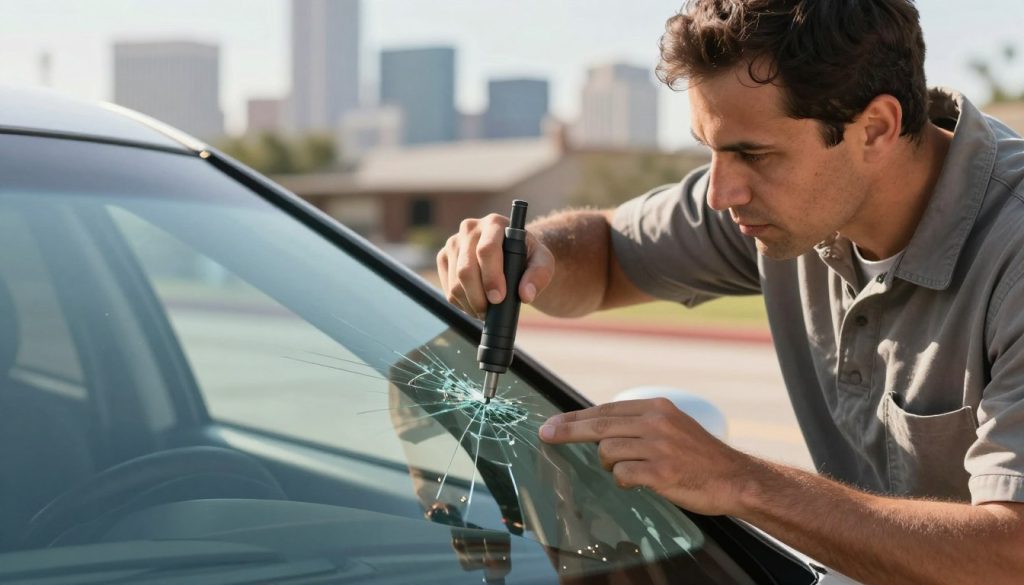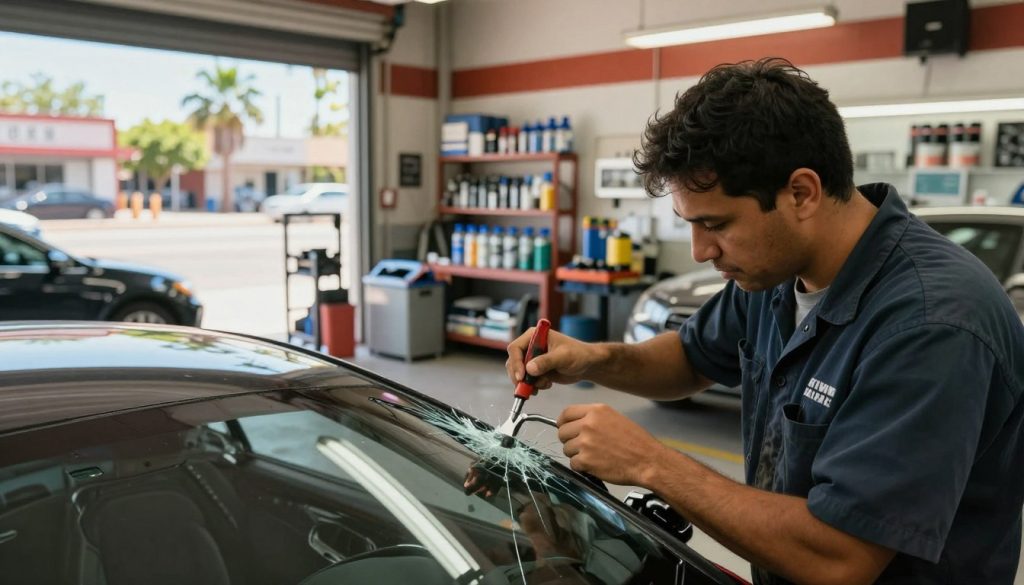

Road Trip Checklist for Healthy Auto Glass
How to Spot and Fix Windshield Seal Leaks
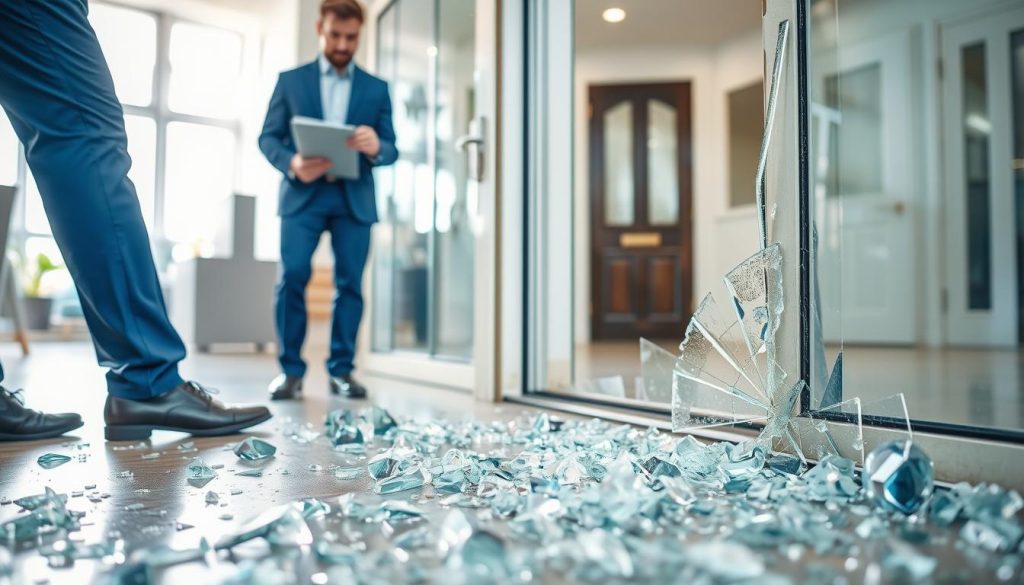
Understanding the true price of a glazing project helps you avoid surprise bills and make smart choices. This short guide shows what shapes the final number and how to set a realistic budget.
What the term covers: work ranges from swapping the pane only to full panel swaps or insert kits. Knowing the scope helps you compare quotes apples-to-apples.
The total you pay is driven by several key factors: material type, safety requirements, frame condition, and installation complexity. Typical sliding projects nationwide run roughly $1,000–$7,500, with many homeowners near an average around $2,510. Pro installation alone often falls between $300–$800 depending on labor and site conditions.
Miracle Auto Glass can guide you through choices and help match the repair method to damage. That way, you avoid paying for unneeded work and keep your plan aligned with your home’s needs.
Key Takeaways
- Understand what the service includes so quotes are comparable.
- Major factors—material, safety, frame, installation—drive final price.
- Sliding projects commonly range $1,000–$7,500; average near $2,510.
- Professional installation typically costs $300–$800.
- Contact Miracle Auto Glass for tailored guidance and honest estimates.
Understanding Door Glass Replacement Cost in the U.S. Today
Smart homeowners watch a few key signals to decide whether to repair or replace. Start by matching the visible damage to the underlying problem. If the seal holds, the frame is solid, and the break is small, a repair often stretches your money further.
Quick decision framework:
- Choose repair when damage is limited, seals are intact, and the frame shows no rot.
- Choose full replacement when seals fail, repairs recur, or you want safety and efficiency upgrades.
- Remember that the full job includes measuring, safe removal, disposal, re-sealing, and testing operation.
Use price signals to sanity-check any quote. Basic single-pane work can run about $3–$5 per sq ft plus labor. Small repairs commonly fall in the $130–$450 range (roughly $290 average). Inserts and insulated units list from about $98 up to $754 depending on features like tempered glass, double-pane, Low‑E, or enclosed blinds.
Budget reality check: if the job needs frame repair, insulated units, or security upgrades, expect higher pricing. Miracle Auto Glass can help you weigh options and pick the most cost-effective path for your home.
Glass type, safety ratings, and energy efficiency features that change the price
Different glazing choices change what you pay now and how the unit performs for years.
Tempered vs. laminated
Tempered safety glass is common and keeps material handling simple. Laminated glass adds security and sound control, and its layered construction increases both material and handling requirements.
Single, double, and insulated units
Single‑pane is the simplest and least expensive. Double‑pane improves insulation and reduces noise. Insulated or triple‑pane units cost more — triple‑pane often runs about $800–$2,000 — but they boost comfort and lower bills over time.
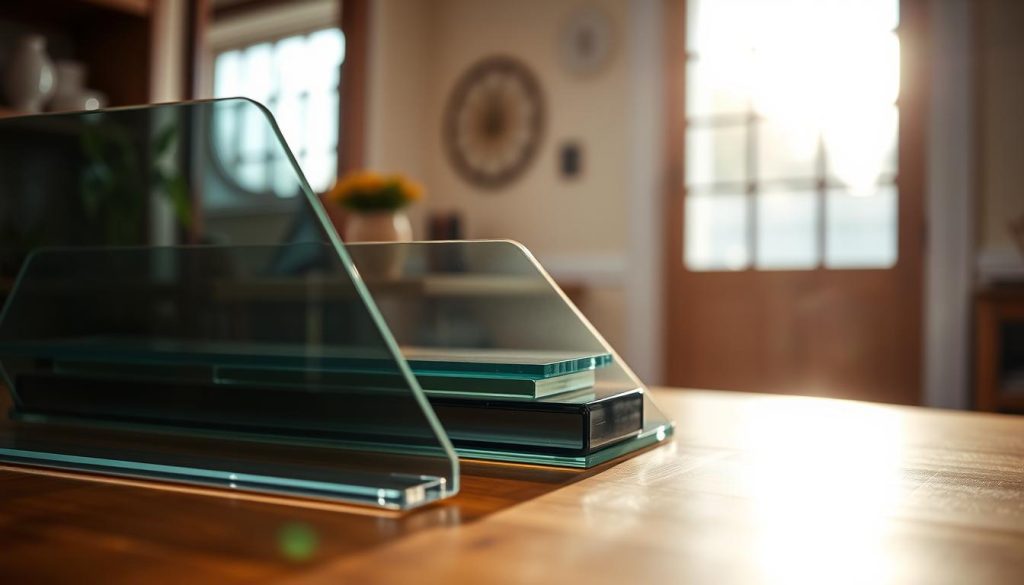
Low‑E coatings typically add $100–$300 and cut heat transfer. Impact‑resistant options often range $1,200–$2,500 for storm or security needs. Smart glass is a high‑end choice at roughly $2,000–$4,000.
- Panels and size affect materials and specialty orders.
- Options compound: double‑pane + Low‑E + privacy features raises total significantly.
- Choose based on safety, climate, sun exposure, and household needs to avoid overbuying.
Door style, size, and configuration that influence replacement costs
The shape, scale, and hardware of your unit change prices more than most homeowners expect. Before you request quotes, measure openings and note how the unit moves. Small differences in dimensions can change the materials and the time pros need to finish the job.
Standard vs. custom sizes and how dimensions impact materials and time
Standard sizes keep prices lower. A typical 6′ x 6’8″ sliding setup commonly runs about $600–$1,800 for the unit. Moving to an 8′ width usually adds roughly 20–30% to those prices.
Custom or oversized openings often start near $2,500. Special orders raise lead times, add handling fees, and may require custom framing or reinforcement.
Sliding doors vs. other setups and what changes in installation and pricing
Sliding doors need tracks, rollers, and proper frame alignment. Those parts drive different labor than an entry door insert or a multi-panel patio system.
Expect higher installation time for multi-panel or pocket systems because of the heavier materials and more complex glazing steps.
Design details that raise price, including grilles, enclosed blinds, and privacy glass
Upgrades multiply materials and handling. Internal grilles, decorative panes, and privacy options push a simple insert from a few hundred dollars into the $487–$754 range.
Ask about:
- Exact rough opening measurements and sill condition;
- Lead time for custom sizes and any special shipping fees;
- Which upgrades affect warranty, thermal performance, and long-term maintenance.
Quick checklist to measure and compare:
- Width, height, and visible frame depth;
- Operation type (sliding, hinged, multi-panel);
- Desired upgrades (Low‑E, enclosed blinds, grilles) and how often the unit will be used.
Labor costs, installation complexity, and project timeline considerations
Installation quality makes a big difference in long-term performance and can save you money on future repairs.
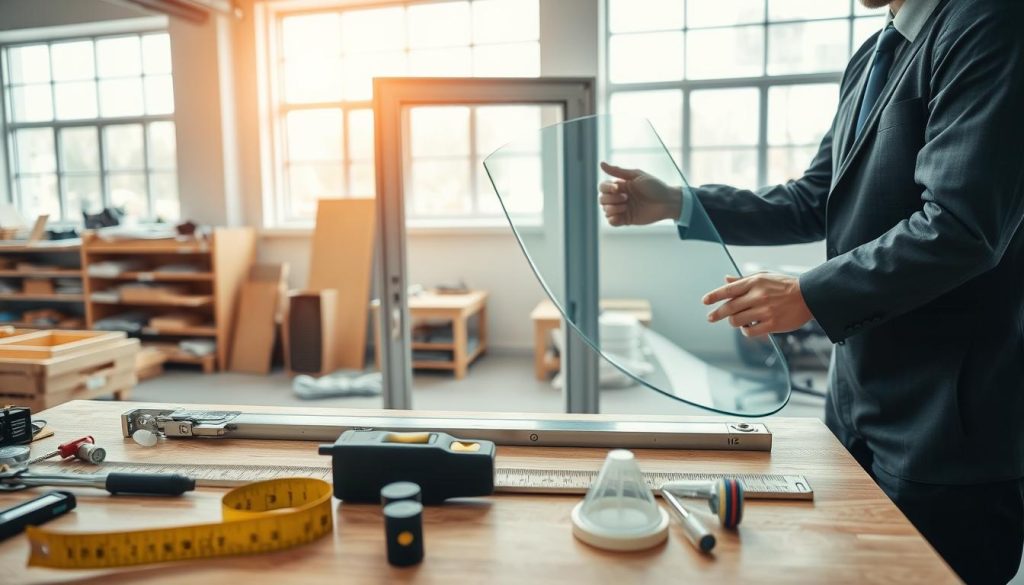
- Safe removal and debris handling to protect your home and reduce cleanup time.
- Opening prep, precise leveling, and alignment so moving parts run smoothly.
- Sealing, insulation, hardware setup, and operational testing to prevent leaks and drafts.
Typical labor costs for professional installation run about $300–$800. Heavier panels, multi-panel systems, or out-of-square openings increase labor time and add to the final price.
DIY vs. pro installation — risks and rewards.
Doing the work yourself can save money up front, but one sealing or alignment mistake may cause moisture damage, reduced efficiency, or worn tracks that lead to costly repairs.
Manufacturers often require professional installation to keep a warranty valid. Workmanship warranties from installers also vary, so ask what is covered and for how long.
Project timeline and consumer protection
Many installs finish in a day, but structural fixes or custom orders add time. Request an itemized scope so you know if the quote includes sealing materials, disposal, and necessary adjustments.
Final tip: Hire certified experts for complex jobs. That protects your investment and reduces the chance you’ll spend more on future repairs or voided warranties.
Hidden costs that can raise your total quote
Small unseen issues in the frame or threshold are common reasons a job totals more than expected. Check estimates closely so you aren’t surprised by adders when work begins.
Frame repairs and structural fixes often show up after an installer removes old materials. Rot, warping, or water damage can prevent a proper seal and require fixes first.
- Rotted wood replacement: ~$200–$400
- Header reinforcement: ~$150–$300
- Threshold leveling: ~$100–$250
- Waterproofing treatments: ~$75–$200
Security upgrades that increase the estimate
If you want better protection, these adders are typical but worthwhile for many homeowners.
- Smart locks: ~$150–$500
- Multi-point locking systems: ~$200–$350
- Sensors and alarms: ~$75–$200
- Reinforced tracks: ~$100–$250
- Child safety locks: ~$50–$100
Availability, labor rates, and scheduling
Rush orders, backordered materials, and peak-season demand affect final pricing. In busy metro areas, higher local labor rates often raise replacement costs.
What to ask your service provider:
- Which materials and waterproofing are included?
- Will hidden damage trigger a change order, and how is that priced?
- What is the estimated timeline if parts are backordered or weather delays occur?
- Do you offer itemized quotes so you can compare pricing by line item?
Want a deeper guide on reviewing quotes? See our full walkthrough at complete guide to replacement for practical tips before you sign.
Conclusion
A clear budget starts with the items that drive the biggest price swings. National project ranges often fall between $1,000 and $7,500 for sliding work, with labor typically $300–$800. Upgrades like Low‑E (+$100–$300), impact options ($1,200–$2,500), or smart units ($2,000–$4,000) will raise your estimate quickly.
Focus on safety, energy efficiency, size, and installation complexity when you plan. The cheapest unit rarely reflects the true installed price once sealing, alignment, and required repairs show up.
Before you book, gather measurements, list must-have options, and request an itemized quote with timing so the project finishes in a predictable day or window.
If you want fast, professional help with glass damage, hire Miracle Auto Glass to fix your windshield or other glass damage.