
How Windshield Cracks Compromise Your Safety More Than You Think

Does Insurance Cover Windshield Repair in Texas? Here’s the Truth
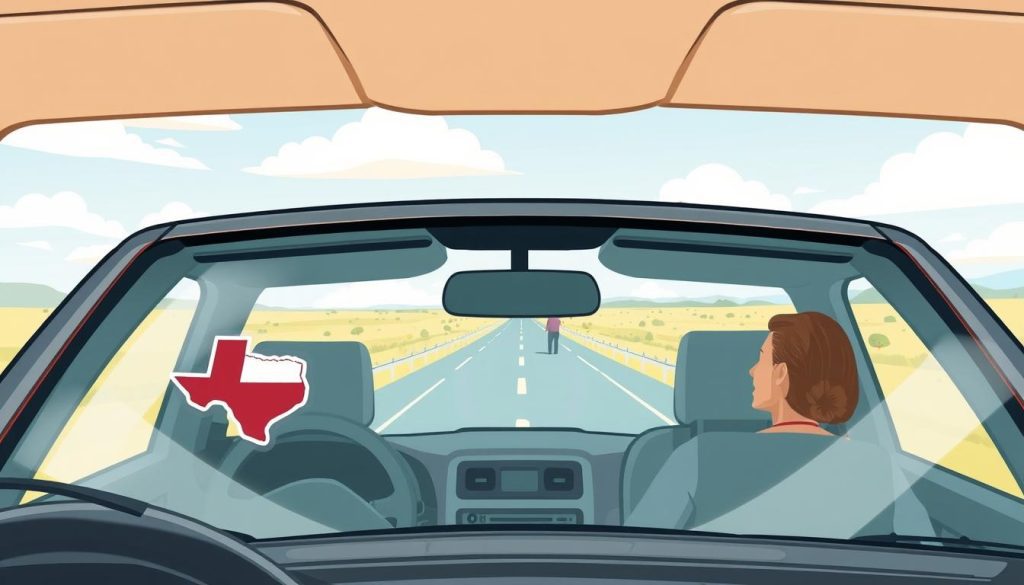
Drivers in Texas need to know the rules about windshield visibility. The law doesn’t say you must have a windshield. But if you do, you must have wipers that you can control yourself.
It’s important to follow these Texas driving laws to stay safe and avoid fines. If your windshield is damaged, you can get it fixed by experts like Miracle Auto Glass. They make sure your vehicle is safe and meets the law.
Key Takeaways
- Texas law doesn’t mandate windshields on vehicles.
- Vehicles with windshields must have driver-controlled wipers.
- Understanding windshield laws can help avoid fines.
- Professional services are available for windshield repair.
- Miracle Auto Glass offers expert windshield replacement services.
Current State of Texas Windshield Laws
To follow Texas driving laws, knowing the rules about windshield care is key. Texas lets you make some changes, like tinting windows, but only if they meet certain standards.
Recent Legislative Updates
Recent changes to Texas windshield laws aim to boost windshield visibility. Now, you can have non-reflective tint on your windshield above the AS-1 line. This gives you more freedom to customize your car while keeping it safe.
It’s important for drivers to keep up with these changes. This way, they can make sure their cars meet the newest auto compliance rules.
Core Legal Requirements
The main rules for windshields in Texas are about keeping a clear view. Drivers must make sure their windshields are clear and not damaged too much.
- Windshields must be maintained to ensure clear visibility.
- Non-reflective tint is allowed above the AS-1 line.
- Vehicles must comply with Texas driving laws to avoid penalties.
Windshield Damage Classifications Under Texas Law
Understanding windshield damage under Texas law is key to road safety and avoiding legal trouble. Texas doesn’t have rules about windshield cracks. But, there are times when damage is considered illegal.
Types of Damage Considered Illegal
Cracks that make the glass curve are not allowed in Texas. This is because such damage can hurt the driver’s view and safety.
Acceptable Damage Thresholds
Texas law says some damage is okay, but there are limits. It’s not just about the size of the crack. It’s about how it affects the windshield and the driver’s view.
Measuring Techniques for Compliance
To follow Texas windshield laws, knowing how to measure damage is important. The law doesn’t give exact measurements. But, a general rule is to check if the damage harms the windshield’s strength or blocks the driver’s view.
Even though Texas law doesn’t give exact measurements, auto repair experts can help. They can tell if a windshield damage meets state rules.
Windshield Visibility Requirements in Texas
Having a clear view through the windshield is not just a good idea in Texas. It’s the law. Drivers must make sure their windshields are clear of any blockages or damage.
Minimum Visibility Standards
Texas law says windshields must let drivers see the road and other roads clearly. The minimum visibility standards help prevent accidents. They make sure windshields are not damaged or blocked.
Obstruction Regulations
Nothing can be stuck to or placed on the windshield that blocks the view. This includes stickers, decals, or any other blockage. It’s important to keep the windshield clear for safe driving.
Safety Implications of Reduced Visibility
Not being able to see well through the windshield can be very dangerous. It can lead to more accidents. Drivers should check their windshields often for damage or blockages.
Following Texas’s windshield visibility rules is key for safe driving and avoiding fines. Drivers should know the rules and keep their windshields in good condition.
Texas Windshield Laws Regarding Tinting and Window Films
Vehicle owners in Texas must know the laws about windshield tinting to avoid fines. Texas allows window tint if it follows certain rules.
The law sets limits on how dark tint can be. Legal tint percentages vary by vehicle type. This ensures drivers can see well while keeping their vehicles safe and comfortable.
Legal Tint Percentages by Vehicle Type
Texas law has different tint rules for different vehicles. For example, sedans and SUVs have different rules than trucks or vans. The law lets you have non-reflective tint on the windshield above the AS-1 line.
This line is the area above the manufacturer’s AS-1 line or the top 5 inches of the windshield, whichever is higher.

Medical Exemptions for Darker Tints
In some cases, people can get medical exemptions for darker tints. To get one, you need a doctor’s note. The note must say the tint is needed because of a medical condition.
It’s important for car owners to know these rules to stay legal and avoid fines. By understanding the legal tint levels and how to get medical exemptions, drivers can make their cars look good while following Texas laws.
Crack and Chip Regulations: Size, Location, and Legal Limits
Drivers in Texas need to know about windshield crack and chip rules to stay legal. Texas has laws about what makes a windshield okay, like size, location, and damage type.
When Cracks Become Illegal
Any crack that makes the glass curve is not allowed in Texas. Also, cracks over 10 inches straight or 15 inches total are illegal.
Driver’s Line of Sight Considerations
The driver’s view is key for windshield rules. Cracks or chips in the driver’s line of sight have stricter rules.
Star Breaks vs. Linear Cracks: Legal Differences
Texas sees star breaks and linear cracks differently. Star breaks are usually smaller and less of a problem. Linear cracks are illegal if they’re too long or block the driver’s view.
- Star breaks are okay if they’re not in the driver’s line of sight.
- Linear cracks have length limits and are illegal if they go over.
- Both need checks to see how they affect visibility.
Following Texas windshield laws means checking windshield damage often. Drivers should know the rules and fix or replace windshields as needed. This keeps them safe and legal on the road.
Commercial Vehicle Windshield Compliance in Texas
Commercial vehicles in Texas must follow strict windshield rules for safety. These rules help keep the roads safe by preventing accidents. They ensure that windshields are clear and undamaged.
Additional Requirements for Trucks and Buses
Trucks and buses in Texas have extra rules for windshields. They need windshield wipers that the driver can control. These wipers must clear rain and other moisture well.
DOT Compliance Standards
The Department of Transportation (DOT) has strict rules for windshields in commercial vehicles. Following these rules is key to avoid fines. The main points are keeping the windshield clear and fixing any damage within legal limits.
Fleet Management Considerations
Fleet managers must keep windshields in good shape for their vehicles. Regular checks and quick fixes or replacements are important. This helps avoid fines and keeps drivers safe.
Following these rules helps make the roads safer in Texas. It also saves money and hassle for vehicle owners.
Enforcement Mechanisms for Windshield Violations
Enforcing windshield laws in Texas involves many steps. Officers check vehicles during stops to make sure they follow the rules. This ensures everyone stays safe on the road.
How Officers Determine Violations
Officers check for windshield problems during traffic stops. They look for damage like cracks or chips. They also check if tint is legal and doesn’t block the driver’s view.
Traffic Stop Procedures
When stopping a car, officers follow a set of steps. They check the windshield for damage and tint laws. This helps keep everyone safe.
Documentation and Evidence
Officers write down and take pictures of any problems they find. This evidence is used if the driver disputes the ticket.
Not following Texas windshield laws can lead to fines. It’s key to keep your windshield in good shape to avoid trouble.
Penalties, Fines, and Legal Consequences
Texas has strict windshield laws with big penalties for breaking them. Drivers need to know the rules to avoid fines and stay safe.
First-Time Offense Consequences
First-time offenders might get a warning or a fine. The fine can be between $50 and $200. Sometimes, drivers must fix or replace their windshield to follow Texas laws.
Repeat Violation Penalties
Those who break the law again face harsher penalties. Fines can double, and drivers might get more tickets. This includes fines for things like a blocked windshield.
Options for Contesting Citations
Drivers can fight windshield violation tickets. They can go to court to argue the ticket, possibly with a lawyer. Knowing auto compliance rules and acting fast can help avoid or lessen penalties.
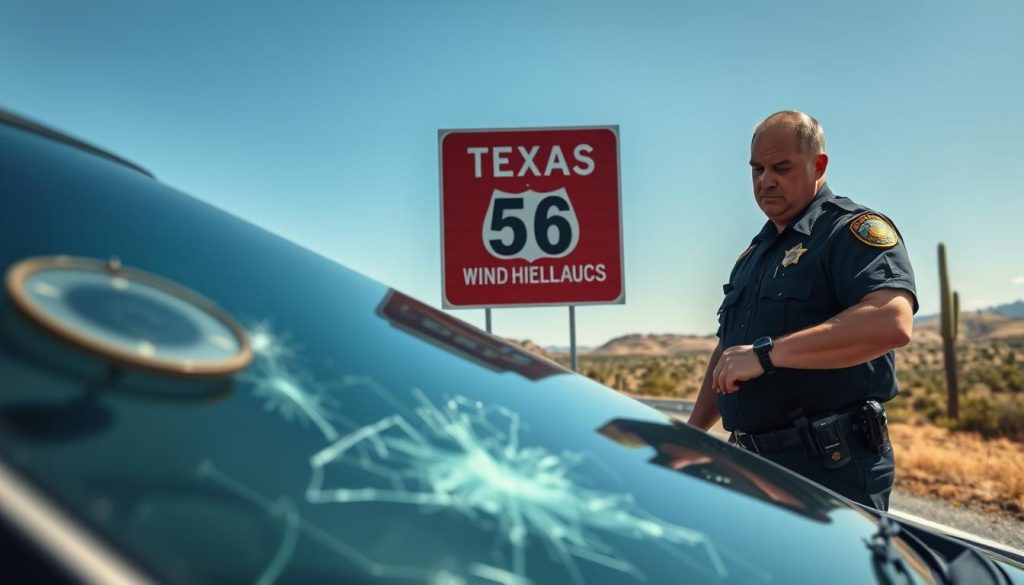
If your windshield needs checking or your wipers aren’t working, a certified tech can help. Making sure your windshield is clear is key for safe driving and following Texas laws.
Insurance Implications of Non-Compliant Windshields
Drivers in Texas need to know about insurance rules for windshields. Windshields with damage or wrong tinting can cause problems with insurance claims. It’s important to avoid legal and financial issues.
Coverage Issues with Damaged Glass
Damage to glass can lead to insurance problems. If damage is not documented well, insurance might deny claims. They might say the damage was there before or doesn’t follow Texas windshield laws.
How Violations Affect Claims
Issues with windshield visibility can hurt insurance claims. If a windshield is not up to code, insurance might see it as a problem. This could affect how they handle your claim. Following auto compliance rules can help avoid these issues.
Documentation for Insurance Purposes
Keeping good records is crucial for insurance. Owners should document their windshield’s condition. This includes photos, repair quotes, and proof of compliance with Texas windshield laws.
This info is important for insurance claims and showing you follow the rules.
Professional Repair Options for Windshield Compliance
Texas drivers can count on professional repair services to keep their windshields legal. These services improve safety and meet state standards. They offer various solutions for different types of damage.
Repair vs. Replacement
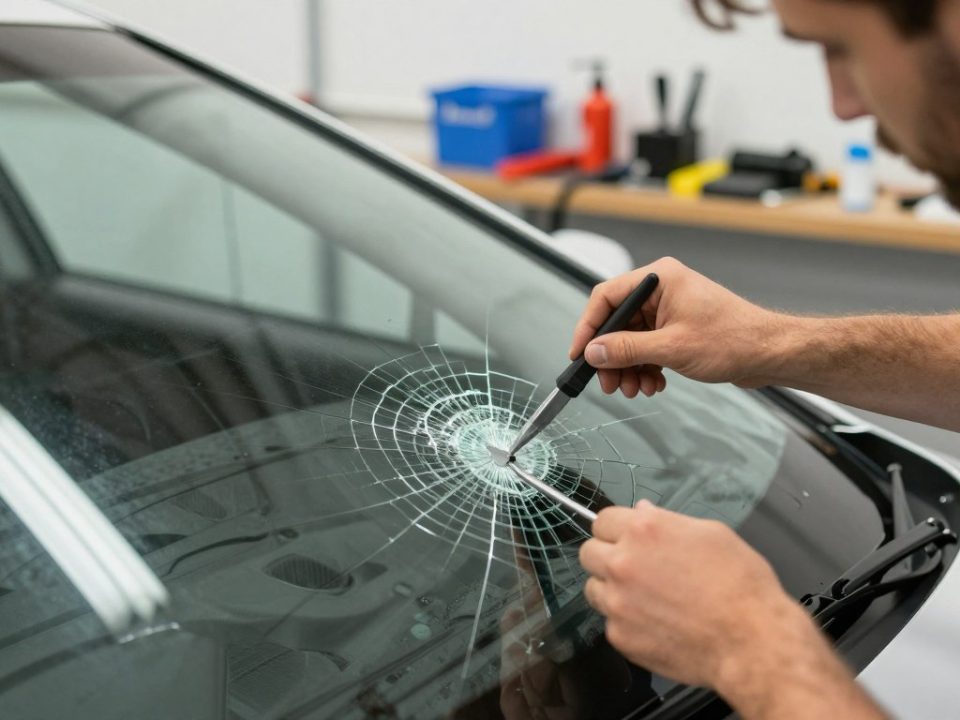
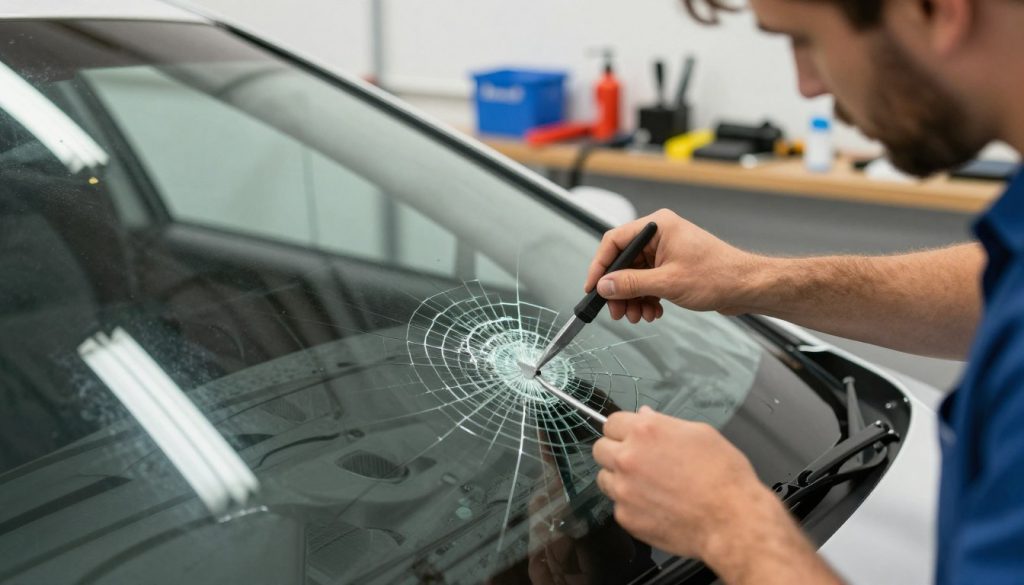
Choosing between repair and replacement is crucial for windshield upkeep. Small chips or cracks can usually be fixed. But, bigger or more complex issues might need a full replacement for safety and visibility.
OEM vs. Aftermarket Glass
When replacing a windshield, drivers face a choice between OEM and aftermarket glass. OEM glass fits perfectly and keeps safety features intact. Aftermarket glass is cheaper but might not match the quality or fit.
Miracle Auto Glass Repair Technologies
Miracle Auto Glass uses cutting-edge repair methods, including:
- Advanced Resin Treatments: This method injects high-quality resin into damaged areas. It makes the windshield clear and strong again.
- Precision Replacement Procedures: Technicians use top-notch equipment for a precise fit. This ensures the vehicle’s safety and structure.
Choosing Miracle Auto Glass for repairs means Texas drivers follow state windshield laws. They also keep their vehicles safe on the road.
DIY Assessment: Checking Your Windshield’s Legal Status
Regular self-inspections can help Texas drivers spot windshield issues early. Knowing Texas windshield laws helps owners stay safe and compliant on the roads.
Self-Inspection Guidelines
Start by checking for damage like cracks or chips that might block your view. Look at the size and where the damage is. Texas windshield laws have rules for different vehicle types.
- Inspect the windshield for any signs of damage.
- Measure the size of any cracks or chips.
- Check if the damage is within the driver’s line of sight.
When to Seek Professional Evaluation
If you’re not sure about the damage, get a professional evaluation. Auto glass repair services can check the damage and suggest repairs or replacements.
Preventative Maintenance Tips
To keep your windshield in good shape, follow these tips:
- Regularly clean your windshield to prevent dirt and debris buildup.
- Avoid extreme temperature changes that can cause glass stress.
- Replace your windshield wipers regularly to prevent damage from worn-out blades.
By following these tips, Texas drivers can keep their windshield in line with Texas windshield laws and ensure auto compliance.
Conclusion: Ensuring Windshield Safety and Legal Compliance
Drivers in Texas must follow Texas windshield laws to keep roads safe. A legal windshield protects everyone inside and avoids legal trouble.
It’s key to keep your windshield clear. Texas laws cover damage, tinting, and more to ensure you can see well. Knowing these laws helps you avoid fines.
If your windshield is damaged, get it fixed by experts. Miracle Auto Glass offers top-notch repair and replacement. They make sure your car is safe and legal. Choosing them means your windshield is in good care.