Why Texas Summers Turn Small Chips Into Long Cracks

Why Fog Season Is the Worst Time for a Compromised Windshield
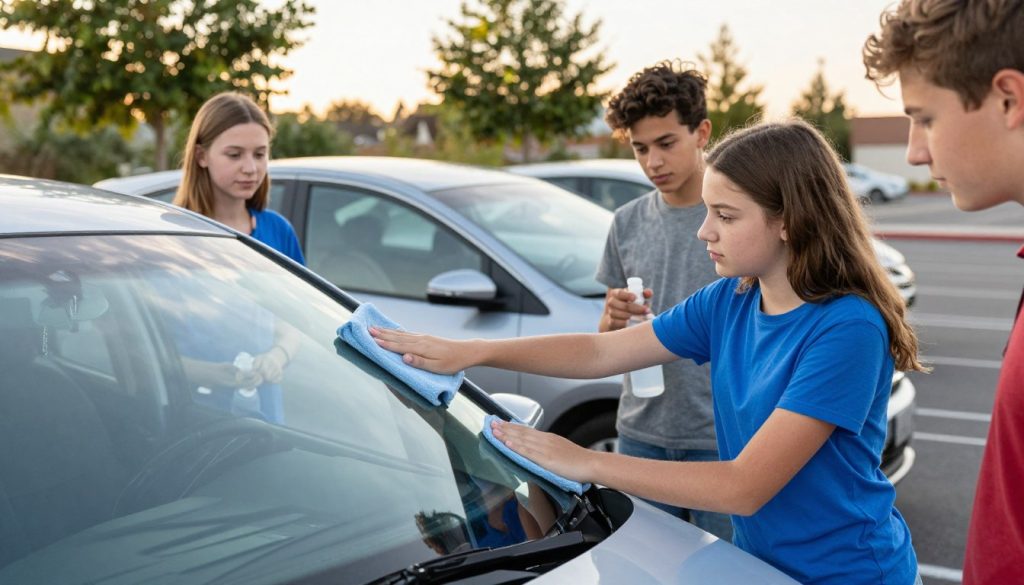
Clear glass is a basic part of confident driving. The right teen driver windshield safety lesson starts with simple checks, not fear. Before each trip, you should look for chips, cracks, blocked views, and loose glass trim.
In 2024, 2,899 people ages 13 to 19 died in United States crashes. Those ages 16 to 19 also faced fatal crash rates about three times higher per mile than adults 20 and older. Excessive speed played a role in nearly one-third of fatal incidents.
That is why parents can make a real difference. A quick vehicle check, calm coaching, and clear rules help build better habits over time. This guide covers glass inspections, damage prevention, licensing, passengers, alcohol avoidance, and choosing a suitable car.
If damage appears, Miracle Auto Glass offers a local option for professional repairs or replacement. Prompt service can help you restore clear vision and keep your vehicle ready for daily driving.
Key Takeaways
- Check all glass before every trip.
- Parents help shape lasting driving habits.
- Speed increases crash risk.
- Manage passengers and avoid alcohol.
- Hire Miracle Auto Glass for glass damage.
Why Teen Driver Windshield Safety Matters From the First Drive
Your first trip begins with more than turning the key. A clear windshield gives you a direct view of lane markings, signals, pedestrians, road hazards, and changing traffic. This basic check supports calm driving from the start.
How the Windshield Supports Visibility and Vehicle Protection
The glass also supports the vehicle’s structure and helps keep outside objects away from the cabin. A chip or crack can distract you, especially when hazard recognition is still developing. If damage affects your view or the glass seems weak, contact Miracle Auto Glass before the next trip.
Why Inexperience Can Increase Glass-Related Driving Risks
Teen drivers have crash rates more than four times those of drivers age 20 and older per mile. Fatal rates for ages 16–19 are about three times higher. Speed, passengers, alcohol, and unfamiliar roads can add risk, even when a young person feels skilled.
Parents can set clear rules for school trips, night travel, and licensing. Check glass condition together, and remind your teen to keep both hands near the wheel.
| Risk factor | Why it matters | Helpful response |
|---|---|---|
| Limited experience | Hazards may seem less urgent | Practice scanning ahead |
| Excessive speed | It reduces reaction time | Follow posted laws |
| Passengers | Conversation can divide attention | Set firm vehicle rules |
Inspect Your Windshield Before You Put the Vehicle in Drive
A quick glass check can prevent a small problem from becoming a serious distraction. Make it part of every driving routine, even for short trips. The IIHS recommends that young drivers use vehicles with strong crash protection and key safety features.
Check for Chips, Cracks, and Bullseye Damage
Ask your teen to scan the full pane, including the viewing area, edges, corners, and space behind the rearview mirror. Note chips, bullseye marks, star breaks, and hairline cracks. Small damage may spread or become harder to repair.
Take a photo and contact Miracle Auto Glass for professional help with chips, cracks, bullseye damage, or other glass concerns. Prompt service supports clear vision during daily driving.
Look for Obstructions in Your Line of Sight
The driver should remove stickers, hanging items, frost, dirt, and dashboard glare. Young drivers should also check mirrors, lights, tires, washer fluid, and the area around the car before entering the road.
- Inspect the glass from inside and outside.
- Record damage before it changes.
- Call Miracle Auto Glass when clear vision may suffer.
Know When Small Glass Damage Needs Immediate Attention
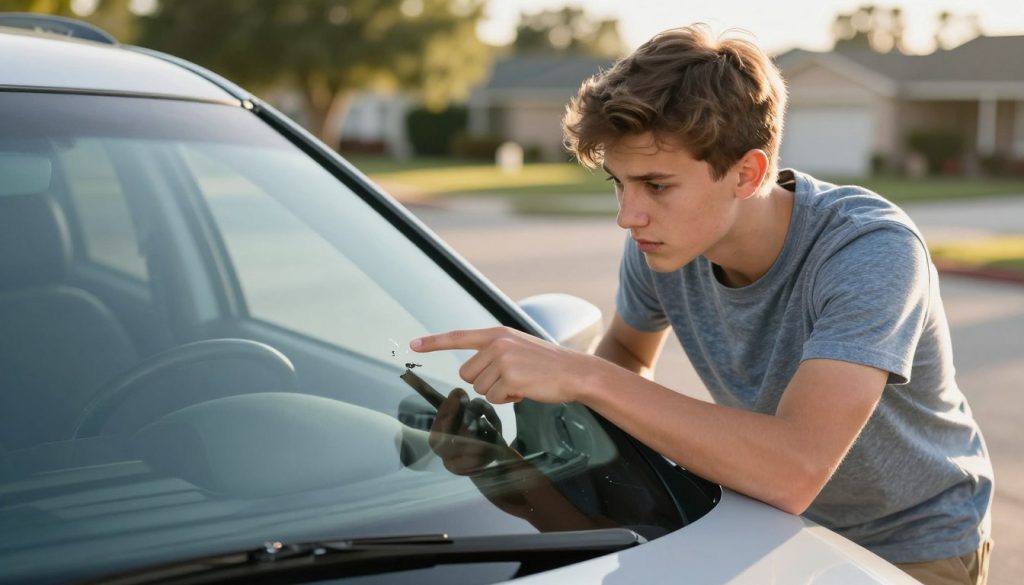
Small glass damage can change quickly, so do not wait for a larger problem. This matters most during the first months after a teen receives a license. Fatal crash rates for drivers ages 16 to 19 remain about three times higher than rates for adults age 20 and older per mile driven.
Damage That Can Spread Across the Windshield
A chip may become a long crack when temperature shifts, body flex, or road vibration adds stress. Tell your teen to request an evaluation if damage reaches an edge, crosses the sightline, or forms branching lines. These signs can affect clear vision and increase distraction during driving.
Why Temperature Changes and Road Vibration Matter
Cold mornings, hot sunlight, potholes, and rough surfaces can enlarge weak spots. A short delay may turn a simple repair into a replacement. Prompt service gives you more options.
When a Windshield Repair May Not Be Enough
Repair may not work when damage is extensive, vision is affected, or the glass has lost part of its structural role. Hire Miracle Auto Glass for a professional repair or replacement decision. Avoid temporary do-it-yourself fixes when your vehicle needs dependable glass care.
Use Safe Driving Habits to Prevent Windshield Damage
Road debris often causes glass damage before you notice it. Your teen needs simple habits that protect clear vision and support calm driving. Excessive speed contributes to almost one-third of fatal crash involvements among teen drivers, so steady choices matter.
Maintain a Safe Following Distance Behind Traffic
Leave extra space behind trucks, construction vehicles, and cars carrying loose materials. Following too closely cuts reaction time and exposes your vehicle to gravel, tire debris, and sudden braking in traffic.
Passengers should support quiet focus. Keep both hands near the wheel, scan ahead, and avoid rushed behavior. These habits give the driver more time to respond.
Reduce Speed on Gravel Roads and During Roadwork
Lower your speed on gravel roads, near work zones, and behind uncovered loads. At a slower pace, loose stones strike with less force. Supervised practice should include varied roads and traffic so teens learn smooth steering, gradual braking, and sound lane positioning.
- Watch for warning signs and shifting lanes.
- Increase space when road surfaces change.
- Report chips or cracks soon after impact.
Miracle Auto Glass can evaluate and repair windshield damage caused by debris or difficult driving conditions.
| Driving situation | Helpful habit | Glass benefit |
|---|---|---|
| Behind a truck | Increase following space | Less debris exposure |
| Gravel road | Reduce speed | Lower impact force |
| Roadwork zone | Use smooth lane changes | Fewer sudden hazards |
Keep Your Windshield Clear in Every Driving Condition
Clear glass helps a teen manage changing conditions with less strain. Before driving, learn the vehicle controls while parked. Check the washer system, fluid level, wiper blades, and front defroster before leaving.
Worn blades can smear rain across the glass. Low washer fluid can leave dirt and road film in the driver’s view. Teach drivers to clean the glass and adjust climate controls before the car moves.
Use Wipers, Washer Fluid, and Defrosters Correctly
Use approved washer fluid and replace blades that leave streaks. A clear view supports safer driving when glare, spray, or frost affects the road. Never operate complex controls while moving.
Improve Visibility During Rain, Snow, and Night Driving
Practice gradually in rain, snow, heavy traffic, and freeway conditions. Drive slower and use smooth inputs when traction drops. In 2024, 35% of teen driving fatalities occurred from 9 p.m. to 3 a.m., while 53% occurred from 6 p.m. to 3 a.m. Supervised night practice deserves time before independent trips.
If chips, cracks, or damaged glass still block your view after cleaning or defrosting, contact Miracle Auto Glass for professional help.
Pair Glass Care With Core Teen Driver Safety Rules
Glass care works best with clear rules for every trip. Parents should review these habits often and connect them with vehicle checks. Miracle Auto Glass can repair damaged windshield glass, but good choices help prevent added risk.
Wear a Seat Belt on Every Trip
Require each person to use a properly positioned seat belt, even on short rides. The rule applies in every state, during all weather, and at any age. A secure belt helps reduce harm in crashes.
Put Phones Away and Limit Passenger Distractions
Silence phones and store them out of reach before the car moves. Limit passengers during the first year. Conversation and risky behavior can distract inexperienced drivers.
Never Drive After Using Alcohol or Drugs
Alcohol and drugs slow judgment and reaction time. In 2024, 34% of fatally injured passenger-vehicle drivers ages 16–19 had positive blood alcohol levels. At BAC levels of 0.05%–0.079%, fatality risk is 12 times higher; at 0.08%–0.099%, it is 32 times higher. The legal purchasing age remains 21 nationwide. NHTSA says these laws saved 2,629 lives from 2013–2017.
| Rule | Parent action | Reason |
|---|---|---|
| Seat belt | Check each rider | Reduces injury |
| Phone use | Store it away | Protects focus |
| Impairment | Arrange a sober ride | Prevents crashes |
Build Windshield Awareness Into Supervised Practice
Each practice trip can teach your teen driver to notice vehicle conditions before moving. Start with a quick windshield check, then connect it to the wider driving routine. Best-practice programs often require at least 70 supervised hours, but route variety and coaching matter more than time alone.
Practice Defensive Driving and Hazard Recognition
Use school streets, highways, rain, snow, night travel, and heavy traffic as skills grow. Ask your teen to scan ahead, watch mirrors, keep space, control speed, and predict sudden moves. One hazard-perception study found a 24% lower crash rate among males ages 16–18 after training.
Teach Your Teen to Speak Up About Unsafe Vehicle Conditions
Create clear rules for phone storage, passengers, seat belt use, sober travel, and glass damage. In-car alerts and parent reports can improve belt use. Also, formal high-school courses show little or no crash reduction by themselves, so active parent coaching remains important.
- Check chips, cracks, wipers, fluid, mirrors, and visibility.
- Report unsafe glass before driving.
- Contact Miracle Auto Glass for prompt inspection or repair.
Understand Licensing Rules, Curfews, and Passenger Restrictions
Licensing rules create a steady path from practice to independent travel. Every state and the District of Columbia uses some form of graduated driver licensing. Check your state website because ages, forms, fees, insurance rules, and penalties can change.
Follow Your State’s Graduated Driver Licensing Requirements
The process usually has three stages: a supervised learner permit, an intermediate license, and full privileges. Best practices suggest a permit at age 16, 70 hours of supervised practice, and an intermediate license at 17. New Jersey is the only state that waits until age 17 to issue a license.
Florida began the first U.S. program in 1996. Since then, teenage crash deaths fell from 5,819 to 2,899 by 2024. Still, review local laws with your parents. Violations may delay a license, increase insurance costs, or limit vehicle use.
Use Nighttime Restrictions to Reduce Early Driving Risk
About two of five young drivers’ fatal crashes happen from 9 p.m. to 6 a.m. In 2024, 35% occurred from 9 p.m. to 3 a.m. Follow curfews, limit passengers, avoid alcohol, and never combine speeding with late travel. Before a restricted-hour trip, inspect the windshield. Call Miracle Auto Glass when damage affects your view.
| Stage | Common best practice | Check locally |
|---|---|---|
| Learner | Supervised practice | Permit holding period |
| Intermediate | Night and passenger limits | Curfew hours |
| Full license | Expanded privileges | Current state laws |
Choose a Safe Vehicle and Maintain Its Glass Systems
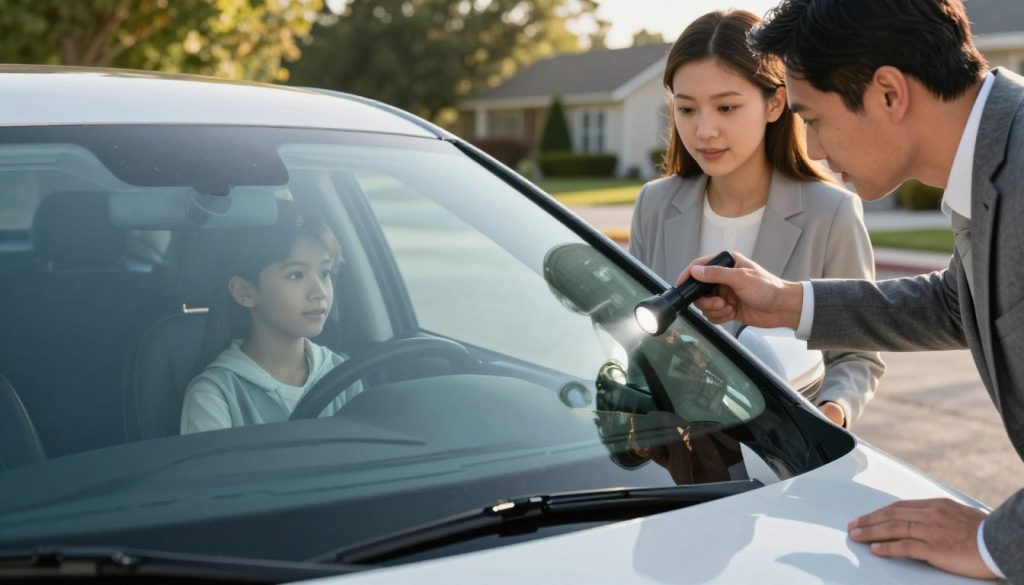
The right first car can reduce risk before your teen drivers leave the driveway. Look beyond style and price. More than half of surveyed teens used a family vehicle, while 83% of purchased cars were used. The median cost was $5,300.
Choose a model with strong crash-test results, electronic stability control, side airbags, and a useful size. Stability control has been standard since the 2012 model year. IIHS and Consumer Reports advise against high-horsepower models. Sports cars and minicars may also bring higher insurance collision claims.
Prioritize Safety Ratings, Electronic Stability Control, and Airbags
Review the car’s age, service records, tires, lights, fluids, belts, restraints, and electronic systems. Appearance matters less than sound maintenance. Follow your state rules, and ask parents to compare coverage before purchase.
Keep Cameras and Driver Assistance Sensors Properly Calibrated
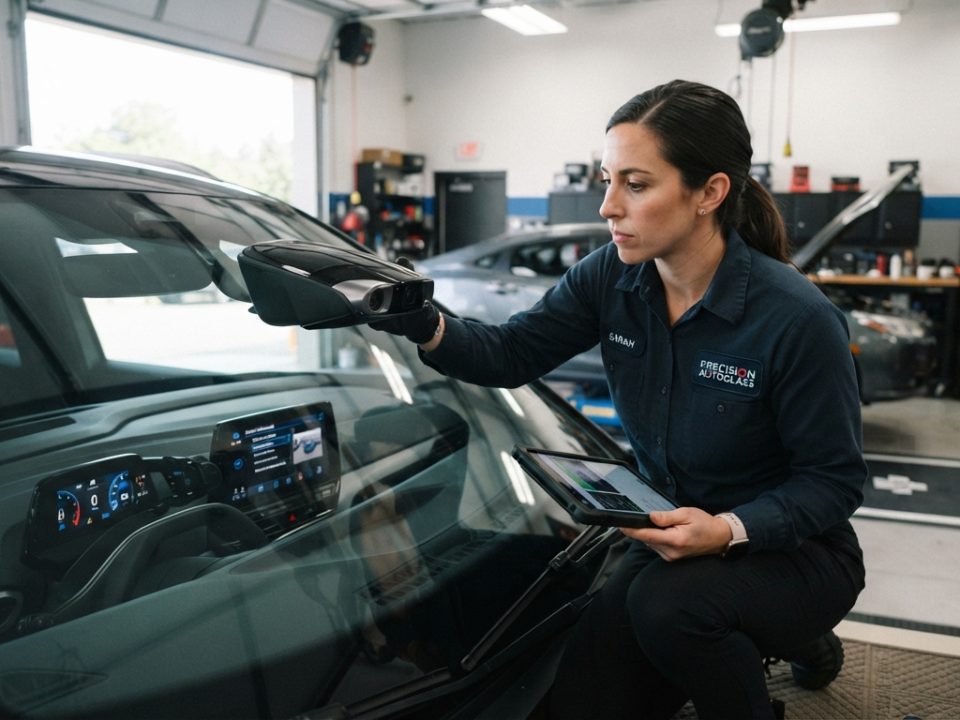
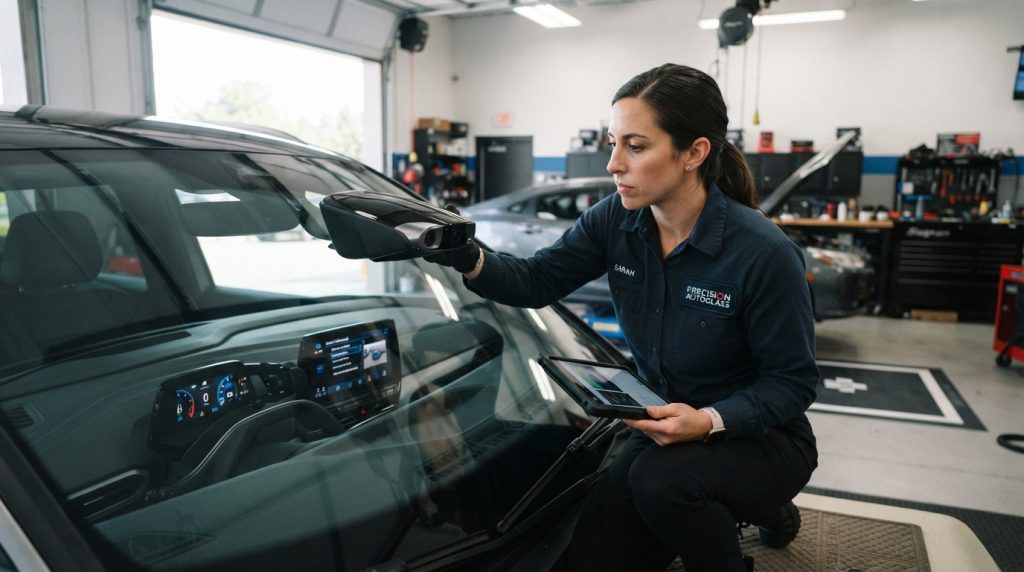
Some vehicles place cameras near the windshield. After replacement, correct positioning and calibration help the system work as designed. Hire Miracle Auto Glass for glass service that may affect cameras, sensors, visibility, or vehicle safety features.
- Inspect the glass, seat belt, tires, lights, and wheel alignment.
- Confirm that alerts and assistance features work.
- Choose dependable vehicles over flashy options.
| Feature | Why it matters | What to check |
|---|---|---|
| Stability control | Helps manage loss of traction | Model year and function |
| Airbags | Adds occupant protection | Front and side coverage |
| Camera system | Supports assistance features | Calibration after glass work |
Conclusion
Good habits behind the wheel create a stronger start for every teen driver. Clear glass, steady driving, and regular vehicle checks matter most during the highest-risk licensing period. Teenage crash deaths fell by about 50% from 1996 to 2024, yet each family still needs practical ways to prevent crashes.
Parents should combine supervised practice with seat belt rules, passenger limits, sober choices, phone controls, and state laws. Review graduated driver licensing requirements, nighttime restrictions, insurance needs, and road behavior before each license step. Ask your teen to report chips, cracks, camera concerns, or poor visibility before driving.
Keep your car ready for every trip. If glass damage affects your view or vehicle systems, hire Miracle Auto Glass to fix your windshield or other glass damage. Prompt service supports clear vision and safer travel for your family.