Polycarbonate lenses degrade from UV exposure and grime. That creates a dingy tint and softens the beam. This guide helps you see why your lights look dim and how to pick the right quick clean or full restore so you don’t waste time on the wrong method.
Before you start, test results under actual beams and stop if you find cracks, deep scratches, or water in the housing. The steps focus on lens clarity—not bulb swaps—and clearer lenses usually mean a brighter, whiter pattern on the road.
Need professional help? If visibility issues go beyond lenses—like windshield chips or haze—Miracle Auto Glass is a trusted local company that can help. Learn more in our restoration resource at Headlight Cleaning Tips.
Key Takeaways
- Clear lenses directly improve reaction time and lane control.
- UV damage and oxidation dim and yellow headlights over time.
- Choose quick cleaning for light haze; restore for heavy oxidation.
- Stop and call a pro if you see cracks, deep scratches, or moisture.
- Miracle Auto Glass can help when visibility problems extend beyond lenses.
Why clean headlights matter for night driving safety
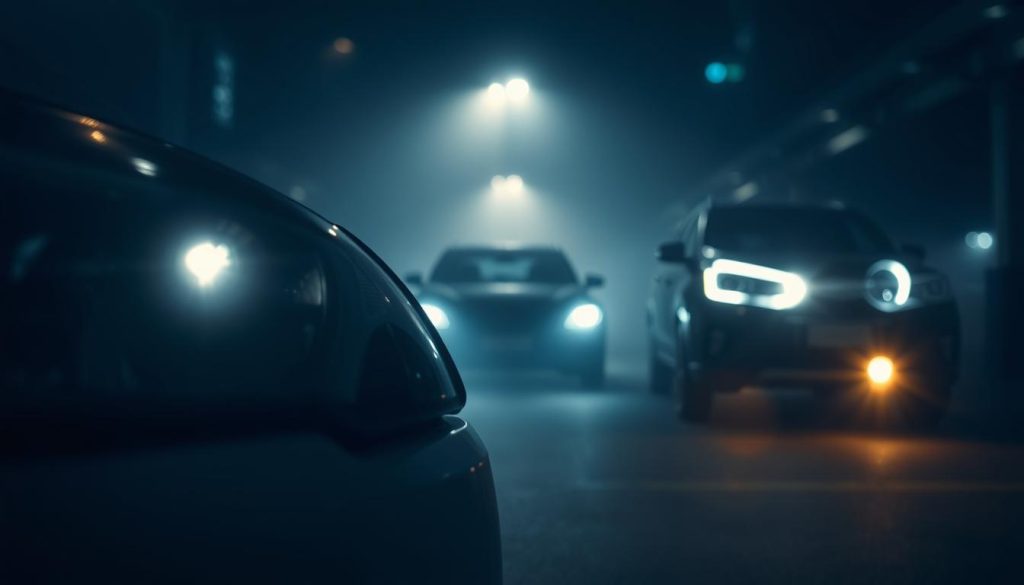
A cloudy lens turns crisp light into a dull, washed-out glow that hides hazards. Clear lenses concentrate your beam so you see farther, spot contrasts, and read signs sooner.
How foggy or yellowed lenses reduce light output and visibility
UV-degraded polycarbonate can absorb blue light and shift the beam toward yellow. That change lowers contrast and reduces usable viewing distance.
What “dim” headlights look like on the road and why it increases risk
Dim lights show weaker cutoff lines, faded lane markers, and duller road signs. You have less time to react to pedestrians or debris.
- Clear lenses focus light where you need it; cloudy lenses scatter beams and shorten sight distance.
- Yellowing signals oxidation; light passes differently and looks dingy.
- Reduced visibility means more braking time, added eye strain, and greater chance of overdriving your beam.
Practical benchmark: after restoration you should see a more even, brighter pattern on a wall test and during a short night drive.
What causes foggy headlights over time
Sun, grit, and chemicals work together to wear down the clear finish on many modern plastic lenses. Over time this process makes foggy headlights and cuts useful light output.
UV exposure and oxidation on polycarbonate plastic
Most modern lenses use polycarbonate plastic. UV rays break down the outer layer and trigger oxidation that turns the surface cloudy or yellow.
Road dirt, bugs, chemicals, and weather breaking down the outer coating
Many lenses start life with a protective coating film. Road grit, dirt, dead bugs, and harsh chemicals slowly peel or abrade that coating and expose the plastic layer beneath.
Moisture and condensation from a damaged seal
A compromised seal lets water in. You may see uniform fog, droplets, or streaks inside the lens — a sign of seal damage rather than surface haze.
- Scratches and pitting from road debris increase light scatter.
- Everyday buildup like dirt and thin chemical films can mimic oxidation and should be washed off first.
- Identifying the cause saves you time and helps you pick a wash, a restoration kit, sanding, or a seal repair.
Check your headlights before you start cleaning
Before you grab polish or sandpaper, spend a few minutes inspecting your lights in daylight.
How to tell if haze is on the outside or inside
Run a simple touch test: gently feel the outer surface. If it feels rough or filmy, the haze is likely on the surface.
Look for yellow or brown spots and uneven patches. Those usually sit on the outside. Uniform cloudiness across the lens often means internal condensation or seal issues.
How to gauge haze severity and choose the right method
Use this quick scale to pick a method:
- Light haze — quick wash and polish (15–30 minutes).
- Moderate haze — kit or light sanding (1–2 hours DIY).
- Heavy oxidation — full wet sanding and polish (1–3 hours DIY).
Choose the method that matches severity so you don’t waste time or harm the plastic.
Signs of damage like scratches, cracks, or water intrusion
Check for deep scratches, visible cracks, or droplets inside the housing. These are red flags for seal failure and potential electrical or alignment damage.
If you see standing water, structural damage, or anything that affects aim, stop DIY and get professional help to restore headlights safely.
Headlight Cleaning Tips: supplies you’ll want on hand
Before you touch a lens, collect a few basic items to get consistent, safe results.
Baseline setup: have clean water and warm water available for rinsing, a mild soap or a car wash soap, several microfiber cloths, and latex gloves to protect sensitive skin.
Why microfiber and simple tools matter
Microfiber cloths lift grime without dragging grit across the surface. That lowers the chance of scratches and gives a smoother finish.
Optional tools that help: a soft-bristled brush for circular motions and painter’s tape if you move on to sanding.
Quick DIY alternatives and safety
When you’re in a pinch, toothpaste or a baking soda paste can act as a mild abrasive to remove light haze. Use gentle pressure and rinse with warm water afterward.
Always spot-test any cleaner on an inconspicuous area and avoid aggressive scrubbing. For moderate haze or recurring yellowing, a restoration kit or a labeled headlight restoration kit usually gives longer-lasting results.
- Match the method to haze severity.
- Finish restored lenses with a protectant for best longevity.
Quick cleaning for light haze and surface dirt
Begin by wetting the lens thoroughly so loose dirt lifts away instead of being rubbed across the surface. This simple step keeps grit from scratching the plastic when you scrub.
Wash, rinse, and dry to avoid grinding grit
Do this first: rinse with water, then gently wipe away loose debris. Apply a mild soap or cleaner and work in straight strokes to lift bugs and film.
Rinse again and towel dry with a microfiber cloth. Drying prevents water spots and lets you see if haze is just surface dirt or needs more work.
Safe wiping and buffing with gentle pressure
Use a clean cloth and fold it to a fresh side often. Apply very light pressure and avoid circular scrubbing while grit remains. If a film resists, re-wet the area and repeat rather than pressing harder.
- Rule of thumb: you can do this in minutes for light haze.
- Checkpoint: turn on your headlights and aim at a wall to judge beam clarity.
How to clean foggy headlights with toothpaste or baking soda
For light surface haze, household abrasives are a safe, low-cost fix you can try today.
Make a clingy paste and let it work for a few minutes
When to use this: choose this method for light haze or early yellowing on headlight lenses. It lifts surface oxidation without heavy tools.
Mix baking soda with a little water until thick enough to cling. Add a dab of toothpaste for extra mild abrasion. Let the paste sit for 3–5 minutes but don’t let it harden on hot plastic.
Use controlled circular motions to lift oxidation
Work with a damp microfiber cloth. Use gentle, even circular motions to polish the surface. Keep pressure light so you remove haze without gouging the lens.
Rinse, dry, and verify under real beams
Rinse thoroughly with clean water, then dry with a clean microfiber cloth. For stubborn grime, try a fizzy mix of baking soda and distilled vinegar, polish lightly, and rinse well.
- Timing: paste sits for a few minutes, then polish 1–3 minutes per panel.
- Tools: soft cloth and steady hands beat aggressive scrubbing.
- Verify: test beam pattern at dusk to confirm improved glare and reach.
Using a headlight restoration kit for clearer, longer-lasting results
Using a purpose-made restoration kit gives more consistent results than household fixes. These products are formulated to remove oxidation from modern plastic and leave a smoother finish that lets light pass through.
Why restoration products work
Restoration kits use abrasives and bonding agents matched to polycarbonate. That combination removes the degraded top layer and refines the surface so your beam is less scattered.
How to apply the restorer and buff away residue
Follow a simple workflow: wash and dry the lens, apply the restorer thickly, allow the dwell time the product specifies, then work it in with the included applicator or a soft cloth.
Use even pressure and circular motions. After the set time, wipe away residue and finish with light buffing using a clean microfiber cloth.
- What you’re doing: removing the oxidized layer and smoothing the surface.
- Good results: reduced yellow tint, clearer edges, and a tighter beam pattern at night.
- Durability: a restoration kit lasts longer than toothpaste if you follow up with the included sealant.
Wet sanding and polishing for moderate to heavy oxidation
When moderate to heavy haze won’t budge with polish, wet sanding lets you remove the damaged top layer and rebuild clarity. This method is the most efficient DIY restoration for serious oxidation, but it demands patience and the right supplies.
Prep and protect the paint
Start by washing the area with a car wash soap and warm water, then dry the surrounding panels. Use painter’s tape to mask paint and trim so you avoid accidental damage while you sand.
Grit progression and sanding technique
Begin with a coarse grit only if deep defects exist (start at 400). Move up through 600, 1000, then 2000 grit, keeping each step wet. Sand in straight strokes and alternate direction with every grit so each pass removes the prior scratch pattern evenly.
Keep it lubricated and expect a milky stage
Keep the surface lubricated with water throughout so the paper doesn’t clog and you don’t carve into the plastic. A milky haze during sanding is normal; clarity returns after polishing, not during the mid-steps.
Polish, buff, and seal for lasting results
After sanding, apply a plastic polishing compound and buff with a clean pad or cloth until the optical clarity returns. Finish by applying a UV-resistant sealant in multiple thin coats (three or more) to replace the lost coating and help restore headlights stay clearer longer.
- Quick checklist: car wash, tape, grit progression, water lubrication, polishing compound, UV sealant.
- Time: expect this method to take longer than quick fixes but deliver stronger restoration results.
Prevent haze from coming back after you restore headlights
Simple daily habits are the easiest way to stop haze from coming back. Prevention is what makes your restoration worth the time and effort. UV exposure and environmental fallout restart oxidation if you leave lenses exposed.
Smart parking to slow yellowing
Park in the shade, a garage, or use a car cover when you can. These choices cut UV exposure and reduce wear on the plastic layer. Over weeks and months this slows the return of haze to your headlights.
Regular washing to avoid bonded films
Wash your vehicle on a schedule to remove dirt and road chemicals before they bond to the lens. Use mild soap and a soft cloth; harsh solvents can strip the coating and speed damage.
Maintenance cadence for protective layers
Reapply a UV-resistant sealant every few months or follow the product directions. A fresh protective coating replaces the thin layer lost during restoration and buys you more time between major work.
Quick monitoring tips: check your headlights after storms, long trips, or winter driving. Consistent care is the most practical way to avoid sanding again and keep night visibility strong year-round.
Conclusion
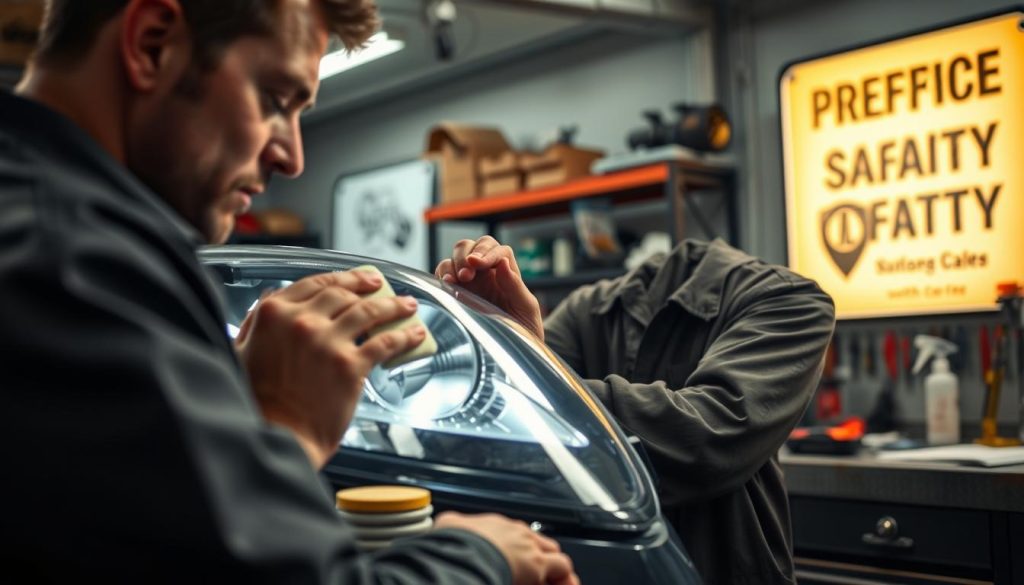
Taking the right repair path saves time and avoids needless sanding or replacement.
Start with a basic wash. Move to a mild abrasive like toothpaste or baking soda for light haze. Use a restoration kit when oxidation is stronger, and reserve wet sanding plus polish for heavy damage.
Clear lenses let you see farther and react sooner, especially on dark roads and in bad weather. Check for internal moisture or failed seals—condensation needs a different fix than surface oxidation.
Protect your results with a UV-resistant sealant and simple habits like shade parking and regular washing to slow return of haze.
When visibility issues involve more than lenses, get professional help. For glass repairs and replacement, consider Miracle Auto Glass to restore your windshield and other glass so you drive with clearer vision and more confidence. Learn about glass options in this glass replacement guide.
FAQ
How do clearer lenses improve your night driving safety?
Clear lenses increase the amount of light that reaches the road, improving contrast and reaction time. When you restore faded or foggy plastic, your beams travel farther and illuminate hazards sooner, which reduces collision risk on dark roads.
What happens when lenses become foggy or yellowed?
Foggy or yellowed lenses scatter and block light, creating dim, uneven beams. That loss of output reduces visibility at night and in poor weather, makes road signs harder to read, and shortens the distance you can see obstacles.
How can you tell if haze is on the outside or inside the lens?
Examine the lens up close after washing it. If the cloudiness wipes away with soap and water or a microfiber cloth, it’s external. If the haze remains or you see moisture trapped between layers, the issue is internal and may need professional repair or replacement.
What causes oxidation and yellowing on polycarbonate lenses?
Ultraviolet exposure breaks down the outer coating and the plastic itself, causing oxidation and a yellow cast. Road chemicals, bug splatter, and abrasive grit also wear the protective layer, accelerating the process.
Can toothpaste or baking soda restore cloudy lenses effectively?
Toothpaste and a baking soda paste can remove light surface haze in a pinch. They gently abrade oxidation and grime when used with circular motions and a microfiber cloth, but results are temporary compared with a dedicated restoration kit or wet sanding for heavier oxidation.
When should you use a headlight restoration kit instead of DIY household methods?
Choose a restoration kit when haze is moderate to heavy or when you want longer-lasting results. Kits include graded abrasives, polish, and UV sealant designed for vehicle lenses — they remove deeper oxidation and protect the plastic better than home remedies.
How do you prepare the area before wet sanding or polishing?
Wash the lens with car soap and warm water, dry it, and mask surrounding paint with painter’s tape. This prevents accidental scratches to the bumper or fender and keeps the job tidy as you progress through grit levels.
What grit sequence should you use for wet sanding moderate oxidation?
Start with a coarser wet sandpaper like 600–800 grit to remove heavy oxidation, then step down through finer grits such as 1000–2000 to smooth the surface. Alternate sanding direction between grits and keep the lens lubricated with water to avoid deep gouges.
How should you polish and seal after sanding to restore clarity?
After sanding, apply a plastic polish or rubbing compound with a buffing pad using moderate speed and light pressure. Remove residue with a microfiber cloth, then apply a UV-resistant sealant or clear coat to lock in clarity and delay re-oxidation.
How long does a headlight restoration typically last?
Duration varies by method and environment. A quality restoration with UV sealant can last 1–3 years, while household fixes like toothpaste often fade in a few months. Regular maintenance and avoiding long sun exposure extend the lifespan.
How can you prevent haze from returning after restoration?
Park in shade or a garage when possible, wash your vehicle regularly to remove road film and chemicals, and reapply a UV protectant or sealant on a maintenance schedule. These steps slow oxidation and keep lenses clearer longer.
What supplies should you have for a safe, effective quick clean?
Keep gentle car soap, warm water, microfiber cloths, gloves, and a soft-bristle brush on hand for light haze and dirt. For better results, have a restoration kit, polishing compound, and a UV protectant ready for more severe clouding.
Are there safety concerns when restoring heavily damaged or cracked lenses?
Yes. Deep cracks or water intrusion can compromise beam alignment and the housing seal. In those cases, you should replace the lens or assembly rather than attempt cosmetic restoration, since structural damage can affect lighting performance and safety.
With the right methods and materials, you can restore headlight clarity easily. This article will show you simple ways to get your headlights shining bright again. By the time you finish this guide, you’ll know how to make your car’s lights better. This will help you drive safer at night. If you have other glass problems, think about getting help from a pro like “Miracle Auto Glass” for your windshield or other glass issues.
Key Takeaways
- Restoring headlight clarity improves nighttime driving safety.
- Cloudy or yellowed headlights can reduce visibility.
- Simple techniques can help achieve crystal-clear headlights.
- Regular maintenance can prevent headlight deterioration.
- Professional services are available for other glass repairs.
Understanding the Importance of Clear Headlights
Your vehicle’s headlights play a big role in your visibility and safety. Clear headlights are not just for looks; they’re key for seeing and being seen, mainly at night or when it’s hard to see.
Why Headlight Clarity Matters
Clear headlights are vital for safe driving. They help you see the road and any dangers ahead. They also make your car more visible to others, lowering the chance of accidents. Getting clear headlights can greatly improve your safety on the road.
Nighttime Visibility and Safety
Driving at night can be tough, and foggy headlights make it worse. Clear headlights help you see and be seen better at night. This is key for avoiding people, cars, and hazards. Keeping your headlights clear makes driving safer for you and others.
The Consequences of Foggy Headlights
Foggy or damaged headlights can make driving riskier and break safety rules. They can get cloudy or yellow from UV light, weather, and debris. If not fixed, they can greatly reduce your car’s safety. Keeping your headlights in good shape is important for your safety.
If you’re worried about your headlights or need auto glass work, contact Miracle Auto Glass. They can fix your headlights and make your car safer and look better. Don’t wait; take care of your safety on the road now.
Tools and Supplies You’ll Need
For a successful headlight restoration, you need the right tools and supplies. Having everything ready will make the job easier and faster.
Required Cleaning Products
You’ll start with basic cleaning products. A mild soap or a headlight cleaning solution is key for dirt and grime removal. Microfiber cloths are vital for cleaning without scratches or residue.
- Mild soap or headlight cleaning solution
- Microfiber cloths
- Soft-bristled brush for removing debris
Essential Safety Equipment
When working on your vehicle’s headlights, safety comes first. Safety gloves and protective eyewear are essential to avoid injuries.
- Safety gloves
- Protective eyewear
Optional Items for Enhanced Results
For better results, consider extra products. A UV protection coating keeps your headlights clear by blocking UV rays. You might also use polishing compounds for scratches and a sealant for protection.
- UV protection coating
- Polishing compounds
- Sealant for added protection
With the right tools and supplies, you’re ready to restore your headlights. Proper headlight maintenance boosts your car’s look and safety.
If DIY restoration seems too hard, consider experts like Miracle Auto Glass. They can handle headlight restoration and other auto glass needs, keeping your vehicle safe and looking great.
Step-by-Step Headlight Restoration Guide
Restoring your car’s headlights can make it look better and safer. Over time, they can get dull or foggy from the weather. But, fixing them is easy.
Initial Cleaning Process
First, clean your headlights well. Start by washing them with soap and water to get rid of dirt. Use a soft cloth to avoid scratches.
Deep Cleaning: For tough dirt, mix baking soda and water to make a paste. Put the paste on the headlights and gently scrub with a soft-bristled brush. Then, rinse with clean water.

Sanding Techniques for Best Results
After cleaning, sand the headlights to remove oxidation or scratches. Start with coarse grit sandpaper (about 1000 grit) and wet sand. Then, move to finer grits (up to 3000 grit) for a smoother finish.
- Wet sanding helps prevent scratches.
- Progressing through grits ensures a smooth finish.
Polishing the Lens to Perfection
After sanding, use a headlight polishing compound to make them clear again. Attach a polishing pad to a drill for better polishing. Put the compound on the pad and polish the headlight in sections for even coverage.
| Step | Material | Tool |
|---|---|---|
| 1 | Polishing Compound | Polishing Pad & Drill |
| 2 | UV Protective Sealant | Applicator Pad |
After polishing, apply a UV protective sealant to keep the headlights safe. This step is key to keeping them clear and intact.
If you’re not sure about doing it yourself or if your headlights are badly damaged, think about getting a professional like Miracle Auto Glass to fix them.
DIY vs. Professional Restoration
Choosing between DIY and professional headlight restoration is a big decision. It affects how well and long your headlights will last.
When to Consider DIY Methods
DIY headlight restoration can save money and be fun if you have the right tools. It works well for small problems like minor fogging. But, DIY might not be as good as professional work in terms of quality and lasting results.
- Minor fogging or oxidation
- Availability of DIY kits
- Personal preference for hands-on projects
Signs You Need a Professional
For serious damage or if you’re not sure what to do, get professional help. Experts have the tools and know-how for tough jobs and offer a warranty.
Signs that indicate the need for a professional:
- Severe yellowing or damage
- Lack of confidence in DIY methods
- Desire for a long-lasting restoration
Benefits of Hiring Miracle Auto Glass
Miracle Auto Glass provides top-notch headlight restoration. They improve your car’s look and safety. Their skilled team uses the best materials and methods for lasting results.
| Benefits | Miracle Auto Glass | DIY |
|---|---|---|
| Quality of Restoration | High-quality, long-lasting | Variable, may not last |
| Expertise | Professional technicians | Dependent on individual’s skill |
| Warranty | Typically includes a warranty | No warranty |
Choosing Miracle Auto Glass means better visibility and a nicer car. For a real upgrade, go with the experts at Miracle Auto Glass.
Regular Maintenance Tips for Headlights
Keeping your headlights in good shape is easy and boosts your car’s safety and performance. Regular care extends their life and keeps them working well.
Cleaning Your Headlights Monthly
Cleaning your headlights every month makes a big difference. Use a gentle soap and a soft cloth to remove dirt. For stubborn dirt, a special headlight cleaner works well.
- Use a soft, microfiber cloth to avoid scratching the headlight lens.
- Avoid using harsh chemicals or abrasive materials that can damage the lens.
- Dry the headlights thoroughly after cleaning to prevent water spots.
Protective Coatings to Extend Life
Adding a protective coating to your headlights can make them last longer. A UV-resistant coating helps prevent damage from the sun.
Benefits of Protective Coatings:
- Reduces the risk of oxidation and yellowing.
- Protects against environmental damage.
- Eases future cleaning by creating a barrier against grime.
Inspecting for Damage
Regular checks can spot damage early. Look for cracks, chips, or wear. Fixing these problems quickly keeps your headlights working right.
By following these tips, you can keep your headlights in great shape. This improves your car’s safety and looks. For more complex problems, Miracle Auto Glass offers expert help.
Common Headlight Issues and Solutions
Many car owners face problems like oxidation, scratches, and cloudy finishes on their headlights. These issues can make your car look bad and also reduce your safety. We’ll look at these common problems and offer ways to restore headlight clarity.
Oxidation and How to Fix It
Oxidation happens when UV rays hit the headlight lens, making it hazy and yellow. To fix it, start by cleaning the headlight with a mild soap. Then, use a UV-resistant sealant or a headlight restoration kit to make it clear again. For really bad cases, you might need professional restoration services.
Scratches and Chips Repair
Scratches and chips on headlights can be fixed with a headlight restoration kit or a scratch remover. For deeper scratches, sand the area gently before polishing. Always use a UV-resistant coating after to prevent more damage.
Dealing with Cloudy Finish
A cloudy finish on headlights usually means oxidation or wear. Clean the headlight well and apply a headlight restoration product. If it’s really cloudy, you might need a stronger method or professional help for a clear finish.
Fixing these common headlight problems can greatly improve your car’s safety and look. Regular care and quick fixes are important for clear headlights. If you’re not sure what to do or if the damage is severe, get help from a pro like Miracle Auto Glass.
Enhancing Your Car’s Overall Look
Headlight restoration boosts safety and makes your car look better. Restored headlights give your vehicle a fresh, polished look. This is very noticeable at night or in dim light.
Restored Headlights and Aesthetics
Clear headlights change your car’s look a lot. They make your car’s lights work better and look better too. Here are some key benefits:
- A more modern and sleek appearance
- Improved overall vehicle symmetry
- A cleaner and more maintained look
How Headlights Affect Perceived Value
Your car’s headlights affect its value. People judge a car’s condition by its looks, including the headlights. Restored headlights can:
- Make your car seem well-kept
- Improve its curb appeal
- Potentially raise its resale value
Boosting Consumer Confidence in Your Vehicle
Clear, well-maintained headlights boost confidence in your car. This is key when selling or driving. A headlight restoration shows you care about your car.
Restoring your headlights does more than improve visibility. It shows you’re dedicated to your car’s upkeep. For professional glass repairs, consider Miracle Auto Glass.
Understanding Headlight Technology
The type of headlights on your vehicle can greatly impact your driving experience, especialy at night or in low-visibility conditions. Headlights are not just about illumination; they’re a critical safety feature. They can affect how you’re perceived on the road and how well you can see the road ahead.
Different Types of Headlights
There are several types of headlights available, each with its own set of benefits. These include:
- Halogen Headlights: Traditional and widely used, halogen headlights are relatively inexpensive but may not provide as much light as newer technologies.
- LED (Light Emitting Diode) Headlights: LEDs are energy-efficient and offer a bright, white light. They are more durable and last longer than halogen bulbs.
- Xenon/HID (High-Intensity Discharge) Headlights: These headlights produce a very bright light and are known for their longevity. They can be more expensive to replace but offer superior illumination.
- Laser Headlights: The latest technology, laser headlights provide intense illumination and are highly efficient. They are typically found on high-end vehicles.
How Age Affects Performance
Over time, headlights can deteriorate due to exposure to the elements, road debris, and oxidation. This can lead to a decrease in their effectiveness. Regular headlight maintenance is key to maintain their performance and ensure your safety on the road.
Upgrades to Consider
If your vehicle’s headlights are old or not performing well, you might consider upgrading to a newer technology. For instance, switching from halogen to LED headlights can significantly improve visibility. But, it’s essential to check compatibility with your vehicle’s make and model before making any upgrades.
Understanding your headlight technology and maintaining it properly can greatly enhance your driving experience. For any headlight restoration or replacement needs, consider reaching out to professionals like Miracle Auto Glass. They can ensure your vehicle’s safety features are in top condition.
Eco-Friendly Headlight Restoration Options
Restore your headlights’ shine without harming the planet. These tips help you make your car look good and stay safe. It’s important to think about how your choices affect the environment.

Green Cleaning Products
Choosing green cleaning products is a big step towards saving the planet. These products don’t have harsh chemicals. They’re safer for you and the environment. Look for products that are biodegradable and non-toxic.
Waste Management Best Practices
It’s key to manage waste properly when fixing your headlights. Dispose of materials like sandpaper and rags in an eco-friendly way. Try to recycle when you can.
Sustainable Headlight Care
Good care for your headlights helps them last longer. Use eco-friendly cleaners and protective coatings. This way, you won’t need to fix them as often.
Going green with your headlight care makes your car look better and stay safe. It also helps the planet. For top-notch auto glass services, including headlight fixes, contact Miracle Auto Glass. They focus on quality, customer happiness, and being green.
The Role of Miracle Auto Glass
For a visibility upgrade that makes a difference, look no further than Miracle Auto Glass. They are committed to excellence and customer satisfaction. Miracle Auto Glass is your go-to solution for all your headlight restoration needs.
Expert Services Offered
Miracle Auto Glass offers a wide range of services to restore your vehicle’s headlights. They clean, sand, and polish using advanced equipment. Their expert technicians ensure a flawless finish.
- Advanced headlight restoration techniques
- State-of-the-art equipment for optimal results
- Expert technicians with years of experience
Customer Testimonials
Don’t just take our word for it! Here’s what some of our satisfied customers have to say about Miracle Auto Glass:
- “Miracle Auto Glass did an amazing job restoring my headlights. The service was quick, and the results are fantastic!” – Rachel, CA
- “I was impressed with the professionalism and quality of work. My car’s visibility has never been better!” – Mark, NY
Contact Information to Get Started
Ready to experience the difference a visibility upgrade can make? Contact Miracle Auto Glass today to schedule your appointment. You can reach them by phone, email, or through their user-friendly website.
| Contact Method | Details |
|---|---|
| Phone | 1-800-MIRACLE |
| info@miracleautoglass.com | |
| Website | www.miracleautoglass.com |
At Miracle Auto Glass, your safety and satisfaction are their top priorities. Trust them to provide you with a visibility upgrade that enhances your driving experience.
Call to Action
Now that you know how important clear headlights are, it’s time to act. Keeping your headlights in good shape is key for your safety on the road.
Schedule Your Headlight Restoration Today
If your headlights are damaged or foggy, don’t wait. Contact Miracle Auto Glass to book your headlight restoration. Their experts will make your headlights shine like new.
Your Safety is Just a Click Away
At Miracle Auto Glass, your safety is their main focus. By choosing them for your auto glass needs, you’re not just improving your car’s look. You’re also making sure your headlights work right.
Don’t wait any longer. Visit their website or call them today to set up your appointment. With Miracle Auto Glass, you can be sure your car is in safe hands.
FAQ
What is headlight restoration, and why is it necessary?
Headlight restoration makes your car’s headlights clear again. This improves your night vision and safety. It’s needed because foggy or damaged headlights can make it hard to see the road.
How often should I clean my headlights to maintain their clarity?
Clean your headlights every month to keep them clear. This stops dirt and grime from building up. Regular cleaning is key to keeping your headlights in good shape.
Can I restore my headlights myself, or do I need professional help?
You can try to fix your headlights yourself with DIY methods. But, if the damage is big or you’re not sure what to do, get help from a pro like Miracle Auto Glass.
What are the benefits of hiring a professional for headlight restoration?
A pro can give your headlights a top-notch finish and make them safer. It might also save you money in the long run. Experts have the right tools and know-how for the best results.
How can I protect my headlights from future damage?
To keep your headlights safe, use a protective coating and check them often for damage. Avoid harsh chemicals and rough cleaners that can scratch the lens. Keeping up with maintenance helps your headlights last longer.
Are there eco-friendly options available for headlight restoration?
Yes, there are green cleaning products and sustainable care methods for headlight restoration. You can also recycle or dispose of materials properly.
How does headlight restoration impact my car’s overall appearance?
Restoring your headlights makes your car look newer and better cared for. Clear headlights also make your car seem more valuable.
Can I upgrade my headlights as part of the restoration process?
Yes, you can upgrade your headlights to newer or different types, like LED or HID. This can make your headlights look and work better.
Keeping your headlights in good shape is not just safe. It’s also the law in many places. We’ll talk about why clear headlights are important, what makes them dull, and how to fix them.
By following our tips, you can make your headlights shine brighter. This will help you see better on the road. We’ll look at both professional services and DIY methods, like using kits, to help you choose.
Key Takeaways
- Regular headlight maintenance can improve visibility by as much as 100%, making night driving significantly safer.
- Professional headlight restoration services can restore headlights to near-original clarity, improving light output by over 80%.
- Commercial headlight restoration kits can yield results comparable to professional services, with a reported 75% satisfaction rate among users.
- Headlight restoration kits typically cost less than $25 and can restore headlight brightness for approximately one year.
- Regular cleaning and maintenance can help prevent headlight degradation and reduce the risk of accidents.
- UV exposure, particular in sunny or hot states, can significantly affect headlight brightness.
Why Clear Headlights Are Crucial for Your Safety
At Miracle Auto Glass, we know clear headlights are key for safety and following the law. They help us see better at night or when it’s hard to see. They also make our car more visible to others.
Studies show deteriorated headlights can cut light by nearly 80 percent compared to new ones. This big drop in light can make it hard to see and be seen. 50 percent of crashes happen at night, showing how important good headlights are.
Keeping headlights in good shape helps us follow the law and stay safe. Regular checks can make headlights last longer and work better. This is vital for improve night visibility and car safety.
To keep headlights working well, we need to know what harms them. Things like UV rays, being near the ocean, weather, and how old the car is matter. By taking care of our headlights, we can avoid accidents and stay safe.
Common Signs of Headlight Deterioration
Driving exposes our headlights to many things that can make them worse. Over time, this can cause foggy headlights. This makes it hard to see at night. We need to know when our headlights are getting bad.
Headlights can start to get worse after 3 to 5 years. This is because of sunlight and air pollution. When they turn yellow or cloudy, they only shine 22% as bright as new ones. This can make driving at night much riskier.
Some signs that your headlights are getting worse include:
- Fogging or clouding of the headlight lens
- Yellowing of the plastic
- Reduced light output
Seeing these signs early helps us fix our headlights. We can do it ourselves or get help from places like Miracle Auto Glasst.
Keeping our headlights in good shape is key to safe driving. By fixing our headlights, we make sure our cars are safe. This helps prevent accidents, too.
Understanding What Causes Foggy Headlights
Driving with foggy headlights is really frustrating. It makes it hard to see on the road. To fix this, we need to know why headlights get foggy. Miracle Auto Glasst says keeping them clean is key.
UV damage, weather, and getting old are the main reasons. The sun, rain, and road can make headlights hard to see at night. Acrylic headlights oxidize from UV light, turning yellow. Flying debris can scratch them, making them look cloudy. Dirt and chemicals can also dim the light after years.
Some main reasons for foggy headlights are:
- UV damage and oxidation
- Environmental factors, like road salt and extreme temperatures
- Headlights getting old and worn out
Knowing these reasons helps us prevent foggy headlights. We can use UV protectants or get headlight repair done. Washing headlights every three months is also good.

Fixing foggy headlights is important for our safety. By following car maintenance tips and getting headlight repair, we keep our headlights clear. This makes driving safer and better.
Professional Headlight Restoration Services: What to Expect
Keeping your car safe and looking good is key. Headlight restoration services are very important. At Miracle Auto Glasst, we fix headlights to make them shine like new.
We first check your headlights to see how bad they are. Then, we clean, fix, or replace parts with special tools and methods.
This might mean polishing the lens, swapping out the bulb, or adding a UV shield. Our service makes your headlights bright again. This makes driving safer and your car look better.
Our services have many benefits. For example:
- They make driving at night safer and clearer.
- They make your car look better, which might raise its value.
- They are cheaper than buying new headlights.
- They are quick, taking from 30 minutes to 2 hours.
With our help, your headlights will be fixed right. We use the newest methods and tools. Don’t wait. Call us to find out more about our services and how we can help you stay safe.
DIY Headlight Cleaning Methods and Their Effectiveness
We know how important clear headlights are for safe driving. At Miracle Auto Glasst, we support DIY efforts for small problems. There are many DIY headlight cleaning methods that work well.
Regular headlight maintenance helps stop fogging and yellowing. These problems can make driving unsafe.
Popular DIY methods include toothpaste, baking soda, or commercial kits. These can help with DIY headlight cleaning for small issues. Cleaning with toothpaste can make headlights clear again. It’s best to spend about five minutes per headlight for the best results.
- A mix of two parts distilled white vinegar to one part baking soda is good for foggy headlights.
- Ammonia-free window cleaners work as well as those with ammonia.
- Keeping headlights clean can save a lot of money compared to professional services.
While DIY methods work, serious damage needs a pro. At Miracle Auto Glasst, we handle tough cases. We’re here to help with any headlight needs.
Preventing Future Headlight Damage
We at Miracle Auto Glasst tell you how to keep your headlights safe. Taking care of them regularly can stop damage. This way, you won’t need to fix them often and they’ll stay bright.
To prevent headlight damage, use a UV protectant on the lens. This stops sun damage. Also, park in the shade or use a cover to block UV rays. Stay away from very hot or cold places and don’t hit your headlights.
Here are some car care tips for your headlights:
- Regularly clean your headlights to remove dirt and grime
- Inspect your headlights every six months to determine if restoration is needed
- Apply a UV protectant regularly to maintain headlight brightness
- Avoid using harsh chemicals and abrasive materials that can damage your headlights
By following these tips, your headlights will last longer. They’ll stay bright and work well. Remember, taking care of them is important to prevent headlight damage and keep you safe.
The Cost Benefits of Regular Headlight Maintenance
Clear headlights are key for safe driving. Regular maintenance saves money in the long run. It stops the need for early replacements, which cost a lot.
Headlight restoration costs $50 to $150 per headlight. This is much cheaper than buying new ones. The cost depends on how damaged the headlights are. Minor fogging is cheap to fix, but deep scratches cost more.
- Restoration is a cost-effective solution, with costs ranging from $50 to $150 per headlight
- Replacement can cost several hundred dollars per headlight
- Regular maintenance can extend the clarity and lifespan of restored headlights
Regular headlight maintenance cost saves money and keeps you safe. Clear headlights also make your car more valuable. They help avoid accidents and save the environment.
When to Choose Professional Restoration Over DIY Solutions
When thinking about headlight care, it’s key to compare DIY and professional help. DIY fixes work for small problems. But, big damage needs a pro’s skills and tools.
Check how bad the damage is to decide what to do. If your headlights are foggy, cracked, or damaged by UV, a pro might be needed. Professional headlight restoration services, like Miracle Auto Glasst, can fix complex issues. They make sure your headlights work well and safely.
Severity Assessment Guide
- Cloudy or yellowed headlights can reduce visibility by up to 80%
- Cracks or significant UV damage may require professional attention
- Faded headlights can reduce the amount of light emitted, compromising visibility and safety
Professional Equipment Benefits
Pros use special tools and products for headlight fixes. They give lasting results. Plus, they add UV protection to keep your headlights looking good for longer.
In short, DIY is good for small problems. But, for big damage, you need a pro. Knowing the limits of DIY and the perks of pro tools helps you choose the right headlight care.
Safety Standards and Regulations for Headlight Clarity
At Miracle Auto Glasst, we stress the need to follow headlight safety standards and regulatory compliance. This ensures all cars on the road are safe. These rules cover things like how bright headlights are, their shape, and how clear they are.
Following these rules is not just a law. It’s also key for safety. It makes sure drivers can see well and are seen by others. This helps make driving safer for everyone.
Important things to know about headlight safety standards and rules include:
- Headlights must be bright enough to see
- They can’t be too bright to avoid glare
- Keeping headlights in good shape is important for safety

By focusing on headlight safety standards and regulatory compliance, we can all help make roads safer. At Miracle Auto Glasst, we help car owners meet these standards with our headlight services.
Conclusion: Maintaining Your Vehicle’s Safety with Clear Headlights
At Miracle Auto Glass, we think keeping headlights clean is key for safety. Clear and bright headlights help us see better on the road. This makes driving safer for everyone.
Many accidents happen at night, even though there are fewer cars. Good headlights help you see and be seen by others. This makes driving safer for everyone.
Clear headlights are not just for looks. They are also the law in many places. Keeping them clean helps avoid fines and keeps your car safe to drive.
FAQ
What are the common issues that affect headlight clarity?
Fogging or clouding of the headlight lens is common. So is yellowing of the plastic. A drop in light output is also seen. These problems come from UV rays, road debris, and old materials.
How can I restore my foggy headlights?
For small fog or yellowing, try DIY cleaning. Use toothpaste or baking soda. But for big damage, get a pro to fix your headlights.
What are the key steps in professional headlight restoration?
First, pros check your headlights. Then, they clean, polish, and apply UV protectants. This makes your headlights clear and lasts long.
How can I prevent future headlight damage?
Use UV protectants and park in the shade. Avoid extreme weather and physical harm. Clean and check your headlights often.
What are the legal requirements for headlight clarity in my area?
Laws set safety standards for headlights. They make sure all cars are safe on the road. Follow these rules to keep your car safe and legal.