
Does Insurance Cover Windshield Repair in Texas

How to Stop a Windshield Crack From Spreading

Have you ever wondered whether your next windshield replacement will affect how your car drives or protects you?
This choice matters more than you think. Miracle Auto Glass helps you compare parts and features so you don’t guess. The original supplier part is built to factory specs, while other makers produce parts to industry standards. The right pick depends on your vehicle’s features and how much you care about fit, clarity, and cabin noise.
Before you schedule a replacement, learn what you’re buying. Your windshield is not “just glass.” The correct part and a precise installation affect safety, camera calibration, and long-term ownership costs.
By the end of this guide you’ll see differences in fit, features, clarity, noise, and cost. Both options can be safe, but the best decision matches your vehicle’s equipment and calibration needs. When you’re ready, hire Miracle Auto Glass for reliable windshield or other glass damage service.
Key Takeaways
- Understand what each part type actually means before you buy.
- Fit, optics, and cabin noise can differ and affect daily driving.
- Camera and sensor calibration matters for feature-heavy vehicles.
- Both choices can be safe; match the part to your vehicle equipment.
- Miracle Auto Glass can help compare brands and ensure a correct install.
Why Your Windshield Choice Matters for Safety, Visibility, and Comfort
Your choice of windshield affects more than appearance—it changes safety, comfort, and daily visibility.
How it supports the cabin:
How your windshield supports structural integrity and airbag performance
The windshield helps hold the roof in a crash and gives airbags a firm surface to push against. Proper fit and a correct seal are key to real-world safety, beyond simply meeting baseline safety standards in the U.S.
Visibility, optical clarity, and distortion you may notice day to day
Even small optical flaws in the glass can cause eye strain, waviness at the edges, or slight bending of lines. These problems show up at night, in rain, or when oncoming headlights glare into your view.
Road noise, UV protection, and keeping your vehicle’s original look
Higher quality windshields often reduce wind noise and block more UV rays. They also help keep the original fit and finish of your car, which can lower leaks and future repair costs.
- Safety: structural support and airbag performance.
- Visibility: clear optics reduce strain and improve confidence.
- Comfort: less road noise, better UV blocking, and a factory look.
| Feature | High Quality | Baseline Standard | Common Issues |
|---|---|---|---|
| Structural support | Strong seal and fit | Meets safety standards | Improper fit can weaken crash performance |
| Optical clarity | True-to-life view in poor weather | Acceptable clarity at normal distances | Waviness, glare, eye strain |
| Comfort & finish | Lower road noise, UV block | Basic tint and seal | Whistle, leaks, higher upkeep |
For a personalized check, Miracle Auto Glass can evaluate your current windshield and recommend the right approach. See a detailed comparison and get help choosing the best solution for your vehicle.
OEM Auto Glass vs Aftermarket Auto Glass: What Each One Means
Choosing the right replacement starts with knowing who made the part and how closely it matches factory fit.
Original equipment manufacturer products are built to the same design and specs used when your vehicle left the factory. That means the part often comes from the same equipment manufacturer or an approved supplier and aims to match curvature, frit patterns, and sensor mounts exactly.
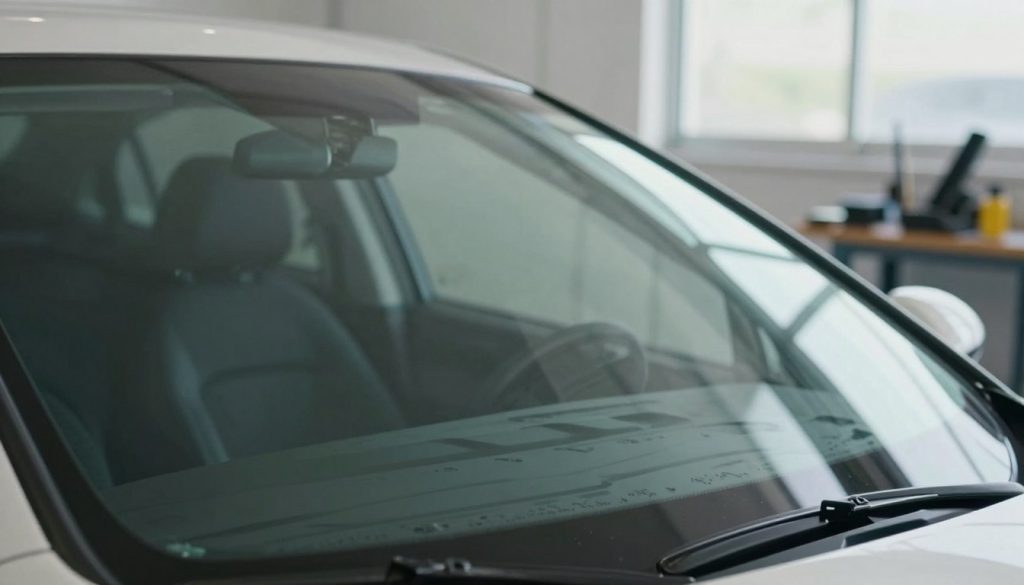
Aftermarket glass is made by third-party manufacturers to industry standards. Quality and fit can vary by maker. Reputable aftermarket options can perform well, but some labels are less consistent and carry more risk for fit and calibration.
- Simple definition: original equipment manufacturer = factory-match design.
- Supplier note: many oem glass pieces come from the original supplier.
- Aftermarket summary: meets standards but may differ in small details.
Miracle Auto Glass can inspect your vehicle, confirm part type, and advise which will best protect your features and restore proper function.
Key Differences in Fit, Features, and Real-World Driving Experience
A precise fit changes noise, optics, and sensor alignment more than you might expect.
Exact fit and finish matters. Curvature that sits flush, frit patterns that align, and a proper seal all reduce leaks and wind noise. Tiny seating changes can alter how the adhesive bead performs over time.
Feature matching separates good parts from problematic ones. Camera brackets, rain sensors, tint bands, and HUD zones must line up with your vehicle’s original layout. If they don’t, calibration can fail or systems can misread.
You may notice differences quickly. Subtle distortion, a faint whistle at highway speeds, or wiper chatter make daily driving irritating. High-quality brands tend to avoid these issues; bargain mystery labels are a gamble.
- Curvature and frit alignment reduce leaks and optical distortions.
- Proper brackets and sensor holes ensure successful calibration.
- Consistent brand parts give predictable fit and ride feel.
| Area | What to look for | Real-world impact |
|---|---|---|
| Fit & finish | Curvature match, frit pattern, seal quality | Less noise, fewer leaks, consistent seal life |
| Feature match | Camera brackets, sensor openings, HUD zones | Reliable ADAS performance and sensor calibration |
| Brand consistency | Proven parts from known suppliers | Predictable optics and fewer fit issues |
Practical tip: Miracle Auto Glass can identify the exact brand and part so your replacement isn’t a blind purchase. Choose a vetted option for the best mix of quality and value.
Safety Standards, ADAS, and Calibration After Windshield Replacement
Replacing a windshield affects more than fit—it can change how your vehicle’s safety systems see the road.
What “meets safety standards” really means.
All legal windshields meet federal safety standards, but that only guarantees baseline compliance. It does not promise identical fit, optics, or bracket placement across every option.
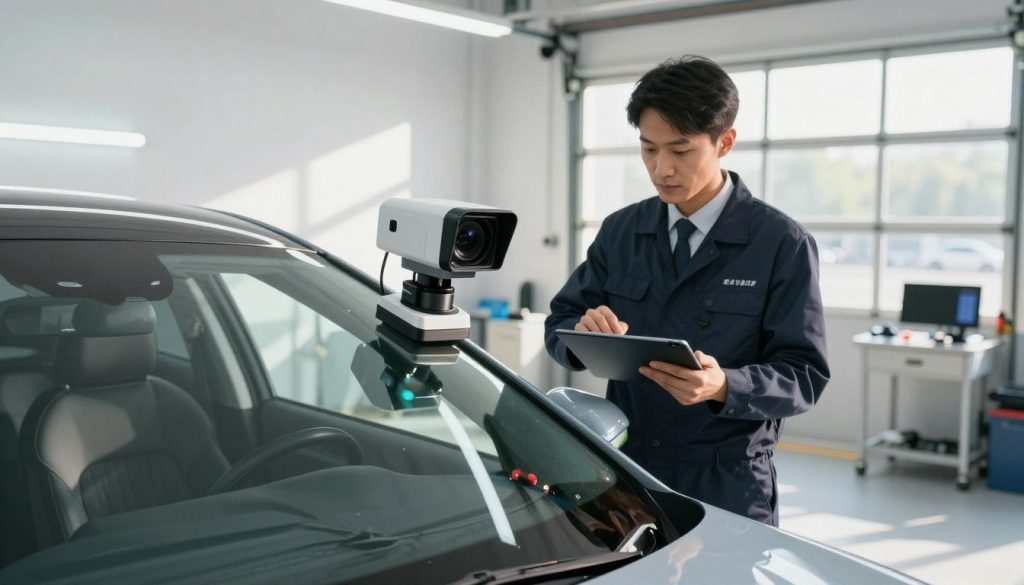
Why ADAS calibration is non-negotiable
Modern vehicles use forward cameras and sensors mounted behind the windshield. After a windshield replacement those systems often need calibration to work correctly.
This is not an optional upsell. Calibration keeps lane-keep, automatic braking, and adaptive cruise functioning as designed.
Types of calibration and why the shop’s process matters
Calibration can be static, dynamic, or both. Static work uses targets and set distances. Dynamic work requires road testing and verified conditions.
The accuracy of both methods depends on correct bracket alignment and on the optical clarity of the installed pane.
Bracket alignment, clarity, and model sensitivity
Misaligned brackets or slight optical distortion can make calibration fail or produce false warnings. Some models are very picky about which parts let sensors read correctly.
- Key point: “Meets standards” ≠ identical performance.
- Key point: ADAS calibration is required for many vehicles.
- Key point: Proper bracket fit and clear optics improve calibration success.
Make the right choice: pick a windshield that matches your vehicle’s equipment and plan calibration together with the replacement. Miracle Auto Glass coordinates the replacement and calibration so you leave with working driver-assist features and no warning lights.
Cost, Insurance Coverage, Warranty, and Resale Value Considerations
Price and warranty details can change the real cost of a replacement more than the sticker price.
Set realistic expectations. OEM windshields typically carry a higher cost because they match factory specs and have tighter quality control. That premium is often worth it for newer vehicles or models with many driver-assist features.
Third-party options usually lower your out-of-pocket spend and help when you work with a tight budget. Quality and warranty terms vary, so choose a vetted brand and installer.
How insurance and warranty shape your choice
Insurance coverage varies. Some policies cover factory-match parts; others favor lower-cost options. Deductibles and limits affect which route saves you money.
Warranty matters. Factory parts often include clearer warranty support. Third-party warranties differ by brand and by installer—ask for written terms.
| Factor | Factory-match | Third-party | When to choose |
|---|---|---|---|
| Typical cost | Higher | Lower | Newer cars or premium trims |
| Warranty | Clear, consistent | Varies by brand | Ask for written coverage |
| Resale impact | Better for value | May lower buyer confidence | Keep factory parts for resale |
Practical tip: Miracle Auto Glass can review your insurance coverage, explain warranty differences, and help pick the best-value option for your vehicle and budget. That way you choose confidently instead of defaulting to the cheapest part.
Conclusion
Start your replacement by confirming the part and the plan for calibration and warranty.
Core difference: an oem windshield matches factory specs for the most predictable fit and feature alignment, while a reputable aftermarket option can save money when you pick a trusted brand.
Your best decision depends on your vehicle, your sensitivity to optics or road noise, and whether sensors require precise calibration.
Non-negotiables: correct part selection, expert installation, and a calibration plan when cameras or sensors are involved.
Before you approve work, confirm brand and part number, confirm feature match (HUD, sensors, acoustic layer), confirm calibration steps, and get warranty terms in writing.
Next step: hire Miracle Auto Glass for a clean, reliable windshield replacement or any other repair and leave with systems working and a written warranty.