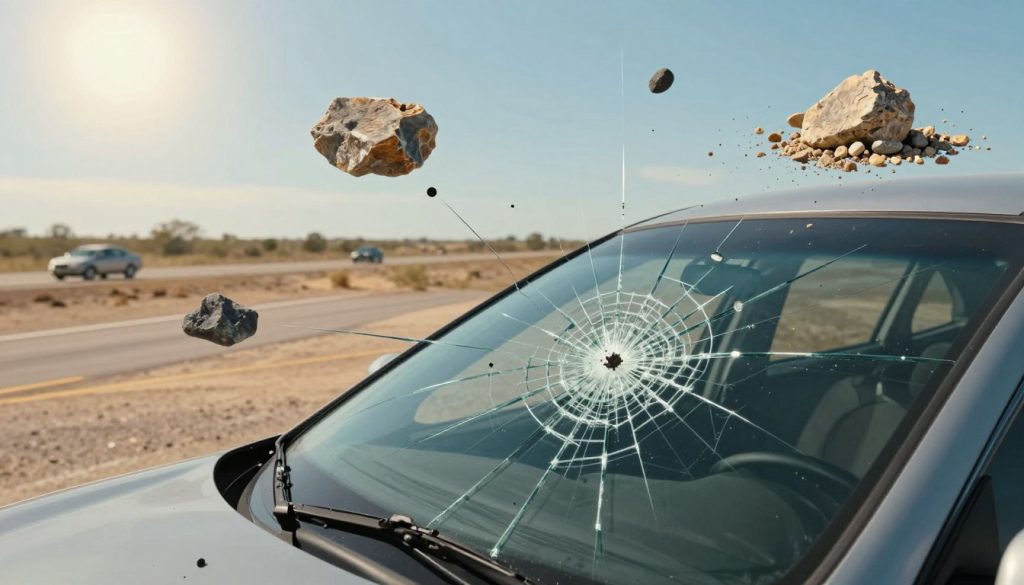
What to Do After a Rock Chip Hits Your Windshield

Protecting Auto Glass from San Antonio Summer Heat
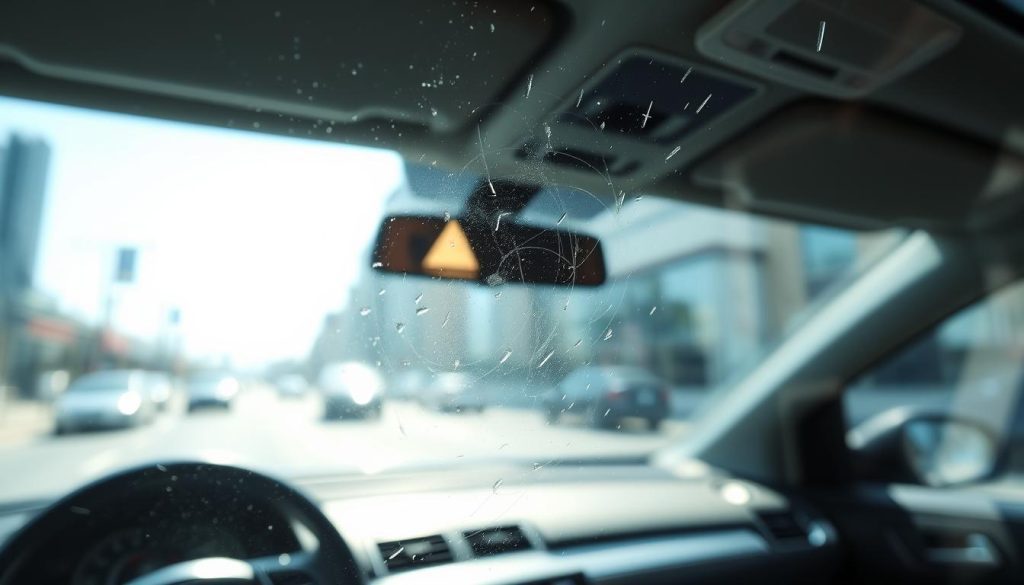
Your windshield does far more than block wind. In a crash, this laminated glass helps keep shards together, supports roof strength, and helps airbags deploy the way they were designed.
You rely on these windshield safety features to protect you and your passengers. The layered construction resists shattering and stays bonded to the frame so the cabin stays intact.
Modern vehicles also house sensors and cameras in the glass. Those components power driver assists and require proper alignment after any repair or replacement.
Throughout this guide you will learn how the glass resists breakage, stays bonded, supports airbags, and preserves visibility. You’ll also see why prompt repairs, OEM-quality work, and sensor calibration matter.
When in doubt, contact a trusted local pro like Miracle Auto Glass to evaluate damage and plan a safe fix. For a practical checklist after a crash, see this guide on post-accident damage assessment: post-accident auto glass damage.
Key Takeaways
- The laminated construction keeps broken pieces together and preserves interior integrity.
- A properly installed unit supports airbags and roof strength during a crash.
- Damage can affect cameras and sensors; calibration may be needed after replacement.
- Address chips and cracks early to avoid larger repairs or replacement.
- Choose qualified auto glass repair and OEM parts for reliable protection.
- Call Miracle Auto Glass to inspect damage and restore proper protection.
Why Your Windshield Is a Critical Part of Vehicle Safety
That pane of laminated glass in front of you works as both a daily shield and a crash-ready component. On the road it blocks wind, rain, dust, insects, and small rocks so you can keep clear visibility while driving.
Everyday protection links directly to crash performance. The same barrier that stops debris also helps keep objects—and people—from passing through the glass during a collision.
How your windshield protects you from wind, debris, and road hazards
The front glass acts as the first line of defense on US roads. It keeps air and particles out of the cabin so the driver can focus on driving.
Why windshield integrity matters for occupants and passengers in a collision
Even small chips and cracks weaken structural integrity. Damaged glass can change how the unit behaves under load in rollovers or head-on crashes.
- Who’s protected: you as the driver plus front-seat occupants and other passengers.
- Engineering assumption: modern vehicles count on intact, properly bonded glass for full vehicle safety performance.
- Next up: the article will explain laminated glass behavior and the windshield’s structural role in crashes.
Windshield Safety Features Built Into Laminated Glass
Laminated glass uses layered engineering to manage crash forces and protect vehicle occupants.
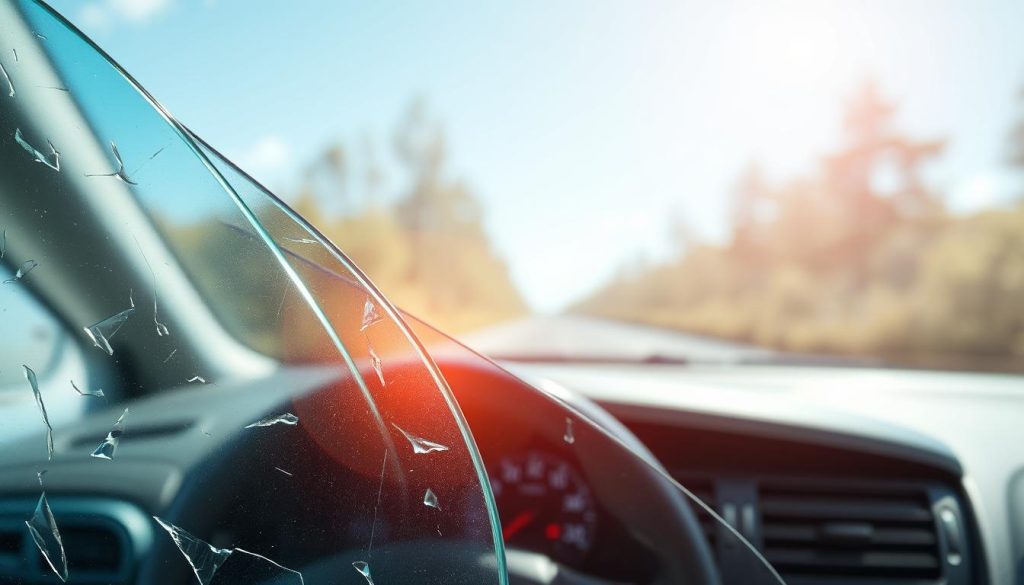
Triple-layer construction explained
The assembly has three parts: outer glass, a PVB plastic interlayer, and inner glass. The outer glass gives rigidity and resists road debris.
The PVB layer adds flexibility and keeps broken pieces together. The inner glass reinforces the whole unit for added durability.
What the PVB layer does during impact
PVB holds fractured panes in place. When the outer layer cracks, the interlayer adheres to shards so jagged pieces do not fly into the cabin.
High-impact performance and passenger protection
Glass designed for crashes is meant to crack yet remain a barrier. The goal is not unbreakable glass but a bonded unit that limits ejection and intrusion.
That technology manages energy and helps keep you and other passengers separated from external hazards. If your glass is damaged, those engineered behaviors may be compromised, so have it checked promptly.
- Key benefits: layered retention, controlled cracking, and continued barrier performance.
How Your Windshield Absorbs and Distributes Crash Forces
In a front-end crash the glass assembly is designed to take and spread impact so the cabin stays intact.
Impact force absorption that reduces intrusion into the cabin
The laminated unit absorbs some of the collision energy instead of giving way all at once. This behavior prevents a single hit from punching straight through and sending debris into the passenger area.
When the pane stays bonded, it acts as a barrier that keeps external objects and forces outside the cabin and away from occupants.
How layered glass spreads force to lower injury risk
Layers in the assembly share loads across a wider area. That spreading limits concentrated stress and cuts the chance of a dangerous break pattern forming at one spot.
Less intrusion and wider force distribution reduce the risk of head and face injuries during an impact. A crack or chip can change that behavior, so visible damage is more than cosmetic.
- Force travel: energy moves into the layered unit, not straight inside.
- Intrusion control: bonded glass limits cabin penetration.
- Damage sign: cracks alter how forces spread in the next collision.
The glass also helps the rest of the vehicle hold shape, so proper repair preserves overall crash performance.
How Your Windshield Supports the Roof and Vehicle Structure in a Rollover
The front glass anchors the roofline and helps keep the passenger compartment intact during a rollover.
The glass as a structural element
The windshield helps the roof and pillars resist deformation so the cabin acts like a protective cage.
This support reduces crushing and limits intrusion into the occupant area.
Why roof strength matters for vehicle safety
When a vehicle rotates, loads transfer to the roof. A strong roof keeps the space around you from collapsing.
That preserved space reduces the chance of serious head and torso injuries in a rollover.
Bonding, integrity, and correct installation
Modern bonding methods tightly adhere glass to the frame. The adhesive is part of the engineered system, not just a seal.
If the glass is compromised or the installation is poor, the structure may lose critical support and change rollover outcomes.
- Check integrity: repair chips and cracks promptly to keep structural performance.
- Choose proper installation: correct installation techniques preserve roof strength and vehicle safety.
- Next: learn how the glass and airbags work together during deployment.
How Your Windshield Helps Airbags Protect You
The rapid burst of an airbag needs a firm surface nearby to stop and shape its deployment for effective coverage.
Why airbags rely on a backstop during deployment
Airbags inflate in milliseconds. When they expand, they often press against the front glass to form a predictable cushion in front of you.
This backstop role helps the bag stay positioned so it can absorb impact energy and protect heads and chests of front-seat passengers.
How glass damage can change airbag direction and protection
Cracks and chips create weak spots. Those breaks can make the glass flex, crack, or separate instead of holding firm.
If the glass fails, an airbag may deflect or underperform, reducing protection for you and other passengers.
When small damage turns into a bigger risk
Deployment happens in a fraction of a second, so the front pane must behave correctly at the exact moment of impact.
Even minor chips can spread from temperature shifts or vibration and become a critical risk in the next crash.
- Quick action: any crack near the edge or in your line of sight deserves prompt professional evaluation.
- Real risk: damaged glass can alter airbag timing and direction, increasing injury potential.
- Recommendation: prioritize inspection and repair so your vehicle’s occupant protection performs as designed.
How Your Windshield Powers Visibility and Advanced Safety Systems
The glass in front of you now carries cameras and sensors that help spot hazards and trigger braking long before you react. These systems depend on optical clarity and correct alignment to perform reliably.
Clear visibility, glare control, and UV protection
Optical clarity improves hazard recognition at night, in rain, and when sun rays hit the road. Clear glass reduces glare and filters harmful UV rays to lower eye strain and keep your view usable.
Weather-ready glass technology
Many vehicles include rain-sensing links to wipers, embedded heating elements for ice and condensation, and water-repellent coatings that make rain bead and roll away. These small aids keep visibility high when conditions change.
ADAS cameras and sensors
Mounted sensors and cameras enable lane departure warning, forward collision warning, and automatic emergency braking. When these systems have accurate input from the glass area, they can detect lanes, vehicles, and obstacles sooner.
Calibration and how to know if systems are off
Calibration is a precision alignment process after a replacement or some repairs. Even slight misalignment can lead to false warnings, shifted lane-centering, or altered braking performance.
- Signs of trouble: persistent dashboard warnings, frequent false alerts, or braking that feels early or delayed.
- Action: request ADAS calibration after replacement so your sensors and cameras restore proper performance.
How to Protect Your Windshield Safety After Damage or Replacement
Small visual changes can signal big problems in your vehicle’s front glass. Inspect often after any impact or service so you spot early signs before they affect performance.
Spotting weakening glass
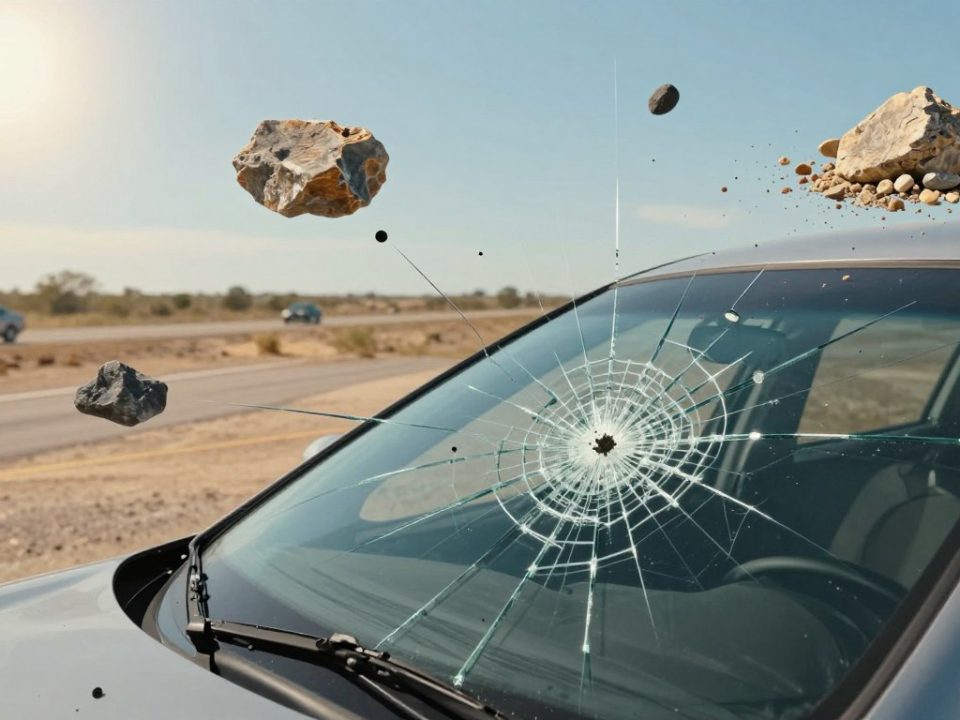
Check for distortion or wavy vision, persistent hazing after cleaning, and edge leaks or trapped moisture. Look closely for chips or cracks that spread over time.
Repair vs. replacement
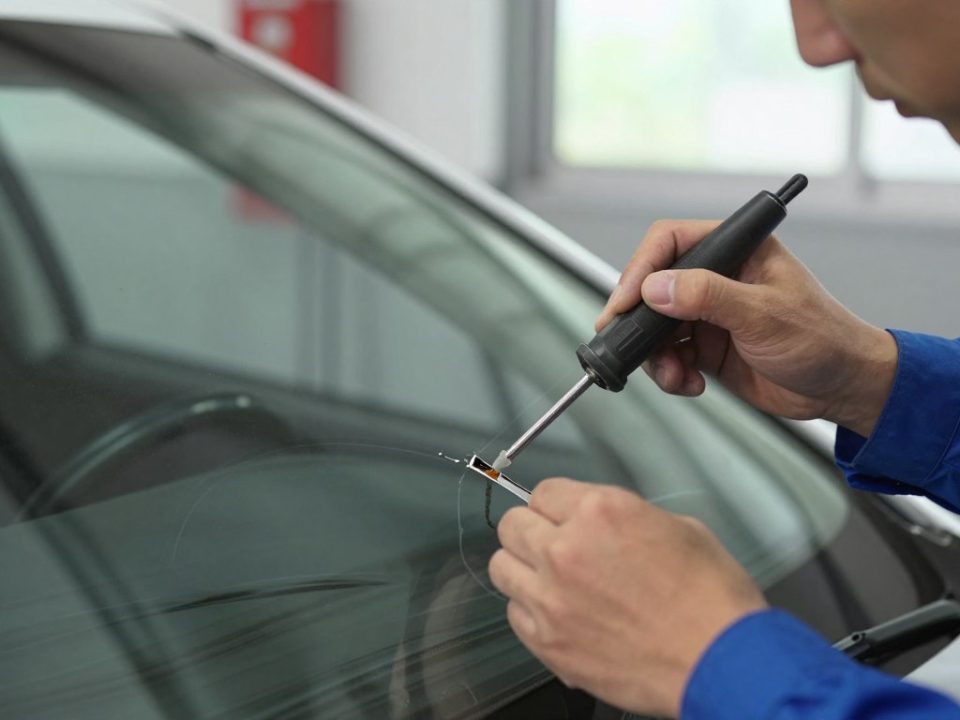
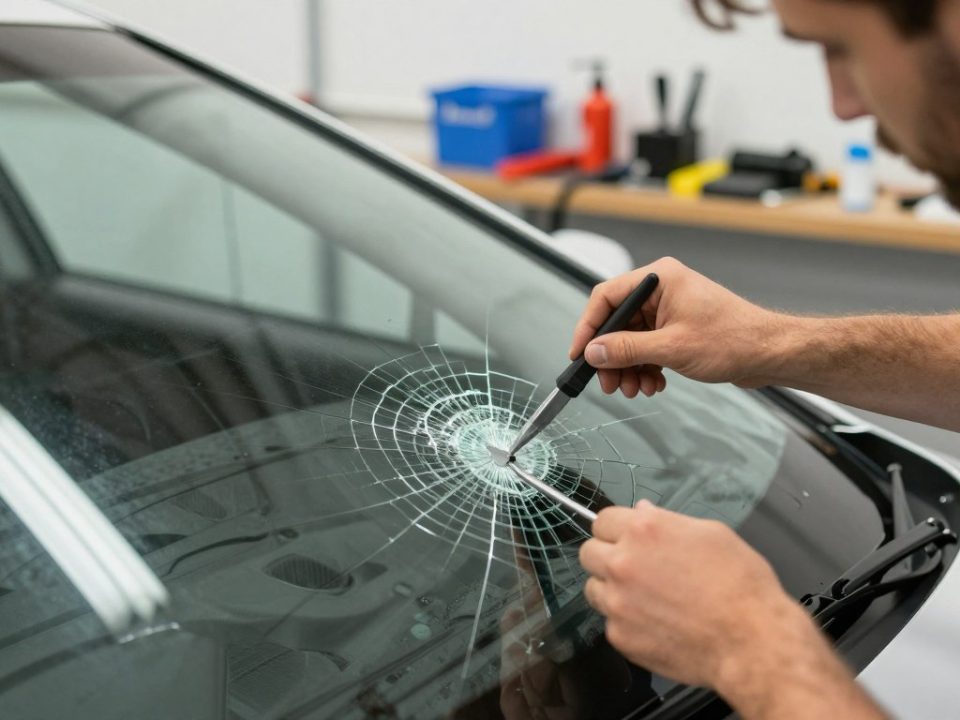
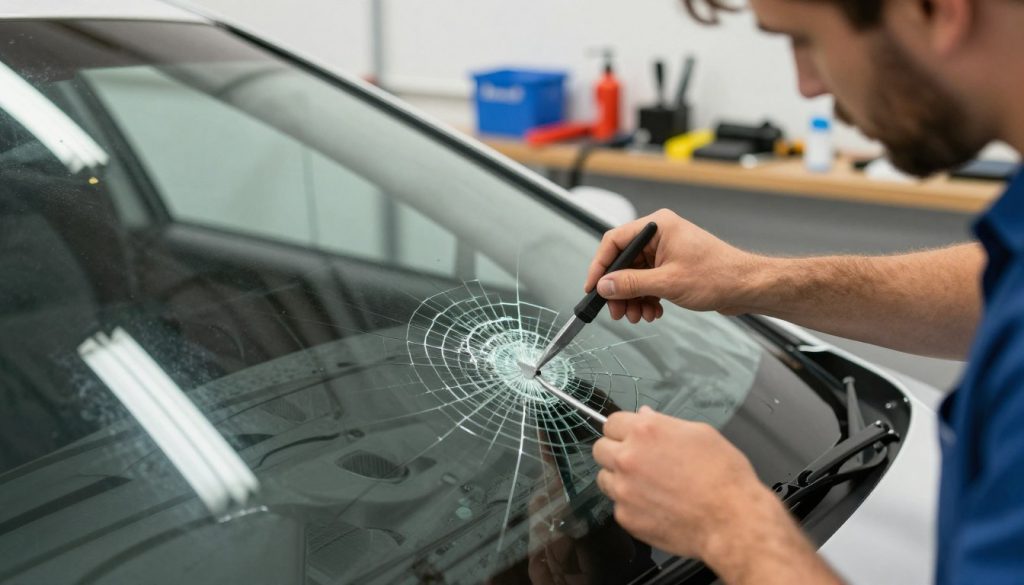
Minor, stable chips can often be repaired. If cracks spread, reach an edge, or you see delamination, plan for replacement to restore structural integrity and reduce risk on the road.
Professional installation and OEM vs aftermarket
Choose a qualified auto glass service that follows adhesive cure times and correct installation. OEM glass matches original optical and safety benchmarks; some aftermarket parts vary in thickness and clarity.
Post-service checks
Before regular driving, verify clear visibility, confirm sensors and ADAS systems work, and watch for warning lights, wind noise, or leaks. If systems flag, get calibration.
Next step: contact Miracle Auto Glass for trained technicians who handle repair, replacement, and sensor needs to keep your vehicle protected and ready for the road.
Conclusion
Your front glass is an essential part of your vehicle safety system. It resists shattering, spreads crash forces, helps keep the roof intact, and works with airbags to limit injury.
Clear, undamaged glass also lets cameras and sensors perform reliably. That supports driver aids and better hazard response on the road.
Act on warning signs: treat chips, cracks, distortion, or leaks as signals to get service before problems grow.
For repairs, replacements, and ADAS calibration, hire Miracle Auto Glass to restore protection and ensure your vehicle features work as designed.