
How Clean Headlights Improve Night Driving Safety

Best Way to Clean Car Windows Without Streaks
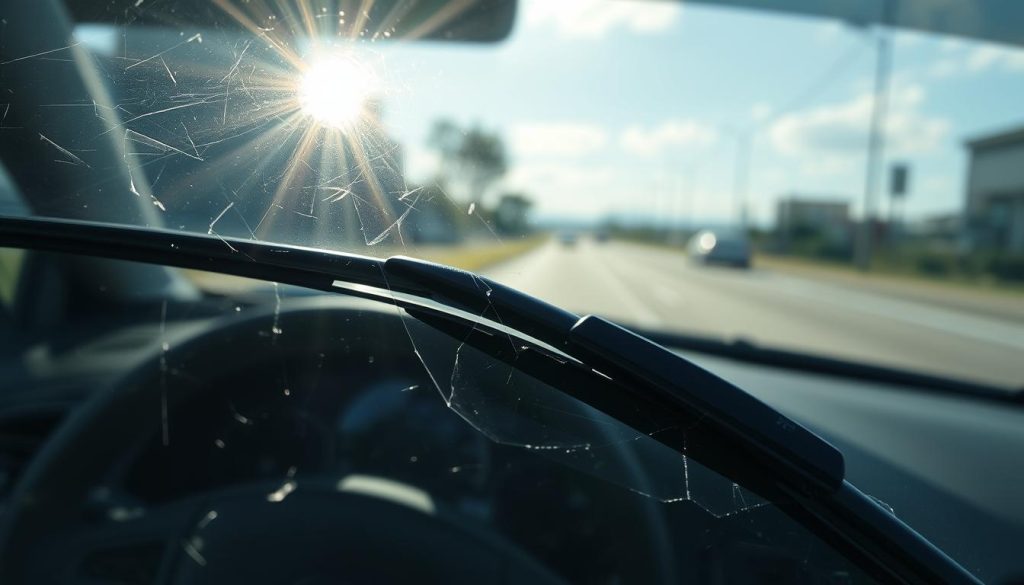
You rely on clear glass for safe driving. When blades wear down, they can expose metal that scratches the surface. Early signs often include streaking or smearing that cuts your visibility in rain or glare.
This is a real, preventable problem. Routine checks every 6–12 months and simple maintenance help avoid permanent marks. Avoid using the system on a dry surface to reduce risk.
In the United States, sun exposure, seasonal weather, and highway debris speed wear over time. You will learn how to spot early signs, inspect your auto glass at home, and decide when repair or replacement is safer.
If you suspect wiper-related harm, Miracle Auto Glass offers professional inspection, repair, and replacement. They can assess scratches and recommend the right fix so you keep clear vision on the road.
Key Takeaways
- Worn blades can expose metal that scratches glass.
- Look for streaking or smearing as early warning signs.
- Inspect blades and glass every 6–12 months.
- Avoid using blades on a dry surface.
- Sun, seasons, and debris speed up wear.
- Contact Miracle Auto Glass for expert assessment and repairs.
How Worn Wiper Blades Can Scratch and Damage Auto Glass
Heat, cold, and highway grit slowly break down the blade edge you rely on. Over time the rubber hardens, cracks, and stops gliding smoothly. That wear raises the chance of contact between metal and glass.
Rubber breakdown: Sun (UV), rain-to-freeze cycles, temperature swings, and routine friction all stiffen the rubber edge. Some washer-fluid chemicals and cleaning solvents speed this process when combined with heat and frequent use.
Exposed metal: A blade includes a flexible metal support. When rubber thins, that metal can peak through and scrape the auto glass. In high-risk failure modes the frame can shift or the blade can detach, letting metal or even the arm contact the surface and create deep scratches quickly.
Trapped road debris and dry use: Dust, sand, and winter salt lodge under the rubber and grind like sandpaper with each pass. Running the system on a dry surface raises friction and heat, which accelerates wear and makes scratches more likely.
- If marks follow the wipers’ arc, the blades are likely at fault.
- Scratches scatter light and reduce visibility when you need it most.
- Contact Miracle Auto Glass for inspection if you notice scraping or loss of clarity.
Early Warning Signs Your Windshield Wipers Are Hurting Visibility
Small signs on your glass often show long before major problems appear. Spotting them early keeps your view clear and improves driving safety.
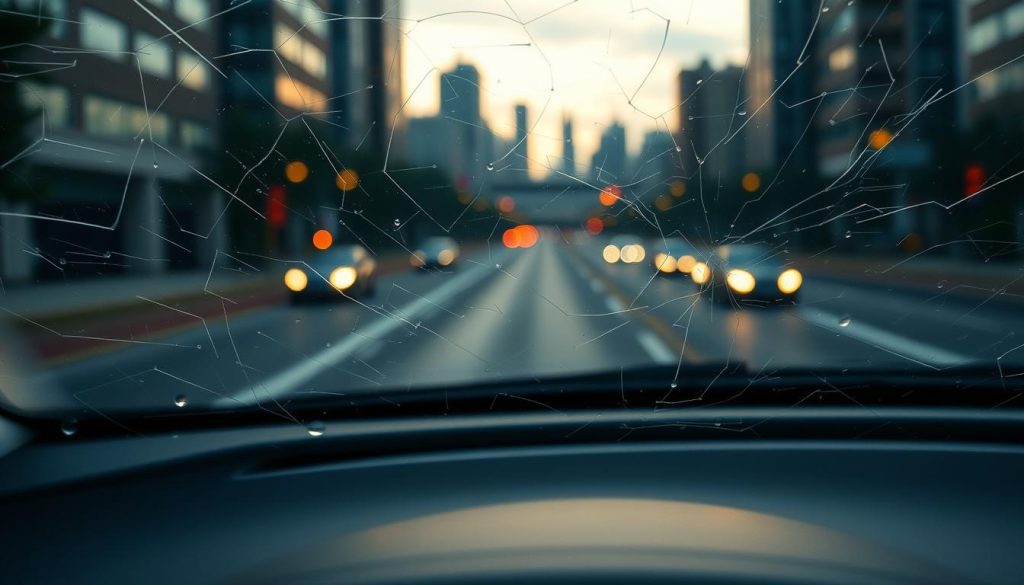
Streaks, smearing, and arc-shaped marks
You turn on your windshield wipers and see streaks, haze, or smearing that won’t clear after extra passes. That repeated arc pattern that matches the sweep is a strong sign of wiper scratches on the glass.
Real-world effect: Scratches and haze scatter light, making glare from headlights and morning sun worse. Reduced visibility makes it harder to spot lane markings, signs, and pedestrians.
Grinding or scraping sounds
If you hear scraping when the system runs, treat it as urgent. That noise often means the rubber is gone and metal or the frame is contacting the glass.
Act fast: Once grinding starts, faint lines can turn into deeper scratches quickly and may become unsafe to repair.
Cracks, splits, or missing rubber on the blades
Inspect the blades for split lips, chunks missing, hardened edges, or uneven contact. These defects leave untreated bands that create streaks and repeated marks.
- Split or missing rubber
- Hardened or cracked edges
- Uneven contact across the sweep
If you see repeating arc marks or hear scraping, contact Miracle Auto Glass for a professional inspection. They will recommend the safest next step to protect your view and maintain driving safety.
Windshield Wiper Damage: How to Inspect Your Wipers and Windshield
A simple look and touch test at home will tell you if your blades or glass need attention. Start with a rinse: spray washer fluid and remove loose grit so you don’t mistake grime for permanent marks.
Quick visual checks you can do in your driveway
Lift each arm and scan the rubber edge. Look for cracks, splits, or missing sections along the full length.
Run a clean finger or a microfiber cloth along the rubber lip to feel for rough spots or jagged edges that can grind the glass.
How to tell scratches from dirt lines and other surface marks
Wash the surface first. Dirt and streaks usually wipe away, but true scratches remain and often follow the sweep arc.
If marks persist after cleaning and match the blade path, they are likely scratches.
What to look for on the wiper arm and frame
Inspect the frame for bent sections, loose joints, or missing caps. Any exposed metal near the edge is a high‑risk point for metal-on-glass contact.
If you see exposed metal or a loose blade, treat it as a safety concern and consider professional evaluation.
- Driveway routine: lift arms, check rubber, feel the lip.
- Rinse first to avoid false positives from debris.
- Inspect frame alignment to prevent metal contact.
If you’re unsure whether marks are true scratches or need glass repair, contact Miracle Auto Glass for a professional inspection and the safest way forward.
When to Replace Wiper Blades and How to Prevent Future Scratches
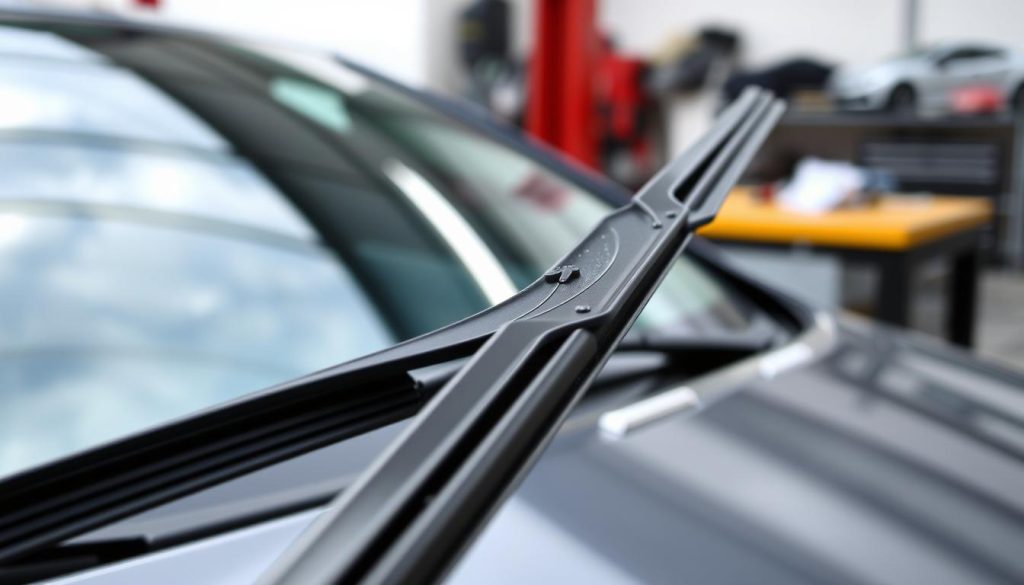
Replace worn blades on a predictable schedule to protect your view while driving. For most US drivers, plan a replacement every 6–12 months. Replace sooner if you see streaking, hear scraping, or find cracks.
Fitment and timing
Choose the correct size for your vehicle so the blade seats evenly and does not chatter. Proper fit distributes pressure and reduces the risk that metal will contact the glass.
Cleaning and simple care
Rinse debris and road salt off the glass before you run the system. Wipe the rubber edge with a damp cloth to remove grit that would otherwise grind the surface.
Safe use in bad weather
Always apply washer fluid before use in rain, snow, or dust. Never run blades on a dry surface — friction and heat speed wear and raise the chance of scratches.
- Timing: change every 6–12 months or at first sign of failure.
- Care: clean glass and blade edges regularly.
- If prevention fails: call Miracle Auto Glass for fast, professional service.
Repair vs. Replacement: What to Do If Your Windshield Is Already Scratched
Not all marks need a full replacement — some can be repaired safely by a pro. Your first step is simple: stop the cause by replacing worn blades and limit further wear. Then have your auto glass assessed so the issue does not spread and reduce visibility.
When professional polishing may help and when it can create distortion
Light scratches and surface haze can often improve with professional polishing. Trained techs use specialized tools, controlled buffing, and correct compound-to-water ratios to protect laminated glass.
Note: improper polishing can create optical distortion and worsen visibility. Choose a certified glass repair provider for this service.
Signs scratches are too deep and replacement is safer
Replace the pane when scratches catch a fingernail, sit in your primary sightline, or when arc marks scatter light at night. Deep or widespread scratches mean glass replacement is the safer choice for road safety.
ADAS recalibration considerations after replacement
Modern vehicles often require ADAS recalibration after glass replacement. Small optical changes affect lane‑keep and collision systems, so use an experienced auto glass company that offers recalibration services.
For evaluation, repair, or glass replacement today, Miracle Auto Glass delivers professional service and guidance to protect your visibility and safety on the road.
Conclusion
A brief inspection now can stop a minor scraping issue from becoming a costly repair. Check your wipers and arms, clean the glass and rubber, and avoid running the system on dry glass.
Replace blades every 6–12 months or at the first sign of smearing or grinding. Small arc-shaped marks often worsen quickly and may need professional repair or full replacement to restore safe visibility.
Modern cars add complexity: if you need a pane replaced, ADAS recalibration may be required for safety systems to work correctly.
If you suspect your glass has been harmed, hire Miracle Auto Glass to inspect, repair, or replace the pane and ensure clear, safe vision on the road.