
Why Your Rear Windshield May Be Leaking Water
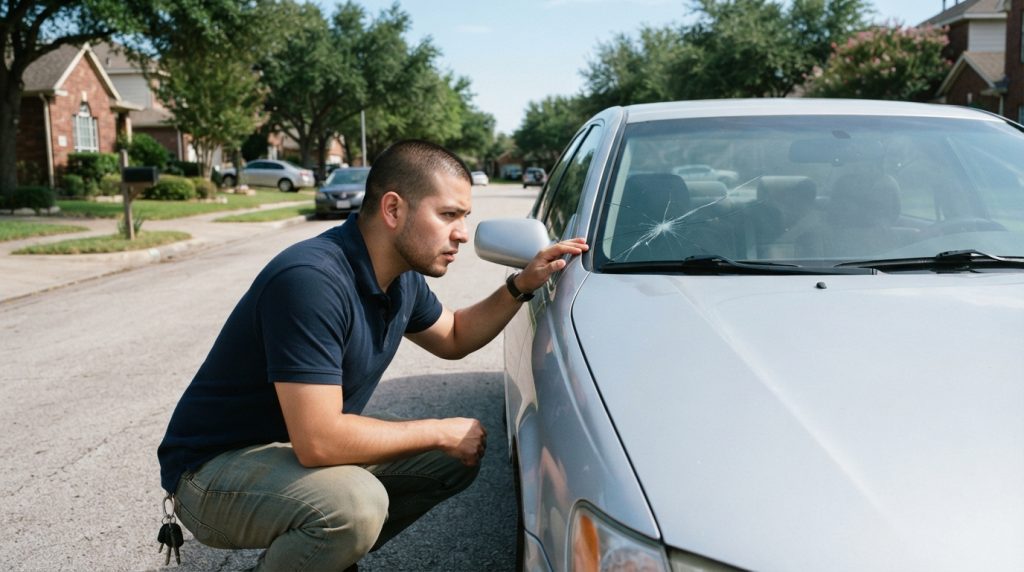
Windshield replacement insurance may help pay for a damaged vehicle, but coverage is not automatic. What you pay depends on your policy and what caused the damage.
Texas drivers should check their own policy instead of assuming all glass damage is covered. A small chip or crack can spread if you leave it alone, making timely repair important.
You can start by noting where and how the damage happened. Keep that information handy when you contact your insurance company or an auto glass service.
This article explains how to identify the likely coverage route, check your out-of-pocket cost, and decide what to do next. First, identify which coverage may apply to your damage.
Key Takeaways
- Coverage depends on your policy and the cause of the damage.
- Check your deductible and any separate glass terms.
- Compare an estimate with your deductible before filing.
- Contact your insurer before authorizing repairs.
- An auto glass professional can assess repair or replacement needs.
What Does Windshield Replacement Insurance Cover in Texas?
The cause of windshield damage usually points to comprehensive coverage or collision coverage. Comprehensive coverage is insurance that generally pays for vehicle damage from non-collision events, subject to your policy.
These are general coverage routes, not a promise that your insurance company will approve a claim. Your auto insurance policy and the facts of the event determine the result.
When comprehensive coverage applies
Comprehensive coverage may apply when something other than a crash damages the glass. Examples include hail, theft, vandalism, falling objects, road debris, natural disasters, or an animal strike.
Check that this coverage is included in your policy. If you are asking what insurance covers windshield replacement, the event that caused the damage is a useful place to start.
| Damage situation | Likely coverage route | What to check |
|---|---|---|
| Falling debris, hail, or an animal | Comprehensive | Verify it is included |
| Crash involving your vehicle | Collision | Check your collision terms |
| Another driver caused the crash | Their liability coverage may apply | Establish fault with the insurers |
When collision coverage or another driver’s insurance applies
Collision coverage typically applies if your windshield breaks in a crash involving your vehicle. If another driver caused the crash, you may be able to claim against that driver’s liability insurance.
Insurers may need to review the facts and decide who was at fault. Once you identify the likely route, check what you may have to pay yourself.
How Do Deductibles Work for Windshield Claims in Texas?
Two drivers with the same windshield damage can pay different amounts because their deductibles or glass terms differ. Your policy decides whether a deductible applies and how much you owe.
In almost all cases, you pay the policy deductible, and insurance covers the remaining eligible amount. Some policies or options waive a deductible for glass claims, but Texas has no blanket waiver.
How to check your deductible and glass terms
Start with your declarations page, which lists key coverage details and deductibles. Then read the policy language for glass benefits, limits, and any special conditions.
Ask your insurance company whether a separate glass benefit or waiver applies to your claim. If you wonder, “how do I know if my insurance covers windshield replacement,” ask about the specific damage and the glass terms on your policy.
A general deductible may not tell the whole story. The policy could set different terms for glass repair and windshield replacement.
When a windshield replacement deductible is waived
A windshield replacement deductible waived benefit may apply under some policies or coverage options. Do not assume your insurer waives it just because the damage involves glass.
Ask the insurer to explain whether a waiver applies to your exact claim. Confirm the answer before you agree to work or payment terms.
What “full glass” can mean on a policy
“$500 deductible with full glass” may mean you have a $500 general deductible alongside separate glass terms. Confirm whether those glass terms waive the deductible for your specific claim.
The phrase “full glass” can refer to a policy option, but the details vary. Ask what it covers, whether it applies to repair or replacement, and whether any limits apply.
Compare your deductible with a repair or replacement estimate before deciding whether to file a claim. That comparison shows how much the policy may help with the bill.
Should You Use Insurance to Replace Your Windshield?
A claim is most useful when the covered bill is meaningfully higher than your deductible. Compare the numbers before deciding whether to use car insurance.
A $400 replacement with a $250 deductible leaves $150 for insurance to pay, if the claim is covered. Your actual cost depends on the estimate and policy terms.
| Service | Reported cost | Cost note |
|---|---|---|
| Windshield repair | Less than $100 in most markets | Varies by damage |
| Less sophisticated replacement | Starts around $400 | Vehicle and glass affect cost |
| Complex replacement | $900 and up | Newer windshields can cost more |
| Sensor recalibration | $300-$600 | May be an additional charge |
These are broad reported figures, not a Texas quote. Your vehicle, glass type, and repair needs affect the price.
The windshield replacement insurance cost depends on the service and your policy. Ask for a quote that includes any sensor recalibration your vehicle needs.
If you ask, “should I use insurance to replace a windshield,” consider a claim when covered costs exceed your deductible. Check with your insurer about any claim consequences, too.
A low estimate may leave little for insurance to pay after your deductible. If you decide to proceed, report the damage before repair work begins.
How Do You File a Windshield Glass Claim?
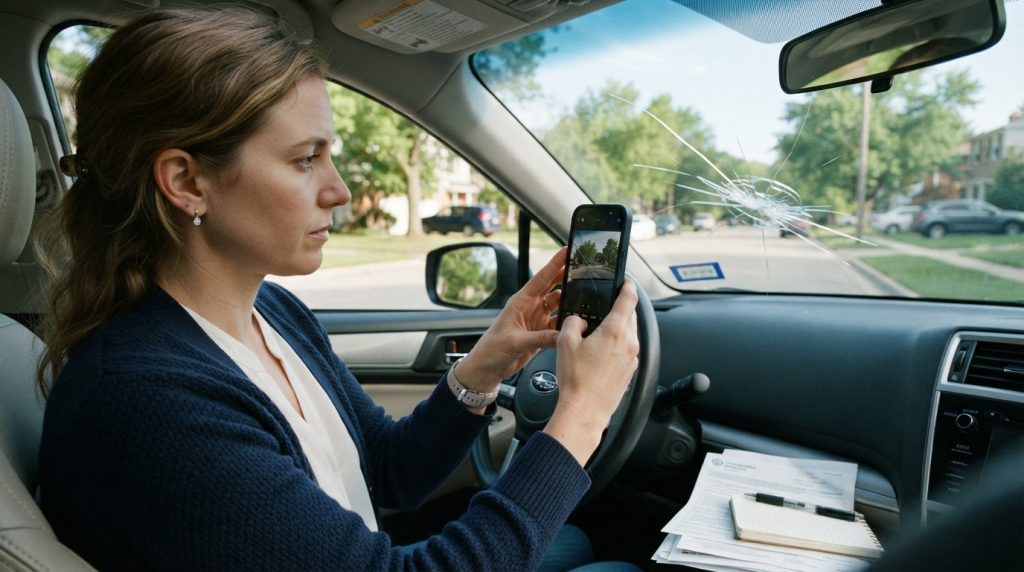
A chip appears while you are driving, so you pull over somewhere safe before checking the glass. Report the damage soon, since a chip or crack can spread while you wait.
Contact your insurance company before authorizing repairs. The insurer decides whether the claim qualifies and tells you how to arrange an assessment or service.
What to do before repairs begin
Use this order if damage happens on the road or while your vehicle is parked:
- Pull over safely if the damage occurs while driving.
- Photograph or note the damage and when it happened.
- Contact your insurer before authorizing repairs.
- Follow the insurer’s instructions on assessment, payment, and scheduling.
Report a glass claim as soon as possible, before repairs begin. Waiting can give a small chip time to turn into a longer crack.
What to confirm after reporting the claim
Ask whether the insurance company needs to inspect the damage or approve a service provider. Confirm how it will handle payment and scheduling before you book work.
Keep your photos and notes about when the damage happened. They can help you answer questions about the event during the claim review.
After reporting the claim, the next decision is whether an auto glass professional can repair the glass or needs to replace it.
Can Your Chipped or Cracked Windshield Be Repaired Instead of Replaced?
A small chip may be repairable with resin, but an auto glass professional needs to assess it. Size alone is not a guarantee that repair will work.
Many chips or cracks smaller than 6 inches can be repaired, while larger or poorly placed damage may need replacement. Visibility and safety also matter.
Damage size and location affect repairability
A technician may assess these four factors before recommending windshield repair:
- Damage size
- Number of chips or cracks
- Distance from the windshield edge
- Whether a camera or sensor sits behind the damaged area
Damage 6 inches or larger, multiple chips or cracks, or damage near the edge may require replacement. A chip in front of a vehicle camera or sensor may also affect the decision.
Bumps can cause a crack to spread, and damage that affects your view can raise safety concerns. While waiting for an assessment, keep the damaged area away from direct sun and moisture when possible.
When a professional may recommend replacement
A professional may recommend replacement when the damage is too large, blocks a clear view, or sits near a camera or sensor. Multiple chips or cracks can also make repair unsuitable.
Resin can fill some small chips and cracks, but the technician must judge whether it can restore the glass safely. A quick look at a photo may not show the full extent of the damage.
Once a technician assesses the glass, your policy’s exclusions and other limits may still affect whether a claim gets paid.
Could a Windshield Claim Affect Your Premium?
The effect of a windshield claim on your premium depends on the insurance company. No single outcome applies to every insurer or policy.
Ask your insurer about its rules before filing if a possible rate change concerns you. The company can explain how it handles a glass claim under your policy.
Missing comprehensive coverage, policy exclusions, or pre-existing windshield damage may prevent coverage. Voluntary replacement for cosmetic reasons and ordinary wear over time may also fall outside the policy.
If you are asking, “if I use my insurance for windshield replacement, will my insurance go up,” your insurer is the right place to ask. If coverage is unavailable or unclear, get a professional repair estimate.
Conclusion
Windshield coverage is not automatic; your policy, the cause of damage, and your deductible shape the result. Confirm those details with your insurer before agreeing to repairs.
Arrange a professional glass assessment without unnecessary delay, especially if a crack affects your view or keeps spreading. An auto glass technician can explain whether repair or replacement fits the damage.
Hire Miracle Auto Glass to fix your windshield or other glass damage. Visit the shop at Bandera Rd & Grissom, or call (210) 680-2551.