
The Golf Course Hazard Nobody Warns You About
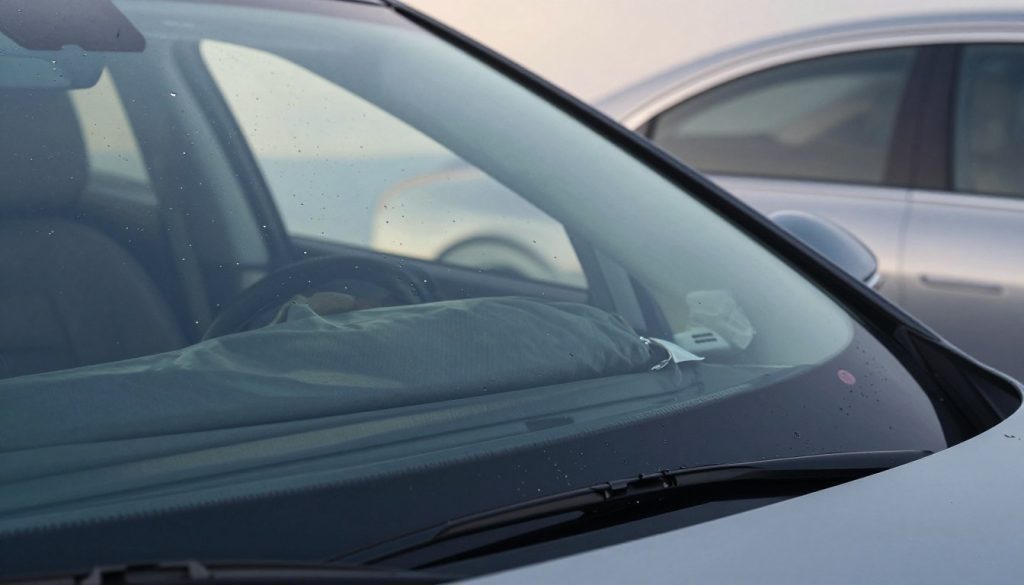
Your windshield airbag safety system works as part of your vehicle’s crash protection. The glass helps support the passenger airbag during a frontal impact. If it has damage or loses its bond, occupant protection may suffer.
Honda introduced a driver-side SRS airbag in the Japan-made Legend in 1987. Since then, engineering has advanced quickly. Frontal airbags became required in new passenger vehicles with the 1999 model year. Today, many cars also use side, curtain, knee, and center airbags.
NHTSA estimates that frontal airbags saved 4,330 lives in 2019 and 70,059 lives through 2019. Used with a seat belt, they reduce the risk of death in a frontal crash by 61%. Belts alone reduce it by 50%, while an airbag alone reduces it by 34%. Speed, impact angle, and proper seating still matter.
Before minor glass damage becomes a larger safety concern, contact Miracle Auto Glass. You can hire its trained team to repair or replace damaged glass and get clear information about your car.
Key Takeaways
- Bonded glass supports passenger protection.
- Honda helped advance airbag design in 1987.
- Frontal airbags became required in 1999.
- Belts and airbags work best together.
- Miracle Auto Glass can address glass damage.
How the Windshield Airbag Safety System Protects You in a Crash
Modern vehicles use crash data to decide when a restraint should activate. The goal is quick, controlled occupant protection during a collision. Your seating position, speed, and the direction of force all affect the response.
How Sensors Trigger Rapid Airbag Deployment
A sensor measures impact severity and sends a signal to an inflator. The inflator fills the bag with gas in a fraction of a second. Some Honda vehicles use seven impact sensors, while certain minivans use up to 10 across the front, rear, and third-row areas.
Side airbags may deploy within 10 to 20 milliseconds. Thresholds can reach 8 mph for a narrow-object impact or 18 mph for a broad vehicle collision. A damaged windshield or loose glass bond can affect the space designed for deployment. Contact Miracle Auto Glass when damage needs review.
Why Airbags Work Best With Seat Belts
An airbag is a supplemental restraint, not a replacement for a lap-and-shoulder belt. Unbelted occupants may trigger front deployment near 10–12 mph, compared with about 16 mph for belted occupants. The steering wheel, dashboard, glass, and seat position shape how the occupant moves. Together, these features support a safer response in crashes.
Why Your Windshield Is Part of the Vehicle Safety System
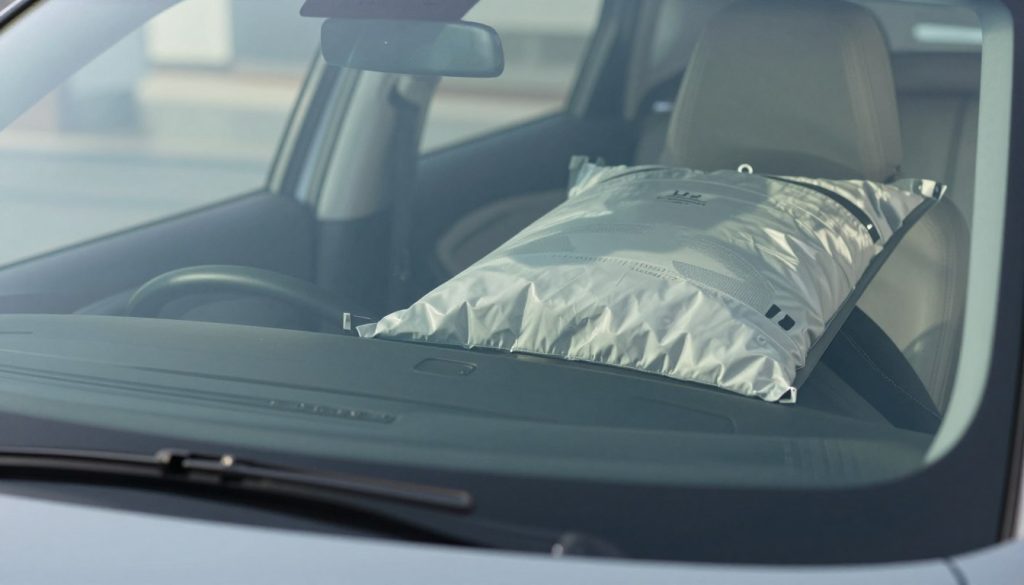
Glass does more than provide a clear view. In many vehicles, it connects firmly to the frame and helps preserve cabin shape during a crash. That bond makes the windshield an active part of your car’s protection, not just a viewing surface.
The Windshield as a Passenger-Airbag Backstop
The front passenger airbag uses the glass as a firm backstop. This support helps direct the cushion toward the passenger instead of allowing it to expand outward. Honda’s top-mounted design shows this relationship clearly. It inflates upward along the windshield line before moving toward the seat.
Side airbags serve a different purpose. They help shield an occupant from a door, pole, or other object during side crashes. Each restraint depends on its intended position and support.
How Glass Bonding Supports Cabin Integrity
A weak adhesive bond can let the glass detach during impact. That loss may remove support needed for effective airbag deployment and reduce overall protection. Cracks, edge damage, or loose trim deserve prompt attention.
Miracle Auto Glass can inspect your vehicle and recommend the right repair or replacement. Professional work helps restore proper fit, bonding, and integrated protection.
Front, Side, Curtain, and Knee Airbags Explained
Different crash forces call for different restraint designs. Your vehicle may use several types to manage occupant movement and limit injury.
Front Airbags for the Driver and Front Passenger
Required in cars, vans, and light trucks since the 1999 model year, front cushions deploy from the steering wheel and dashboard. They help shield the driver’s and passenger’s head and chest during moderate-to-severe frontal crashes. Keep each seat properly adjusted for the intended occupant.
Side and Curtain Airbags for Head and Chest Protection
Torso cushions and curtain designs fill within about 10–20 milliseconds. They cover the small space between passengers and doors, pillars, poles, or another vehicle. Rollover curtains may stay inflated for 10 seconds or longer. Vehicles from 2018 onward also meet rules that help prevent ejection through side windows.
Knee and Front-Center Airbags for Additional Occupant Protection
Knee designs control lower-body motion. General Motors added a front-center design in 2013, while Honda developed one for European models in 2020. Hyundai Mobis introduced a panoramic-roof curtain in 2017, and ZF Lifetec introduced an active heel design in 2025. If damaged glass could affect passenger deployment, ask Miracle Auto Glass for a professional inspection.
| Type | Main location | Primary purpose |
|---|---|---|
| Front | Wheel and dashboard | Head and chest support |
| Side | Seat or door area | Torso and head coverage |
| Curtain | Roof edge | Window-area protection |
How Windshield Damage Can Affect Airbag Performance
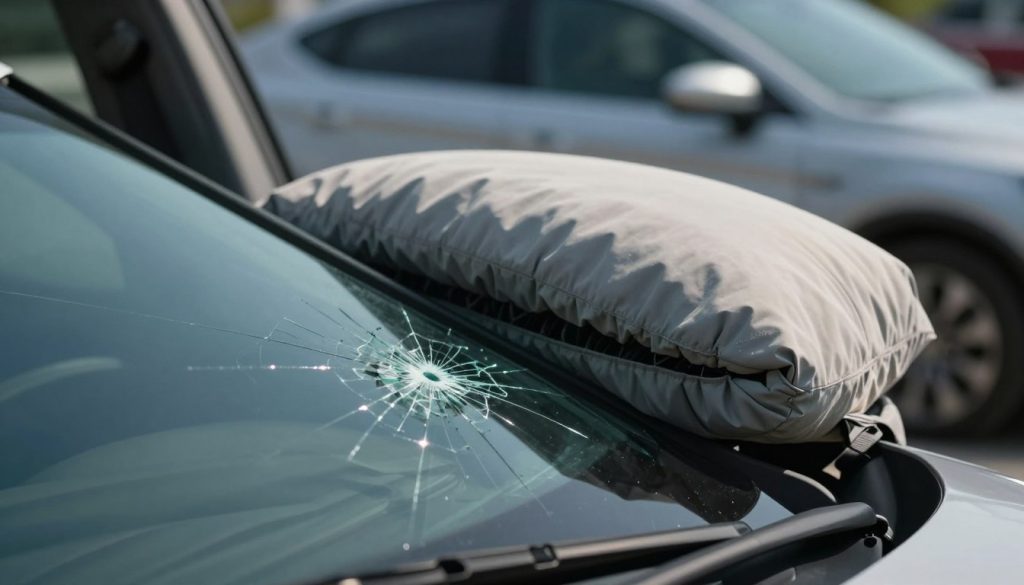
A small flaw in bonded glass can become a serious concern when collision forces rise. Chips and cracks may weaken the windshield under the pressure created by an impact, crash, or airbag deployment.
Edge damage deserves extra attention. The perimeter helps the glass hold its shape and stay attached to the vehicle frame. Bellevue temperature changes and road vibration can make damage spread before you notice a major visibility problem.
Cracks, Chips, and Edge Damage
A weakened area can raise injury risk during a collision. It may also affect how the passenger bag meets its intended backstop. Contact Miracle Auto Glass promptly if you see a growing crack, chipped edge, or impact mark.
Weak Adhesive Bonds and Improper Installation
Poor installation can leave weak bonding points. During deployment, the glass may shift or detach, reducing occupant protection. The Takata recall affected about 67 million vehicles by 2022 and linked defective inflators to 23 confirmed U.S. deaths and more than 250 reported injuries. Do not delay glass repair.
Ask Miracle Auto Glass to inspect damaged parts on your car. Prompt service can lower risk and help restore proper fit.
| Damage type | Possible concern | Recommended action |
|---|---|---|
| Edge crack | Reduced bond support | Request prompt inspection |
| Chip | Crack growth under force | Schedule repair |
| Poor installation | Glass movement during impact | Seek professional review |
When Windshield Repair Is Safe and When Replacement Is Better
Choosing between repair and replacement starts with a damage review, not price alone. Your vehicle’s glass must support clear vision, occupant protection, and proper passenger-airbag deployment during a crash.
Damage That May Qualify for Repair
Small chips found early may qualify for repair when they do not affect structural integrity or the driver’s view. A trained technician can assess the size, depth, and location. Prompt repair may stop damage from spreading and reduce collision risk.
Damage That Requires Windshield Replacement
Long cracks, several impact points, edge damage, and visual distortion usually require full replacement. These conditions can weaken the glass and increase injury exposure for the occupant, passenger, or driver. Replacement also restores the adhesive bond that supports the front airbag.
In the United States, replacement often costs $250–$600. Vehicles with advanced safety systems may cost $600–$1,200 because cameras and sensors need added attention. Proper installation helps meet vehicle safety standards and supports side airbags, seat belts, and other restraint features.
Miracle Auto Glass can inspect your car, explain the conditions, and recommend the right repair or replacement. Do not wait for damage to worsen. Professional information helps you choose the safest way forward.
What Professional Windshield Installation Involves
A precise glass installation begins long before adhesive meets the frame. Trained technicians protect the vehicle’s intended shape and prepare it for daily driving, impact forces, and a possible crash.
Proper Glass Alignment and Surface Preparation
The technician removes damaged parts, cleans the frame, and checks for corrosion or uneven areas. The replacement glass must align with the roof, pillars, dashboard, and seat positions. This work creates a consistent bond that supports the driver, front passenger, and rear-seat passengers.
Adhesive Curing and Advanced Safety System Calibration
Adhesive needs the correct curing time before you drive the car. A rushed job may leave weak points that cannot withstand collision force or support passenger airbag deployment. Cameras and sensors near the windshield may also need calibration.
Honda side airbags combine high-pressure and low-pressure sections for fast deployment with controlled cushioning. Proper parts and procedures help restore protection for occupants and airbag components. Standard replacement often costs $250–$600. Advanced vehicles may cost $600–$1,200 because calibration takes extra work. Miracle Auto Glass offers professional replacement and repair that follows manufacturer standards.
| Service level | Typical cost | Added work |
|---|---|---|
| Standard replacement | $250–$600 | Fit, bonding, and curing |
| Advanced vehicle | $600–$1,200 | Camera and sensor calibration |
How to Reduce Airbag Injury Risks in Your Vehicle
Simple seating choices can improve protection when a crash occurs. Your posture, restraint use, and distance from the bag all affect how your body moves.
Safe Seating Positions for Drivers and Passengers
Sit upright against the seatback with your feet on the floor. Drivers should keep at least 10 inches between the chest and the steering wheel. Keep hands, arms, legs, and your head away from the deployment path.
NHTSA recorded more than 290 deaths linked to frontal-airbag inflation from 1990 through 2008. More than 80% involved people who were unbelted or improperly restrained. Always buckle your seat belt, and keep the steering wheel aimed toward your chest, not your head.
Child Passenger and Rear-Seat Safety
Young children belong in the rear seat with the correct restraint. Do not let children lean against doors or areas that store side airbags. If a child must ride in the front seat, move that seat as far back as possible.
During rollovers, proper positioning matters. NHTSA identified 260 occupants ejected through sunroofs from 2000 to 2015. Miracle Auto Glass can repair windshield or other glass damage that may weaken your vehicle’s protection.
| Action | Recommended position | Reason |
|---|---|---|
| Driver seating | 10 inches from steering wheel | Allows deployment space |
| Child seating | Use the rear seat | Reduces front-impact exposure |
| Glass service | Repair damage promptly | Supports proper occupant protection |
Conclusion
Your windshield is a structural part of the vehicle. It helps support passenger airbag deployment, cabin integrity, and occupant protection during a crash.
Frontal airbags saved an estimated 70,059 lives through 2019. Seat belts and airbags work together, offering stronger protection than either one alone. This approach can lower injury risk.
Cracks, chips, edge damage, and weak adhesive bonds may cause glass failure when an airbag deploys. Small chips may qualify for repair. Long cracks, distortion, edge damage, or weak glass usually call for replacement.
Professional alignment, surface preparation, curing, and calibration help restore the vehicle’s intended performance. For clear information today, hire Miracle Auto Glass to fix your windshield or other glass and help preserve the protection your airbags provide.