
Are Tinted Windshields Legal in Texas
How Fast Windshield Repair Can Save San Antonio Drivers Money
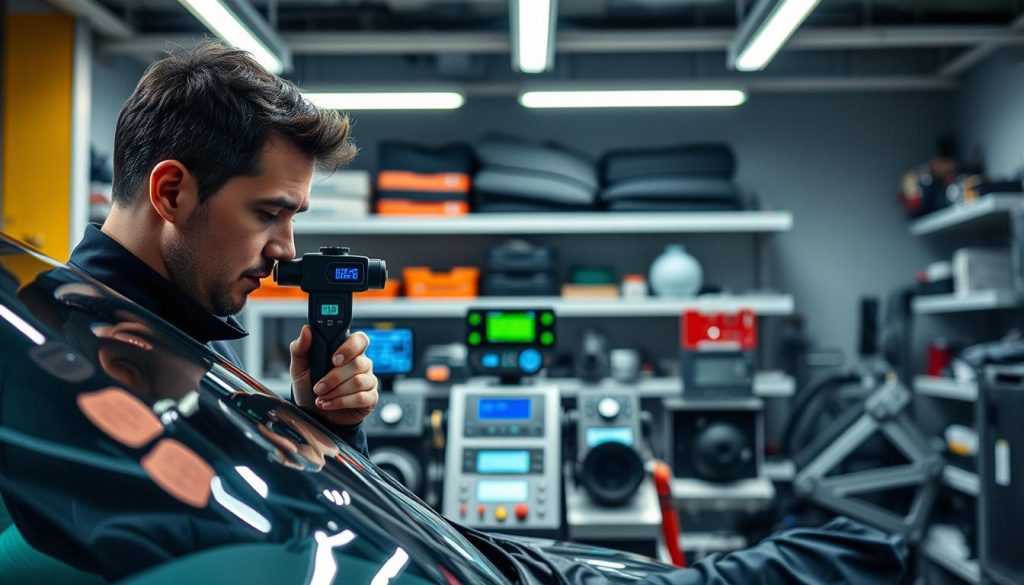
Your modern car is more than just a machine. It’s a hub of advanced safety technology designed to protect you. Many of these critical systems rely on delicate sensors mounted behind your front glass.
When that auto glass needs replacement, the cameras and radars behind it can be knocked out of alignment. This means your vehicle’s automatic emergency braking or lane-keeping assist might not work right. A specialized calibration process is needed to restore their accuracy.
Understanding this service is key to your safety and your budget. The final amount you pay depends on your car’s make, your insurance coverage, and the shop you choose. Knowing how to navigate this can save you money without cutting corners.
This guide will walk you through everything. You’ll learn why this work is non-negotiable for modern vehicles. We’ll also show you how to get the lowest price on auto glass while ensuring a top-quality job.
Key Takeaways
- Advanced Driver Assistance Systems (ADAS) require precise sensor alignment after any windshield replacement.
- The need for recalibration depends on your specific vehicle’s make, model, and equipped safety features.
- Your insurance policy may cover part or all of the calibration cost, depending on your coverage.
- Always choose a service center with certified technicians and proper calibration equipment.
- Getting multiple quotes is a smart way to ensure you receive fair and competitive pricing.
- Proper calibration is a critical safety step to ensure features like adaptive cruise control function correctly.
Understanding Windshield Calibration and Its Importance
Your car’s front glass is more than a barrier; it’s a window for sophisticated safety systems. Tiny cameras and radars are mounted just behind it.
These components form your Advanced Driver Assistance Systems (ADAS). They help your vehicle see the road.
What is ADAS Recalibration?
ADAS includes features like automatic emergency braking and lane-keeping assist. Their sensors sit behind the rearview mirror.
When you get a new glass replacement, this process can knock those sensors out of their perfect alignment. Recalibration is the work that puts them back in tune.
It adjusts the cameras so they accurately read lane markings and traffic. This is not just a suggestion. Your car’s maker requires it for the systems to work right.
| ADAS Feature | Primary Sensor Type | Function |
|---|---|---|
| Lane Departure Warning | Forward-Facing Camera | Monitors lane markings |
| Automatic Emergency Braking | Camera & Radar | Detects collision risk |
| Adaptive Cruise Control | Radar | Maintains set following distance |
| Lane Keeping Assist | Forward-Facing Camera | Provides gentle steering input |
Safety Benefits and Manufacturer Recommendations
You can drive your car after new glass is installed. But skipping this service is a risk. Your safety aids might not activate when you need them most.
Proper calibration ensures these features perform to factory specs. It is the only way to guarantee your driver aids are accurate.
Trusting a certified technician for this job protects you and everyone on the road. It restores the critical safety net your modern vehicle was built to provide.
windshield calibration cost San Antonio: Key Cost Drivers
Several key elements determine what you’ll pay to have your car’s safety systems properly realigned after a glass replacement. The final amount is rarely a single flat fee.
It combines your specific vehicle details with the quality of parts and labor. Understanding these drivers helps you get an accurate quote.
Vehicle Make, Model, and Installed Technology
Your car’s year, make, and model are the biggest price factors. A vehicle packed with Advanced Driver Assistance Systems needs more work.
Research shows ADAS calibration can range from $250 to $700. For example, a local dealer quoted $300 for a 2018 Mazda CX-5.
Luxury vehicles or those with adaptive cruise control often require pricier recalibration. The complexity of the sensor systems directly influences the job.
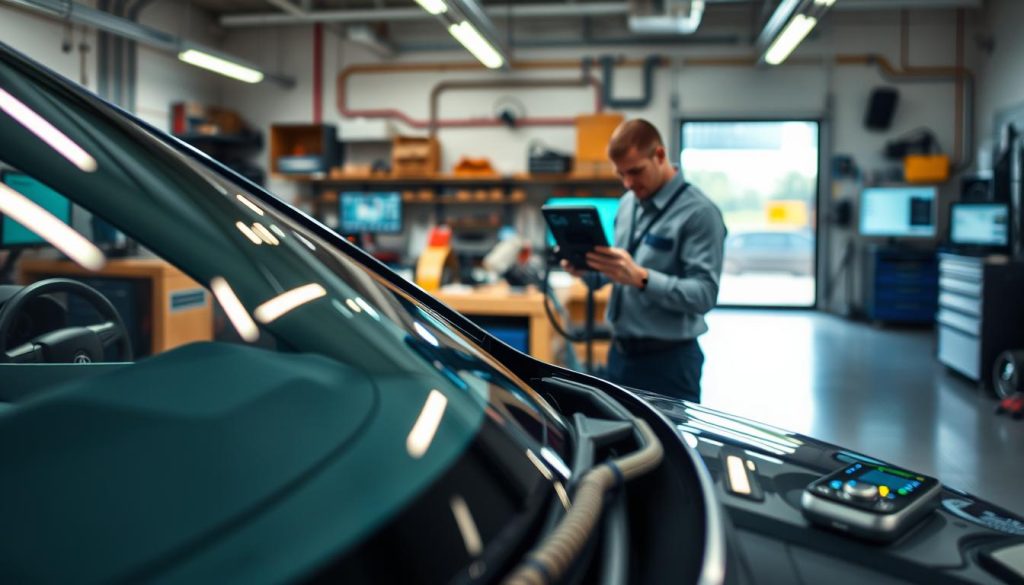
Glass Quality, Installation Process, and Labor Impacts
The type of auto glass you choose affects the total. OEM-equivalent glass may differ in price from aftermarket options.
The installation process itself adds labor costs. Technicians might need to carefully remove rain sensors or special moldings.
Providing your exact vehicle details to the shop ensures a precise estimate. This transparency helps you budget for this essential safety repair.
The Step-by-Step Process of Windshield Calibration
Ensuring your safety on the road requires a thorough calibration process that aligns every sensor behind your glass. This job is a precise sequence performed by a certified technician.
It starts with a detailed inspection and ends with the sensors being perfectly tuned. Understanding this workflow helps you know what to expect from the service.
Inspection, Prep, and Sensor Check
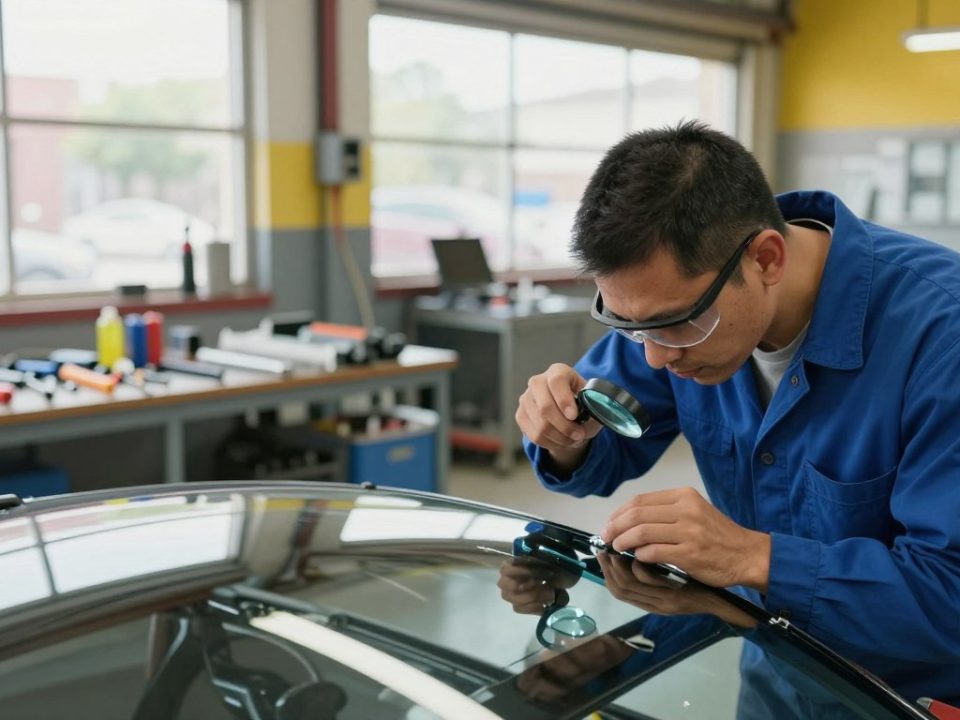
First, the technician examines the pinch weld and removes old adhesive. This prep work is vital for the new glass to seal correctly.
They clean the frame and check the camera bracket’s stability. A secure mount is essential for accurate sensor operation.
If your auto glass has a small chip under 3/8 inch, a repair might be possible. Cracks longer than 3 inches typically mean a full replacement is needed.
Static Versus Dynamic Recalibration Methods
There are two primary ways to realign your car’s safety systems. Static recalibration happens while your vehicle is parked in the shop.
Technicians use specialized equipment to adjust the cameras and sensors. Dynamic recalibration involves driving your car under specific road conditions.
The sensors adjust automatically during this drive. The entire work can take from 30 minutes to two hours.
For some models, like a 2018 Mazda CX-5, companies may require you to visit a facility. This ensures they have the right tools for the job.
Insurance Coverage and Understanding Your Out-of-Pocket Costs
A clear understanding of your coverage can prevent surprise bills after your car’s safety systems are serviced. Your financial responsibility depends entirely on your policy’s specific terms.

Some plans include full glass replacement with no deductible. Others may require you to pay a portion of the total amount.
How Insurance Impacts Calibration Fees
In many states, standard comprehensive policies automatically cover this essential work. For example, in Massachusetts, default policies include no-cost auto glass replacement and ADAS recalibration.
The insurer pays the shop directly. If you’ve opted out of this coverage, you pay the full price yourself.
Always contact your insurer for a quote before any repair. This confirms what your plan will pay and what you owe.
Tips for Coordinating with Your Insurance Provider
Good communication simplifies the entire process. Follow these steps for a smoother experience.
- Ask specific questions: Confirm if sensor calibration is a covered part of the service.
- Check for preferred shops: Some providers have a network, but you can often choose your own certified technician.
- Use shop assistance: Many professional service centers will handle the claims paperwork and direct billing for you. This reduces errors and speeds things up.
Knowing your coverage details puts you in control of the repair for your vehicle.
Scheduling Service and Payment Options at Miracle Auto Glass
Miracle Auto Glass provides flexible scheduling to fit your busy life, whether you need a technician at your home or prefer a shop visit. Their team at 6730 Poss Rd, San Antonio, TX 78238, handles everything from simple repair to full auto glass replacement with ADAS recalibration.
You get clear details and multiple payment choices. This makes the entire process smooth and predictable for your vehicle.
Mobile Service Versus In-Shop Appointments
You can choose the service type that best suits your day. Mobile service brings the technicians to your home or workplace.
This option offers great convenience. An in-shop appointment provides a controlled environment.
This setting allows for faster adhesive cure times. It also gives immediate access to specialized equipment for aligning your car’s sensors.
| Service Type | Primary Benefit | Best For |
|---|---|---|
| Mobile Service | Maximum Convenience | Busy schedules, multi-vehicle households |
| In-Shop Service | Controlled Environment & Speed | Complex recalibration jobs, optimal cure conditions |
Budgeting Options and Transparent Pricing Details
Understanding the quote upfront is key. The team confirms the correct glass and necessary work before starting.
This practice avoids surprise charges on your final bill. They accept major credit cards, cash, checks, and Apple Pay.
Their technicians back every job with warranty protection. Bundling other services, like a side window repair, can save you time.
It also reduces the need for repeat visits. This approach ensures your vehicle’s safety systems are restored correctly.
Conclusion
Protecting your journey begins with a clear view and perfectly aligned safety systems. Successfully managing your auto glass replacement requires attention to your specific vehicle and the quality of the glass used.
For small damage, a repair might be enough. Larger cracks demand a full replacement. Proper prep process ensures a strong seal and prevents future leaks.
Always verify your insurance coverage details. Providing your ZIP code to a professional service center gets you an accurate quote. This step helps avoid surprise bills.
Choosing a reputable shop with certified technicians is crucial. They ensure your car’s ADAS sensors undergo proper recalibration. This work restores your safety features and comes with a warranty for peace of mind.
Following these steps keeps your vehicle reliable and secure on every drive.