
Can You Get a Ticket for a Cracked Windshield in Texas

How to Prevent Windshield Cracks From Spreading in Texas Weather

Your safety on the road depends heavily on a clear, unobstructed view ahead. Understanding the specific windshield visibility requirements Texas has in place is a fundamental part of responsible driving. While state law has a unique approach, the goal is always your protection.
Interestingly, Texas regulations do not force you to have a windshield on your car. However, if your vehicle is equipped with one, the law does require that you have a driver-controlled wiper system. This rule ensures you can maintain a clean viewing area during rain.
Keeping your car’s front glass in excellent condition is non-negotiable for safety. Cracks, chips, or heavy tinting can severely limit what you see. This puts you, your passengers, and others on the road at risk.
Regular checks and professional repairs are a smart investment. They help you avoid legal trouble during a routine traffic stop and, more importantly, prevent accidents before they happen. Staying informed about these standards keeps your journey safe and compliant.
Key Takeaways
- Texas law does not mandate a windshield but requires working wipers if one is present.
- A clear view through your car’s front glass is critical for preventing accidents.
- Damage like cracks or chips can create dangerous obstructions for any driver.
- Professional maintenance ensures your vehicle meets both safety and legal standards.
- Staying updated on state regulations helps you avoid penalties and drive confidently.
- Your safety and the safety of others depend on a well-maintained viewing area.
- Simple, proactive care for your glass is a key part of overall vehicle safety.
Introduction to Texas Windshield Visibility and Safety
Since 2009, updated state rules have standardized how much light must pass through your vehicle’s windows. This move created uniform safety expectations for all passenger cars.
Understanding the importance of clear visibility on the road
A clean line of sight is non-negotiable for defensive driving. It lets you spot pedestrians, debris, and other cars quickly. Your reaction time depends entirely on this clear view.
State laws are built around this principle. They aim to minimize crash risks by ensuring every driver has an optimal forward perspective.
Key aspects of Texas windshield regulations
The core aspects of these regulations cover more than just tint. They govern wiper functionality and glass integrity. Knowing these Texas windshield laws helps you stay compliant.
Regular checks of your car’s front glass are a simple, proactive habit. This prevents the dangers of a compromised view.
| Core Regulation Aspect | Primary Safety Purpose | Common Compliance Check |
|---|---|---|
| Wiper System Function | Maintain clear view in rain | Operational blades, fluid |
| Glass Integrity (No major cracks) | Prevent optical distortion | Visual inspection for damage |
| Window Tint Light Transmission | Ensure adequate daylight entry | Professional VLT measurement |
Overview of Texas Windshield Laws and Window Tint Regulations
State regulations for your car’s front glass focus on both its construction and any added tint. These rules ensure your vehicle is safe and street legal.
Legal requirements for windshield construction and wiper functionality
If your car has a windshield, it must use safety glass. The law also demands fully functional, driver-controlled wipers.
Your wiper blades must be free from cracks. This keeps your view clear during rain or snow.
Window tint limitations including AS-1 line and VLT standards
Non-reflective window tint is allowed only on the top portion. This area is defined by the manufacturer’s AS-1 line.
If your car lacks this mark, you may tint the top five inches. This rule prevents tint from blocking your forward view.
| Regulation Component | Key Requirement | Primary Purpose |
|---|---|---|
| Front Glass Material | Must be safety glass | Passenger protection in collisions |
| Wiper System | Operational, driver-controlled blades | Clear vision in precipitation |
| Permissible Tint Zone | Above the AS-1 line or top 5 inches | Prevents obstruction of driver’s sightline |
| Tint Reflectivity | Must be non-reflective | Reduces glare for other drivers |
Understanding Windshield Damage: What’s Acceptable and What Isn’t
Not all damage to your car’s front glass is created equal. Knowing the difference is key to staying safe and legal.
The rules focus more on the type of flaw than just its size.
Identifying legal vs. illegal types of cracks and chips
While there are no strict rules on crack length, a major red flag exists. Any damage that causes the glass to become convex or concave is illegal.
This shape change creates dangerous optical distortion. It severely blurs your view of the road.
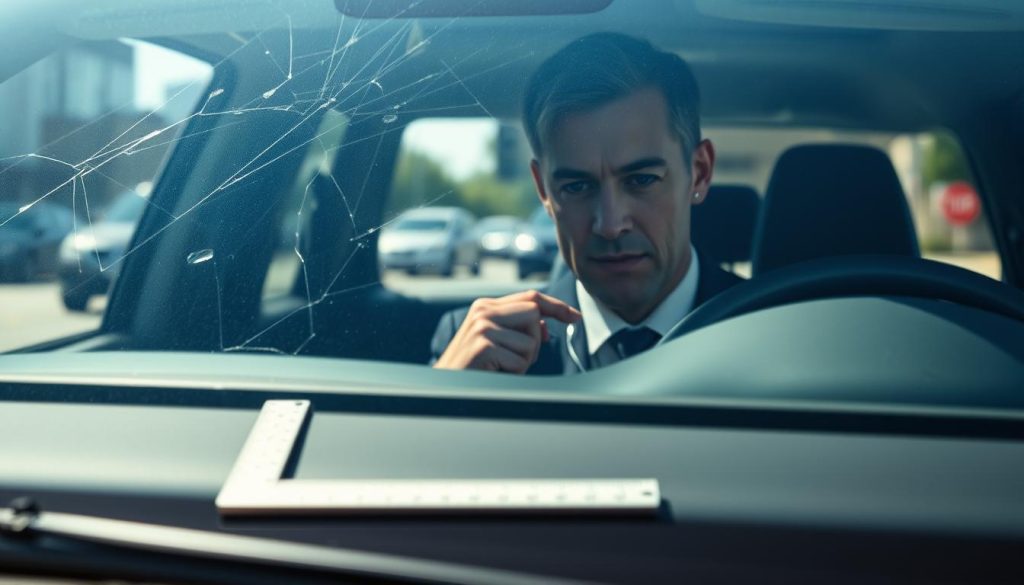
Drivers should make routine checks a habit. Look for chips or cracks that might grow and block your sightline.
Measuring techniques to assess windshield damage
Assessing severity starts with a simple visual check. See if the surface has warped or changed shape.
This is a primary concern for state safety inspections. Maintaining structural integrity is vital.
The glass is designed to protect you during a collision. Compromising it weakens your car’s safety.
If you’re unsure about the legal limits, consult a professional. They understand the current requirements.
Complying with windshield visibility requirements Texas
Legal compliance extends beyond glass condition to what you place on it. The rules focus on keeping your forward and side sightlines completely open.
This means managing any items attached to your car’s windows. Unauthorized materials can create dangerous blind spots.
How to Check for Obstructions and Clear View Regulations
You must ensure no objects block your perspective. This includes stickers, decals, or signs.
Only labels mandated by law are allowed. These must be placed in the lower corners of your front glass.
Drivers are prohibited from putting materials on side windows. These can prevent a clear view of roads and intersections.
Perform a simple visual inspection regularly. Look for any unauthorized items that might have been added.
Maintaining this clear view is a legal obligation. It helps all motorists navigate safely without blocked perspectives.
A quick check takes seconds but contributes greatly to road safety for everyone.
Ensuring Proper Window Tint and Light Transmission
State laws set clear limits on how much light your vehicle’s side and rear windows must allow. These tint laws balance privacy with safety for all road users.
Texas tint laws for front, side, and rear windows
Your front side windows must allow more than 25% light transmission. This ensures officers can see inside during a stop.
You may add non-reflective window tint above the AS-1 line or the top five inches. This rule keeps your forward view clear.
Your rear window can be very dark. This is only true if your car has dual side mirrors providing 200 feet of visibility.
Without those mirrors, the rear glass also needs 25% light entry. Always check your vehicle‘s setup.
Guidelines for non-reflective tint and color restrictions
The film you choose must be non-reflective. Shiny tint can create dangerous glare for other drivers.
Red, blue, and amber colors are completely banned. These could be confused with emergency vehicle lights.
Manufacturers must certify their film meets state rules. Installers place a small sticker on the driver’s side glass.
Using illegal window tint leads to failed inspections. It can also result in a citation from law enforcement.
DIY Self-Inspection Tips for Maintaining Your Windshield
Taking a few minutes each month to inspect your car’s front glass can prevent bigger problems down the road. This simple habit puts you in control of your vehicle’s safety and helps you stay ahead of potential issues.
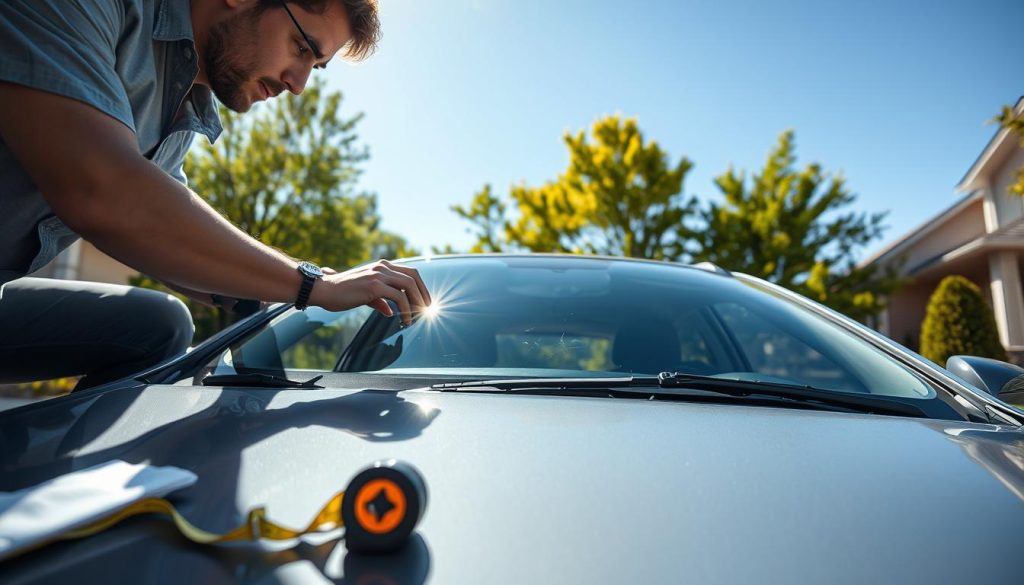
Step-by-step process for a windshield self-assessment
Start with a visual scan of the entire surface in good light. Look for any cracks, chips, or areas where the glass appears warped.
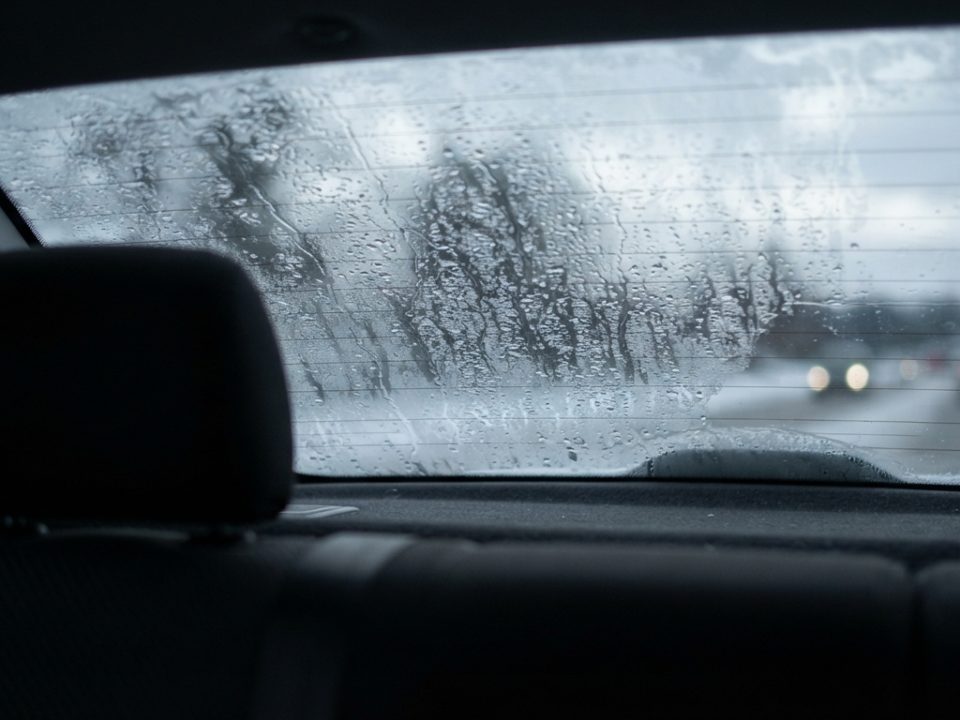
Next, check your wiper blades. Ensure they move smoothly and clear water without streaking. Regular cleaning of the viewing area prevents dirt buildup that can obscure your perspective.
Finally, examine the edges and corners. Damage often starts in these vulnerable spots. A thorough check helps drivers catch small flaws before they grow.
When to seek a professional evaluation
If you find damage that is complex or extends deep into the glass layers, get a professional opinion. An expert can tell you if repair is possible or if replacement is needed.
This is especially important for adhering to state rules regarding clear visibility. Professionals understand the exact rules for passing safety inspections.
Following these DIY guidelines helps ensure your vehicle meets state standards. It also allows drivers to avoid fines for damaged equipment.
Professional Repair Options and Miracle Auto Glass Services
For drivers dealing with cracks or chips, modern repair methods offer a strong and clear fix. Knowing where to turn for expert help makes all the difference.
Your choice between a simple repair and a full replacement depends on the damage. Small, isolated flaws can often be fixed.
Choosing between windshield repair and replacement
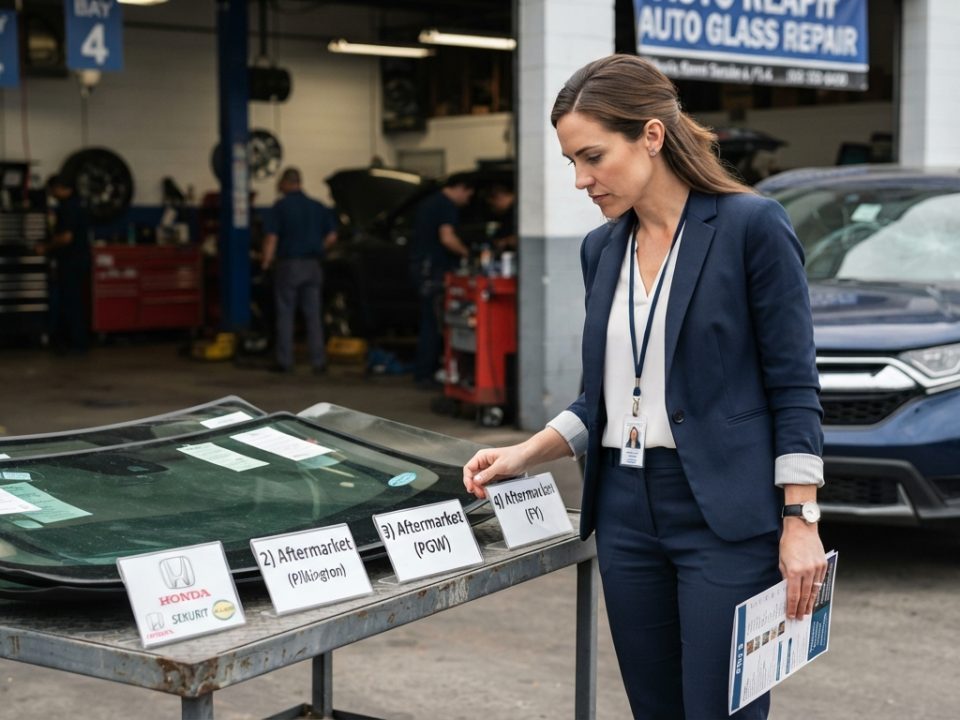
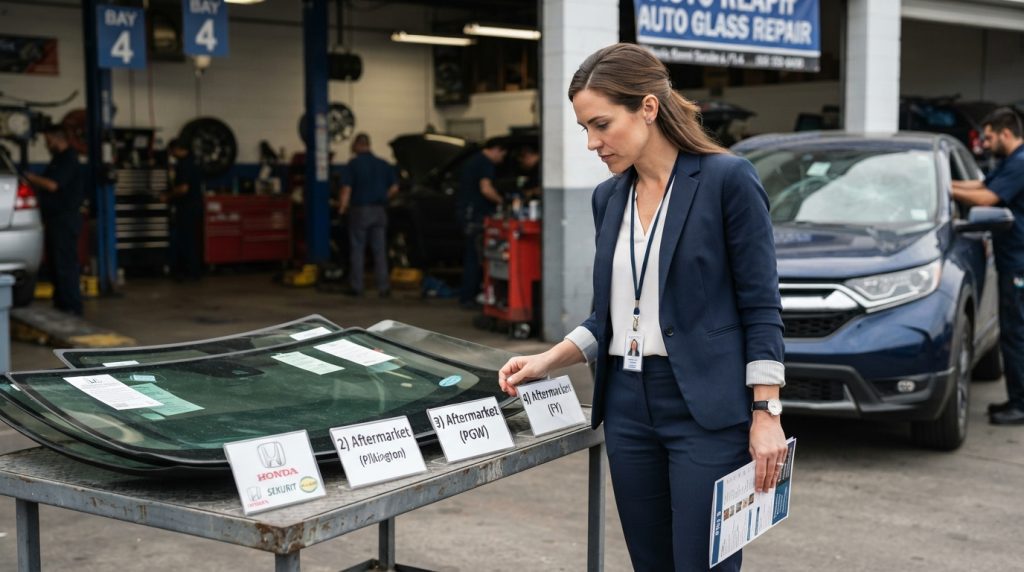
Technicians assess the size, depth, and location of the damage. If a crack is long or in the driver’s direct line of sight, replacement is usually the safer option.
This ensures your vehicle maintains its structural safety. A professional evaluation is the best way to know for sure.
Advanced resin treatments are a key tool. Experts use them to restore the clarity and strength of damaged glass.
This process seals cracks from the inside. It prevents them from spreading and brings back a clear view.
Miracle Auto Glass location and advanced repair technologies
For top-tier service, visit Miracle Auto Glass at 6730 Poss Rd, San Antonio, TX 78238. Their team uses the latest tools and materials.
They provide expert guidance on the right solution for your car. This helps you maintain your vehicle in top condition.
Using a reputable shop ensures high-quality care for your glass. It is also essential for maintaining compliance with state safety rules.
Professional service keeps you and everyone on the road safer.
Enforcement Mechanisms, Penalties, and Legal Consequences
When you’re pulled over, officers have specific tools and procedures to check for compliance. This active enforcement ensures all drivers meet the same safety rules.
How law enforcement inspects and documents violations
During a traffic stop, officers often use a specialized light meter. This device measures how much light passes through your vehicle‘s windows.
They document any violation with photos and written notes. The exact measurements and damage location are recorded for the record.
Consequences of non-compliance and fines for repeated offenses
A first-time violation for illegal tint or glass damage typically brings a fine. This penalty usually ranges from $20 to $200.
Repeat offenses are treated much more severely. Fines can exceed $275, plus additional court costs.
You might receive a “fix-it” ticket. This requires you to correct the issue and show proof to dismiss the fines.
If an accident occurs due to poor visibility, seek professional guidance. You can contact Pierce Skrabanek at (832) 690-7000 for legal assistance specific to such cases.
Understanding these consequences helps drivers maintain their vehicle and avoid penalties. Staying in compliance is the best way to drive confidently under Texas law.
Conclusion
A well-maintained viewing area on your car is your first line of defense against accidents. It is a core responsibility for all drivers. This duty protects everyone sharing the road.
Following the guidelines for tint and damage helps you avoid fines. It also keeps your vehicle in full compliance with state law. Regular checks and repairs from trusted professionals ensure your windshield stays strong.
Clear sight is a fundamental part of defensive driving. Staying informed about the latest standards is the best way to uphold your safety. Make it a regular part of your vehicle care routine.