
Simple Maintenance Tips to Protect Your Car’s Glass

What to Do When Your Rear Window Defroster Stops Working
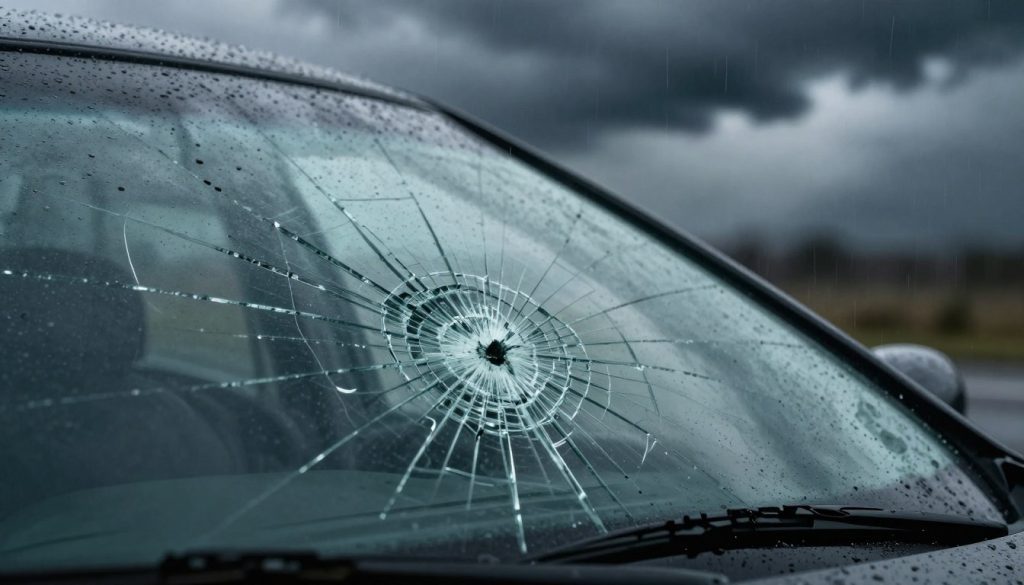
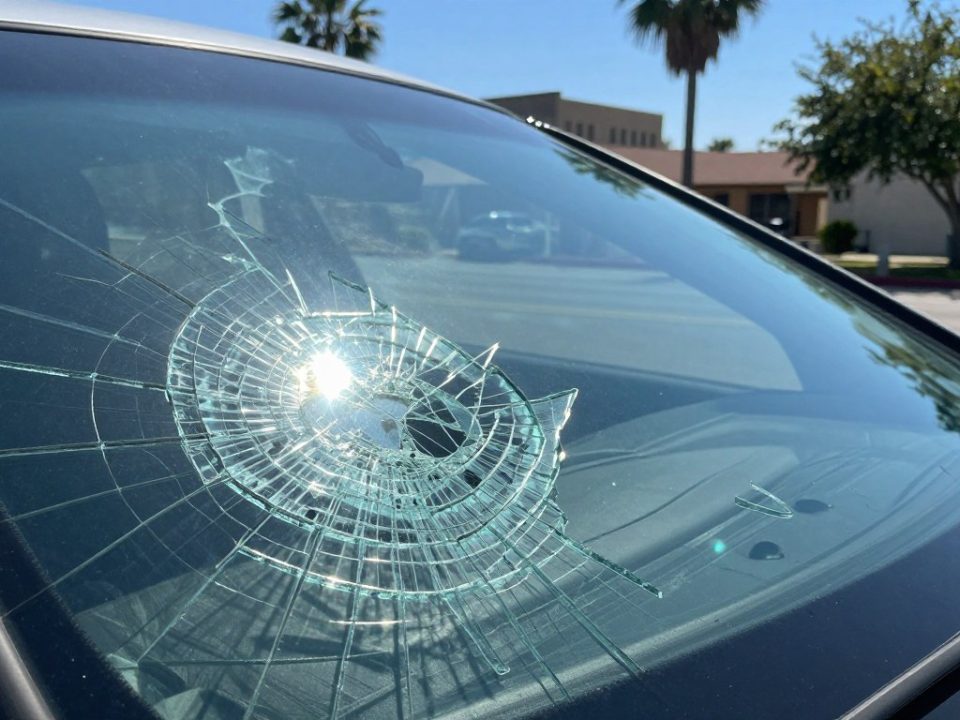
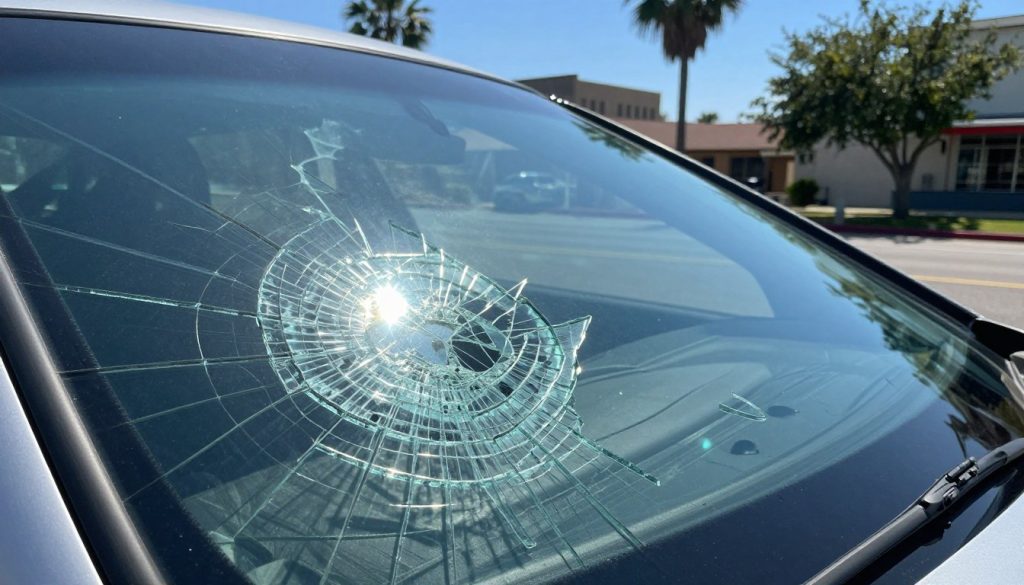
Have you ever wondered why a small chip suddenly spreads after a cold night or a hot afternoon? It feels like glass can betray you overnight, but there is a simple science behind it.
Windshields are laminated safety glass that reacts to rapid temperature shifts. When you run a heater on frozen glass or blast cold air after sun exposure, the glass flexes and a minor crack can grow fast.
Moisture makes matters worse. Water that seeps into a chip can freeze, expand, and widen the break during freeze-thaw cycles common across the United States. Road salt, debris, and sudden bumps add stress that pushes damage farther than you expect.
This guide will show why glass reacts to heat and cold, how cracks spread, and what you can do now to slow damage. For a reliable assessment or to restore safe driving, trust Miracle Auto Glass—call for a quote and let professionals fix your auto glass before small problems become replacements.
Key Takeaways
- Rapid temperature shifts make existing glass damage spread.
- Freeze-thaw cycles and moisture can enlarge a small crack overnight.
- Simple steps can slow damage until you get a repair.
- Addressing chips early protects visibility and safety systems.
- Contact Miracle Auto Glass for a professional assessment and quote.
Why weather changes turn minor windshield damage into major cracks
A tiny blemish in your auto glass can grow fast when temperatures shift suddenly. That small flaw creates a weak spot in the layered safety glass, and everyday forces concentrate at that point.
Laminated safety layers: Your auto glass is a layered system designed to hold together. Once debris or an impact causes a small chip, the surrounding glass takes more stress. That makes the area likely to spread under strain.
Thermal expansion and contraction
Glass expands as temperatures rise and contracts when cold sets in. Repeated expansion and contraction focuses pressure at chip edges and can force a tiny flaw to lengthen.
Rapid temperature swings
Fast shifts — like blasting a defroster or switching on cold AC — make one area heat or cool before another. Those sudden temperature changes spike stress and let a crack run farther than you expect.
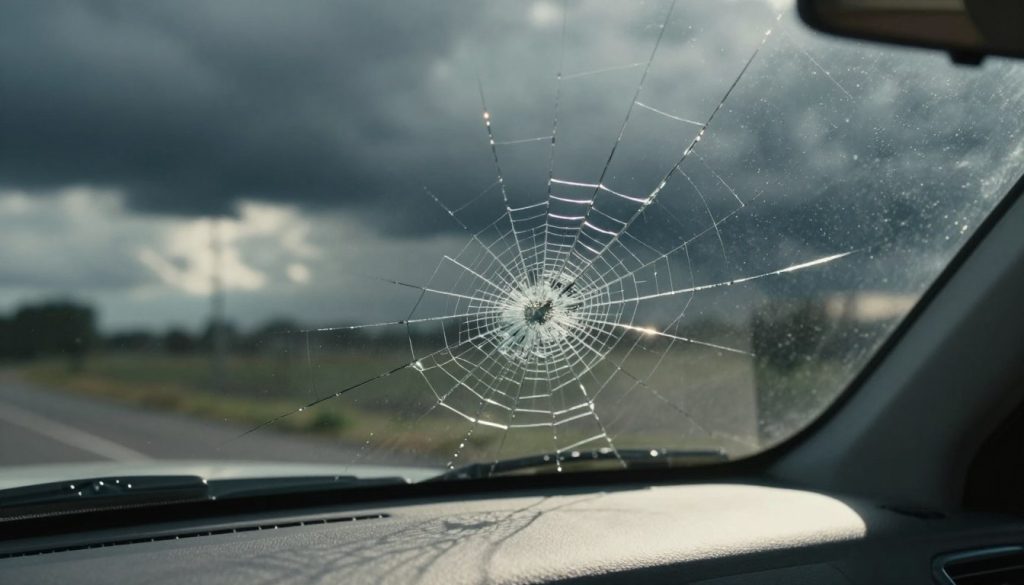
Moisture, ice, and winter debris
Water that seeps into a chip freezes and expands, widening the break. Road salt and gritty winter debris scratch and weaken edges. Potholes and bumps add vibration stress that accelerates the problem.
| Condition | How it stresses glass | Likely result |
|---|---|---|
| Rapid heating/cooling | Uneven expansion/contraction | Crack lengthens quickly |
| Freeze-thaw cycles | Water freezes inside chips | Edges widen, deeper damage |
| Road salt & debris | Abrasive wear at chip edges | Micro-scratches and faster spread |
If you spot a small chip, contact Miracle Auto Glass. A timely repair often stops the chain reaction that leads to full replacement.
cracked windshield weather impact on safety, visibility, and your vehicle’s structural integrity
Even a small break in the glass over your dash can change how your car protects you in a crash.
Your windshield is part of the vehicle’s safety structure. An early crack weakens structural integrity and can reduce proper airbag support during a collision. This makes roof strength and occupant protection less reliable.
Winter road conditions raise the real risk. When roads are slick, weakened glass may not hold up as expected under collision forces. That raises your chance of more severe damage and higher repair or replacement needs.
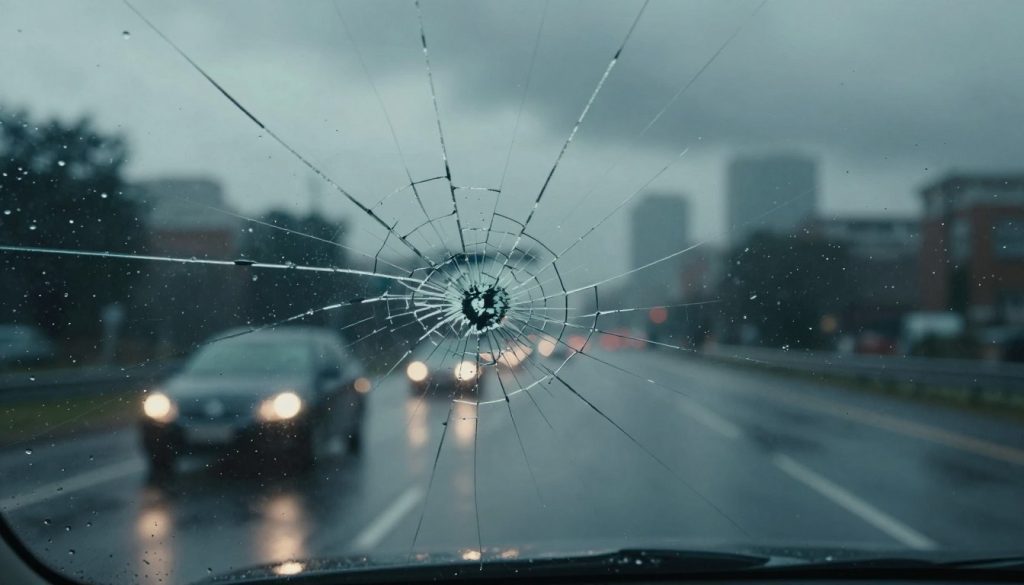
How visibility is affected
Cracks and chips create glare and distortion. Sun or headlights catch on jagged edges and make night or storm driving harder.
Ice can build in a damaged line, forming a stubborn streak that reduces visibility in winter. That streak is harder to clear than smooth glass.
Why cracks can spread overnight
Big temperature changes put pressure on the weakened area. A tiny crack can lengthen across windshield glass while your car sits parked, leaving you with sudden, worse damage by morning.
| Risk | What happens | Driver cue |
|---|---|---|
| Structural weakening | Less roof support and airbag stability | Visible branch or growth near sensor area |
| Visibility loss | Glare, distortion, ice line | Light scatter or hard-to-clear streak |
| Spreading damage | Crack lengthens across windshield | Noticeable overnight growth |
If a crack grows, branches, or blocks your line of sight, prioritize a professional evaluation. Miracle Auto Glass can determine whether repair or replacement is the safest choice for your car.
How to keep weather from making your windshield crack worse
Preventing a small chip from growing starts with smart daily habits. Control how your vehicle heats and cools so you reduce pressure on damaged glass. Follow simple steps today to limit spread and protect safety.
Stabilize temperature changes
Start your HVAC on low and let the cabin warm or cool gradually. Rapid shifts create uneven pressure at chip edges and make a small chip more likely to lengthen.
Defrost safely
Use gradual defrosting and point airflow at the windshield, not directly at a damaged spot. Avoid blasting high heat on frozen glass; uneven heating can force a tiny break to run.
Never pour hot water to melt ice
Pouring hot water causes sudden temperature shock and can cause the glass to fail or extend an existing crack. Use an ice scraper and gradual cabin warming instead.
Keep moisture and debris away
If you have a chip today, protect it and schedule service before water can seep in. Moisture plus freeze-thaw cycles is a common path that makes damage worse.
Rinse off road salt and winter grime regularly. Salt and gritty debris abrade edges and let water sit in chips, raising the chance of needing a full replacement.
Repair vs replacement — practical guidance
Small, contained chips are often repairable. Long or spreading cracks usually require replacement for vehicle safety.
Stop driving and call for help if damage spreads rapidly, branches toward sensors, or blocks your view. Schedule a professional inspection and glass repair with Miracle Auto Glass to save time and protect your vehicle today.
Conclusion
Minor damage often grows after temperature swings, trapped moisture, or winter grit.
Temperature expansion and contraction stress weak spots. Water that freezes in a chip widens the break. Road salt and debris speed edge breakdown.
What looks small today can spread overnight after a sharp weather change. That raises safety and visibility risks and can force a full replacement later.
Your best defense is simple: avoid sudden temperature shocks, keep affected areas clean, and address chips before water or ice get inside. Early service often means a fast repair and lower cost.
Hire Miracle Auto Glass to fix your windshield or other glass damage—request a quote today and get your auto glass repaired before the next weather change makes it worse.